cfchris.com

Loading

sdlc software

Mastering the Software Development Life Cycle (SDLC) for Efficient Software Development

The Importance of Software Development Life Cycle (SDLC)

The Importance of Software Development Life Cycle (SDLC)

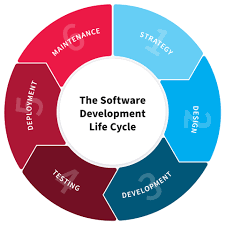
Software Development Life Cycle (SDLC) is a systematic process used by software developers to design, develop, and test high-quality software products. It is a crucial framework that ensures the efficient and timely delivery of software solutions while meeting customer requirements.

Phases of SDLC:

Planning: In this phase, project requirements are gathered, analyzed, and documented. Budget, timeline, and resources are also determined during the planning stage.

Analysis: During this phase, the system requirements are studied in detail. Developers work closely with stakeholders to understand their needs and expectations.

Design: The design phase involves creating a blueprint for the software solution based on the requirements gathered in the previous phases. This includes architectural design, database design, and user interface design.

Implementation: In this phase, actual coding takes place based on the design specifications. Developers write code according to the programming language selected for the project.

Testing: Testing is a critical phase where software is tested for bugs, errors, and functionality issues. Various testing methods like unit testing, integration testing, and system testing are performed to ensure quality.

Deployment: Once testing is complete and the software meets all requirements, it is deployed to production environments for actual use by end-users.

Maintenance: The maintenance phase involves regular updates, bug fixes, and enhancements to ensure that the software continues to meet changing user needs over time.

The Benefits of SDLC:

  • Better Quality: SDLC ensures that software products are thoroughly tested before deployment, resulting in higher quality solutions.
  • Cost-Effective Development: By following a structured approach like SDLC, developers can identify issues early in the process, reducing development costs in the long run.
  • Easier Maintenance:S DLC’s iterative nature allows for easier maintenance and updates as changes can be implemented systematically without disrupting existing functionalities.
  • Customer Satisfaction:


    9 Essential Tips for Mastering the Software Development Life Cycle (SDLC)

    1. Understand the requirements thoroughly before starting the development process.
    2. Involve stakeholders at every stage of the Software Development Life Cycle (SDLC).
    3. Use version control systems to track changes and manage code efficiently.
    4. Perform regular testing to ensure quality and identify bugs early in the process.
    5. Document each phase of the SDLC to maintain clarity and facilitate future maintenance.
    6. Adopt Agile or DevOps methodologies for a more iterative and collaborative approach.
    7. Consider security measures throughout the SDLC to protect against potential threats.
    8. Plan for scalability to accommodate future growth and changes in user demands.
    9. Continuously gather feedback from users to improve software usability and functionality.

    Understand the requirements thoroughly before starting the development process.

    It is essential to thoroughly understand the requirements before initiating the development process in Software Development Life Cycle (SDLC). Clear and comprehensive comprehension of project requirements ensures that developers have a solid foundation to work from, reducing the likelihood of misunderstandings or rework later on. By taking the time to delve deep into the requirements at the beginning, teams can align their efforts with the client’s needs and expectations, leading to a more efficient and successful development cycle.

    Involve stakeholders at every stage of the Software Development Life Cycle (SDLC).

    It is essential to involve stakeholders at every stage of the Software Development Life Cycle (SDLC) to ensure the successful development and delivery of software solutions that meet their needs and expectations. By engaging stakeholders throughout the process, developers can gather valuable feedback, clarify requirements, and address any concerns or changes early on. This collaborative approach fosters a sense of ownership among stakeholders and helps build consensus, ultimately leading to the development of high-quality software products that align closely with the organization’s goals and objectives.

    Use version control systems to track changes and manage code efficiently.

    When implementing Software Development Life Cycle (SDLC) processes, it is essential to utilize version control systems to track changes and manage code efficiently. Version control systems, such as Git or SVN, allow developers to keep track of modifications made to the codebase over time. By using version control, teams can collaborate seamlessly, revert to previous versions if needed, and maintain a clear history of code changes. This practice not only enhances code management but also improves overall project efficiency and ensures better software quality throughout the SDLC stages.

    Perform regular testing to ensure quality and identify bugs early in the process.

    Performing regular testing throughout the Software Development Life Cycle (SDLC) is crucial to ensure the quality of the software and identify bugs early in the process. By conducting thorough and systematic testing at each stage of development, developers can detect and address issues promptly, leading to a more robust and reliable final product. Early bug identification not only helps in maintaining high-quality standards but also reduces the time and cost associated with fixing defects later in the development cycle. Prioritizing regular testing in SDLC contributes significantly to delivering a successful software solution that meets user expectations and performs optimally.

    Document each phase of the SDLC to maintain clarity and facilitate future maintenance.

    Documenting each phase of the Software Development Life Cycle (SDLC) is a crucial tip to maintain clarity and facilitate future maintenance of software projects. By documenting each phase, including planning, analysis, design, implementation, testing, deployment, and maintenance, developers and stakeholders can have a clear understanding of the project’s progress and requirements. Detailed documentation serves as a reference point for future updates, enhancements, and troubleshooting efforts, ensuring that the software remains well-documented and easily maintainable throughout its lifecycle.

    Adopt Agile or DevOps methodologies for a more iterative and collaborative approach.

    Adopting Agile or DevOps methodologies in the Software Development Life Cycle (SDLC) can significantly enhance the development process. By embracing these frameworks, teams can work in a more iterative and collaborative manner, allowing for quicker feedback loops, improved adaptability to changes, and increased efficiency in delivering software solutions. Agile methodologies promote flexibility and customer-centric development, while DevOps focuses on streamlining collaboration between development and operations teams for seamless integration and deployment. Implementing Agile or DevOps practices in SDLC can lead to enhanced productivity, better quality software, and ultimately, higher customer satisfaction.

    Consider security measures throughout the SDLC to protect against potential threats.

    It is essential to consider security measures throughout the Software Development Life Cycle (SDLC) to safeguard against potential threats. By integrating security practices from the early stages of planning and design to the final deployment and maintenance phases, developers can proactively identify vulnerabilities and mitigate risks. Implementing robust security protocols ensures that software products are resilient against cyber threats, protecting sensitive data and maintaining the trust of users. Prioritizing security throughout the SDLC not only enhances the overall quality of the software but also contributes to a more secure and reliable end product.

    Plan for scalability to accommodate future growth and changes in user demands.

    When implementing Software Development Life Cycle (SDLC) for a project, it is essential to plan for scalability to accommodate future growth and changes in user demands. By anticipating the need for scalability, developers can design a flexible and adaptable software solution that can easily expand to meet increasing user requirements or changes in the business environment. This proactive approach ensures that the software remains relevant and efficient in the long term, saving time and resources on extensive rework or redevelopment efforts down the line.

    Continuously gather feedback from users to improve software usability and functionality.

    Continuously gathering feedback from users is a crucial tip in the Software Development Life Cycle (SDLC) process. By actively seeking input from end-users, developers can gain valuable insights into how the software is being used and identify areas for improvement in terms of usability and functionality. This feedback loop allows for iterative enhancements that align the software more closely with user needs and preferences, ultimately leading to a more user-friendly and effective product. Embracing user feedback as an integral part of the SDLC helps ensure that the software evolves to meet changing user requirements and remains relevant in a dynamic technological landscape.

sdlc

Mastering the Software Development Life Cycle (SDLC): A Comprehensive Guide

Understanding the Software Development Life Cycle (SDLC)

Understanding the Software Development Life Cycle (SDLC)

The Software Development Life Cycle (SDLC) is a structured process that defines the steps involved in developing software applications. It encompasses everything from initial planning to deployment and maintenance of the software. Understanding the SDLC is crucial for ensuring successful and efficient software development projects.

Phases of the SDLC

The SDLC typically consists of several phases, each with its own set of activities and deliverables:

  1. Planning: This phase involves defining project scope, requirements gathering, feasibility analysis, and creating a project plan.
  2. Analysis: In this phase, detailed requirements are documented, analyzed, and validated to ensure they align with business objectives.
  3. Design: The design phase focuses on creating a blueprint for the software solution, including architecture design, database design, UI/UX design, and more.
  4. Development: During this phase, developers write code based on the design specifications. Testing is also conducted to identify and fix any defects.
  5. Testing: Quality assurance professionals perform various tests to ensure that the software meets all requirements and functions as expected.
  6. Deployment: Once testing is complete and the software is approved for release, it is deployed to production environments for end-users to access.
  7. Maintenance: The maintenance phase involves ongoing support, bug fixes, updates, and enhancements to ensure the software remains functional and up-to-date.

Importance of SDLC

The SDLC provides a systematic approach to software development that helps organizations manage resources effectively, reduce risks, improve communication among team members, and deliver high-quality products on time and within budget. By following a structured SDLC process, organizations can increase efficiency and minimize errors throughout the development lifecycle.

In conclusion, understanding the Software Development Life Cycle (SDLC) is essential for anyone involved in software development projects. By following a well-defined SDLC process tailored to specific project needs, organizations can achieve successful outcomes and deliver value to their stakeholders.


Understanding SDLC: Key Phases, Models, and Methodologies Explained

  1. What is SDLC and its 6 phases?
  2. What is meant by SDLC?
  3. What is SDLC with an example?
  4. What are the 7 stages of SDLC?
  5. What are the 7 models of SDLC?
  6. What are the five 5 phases of SDLC?
  7. What are the 8 phases of SDLC?
  8. Is SDLC waterfall or Agile?

What is SDLC and its 6 phases?

The Software Development Life Cycle (SDLC) is a structured process that outlines the steps involved in creating software applications. It consists of six key phases: Planning, Analysis, Design, Development, Testing, Deployment, and Maintenance. In the Planning phase, project scope and requirements are defined. The Analysis phase involves detailed requirement gathering and validation. Design focuses on creating a blueprint for the software solution. Development entails coding and testing for defects. Testing ensures quality and functionality. Deployment involves releasing the software to production environments. Maintenance includes ongoing support and updates to keep the software current and operational. Understanding these six phases of the SDLC is essential for successful software development projects.

What is meant by SDLC?

The Software Development Life Cycle (SDLC) refers to a structured process that outlines the stages involved in developing software applications, from inception to deployment and maintenance. SDLC encompasses planning, analysis, design, development, testing, deployment, and maintenance phases. It serves as a roadmap for software development projects, ensuring that they are well-organized, efficient, and aligned with business objectives. Understanding SDLC is crucial for software developers and project stakeholders to manage resources effectively, deliver high-quality products, and achieve project success within defined timelines and budgets.

What is SDLC with an example?

The Software Development Life Cycle (SDLC) is a structured process used by software development teams to plan, design, build, test, deploy, and maintain software applications. An example of the SDLC in action can be seen in the development of a mobile banking app. In this scenario, the planning phase involves defining the app’s features and functionalities, while the analysis phase focuses on gathering requirements such as user authentication and transaction processing. The design phase includes creating wireframes and UI designs for the app, followed by actual development where developers write code based on the design specifications. Testing ensures that the app functions correctly before deployment to app stores. Once deployed, ongoing maintenance and updates are essential to keep the app secure and up-to-date with changing user needs. This example illustrates how the SDLC guides software development projects from conception to completion with a systematic approach.

What are the 7 stages of SDLC?

The 7 stages of the Software Development Life Cycle (SDLC) represent a comprehensive framework that guides the development of software applications from inception to deployment and maintenance. These stages include planning, analysis, design, development, testing, deployment, and maintenance. Each stage plays a crucial role in ensuring that software projects are executed efficiently and effectively, meeting both technical requirements and business objectives. By following these structured stages, organizations can streamline their development processes, enhance collaboration among team members, and deliver high-quality software solutions that align with user needs and expectations.

What are the 7 models of SDLC?

One frequently asked question about the Software Development Life Cycle (SDLC) is regarding the different models that can be used in the development process. There are seven commonly recognized models of SDLC, each offering a unique approach to software development. These models include Waterfall, Agile, Iterative, Spiral, V-Shaped, Big Bang, and Prototype. Each model has its own set of characteristics, benefits, and drawbacks, allowing organizations to choose the most suitable model based on their project requirements and goals. Understanding these SDLC models is essential for project managers and development teams to select the right methodology that aligns with their project scope and objectives.

What are the five 5 phases of SDLC?

One frequently asked question about the Software Development Life Cycle (SDLC) is, “What are the five phases of SDLC?” The five key phases of SDLC are Planning, Analysis, Design, Development, Testing, Deployment, and Maintenance. Each phase plays a crucial role in the software development process, from defining project requirements and creating a design blueprint to coding, testing for quality assurance, deploying the software for use, and maintaining it post-deployment. Understanding and effectively navigating through these phases are essential for ensuring successful software development projects that meet business objectives and user needs.

What are the 8 phases of SDLC?

One frequently asked question regarding the Software Development Life Cycle (SDLC) is about the eight phases that constitute this structured process. The eight phases of SDLC are Planning, Analysis, Design, Development, Testing, Deployment, Maintenance, and Monitoring. Each phase plays a crucial role in the software development process, from defining project scope and requirements to ensuring the software remains functional and up-to-date post-deployment. Understanding and effectively navigating through these eight phases of SDLC is essential for organizations to successfully deliver high-quality software solutions that meet user requirements and business objectives.

Is SDLC waterfall or Agile?

The Software Development Life Cycle (SDLC) can be implemented using different methodologies, with two common approaches being the waterfall model and Agile methodology. The traditional waterfall model follows a linear sequential flow, where each phase of the SDLC is completed before moving on to the next. In contrast, Agile methodology emphasizes flexibility and iterative development, allowing for continuous feedback and adaptation throughout the software development process. While some projects may benefit from the structured approach of the waterfall model, others may find Agile more suitable for its adaptability to changing requirements and faster delivery of increments. Ultimately, whether SDLC is considered waterfall or Agile depends on the specific needs and preferences of the project stakeholders.

agile sdlc

Mastering the Agile Software Development Life Cycle (SDLC) for Efficient Project Delivery

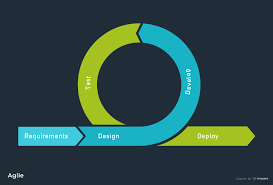
The Agile Software Development Life Cycle (SDLC)

The Agile Software Development Life Cycle (SDLC)

Agile software development has gained popularity in recent years due to its iterative and flexible approach to project management. The Agile Software Development Life Cycle (SDLC) is a methodology that focuses on delivering high-quality software quickly and efficiently through collaboration, adaptability, and continuous improvement.

Key Principles of Agile SDLC:

  • Iterative Development: Agile SDLC breaks the project into small increments called iterations or sprints. Each iteration results in a working product that can be reviewed and tested.
  • Customer Collaboration: Customers are involved throughout the development process, providing feedback and guidance to ensure the final product meets their requirements.
  • Adaptability: Agile teams are flexible and able to respond to changes in requirements or priorities quickly, ensuring that the project stays on track.
  • Continuous Improvement: Regular retrospectives allow teams to reflect on their processes and make adjustments for better efficiency and quality.

The Agile SDLC Phases:

Planning:

In this phase, the project scope is defined, requirements are gathered, and the team creates a roadmap for the project.

Analysis:

The team analyzes the requirements in detail, breaking them down into user stories or tasks that can be prioritized for development.

Design:

In this phase, the team designs the architecture of the software based on the requirements identified earlier. Design decisions are made collaboratively with input from all team members.

Development:

The actual coding of the software takes place in this phase. Developers work in short iterations to build features incrementally.

Testing:

Each iteration undergoes rigorous testing to ensure that all features work as expected and meet quality standards.

Deployment:

The completed features are integrated into a working product and deployed for user feedback. Continuous integration and deployment practices help streamline this phase.

Review & Retrospective:

The team reviews the completed work with stakeholders for feedback and conducts a retrospective to identify areas for improvement in future iterations.

In conclusion, Agile SDLC offers a dynamic and collaborative approach to software development that prioritizes customer satisfaction, adaptability, and continuous improvement. By embracing agility in their processes, teams can deliver high-quality software efficiently while responding effectively to changing requirements and market demands.


Exploring Agile SDLC: Key Principles, Benefits, and Best Practices

  1. What is Agile Software Development Life Cycle (SDLC)?
  2. What are the key principles of Agile SDLC?
  3. How does Agile SDLC differ from traditional waterfall model?
  4. What are the benefits of using Agile SDLC in software development?
  5. What roles are involved in an Agile SDLC team?
  6. How do you handle changes in requirements during an Agile SDLC project?
  7. What tools are commonly used in Agile SDLC projects?
  8. How do you measure the success of an Agile SDLC project?
  9. Can non-software development teams benefit from adopting Agile principles?

What is Agile Software Development Life Cycle (SDLC)?

The Agile Software Development Life Cycle (SDLC) is a methodology that revolutionizes traditional software development practices by emphasizing flexibility, collaboration, and iterative progress. Unlike the linear waterfall model, Agile SDLC breaks down the development process into smaller, manageable iterations known as sprints. These sprints allow for continuous feedback, adaptation to changing requirements, and early delivery of working software components. By prioritizing customer collaboration, adaptability, and continuous improvement, Agile SDLC ensures that software projects are delivered efficiently and effectively while meeting evolving business needs.

What are the key principles of Agile SDLC?

The key principles of Agile Software Development Life Cycle (SDLC) revolve around iterative development, customer collaboration, adaptability, and continuous improvement. Agile SDLC breaks down projects into manageable iterations or sprints, allowing for the delivery of working software increments that can be reviewed and tested regularly. Customer collaboration is emphasized throughout the process to ensure that the final product meets their requirements. The adaptability of Agile teams enables them to respond quickly to changes in priorities or requirements, maintaining project momentum. Continuous improvement is achieved through regular retrospectives, where teams reflect on their processes and make adjustments for enhanced efficiency and quality in subsequent iterations.

How does Agile SDLC differ from traditional waterfall model?

In comparing Agile SDLC with the traditional waterfall model, one of the key distinctions lies in their approach to project management and software development. The waterfall model follows a sequential, linear process where each phase must be completed before moving on to the next, with minimal flexibility for changes once a phase is finished. On the other hand, Agile SDLC emphasizes iterative and collaborative development, breaking the project into smaller increments or sprints that are developed and tested incrementally. This allows for greater adaptability to changing requirements, continuous feedback from stakeholders, and early delivery of working software components. Agile SDLC promotes customer collaboration and embraces change as a natural part of the development process, offering a more flexible and responsive approach compared to the rigid structure of the waterfall model.

What are the benefits of using Agile SDLC in software development?

Utilizing Agile Software Development Life Cycle (SDLC) in software development offers a multitude of benefits. One key advantage is increased flexibility, as Agile allows for iterative development, enabling teams to adapt to changing requirements and market conditions quickly. Another benefit is enhanced collaboration, as Agile promotes regular communication and feedback among team members and stakeholders, leading to improved transparency and alignment. Additionally, Agile SDLC fosters faster delivery of high-quality software through its incremental approach, reducing time-to-market and enhancing customer satisfaction. Overall, the adoption of Agile methodologies can result in more efficient processes, higher productivity levels, and ultimately better outcomes for software development projects.

What roles are involved in an Agile SDLC team?

In an Agile Software Development Life Cycle (SDLC) team, various roles collaborate to ensure the success of the project. Some key roles typically found in an Agile SDLC team include the Product Owner, who represents the customer and defines project requirements; the Scrum Master, responsible for facilitating team collaboration and removing obstacles; and the Development Team, comprising cross-functional members who work together to deliver increments of working software. Additionally, stakeholders such as users, testers, and business analysts may also play essential roles in providing feedback and guidance throughout the development process. This collaborative approach ensures that all perspectives are considered, leading to a successful outcome in Agile projects.

How do you handle changes in requirements during an Agile SDLC project?

In Agile SDLC projects, handling changes in requirements is a common challenge that teams face. One effective approach to managing changing requirements is through open communication and collaboration. By maintaining close contact with stakeholders and involving them in regular feedback sessions, teams can quickly identify and address evolving needs. Additionally, Agile methodologies emphasize flexibility and adaptability, allowing for adjustments to be made easily within short development cycles. Prioritizing requirements based on business value and impact also helps in accommodating changes while ensuring that the project stays on track. Ultimately, by embracing change as a natural part of the process and leveraging the iterative nature of Agile SDLC, teams can effectively manage shifting requirements to deliver a successful and responsive product.

What tools are commonly used in Agile SDLC projects?

In Agile Software Development Life Cycle (SDLC) projects, various tools are commonly used to enhance collaboration, communication, and project management efficiency. Some popular tools include Jira, Trello, and Asana for task tracking and project planning. Version control systems like Git help teams manage code changes effectively. Continuous integration tools such as Jenkins automate the build and testing processes. Communication tools like Slack or Microsoft Teams facilitate real-time collaboration among team members. Agile teams often use tools like Burndown charts or Kanban boards to visualize progress and identify bottlenecks in the development process. These tools play a crucial role in supporting Agile principles and practices throughout the project lifecycle.

How do you measure the success of an Agile SDLC project?

Measuring the success of an Agile Software Development Life Cycle (SDLC) project involves assessing various key performance indicators that reflect the project’s efficiency, quality, and alignment with stakeholder expectations. Common metrics used to evaluate Agile SDLC projects include on-time delivery of features, customer satisfaction levels, team velocity, defect density, and adherence to project budget. Additionally, the ability to adapt to changing requirements, continuous improvement in product quality through feedback loops, and overall team morale are also crucial indicators of success in an Agile SDLC project. By tracking these metrics throughout the project lifecycle and incorporating feedback from stakeholders, teams can gauge their progress and make informed decisions to ensure successful project outcomes.

Can non-software development teams benefit from adopting Agile principles?

Many non-software development teams can indeed benefit from adopting Agile principles. While Agile was originally designed for software development, its core values of collaboration, adaptability, and continuous improvement can be applied to various industries and team settings. By embracing Agile principles, non-software development teams can enhance their project management processes, increase transparency and communication, respond more effectively to changes or challenges, and deliver value to their stakeholders in a more efficient and iterative manner. The flexibility and customer-centric approach of Agile can help non-software development teams improve productivity, quality, and overall project outcomes.

developing software

Mastering the Art of Developing Software: A Comprehensive Guide

Developing Software: A Comprehensive Guide

Developing Software: A Comprehensive Guide

Software development is a complex and rewarding process that involves designing, coding, testing, and maintaining computer programs. Whether you are a seasoned developer or just starting out, understanding the key steps in software development is essential for creating successful applications.

The Software Development Life Cycle

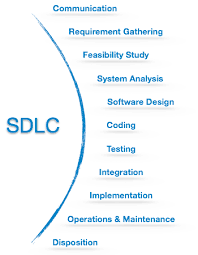
The software development life cycle (SDLC) is a framework that outlines the stages involved in creating software. The typical phases of the SDLC include:

  1. Planning: Define project goals, requirements, and scope.
  2. Analysis: Gather user needs and create system specifications.
  3. Design: Develop architecture, UI/UX design, and database structure.
  4. Implementation: Write code based on design specifications.
  5. Testing: Verify software functionality and fix bugs.
  6. Deployment: Release the software to users.
  7. Maintenance: Update and enhance the software as needed.

The Role of Programming Languages

Selecting the right programming language is crucial in software development. Popular languages like Java, Python, C++, and JavaScript offer different features and are suitable for various types of applications. Developers must choose a language that aligns with project requirements and team expertise.

Coding Best Practices

To write efficient and maintainable code, developers should follow coding best practices such as:

  • Clean Code: Write clear, readable code that follows naming conventions.
  • Modularization: Break down tasks into smaller modules for easier management.
  • Error Handling: Implement proper error handling to prevent crashes and improve user experience.
  • Version Control: Use version control systems like Git to track changes and collaborate effectively.

The Future of Software Development

Rapid advancements in technology continue to shape the future of software development. Trends like artificial intelligence, cloud computing, and DevOps are revolutionizing how applications are built and deployed. As developers adapt to these changes, staying updated with industry trends is key to remaining competitive in the rapidly evolving tech landscape.

In conclusion, developing software requires a combination of technical skills, creativity, collaboration, and adaptability. By following best practices and embracing innovation, developers can create cutting-edge solutions that meet user needs and drive business success.


5 Essential Tips for Effective Software Development

  1. Break down tasks into smaller, manageable units for easier development and testing.
  2. Use version control systems like Git to track changes and collaborate with others effectively.
  3. Write clean and concise code to improve readability and maintainability.
  4. Regularly test your software for bugs and performance issues to ensure quality.
  5. Stay updated with the latest technologies and best practices in software development.

Break down tasks into smaller, manageable units for easier development and testing.

Breaking down tasks into smaller, manageable units is a crucial tip in software development that can significantly improve the development and testing process. By dividing complex tasks into smaller components, developers can focus on one specific aspect at a time, leading to more efficient coding, easier debugging, and better overall organization of the project. This approach not only streamlines development but also enhances collaboration among team members, as each unit can be assigned and worked on independently. Additionally, breaking tasks into manageable units facilitates thorough testing of individual components, ensuring that each part functions correctly before integration into the larger system.

Use version control systems like Git to track changes and collaborate with others effectively.

Utilizing version control systems such as Git is essential in software development to track changes, manage codebase versions, and collaborate seamlessly with team members. By implementing Git, developers can easily review modifications, revert to previous versions if needed, and work concurrently on different parts of the project without conflicts. This practice not only enhances productivity but also ensures that the development process remains organized and efficient, leading to the successful delivery of high-quality software products.

Write clean and concise code to improve readability and maintainability.

When developing software, it is essential to write clean and concise code to enhance readability and maintainability. By following this tip, developers can create code that is easier to understand, troubleshoot, and modify in the future. Clear and well-organized code not only benefits the current development process but also streamlines collaboration among team members. Additionally, maintaining clean code practices helps reduce the likelihood of introducing errors or bugs during the coding process, ultimately leading to more efficient and effective software development outcomes.

Regularly test your software for bugs and performance issues to ensure quality.

Regularly testing your software for bugs and performance issues is crucial to maintaining high quality. By conducting thorough testing throughout the development process, you can identify and address any issues early on, preventing them from escalating into major problems later. Testing helps ensure that your software functions as intended, delivers a seamless user experience, and meets performance expectations. Prioritizing testing not only improves the overall quality of your software but also enhances customer satisfaction and trust in your product.

Stay updated with the latest technologies and best practices in software development.

Staying updated with the latest technologies and best practices in software development is crucial for staying competitive in the ever-evolving tech industry. By continuously learning about new tools, languages, and methodologies, developers can enhance their skills, improve efficiency, and deliver high-quality solutions that meet the demands of modern users. Embracing innovation and staying informed about industry trends not only fosters personal growth but also ensures that software projects remain relevant and impactful in a rapidly changing digital landscape.

sdlc and agile

Comparing SDLC and Agile Methodologies: A Comprehensive Analysis

Understanding SDLC and Agile: A Comprehensive Comparison

Understanding SDLC and Agile: A Comprehensive Comparison

Software Development Life Cycle (SDLC) and Agile are two popular methodologies used in software development. While both aim to streamline the development process, they have distinct approaches and principles. Let’s explore the key differences between SDLC and Agile.

Software Development Life Cycle (SDLC)

SDLC is a structured approach to software development that consists of several phases, including planning, design, implementation, testing, deployment, and maintenance. It follows a sequential order where each phase must be completed before moving on to the next.

Key characteristics of SDLC include:

  • Emphasis on thorough planning and documentation
  • Rigorous testing at each stage
  • Predictable timelines and deliverables
  • Well-defined roles and responsibilities
  • Changes are difficult to implement once the process has started

Agile Methodology

Agile is an iterative approach that focuses on delivering working software in short cycles known as sprints. It values flexibility, collaboration, and adaptability to change throughout the development process.

Key characteristics of Agile include:

  • Iterative development with frequent releases
  • Cross-functional teams working collaboratively
  • Customer feedback drives continuous improvement
  • Emphasis on responding to change over following a plan
  • Allows for changes and updates at any stage of development

Comparison Between SDLC and Agile

SDLC Agile
Approach Sequential, linear process Iterative, flexible approach

In Conclusion,


6 Essential Tips for Navigating SDLC and Agile Methodologies

  1. Plan each phase of the software development life cycle carefully to ensure efficiency and effectiveness.
  2. Involve stakeholders at every stage to gather feedback and ensure alignment with business goals.
  3. Perform thorough testing during each phase to identify and fix issues early in the process.
  4. Break down projects into smaller iterations or sprints for better manageability and adaptability.
  5. Encourage close collaboration between cross-functional teams to promote transparency and quick decision-making.
  6. Embrace change as a competitive advantage by being flexible and responsive to evolving requirements.

Plan each phase of the software development life cycle carefully to ensure efficiency and effectiveness.

To maximize efficiency and effectiveness in software development, it is crucial to meticulously plan each phase of the Software Development Life Cycle (SDLC). By carefully outlining the objectives, tasks, and resources required for each stage, teams can ensure a smooth progression from planning to deployment. This proactive approach not only helps in identifying potential challenges early on but also allows for better coordination among team members and stakeholders. Planning each phase thoughtfully in advance sets a solid foundation for successful project execution and delivery.

Involve stakeholders at every stage to gather feedback and ensure alignment with business goals.

To ensure the success of software development projects following SDLC or Agile methodologies, it is crucial to involve stakeholders at every stage. By actively engaging stakeholders throughout the process, teams can gather valuable feedback, address concerns promptly, and ensure alignment with business goals. This collaborative approach not only enhances communication and transparency but also leads to the development of solutions that meet the needs and expectations of all parties involved.

Perform thorough testing during each phase to identify and fix issues early in the process.

Performing thorough testing during each phase of the software development process, whether following the SDLC or Agile methodology, is crucial for identifying and addressing issues early on. By conducting comprehensive testing at every stage, developers can detect potential problems and bugs sooner, allowing for timely resolution and ensuring a smoother development cycle. This proactive approach not only helps in maintaining the quality of the software but also minimizes the risk of costly rework or delays later in the project timeline.

Break down projects into smaller iterations or sprints for better manageability and adaptability.

Breaking down projects into smaller iterations or sprints is a valuable tip in both SDLC and Agile methodologies. By dividing the project into manageable chunks, teams can focus on specific tasks within a set timeframe, leading to better manageability and adaptability. This approach allows for continuous feedback, adjustments, and improvements throughout the development process, ultimately enhancing productivity and ensuring that the final product meets the desired requirements effectively.

Encourage close collaboration between cross-functional teams to promote transparency and quick decision-making.

Encouraging close collaboration between cross-functional teams is a crucial tip in both SDLC and Agile methodologies. By fostering a culture of transparency and communication among team members with diverse skills and expertise, organizations can enhance decision-making processes and accelerate project timelines. This collaborative approach allows for the seamless exchange of ideas, feedback, and knowledge, ultimately leading to more efficient problem-solving and the successful delivery of high-quality software solutions.

Embrace change as a competitive advantage by being flexible and responsive to evolving requirements.

Embracing change as a competitive advantage in software development involves maintaining flexibility and responsiveness to evolving requirements. By being open to adapting to new challenges and opportunities, teams can stay ahead of the curve and deliver innovative solutions that meet the dynamic needs of users. This proactive approach not only enhances the quality of the final product but also fosters a culture of continuous improvement and agility within the development process.

sdlc in software engineering

Understanding the Significance of SDLC in Software Engineering

Software Development Life Cycle (SDLC) in Software Engineering

The Importance of Software Development Life Cycle (SDLC) in Software Engineering

Software Development Life Cycle (SDLC) is a systematic process used by software engineers to design, develop, and test high-quality software applications. It is a crucial framework that ensures the successful completion of software projects while meeting customer requirements and quality standards.

Phases of SDLC:

  1. Planning: In this phase, project requirements are gathered, analyzed, and documented. The project scope, timeline, and resources are determined.
  2. Analysis: This phase involves a detailed study of the system requirements. It helps in understanding the functionalities expected from the software.
  3. Design: The design phase focuses on creating a blueprint for the software based on the requirements gathered in the previous phases. It includes architectural design, database design, and user interface design.
  4. Implementation: In this phase, the actual coding of the software takes place. Developers write code according to the design specifications and guidelines.
  5. Testing: The testing phase involves identifying defects or bugs in the software and fixing them. Various testing methods like unit testing, integration testing, and system testing are performed to ensure that the software functions correctly.
  6. Deployment: Once the software is tested and approved, it is deployed to production environments for end-users to use.
  7. Maintenance: The maintenance phase involves updating or modifying the software to meet changing user needs or address any issues that arise post-deployment.

The Benefits of SDLC:

  • Better Planning: SDLC helps in proper planning and organization of resources for efficient project management.
  • Quality Assurance: By following a structured approach like SDLC, software engineers can ensure high-quality deliverables that meet customer expectations.
  • Risk Management: SDLC allows for early identification and mitigation of risks throughout the development process.
  • Cycle Repeatability: SDLC provides a repeatable process that can be applied to future projects for consistent results.

In conclusion, Software Development Life Cycle (SDLC) plays a vital role in ensuring successful software development projects by providing a structured approach from inception to deployment. By following SDLC methodologies, software engineers can deliver reliable and high-quality software solutions that meet user needs effectively.


Understanding the Software Development Life Cycle (SDLC): Key Stages and Phases Explained

  1. What are the 7 steps in software testing life cycle?
  2. What are the 7 stages of an SDLC?
  3. What is SDLC design phase?
  4. What are the 5 stages SDLC?

What are the 7 steps in software testing life cycle?

In software engineering, the Software Testing Life Cycle (STLC) consists of seven essential steps that guide the testing process to ensure the quality and reliability of software applications. These steps include requirements analysis, test planning, test case development, environment setup, test execution, defect reporting and tracking, and test closure. Each step in the STLC is crucial for identifying defects early in the development cycle, ensuring that the software meets user requirements, and delivering a high-quality product to end-users. By following these seven steps diligently, software development teams can enhance the efficiency and effectiveness of their testing efforts while maintaining a focus on delivering superior software solutions.

What are the 7 stages of an SDLC?

In software engineering, the Software Development Life Cycle (SDLC) consists of seven key stages that guide the development process from planning to deployment and maintenance. These stages are essential for ensuring a systematic and structured approach to software development. The seven stages of an SDLC include Planning, Analysis, Design, Implementation, Testing, Deployment, and Maintenance. Each stage plays a crucial role in the overall success of a software project by defining requirements, creating designs, writing code, testing functionality, deploying the software for use, and maintaining it post-deployment. Following these stages helps software engineers manage projects effectively and deliver high-quality software solutions that meet user needs.

What is SDLC design phase?

The Software Development Life Cycle (SDLC) design phase is a critical stage in software engineering where the blueprint for the software system is created based on the requirements gathered during the planning and analysis phases. In this phase, software architects and designers define the overall structure of the software, including its architecture, database design, user interface layout, and other technical specifications. The design phase serves as a foundation for the development team to follow while coding the software application. It ensures that the final product aligns with customer needs and quality standards by translating requirements into a detailed technical design that guides the implementation process effectively.

What are the 5 stages SDLC?

In software engineering, the Software Development Life Cycle (SDLC) consists of five essential stages that guide the development process of software applications. These stages are Planning, Analysis, Design, Implementation, and Testing. Each stage plays a crucial role in ensuring the successful completion of a software project while meeting customer requirements and quality standards. The Planning stage involves gathering project requirements and defining scope, followed by Analysis to study system requirements in detail. Design focuses on creating a blueprint for the software, Implementation involves coding based on design specifications, and Testing is crucial for identifying and fixing defects. These five stages of SDLC provide a structured framework for software engineers to follow throughout the development lifecycle.

software product development

Mastering the Art of Software Product Development: A Comprehensive Guide

Software Product Development: A Comprehensive Guide

Software Product Development: A Comprehensive Guide

In today’s digital age, software product development plays a crucial role in shaping businesses and industries. From innovative mobile apps to complex enterprise solutions, the process of creating software products requires a structured approach and a deep understanding of technology and user needs.

The Software Development Life Cycle (SDLC)

The Software Development Life Cycle (SDLC) is a systematic process that outlines the stages involved in developing software products. The typical phases of SDLC include:

  1. Planning: Defining project goals, requirements, and constraints.
  2. Analysis: Gathering and analyzing user needs and system requirements.
  3. Design: Creating a detailed design of the software architecture and user interface.
  4. Development: Writing code, testing functionality, and fixing bugs.
  5. Testing: Conducting various tests to ensure the software meets quality standards.
  6. Deployment: Releasing the software to users or clients.
  7. Maintenance: Providing ongoing support, updates, and enhancements.

Key Principles of Software Product Development

Successful software product development is guided by several key principles:

  • User-Centric Design: Prioritizing user experience and usability throughout the development process.
  • Agile Methodology: Embracing flexibility, collaboration, and iterative development cycles to adapt to changing requirements.
  • Quality Assurance: Implementing rigorous testing procedures to ensure reliability, performance, and security.
  • Scalability: Designing software products that can grow and evolve with the changing needs of users and businesses.

The Role of Technology in Software Product Development

Technology plays a pivotal role in driving innovation and efficiency in software product development. Emerging technologies such as artificial intelligence, cloud computing, Internet of Things (IoT), and blockchain are reshaping the way software products are designed, developed, and deployed.

Challenges in Software Product Development

Despite its benefits, software product development comes with its own set of challenges. Common challenges include managing project scope creep, meeting tight deadlines, ensuring cross-team collaboration, addressing cybersecurity threats, and keeping up with rapidly evolving technologies.

In Conclusion

Software product development is a dynamic and multifaceted process that requires a blend of technical expertise, creativity, strategic planning, and effective communication. By following best practices, embracing innovation, and staying agile in response to change, organizations can create successful software products that meet the needs of users in today’s digital landscape.


7 Key Benefits of Software Product Development for Business Growth and Innovation

  1. Innovative solutions tailored to specific user needs.
  2. Enhanced efficiency and automation of business processes.
  3. Scalable products that can grow with the business.
  4. Improved customer satisfaction through user-friendly interfaces.
  5. Opportunities for continuous improvement and updates.
  6. Increased competitiveness in the market through technological advancements.
  7. Potential for creating new revenue streams and expanding market reach.


Top 6 Challenges in Software Product Development: Managing Complexity, Delays, Costs, Integration, Security, and Team Collaboration

  1. Complexity of managing project scope and requirements
  2. Risk of delays due to unforeseen technical challenges
  3. Potential for cost overruns during development and testing phases
  4. Difficulty in ensuring seamless integration with existing systems or third-party applications
  5. Challenge of maintaining software security and addressing vulnerabilities
  6. Strain on team collaboration and communication, especially in distributed or remote work environments

Innovative solutions tailored to specific user needs.

One of the key advantages of software product development is the ability to create innovative solutions that are customized to meet specific user needs. By understanding the unique requirements and preferences of users, developers can design and build software products that address specific challenges or provide tailored functionalities. This personalized approach not only enhances user satisfaction and engagement but also increases the overall value and effectiveness of the software solution in meeting the precise needs of its intended audience.

Enhanced efficiency and automation of business processes.

Enhanced efficiency and automation of business processes are significant benefits of software product development. By leveraging technology to streamline workflows, businesses can reduce manual tasks, minimize errors, and improve overall productivity. Automated processes not only save time but also enable employees to focus on more strategic tasks that drive innovation and growth. With custom software solutions tailored to specific business needs, organizations can optimize their operations, achieve cost savings, and gain a competitive edge in today’s fast-paced market environment.

Scalable products that can grow with the business.

Scalability in software product development offers a significant advantage by ensuring that products can expand and evolve in tandem with the growth of a business. By designing and developing scalable solutions, organizations can easily accommodate increasing user demands, new features, and higher workloads without experiencing significant disruptions or the need for a complete overhaul of the software architecture. This pro of scalability not only enhances the longevity and adaptability of software products but also enables businesses to remain agile and competitive in a rapidly changing market environment.

Improved customer satisfaction through user-friendly interfaces.

One significant benefit of software product development is the enhancement of customer satisfaction through the implementation of user-friendly interfaces. By prioritizing intuitive design and ease of use, software developers can create products that cater to the needs and preferences of users. User-friendly interfaces not only streamline the user experience but also contribute to increased engagement, efficiency, and overall satisfaction with the software. This focus on usability ultimately leads to happier customers who are more likely to continue using the product and recommend it to others, thereby fostering long-term relationships and loyalty.

Opportunities for continuous improvement and updates.

One significant advantage of software product development is the opportunities it provides for continuous improvement and updates. Through regular iterations and enhancements, developers can address user feedback, incorporate new features, fix bugs, and adapt to changing market demands. This iterative approach not only ensures that the software remains relevant and competitive but also allows for ongoing optimization of performance, functionality, and user experience. By embracing a mindset of continuous improvement, software products can evolve over time to meet the evolving needs and expectations of users, ultimately leading to greater customer satisfaction and long-term success.

Increased competitiveness in the market through technological advancements.

In the realm of software product development, one significant advantage is the ability to enhance competitiveness in the market through technological advancements. By leveraging cutting-edge technologies and innovative solutions, companies can differentiate themselves from competitors, attract a larger customer base, and stay ahead of industry trends. This proactive approach not only boosts brand visibility and credibility but also opens up new opportunities for growth and expansion in an increasingly digital-driven business landscape.

Potential for creating new revenue streams and expanding market reach.

Software product development offers a significant advantage in the potential for creating new revenue streams and expanding market reach. By introducing innovative software products tailored to meet the evolving needs of customers, businesses can tap into previously untapped markets and attract a broader audience. This expansion not only increases revenue opportunities but also enhances brand visibility and competitiveness in the industry. Through strategic product development, organizations can diversify their offerings, reach new customer segments, and ultimately drive growth and profitability.

Complexity of managing project scope and requirements

The complexity of managing project scope and requirements poses a significant challenge in software product development. As projects evolve, stakeholders may introduce new features or changes, leading to scope creep and shifting requirements. Balancing the need for innovation with the constraints of time and resources requires careful planning, communication, and prioritization. Failure to effectively manage project scope and requirements can result in delays, budget overruns, and compromised product quality. Addressing this con demands a proactive approach, clear documentation of requirements, regular stakeholder engagement, and a flexible mindset to adapt to evolving project needs while ensuring alignment with the overall project goals.

Risk of delays due to unforeseen technical challenges

One significant con of software product development is the risk of delays caused by unforeseen technical challenges. Despite meticulous planning and preparation, projects can encounter unexpected hurdles such as complex integration issues, compatibility problems, or unanticipated bugs that may disrupt the development timeline. These technical obstacles not only require additional time and resources to resolve but can also impact the overall project schedule, leading to potential delays in product delivery and increased costs. Managing and mitigating these unforeseen challenges effectively is crucial to minimizing project delays and ensuring successful software product development.

Potential for cost overruns during development and testing phases

One significant con of software product development is the potential for cost overruns during the development and testing phases. As projects progress, unforeseen challenges, changes in requirements, and technical complexities can arise, leading to delays and increased expenses. This can strain budgets and impact project timelines, making it crucial for development teams to carefully manage resources, communicate effectively with stakeholders, and implement strategies to mitigate the risk of cost overruns throughout the software development lifecycle.

Difficulty in ensuring seamless integration with existing systems or third-party applications

One significant challenge in software product development is the difficulty in ensuring seamless integration with existing systems or third-party applications. This con often arises due to differences in technology standards, data formats, and communication protocols between the new software product and the existing systems or external applications. Achieving interoperability and smooth data exchange can be a complex task that requires thorough planning, testing, and potentially custom development work to bridge the gaps between disparate systems. Failure to address integration challenges effectively can lead to compatibility issues, data inconsistencies, and overall system inefficiencies, hindering the overall performance and usability of the software product.

Challenge of maintaining software security and addressing vulnerabilities

In software product development, one significant challenge is the constant need to maintain software security and address vulnerabilities. As technology advances and cyber threats become more sophisticated, developers must stay vigilant in identifying and patching potential security loopholes in their products. Failing to address security concerns can lead to data breaches, compromised user information, financial losses, and damage to a company’s reputation. It requires ongoing efforts to implement robust security measures, conduct regular security audits, and stay informed about the latest cybersecurity trends to mitigate risks effectively.

Strain on team collaboration and communication, especially in distributed or remote work environments

One significant con of software product development is the strain it can place on team collaboration and communication, particularly in distributed or remote work environments. The physical distance between team members can hinder real-time interactions, leading to delays in decision-making, misunderstandings, and a lack of cohesive teamwork. Without face-to-face communication, the nuances of discussions and feedback may be lost, making it challenging to maintain alignment and productivity across the development process. Overcoming these obstacles requires proactive efforts to establish clear communication channels, leverage collaboration tools effectively, and foster a strong sense of team cohesion despite geographical separation.

software development life cycle

Navigating the Software Development Life Cycle: A Comprehensive Guide

Understanding the Software Development Life Cycle

The Software Development Life Cycle Explained

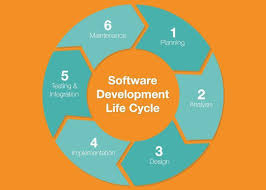
Software development is a complex process that involves multiple stages to ensure the successful creation of high-quality software. The Software Development Life Cycle (SDLC) is a structured framework that outlines these stages and provides a systematic approach to software development.

Stages of the SDLC:

  1. Planning: In this initial stage, project requirements are gathered, feasibility studies are conducted, and a project plan is created.
  2. Analysis: During this stage, the project team analyzes the requirements gathered in the planning phase and defines the system’s features and functionalities.
  3. Design: The design phase involves creating a detailed technical design based on the requirements and analysis. This includes architecture design, database design, and user interface design.
  4. Implementation: In this stage, developers write code based on the design specifications. Testing is also carried out to identify and fix any bugs or issues.
  5. Testing: The software is tested thoroughly to ensure it meets the specified requirements and functions correctly. Testing includes unit testing, integration testing, system testing, and user acceptance testing.
  6. Deployment: Once testing is complete and the software is approved for release, it is deployed to production environments for end-users to access.
  7. Maintenance: After deployment, the software enters the maintenance phase where updates, patches, and enhancements are made as needed to ensure its continued functionality and relevance.

The Importance of SDLC

The SDLC provides a structured approach to software development that helps ensure projects are completed on time, within budget, and with high quality. By following a defined process with clear milestones, teams can better manage risks, control costs, and deliver successful software solutions that meet user needs.

In conclusion, understanding the Software Development Life Cycle is essential for anyone involved in software development projects. By following this structured framework, organizations can streamline their development processes and deliver innovative software solutions that drive business success.


9 Essential Tips for Mastering the Software Development Life Cycle

  1. Understand the requirements thoroughly before starting development.
  2. Break down the project into smaller tasks for better manageability.
  3. Implement version control to track changes and collaborate effectively.
  4. Perform thorough testing at each stage to ensure quality and identify issues early.
  5. Document code and processes to facilitate maintenance and future updates.
  6. Regularly communicate with stakeholders to gather feedback and make necessary adjustments.
  7. Prioritize security measures to protect data and prevent vulnerabilities.
  8. Follow coding standards and best practices for consistency and readability of codebase.
  9. Conduct post-release reviews to evaluate performance, gather insights, and plan improvements.

Understand the requirements thoroughly before starting development.

It is crucial to thoroughly understand the requirements before embarking on the development phase of a software project. Clear and comprehensive requirements gathering ensures that developers have a solid foundation to work from, reducing the risk of misunderstandings, rework, and project delays. By taking the time to fully comprehend the needs and expectations of stakeholders, teams can align their efforts effectively, resulting in a more efficient and successful software development life cycle.

Break down the project into smaller tasks for better manageability.

Breaking down a software development project into smaller tasks is a crucial tip to enhance manageability and ensure project success. By dividing the project into manageable chunks, teams can focus on specific tasks, track progress more effectively, and allocate resources efficiently. This approach also helps in identifying potential bottlenecks early on, making it easier to address issues and stay on track with the project timeline. Ultimately, breaking down the project into smaller tasks not only improves manageability but also contributes to better collaboration among team members and a smoother overall development process.

Implement version control to track changes and collaborate effectively.

Implementing version control is a crucial tip in the software development life cycle as it allows teams to track changes, manage revisions, and collaborate effectively. Version control systems such as Git enable developers to work on code simultaneously, merge changes seamlessly, and maintain a history of modifications. By utilizing version control, teams can easily revert to previous versions if needed, ensure code consistency across multiple contributors, and enhance overall project efficiency and collaboration.

Perform thorough testing at each stage to ensure quality and identify issues early.

Performing thorough testing at each stage of the software development life cycle is crucial to ensure the quality of the final product and to identify any issues early on. By conducting comprehensive testing throughout the development process, teams can catch and address potential issues before they escalate, leading to a more stable and reliable software solution. This proactive approach not only helps in delivering a high-quality product to end-users but also saves time and resources by minimizing the need for extensive rework later in the development cycle.

Document code and processes to facilitate maintenance and future updates.

Documenting code and processes is a crucial tip in the software development life cycle as it plays a vital role in facilitating maintenance and future updates. By documenting the code, developers provide valuable insights into the functionality and structure of the software, making it easier for them or others to understand and modify the code in the future. Additionally, documenting processes helps ensure consistency and efficiency in development tasks, reducing errors and speeding up the maintenance process. Overall, thorough documentation not only simplifies maintenance efforts but also enables smoother transitions between team members and enhances the scalability of software projects.

Regularly communicate with stakeholders to gather feedback and make necessary adjustments.

Regular communication with stakeholders is crucial during the software development life cycle to gather feedback and make necessary adjustments. By engaging with stakeholders throughout the process, developers can ensure that the software aligns with their expectations and requirements. This feedback loop allows for timely identification of any issues or changes needed, leading to a more successful and user-centric end product. Effective communication fosters collaboration, transparency, and ultimately results in a software solution that meets the needs of all stakeholders involved.

Prioritize security measures to protect data and prevent vulnerabilities.

When following the Software Development Life Cycle, it is crucial to prioritize security measures to safeguard data and prevent vulnerabilities. By integrating security considerations at every stage of the development process, from planning and design to implementation and testing, developers can proactively address potential threats and ensure the integrity and confidentiality of sensitive information. Implementing robust security measures not only protects valuable data but also enhances the overall reliability and trustworthiness of the software being developed.

Follow coding standards and best practices for consistency and readability of codebase.

It is crucial to adhere to coding standards and best practices throughout the Software Development Life Cycle to ensure consistency and readability of the codebase. By following established guidelines, developers can write code that is easier to understand, maintain, and debug. Consistent coding standards also promote collaboration among team members and facilitate smoother integration of code modules. Prioritizing best practices not only improves the overall quality of the software but also enhances its scalability and long-term sustainability.

Conduct post-release reviews to evaluate performance, gather insights, and plan improvements.

Conducting post-release reviews is a crucial step in the software development life cycle as it allows teams to evaluate the performance of the software, gather valuable insights from user feedback, and plan for future improvements. By analyzing how the software is being used in real-world scenarios, teams can identify areas for enhancement, address any issues that may have arisen post-release, and ensure that future iterations of the software meet user expectations and business goals. Post-release reviews help teams continuously refine their development processes and deliver high-quality software that evolves with the needs of users and the market.