cfchris.com

Loading

software product development

Mastering the Art of Software Product Development: A Comprehensive Guide

Software Product Development: A Comprehensive Guide

Software Product Development: A Comprehensive Guide

In today’s digital age, software product development plays a crucial role in shaping businesses and industries. From innovative mobile apps to complex enterprise solutions, the process of creating software products requires a structured approach and a deep understanding of technology and user needs.

The Software Development Life Cycle (SDLC)

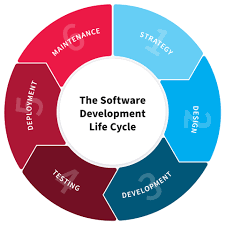
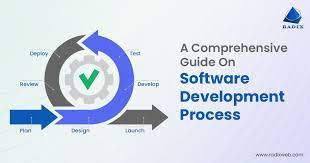
The Software Development Life Cycle (SDLC) is a systematic process that outlines the stages involved in developing software products. The typical phases of SDLC include:

  1. Planning: Defining project goals, requirements, and constraints.
  2. Analysis: Gathering and analyzing user needs and system requirements.
  3. Design: Creating a detailed design of the software architecture and user interface.
  4. Development: Writing code, testing functionality, and fixing bugs.
  5. Testing: Conducting various tests to ensure the software meets quality standards.
  6. Deployment: Releasing the software to users or clients.
  7. Maintenance: Providing ongoing support, updates, and enhancements.

Key Principles of Software Product Development

Successful software product development is guided by several key principles:

  • User-Centric Design: Prioritizing user experience and usability throughout the development process.
  • Agile Methodology: Embracing flexibility, collaboration, and iterative development cycles to adapt to changing requirements.
  • Quality Assurance: Implementing rigorous testing procedures to ensure reliability, performance, and security.
  • Scalability: Designing software products that can grow and evolve with the changing needs of users and businesses.

The Role of Technology in Software Product Development

Technology plays a pivotal role in driving innovation and efficiency in software product development. Emerging technologies such as artificial intelligence, cloud computing, Internet of Things (IoT), and blockchain are reshaping the way software products are designed, developed, and deployed.

Challenges in Software Product Development

Despite its benefits, software product development comes with its own set of challenges. Common challenges include managing project scope creep, meeting tight deadlines, ensuring cross-team collaboration, addressing cybersecurity threats, and keeping up with rapidly evolving technologies.

In Conclusion

Software product development is a dynamic and multifaceted process that requires a blend of technical expertise, creativity, strategic planning, and effective communication. By following best practices, embracing innovation, and staying agile in response to change, organizations can create successful software products that meet the needs of users in today’s digital landscape.


7 Key Benefits of Software Product Development for Business Growth and Innovation

  1. Innovative solutions tailored to specific user needs.
  2. Enhanced efficiency and automation of business processes.
  3. Scalable products that can grow with the business.
  4. Improved customer satisfaction through user-friendly interfaces.
  5. Opportunities for continuous improvement and updates.
  6. Increased competitiveness in the market through technological advancements.
  7. Potential for creating new revenue streams and expanding market reach.


Top 6 Challenges in Software Product Development: Managing Complexity, Delays, Costs, Integration, Security, and Team Collaboration

  1. Complexity of managing project scope and requirements
  2. Risk of delays due to unforeseen technical challenges
  3. Potential for cost overruns during development and testing phases
  4. Difficulty in ensuring seamless integration with existing systems or third-party applications
  5. Challenge of maintaining software security and addressing vulnerabilities
  6. Strain on team collaboration and communication, especially in distributed or remote work environments

Innovative solutions tailored to specific user needs.

One of the key advantages of software product development is the ability to create innovative solutions that are customized to meet specific user needs. By understanding the unique requirements and preferences of users, developers can design and build software products that address specific challenges or provide tailored functionalities. This personalized approach not only enhances user satisfaction and engagement but also increases the overall value and effectiveness of the software solution in meeting the precise needs of its intended audience.

Enhanced efficiency and automation of business processes.

Enhanced efficiency and automation of business processes are significant benefits of software product development. By leveraging technology to streamline workflows, businesses can reduce manual tasks, minimize errors, and improve overall productivity. Automated processes not only save time but also enable employees to focus on more strategic tasks that drive innovation and growth. With custom software solutions tailored to specific business needs, organizations can optimize their operations, achieve cost savings, and gain a competitive edge in today’s fast-paced market environment.

Scalable products that can grow with the business.

Scalability in software product development offers a significant advantage by ensuring that products can expand and evolve in tandem with the growth of a business. By designing and developing scalable solutions, organizations can easily accommodate increasing user demands, new features, and higher workloads without experiencing significant disruptions or the need for a complete overhaul of the software architecture. This pro of scalability not only enhances the longevity and adaptability of software products but also enables businesses to remain agile and competitive in a rapidly changing market environment.

Improved customer satisfaction through user-friendly interfaces.

One significant benefit of software product development is the enhancement of customer satisfaction through the implementation of user-friendly interfaces. By prioritizing intuitive design and ease of use, software developers can create products that cater to the needs and preferences of users. User-friendly interfaces not only streamline the user experience but also contribute to increased engagement, efficiency, and overall satisfaction with the software. This focus on usability ultimately leads to happier customers who are more likely to continue using the product and recommend it to others, thereby fostering long-term relationships and loyalty.

Opportunities for continuous improvement and updates.

One significant advantage of software product development is the opportunities it provides for continuous improvement and updates. Through regular iterations and enhancements, developers can address user feedback, incorporate new features, fix bugs, and adapt to changing market demands. This iterative approach not only ensures that the software remains relevant and competitive but also allows for ongoing optimization of performance, functionality, and user experience. By embracing a mindset of continuous improvement, software products can evolve over time to meet the evolving needs and expectations of users, ultimately leading to greater customer satisfaction and long-term success.

Increased competitiveness in the market through technological advancements.

In the realm of software product development, one significant advantage is the ability to enhance competitiveness in the market through technological advancements. By leveraging cutting-edge technologies and innovative solutions, companies can differentiate themselves from competitors, attract a larger customer base, and stay ahead of industry trends. This proactive approach not only boosts brand visibility and credibility but also opens up new opportunities for growth and expansion in an increasingly digital-driven business landscape.

Potential for creating new revenue streams and expanding market reach.

Software product development offers a significant advantage in the potential for creating new revenue streams and expanding market reach. By introducing innovative software products tailored to meet the evolving needs of customers, businesses can tap into previously untapped markets and attract a broader audience. This expansion not only increases revenue opportunities but also enhances brand visibility and competitiveness in the industry. Through strategic product development, organizations can diversify their offerings, reach new customer segments, and ultimately drive growth and profitability.

Complexity of managing project scope and requirements

The complexity of managing project scope and requirements poses a significant challenge in software product development. As projects evolve, stakeholders may introduce new features or changes, leading to scope creep and shifting requirements. Balancing the need for innovation with the constraints of time and resources requires careful planning, communication, and prioritization. Failure to effectively manage project scope and requirements can result in delays, budget overruns, and compromised product quality. Addressing this con demands a proactive approach, clear documentation of requirements, regular stakeholder engagement, and a flexible mindset to adapt to evolving project needs while ensuring alignment with the overall project goals.

Risk of delays due to unforeseen technical challenges

One significant con of software product development is the risk of delays caused by unforeseen technical challenges. Despite meticulous planning and preparation, projects can encounter unexpected hurdles such as complex integration issues, compatibility problems, or unanticipated bugs that may disrupt the development timeline. These technical obstacles not only require additional time and resources to resolve but can also impact the overall project schedule, leading to potential delays in product delivery and increased costs. Managing and mitigating these unforeseen challenges effectively is crucial to minimizing project delays and ensuring successful software product development.

Potential for cost overruns during development and testing phases

One significant con of software product development is the potential for cost overruns during the development and testing phases. As projects progress, unforeseen challenges, changes in requirements, and technical complexities can arise, leading to delays and increased expenses. This can strain budgets and impact project timelines, making it crucial for development teams to carefully manage resources, communicate effectively with stakeholders, and implement strategies to mitigate the risk of cost overruns throughout the software development lifecycle.

Difficulty in ensuring seamless integration with existing systems or third-party applications

One significant challenge in software product development is the difficulty in ensuring seamless integration with existing systems or third-party applications. This con often arises due to differences in technology standards, data formats, and communication protocols between the new software product and the existing systems or external applications. Achieving interoperability and smooth data exchange can be a complex task that requires thorough planning, testing, and potentially custom development work to bridge the gaps between disparate systems. Failure to address integration challenges effectively can lead to compatibility issues, data inconsistencies, and overall system inefficiencies, hindering the overall performance and usability of the software product.

Challenge of maintaining software security and addressing vulnerabilities

In software product development, one significant challenge is the constant need to maintain software security and address vulnerabilities. As technology advances and cyber threats become more sophisticated, developers must stay vigilant in identifying and patching potential security loopholes in their products. Failing to address security concerns can lead to data breaches, compromised user information, financial losses, and damage to a company’s reputation. It requires ongoing efforts to implement robust security measures, conduct regular security audits, and stay informed about the latest cybersecurity trends to mitigate risks effectively.

Strain on team collaboration and communication, especially in distributed or remote work environments

One significant con of software product development is the strain it can place on team collaboration and communication, particularly in distributed or remote work environments. The physical distance between team members can hinder real-time interactions, leading to delays in decision-making, misunderstandings, and a lack of cohesive teamwork. Without face-to-face communication, the nuances of discussions and feedback may be lost, making it challenging to maintain alignment and productivity across the development process. Overcoming these obstacles requires proactive efforts to establish clear communication channels, leverage collaboration tools effectively, and foster a strong sense of team cohesion despite geographical separation.

solid software development

Mastering the Art of Solid Software Development: Best Practices for Quality Applications

The Importance of Solid Software Development

The Importance of Solid Software Development

In today’s digital age, software plays a crucial role in almost every aspect of our lives. From mobile apps to complex enterprise systems, the quality of software directly impacts user experience, productivity, and even safety. This is why solid software development practices are essential for creating reliable, efficient, and secure applications.

What is Solid Software Development?

Solid software development refers to the process of creating high-quality software that meets user requirements, performs reliably under various conditions, and is maintainable over time. It involves following best practices, using efficient coding techniques, and adhering to industry standards and guidelines.

The Benefits of Solid Software Development

**Reliability**: Solid software is less prone to crashes, errors, and unexpected behavior. Users can trust that the application will perform as expected in different scenarios.

**Efficiency**: Well-designed software is optimized for performance and resource utilization. It runs smoothly and responds quickly to user inputs, enhancing overall user experience.

**Security**: Secure coding practices are integral to solid software development. By implementing robust security measures, developers can protect sensitive data from unauthorized access and prevent security breaches.

**Scalability**: Solid software can easily adapt to changing demands and scale up or down as needed without compromising performance or stability.

Key Principles of Solid Software Development

**Modularity**: Breaking down the software into smaller components/modules makes it easier to develop, test, and maintain. Each module should have well-defined interfaces and functionalities.

**Code Reusability**: Reusing code snippets or libraries saves time and effort in development while ensuring consistency across the application.

**Testing**: Thorough testing at every stage of development helps identify bugs early on and ensures that the software functions correctly before deployment.

Conclusion

Solid software development is not just about writing code; it’s about following best practices, embracing collaboration, and prioritizing quality at every step of the process. By investing in solid software development practices, organizations can build robust applications that deliver value to users while minimizing risks and costs associated with poor-quality software.


8 Key Benefits of Solid Software Development: Reliability, Security, and More

  1. Enhanced reliability of software
  2. Improved performance and efficiency
  3. Better security measures in place
  4. Increased scalability for future growth
  5. Easier maintenance and updates
  6. Enhanced user experience and satisfaction
  7. Cost-effective in the long run
  8. Reduced risks of software failures


Challenges of Solid Software Development: Balancing Quality, Cost, and Flexibility

  1. Initial development may take longer due to adherence to best practices and standards.
  2. Higher upfront costs associated with implementing thorough testing and quality assurance processes.
  3. Rigid adherence to established guidelines may limit creativity and innovation in some cases.
  4. Overemphasis on robustness and security measures can lead to decreased agility in responding to rapidly changing requirements.
  5. Complexity of maintaining solid software over time, especially when updates or changes are required.

Enhanced reliability of software

Enhanced reliability of software is a key benefit of solid software development. By following best practices and implementing robust coding techniques, developers can create applications that are less prone to crashes, errors, and unexpected behavior. Users can rely on the software to perform consistently and predictably, even under varying conditions. This increased reliability not only improves user experience but also builds trust in the application’s functionality, ultimately leading to higher user satisfaction and confidence in the software product.

Improved performance and efficiency

Improved performance and efficiency are key benefits of solid software development. By following best practices and optimizing code, developers can create applications that run smoothly, respond quickly to user inputs, and utilize resources efficiently. This not only enhances the overall user experience but also reduces loading times, minimizes system crashes, and ensures that the software performs reliably under various conditions. Solid software development focuses on streamlining processes and eliminating bottlenecks, resulting in applications that deliver high performance while maximizing operational efficiency.

Better security measures in place

Solid software development offers the significant advantage of implementing better security measures to safeguard sensitive data and protect against potential cyber threats. By following secure coding practices, such as encryption, authentication protocols, and regular security audits, developers can fortify applications against malicious attacks and unauthorized access. This proactive approach to security not only enhances the trustworthiness of the software but also mitigates risks associated with data breaches, ensuring a safe and secure user experience.

Increased scalability for future growth

Solid software development offers the significant advantage of increased scalability for future growth. By designing software with scalability in mind, developers can ensure that the application can easily accommodate expanding user bases, increased data volumes, and evolving business requirements without compromising performance or stability. This proactive approach to scalability allows organizations to adapt to changing needs and scale their software infrastructure efficiently, ultimately supporting long-term growth and success.

Easier maintenance and updates

Solid software development practices ensure that applications are built with maintainability and ease of updates in mind. By following industry standards and implementing modular, well-structured code, developers can make maintenance tasks more manageable and updates smoother. This pro of solid software development not only reduces the time and effort required for ongoing maintenance but also allows for timely updates to address bugs, add new features, or improve performance without causing disruptions to the overall system functionality.

Enhanced user experience and satisfaction

Solid software development leads to enhanced user experience and satisfaction by ensuring that applications perform reliably, respond quickly to user inputs, and provide a smooth and intuitive interface. When users can trust that the software will work as expected, they are more likely to engage with it positively, leading to increased satisfaction and loyalty. By focusing on creating user-friendly experiences through solid software development practices, developers can deliver products that meet user needs effectively and exceed expectations, ultimately resulting in happier and more engaged users.

Cost-effective in the long run

Solid software development practices are cost-effective in the long run due to their focus on creating reliable and maintainable applications. By investing time and resources upfront to ensure high quality and efficiency, organizations can minimize the need for costly bug fixes, extensive rework, and frequent maintenance in the future. Solid software that is built to last not only reduces ongoing expenses but also increases productivity and user satisfaction over time, making it a smart investment for any business looking to achieve long-term success in the digital landscape.

Reduced risks of software failures

Reduced risks of software failures are a significant benefit of solid software development. By following best practices, conducting thorough testing, and implementing robust coding standards, developers can minimize the chances of unexpected crashes, bugs, and errors in the software. This not only enhances the overall reliability and performance of the application but also instills confidence in users that the software will function as intended without disruptions or downtime. Ultimately, reducing the risks of software failures leads to improved user satisfaction, increased productivity, and lower maintenance costs for businesses.

Initial development may take longer due to adherence to best practices and standards.

One drawback of solid software development is that the initial development phase may take longer than expected due to the strict adherence to best practices and industry standards. While this meticulous approach ensures a higher quality end product with fewer bugs and vulnerabilities, it can lead to extended timelines for project completion. However, the investment in time and effort during the initial development phase ultimately pays off in terms of a more reliable and maintainable software solution in the long run.

Higher upfront costs associated with implementing thorough testing and quality assurance processes.

One of the drawbacks of solid software development is the higher upfront costs involved in implementing thorough testing and quality assurance processes. While investing in rigorous testing can help identify and prevent potential issues early on, it requires additional resources, time, and expertise. This can lead to increased project expenses at the initial stages of development, which may be a concern for organizations with limited budgets or tight deadlines. However, despite the higher upfront costs, prioritizing quality assurance ultimately pays off in the long run by reducing maintenance expenses, enhancing user satisfaction, and preserving the reputation of the software product.

Rigid adherence to established guidelines may limit creativity and innovation in some cases.

In some cases, a con of solid software development is that rigid adherence to established guidelines may limit creativity and innovation. While following best practices and standards is essential for ensuring quality and reliability, strict adherence to predefined rules can stifle the creative thinking process. Developers may feel constrained by existing frameworks and struggle to explore unconventional solutions that could lead to breakthrough innovations. Finding a balance between maintaining solid development principles and allowing room for experimentation and creativity is crucial to fostering continuous improvement and pushing the boundaries of software development.

Overemphasis on robustness and security measures can lead to decreased agility in responding to rapidly changing requirements.

In the realm of solid software development, a potential drawback lies in the tendency to prioritize robustness and security measures above all else. While ensuring the stability and security of software is crucial, an overemphasis on these aspects can sometimes hinder agility in adapting to rapidly evolving requirements. Striking a balance between robustness and flexibility is key to effectively responding to dynamic changes in user needs and market trends without sacrificing the ability to innovate and iterate swiftly.

Complexity of maintaining solid software over time, especially when updates or changes are required.

The complexity of maintaining solid software over time, particularly when updates or changes are necessary, can pose a significant challenge for developers and organizations. As software evolves and grows in complexity, ensuring that modifications do not introduce new bugs or issues becomes increasingly difficult. Balancing the need for continuous improvement with the stability of existing features requires meticulous planning, thorough testing, and effective communication among team members. Failure to manage this complexity effectively can lead to delays in updates, increased maintenance costs, and potential disruptions to user experience.

soft development

Mastering the Art of Software Development: A Guide to Success

The Importance of Software Development

The Importance of Software Development

Software development plays a crucial role in today’s digital world. It involves designing, coding, testing, and maintaining applications and systems that help businesses and individuals perform various tasks efficiently. Here are some key reasons why software development is essential:

Innovation and Efficiency

Software development drives innovation by creating new solutions to address complex problems. Custom software can streamline processes, automate tasks, and improve overall efficiency within an organization.

Competitive Advantage

Businesses that invest in custom software development gain a competitive edge. Tailored applications can meet specific needs and adapt to changing market conditions quickly, giving companies an advantage over their competitors.

Enhanced User Experience

User experience is vital in today’s digital landscape. Well-designed software not only functions effectively but also provides a seamless and intuitive user interface, enhancing customer satisfaction and loyalty.

Scalability and Flexibility

Scalability is crucial for growing businesses. Custom software can be easily scaled to accommodate increased workload or user base without compromising performance. It also offers flexibility to adapt to evolving business requirements.

Security and Compliance

Data security is a top priority for organizations handling sensitive information. Custom-built software allows for robust security measures to protect data from cyber threats while ensuring compliance with industry regulations.

Cost-Effectiveness

While initial investment in software development may seem significant, tailored solutions can result in long-term cost savings by improving operational efficiency, reducing manual errors, and minimizing the need for multiple off-the-shelf applications.

In conclusion, software development is a cornerstone of modern business operations, driving innovation, efficiency, and growth. By investing in custom software solutions tailored to their unique needs, organizations can stay ahead of the curve in a rapidly evolving digital landscape.


9 Essential Tips for Effective Software Development

  1. Write clean and well-organized code.
  2. Use version control systems like Git to track changes.
  3. Document your code to make it easier for others to understand.
  4. Test your code thoroughly to catch bugs early on.
  5. Follow coding standards and best practices in the industry.
  6. Stay updated with the latest technologies and trends in software development.
  7. Collaborate with team members through effective communication.
  8. Prioritize security measures in your code to prevent vulnerabilities.
  9. Practice continuous learning and improvement in your development skills.

Write clean and well-organized code.

When it comes to software development, a crucial tip is to write clean and well-organized code. Clean code is not only easier to understand and maintain but also reduces the likelihood of errors and bugs. Well-organized code follows a logical structure, making it simpler for developers to collaborate on projects and for future modifications to be implemented smoothly. By adhering to this best practice, developers can enhance the efficiency, readability, and overall quality of their software solutions.

Use version control systems like Git to track changes.

Utilizing version control systems like Git is essential in software development to track changes efficiently. By leveraging Git, developers can maintain a complete history of modifications made to the codebase, allowing for easy collaboration, error detection, and seamless integration of new features. Version control systems also enable teams to work concurrently on different parts of the project without the risk of conflicting changes, ensuring a smooth and organized development process.

Document your code to make it easier for others to understand.

Documenting your code is a crucial practice in software development as it enhances the understandability of the codebase for other developers. By adding clear and concise comments, explanations, and documentation within the code, you not only make it easier for others to grasp the logic and functionality of the software but also facilitate collaboration and maintenance tasks. Documented code serves as a roadmap for future modifications or troubleshooting, ensuring smoother development processes and overall project success.

Test your code thoroughly to catch bugs early on.

Testing your code thoroughly is a critical step in software development to catch bugs early on. By conducting comprehensive testing, developers can identify and rectify issues before they escalate, ensuring the stability and reliability of the software. Early bug detection not only saves time and resources but also enhances the overall quality of the product, leading to a more seamless user experience. Prioritizing thorough testing as part of the development process is key to delivering robust and error-free software solutions.

Follow coding standards and best practices in the industry.

Following coding standards and best practices in the industry is crucial in software development. Adhering to established guidelines ensures consistency, readability, and maintainability of code. By following these standards, developers can write cleaner code that is easier to understand and debug. Consistent coding practices also promote collaboration among team members and facilitate smoother integration of code modules. Ultimately, following coding standards helps improve the overall quality of the software product and enhances its long-term sustainability.

Staying updated with the latest technologies and trends in software development is crucial for professionals in the field. By keeping abreast of advancements, developers can enhance their skills, stay competitive, and deliver cutting-edge solutions to clients. Continuous learning and exploration of new tools and methodologies enable software developers to adapt to industry changes, improve efficiency, and create innovative products that meet the evolving needs of users. Embracing ongoing education and staying informed about emerging technologies are key factors in achieving success and staying relevant in the dynamic landscape of software development.

Collaborate with team members through effective communication.

Collaborating with team members through effective communication is a fundamental tip in software development. Clear and open communication among team members ensures that everyone is on the same page regarding project goals, timelines, and tasks. By sharing ideas, discussing challenges, and providing regular updates, team members can work together seamlessly to achieve project success. Effective communication fosters collaboration, enhances problem-solving abilities, and promotes a supportive team environment where each member’s contributions are valued.

Prioritize security measures in your code to prevent vulnerabilities.

When engaging in software development, it is crucial to prioritize security measures in your code to prevent vulnerabilities. By implementing robust security protocols and practices during the development process, you can significantly reduce the risk of cyber threats and safeguard sensitive data. Proactively addressing security concerns not only protects your software from potential breaches but also instills trust among users and enhances the overall reliability of your applications. Prioritizing security measures is a fundamental aspect of responsible software development that ensures the integrity and confidentiality of information within your systems.

Practice continuous learning and improvement in your development skills.

To excel in software development, it is crucial to embrace a mindset of continuous learning and improvement in your development skills. By staying updated on the latest technologies, tools, and best practices, you can enhance your proficiency and adaptability in this fast-evolving field. Engaging in ongoing learning not only expands your knowledge base but also hones your problem-solving abilities and creativity, enabling you to tackle complex challenges with confidence and innovation. Embracing a culture of continuous improvement empowers you to stay at the forefront of software development trends and deliver high-quality solutions that meet the dynamic needs of today’s digital landscape.

crystal software development

Unlocking the Potential of Crystal Software Development

The Power of Crystal Software Development

The Power of Crystal Software Development

Crystal software development is a cutting-edge approach that leverages the power of the Crystal programming language to create robust and efficient software solutions. Crystal is a statically typed language with a syntax inspired by Ruby but with a focus on performance and type safety.

One of the key advantages of using Crystal for software development is its high performance. By compiling to native code, Crystal programs can achieve speeds comparable to those of C or C++ applications while maintaining the elegance and expressiveness of a high-level language like Ruby.

Crystal’s type system helps catch errors at compile time, reducing the likelihood of runtime bugs and improving overall code quality. This makes it easier for developers to write reliable and maintainable software that meets the highest standards of quality.

Another benefit of Crystal software development is its strong emphasis on developer productivity. The language’s expressive syntax and powerful standard library enable developers to write clean, concise code that is easy to understand and maintain. This results in faster development cycles and shorter time-to-market for software projects.

Crystal also provides excellent support for concurrency through lightweight fibers, allowing developers to build highly scalable and responsive applications that can handle thousands of concurrent connections with ease. This makes it an ideal choice for building modern web applications, APIs, and microservices.

In conclusion, Crystal software development offers a compelling combination of performance, reliability, productivity, and scalability that makes it a standout choice for building a wide range of software applications. Whether you are developing a small utility or a large-scale enterprise system, Crystal provides the tools you need to bring your vision to life with speed and precision.


Exploring Crystal Software Development: Key FAQs and Insights

  1. What is Crystal software development?
  2. Why use Crystal for software development?
  3. What are the key features of the Crystal programming language?
  4. How does Crystal compare to other programming languages like Ruby or C++?
  5. Is Crystal suitable for building web applications?
  6. What are the advantages of using Crystal for concurrency?
  7. Are there any notable companies or projects that have successfully used Crystal for software development?

What is Crystal software development?

Crystal software development refers to the process of creating software applications using the Crystal programming language. Crystal is a statically typed language with syntax inspired by Ruby but designed for high performance and type safety. It compiles to native code, allowing developers to build fast and efficient applications while benefiting from the expressive and elegant features of a high-level language. Crystal software development emphasizes performance, reliability, productivity, and scalability, making it a popular choice for building a wide range of applications, from small utilities to large-scale enterprise systems.

Why use Crystal for software development?

When considering why to use Crystal for software development, one key factor stands out: its exceptional balance of performance and developer productivity. Crystal’s ability to compile to native code results in high-speed applications comparable to those built with lower-level languages like C or C++, while its syntax, inspired by Ruby, promotes readability and simplicity. Additionally, Crystal’s type system enhances code reliability by catching errors at compile time. This combination of performance, readability, and error prevention makes Crystal a compelling choice for developers looking to create efficient, maintainable software with a rapid development cycle.

What are the key features of the Crystal programming language?

The key features of the Crystal programming language set it apart as a powerful tool for software development. With its statically typed nature, Crystal ensures type safety and catches errors at compile time, enhancing code reliability. The language’s syntax, inspired by Ruby, offers an elegant and expressive way to write code while maintaining high performance through native code compilation. Crystal’s emphasis on developer productivity shines through its clean and concise syntax, supported by a robust standard library. Additionally, Crystal excels in concurrency with lightweight fibers, enabling the creation of scalable and responsive applications. These features collectively make Crystal a standout choice for developers looking to build efficient, reliable, and high-performance software solutions.

How does Crystal compare to other programming languages like Ruby or C++?

When comparing Crystal to other programming languages like Ruby or C++, several key differences emerge. While Crystal shares a syntax similar to Ruby, it distinguishes itself by offering static typing for improved performance and type safety, akin to C++. This blend of high-level expressiveness and low-level efficiency makes Crystal stand out as a compelling choice for developers seeking the best of both worlds. Additionally, Crystal’s emphasis on compile-time error checking enhances code reliability, a feature shared with C++ but not present in Ruby. Overall, Crystal’s unique combination of features positions it as a versatile language that bridges the gap between the dynamic nature of Ruby and the performance optimizations of C++, offering developers a powerful tool for building efficient and reliable software solutions.

Is Crystal suitable for building web applications?

Crystal is indeed suitable for building web applications due to its high performance, strong type system, and excellent support for concurrency. With its ability to compile to native code and achieve speeds comparable to C or C++, Crystal is well-suited for handling the demands of web applications that require fast response times and efficient resource utilization. Its type system helps catch errors at compile time, ensuring greater reliability in web application development. Additionally, Crystal’s support for lightweight fibers enables developers to build highly scalable and responsive web applications that can handle a large number of concurrent connections effectively. Overall, Crystal presents a compelling choice for building web applications that prioritize performance, reliability, and scalability.

What are the advantages of using Crystal for concurrency?

When it comes to concurrency, Crystal offers significant advantages that set it apart from other programming languages. One key benefit is its support for lightweight fibers, which allow developers to efficiently handle multiple tasks concurrently without the overhead associated with traditional threads. This approach to concurrency in Crystal enables developers to build highly responsive and scalable applications that can effectively manage a large number of concurrent operations while minimizing resource consumption. Additionally, the seamless integration of fibers with Crystal’s syntax and standard library simplifies the development of complex concurrent systems, making it easier for developers to create efficient and reliable software that can handle the demands of modern applications.

Are there any notable companies or projects that have successfully used Crystal for software development?

Several notable companies and projects have successfully utilized Crystal for software development, showcasing the language’s capabilities and effectiveness in real-world applications. Companies such as Manas.Tech, a software consultancy firm, have embraced Crystal for building high-performance web applications and services. Additionally, Lucky Framework, an open-source web framework written in Crystal, has gained popularity among developers for its speed and productivity benefits. These success stories demonstrate the growing adoption of Crystal in the tech industry and highlight its potential to drive innovation and efficiency in software development projects.

object oriented software development

Mastering Object-Oriented Software Development: A Comprehensive Guide

Object-Oriented Software Development

The Power of Object-Oriented Software Development

Object-oriented software development is a powerful paradigm that has revolutionized the way we design and build software applications. By organizing code into objects that interact with each other, developers can create more modular, flexible, and scalable systems.

Key Concepts of Object-Oriented Programming (OOP)

In OOP, everything is treated as an object, which encapsulates data and behavior. The key concepts of OOP include:

  • Classes: Blueprint for creating objects with shared attributes and methods.
  • Objects: Instances of classes that contain data and can perform actions.
  • Inheritance: Mechanism for creating new classes based on existing ones to promote code reuse.
  • Polymorphism: Ability for objects to take on different forms or behaviors based on their context.
  • Encapsulation: Bundling data and methods within a class to restrict access and maintain code integrity.

Benefits of Object-Oriented Software Development

There are several advantages to using OOP in software development:

  • Modularity: Code is organized into self-contained objects, making it easier to manage and update.
  • Reusability: Objects can be reused in different parts of the application or in other projects, saving time and effort.
  • Maintainability: Changes made to one part of the codebase do not necessarily impact other parts, reducing the risk of introducing bugs.
  • Scalability: OOP allows for building complex systems by breaking them down into smaller, more manageable components.
  • Ease of Testing: Objects can be tested individually, leading to more efficient testing processes and improved quality assurance.

Popular Object-Oriented Programming Languages

Many programming languages support object-oriented programming principles. Some popular OOP languages include Java, C++, Python, C#, and Ruby. Each language has its own syntax and features for implementing OOP concepts effectively.


Understanding Object-Oriented Software Development: Key Concepts and Examples

  1. What is object-oriented programming with example?
  2. What are the 4 basics of OOP?
  3. What is an example of object-oriented software development?
  4. What is object-oriented programming software?
  5. Is OOP used in software development?

What is object-oriented programming with example?

Object-oriented programming (OOP) is a programming paradigm that structures code around objects, which are instances of classes containing data and behavior. In OOP, objects interact with each other to perform tasks, making the code more modular and easier to manage. An example of object-oriented programming can be seen in a simple banking system. A “BankAccount” class could define properties such as account number, balance, and owner name, along with methods like deposit and withdraw. Multiple instances of the BankAccount class can be created for different customers, each with its own unique data. This encapsulation of data and behavior within objects is a fundamental concept of OOP that promotes code reusability and maintainability.

What are the 4 basics of OOP?

In object-oriented software development, understanding the four basics of OOP is crucial for mastering this programming paradigm. The four fundamental principles of OOP are encapsulation, inheritance, polymorphism, and abstraction. Encapsulation involves bundling data and methods within a class to restrict access and maintain code integrity. Inheritance allows for creating new classes based on existing ones to promote code reuse. Polymorphism enables objects to take on different forms or behaviors based on their context. Abstraction involves hiding complex implementation details and providing a simplified interface for interacting with objects. By grasping these core concepts, developers can effectively design and build robust, scalable software systems using object-oriented programming techniques.

What is an example of object-oriented software development?

In the realm of object-oriented software development, a classic example that often comes to mind is the creation of a banking system. In this scenario, various objects such as accounts, customers, transactions, and employees are defined with their respective attributes and behaviors. For instance, an “Account” object may have properties like account number, balance, and account type, along with methods to deposit funds, withdraw money, and check the balance. Through interactions between these objects using inheritance, encapsulation, and polymorphism principles, a robust and scalable banking system can be designed and implemented following the object-oriented paradigm.

What is object-oriented programming software?

Object-oriented programming software is a methodology used in software development where code is organized around objects that encapsulate data and behavior. In this paradigm, everything is treated as an object, which can interact with other objects to perform tasks. Objects are instances of classes that define their attributes and methods. Object-oriented programming promotes modularity, reusability, and maintainability by breaking down complex systems into smaller, more manageable components. By utilizing concepts such as inheritance, polymorphism, and encapsulation, developers can create flexible and scalable applications that are easier to design, implement, and maintain.

Is OOP used in software development?

In the realm of software development, Object-Oriented Programming (OOP) is a widely utilized paradigm that plays a fundamental role in creating robust and scalable applications. OOP is extensively employed by developers across various industries due to its ability to enhance code organization, promote reusability, and facilitate easier maintenance of complex systems. By structuring code into objects that encapsulate data and behavior, OOP enables developers to build modular and efficient software solutions. The adoption of OOP principles has become a standard practice in modern software development, highlighting its significance in shaping the way applications are designed and implemented.

erp software development services
erp

Empowering Businesses with Custom ERP Software Development Services

ERP Software Development Services

The Importance of ERP Software Development Services for Businesses

Enterprise Resource Planning (ERP) software plays a crucial role in streamlining and integrating various business processes within an organization. As businesses evolve and grow, the need for customized ERP solutions becomes increasingly essential to meet specific requirements and enhance operational efficiency.

Benefits of ERP Software Development Services

Customization: One of the primary advantages of ERP software development services is the ability to tailor the system to fit the unique needs of a business. Customized ERP solutions can automate workflows, improve data accuracy, and provide real-time insights for better decision-making.

Scalability: As businesses expand, their operational requirements change. With custom ERP software development services, organizations can easily scale their systems to accommodate growth without disrupting existing processes.

Integration: ERP software development services enable seamless integration with other applications and systems used within an organization. This integration enhances data flow across departments and eliminates silos, leading to improved collaboration and productivity.

Key Features of Custom ERP Solutions

Modules for Different Functions: Custom ERP solutions can be designed with modules tailored to specific functions such as finance, human resources, inventory management, customer relationship management (CRM), and more.

Reporting and Analytics: Advanced reporting and analytics capabilities allow businesses to generate custom reports, track key performance indicators (KPIs), and gain valuable insights into their operations for informed decision-making.

Mobile Accessibility: With the increasing trend of remote work, mobile accessibility has become a crucial feature in custom ERP solutions. Employees can access important data and perform tasks on-the-go using mobile devices.

Choosing the Right ERP Software Development Partner

When selecting an ERP software development partner, businesses should consider factors such as industry expertise, experience in developing customized solutions, scalability of services, post-implementation support, and adherence to security standards.

By investing in custom ERP software development services, businesses can optimize their operations, improve efficiency, enhance competitiveness in the market, and achieve long-term growth objectives.


Top 7 FAQs About ERP Software Development Services: Everything You Need to Know

  1. What is ERP software development?
  2. Why do businesses need customized ERP solutions?
  3. How can ERP software development services benefit my organization?
  4. What are the key features of custom ERP solutions?
  5. How does ERP software integration work with existing systems?
  6. What factors should I consider when choosing an ERP software development partner?
  7. Can mobile accessibility be incorporated into custom ERP solutions?

What is ERP software development?

ERP software development refers to the process of creating customized Enterprise Resource Planning (ERP) solutions tailored to meet the specific needs of a business. These solutions are designed to integrate various functions and processes within an organization, such as finance, human resources, inventory management, and customer relationship management, into a unified system. By developing ERP software, businesses can automate workflows, improve data accuracy, enhance collaboration among departments, and gain valuable insights through advanced reporting and analytics capabilities. Custom ERP software development services enable organizations to streamline their operations, optimize efficiency, and adapt to changing business requirements effectively.

Why do businesses need customized ERP solutions?

Businesses need customized ERP solutions to address their specific operational requirements and optimize their processes effectively. Off-the-shelf ERP systems may not fully align with the unique workflows and data management needs of a business, leading to inefficiencies and limitations in functionality. By opting for customized ERP solutions, businesses can tailor the software to match their exact needs, automate critical processes, improve data accuracy, enhance decision-making capabilities, and achieve better integration with existing systems. Customized ERP solutions enable businesses to scale their operations seamlessly, adapt to changing business environments, and stay competitive by leveraging technology that is designed specifically for their operations.

How can ERP software development services benefit my organization?

ERP software development services can benefit your organization in numerous ways. By implementing customized ERP solutions, you can streamline your business processes, automate tasks, improve data accuracy, and enhance decision-making with real-time insights. Custom ERP systems can be tailored to meet the specific needs of your organization, allowing for seamless integration with existing applications and systems. These solutions provide scalability to accommodate growth, increase operational efficiency, and promote collaboration across departments. Overall, ERP software development services can optimize your operations, boost productivity, and drive long-term success for your organization.

What are the key features of custom ERP solutions?

Custom ERP solutions offer a range of key features that cater to the specific needs of businesses. These features typically include customizable modules for different functions such as finance, human resources, inventory management, and customer relationship management (CRM). Additionally, custom ERP solutions provide advanced reporting and analytics capabilities, allowing organizations to generate tailored reports and track key performance indicators (KPIs) for informed decision-making. Another important feature is mobile accessibility, enabling employees to access critical data and perform tasks on-the-go using mobile devices. These key features of custom ERP solutions empower businesses to streamline processes, enhance productivity, and make strategic decisions based on real-time insights.

How does ERP software integration work with existing systems?

ERP software integration with existing systems involves the seamless connection and synchronization of the ERP system with other applications and databases within an organization. This process typically requires mapping data fields, establishing communication protocols, and ensuring compatibility between different systems. By integrating ERP software with existing systems, businesses can achieve a unified view of their operations, streamline data exchange across departments, eliminate duplicate data entry, and improve overall efficiency. Effective ERP integration allows for real-time data sharing, enhanced reporting capabilities, and better decision-making based on accurate and up-to-date information from various sources.

What factors should I consider when choosing an ERP software development partner?

When considering an ERP software development partner, several key factors should be taken into account to ensure a successful collaboration. Firstly, evaluate the partner’s industry expertise and experience in developing customized ERP solutions that align with your business needs. Additionally, assess the scalability of their services to accommodate future growth and changes within your organization. It is crucial to inquire about their post-implementation support and maintenance services to ensure smooth operations after deployment. Lastly, verify that the partner adheres to stringent security standards to safeguard your data and system integrity. By carefully evaluating these factors, you can select an ERP software development partner who can deliver tailored solutions that drive efficiency and productivity in your business operations.

Can mobile accessibility be incorporated into custom ERP solutions?

Mobile accessibility can indeed be incorporated into custom ERP solutions. In today’s dynamic business environment, the ability to access critical data and perform tasks on-the-go has become a necessity. By integrating mobile accessibility features into custom ERP solutions, businesses can empower their employees to stay connected and productive from anywhere, at any time. This functionality allows users to access real-time information, collaborate seamlessly, and make informed decisions even when they are away from their desks. Mobile accessibility not only enhances workforce flexibility but also contributes to increased efficiency and responsiveness within the organization.

saas application development company

Empowering Businesses: The Role of a SaaS Application Development Company

SaaS Application Development Company

The Rise of SaaS Application Development Companies

In recent years, Software as a Service (SaaS) has gained immense popularity among businesses looking for efficient and cost-effective software solutions. As a result, the demand for SaaS application development companies has skyrocketed.

These companies specialize in creating cloud-based applications that are accessible to users over the internet. By offering software on a subscription basis, SaaS companies provide flexibility and scalability to their clients.

Key Features of SaaS Application Development Companies:

  • Customization: SaaS application development companies tailor their solutions to meet the specific needs of each client. This customization ensures that the software aligns with the client’s business goals and processes.
  • Scalability: SaaS applications can easily scale up or down based on the client’s requirements. This flexibility allows businesses to adapt to changing market conditions without significant investments in infrastructure.
  • Security: Security is a top priority for SaaS application development companies. They implement robust security measures to protect sensitive data and ensure compliance with industry regulations.
  • Continuous Updates: SaaS companies regularly update their applications to add new features, improve performance, and address any security vulnerabilities. Clients benefit from these updates without having to manage the software themselves.
  • Support and Maintenance: SaaS application development companies provide ongoing support and maintenance services to ensure that their clients’ software runs smoothly at all times. This proactive approach minimizes downtime and maximizes productivity.

The Future of SaaS Application Development:

As businesses continue to embrace digital transformation, the demand for innovative SaaS solutions will only grow. SaaS application development companies play a crucial role in helping organizations streamline their operations, improve efficiency, and stay competitive in today’s fast-paced market.


Understanding SaaS: Key Questions About Application Development and Companies

  1. Is app development a SaaS?
  2. What is a SaaS development company?
  3. What does a SaaS company do?
  4. What is a SaaS-based application?

Is app development a SaaS?

When asking whether app development is a Software as a Service (SaaS), it’s important to distinguish between the two concepts. App development refers to the process of creating software applications, which can be done using various methods, including traditional software development approaches. On the other hand, SaaS is a software delivery model where applications are hosted in the cloud and accessed by users over the internet on a subscription basis. While app development can result in the creation of SaaS applications, not all app development projects lead to SaaS offerings. SaaS application development companies specialize in creating cloud-based software solutions that follow the subscription model, providing businesses with scalable and customizable applications accessible online.

What is a SaaS development company?

A SaaS development company is a specialized firm that focuses on creating Software as a Service (SaaS) applications. These companies design, develop, and deploy cloud-based software solutions that are accessible to users over the internet. By offering their services on a subscription basis, SaaS development companies provide businesses with cost-effective and scalable software solutions that can be customized to meet specific needs. These companies play a crucial role in helping organizations leverage the benefits of cloud technology, such as flexibility, security, and continuous updates, without the need for extensive infrastructure investments or maintenance.

What does a SaaS company do?

A SaaS company specializes in developing cloud-based software applications that are accessible to users over the internet. These companies offer software solutions on a subscription basis, allowing businesses to access and use the applications without the need for on-premises installation or maintenance. SaaS companies focus on creating customizable, scalable, and secure software that meets the specific needs of their clients. They provide continuous updates, robust security measures, and ongoing support to ensure that their clients’ software runs smoothly and efficiently. By leveraging SaaS solutions, businesses can streamline their operations, improve productivity, and stay competitive in today’s digital landscape.

What is a SaaS-based application?

A SaaS-based application, short for Software as a Service, is a cloud-based software solution that is hosted and maintained by a third-party provider. Users can access the application over the internet on a subscription basis, eliminating the need for on-premises installation and maintenance. SaaS applications are designed to be scalable, customizable, and secure, offering businesses flexibility in managing their software needs. With regular updates and support provided by the SaaS application development company, users can enjoy the latest features and functionalities without the hassle of managing the underlying infrastructure.

web application development software

Exploring the Power of Web Application Development Software

Article: Web Application Development Software

The Importance of Web Application Development Software

In today’s digital age, web applications have become essential tools for businesses and individuals alike. From e-commerce platforms to social networking sites, web applications serve a wide range of purposes and cater to diverse needs. Behind the seamless functionality and user-friendly interfaces of these web applications lies the crucial role of web application development software.

What is Web Application Development Software?

Web application development software refers to a set of tools, frameworks, and programming languages used by developers to create dynamic and interactive web applications. These software solutions provide developers with the necessary resources to design, build, test, and deploy web applications efficiently.

The Key Features of Web Application Development Software

Modern web application development software offers a wide range of features that streamline the development process and enhance the performance of web applications. Some key features include:

  • Integrated development environments (IDEs) for coding and debugging
  • Version control systems for collaboration and code management
  • Database management tools for storing and retrieving data
  • Testing frameworks for ensuring quality and reliability
  • Deployment tools for launching web applications on servers

The Benefits of Using Web Application Development Software

The use of web application development software offers several advantages to developers and businesses, including:

  • Rapid development: Web application development software accelerates the coding process, allowing developers to create feature-rich applications in less time.
  • Scalability: These software solutions enable developers to scale web applications easily as user demands grow.
  • Maintainability: With built-in tools for debugging and testing, developers can maintain and update web applications efficiently.
  • Cross-platform compatibility: Many web application development software supports cross-platform development, ensuring that applications work seamlessly across different devices and browsers.

In Conclusion

Web application development software plays a vital role in shaping the digital landscape by empowering developers to create innovative and user-centric web applications. As technology continues to evolve, investing in robust web application development software is essential for staying competitive in today’s market.


6 Essential Tips for Effective Web Application Development

  1. Choose the right technology stack for your project requirements.
  2. Follow best practices for security to protect user data.
  3. Optimize performance by minimizing load times and reducing server requests.
  4. Implement responsive design to ensure compatibility across various devices.
  5. Regularly test and debug your code to maintain a stable application.
  6. Document your code and processes for easier maintenance and collaboration.

Choose the right technology stack for your project requirements.

When embarking on web application development, it is crucial to carefully select the appropriate technology stack that aligns with your project’s specific requirements. Choosing the right combination of programming languages, frameworks, and tools can significantly impact the performance, scalability, and maintainability of your web application. By evaluating factors such as project scope, budget, timeline, and desired functionalities, developers can make informed decisions to ensure the success of their projects. Selecting a well-suited technology stack lays a strong foundation for building robust and efficient web applications that meet both current needs and future growth opportunities.

Follow best practices for security to protect user data.

It is crucial for developers to adhere to best practices for security when working with web application development software to safeguard user data. By implementing robust security measures, such as encryption, authentication protocols, and regular security audits, developers can ensure the protection of sensitive information from unauthorized access and cyber threats. Prioritizing security not only instills trust in users but also helps mitigate the risk of data breaches and potential legal implications.

Optimize performance by minimizing load times and reducing server requests.

To optimize the performance of web applications, developers can enhance user experience by focusing on minimizing load times and reducing server requests. By implementing efficient coding practices, optimizing images and assets, and utilizing caching mechanisms, developers can significantly improve the speed and responsiveness of web applications. Reducing the number of server requests not only enhances performance but also helps in conserving server resources, leading to a smoother and more seamless user interaction with the application.

Implement responsive design to ensure compatibility across various devices.

Implementing responsive design is a crucial tip in web application development software to guarantee compatibility across a wide range of devices. By incorporating responsive design principles, developers can create web applications that automatically adjust their layout and content based on the screen size and device type. This approach ensures that users have a seamless and consistent experience, whether they are accessing the application on a desktop, tablet, or smartphone. Responsive design not only enhances user satisfaction but also improves accessibility and usability, making the web application more versatile and user-friendly.

Regularly test and debug your code to maintain a stable application.

Regularly testing and debugging your code is essential in web application development software to ensure the stability and reliability of your application. By identifying and fixing errors and issues early on, you can prevent potential problems from affecting the user experience. Testing helps validate the functionality of your code, while debugging allows you to pinpoint and resolve any bugs that may arise during the development process. Maintaining a stable application through thorough testing and debugging practices not only enhances performance but also instills confidence in users, leading to a more positive overall experience.

Document your code and processes for easier maintenance and collaboration.

Documenting your code and processes is a crucial tip in web application development software. By creating clear and comprehensive documentation, developers not only make it easier to maintain and update the codebase but also facilitate collaboration within the development team. Documented code helps developers understand the logic behind each function or module, making troubleshooting and debugging more efficient. Additionally, well-documented processes provide a roadmap for team members to follow, ensuring consistency in development practices and promoting effective teamwork. Overall, thorough documentation is key to enhancing productivity and ensuring the long-term success of web application projects.

custom software development solutions

Unlocking Business Potential with Custom Software Development Solutions

Custom Software Development Solutions

The Power of Custom Software Development Solutions

In today’s rapidly evolving digital landscape, businesses are constantly seeking ways to stay ahead of the competition. One key strategy that many successful companies are adopting is investing in custom software development solutions.

Custom software development involves creating tailored applications and systems that address specific business needs and challenges. Unlike off-the-shelf software, custom solutions are designed from scratch to align perfectly with a company’s unique requirements.

Benefits of Custom Software Development

There are several compelling reasons why businesses opt for custom software development solutions:

  • Scalability: Custom software can easily scale as your business grows, ensuring that your technology infrastructure can support increased demands.
  • Enhanced Efficiency: Tailored applications streamline processes and workflows, leading to improved operational efficiency and productivity.
  • Competitive Advantage: By having unique software that meets your exact needs, you gain a competitive edge in the market and differentiate yourself from competitors.
  • Bespoke Functionality: Custom solutions offer features and functionalities that off-the-shelf software may lack, allowing you to address specific pain points effectively.
  • Data Security: With custom software, you have greater control over data security measures, ensuring that sensitive information is protected according to your requirements.

Choosing the Right Development Partner

When embarking on a custom software development project, selecting the right development partner is crucial. Look for a reputable company with a proven track record in delivering high-quality bespoke solutions within budget and timeline constraints.

A reliable development partner will work closely with you to understand your business objectives, conduct thorough requirements analysis, and provide ongoing support post-implementation. Communication, transparency, and collaboration are key factors in ensuring the success of your custom software project.

The Future of Custom Software Development

As technology continues to advance at a rapid pace, custom software development will play an increasingly vital role in driving business growth and innovation. By harnessing the power of tailored solutions, organizations can adapt to changing market dynamics, optimize operations, and deliver exceptional value to customers.

If you’re looking to elevate your business through customized technology solutions, consider investing in custom software development. Embrace innovation, empower your team, and unlock new possibilities with bespoke applications designed specifically for your unique needs.


8 Essential Tips for Successful Custom Software Development Solutions

  1. Clearly define your requirements and objectives before starting the development process.
  2. Choose a reliable and experienced software development team or company.
  3. Prioritize security measures to protect your custom software from potential threats.
  4. Regularly communicate with the development team to provide feedback and stay updated on progress.
  5. Ensure scalability of the custom software to accommodate future growth and changes.
  6. Perform thorough testing to identify and fix any bugs or issues before deployment.
  7. Document all aspects of the custom software for easier maintenance and troubleshooting in the future.
  8. Invest in training for end-users to maximize the benefits of the custom software solution.

Clearly define your requirements and objectives before starting the development process.

To ensure the success of your custom software development project, it is essential to clearly define your requirements and objectives before initiating the development process. By establishing a comprehensive understanding of what you aim to achieve and the specific functionalities you need, you provide a solid foundation for the development team to work from. This clarity helps streamline the development process, reduce potential misunderstandings, and ensures that the final product aligns closely with your business goals. Clear requirements and objectives serve as a roadmap that guides the development team towards creating a tailored solution that meets your exact needs effectively.

Choose a reliable and experienced software development team or company.

When embarking on a custom software development project, it is crucial to choose a reliable and experienced software development team or company. Working with professionals who have a proven track record in delivering high-quality bespoke solutions ensures that your project is in capable hands. A reputable team will not only possess the technical expertise needed to bring your vision to life but also offer valuable insights, guidance, and support throughout the development process. By selecting a trusted partner with a wealth of experience, you can increase the likelihood of success and achieve optimal results for your custom software solution.

Prioritize security measures to protect your custom software from potential threats.

When pursuing custom software development solutions, it is essential to prioritize security measures to safeguard your applications from potential threats. By implementing robust security protocols and staying vigilant against cybersecurity risks, you can protect sensitive data, maintain the integrity of your systems, and build trust with users. Investing in proactive security measures not only mitigates the risk of breaches and attacks but also demonstrates your commitment to maintaining a secure and reliable software environment for your organization and stakeholders.

Regularly communicate with the development team to provide feedback and stay updated on progress.

Regular communication with the development team is crucial when embarking on custom software development solutions. By providing feedback and staying updated on the progress of the project, you ensure that your requirements are being met and any necessary adjustments can be made promptly. This open line of communication fosters collaboration, transparency, and ultimately leads to the successful delivery of a tailored software solution that aligns perfectly with your business needs.

Ensure scalability of the custom software to accommodate future growth and changes.

To ensure the long-term success of custom software development solutions, it is crucial to prioritize scalability. By designing software that can easily accommodate future growth and changes, businesses can avoid the need for frequent overhauls or replacements as their operations evolve. Scalable custom software not only supports expansion but also allows for seamless integration of new features and functionalities, ensuring that the technology remains aligned with the organization’s evolving needs and objectives. By investing in scalable solutions from the outset, companies can future-proof their software infrastructure and adapt more efficiently to changing market dynamics.

Perform thorough testing to identify and fix any bugs or issues before deployment.

Performing thorough testing is a critical step in the custom software development process to ensure a smooth deployment. By conducting comprehensive testing, developers can identify and address any bugs or issues before the software goes live. This proactive approach not only helps in delivering a high-quality product but also minimizes the risk of potential disruptions or malfunctions post-deployment. Investing time and resources in testing ultimately leads to a more reliable and efficient custom software solution that meets the needs and expectations of users.

Document all aspects of the custom software for easier maintenance and troubleshooting in the future.

Documenting all aspects of the custom software development process is crucial for ensuring easier maintenance and troubleshooting in the future. Comprehensive documentation provides valuable insights into the software’s architecture, functionality, and coding practices, enabling developers to quickly identify and address issues that may arise down the line. By documenting key components, such as system design, data structures, APIs, and algorithms, teams can streamline maintenance tasks, facilitate knowledge transfer among team members, and enhance overall software reliability and scalability. Prioritizing thorough documentation from the outset is an investment that pays off in long-term efficiency and sustainability of custom software solutions.

Invest in training for end-users to maximize the benefits of the custom software solution.

Investing in training for end-users is a crucial step to maximize the benefits of a custom software solution. By providing comprehensive training sessions, businesses can ensure that their employees are proficient in using the software effectively, leading to increased productivity and efficiency. Proper training not only enhances user adoption but also empowers individuals to leverage the full capabilities of the custom software, ultimately driving better results and ROI for the organization.

custom software design

Unlocking Business Potential with Custom Software Design Solutions

The Power of Custom Software Design

The Power of Custom Software Design

In today’s fast-paced digital world, off-the-shelf software solutions may not always meet the unique needs of businesses. This is where custom software design comes into play, offering tailored solutions that can revolutionize the way organizations operate.

Benefits of Custom Software Design

Custom software design offers a range of benefits, including:

  • Scalability: Custom software can be designed to grow with your business, ensuring that it remains efficient and effective as your needs evolve.
  • Increased Efficiency: By streamlining processes and automating tasks specific to your operations, custom software can significantly boost productivity.
  • Enhanced Security: Custom solutions are less vulnerable to cyber threats compared to off-the-shelf software, as they are built with your organization’s security needs in mind.
  • Bespoke Features: With custom software design, you have the freedom to include features that are tailored to your exact requirements, giving you a competitive edge in the market.

The Process of Custom Software Design

The process of custom software design typically involves the following steps:

  1. Requirement Analysis: Understanding the specific needs and objectives of the client.
  2. Design and Planning: Creating a blueprint for the software based on the requirements gathered.
  3. Development: Building the software according to the design specifications.
  4. Testing and Quality Assurance: Thoroughly testing the software to ensure it functions flawlessly.
  5. Deployment and Maintenance: Implementing the software and providing ongoing support and maintenance as needed.

In Conclusion

Custom software design offers a tailored approach to addressing the unique challenges faced by businesses today. By investing in custom solutions, organizations can unlock new opportunities for growth, efficiency, and innovation. Embrace custom software design and take your business to new heights!


Everything You Need to Know About Custom Software Design: Creation, Examples, Definition, and Costs

  1. How to create customized software?
  2. What are some examples of Customised software?
  3. What is custom software design?
  4. What is the average cost of custom software development?

How to create customized software?

Creating customized software involves a systematic process that begins with understanding the specific requirements and objectives of the client. The first step is to conduct a thorough analysis of the needs and challenges that the software is intended to address. Once the requirements are clearly defined, the design and planning phase follows, where a blueprint for the software solution is created. The development stage involves building the software according to the design specifications, followed by rigorous testing and quality assurance to ensure its functionality and reliability. Deployment and ongoing maintenance are crucial steps in ensuring that the customized software continues to meet the evolving needs of the client. By following this structured approach, businesses can create tailored software solutions that optimize their operations and drive success.

What are some examples of Customised software?

Customized software, also known as bespoke software, is designed to meet the specific needs of an individual or organization. Examples of customized software include customer relationship management (CRM) systems tailored to a company’s unique sales processes, inventory management software customized to track specific product attributes, and project management tools developed to align with a team’s workflow and collaboration requirements. Customized software solutions are versatile and can be adapted to various industries and functions, offering enhanced efficiency and effectiveness compared to off-the-shelf alternatives.

What is custom software design?

Custom software design refers to the process of creating tailored software solutions that are specifically built to meet the unique needs and requirements of a particular individual, business, or organization. Unlike off-the-shelf software, custom software design involves a thorough analysis of the client’s objectives and challenges, followed by the development of a bespoke solution that is designed to address those specific needs. Custom software design allows for greater flexibility, scalability, and customization, empowering businesses to optimize their operations and achieve a competitive advantage in today’s dynamic market landscape.

What is the average cost of custom software development?

The average cost of custom software development can vary significantly depending on various factors such as the complexity of the project, the features and functionalities required, the technology stack used, the size of the development team, and the location of the developers. Generally, custom software development projects are priced based on an hourly rate or a fixed project cost. It is essential for businesses to carefully outline their requirements and budget constraints to receive accurate cost estimates from software development firms. Investing in custom software design can be a strategic decision that yields long-term benefits in terms of efficiency, scalability, and competitive advantage.