cfchris.com

Loading

The Best AI Websites You Need to Explore Today

Top AI Websites to Explore

Top AI Websites to Explore

The field of artificial intelligence (AI) is rapidly advancing, and there are numerous websites dedicated to providing resources, tools, and information about AI. Whether you’re a beginner looking to learn more about AI or an experienced professional seeking the latest updates and tools, these websites are invaluable.

OpenAI

OpenAI is at the forefront of AI research and development. Known for creating powerful models like GPT-3, OpenAI provides a wealth of information on state-of-the-art AI technologies. Their website offers insights into their projects, research papers, and even APIs that developers can use to integrate advanced AI capabilities into their applications.

TensorFlow

TensorFlow, developed by Google Brain, is an open-source platform for machine learning. It offers comprehensive tutorials and documentation that cater to both beginners and experts in the field. With its extensive library of pre-trained models and tools, TensorFlow makes it easier for developers to build complex machine learning applications.

Coursera – AI Courses

Coursera offers a wide range of online courses on artificial intelligence from top universities around the world. Whether you’re interested in machine learning, deep learning, or data science, Coursera provides courses that can help you gain valuable skills and knowledge in the field of AI.

MIT Technology Review – AI Section

MIT Technology Review’s AI section is an excellent resource for staying up-to-date with the latest trends and breakthroughs in artificial intelligence. The website features articles written by experts in the field that cover everything from new research findings to ethical considerations in AI development.

Kaggle

Kaggle is a platform known for hosting data science competitions but also serves as a great resource for learning about AI through hands-on practice. With datasets available for various projects and a community of data scientists sharing notebooks and solutions, Kaggle is ideal for anyone looking to improve their practical skills in machine learning and data analysis.

Fast.ai

Fast.ai aims to make deep learning accessible to everyone through free online courses and resources. The website provides practical guidance on building neural networks using their open-source library built on top of PyTorch, making it easier for learners without extensive coding experience to get started with deep learning.

Conclusion

The world of artificial intelligence is vast and constantly evolving. By exploring these websites, individuals can stay informed about the latest developments in the field while gaining access to valuable resources that can enhance their understanding and capabilities in AI.


Top AI Websites: FAQs on Learning, Tools, and Resources

  1. What are the top AI websites to explore?
  2. Which website is known for its powerful AI models like GPT-3?
  3. Where can I find comprehensive tutorials and documentation on machine learning?
  4. What platform offers online courses on artificial intelligence from top universities?
  5. Which website is a great resource for staying up-to-date with the latest trends in artificial intelligence?
  6. Where can I participate in data science competitions and improve my AI skills through practice?
  7. Which platform aims to make deep learning accessible to everyone through free online courses and resources?

What are the top AI websites to explore?

When exploring the top AI websites, several stand out for their contributions to education, research, and practical application in the field of artificial intelligence. OpenAI is renowned for its cutting-edge research and development of advanced models like GPT-3, providing valuable insights and APIs for developers. TensorFlow offers a comprehensive platform with tutorials and documentation that cater to both beginners and experts looking to build machine learning applications. Coursera provides access to a wide range of AI courses from prestigious universities, helping learners acquire essential skills. The MIT Technology Review’s AI section keeps readers informed about the latest trends and breakthroughs in AI technology. Kaggle facilitates hands-on learning with data science competitions and a community-driven approach to sharing knowledge. Lastly, Fast.ai makes deep learning more accessible through free courses and resources designed for those without extensive programming experience. These websites collectively offer a wealth of information and tools for anyone interested in exploring the world of artificial intelligence.

Which website is known for its powerful AI models like GPT-3?

OpenAI is renowned for its powerful AI models, including the highly acclaimed GPT-3. As a leader in artificial intelligence research and development, OpenAI focuses on creating advanced machine learning models that push the boundaries of what AI can achieve. GPT-3, in particular, has gained significant attention for its ability to understand and generate human-like text with remarkable accuracy. OpenAI’s website offers extensive information about their projects, research papers, and APIs, making it an essential resource for anyone interested in exploring cutting-edge AI technologies.

Where can I find comprehensive tutorials and documentation on machine learning?

If you are looking for comprehensive tutorials and documentation on machine learning, one of the best places to explore is TensorFlow’s official website. TensorFlow, developed by Google Brain, offers a wealth of resources tailored to both beginners and experienced professionals in the field of machine learning. From introductory guides to advanced topics, TensorFlow provides in-depth tutorials, documentation, and pre-trained models that can help you enhance your understanding and skills in machine learning.

What platform offers online courses on artificial intelligence from top universities?

One of the leading platforms offering online courses on artificial intelligence from top universities is Coursera. Coursera collaborates with prestigious institutions worldwide to provide a wide range of AI-related courses, covering topics such as machine learning, deep learning, and data science. These courses are designed to cater to learners at various levels, from beginners to advanced practitioners, and often feature interactive assignments and projects that enhance the learning experience. By enrolling in these courses, students can gain valuable insights and skills from renowned experts in the field, making Coursera an excellent choice for anyone looking to expand their knowledge in artificial intelligence.

A great resource for staying up-to-date with the latest trends in artificial intelligence is the MIT Technology Review’s AI section. This website offers insightful articles written by experts that cover a wide range of topics, from cutting-edge research and technological breakthroughs to ethical considerations and industry applications. It provides readers with a comprehensive overview of the evolving AI landscape, making it an invaluable source for anyone interested in understanding the current state and future directions of artificial intelligence. By regularly visiting this site, individuals can stay informed about significant developments and gain a deeper understanding of how AI is shaping various sectors.

Where can I participate in data science competitions and improve my AI skills through practice?

Participating in data science competitions is an excellent way to improve AI skills through hands-on practice, and one of the best platforms for this is Kaggle. Kaggle hosts a variety of competitions where individuals can work on real-world problems, apply machine learning techniques, and collaborate with a community of data scientists. These competitions range from beginner-friendly challenges to more advanced projects that require innovative solutions. Additionally, Kaggle provides access to extensive datasets and offers a platform for sharing code and insights, making it a valuable resource for both learning and demonstrating AI expertise. Engaging in these competitions not only enhances technical skills but also provides exposure to practical applications of AI in diverse fields.

Which platform aims to make deep learning accessible to everyone through free online courses and resources?

Fast.ai is the platform that aims to make deep learning accessible to everyone through free online courses and resources. Fast.ai provides practical guidance on building neural networks using their open-source library built on top of PyTorch, making it easier for learners without extensive coding experience to get started with deep learning. By offering free online courses and resources, Fast.ai empowers individuals to delve into the world of deep learning and enhance their understanding of artificial intelligence.

Unlocking the Potential of Python in AI Development

Exploring Python in the World of Artificial Intelligence

Python has rapidly become one of the most popular programming languages in the field of artificial intelligence (AI). Its simplicity, versatility, and extensive library support make it an ideal choice for both beginners and experienced developers working on AI projects. This article delves into why Python is favored for AI development and explores some of its key features and libraries.

Why Choose Python for AI?

There are several reasons why Python stands out as a preferred language for AI development:

  • Ease of Learning: Python’s syntax is clear and concise, making it accessible to newcomers. This allows developers to focus more on solving complex AI problems rather than getting bogged down by intricate syntax.
  • Extensive Libraries: Python boasts a rich ecosystem of libraries that significantly speed up the development process. Libraries like NumPy, Pandas, TensorFlow, Keras, and PyTorch provide pre-built functions and tools for data manipulation, machine learning, deep learning, and more.
  • Community Support: Python has a large and active community that continuously contributes to its growth. This means that developers can easily find resources, tutorials, and forums to aid their learning and problem-solving processes.
  • Integration Capabilities: Python can easily integrate with other languages such as C++ or Java through APIs or wrappers. This makes it flexible for use in various environments.

Key Libraries for AI Development in Python

The following are some essential libraries that make Python a powerhouse for AI applications:

NumPy

NumPy is a fundamental library for numerical computations in Python. It provides support for arrays, matrices, and many mathematical functions that are crucial for scientific computing.

Pandas

Pandas is widely used for data manipulation and analysis. It offers data structures like DataFrames that simplify handling structured data efficiently.

SciPy

SciPy builds on NumPy by adding functionality specific to scientific computing such as optimization algorithms, integration routines, interpolation methods, eigenvalue solvers, etc.

Torch (PyTorch)

PyTorch, developed by Facebook’s AI Research lab (FAIR), is known for its flexibility and ease-of-use when building neural networks. It allows dynamic computation graphs which enable users to change network behavior at runtime.

Keras & TensorFlow

Keras, running on top of TensorFlow, simplifies building complex neural networks with minimal code requirements while leveraging TensorFlow’s powerful backend engine capabilities like distributed training across GPUs/TPUs clusters efficiently!

The Future of AI with Python

The future looks promising as advancements continue at an unprecedented pace within artificial intelligence domains powered largely due its adoption among researchers worldwide utilizing languages such as python! As new breakthroughs occur regularly alongside improvements being made existing technologies – expect see even greater innovations emerge harnessing potential offered through this versatile language!

If you’re looking into starting your journey towards developing intelligent systems using state-of-the-art techniques – consider exploring what possibilities await when leveraging power simplicity offered by python today!

© 2023 Tech Insights. All rights reserved.


9 Essential Tips to Master Python for AI Development

  1. Understand the basics of Python programming.
  2. Learn popular AI libraries in Python such as TensorFlow, Keras, and scikit-learn.
  3. Practice coding AI algorithms like neural networks and machine learning models.
  4. Stay updated with the latest trends and advancements in AI technology.
  5. Join online communities and forums to discuss AI projects and seek help.
  6. Experiment with different datasets to improve your AI model’s performance.
  7. Document your code properly for future reference and collaboration.
  8. Optimize your code for better efficiency and faster computation.
  9. Continuously enhance your skills through online courses, tutorials, and workshops.

Understand the basics of Python programming.

Understanding the basics of Python programming is crucial for anyone looking to delve into the world of artificial intelligence. Python’s straightforward syntax and readability make it an ideal starting point for beginners in AI. By mastering fundamental concepts such as variables, data types, loops, and functions, developers can build a solid foundation that will enable them to tackle more complex AI tasks with confidence. Additionally, having a good grasp of Python basics allows developers to efficiently utilize its extensive libraries and frameworks tailored for AI development. This foundational knowledge not only enhances problem-solving skills but also facilitates the creation of robust and scalable AI models.

Learning popular AI libraries in Python, such as TensorFlow, Keras, and scikit-learn, is essential for anyone looking to excel in the field of artificial intelligence. These libraries provide powerful tools and frameworks that simplify the process of building and deploying machine learning models. TensorFlow, developed by Google, offers robust capabilities for deep learning applications and is widely used for both research and production environments. Keras, which acts as an easy-to-use interface for TensorFlow, allows developers to quickly prototype complex neural networks with minimal code. Scikit-learn, on the other hand, is ideal for traditional machine learning tasks like classification and regression due to its comprehensive suite of algorithms and easy integration with other data science tools. By mastering these libraries, developers can efficiently tackle a wide range of AI challenges and stay ahead in this rapidly evolving field.

Practice coding AI algorithms like neural networks and machine learning models.

Practicing coding AI algorithms, such as neural networks and machine learning models, is essential for anyone looking to deepen their understanding and proficiency in artificial intelligence. By actively implementing these algorithms, developers can gain hands-on experience that theoretical study alone cannot provide. This practice not only helps in grasping the underlying mathematical concepts but also familiarizes one with the nuances of different frameworks and libraries, such as TensorFlow or PyTorch. Additionally, regular coding practice allows for experimentation with various model architectures and hyperparameters, leading to improved problem-solving skills and innovative solutions. Ultimately, consistent practice is key to mastering the complexities of AI development and staying current in this rapidly evolving field.

Staying updated with the latest trends and advancements in AI technology is crucial for anyone working with Python in the AI field. The landscape of artificial intelligence is rapidly evolving, with new algorithms, tools, and techniques emerging regularly. By keeping abreast of these developments, developers can leverage cutting-edge methods to enhance their projects, optimize performance, and solve complex problems more efficiently. Engaging with online communities, attending conferences, participating in webinars, and following leading AI research publications are excellent ways to stay informed. This proactive approach not only broadens one’s knowledge but also provides a competitive edge in the fast-paced world of AI development.

Join online communities and forums to discuss AI projects and seek help.

Joining online communities and forums dedicated to Python and AI can be incredibly beneficial for both beginners and seasoned developers. These platforms offer a wealth of knowledge, as they are populated by a diverse group of enthusiasts and experts who are eager to share their insights and experiences. By participating in discussions, you can gain new perspectives on tackling complex AI problems, discover best practices, and stay updated on the latest trends and advancements in the field. Additionally, these communities provide an excellent opportunity to seek help when facing challenges in your projects. Whether you’re debugging code or exploring new algorithms, the collaborative nature of these forums fosters an environment where you can learn from others’ experiences and contribute your own knowledge to help fellow developers.

Experiment with different datasets to improve your AI model’s performance.

Experimenting with different datasets is a crucial step in enhancing the performance of your AI model. Each dataset offers unique characteristics and challenges that can help uncover the strengths and weaknesses of your model. By exposing your AI to diverse data, you can improve its ability to generalize and adapt to new, unseen scenarios. This practice not only aids in fine-tuning the model’s parameters but also helps identify any biases or limitations inherent in the initial dataset. Moreover, working with various datasets encourages a deeper understanding of data preprocessing techniques and feature engineering, which are vital for optimizing model accuracy and efficiency.

Document your code properly for future reference and collaboration.

Properly documenting your Python AI code is crucial for both future reference and effective collaboration. Clear documentation helps you and others understand the purpose and functionality of the code, making it easier to maintain and update as needed. It also facilitates collaboration by providing team members with insights into the logic and structure of the code, enabling them to contribute more effectively. Good documentation includes comments within the code, as well as separate files that explain how to set up, run, and modify the program. This practice not only saves time but also ensures that your AI projects remain organized and accessible over time.

Optimize your code for better efficiency and faster computation.

Optimizing Python code is crucial for enhancing efficiency and achieving faster computation, especially in AI projects that often involve processing large datasets and complex algorithms. By refining your code, you can significantly reduce execution time and resource consumption. Key strategies include using efficient data structures, minimizing the use of global variables, and leveraging built-in functions and libraries that are optimized for performance. Additionally, profiling tools can help identify bottlenecks in your code, allowing you to focus on areas that need improvement. Writing clean, modular code not only boosts performance but also enhances readability and maintainability, making it easier to update and scale your AI applications as needed.

Continuously enhance your skills through online courses, tutorials, and workshops.

To excel in the dynamic field of Python AI, it is crucial to continually improve your skills by engaging in online courses, tutorials, and workshops. These resources provide valuable insights into the latest trends, techniques, and best practices in artificial intelligence development. By staying updated and actively learning from industry experts, you can sharpen your expertise, expand your knowledge base, and stay ahead of the curve in this rapidly evolving domain. Investing time and effort in continuous learning will not only enhance your proficiency but also open up new opportunities for growth and innovation in Python AI.

ai engineer

Exploring the Impact and Opportunities of an AI Engineer

The Role of an AI Engineer

The Role of an AI Engineer

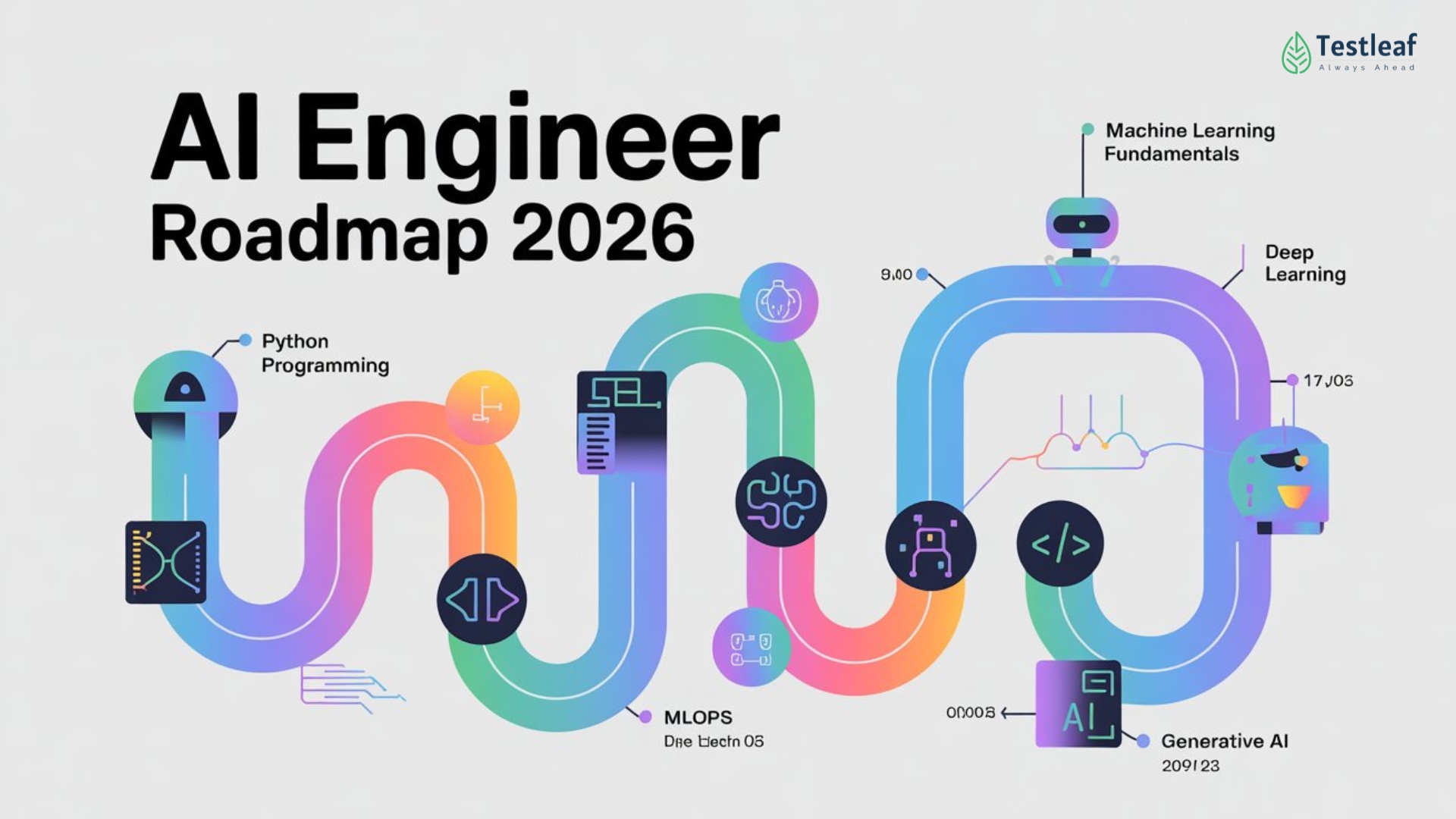
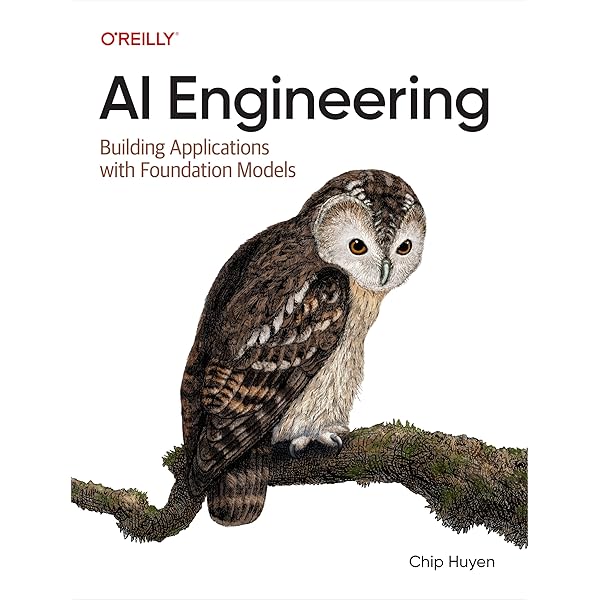
Artificial Intelligence (AI) is transforming industries across the globe, and at the heart of this transformation are AI engineers. These professionals are responsible for designing, developing, and implementing AI models that power everything from recommendation systems to autonomous vehicles.

What Does an AI Engineer Do?

An AI engineer’s primary role is to create intelligent algorithms capable of learning and making decisions. They work with vast amounts of data to train models that can perform specific tasks without explicit programming. This involves:

  • Data Collection and Preparation: Gathering and preparing data for training purposes.
  • Model Development: Designing algorithms that can learn from data.
  • Model Training: Using machine learning techniques to train models on large datasets.
  • Model Evaluation: Testing models to ensure they meet performance standards.
  • Deployment: Integrating models into applications or systems for real-world use.

Skills Required for an AI Engineer

A successful AI engineer needs a blend of technical skills and domain knowledge. Key skills include:

  • Programming Languages: Proficiency in languages such as Python, R, or Java is essential.
  • Mathematics and Statistics: A strong foundation in linear algebra, calculus, probability, and statistics is crucial for developing algorithms.
  • Machine Learning Frameworks: Familiarity with frameworks like TensorFlow, PyTorch, or Keras is important for building models efficiently.
  • Data Analysis: The ability to analyze large datasets and extract meaningful insights is vital for training effective models.

The Impact of AI Engineers

The work of AI engineers has a profound impact on various sectors. In healthcare, they develop predictive models that assist in early diagnosis and personalized treatment plans. In finance, they create algorithms that detect fraudulent activities or automate trading processes. In retail, they enhance customer experiences through personalized recommendations.

The demand for skilled AI engineers continues to grow as more organizations recognize the potential of artificial intelligence to drive innovation and efficiency. As technology evolves, so too will the opportunities within this exciting field.

The Future of AI Engineering

The future looks promising for those pursuing a career as an AI engineer. With advancements in areas such as deep learning and natural language processing, there are endless possibilities for innovation. As ethical considerations become increasingly important in technology development, AI engineers will also play a crucial role in ensuring responsible use of artificial intelligence.

If you’re interested in shaping the future through technology and have a passion for solving complex problems with innovative solutions, a career as an AI engineer might be the perfect fit for you!


8 Essential Tips for Aspiring AI Engineers

  1. Stay updated with the latest developments in AI technology.
  2. Build a strong foundation in mathematics and statistics.
  3. Develop proficiency in programming languages such as Python and R.
  4. Gain experience with machine learning algorithms and deep learning techniques.
  5. Work on real-world projects to showcase your skills and knowledge.
  6. Collaborate with other professionals in related fields to broaden your understanding of AI applications.
  7. Continuously improve your problem-solving skills and critical thinking abilities.
  8. Stay curious and be willing to learn new concepts and technologies in the rapidly evolving field of AI.

Stay updated with the latest developments in AI technology.

Staying updated with the latest developments in AI technology is crucial for any AI engineer aiming to remain relevant and effective in the field. The landscape of artificial intelligence is rapidly evolving, with new algorithms, tools, and techniques emerging regularly. By keeping abreast of these advancements, AI engineers can leverage cutting-edge technologies to enhance their projects and solve complex problems more efficiently. This continuous learning not only improves their skill set but also opens up opportunities for innovation and creativity in designing AI solutions. Engaging with research papers, attending conferences, participating in online forums, and taking advanced courses are excellent ways for AI engineers to stay informed about the latest trends and breakthroughs in the industry.

Build a strong foundation in mathematics and statistics.

Building a strong foundation in mathematics and statistics is crucial for anyone aspiring to become an AI engineer. Mathematics, particularly linear algebra and calculus, forms the backbone of many machine learning algorithms, enabling engineers to understand how models process data and make predictions. Statistics is equally important, as it provides the tools needed to analyze datasets, identify patterns, and assess the reliability of model outputs. A solid grasp of these subjects allows AI engineers to not only develop more effective algorithms but also troubleshoot issues and optimize performance. By mastering mathematics and statistics, aspiring AI engineers equip themselves with the essential skills needed to innovate and excel in this rapidly evolving field.

Develop proficiency in programming languages such as Python and R.

To excel as an AI engineer, it’s crucial to develop proficiency in programming languages like Python and R. These languages are fundamental tools in the field of artificial intelligence and machine learning due to their simplicity, versatility, and extensive libraries that facilitate complex computations and data analysis. Python, with its robust frameworks like TensorFlow and PyTorch, is particularly favored for building neural networks and deploying AI models. Meanwhile, R is renowned for its statistical computing capabilities, making it ideal for data manipulation and visualization tasks. Mastering these languages enables AI engineers to efficiently design algorithms, process large datasets, and implement sophisticated AI solutions across various applications.

Gain experience with machine learning algorithms and deep learning techniques.

Gaining experience with machine learning algorithms and deep learning techniques is crucial for anyone aspiring to become an AI engineer. These skills form the backbone of artificial intelligence, enabling systems to learn from data and improve over time without explicit programming. By working with various algorithms such as decision trees, support vector machines, and neural networks, aspiring AI engineers can understand how different models perform under various conditions. Deep learning techniques, which involve complex neural networks like convolutional neural networks (CNNs) and recurrent neural networks (RNNs), are particularly important for tasks involving image recognition, natural language processing, and more. Hands-on experience with these technologies not only enhances technical proficiency but also equips individuals with the problem-solving skills needed to tackle real-world challenges in AI development.

Work on real-world projects to showcase your skills and knowledge.

Gaining hands-on experience by working on real-world projects is essential for aspiring AI engineers to showcase their skills and knowledge effectively. By engaging in practical projects, individuals can apply theoretical concepts to solve tangible problems, demonstrating their ability to design, develop, and implement AI models in real scenarios. This experience not only enhances technical proficiency but also builds a portfolio that highlights one’s expertise to potential employers or clients. Additionally, tackling real-world challenges helps in understanding the complexities and nuances of AI applications, making one more adept at navigating the evolving landscape of artificial intelligence. Whether through internships, open-source contributions, or personal projects, these experiences are invaluable in establishing credibility and advancing one’s career in the field of AI engineering.

Collaborating with professionals in related fields is crucial for AI engineers aiming to broaden their understanding of AI applications. By working alongside experts in areas such as data science, software development, and domain-specific industries like healthcare or finance, AI engineers can gain valuable insights into how artificial intelligence can be applied effectively across different sectors. This interdisciplinary approach not only enhances the engineer’s technical skills but also fosters innovative solutions by integrating diverse perspectives. Such collaboration leads to the creation of more robust and versatile AI models that address real-world challenges, ultimately driving technological advancement and improving outcomes across various applications.

Continuously improve your problem-solving skills and critical thinking abilities.

In the rapidly evolving field of artificial intelligence, continuously improving your problem-solving skills and critical thinking abilities is crucial for success as an AI engineer. These skills enable you to tackle complex challenges and devise innovative solutions that may not be immediately obvious. By honing your ability to analyze situations from multiple perspectives, you can identify potential issues before they arise and develop more effective algorithms. Engaging in activities such as coding challenges, logic puzzles, and collaborative projects can enhance these skills, allowing you to adapt quickly to new technologies and methodologies. Ultimately, strong problem-solving and critical thinking capabilities are essential for driving advancements in AI and maintaining a competitive edge in the industry.

Stay curious and be willing to learn new concepts and technologies in the rapidly evolving field of AI.

In the rapidly evolving field of AI, staying curious and being willing to learn new concepts and technologies is essential for success as an AI engineer. The landscape of artificial intelligence is constantly changing, with breakthroughs and innovations emerging at a fast pace. By maintaining a curious mindset, AI engineers can stay ahead of the curve, exploring cutting-edge tools and methodologies that enhance their work. This openness to learning not only fosters personal growth but also enables engineers to adapt to new challenges and opportunities in the industry. Embracing continuous education ensures that they remain valuable contributors to their teams and organizations, driving forward the potential of AI in transformative ways.

ai programming

AI Programming: Unlocking the Future of Technology

AI Programming: Transforming the Future

AI Programming: Transforming the Future

Artificial Intelligence (AI) programming is revolutionizing the way we interact with technology. From smart assistants to autonomous vehicles, AI is at the forefront of innovation, driving significant changes across various industries.

What is AI Programming?

AI programming involves creating algorithms and models that enable machines to mimic human intelligence. This includes learning from data, recognizing patterns, making decisions, and even understanding natural language. The goal is to develop systems that can perform tasks typically requiring human cognition.

Key Components of AI Programming

  • Machine Learning: A subset of AI focused on building systems that learn from data and improve over time without being explicitly programmed.
  • Deep Learning: A more advanced form of machine learning using neural networks with many layers to analyze complex patterns in large datasets.
  • Natural Language Processing (NLP): Enables machines to understand and respond to human language in a meaningful way.
  • Computer Vision: Allows machines to interpret and make decisions based on visual data from the world around them.

The Role of Programming Languages in AI

A variety of programming languages are used in AI development, each offering unique features suited for different aspects of AI:

  • Python: Known for its simplicity and readability, Python is widely used due to its extensive libraries such as TensorFlow and PyTorch that facilitate machine learning and deep learning projects.
  • R: Popular among statisticians and data miners for its strong data analysis capabilities.
  • LISP: One of the oldest languages used in AI development, known for its excellent support for symbolic reasoning and rapid prototyping.
  • Java: Valued for its portability, scalability, and extensive community support in building large-scale AI applications.

The Impact of AI Programming on Industries

The influence of AI programming extends across numerous sectors:

  • Healthcare: AI assists in diagnosing diseases, personalizing treatment plans, and managing patient records efficiently.
  • Finance: Algorithms predict market trends, assess risks, and detect fraudulent activities with high accuracy.
  • Agriculture: Smart systems optimize crop yields through predictive analytics and automated farming techniques.
  • E-commerce: Personalized recommendations enhance customer experiences while optimizing supply chain management.

The Future of AI Programming

The future of AI programming holds immense potential as research continues to push boundaries. With advancements in quantum computing, improved algorithms, and ethical considerations guiding development practices, the next generation of intelligent systems promises even greater societal benefits. As technology evolves rapidly, staying informed about trends in AI programming is crucial for those looking to harness its transformative power effectively.

The journey into the world of artificial intelligence is just beginning. With continued innovation and collaboration across disciplines globally shaping our collective future together – one line at a time!


6 Essential Tips for Mastering AI Programming

  1. Understand the basics of machine learning algorithms
  2. Stay updated with the latest advancements in AI technology
  3. Practice coding regularly to improve your programming skills
  4. Experiment with different AI frameworks and tools to find what works best for you
  5. Collaborate with other AI programmers to learn from each other and share knowledge
  6. Always test and validate your AI models thoroughly before deploying them

Understand the basics of machine learning algorithms

Understanding the basics of machine learning algorithms is crucial for anyone venturing into AI programming. These algorithms form the foundation of how machines learn from data, identify patterns, and make decisions with minimal human intervention. By grasping fundamental concepts such as supervised and unsupervised learning, decision trees, neural networks, and clustering techniques, programmers can better design and implement models that effectively solve real-world problems. A solid comprehension of these algorithms also enables developers to select the most appropriate methods for their specific tasks, optimize performance, and troubleshoot issues more efficiently. Ultimately, mastering the basics of machine learning algorithms empowers programmers to create more intelligent and adaptive AI systems.

Stay updated with the latest advancements in AI technology

Staying updated with the latest advancements in AI technology is crucial for anyone involved in AI programming. The field of artificial intelligence is rapidly evolving, with new algorithms, tools, and techniques emerging regularly. Keeping abreast of these developments ensures that programmers can leverage cutting-edge solutions to build more efficient and effective AI systems. By following industry news, attending conferences, participating in webinars, and engaging with online communities, developers can gain insights into the latest trends and innovations. This continuous learning process not only enhances one’s skills but also opens up opportunities to implement state-of-the-art technologies that can drive significant improvements in various applications and industries.

Practice coding regularly to improve your programming skills

Practicing coding regularly is essential for anyone looking to enhance their skills in AI programming. Consistent practice not only helps solidify fundamental concepts but also allows programmers to experiment with new techniques and algorithms. By dedicating time each day or week to coding, individuals can stay up-to-date with the latest advancements in the field and gain hands-on experience with various tools and libraries. This continuous engagement with code fosters problem-solving abilities and boosts confidence when tackling complex AI challenges. Furthermore, regular practice enables programmers to build a robust portfolio of projects, showcasing their growing expertise and making them more attractive to potential employers or collaborators in the ever-evolving tech industry.

Experiment with different AI frameworks and tools to find what works best for you

Experimenting with different AI frameworks and tools is essential for anyone looking to excel in AI programming. Each framework offers unique features and capabilities, catering to various aspects of artificial intelligence development. For instance, TensorFlow and PyTorch are popular for deep learning due to their robust libraries and community support. Meanwhile, frameworks like Scikit-learn are ideal for simpler machine learning tasks. By trying out multiple tools, developers can identify which ones align best with their specific project requirements and personal preferences in terms of usability and functionality. This hands-on exploration not only enhances one’s skill set but also fosters a deeper understanding of the strengths and limitations of each tool, ultimately leading to more efficient and innovative AI solutions.

Collaborate with other AI programmers to learn from each other and share knowledge

Collaboration among AI programmers is a powerful way to accelerate learning and innovation. By working together, individuals can share diverse perspectives and expertise, leading to more robust solutions and creative problem-solving. Engaging with a community of peers allows programmers to exchange knowledge about the latest tools, techniques, and best practices in AI development. This collaborative environment fosters continuous learning and can help identify potential pitfalls early in the development process. Additionally, collaborating with others provides opportunities for mentorship, networking, and building relationships that can enhance both personal and professional growth in the rapidly evolving field of artificial intelligence.

Always test and validate your AI models thoroughly before deploying them

Thorough testing and validation of AI models are crucial steps before deployment to ensure their reliability and effectiveness in real-world scenarios. By rigorously evaluating the model’s performance, developers can identify potential weaknesses or biases that might not be evident during initial development. This process involves using a diverse set of data to simulate various conditions the model may encounter, which helps in assessing its accuracy, robustness, and fairness. Additionally, thorough testing can reveal any unintended consequences or ethical concerns that need addressing. Ultimately, investing time in comprehensive testing and validation not only enhances the model’s performance but also builds trust with users by ensuring that the AI behaves as expected once deployed.

python software development

Exploring the World of Python Software Development

Python Software Development: A Comprehensive Guide

Python Software Development: A Comprehensive Guide

Python has emerged as one of the most popular programming languages in the world, thanks to its simplicity, versatility, and powerful libraries. Whether you are a beginner or an experienced developer, Python offers a wide range of tools and frameworks to help you build robust software applications.

Why Choose Python for Software Development?

There are several reasons why developers choose Python for software development:

  • Easy to Learn: Python’s syntax is clear and intuitive, making it an excellent choice for beginners.
  • Versatile: From web development to data analysis, machine learning to automation, Python can be used in various domains.
  • Rich Libraries: Python boasts a vast ecosystem of libraries and frameworks that accelerate development.
  • Community Support: A large and active community means plenty of resources and support are available.

The Role of Python in Different Industries

Python’s versatility makes it suitable for numerous industries:

Web Development

Django and Flask are two popular web frameworks that enable developers to create scalable web applications quickly. These frameworks offer built-in features like authentication, database integration, and URL routing.

Data Science and Machine Learning

Pandas, NumPy, and SciPy are essential libraries for data manipulation and analysis. For machine learning projects, TensorFlow and PyTorch provide powerful tools for building complex models.

Scripting and Automation

Python is often used for writing scripts to automate repetitive tasks. Its simplicity makes it ideal for developing scripts that interact with other software applications or manage system operations.

The Development Process in Python

The Python software development process typically involves several key stages:

  1. Requirements Gathering: Understanding the project’s objectives and gathering necessary requirements from stakeholders.
  2. Design: Planning the architecture of the application, including data structures and user interfaces.
  3. Coding: Writing clean, efficient code using Python’s syntax and libraries.
  4. Testing: Running tests to ensure the application functions correctly across different scenarios.
  5. Deployment: Deploying the application on servers or cloud platforms for users to access.
  6. Mainenance:: Regularly updating the application with new features or bug fixes as needed.

The Future of Python Software Development

The future looks bright for Python developers. As technology continues to evolve rapidly, new opportunities arise in fields such as artificial intelligence (AI), Internet of Things (IoT), blockchain technology among others where python will play significant roles due its adaptability & extensive support from community members worldwide . With ongoing improvements being made by contributors around globe , we can expect even greater advancements within this programming language itself over time which would further enhance capabilities offered by python based solutions making them more reliable & efficient than ever before!

Conclusion

In conclusion , whether you’re just starting out your journey into world programming or already have years experience under belt – there’s no denying fact that choosing python could be one best decisions make when comes developing cutting edge applications capable transforming ideas into reality ! So why wait any longer ? Start exploring possibilities today see what amazing things await those willing embrace power simplicity offered through use this incredible toolset known simply as ‘python’ !


Top 7 FAQs About Python in Software Development

  1. Which softwares are developed in Python?
  2. Is Python developer a software developer?
  3. What does a Python software developer do?
  4. Can I learn Python in 3 months?
  5. Can I become a software developer with Python?
  6. Is C++ or Python better for software development?
  7. Can Python be used for software development?

Which softwares are developed in Python?

Python is a versatile programming language that is used to develop a wide range of software applications across various industries. Some common types of software developed in Python include web applications, data analysis tools, scientific computing software, automation scripts, machine learning algorithms, and more. Popular software products built using Python include platforms like Instagram, Spotify, Dropbox, and YouTube. The flexibility and extensive library support of Python make it an ideal choice for developing innovative and efficient software solutions tailored to specific needs and requirements.

Is Python developer a software developer?

In the realm of software development, the question of whether a Python developer is considered a software developer often arises. The answer to this question is a resounding yes. Python developers are indeed software developers. Python is a powerful and versatile programming language used to create various types of software applications, ranging from web development to data analysis and machine learning. Python developers possess the skills and knowledge required to design, build, and maintain software solutions using Python’s syntax and libraries. Their expertise in utilizing Python for coding, testing, and deploying applications solidifies their position as integral members of the broader software development community.

What does a Python software developer do?

A Python software developer plays a crucial role in designing, coding, testing, and maintaining software applications using the Python programming language. Their responsibilities include understanding project requirements, creating efficient and scalable code, debugging and troubleshooting issues, collaborating with team members, and continuously updating and improving software functionalities. Python developers leverage the language’s rich libraries and frameworks to build web applications, data analysis tools, machine learning models, automation scripts, and more. Their expertise in Python allows them to tackle diverse projects across various industries while ensuring that the software meets performance standards and user requirements.

Can I learn Python in 3 months?

The question “Can I learn Python in 3 months?” is a common one among individuals looking to acquire programming skills. While the timeframe of 3 months can be a good starting point for learning Python, the extent of proficiency achieved within that period may vary depending on factors such as prior programming experience, dedication to learning, and the complexity of projects undertaken. With consistent practice, focused study, and hands-on coding exercises, it is certainly possible to grasp the fundamentals of Python within 3 months and start building simple applications. However, mastering Python and becoming proficient in its advanced concepts may require continuous learning and practical application beyond the initial 3-month period. Ultimately, the key lies in setting realistic goals, staying motivated, and embracing a growth mindset throughout the learning journey.

Can I become a software developer with Python?

The frequently asked question, “Can I become a software developer with Python?” is a common query among aspiring developers. The answer is a resounding yes! Python is an excellent language for beginners due to its simplicity and readability. It offers a gentle learning curve, making it easier to grasp fundamental programming concepts. With Python, you can develop a wide range of software applications, from web development to data analysis and machine learning. By mastering Python and exploring its vast ecosystem of libraries and frameworks, individuals can certainly embark on a successful career as a software developer.

Is C++ or Python better for software development?

When it comes to choosing between C++ and Python for software development, the decision often depends on the specific requirements of the project. C++ is known for its speed and efficiency, making it a preferred choice for performance-critical applications like system software, game development, or high-frequency trading. On the other hand, Python’s simplicity and readability make it an excellent option for rapid prototyping, web development, data analysis, and machine learning. Ultimately, the best language choice will be influenced by factors such as project complexity, performance needs, development time constraints, and the expertise of the development team. Both C++ and Python have their strengths and weaknesses, so it’s essential to evaluate your project’s needs carefully before deciding which language to use for software development.

Can Python be used for software development?

Certainly! Python is widely recognized as a versatile and powerful programming language that can indeed be used for software development. Its simple and clean syntax, along with a vast array of libraries and frameworks, make it an excellent choice for building a wide range of applications. From web development to data science, machine learning to automation, Python has proven itself as a go-to language for developers looking to create robust and efficient software solutions. Its popularity and ease of use have made it a top choice for both beginners and experienced developers alike. Whether you’re working on a small project or a large-scale application, Python’s flexibility and scalability make it a valuable tool in the world of software development.