cfchris.com

Loading

introduction to java

An Introduction to Java Programming: Exploring the Basics of Java Development

Introduction to Java

Introduction to Java

Java is a high-level, object-oriented programming language developed by Sun Microsystems in the mid-1990s. It is known for its portability, versatility, and robustness, making it one of the most popular programming languages in the world.

Key Features of Java:

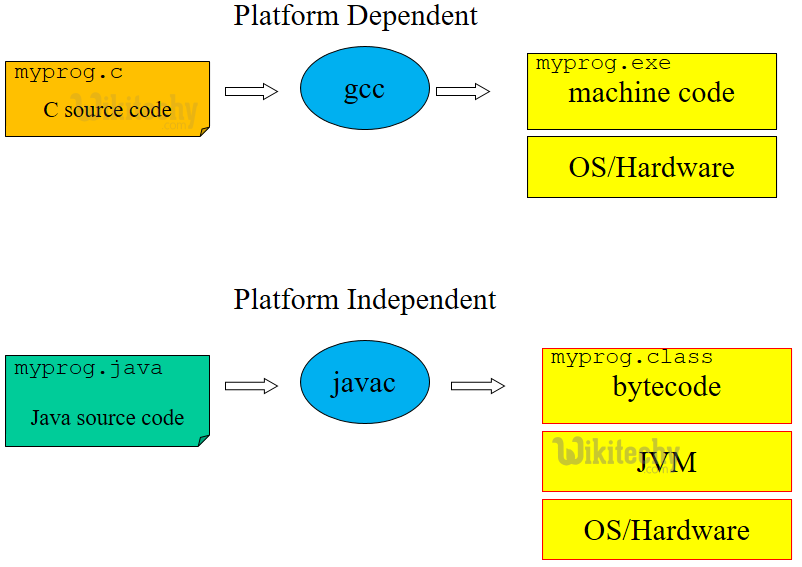
  • Platform Independence: Java programs can run on any platform that has a Java Virtual Machine (JVM) installed, making it highly portable.
  • Object-Oriented: Java follows an object-oriented programming paradigm, allowing developers to create modular and reusable code.
  • Syntax Simplicity: Java syntax is easy to read and understand, making it a beginner-friendly language.
  • Automatic Memory Management: Java handles memory management automatically through its built-in garbage collector, reducing the risk of memory leaks.
  • Rich Standard Library: Java comes with a vast standard library that provides pre-built functionality for common tasks, saving developers time and effort.

Main Components of Java:

  1. JVM (Java Virtual Machine): The JVM is an essential component of the Java platform that executes compiled Java code.
  2. JRE (Java Runtime Environment): The JRE includes the JVM and other libraries necessary for running Java applications.
  3. JDK (Java Development Kit): The JDK is a software development kit that includes tools for developing, debugging, and monitoring Java applications.

Hello World Example in Java:

“`java

public class HelloWorld {

public static void main(String[] args) {

System.out.println(“Hello, World!”);

}

}

“`

The above code snippet demonstrates a simple “Hello World” program in Java. It defines a class named `HelloWorld` with a `main` method that prints “Hello, World!” to the console.

In conclusion, Java’s versatility and ease of use make it an ideal choice for developing various types of applications, from web applications to mobile apps. Whether you are a beginner or an experienced developer, learning Java can open up numerous opportunities in the world of programming.


5 Key Advantages of Learning Java: Platform Independence, Object-Oriented Design, Simplicity, Memory Management, and a Robust Standard Library

  1. Java is platform-independent, allowing programs to run on different operating systems with a Java Virtual Machine (JVM).
  2. Java is object-oriented, promoting code reusability and modular development.
  3. Java has a simple syntax that is easy to read and understand, making it beginner-friendly.
  4. Java features automatic memory management through garbage collection, reducing the risk of memory leaks.
  5. Java offers a rich standard library with pre-built functionality for common tasks, saving developers time and effort.


6 Drawbacks to Consider When Learning Java for Beginners

  1. Java can be verbose, requiring more lines of code compared to other languages.
  2. Learning Java syntax and concepts may be challenging for beginners with no prior programming experience.
  3. Java’s performance may not be as fast as some lower-level languages like C or C++.
  4. Managing memory in Java can be complex, especially when dealing with large-scale applications.
  5. Java’s strict typing system can lead to longer development times due to the need for explicit type declarations.
  6. Java updates and versions may introduce compatibility issues with existing codebases.

Java is platform-independent, allowing programs to run on different operating systems with a Java Virtual Machine (JVM).

Java’s platform independence is a significant advantage that sets it apart from many other programming languages. By utilizing the Java Virtual Machine (JVM), Java programs can be executed on various operating systems without the need for recompilation. This cross-platform compatibility simplifies software development and deployment, making Java an ideal choice for creating applications that can run seamlessly across different environments.

Java is object-oriented, promoting code reusability and modular development.

Java’s object-oriented nature is a significant advantage, as it fosters code reusability and modular development. By structuring programs around objects and classes, Java enables developers to create reusable components that can be easily integrated into different parts of a project. This approach not only streamlines the development process but also enhances the maintainability and scalability of Java applications, making them more efficient and adaptable to changing requirements.

Java has a simple syntax that is easy to read and understand, making it beginner-friendly.

Java’s simple syntax sets it apart as a beginner-friendly programming language, as it is designed to be easy to read and understand. This feature of Java allows new programmers to grasp the fundamentals quickly and start writing code with confidence. The straightforward syntax of Java contributes to its popularity among beginners and experienced developers alike, making it an excellent choice for those looking to enter the world of programming.

Java features automatic memory management through garbage collection, reducing the risk of memory leaks.

Java’s automatic memory management through garbage collection is a significant advantage that sets it apart from many other programming languages. By handling memory allocation and deallocation automatically, Java reduces the risk of memory leaks, a common issue in manual memory management languages. This feature not only simplifies the development process but also enhances the reliability and stability of Java applications by ensuring efficient memory usage.

Java offers a rich standard library with pre-built functionality for common tasks, saving developers time and effort.

Java’s rich standard library is a standout feature that significantly benefits developers by providing pre-built functionality for common tasks. This extensive library not only saves developers valuable time but also reduces the effort required to implement basic functionalities in their applications. By leveraging the ready-to-use components within the standard library, Java developers can focus more on solving complex problems and building innovative solutions rather than reinventing the wheel for routine tasks.

Java can be verbose, requiring more lines of code compared to other languages.

Java’s verbosity is often cited as a drawback, as it typically requires more lines of code compared to some other programming languages. This can lead to increased development time and potentially make the codebase harder to maintain. While Java’s explicit syntax can enhance readability and maintainability in some cases, developers may find themselves writing more boilerplate code than desired, which can be seen as a downside, especially when working on projects with tight deadlines.

Learning Java syntax and concepts may be challenging for beginners with no prior programming experience.

Learning Java syntax and concepts may pose a challenge for beginners with no prior programming experience. Java, being an object-oriented language, introduces new concepts such as classes, objects, inheritance, and polymorphism that may require a steep learning curve for those unfamiliar with programming principles. Additionally, Java syntax can be strict and verbose compared to some other languages, demanding attention to detail and precision in coding practices. However, with dedication, practice, and the right resources, beginners can overcome these initial hurdles and gradually build a solid foundation in Java programming.

Java’s performance may not be as fast as some lower-level languages like C or C++.

Java’s performance may not always match the speed of lower-level languages such as C or C++. Due to its design as a high-level language with automatic memory management and platform independence, Java may introduce some overhead that can impact its execution speed compared to more optimized, lower-level languages. While Java offers advantages in terms of portability and ease of development, developers working on performance-critical applications may need to carefully consider the trade-offs between these benefits and the potential performance limitations of the language.

Managing memory in Java can be complex, especially when dealing with large-scale applications.

Managing memory in Java can be complex, especially when dealing with large-scale applications. One of the challenges developers face is ensuring efficient memory usage to prevent issues like memory leaks or excessive garbage collection pauses. In large-scale applications, the sheer volume of objects created and the complexity of their interactions can make it challenging to optimize memory allocation and deallocation effectively. This complexity requires careful planning and implementation of memory management strategies to maintain application performance and stability.

Java’s strict typing system can lead to longer development times due to the need for explicit type declarations.

Java’s strict typing system, while beneficial for ensuring code integrity and reducing errors at runtime, can sometimes result in longer development times. The requirement for explicit type declarations in Java means that developers need to specify the data types of variables, parameters, and return values throughout their code. This level of detail can add complexity to the development process, especially when compared to dynamically typed languages where type inference is more flexible. Despite this potential drawback, the strict typing system in Java ultimately contributes to code reliability and maintainability in the long run.

Java updates and versions may introduce compatibility issues with existing codebases.

Java updates and new versions can sometimes pose a challenge for developers due to potential compatibility issues with existing codebases. When Java introduces changes or deprecates certain features, it may require modifications to the code to ensure that it functions correctly with the latest version. This can be a time-consuming process, especially for large projects with extensive codebases, as developers need to carefully assess and update their code to maintain compatibility and take advantage of new Java features. Despite this con, staying up-to-date with Java versions is essential for security patches, performance improvements, and access to new functionalities in the language.
javascript programming language

Mastering the JavaScript Programming Language: A Comprehensive Guide

Article: JavaScript Programming Language

The Power of JavaScript Programming Language

JavaScript is a versatile and widely-used programming language that powers the interactive elements of websites and web applications. Originally created to make web pages more dynamic, JavaScript has evolved into a powerful tool for building complex applications across various platforms.

Key Features of JavaScript:

  • Client-Side Scripting: JavaScript runs on the client side, allowing for dynamic updates without reloading the entire page.
  • Cross-Platform Compatibility: JavaScript is supported by all major browsers, making it a reliable choice for web development.
  • Asynchronous Programming: Using callbacks and promises, JavaScript enables non-blocking operations for efficient processing.
  • Object-Oriented: JavaScript supports object-oriented programming paradigms, allowing for code organization and reusability.
  • Extensive Libraries: The vast ecosystem of libraries and frameworks like React, Angular, and Vue.js enhances the capabilities of JavaScript for building robust applications.

Applications of JavaScript:

JavaScript is used in various domains, including:

  • Web Development: Creating interactive websites with dynamic content and user-friendly interfaces.
  • Mobile App Development: Building cross-platform mobile applications using frameworks like React Native or Ionic.
  • Data Visualization: Utilizing libraries such as D3.js for creating interactive charts and graphs.
  • Server-Side Development: Node.js allows developers to use JavaScript on the server side for scalable applications.
  • IoT (Internet of Things): Controlling connected devices and sensors using embedded JavaScript frameworks like Johnny-Five.

The Future of JavaScript:

In an ever-evolving tech landscape, JavaScript continues to adapt and innovate. With advancements in areas like WebAssembly and Progressive Web Apps (PWAs), JavaScript remains at the forefront of modern web development. As new features are added to the language and tools are refined, the future looks bright for those who harness the power of JavaScript programming language.


8 Advantages of JavaScript: Versatility, Ease of Learning, and More

  1. 1. Versatile
  2. 2. Easy to Learn
  3. 3. Interactivity
  4. 4. Extensive Libraries
  5. 5. Cross-Browser Compatibility
  6. 6. Asynchronous Programming
  7. 7. Scalability
  8. 8. Community Support


Challenges of JavaScript: Browser Dependency, Security Risks, and Performance Limitations

  1. Browser Dependency
  2. Security Risks
  3. Performance Limitations

1. Versatile

JavaScript’s versatility shines through its ability to serve as a powerful tool for both front-end and back-end development. This unique feature allows developers to streamline their workflow by using the same language across different aspects of a project. Whether creating dynamic user interfaces on the client side or building robust server-side applications, JavaScript’s versatility empowers developers to tackle a wide range of tasks efficiently and effectively.

2. Easy to Learn

JavaScript’s ease of learning is a significant advantage, thanks to its simple syntax that is particularly welcoming to beginners. The language’s straightforward structure and intuitive nature make it accessible for those new to programming, allowing them to quickly grasp fundamental concepts and start building functional applications with ease. This user-friendly aspect of JavaScript empowers aspiring developers to dive into coding without feeling overwhelmed, fostering a smooth learning curve and encouraging creativity in problem-solving.

3. Interactivity

JavaScript’s ability to enable dynamic and interactive elements on websites is a game-changer in web development. By leveraging this feature, developers can create engaging user experiences that respond to user actions in real-time. Whether it’s updating content without page reloads, validating form inputs instantly, or animating elements smoothly, the interactivity aspect of JavaScript enhances user engagement and makes websites more user-friendly and visually appealing. This pro of JavaScript empowers developers to bring websites to life and deliver immersive online experiences that keep visitors coming back for more.

4. Extensive Libraries

JavaScript offers developers access to an extensive array of libraries and frameworks, empowering them to streamline and expedite the development process. With a wealth of pre-built solutions available, developers can leverage these tools to enhance functionality, improve performance, and expedite project delivery. This abundance of resources not only accelerates development but also ensures that developers have the support they need to create robust and innovative applications efficiently.

5. Cross-Browser Compatibility

JavaScript’s cross-browser compatibility is a significant advantage that allows developers to create web applications that work seamlessly across various browsers. This feature ensures a consistent user experience regardless of the browser used, eliminating compatibility issues and making it easier to reach a wider audience. By leveraging JavaScript’s ability to run consistently on different platforms, developers can focus on building robust and engaging web experiences without worrying about browser-specific quirks or limitations.

6. Asynchronous Programming

JavaScript’s support for asynchronous programming is a key advantage that enables non-blocking operations, leading to enhanced performance. By utilizing callbacks and promises, JavaScript can execute multiple tasks concurrently without waiting for each operation to complete. This allows developers to create responsive and efficient applications that can handle complex tasks seamlessly, ultimately improving the overall user experience.

7. Scalability

JavaScript’s scalability is a key advantage that sets it apart as a programming language. It excels in accommodating projects of varying sizes, from small-scale endeavors to large, complex applications. Whether you are developing a simple website or a sophisticated web application, JavaScript’s scalability ensures that it can grow with your project requirements without compromising performance or efficiency. This flexibility makes JavaScript a versatile choice for developers looking to build scalable solutions that can adapt to evolving needs and expanding user bases.

8. Community Support

JavaScript’s strength lies in its extensive community support, with a vast network of developers offering a wealth of resources, tutorials, and assistance. This robust community ensures that programmers at all levels have access to valuable insights, best practices, and solutions to challenges they may encounter while working with the language. The collaborative nature of the JavaScript community fosters continuous learning and growth, making it easier for developers to stay updated on the latest trends and techniques in web development.

Browser Dependency

One significant drawback of JavaScript programming language is its heavy reliance on the client’s browser for execution. This dependency can result in compatibility issues when running JavaScript code across various browsers. Different browsers may interpret JavaScript code differently, leading to inconsistent behavior and potential errors in the functionality of web applications. Developers often need to test and adjust their code to ensure compatibility with multiple browsers, adding complexity and effort to the development process.

Security Risks

JavaScript programming language poses a significant security risk due to its client-side nature, which exposes the code to users. This visibility makes JavaScript susceptible to security vulnerabilities if not adequately secured. Malicious users can easily access and manipulate JavaScript code, leading to potential risks such as cross-site scripting (XSS) attacks and data breaches. It is essential for developers to implement robust security measures, such as input validation, output encoding, and secure coding practices, to mitigate these risks and protect sensitive information from unauthorized access or exploitation.

Performance Limitations

JavaScript programming language may encounter performance limitations, especially when dealing with intensive computations or processing large volumes of data. Due to its nature as a high-level language running in the browser environment, JavaScript may not be as efficient as lower-level languages in handling complex tasks that require extensive computational resources. Developers need to be mindful of these performance constraints and consider optimization techniques or alternative solutions when working on applications that demand high-speed processing or memory-intensive operations.

java language basics

Mastering Java Language Basics: A Comprehensive Guide

Java Language Basics

The Basics of Java Programming Language

Java is a widely-used programming language known for its versatility and platform independence. It was developed by Sun Microsystems in the mid-1990s and has since become one of the most popular languages in the world.

Key Features of Java:

  • Simplicity: Java was designed to be easy to learn and use, making it a great choice for beginners.
  • Object-Oriented: Java is an object-oriented language, which means it focuses on creating objects that interact with each other to perform tasks.
  • Platform-Independent: Java programs can run on any device that has a Java Virtual Machine (JVM), making it highly portable.
  • Security: Java has built-in security features to protect against viruses and other malicious attacks.
  • Multithreading: Java supports multithreading, allowing programs to execute multiple tasks simultaneously.

Hello World Program in Java:

To get started with Java, let’s look at a simple “Hello World” program:

“`java

public class HelloWorld {

public static void main(String[] args) {

System.out.println(“Hello, World!”);

}

}

“`

In this program, we define a class called `HelloWorld` with a `main` method that prints “Hello, World!” to the console. This is often the first program beginners write when learning a new language.

Data Types in Java:

Java supports various data types, including:

  • int: for integer values
  • double: for floating-point numbers
  • boolean: for true/false values
  • String: for text strings


Java Basics: Answers to 8 Frequently Asked Questions

  1. What is Java?
  2. Why is Java popular?
  3. What are the key features of Java?
  4. How do I write a simple ‘Hello World’ program in Java?
  5. What are data types in Java?
  6. How does Java handle memory management?
  7. What is object-oriented programming in Java?
  8. Can you explain the concept of inheritance in Java?

What is Java?

Java is a versatile and widely-used programming language that was developed by Sun Microsystems in the mid-1990s. Known for its simplicity, object-oriented approach, and platform independence, Java allows developers to create applications that can run on any device with a Java Virtual Machine (JVM). With built-in security features, support for multithreading, and a rich set of libraries, Java has become a popular choice for building a wide range of software applications across different industries.

Java is popular for several reasons. One key factor is its platform independence, allowing Java programs to run on any device with a Java Virtual Machine (JVM). This portability makes it an attractive choice for developers looking to reach a wide audience. Additionally, Java’s robust security features help protect against vulnerabilities and ensure safer programming practices. Its object-oriented nature promotes code reusability and maintainability, making it easier for developers to create scalable and efficient applications. Overall, Java’s simplicity, versatility, and strong community support contribute to its enduring popularity in the programming world.

What are the key features of Java?

Java, a widely-used programming language, boasts several key features that contribute to its popularity and versatility. One of its standout characteristics is its simplicity, designed to be beginner-friendly and easy to learn. Java’s object-oriented nature emphasizes the creation of objects that interact to perform tasks efficiently. Additionally, Java’s platform independence allows programs to run on any device with a Java Virtual Machine (JVM), ensuring high portability. Security is another crucial feature of Java, with built-in measures to safeguard against malicious attacks. Furthermore, Java supports multithreading, enabling programs to execute multiple tasks concurrently for enhanced performance. These key features collectively make Java a robust and reliable choice for developers across various domains.

How do I write a simple ‘Hello World’ program in Java?

To write a simple “Hello World” program in Java, you can start by creating a class named HelloWorld. Inside this class, include a main method with the following code: System.out.println(“Hello, World!”); This line of code will print “Hello, World!” to the console when the program is executed. It is a common first program for beginners learning Java as it introduces the basic structure of a Java program and how to output text to the screen.

What are data types in Java?

In Java, data types define the type of data that a variable can hold. There are several built-in data types in Java, including integer (int), floating-point (double), character (char), boolean, and more. Each data type has specific rules for storing and manipulating data. Understanding data types in Java is essential for writing efficient and error-free programs, as it helps ensure that variables are used appropriately and consistently throughout the code.

How does Java handle memory management?

Java utilizes an automatic memory management system known as garbage collection to handle memory management efficiently. When a Java program runs, the Java Virtual Machine (JVM) automatically allocates and deallocates memory for objects. The garbage collector periodically identifies and removes objects that are no longer needed, freeing up memory space for new objects. This process helps developers avoid memory leaks and manual memory management errors, making Java a reliable and robust programming language for handling memory allocation and deallocation seamlessly.

What is object-oriented programming in Java?

Object-oriented programming in Java is a fundamental concept that revolves around creating objects that interact with each other to accomplish tasks. In Java, everything is treated as an object, which allows for the organization of code into reusable components. This approach emphasizes concepts such as encapsulation, inheritance, and polymorphism. Encapsulation ensures data security by hiding implementation details, while inheritance enables the creation of new classes based on existing ones. Polymorphism allows objects to take on multiple forms, enhancing flexibility and code reusability in Java programming. Overall, object-oriented programming in Java provides a structured and efficient way to design and develop software applications.

Can you explain the concept of inheritance in Java?

In Java programming, inheritance is a fundamental concept that allows a class to inherit attributes and methods from another class. This promotes code reusability and helps in creating a hierarchical relationship between classes. Inheritance in Java is implemented using the “extends” keyword, where a subclass (child class) can inherit properties and behaviors from a superclass (parent class). The subclass can then add its own unique features or override existing methods from the superclass. This concept enables developers to build upon existing code structures, making their programs more efficient and easier to maintain.

java language

Exploring the Versatility of the Java Programming Language

The Power of Java Programming Language

The Power of Java Programming Language

Java is a versatile and widely-used programming language that has been shaping the digital world for decades. Developed by Sun Microsystems in the mid-1990s, Java has evolved into one of the most popular languages for building a variety of applications, from web and mobile apps to enterprise software and more.

Key Features of Java:

  • Platform-Independent: One of the key strengths of Java is its “write once, run anywhere” philosophy. Java programs can run on any device that has a Java Virtual Machine (JVM), making it platform-independent.
  • Object-Oriented: Java is an object-oriented language, which means it focuses on creating reusable code through objects and classes. This approach promotes code modularity, reusability, and maintainability.
  • Robust Standard Library: Java comes with a rich standard library that provides ready-to-use components for various tasks like networking, I/O operations, data structures, and more. This extensive library saves developers time and effort in building applications.
  • Security: Security is a top priority in Java development. The language includes features like bytecode verification and automatic memory management (garbage collection) to prevent common security vulnerabilities.
  • Multithreading Support: Java supports multithreading, allowing developers to create applications that can perform multiple tasks simultaneously. This feature enhances performance and responsiveness in complex applications.
  • Scalability: Java’s scalability makes it an ideal choice for developing large-scale enterprise applications. Its ability to handle heavy workloads efficiently makes it suitable for mission-critical systems.
  • Community Support: The vibrant Java community provides developers with access to resources, forums, libraries, and tools that facilitate learning and collaboration within the ecosystem.

In conclusion, Java’s versatility, reliability, performance, and extensive ecosystem make it a preferred choice for developers across industries. Whether you are a beginner learning programming or an experienced developer working on enterprise solutions, mastering Java opens up a world of opportunities in the ever-evolving tech landscape.


Understanding Java: Key Features, Differences, and Concepts Explained

  1. What is Java and why is it popular?
  2. How is Java different from other programming languages?
  3. What are the key features of Java?
  4. Is Java platform-independent? How does it achieve this?
  5. Can you explain the concept of object-oriented programming in Java?
  6. How does Java handle memory management and garbage collection?

Java is a versatile and widely-used programming language known for its platform independence, object-oriented approach, robust standard library, security features, multithreading support, scalability, and vibrant community. Its popularity stems from its ability to run on any device with a Java Virtual Machine (JVM), making it accessible across different platforms. Java’s emphasis on code reusability, modularity, and maintainability through objects and classes attracts developers seeking efficient and reliable solutions. Additionally, Java’s strong security measures, scalability for large-scale applications, and extensive community support contribute to its widespread adoption in various industries.

How is Java different from other programming languages?

Java stands out from other programming languages in several key aspects. One notable difference is Java’s platform independence, allowing code to be written once and run on any device with a Java Virtual Machine (JVM). Its robust standard library simplifies development by providing a wide range of pre-built components for various tasks. Additionally, Java’s focus on security features like bytecode verification and automatic memory management enhances application safety. The language’s support for multithreading enables concurrent task execution, improving performance in complex applications. With its scalability, community support, and object-oriented approach, Java continues to be a versatile and popular choice for developers seeking reliability and efficiency in their projects.

What are the key features of Java?

Java, a widely-used programming language, boasts several key features that make it a popular choice among developers. Some of the standout features of Java include its platform independence, object-oriented nature, robust standard library, emphasis on security, support for multithreading, scalability for enterprise applications, and the strong community support it offers. These features collectively contribute to Java’s versatility, reliability, performance, and suitability for a wide range of applications across different industries.

Is Java platform-independent? How does it achieve this?

Java is renowned for its platform independence, a feature that sets it apart from many other programming languages. The key to Java’s platform independence lies in its unique approach of compiling code into an intermediate representation known as bytecode. This bytecode is then executed by the Java Virtual Machine (JVM), which is specific to each platform. By abstracting the hardware dependencies and providing a consistent runtime environment through the JVM, Java ensures that a program written once can run on any device or operating system that has a compatible JVM installed. This “write once, run anywhere” capability has made Java a popular choice for developing cross-platform applications and has contributed to its widespread adoption in various domains.

Can you explain the concept of object-oriented programming in Java?

In Java, object-oriented programming (OOP) is a fundamental concept that revolves around the idea of organizing code into objects that interact with each other to accomplish tasks. In OOP, everything is treated as an object, which has attributes (data) and behaviors (methods). Classes serve as blueprints for creating objects, defining their structure and behavior. Encapsulation allows data hiding within objects, ensuring data integrity and security. Inheritance enables the creation of new classes based on existing ones, promoting code reuse and hierarchy. Polymorphism allows objects to take multiple forms based on their context, enhancing flexibility and extensibility in Java programming. Overall, object-oriented programming in Java provides a structured approach to software development, promoting modularity, reusability, and maintainability in applications.

How does Java handle memory management and garbage collection?

In Java, memory management and garbage collection are handled automatically by the Java Virtual Machine (JVM). Java uses a mechanism called garbage collection to automatically reclaim memory occupied by objects that are no longer in use. The JVM keeps track of object references and periodically identifies and removes unreferenced objects to free up memory. This automated process helps prevent memory leaks and simplifies memory management for developers, allowing them to focus on writing code without worrying about manual memory allocation and deallocation.

java

Unlocking the Potential of Java: A Comprehensive Guide to Programming Excellence

All About Java

The Power and Versatility of Java Programming Language

Java is a versatile and widely-used programming language that has been a cornerstone in the world of software development for decades. Originally developed by Sun Microsystems in the mid-1990s, Java has evolved into a robust and powerful language that is used in a variety of applications across different platforms.

Key Features of Java:

  • Platform Independence: One of the key features of Java is its platform independence. Java programs can run on any device that has a Java Virtual Machine (JVM) installed, making it highly portable.
  • Object-Oriented: Java is an object-oriented programming language, which means it focuses on creating reusable code components known as objects.
  • Robust Standard Library: Java comes with a comprehensive standard library that provides pre-built functionalities for various tasks, making development faster and more efficient.
  • Security: Security is a top priority in Java. It includes features like automatic memory management (garbage collection) and built-in security mechanisms to prevent common vulnerabilities.
  • Multithreading Support: Java supports multithreading, allowing developers to create applications that can perform multiple tasks simultaneously.

Applications of Java:

Java is widely used in various domains, including:

  • Enterprise Applications: Many large-scale enterprise applications are built using Java due to its scalability and reliability.
  • Web Development: Popular web frameworks like Spring and Hibernate are based on Java, making it a preferred choice for web development.
  • Mobile Development: Android apps are primarily developed using Java, making it essential for mobile application development.
  • Data Science: With libraries like Apache Spark and Weka, Java is also used in data science and machine learning applications.

The Future of Java

In recent years, the popularity of Java remains strong despite the emergence of new languages and technologies. With ongoing updates and improvements through the OpenJDK community, Java continues to adapt to modern development needs while maintaining its core strengths.


Top 6 Frequently Asked Questions About Java Programming

  1. What is Java and why is it popular?
  2. How does Java differ from other programming languages?
  3. What are the key features of Java?
  4. How can I start learning Java as a beginner?
  5. What are the main applications of Java in the industry?
  6. Is Java still relevant in today’s technology landscape?

Java is a versatile and widely-used programming language known for its platform independence, robust standard library, and strong security features. It is popular due to its ability to run on any device with a Java Virtual Machine (JVM), making it highly portable across different platforms. Java’s object-oriented approach allows for the creation of reusable code components, while its comprehensive standard library simplifies development tasks. Additionally, Java’s focus on security, multithreading support, and widespread use in enterprise applications, web development, mobile apps, and data science contribute to its enduring popularity in the software development industry.

How does Java differ from other programming languages?

In comparison to other programming languages, Java stands out for its platform independence, thanks to its ability to run on any device with a Java Virtual Machine (JVM). Java’s object-oriented nature promotes code reusability through the creation of objects. Additionally, Java offers a robust standard library that streamlines development tasks and enhances efficiency. Security is a paramount feature of Java, incorporating automatic memory management and built-in security mechanisms to mitigate vulnerabilities. Furthermore, Java’s support for multithreading enables the development of applications capable of executing multiple tasks concurrently, distinguishing it as a versatile and powerful programming language in the software development landscape.

What are the key features of Java?

One of the frequently asked questions about Java is related to its key features. Java boasts several essential features that make it a popular and powerful programming language. Some of the key features of Java include platform independence, object-oriented nature, robust standard library, emphasis on security, and support for multithreading. These features contribute to Java’s versatility, making it suitable for a wide range of applications across different platforms and industries.

How can I start learning Java as a beginner?

To start learning Java as a beginner, it is recommended to begin with understanding the basic concepts of programming such as variables, data types, loops, and conditional statements. There are numerous online resources available including tutorials, books, and interactive platforms that cater to beginners. It is beneficial to practice coding regularly by working on small projects and exercises to reinforce your understanding of Java syntax and principles. Additionally, joining online forums or communities can provide valuable support and guidance from experienced Java developers. Patience and persistence are key when embarking on your journey to learn Java programming as a beginner.

What are the main applications of Java in the industry?

In the industry, Java is widely utilized across various applications due to its versatility and robustness. Some of the main applications of Java include enterprise software development, where its scalability and reliability make it a preferred choice for building large-scale systems. In web development, Java is commonly used in frameworks like Spring and Hibernate to create dynamic and secure web applications. Additionally, Java plays a significant role in mobile app development, particularly for Android apps. Its flexibility also extends to data science and machine learning applications, where libraries such as Apache Spark and Weka leverage Java’s capabilities for processing and analyzing large datasets effectively. Overall, Java’s adaptability and rich ecosystem make it a go-to language for diverse industry needs.

Is Java still relevant in today’s technology landscape?

In today’s rapidly evolving technology landscape, the question of Java’s relevance remains a common inquiry. Despite the emergence of newer programming languages and frameworks, Java continues to maintain its significance and widespread adoption across various industries. With its platform independence, robust standard library, and strong security features, Java remains a versatile choice for developing enterprise applications, web services, mobile apps, and more. Furthermore, ongoing updates and community support through OpenJDK ensure that Java stays current with modern development trends and continues to play a vital role in shaping the future of software development.