cfchris.com

Loading

artificial intelligence projects

Exploring Cutting-Edge Artificial Intelligence Projects: Innovations Shaping the Future

Exploring Artificial Intelligence Projects

Exploring Artificial Intelligence Projects

Artificial intelligence (AI) has rapidly evolved over the past decade, becoming a cornerstone of modern technology. From enhancing business operations to transforming everyday life, AI projects are at the forefront of innovation. This article delves into some fascinating AI projects that are shaping the future.

Healthcare Innovations

In the healthcare sector, AI projects are revolutionizing diagnostics and treatment plans. Machine learning algorithms can analyze medical images with remarkable accuracy, assisting radiologists in detecting abnormalities such as tumors or fractures. Projects like IBM Watson Health aim to provide personalized treatment recommendations by analyzing vast amounts of patient data.

Virtual Health Assistants

Virtual health assistants powered by AI are also gaining traction. These tools can handle routine inquiries, schedule appointments, and even monitor patient health metrics in real-time. By reducing the administrative burden on healthcare professionals, these projects allow for more efficient patient care.

Autonomous Vehicles

The development of autonomous vehicles is one of the most exciting AI projects today. Companies like Tesla and Waymo are leading the charge in creating self-driving cars that promise to make transportation safer and more efficient. These vehicles rely on complex neural networks to process data from sensors and cameras, enabling them to navigate roads with minimal human intervention.

Challenges and Progress

Despite significant progress, challenges remain in perfecting autonomous driving technology. Ensuring safety in diverse driving conditions and gaining public trust are critical hurdles that ongoing AI research aims to address.

NLP and Language Models

Natural Language Processing (NLP) is another field where AI projects have made substantial strides. Language models like OpenAI’s GPT series have demonstrated impressive capabilities in generating human-like text, translating languages, and even composing poetry.

Applications Across Industries

NLP applications extend across various industries—from customer service chatbots that provide instant support to tools that assist writers by suggesting content improvements or generating creative ideas.

Sustainability Efforts

Sustainability is a growing focus for many AI projects. Researchers are using machine learning models to optimize energy consumption in smart grids and develop climate change models that predict environmental impacts more accurately.

Agricultural Advancements

In agriculture, AI-driven solutions help farmers increase crop yields while minimizing resource usage through precision farming techniques. Drones equipped with AI can monitor crop health and suggest timely interventions.

The Future of AI Projects

The potential for artificial intelligence is vast and continually expanding as new technologies emerge. While ethical considerations must be addressed—such as data privacy concerns—AI projects hold immense promise for improving quality of life across the globe.

Conclusion:

As we continue to explore these innovative applications of artificial intelligence across different sectors, it becomes clear that this technology will play an increasingly integral role in shaping our world’s future landscape.

From enhancing efficiency within industries such as healthcare or transportation through autonomous vehicles; providing personalized assistance via virtual health aides; optimizing energy consumption towards sustainable goals – there seems no limit what could be achieved when harnessing power behind intelligent machines!

And yet despite all potential benefits offered up by cutting-edge advancements made possible thanks largely due ongoing research efforts worldwide today – important questions surrounding ethics remain paramount consideration moving forward if we’re truly going unlock full potential without compromising fundamental values society holds dear along way too!

So let us embrace exciting opportunities presented before us now whilst remaining mindful challenges ahead ensuring responsible development deployment practices guide path towards brighter tomorrow together!


“The best way predict future create it.” – Peter Drucker (American Management Consultant & Educator)


7 Essential Tips for Successfully Managing Artificial Intelligence Projects

  1. Define clear project objectives and goals.
  2. Collect and prepare high-quality data for training.
  3. Choose the right algorithms and models for your specific task.
  4. Regularly evaluate and iterate on your AI model’s performance.
  5. Ensure transparency and ethical considerations in your AI project.
  6. Consider scalability and deployment requirements from the beginning.
  7. Collaborate with domain experts to enhance the effectiveness of your AI solution.

Define clear project objectives and goals.

Defining clear project objectives and goals is crucial when embarking on artificial intelligence projects. These objectives serve as a roadmap, guiding the development process and ensuring that the project stays aligned with its intended purpose. By establishing specific, measurable, achievable, relevant, and time-bound (SMART) goals, teams can focus their efforts on delivering tangible outcomes. Clear objectives also facilitate effective communication among stakeholders, enabling everyone involved to understand the project’s direction and expected results. This clarity not only helps in resource allocation and risk management but also provides a benchmark for evaluating the project’s success upon completion. Ultimately, well-defined objectives are instrumental in maximizing the potential of AI technologies to meet organizational needs and drive innovation.

Collect and prepare high-quality data for training.

Collecting and preparing high-quality data for training is a crucial step in any artificial intelligence project. The accuracy and effectiveness of an AI model heavily depend on the quality of the data it learns from. High-quality data should be clean, relevant, and representative of the problem domain. This means removing any errors or inconsistencies, ensuring that the data covers all necessary aspects of the task, and adequately reflecting real-world scenarios. By investing time in curating a robust dataset, developers can significantly enhance the model’s ability to generalize and perform well in real-world applications. Furthermore, diverse datasets help in reducing biases, leading to more equitable AI solutions.

Choose the right algorithms and models for your specific task.

Selecting the right algorithms and models is crucial when embarking on an artificial intelligence project, as it directly impacts the effectiveness and efficiency of the solution. Different tasks require different approaches; for instance, a classification problem might benefit from decision trees or support vector machines, while a natural language processing task could be better served by recurrent neural networks or transformers. Understanding the strengths and limitations of various algorithms allows developers to tailor their approach to the specific requirements and constraints of their project. This not only enhances performance but also optimizes resource utilization, ensuring that the AI system delivers accurate and reliable results. Making informed choices about algorithms and models is fundamental to achieving success in AI endeavors.

Regularly evaluate and iterate on your AI model’s performance.

Regularly evaluating and iterating on an AI model’s performance is crucial for achieving optimal results and maintaining its effectiveness over time. As data patterns and external conditions change, an AI model’s initial parameters may no longer be suitable, potentially leading to reduced accuracy or relevance. By consistently monitoring the model’s outputs and comparing them against real-world outcomes, developers can identify areas for improvement. Iterative refinement allows for the adjustment of algorithms, retraining with updated datasets, and fine-tuning of parameters to better align with current needs. This ongoing process not only enhances the model’s precision but also ensures it remains adaptable to new challenges and opportunities in a dynamic environment.

Ensure transparency and ethical considerations in your AI project.

In any artificial intelligence project, ensuring transparency and adhering to ethical considerations are crucial components for success and public trust. Transparency involves clearly communicating how AI systems make decisions, what data they use, and the potential implications of their deployment. This openness helps stakeholders understand the technology and fosters trust among users. Ethical considerations require developers to address issues such as bias, privacy, and accountability to prevent harm and ensure fairness. By integrating these principles into the design and implementation of AI projects, developers can create systems that not only perform effectively but also align with societal values and promote responsible innovation.

Consider scalability and deployment requirements from the beginning.

When embarking on an artificial intelligence project, it’s crucial to consider scalability and deployment requirements from the outset. Planning for scalability ensures that the AI system can handle increased loads and expand its capabilities as demand grows, without requiring a complete redesign. This foresight helps in choosing the right architecture and technologies that can support future growth. Additionally, understanding deployment requirements early on allows for smoother integration into existing systems and environments, minimizing disruptions. By addressing these factors at the beginning, projects are better positioned for long-term success and adaptability in dynamic business landscapes.

Collaborate with domain experts to enhance the effectiveness of your AI solution.

Collaborating with domain experts is crucial for enhancing the effectiveness of AI solutions. These experts bring specialized knowledge and insights that are essential for understanding the nuances and complexities of a specific field. By working closely with them, AI developers can ensure that their models are not only technically sound but also contextually relevant and tailored to address real-world challenges. Domain experts can provide valuable feedback on data selection, feature engineering, and model interpretation, leading to more accurate and reliable outcomes. This collaboration fosters a multidisciplinary approach, combining technical prowess with industry-specific expertise to create AI solutions that are both innovative and practical.

applied artificial intelligence

Unlocking Potential: The Power of Applied Artificial Intelligence

Applied Artificial Intelligence: Transforming Industries

Applied Artificial Intelligence: Transforming Industries

Artificial Intelligence (AI) has moved from the realm of science fiction into real-world applications that are transforming industries across the globe. Applied AI refers to the practical implementation of AI technologies to solve specific problems and enhance efficiency in various sectors.

What is Applied Artificial Intelligence?

Applied AI involves using machine learning algorithms, neural networks, and other AI techniques to create systems that can perform tasks traditionally requiring human intelligence. This includes visual perception, speech recognition, decision-making, and language translation.

Key Areas of Application

The impact of applied AI is vast and spans multiple industries:

  • Healthcare: In healthcare, AI is used for predictive analytics, personalized medicine, and robotic surgery. It helps in diagnosing diseases more accurately and developing treatment plans tailored to individual patients.
  • Finance: Financial institutions use AI for fraud detection, algorithmic trading, and risk management. These applications help in identifying suspicious activities and making informed investment decisions.
  • Manufacturing: In manufacturing, AI enhances production processes through predictive maintenance and quality control. It helps reduce downtime by predicting equipment failures before they occur.
  • Retail: Retailers leverage AI for inventory management, customer service chatbots, and personalized shopping experiences. This improves customer satisfaction and optimizes supply chain operations.
  • Agriculture: Farmers use AI-driven tools for precision agriculture, which involves analyzing data from drones or sensors to optimize crop yields while minimizing resource usage.

The Benefits of Applied AI

The application of AI provides numerous benefits:

  1. Increased Efficiency: Automation of repetitive tasks leads to faster processing times and reduces human error.
  2. Improved Decision-Making: Data-driven insights enable better decision-making processes across various sectors.
  3. Cost Reduction: By optimizing processes and reducing waste, businesses can achieve significant cost savings.
  4. Enhanced Customer Experience: Personalized services improve customer engagement and satisfaction levels.

The Future of Applied Artificial Intelligence

The future of applied AI holds immense potential as advancements continue at a rapid pace. As technology evolves, we can expect even more sophisticated applications that will further revolutionize industries worldwide. However, it is essential to address ethical considerations such as data privacy and bias in algorithms to ensure responsible deployment of these technologies.

The ongoing integration of applied artificial intelligence into everyday operations signifies a transformative shift towards more intelligent systems capable of augmenting human capabilities like never before. As we embrace this technological evolution responsibly, the possibilities are limitless for creating a smarter world driven by innovation.


6 Essential Tips for Successfully Applying Artificial Intelligence in Real-World Scenarios

  1. Understand the problem you are trying to solve before applying AI.
  2. Collect and prepare high-quality data for training AI models.
  3. Choose the right AI algorithm or model based on the nature of the problem.
  4. Regularly evaluate and fine-tune your AI models to improve performance.
  5. Consider ethical implications and biases when deploying AI in real-world applications.
  6. Stay updated with the latest advancements in AI technology and research.

Understand the problem you are trying to solve before applying AI.

Before diving into the implementation of artificial intelligence solutions, it’s crucial to have a clear understanding of the problem at hand. This preliminary step ensures that AI is applied effectively and efficiently, tailored to address specific challenges rather than being a one-size-fits-all solution. By thoroughly analyzing the problem, stakeholders can identify the most relevant data, determine appropriate AI models, and set realistic goals for what the technology should achieve. This approach not only maximizes the potential benefits of AI but also minimizes wasted resources and time by avoiding unnecessary complexity. In essence, a well-defined problem statement lays the groundwork for successful AI application, ensuring that technological efforts align closely with business objectives and deliver tangible results.

Collect and prepare high-quality data for training AI models.

In the realm of applied artificial intelligence, one of the most crucial steps is collecting and preparing high-quality data for training AI models. The performance and accuracy of an AI system are heavily dependent on the quality of the data it learns from. High-quality data ensures that the model can recognize patterns effectively and make accurate predictions or decisions. This involves not only gathering a large volume of relevant data but also ensuring that it is clean, well-labeled, and representative of real-world scenarios. Proper data preparation includes handling missing values, eliminating duplicates, and normalizing formats to ensure consistency. By investing time and resources in this foundational step, organizations can significantly enhance the effectiveness of their AI applications, leading to more reliable outcomes and insights.

Choose the right AI algorithm or model based on the nature of the problem.

When applying artificial intelligence, selecting the appropriate algorithm or model is crucial to effectively addressing the specific problem at hand. Different AI algorithms are designed to tackle various types of tasks, such as classification, regression, clustering, or natural language processing. For instance, if the goal is to categorize images into different groups, a convolutional neural network (CNN) might be suitable due to its strength in image recognition tasks. On the other hand, for predicting future sales based on historical data, a time series forecasting model could be more appropriate. Understanding the nature of the problem allows for choosing an AI approach that maximizes accuracy and efficiency while minimizing computational resources. This strategic selection not only enhances performance but also ensures that AI solutions are tailored to meet specific business needs and objectives.

Regularly evaluate and fine-tune your AI models to improve performance.

Regularly evaluating and fine-tuning AI models is crucial for maintaining and enhancing their performance. As data evolves and business environments change, AI models can become less effective if not periodically updated. By continuously assessing model accuracy and relevance, organizations can identify areas for improvement and make necessary adjustments. Fine-tuning involves recalibrating the model’s parameters or incorporating new data to ensure it adapts to current conditions. This proactive approach not only helps in achieving more accurate predictions but also enhances the overall efficiency of AI systems, ensuring they deliver optimal results aligned with organizational goals.

Consider ethical implications and biases when deploying AI in real-world applications.

When deploying AI in real-world applications, it is crucial to consider the ethical implications and potential biases that may arise. AI systems are often trained on large datasets, which can inadvertently contain biases reflecting historical or societal prejudices. If not addressed, these biases can lead to unfair outcomes or reinforce existing inequalities. Ethical considerations should be at the forefront of AI development, ensuring transparency, accountability, and fairness in decision-making processes. By actively identifying and mitigating biases, developers and organizations can build trust with users and create AI systems that promote equitable treatment across diverse populations. Balancing innovation with ethical responsibility is essential for harnessing the full potential of applied artificial intelligence while safeguarding human rights and values.

Stay updated with the latest advancements in AI technology and research.

Staying updated with the latest advancements in AI technology and research is crucial for anyone involved in the field, as it ensures that individuals and organizations remain competitive and innovative. By keeping abreast of new developments, one can leverage cutting-edge techniques and tools to improve existing systems or create groundbreaking applications. This continuous learning process allows for the identification of emerging trends, such as novel machine learning algorithms or breakthroughs in neural network architectures, which can be pivotal in solving complex problems more efficiently. Additionally, understanding the latest research helps in anticipating future challenges and opportunities, enabling proactive strategies that align with technological progress. Engaging with academic publications, attending conferences, and participating in professional networks are effective ways to stay informed and inspired by the rapidly evolving landscape of artificial intelligence.

elements of ai

Unveiling the Essential Elements of AI: A Comprehensive Guide

Elements of AI

Understanding the Elements of AI

Artificial Intelligence (AI) is transforming industries and reshaping the way we live and work. Understanding its core elements is crucial for anyone looking to harness its potential. This article explores the fundamental components that make up AI.

Machine Learning

Machine learning is a subset of AI that focuses on building systems that can learn from data and improve their performance over time without being explicitly programmed. It involves algorithms that identify patterns and make decisions based on data inputs.

Neural Networks

Neural networks are inspired by the human brain’s structure and function. They consist of interconnected layers of nodes, or “neurons,” which process input data to produce an output. Neural networks are particularly effective for tasks such as image and speech recognition.

Natural Language Processing (NLP)

NLP enables machines to understand, interpret, and respond to human language in a natural way. It powers applications like chatbots, language translation services, and voice-activated assistants by analyzing linguistic patterns.

Robotics

Robotics combines AI with engineering to create machines capable of performing tasks autonomously or semi-autonomously. Robots are used in various industries, from manufacturing to healthcare, enhancing efficiency and precision.

Computer Vision

Computer vision allows machines to interpret visual information from the world around them. By analyzing images or video data, computer vision systems can perform functions such as object detection, facial recognition, and scene understanding.

The Importance of Data

Data is the backbone of all AI technologies. High-quality data sets are essential for training machine learning models effectively. The ability to collect, process, and analyze vast amounts of data is what empowers AI systems to function accurately.

The Ethical Considerations

The rapid advancement of AI brings with it ethical considerations such as privacy concerns, bias in algorithms, and the impact on employment. Addressing these issues requires collaboration between technologists, policymakers, and society at large.

The Future of AI

The future holds immense possibilities for AI development across various sectors including healthcare, finance, transportation, and more. As technology evolves, understanding its elements will be key to leveraging its full potential responsibly.

In conclusion, grasping the elements of AI provides a foundation for navigating this transformative technology landscape effectively. By appreciating its components—machine learning, neural networks, NLP—and recognizing their implications on society today—we can better prepare ourselves for tomorrow’s innovations.


6 Essential Tips for Mastering Key Elements of Artificial Intelligence

  1. Understand the basics of machine learning algorithms.
  2. Learn about neural networks and how they mimic the human brain.
  3. Explore natural language processing for understanding and generating human language.
  4. Get familiar with computer vision for processing and analyzing visual information.
  5. Study reinforcement learning for training AI agents to make sequential decisions.
  6. Stay updated on the latest advancements and trends in artificial intelligence.

Understand the basics of machine learning algorithms.

Understanding the basics of machine learning algorithms is essential for anyone looking to delve into the world of artificial intelligence. These algorithms form the backbone of machine learning, enabling systems to learn from data and make informed decisions without explicit programming. By grasping fundamental concepts such as supervised and unsupervised learning, decision trees, neural networks, and clustering, individuals can better appreciate how machines identify patterns and improve over time. This foundational knowledge not only enhances one’s ability to develop AI solutions but also aids in evaluating the effectiveness and potential biases of different models. Whether you’re a beginner or a seasoned professional, a solid understanding of these basic algorithms is crucial for leveraging the full potential of machine learning technologies.

Learn about neural networks and how they mimic the human brain.

Neural networks are a fascinating component of artificial intelligence that mimic the structure and function of the human brain to process information. They consist of layers of interconnected nodes, or “neurons,” that work together to analyze data and identify patterns. Just as neurons in the brain transmit signals to one another, these artificial neurons pass information through the network, allowing it to learn from experience and improve over time. Understanding neural networks is crucial for grasping how AI systems can perform complex tasks such as image recognition, language processing, and decision-making. By learning about neural networks, one can appreciate how they enable machines to simulate cognitive processes and solve problems in ways similar to human thought.

Explore natural language processing for understanding and generating human language.

Natural Language Processing (NLP) is a fascinating area of AI that focuses on the interaction between computers and humans through language. By exploring NLP, one can delve into the intricacies of understanding and generating human language, enabling machines to interpret text and speech with remarkable accuracy. This technology powers applications such as virtual assistants, chatbots, and language translation services, making communication with technology more intuitive and seamless. With advancements in NLP, machines are becoming increasingly capable of understanding context, sentiment, and even nuances in human communication. As a result, exploring NLP not only enhances technological capabilities but also opens up new possibilities for creating more natural and effective human-computer interactions.

Get familiar with computer vision for processing and analyzing visual information.

Computer vision is a crucial component in the field of artificial intelligence, enabling machines to interpret and understand visual information from the world. By getting familiar with computer vision, individuals can leverage its capabilities to process and analyze images and videos, leading to innovations in areas such as facial recognition, object detection, and scene understanding. This technology is widely used across various industries, from enhancing security systems with advanced surveillance capabilities to improving medical diagnostics through detailed image analysis. As AI continues to evolve, the ability to effectively utilize computer vision will be essential for developing applications that require accurate and efficient interpretation of visual data.

Study reinforcement learning for training AI agents to make sequential decisions.

Reinforcement learning is a powerful technique in the field of artificial intelligence that focuses on training AI agents to make a series of decisions to achieve a specific goal. Unlike other machine learning approaches, reinforcement learning emphasizes the process of trial and error, where an agent learns by interacting with its environment and receiving feedback in the form of rewards or penalties. This method is particularly effective for tasks where decision-making is crucial, such as game playing, robotics, and autonomous driving. By studying reinforcement learning, one can gain insights into how AI systems can optimize their actions over time to maximize cumulative rewards, leading to more intelligent and adaptable agents capable of handling complex real-world challenges.

Staying updated on the latest advancements and trends in artificial intelligence is crucial for anyone looking to stay ahead in this rapidly evolving field. By keeping abreast of new developments, breakthroughs, and emerging technologies, individuals can ensure they are equipped with the knowledge and skills needed to harness the full potential of AI. Whether it’s following research publications, attending conferences, or participating in online courses, staying informed allows professionals to adapt to changing landscapes and contribute meaningfully to the advancement of artificial intelligence.

artificial-intelligence

Unleashing the Power of Artificial Intelligence: A Journey into Innovation

The Rise of Artificial Intelligence

The Rise of Artificial Intelligence

Artificial Intelligence (AI) is no longer a concept confined to science fiction. It has become an integral part of our daily lives, transforming industries and reshaping the way we interact with technology.

What is Artificial Intelligence?

Artificial Intelligence refers to the simulation of human intelligence processes by machines, particularly computer systems. These processes include learning, reasoning, problem-solving, perception, and language understanding.

Types of AI

  • Narrow AI: Also known as Weak AI, this type is designed to perform a narrow task (e.g., facial recognition or internet searches).
  • General AI: Also referred to as Strong AI, this type can understand and reason across a wide range of tasks much like a human being.

Applications of Artificial Intelligence

The applications of AI are vast and varied. Here are some key areas where AI is making a significant impact:

Healthcare

AI is revolutionizing healthcare through improved diagnostics, personalized medicine, and robotic surgery. Machine learning algorithms can analyze medical data faster and more accurately than traditional methods.

Finance

In the financial sector, AI algorithms are used for fraud detection, risk management, and automated trading. They help institutions make data-driven decisions quickly and efficiently.

Transportation

The development of autonomous vehicles is one of the most exciting advancements in AI. Self-driving cars use machine learning to navigate roads safely and efficiently.

The Future of Artificial Intelligence

The future holds immense potential for AI advancements. As technology evolves, we can expect even more sophisticated applications that will further integrate into our daily lives.

“The key to artificial intelligence has always been the representation.” – Jeff Hawkins

Challenges Ahead

Despite its potential benefits, AI also poses challenges such as ethical considerations, job displacement concerns, and privacy issues. Addressing these challenges will be crucial as we move forward with AI development.

The Road Ahead

The journey toward advanced artificial intelligence continues to be an exciting frontier in technology. With ongoing research and innovation, the possibilities are limitless.

© 2023 Exploring Technology Trends


7 Essential Tips for Mastering Artificial Intelligence

  1. Understand the basics of machine learning algorithms.
  2. Stay updated with the latest AI research and developments.
  3. Experiment with different AI tools and frameworks to gain practical experience.
  4. Data quality is crucial for successful AI implementation.
  5. Consider ethical implications when developing AI applications.
  6. Collaborate with experts from diverse fields for comprehensive AI solutions.
  7. Regularly evaluate and fine-tune your AI models for optimal performance.

Understand the basics of machine learning algorithms.

Understanding the basics of machine learning algorithms is essential for anyone looking to delve into the field of artificial intelligence. Machine learning, a subset of AI, involves teaching computers to learn from data and improve their performance over time without being explicitly programmed. By grasping the fundamental concepts of algorithms such as linear regression, decision trees, and neural networks, individuals can gain insights into how machines process information and make predictions. This foundational knowledge not only empowers professionals to develop more efficient AI models but also enables them to critically evaluate the capabilities and limitations of various machine learning applications in real-world scenarios. Whether you’re a data scientist, software engineer, or just an AI enthusiast, understanding these basics is crucial for navigating the rapidly evolving landscape of technology.

Stay updated with the latest AI research and developments.

Staying updated with the latest AI research and developments is crucial for anyone involved in technology today. As artificial intelligence continues to evolve at a rapid pace, new breakthroughs and innovations are constantly emerging. Keeping abreast of these changes not only enhances one’s understanding of the field but also opens up opportunities to apply cutting-edge solutions to real-world problems. By following reputable journals, attending conferences, and participating in online forums, individuals can remain informed about the latest trends and advancements. This proactive approach ensures that one remains competitive and well-prepared to leverage AI technologies effectively in various domains.

Experiment with different AI tools and frameworks to gain practical experience.

Experimenting with different AI tools and frameworks is an invaluable way to gain practical experience in the field of artificial intelligence. By exploring various platforms such as TensorFlow, PyTorch, and Keras, individuals can understand the strengths and applications of each tool. This hands-on approach allows learners to build and train their own models, enhancing their problem-solving skills and technical expertise. Additionally, experimenting with a range of tools provides insights into real-world challenges and solutions, preparing individuals for diverse AI projects in professional environments. Engaging with these technologies not only deepens one’s knowledge but also fosters innovation and creativity in developing AI-driven solutions.

Data quality is crucial for successful AI implementation.

Data quality is crucial for successful AI implementation because the effectiveness of AI systems heavily relies on the accuracy, completeness, and relevance of the data they are trained on. High-quality data ensures that AI models can learn effectively and make accurate predictions or decisions. Poor data quality, on the other hand, can lead to erroneous outcomes, biased results, and unreliable performance. Ensuring that data is clean, well-organized, and representative of real-world scenarios is essential for building robust AI systems. By prioritizing data quality, organizations can maximize the potential of their AI initiatives and achieve more reliable and meaningful results.

Consider ethical implications when developing AI applications.

When developing AI applications, it is crucial to consider the ethical implications to ensure that these technologies are used responsibly and fairly. As AI systems become increasingly integrated into various aspects of society, they have the potential to impact people’s lives significantly. This includes decisions related to privacy, bias, accountability, and transparency. Developers must strive to create algorithms that are free from bias and ensure that data privacy is maintained. Additionally, there should be a clear understanding of who is accountable for the decisions made by AI systems. By addressing these ethical concerns proactively, developers can build trust in AI technologies and contribute positively to society while minimizing potential harm.

Collaborate with experts from diverse fields for comprehensive AI solutions.

Collaborating with experts from diverse fields is crucial for developing comprehensive AI solutions. By bringing together professionals from various domains such as data science, engineering, ethics, and domain-specific areas like healthcare or finance, teams can create more robust and well-rounded AI systems. This multidisciplinary approach ensures that different perspectives are considered, leading to innovative solutions that address complex challenges effectively. Additionally, it helps in identifying potential biases and ethical concerns early in the development process, ensuring that the AI applications are not only technically sound but also socially responsible. This collaboration fosters creativity and innovation, ultimately resulting in AI technologies that are both effective and aligned with human values.

Regularly evaluate and fine-tune your AI models for optimal performance.

Regularly evaluating and fine-tuning AI models is crucial for maintaining their optimal performance. As data patterns and environmental conditions evolve, AI models can become less accurate or effective over time. By consistently assessing their performance, one can identify areas where adjustments are needed, ensuring that the models continue to deliver reliable and relevant results. Fine-tuning involves updating the model with new data, tweaking algorithms, or adjusting parameters to enhance accuracy and efficiency. This ongoing process not only helps in achieving better outcomes but also in adapting to new challenges and opportunities as they arise in dynamic environments.

ai artist

Exploring the Creative World of the AI Artist

The Rise of AI Artists: A New Era in Creativity

The Rise of AI Artists: A New Era in Creativity

In recent years, the intersection of technology and art has given rise to a fascinating new trend: the AI artist. These digital creators are not human, but rather sophisticated algorithms capable of producing stunning works of art. As artificial intelligence continues to evolve, it is reshaping the boundaries of creativity and challenging our perceptions of what constitutes art.

What is an AI Artist?

An AI artist is essentially a computer program designed to create artwork. These programs utilize machine learning techniques, particularly deep learning and neural networks, to analyze vast amounts of data from existing artworks. By understanding patterns, styles, and techniques from this data, AI artists can generate original pieces that often mimic or even expand upon human creativity.

How Do AI Artists Work?

AI artists typically rely on a process known as Generative Adversarial Networks (GANs). GANs consist of two neural networks: a generator and a discriminator. The generator creates images, while the discriminator evaluates them against real images. Through this adversarial process, the generator learns to produce increasingly realistic artwork.

Another approach involves using algorithms like DeepDream or style transfer techniques to transform existing images into new artistic creations. These methods allow for unique interpretations and styles that can range from abstract to hyper-realistic.

The Impact on the Art World

The emergence of AI artists has sparked both excitement and debate within the art community. On one hand, AI offers new tools for artists to explore creative possibilities beyond human limitations. It can serve as a collaborative partner that inspires new ideas and techniques.

On the other hand, some critics argue that AI-generated art lacks the emotional depth and intentionality inherent in human-created works. The question arises: Can something created by an algorithm truly be considered “art”? This debate challenges traditional notions of authorship and creativity.

Notable Examples

  • Edmond de Belamy: In 2018, Christie’s auctioned off an AI-generated portrait titled “Portrait of Edmond de Belamy,” created by Paris-based collective Obvious using GANs. The piece sold for $432,500—far exceeding expectations—and marked a significant moment in the acceptance of AI art.
  • AICAN: Developed by Rutgers University’s Art & Artificial Intelligence Laboratory, AICAN is an algorithm that generates original artworks by blending different artistic styles learned from analyzing thousands of paintings.

The Future of AI in Art

The future holds exciting possibilities for AI in art creation. As technology advances, so too will the capabilities of these digital artists. We may see more collaborations between humans and machines where each complements the other’s strengths.

Moreover, as society becomes more accustomed to digital creations across various media platforms—including music composition and filmmaking—AI-generated art may become more widely accepted as a legitimate form of expression.

Ultimately whether viewed as tools or creators themselves—AI artists are undeniably reshaping how we think about artistry in today’s digital age—a testament not only to technological progress but also humanity’s enduring quest for innovation through creative expression.


Unlocking Creativity: 6 Advantages of AI Artists in the Modern Art World

  1. AI artists can generate art at a rapid pace, allowing for quick experimentation and iteration.
  2. AI artists can offer fresh perspectives and innovative approaches to traditional art forms.
  3. AI artists do not experience fatigue or creative blocks, ensuring consistent productivity.
  4. AI artists can analyze vast amounts of data to create personalized artworks tailored to individual preferences.
  5. AI artists have the potential to democratize art creation by making it more accessible to a wider audience.
  6. AI artists can collaborate with human artists, leading to unique and hybrid artistic expressions.


Six Drawbacks of AI in Art: From Emotional Depth to Ethical Concerns

  1. Lack of emotional depth
  2. Questionable authenticity
  3. Ethical concerns
  4. Dependency on data
  5. Limited creativity
  6. Devaluation of human artists

AI artists can generate art at a rapid pace, allowing for quick experimentation and iteration.

AI artists have the remarkable ability to generate art at an unprecedented speed, enabling rapid experimentation and iteration. This capability allows artists and creators to explore a vast array of styles, concepts, and techniques in a fraction of the time it would take a human artist. By quickly producing multiple variations of an artwork, AI artists facilitate a dynamic creative process where ideas can be tested and refined efficiently. This accelerated pace not only enhances productivity but also encourages innovation, as creators can swiftly pivot and adapt their approaches based on immediate feedback and results.

AI artists can offer fresh perspectives and innovative approaches to traditional art forms.

AI artists bring a unique advantage to the creative landscape by offering fresh perspectives and innovative approaches to traditional art forms. Unlike human artists, AI can analyze and synthesize vast amounts of data from diverse artistic styles and periods, allowing it to create novel combinations and reinterpretations that might not occur to a human mind. This ability to blend elements from different genres or cultures results in artwork that challenges conventional boundaries and introduces new aesthetic possibilities. By doing so, AI artists not only expand the horizons of creativity but also inspire human artists to explore uncharted territories, ultimately enriching the entire art world with their groundbreaking contributions.

AI artists do not experience fatigue or creative blocks, ensuring consistent productivity.

AI artists offer a significant advantage in their ability to maintain consistent productivity without experiencing fatigue or creative blocks. Unlike human artists, who may struggle with periods of low inspiration or burnout, AI algorithms can continuously generate artwork without the need for rest or breaks. This relentless output allows for the exploration of countless creative possibilities and variations, enabling faster experimentation and innovation. As a result, AI artists can produce a vast array of works in a relatively short amount of time, making them invaluable tools for projects requiring high-volume content creation or rapid prototyping.

AI artists can analyze vast amounts of data to create personalized artworks tailored to individual preferences.

AI artists have the remarkable ability to analyze vast datasets, allowing them to create personalized artworks tailored to individual preferences. By examining patterns and trends in a wide array of art styles, colors, and themes, AI can generate pieces that resonate with a person’s unique tastes and interests. This capability enables the creation of bespoke art that reflects personal stories or emotions, offering a level of customization previously unattainable with traditional methods. As a result, AI artists can produce works that not only appeal aesthetically but also hold deeper personal significance for the viewer.

AI artists have the potential to democratize art creation by making it more accessible to a wider audience.

AI artists have the potential to democratize art creation by making it more accessible to a wider audience. By leveraging artificial intelligence, individuals who may not have traditional artistic skills or resources can now engage in the creative process and produce unique artworks. This inclusivity opens up new avenues for self-expression and innovation, allowing art to transcend boundaries and reach individuals who may have previously felt excluded from the world of creativity.

AI artists can collaborate with human artists, leading to unique and hybrid artistic expressions.

AI artists offer an exciting opportunity for collaboration with human artists, resulting in unique and hybrid artistic expressions that blend the best of both worlds. By combining the analytical power and vast data processing capabilities of AI with the emotional depth and intuition of human creativity, these collaborations can push the boundaries of traditional art forms. Human artists can leverage AI’s ability to generate novel ideas and explore new styles, while adding their personal touch, emotional insight, and intentional design. This synergy fosters innovation and allows for the creation of artworks that might not be possible through individual effort alone, ultimately enriching the artistic landscape with fresh perspectives and groundbreaking creations.

Lack of emotional depth

One of the significant criticisms of AI-generated art is its lack of emotional depth. While AI artists can produce visually stunning pieces by analyzing and replicating patterns from vast datasets, they inherently lack the personal experiences and emotional nuances that human artists bring to their work. Human-created art often reflects the artist’s emotions, thoughts, and life experiences, allowing viewers to connect on a deeper level. This emotional resonance is challenging for AI to replicate because algorithms do not experience emotions or understand the human condition in the way people do. As a result, some argue that AI-generated art may feel more mechanical or detached, missing the soulful quality that often distinguishes truly impactful artworks.

Questionable authenticity

Some critics argue that one significant con of AI-generated art is its questionable authenticity. They contend that AI-created artworks lack the inherent authenticity and originality typically associated with traditional art forms. The concern lies in the perception that art generated by algorithms may lack the emotional depth, personal touch, and intentional creativity that human artists bring to their work. This debate raises important questions about the essence of art, challenging conventional notions of authorship and creativity in the context of AI-generated pieces.

Ethical concerns

The integration of AI in the art world brings with it significant ethical concerns, particularly regarding authorship and ownership. When an AI generates a piece of art, questions arise about who should be credited as the creator—the programmer who designed the algorithm, the AI itself, or perhaps even the dataset that trained it. This ambiguity challenges traditional notions of intellectual property and copyright, as existing legal frameworks are not fully equipped to address these complexities. Furthermore, there’s a broader debate about the role of technology in creative expression. While AI can produce impressive works, critics argue that it lacks the intentionality and emotional depth that characterize human artistry. This raises concerns about whether AI-generated art diminishes the value of human creativity and what this means for the future of artistic endeavors.

Dependency on data

AI artists depend significantly on existing datasets for their training, which can impose limitations on their ability to create truly innovative or groundbreaking artwork. These datasets often consist of previously created works, meaning that AI-generated art may inadvertently replicate existing styles or trends rather than forge new paths. This reliance on historical data can stifle originality, as the AI’s creative output is inherently tied to the scope and diversity of the dataset it has been exposed to. As a result, while AI artists can produce impressive and aesthetically pleasing pieces, their capacity for genuine innovation may be constrained by the boundaries of the data they are trained on.

Limited creativity

AI artists, while impressive in their ability to replicate existing styles and patterns, often face limitations when it comes to true creativity. These algorithms are trained on datasets of existing artworks, which means they can excel at producing pieces that resemble what has already been created. However, their capacity for generating truly novel or avant-garde artistic expressions may be constrained by this reliance on past data. Unlike human artists who can draw upon personal experiences, emotions, and abstract ideas to create groundbreaking art, AI lacks the innate intuition and emotional depth that often drive innovation in the art world. As a result, while AI can produce visually compelling works, its contributions may be limited in pushing the boundaries of artistic expression into uncharted territories.

Devaluation of human artists

The rise of AI artists introduces the potential for devaluation of human artists’ work, as it challenges traditional notions of creativity and originality. With AI capable of producing art that mimics or even surpasses human creations in complexity and style, there is a risk that society may begin to undervalue the unique qualities that human artists bring to their work, such as emotional depth, personal experience, and intentionality. This shift could lead to a broader cultural perception that prioritizes efficiency and novelty over the nuanced and often labor-intensive process of human creativity. As a result, human artists might find it increasingly difficult to compete in a market saturated with AI-generated art, potentially impacting their livelihoods and diminishing the appreciation for art as a deeply personal form of expression.

ai development

AI Development: Paving the Way for a Technological Revolution

The Evolution and Impact of AI Development

The Evolution and Impact of AI Development

Artificial Intelligence (AI) has rapidly transformed from a concept in science fiction to a pivotal component of modern technology. The development of AI is reshaping industries, enhancing the way we interact with technology, and offering new possibilities for the future.

Historical Background

The concept of artificial intelligence dates back to ancient times, but the formal development began in the mid-20th century. In 1956, the Dartmouth Conference marked the official birth of AI as a field of study. Early efforts focused on problem-solving and symbolic methods.

Key Milestones in AI Development

  • 1950s-1960s: Initial experiments with machine learning algorithms and neural networks.
  • 1980s: The rise of expert systems that mimic human decision-making processes.
  • 1997: IBM’s Deep Blue defeats world chess champion Garry Kasparov, showcasing AI’s potential in strategic games.
  • 2012: Breakthroughs in deep learning lead to significant advancements in image and speech recognition.
  • 2016: Google’s AlphaGo defeats a world champion Go player, demonstrating AI’s capability in complex tasks.

The Role of Machine Learning and Deep Learning

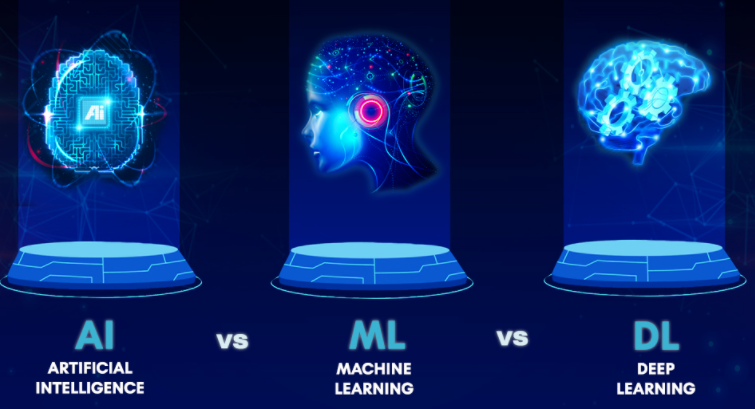
A significant factor driving AI development is machine learning (ML), a subset of AI that enables systems to learn from data. Deep learning, a branch of ML involving neural networks with multiple layers, has been particularly influential. These technologies have improved accuracy in fields like natural language processing, computer vision, and autonomous vehicles.

Applications Across Industries

The impact of AI is evident across various sectors:

  • Healthcare: Enhancing diagnostics through image analysis and personalized medicine predictions.
  • Finance: Automating trading systems and improving fraud detection mechanisms.
  • E-commerce: Personalizing shopping experiences through recommendation engines.
  • Agriculture: Optimizing crop yields using predictive analytics and automated machinery.
  • Aerospace: Assisting in navigation systems and predictive maintenance for aircraft.

The Future of AI Development

The future holds immense potential for further advancements in AI. As computing power increases and data availability expands, we can expect more sophisticated algorithms capable of tackling complex problems. Ethical considerations will play a crucial role as society navigates challenges related to privacy, bias, and job displacement due to automation.

The Importance of Responsible Development

A key aspect moving forward is ensuring that AI technologies are developed responsibly. This involves creating transparent algorithms that are fair and unbiased while maintaining user privacy. Collaboration between governments, industry leaders, and researchers will be essential to establish guidelines that foster innovation while protecting societal interests.

The journey of AI development is far from over; it continues to evolve at an unprecedented pace. By embracing these changes thoughtfully, society can harness the full potential of artificial intelligence to improve lives globally.


Top 9 FAQs About AI Development: Understanding Technologies, Applications, and Future Trends

  1. What is artificial intelligence (AI) development?
  2. How does machine learning contribute to AI development?
  3. What are the key technologies used in AI development?
  4. What are the common applications of AI in various industries?
  5. What role does data play in AI development?
  6. How is deep learning different from traditional machine learning in AI development?
  7. What ethical considerations are important in AI development?
  8. How can businesses leverage AI for competitive advantage?
  9. What are the future trends and challenges in AI development?

What is artificial intelligence (AI) development?

Artificial Intelligence (AI) development refers to the process of designing and creating systems that can perform tasks typically requiring human intelligence. This includes capabilities such as learning, reasoning, problem-solving, perception, and language understanding. AI development involves using algorithms and computational models to enable machines to mimic cognitive functions. It encompasses various techniques like machine learning, deep learning, and natural language processing. The goal of AI development is to build intelligent systems that can adapt to new inputs, improve over time through data exposure, and assist in making decisions across diverse applications ranging from healthcare to finance.

How does machine learning contribute to AI development?

Machine learning plays a crucial role in AI development by providing systems with the ability to learn and improve from experience without being explicitly programmed. It enables AI to analyze vast amounts of data, identify patterns, and make predictions or decisions based on that information. This capability is fundamental to developing intelligent applications, such as recommendation systems, image and speech recognition, and autonomous vehicles. By using algorithms that iteratively learn from data, machine learning enhances the adaptability and accuracy of AI systems, allowing them to perform complex tasks more efficiently and effectively. As a result, machine learning is a driving force behind many of the advancements seen in artificial intelligence today.

What are the key technologies used in AI development?

Artificial Intelligence (AI) development relies on a variety of key technologies that enable machines to perform tasks that typically require human intelligence. Machine learning (ML) is at the forefront, allowing systems to learn from data and improve over time without being explicitly programmed. Within ML, deep learning has gained prominence due to its ability to process large amounts of data through neural networks with multiple layers, making it particularly effective for tasks like image and speech recognition. Natural language processing (NLP) is another critical technology, enabling computers to understand and generate human language, which is essential for applications like chatbots and virtual assistants. Additionally, computer vision allows AI systems to interpret and make decisions based on visual information from the world. These technologies are supported by advancements in big data analytics and cloud computing, which provide the necessary infrastructure for processing vast datasets efficiently. Together, these technologies form the backbone of AI development, driving innovation across various industries.

What are the common applications of AI in various industries?

Artificial Intelligence (AI) has found widespread applications across numerous industries, revolutionizing the way businesses operate and deliver value. In healthcare, AI is used for enhancing diagnostics through image analysis and predicting patient outcomes with personalized medicine. The finance sector benefits from AI through automated trading systems and improved fraud detection mechanisms. In retail and e-commerce, AI powers recommendation engines that personalize shopping experiences for consumers. The agriculture industry leverages AI for optimizing crop yields with predictive analytics and automated machinery. Additionally, in the automotive sector, AI is crucial for developing autonomous vehicles that enhance safety and efficiency on the roads. These applications demonstrate how AI is transforming industries by increasing efficiency, reducing costs, and enabling innovative solutions to complex problems.

What role does data play in AI development?

Data plays a crucial role in AI development, serving as the foundational element that powers machine learning algorithms and models. In essence, AI systems learn patterns, make decisions, and improve their performance over time by analyzing vast amounts of data. The quality and quantity of data directly influence the accuracy and effectiveness of an AI model. High-quality data allows for better training, enabling AI to recognize complex patterns, make accurate predictions, and adapt to new information. Moreover, diverse datasets help reduce biases and improve the generalization capabilities of AI systems across different scenarios. As a result, data is considered one of the most valuable assets in developing robust and reliable artificial intelligence solutions.

How is deep learning different from traditional machine learning in AI development?

Deep learning and traditional machine learning are both subsets of artificial intelligence, but they differ significantly in their approaches and capabilities. Traditional machine learning typically relies on structured data and requires manual feature extraction, where experts identify and input relevant features for the algorithm to process. These algorithms, such as decision trees or support vector machines, often require human intervention to optimize performance. In contrast, deep learning uses neural networks with multiple layers that can automatically discover intricate patterns in large volumes of unstructured data like images, audio, and text. This capability allows deep learning models to achieve higher accuracy in complex tasks such as image recognition and natural language processing without the need for extensive feature engineering. As a result, deep learning has become a powerful tool for advancing AI development by enabling more sophisticated and autonomous systems.

What ethical considerations are important in AI development?

When developing AI, several ethical considerations are crucial to ensure that these technologies are beneficial and fair. One of the primary concerns is bias in AI algorithms, which can perpetuate or even amplify existing societal inequalities if not properly addressed. Ensuring transparency in how AI systems make decisions is also vital, as it allows users to understand and trust these technologies. Privacy is another significant consideration, as AI systems often require large amounts of data, raising concerns about how this data is collected, stored, and used. Additionally, the potential impact on employment due to automation and the need for accountability when AI systems make errors are important issues that developers must consider. Addressing these ethical challenges requires collaboration between technologists, ethicists, policymakers, and diverse communities to create guidelines that prioritize human rights and societal well-being.

How can businesses leverage AI for competitive advantage?

Businesses can leverage AI for competitive advantage by utilizing its capabilities to enhance decision-making, improve customer experiences, and streamline operations. AI-driven analytics allow companies to gain deeper insights from data, enabling more informed strategic decisions. By implementing AI-powered chatbots and personalized marketing strategies, businesses can offer tailored customer interactions that boost satisfaction and loyalty. Additionally, automating routine tasks with AI reduces operational costs and increases efficiency, freeing up resources for innovation and growth. By staying ahead of technological trends and integrating AI solutions effectively, companies can differentiate themselves in the market and achieve sustainable competitive advantages.

The future of AI development is poised to be shaped by several emerging trends and challenges. One significant trend is the integration of AI with other advanced technologies, such as the Internet of Things (IoT) and blockchain, to create more intelligent and secure systems. Additionally, the rise of explainable AI aims to make AI systems more transparent and understandable, which is crucial for building trust among users. However, these advancements come with challenges, including addressing ethical concerns related to bias and privacy. Ensuring that AI systems are developed responsibly and inclusively will require collaboration between policymakers, industry leaders, and researchers. Furthermore, as automation becomes more prevalent, there will be a growing need to address its impact on employment and workforce dynamics. Balancing innovation with ethical considerations will be key to harnessing the full potential of AI while mitigating its risks.

Exploring the Transformative Power of AI and Machine Learning

Understanding AI and Machine Learning

Understanding AI and Machine Learning

Artificial Intelligence (AI) and Machine Learning (ML) are two of the most transformative technologies of our time. They are reshaping industries, enhancing productivity, and driving innovation across various sectors.

What is Artificial Intelligence?

Artificial Intelligence refers to the simulation of human intelligence in machines that are programmed to think and learn like humans. AI systems can perform tasks such as visual perception, speech recognition, decision-making, and language translation.

The Evolution of AI

The concept of AI has been around for decades, but recent advancements in computing power and data availability have accelerated its development. From simple rule-based systems to complex neural networks, AI has evolved significantly over the years.

What is Machine Learning?

Machine Learning is a subset of AI that involves the use of algorithms and statistical models to enable computers to improve their performance on a specific task through experience. Instead of being explicitly programmed for every task, ML systems learn from data.

Types of Machine Learning

  • Supervised Learning: Involves training a model on labeled data. The model learns to make predictions or decisions based on input-output pairs.
  • Unsupervised Learning: Involves training a model on unlabeled data. The system tries to learn patterns and structures from the input data without any guidance.
  • Reinforcement Learning: Involves training an agent to make sequences of decisions by rewarding desired behaviors and punishing undesired ones.

The Impact of AI and ML

The impact of AI and ML can be seen in various fields:

  • Healthcare: These technologies assist in diagnostics, personalized medicine, and drug discovery.
  • Finance: They enhance fraud detection, algorithmic trading, and credit scoring processes.
  • Agriculture: They optimize crop yields through predictive analytics and automated monitoring systems.
  • Transportation: Autonomous vehicles rely heavily on machine learning algorithms for navigation and safety features.
  • E-commerce: Personalized recommendations improve customer experience by analyzing user behavior patterns.

The Future of AI and Machine Learning

The future holds immense potential for further advancements in AI and ML. As these technologies continue to evolve, they will likely lead to more sophisticated applications that could revolutionize industries even further. However, it is also important to address ethical considerations such as privacy concerns, job displacement, and bias in algorithms as we move forward with these innovations.

The journey into artificial intelligence promises exciting developments that could transform how we live our lives while presenting unique challenges that need careful consideration along the way.


Understanding AI and Machine Learning: Key FAQs Answered

  1. What is Artificial Intelligence (AI)?
  2. How does Machine Learning (ML) differ from AI?
  3. What are the different types of Machine Learning algorithms?
  4. How is AI being used in healthcare?
  5. What role does AI play in autonomous vehicles?
  6. Can AI and ML be applied in finance and banking sectors?
  7. What are the ethical considerations surrounding AI and ML?
  8. How can businesses leverage AI and ML for improved decision-making?

What is Artificial Intelligence (AI)?

Artificial Intelligence (AI) refers to the creation of computer systems that can perform tasks typically requiring human intelligence. These tasks include problem-solving, understanding natural language, recognizing patterns, and making decisions. AI systems are designed to learn from data and improve over time, allowing them to adapt to new information and situations. By mimicking cognitive functions such as learning and problem-solving, AI can automate complex processes and provide insights in various fields, ranging from healthcare to finance. As a rapidly evolving technology, AI has the potential to transform industries by enhancing efficiency and creating new opportunities for innovation.

How does Machine Learning (ML) differ from AI?

Machine Learning (ML) is a subset of Artificial Intelligence (AI), and while the two terms are often used interchangeably, they refer to different concepts. AI is the broader concept of machines being able to carry out tasks in a way that we would consider “smart,” encompassing everything from rule-based systems to complex decision-making algorithms. Machine Learning, on the other hand, specifically involves the use of algorithms and statistical models that enable computers to learn from data and improve their performance over time without being explicitly programmed for each task. In essence, while AI encompasses the idea of machines simulating human intelligence, ML focuses on the process by which machines can automatically learn and adapt when exposed to new data.

What are the different types of Machine Learning algorithms?

Machine Learning algorithms can be broadly categorized into three main types: supervised learning, unsupervised learning, and reinforcement learning. Supervised learning algorithms are trained on labeled data, where the input and the desired output are provided, allowing the model to learn the mapping between them. This type is commonly used for tasks like classification and regression. Unsupervised learning algorithms, on the other hand, work with unlabeled data and aim to uncover hidden patterns or structures within the input data. Techniques such as clustering and dimensionality reduction fall under this category. Lastly, reinforcement learning involves training an agent to make a sequence of decisions by rewarding desired actions and penalizing undesired ones. This approach is often used in scenarios requiring dynamic decision-making, such as robotics and game playing. Each type of algorithm serves different purposes and is chosen based on the specific requirements of a task or problem domain.

How is AI being used in healthcare?

AI is revolutionizing healthcare by enhancing diagnostics, personalizing treatment, and improving patient outcomes. In diagnostics, AI algorithms analyze medical images such as X-rays and MRIs with remarkable accuracy, often detecting anomalies that may be missed by the human eye. Personalized medicine benefits from AI through the analysis of genetic information and patient data to tailor treatments specifically to individual needs. Additionally, AI-powered virtual health assistants provide patients with 24/7 support, answering questions and managing appointments. In research, AI accelerates drug discovery by predicting how different compounds will interact with targets in the body. Overall, AI is streamlining operations in healthcare facilities, reducing costs, and ultimately leading to better care for patients.

What role does AI play in autonomous vehicles?

AI plays a crucial role in the development and operation of autonomous vehicles, serving as the brain behind their ability to navigate and make real-time decisions. Machine learning algorithms process vast amounts of data from sensors and cameras to understand the vehicle’s environment, identify obstacles, interpret traffic signals, and predict the actions of pedestrians and other vehicles. AI systems enable autonomous vehicles to continuously learn from new data, improving their accuracy and safety over time. By integrating computer vision, sensor fusion, and deep learning techniques, AI allows these vehicles to operate with minimal human intervention, aiming for safer roads and more efficient transportation systems.

Can AI and ML be applied in finance and banking sectors?

AI and Machine Learning have significant applications in the finance and banking sectors, revolutionizing how these industries operate. These technologies enhance fraud detection by analyzing vast amounts of transaction data to identify unusual patterns indicative of fraudulent activity. Additionally, AI and ML streamline customer service through chatbots and virtual assistants that provide 24/7 support, improving customer satisfaction and reducing operational costs. In investment management, machine learning algorithms analyze market trends and historical data to optimize trading strategies and portfolio management. Credit scoring has also become more accurate with AI, as it evaluates a broader range of factors to assess creditworthiness, thereby enabling more informed lending decisions. Overall, AI and ML are driving efficiency, accuracy, and innovation in finance and banking.

What are the ethical considerations surrounding AI and ML?

The ethical considerations surrounding AI and machine learning are multifaceted and critical to address as these technologies continue to evolve. One major concern is bias in algorithms, which can occur when AI systems are trained on data that reflects existing prejudices, leading to unfair or discriminatory outcomes. Privacy is another significant issue, as AI systems often require vast amounts of personal data to function effectively, raising concerns about how this data is collected, stored, and used. Additionally, the potential for job displacement due to automation poses economic and social challenges that need thoughtful solutions. The use of AI in decision-making processes also raises questions about accountability and transparency, as it can be difficult to determine how an AI system arrived at a particular decision. Ensuring that AI and ML technologies are developed and deployed responsibly requires ongoing dialogue among technologists, ethicists, policymakers, and the public.

How can businesses leverage AI and ML for improved decision-making?

Businesses can leverage AI and machine learning to enhance decision-making by utilizing data-driven insights and predictive analytics. These technologies enable companies to process vast amounts of data quickly and accurately, uncovering patterns and trends that might be missed by human analysis alone. By integrating AI and ML into their operations, businesses can forecast market trends, optimize supply chains, personalize customer experiences, and improve risk management. Additionally, AI-powered tools can automate routine tasks, freeing up human resources for more strategic initiatives. This leads to more informed decisions, increased efficiency, and a competitive edge in the marketplace.

new ai

Exploring the Impact of New AI Innovations

The Rise of New AI: Transforming the Future

Artificial Intelligence (AI) has been a buzzword for years, but recent advancements have ushered in a new era of AI that is transforming industries and everyday life. From machine learning algorithms to neural networks, the capabilities of AI are expanding at an unprecedented rate.

What is New AI?

New AI refers to the latest developments in artificial intelligence technology, characterized by more sophisticated algorithms, increased processing power, and enhanced data collection methods. These advancements allow AI systems to perform tasks that were previously thought to be exclusive to human intelligence.

Key Features of New AI

  • Deep Learning: Utilizing neural networks with multiple layers, deep learning enables machines to analyze vast amounts of data and recognize patterns with remarkable accuracy.
  • Natural Language Processing (NLP): NLP allows computers to understand and respond to human language in a way that is both meaningful and contextually relevant.
  • Computer Vision: This technology enables machines to interpret and understand visual information from the world, leading to innovations in areas like autonomous vehicles and facial recognition.
  • Reinforcement Learning: By using trial and error methods, reinforcement learning allows AI systems to learn optimal behaviors through interaction with their environment.

The Impact of New AI

The impact of new AI technologies is being felt across various sectors:

Healthcare

In healthcare, AI is revolutionizing diagnostics and treatment plans. Machine learning algorithms can analyze medical images faster and more accurately than traditional methods, leading to early detection of diseases such as cancer. Additionally, personalized medicine is becoming a reality as AI helps tailor treatments based on individual genetic profiles.

Finance

The finance industry benefits from new AI through improved fraud detection systems and automated trading strategies. By analyzing vast datasets in real-time, AI can identify anomalies that may indicate fraudulent activities or predict market trends with greater precision.

Retail

In retail, AI enhances customer experiences through personalized recommendations and chatbots that provide instant support. Inventory management systems powered by AI optimize stock levels based on consumer demand predictions.

The Future of New AI

The future of new AI holds immense potential. As technology continues to advance, we can expect even more innovative applications across various domains. However, this growth also brings challenges such as ethical considerations around data privacy and the need for regulations to ensure responsible use.

The rise of new AI marks an exciting chapter in technological evolution. By harnessing its power responsibly, society can unlock countless opportunities for improvement in quality of life worldwide.


6 Key Benefits of New AI: Boosting Efficiency, Accuracy, and Innovation

  1. Enhanced Efficiency
  2. Improved Accuracy
  3. Personalization
  4. Cost Savings
  5. Innovation
  6. Scalability


Exploring the Challenges of New AI: Job Displacement, Privacy, Bias, Security, Ethics, and Dependency

  1. Job Displacement
  2. Data Privacy Concerns
  3. Bias and Discrimination
  4. Security Risks
  5. Ethical Dilemmas
  6. Dependency on Technology

Enhanced Efficiency

Enhanced efficiency is one of the most significant advantages brought by new AI technologies. By streamlining processes and automating repetitive tasks, AI enables businesses to operate more smoothly and effectively. This automation reduces the time and effort required for manual labor, allowing employees to focus on more strategic and creative aspects of their work. As a result, productivity levels rise, and companies can achieve more in less time. Additionally, AI-driven tools can analyze vast amounts of data quickly, providing valuable insights that further optimize operations and decision-making processes. This increased efficiency not only boosts output but also enhances the overall quality of products and services offered.

Improved Accuracy

One of the significant advantages of new AI is its improved accuracy in data analysis and decision-making. AI systems are capable of processing vast amounts of data with precision, identifying patterns and correlations that might be overlooked by human analysts. This ability allows AI to make informed decisions based on complex datasets, leading to more reliable outcomes in various fields. For instance, in healthcare, AI can enhance diagnostic accuracy by detecting subtle indicators in medical images that a human eye might miss. Similarly, in finance, AI can predict market trends by analyzing historical data and real-time information more efficiently than traditional methods. This level of accuracy not only improves performance but also helps organizations make strategic decisions with greater confidence.

Personalization

New AI technologies have revolutionized the way personalized experiences are delivered to users by leveraging advanced algorithms that understand individual preferences and behaviors. By analyzing vast amounts of data, AI can tailor content, recommendations, and services to meet the unique needs of each user. This level of personalization enhances user engagement and satisfaction, whether it’s through customized product suggestions in e-commerce, personalized playlists in music streaming services, or tailored learning paths in educational platforms. As a result, users receive more relevant and meaningful interactions, fostering a deeper connection with the technology they use every day.

Cost Savings

One of the significant advantages of new AI technologies is their potential for cost savings across various industries. By optimizing operations, AI systems can streamline processes, leading to increased efficiency and reduced waste. These technologies can also minimize human error by providing accurate data analysis and predictive insights, which helps businesses avoid costly mistakes. Furthermore, AI-driven automation reduces the need for manual labor in repetitive tasks, allowing companies to allocate resources more effectively. In the long run, these improvements not only enhance productivity but also contribute to substantial financial savings, making AI an invaluable asset for businesses looking to maintain a competitive edge.

Innovation

The continuous development of new AI technologies serves as a catalyst for innovation across various industries, driving the creation of groundbreaking solutions and advancements. By leveraging sophisticated algorithms and enhanced data processing capabilities, AI is enabling businesses to tackle complex challenges in ways previously unimaginable. This wave of innovation is not only improving efficiency and productivity but also opening up new possibilities for products and services that enhance everyday life. From healthcare to finance, education to entertainment, the transformative power of AI is fostering an environment where creativity thrives, pushing boundaries and setting new standards for what can be achieved in the digital age.

Scalability

One of the significant advantages of new AI is its scalability, allowing systems to effortlessly handle large volumes of data or tasks. This adaptability is crucial for businesses and organizations facing ever-growing demands and data influxes. With scalable AI solutions, companies can efficiently process and analyze vast datasets without compromising performance or accuracy. This capability ensures that as a business expands, its AI infrastructure can grow alongside it, maintaining seamless operations and enabling real-time decision-making. As a result, scalable AI not only enhances productivity but also provides the flexibility needed to adapt to changing market dynamics and customer needs.

Job Displacement

The rapid advancement of AI automation presents a significant challenge in the form of job displacement. As AI systems become capable of performing tasks that were traditionally carried out by humans, there is a growing concern about the potential loss of employment opportunities for certain segments of the workforce. Industries such as manufacturing, customer service, and transportation are particularly vulnerable, as repetitive and routine tasks are increasingly being automated. This shift could lead to reduced demand for certain job roles, leaving many workers facing unemployment or the need to reskill in order to adapt to the changing job market. While AI has the potential to create new jobs and boost productivity, the transition period may pose difficulties for those whose skills do not align with emerging technological demands.

Data Privacy Concerns

The rapid advancement of AI technology brings with it significant data privacy concerns, as the effectiveness of AI systems often hinges on the collection and analysis of vast amounts of personal data. This raises critical questions about how such data is stored, shared, and protected. There is a risk that sensitive information could be accessed by unauthorized parties or used for purposes beyond the original intent, leading to potential misuse. Moreover, individuals may not always be fully aware of what data is being collected and how it is being utilized, which can undermine trust in AI technologies. As AI continues to integrate into various aspects of life, ensuring robust data protection measures and transparent practices becomes essential to safeguarding individual privacy rights.

Bias and Discrimination

One of the significant concerns with new AI technologies is the potential for bias and discrimination. AI algorithms are often trained on large datasets that may contain historical biases, whether intentional or not. If these biases are not identified and corrected, they can be perpetuated and even amplified by the AI systems, leading to unfair or discriminatory outcomes in decision-making processes. For instance, in areas such as hiring, lending, and law enforcement, biased algorithms can disproportionately disadvantage certain groups based on race, gender, or socioeconomic status. This issue highlights the importance of ensuring that AI systems are developed with fairness and transparency in mind and underscores the need for ongoing scrutiny and refinement of the data used to train these models.

Security Risks

As AI technology becomes increasingly sophisticated, it introduces significant security risks that cannot be overlooked. One major concern is the potential for cyberattacks targeting AI systems themselves. Hackers could exploit vulnerabilities in AI algorithms or data inputs to manipulate outcomes, leading to harmful consequences. Additionally, there is the risk of AI being used for malicious purposes, such as creating deepfakes or automating large-scale phishing attacks. These scenarios highlight the urgent need for robust security measures and regulatory frameworks to protect against the misuse of AI and ensure that its development prioritizes safety and ethical considerations.

Ethical Dilemmas

The rapid advancement of new AI technologies brings with it significant ethical dilemmas, particularly concerning accountability, transparency, and fairness. As intelligent systems increasingly influence critical aspects of daily life, from healthcare decisions to criminal justice outcomes, the question of who is responsible when these systems fail becomes paramount. Furthermore, the opacity of complex algorithms often makes it challenging to understand how decisions are made, raising concerns about transparency and the potential for bias. This lack of clarity can lead to unfair treatment or discrimination against certain groups, undermining trust in AI applications. Addressing these ethical challenges requires robust frameworks and regulations to ensure that AI systems are developed and deployed responsibly, with a focus on protecting individual rights and promoting societal well-being.

Dependency on Technology

The increasing dependency on AI technology poses a significant concern as it can lead to diminished critical thinking skills and human judgment. When individuals and organizations become overly reliant on AI solutions for decision-making, there is a risk of losing essential problem-solving abilities and the capacity for independent thought. This over-reliance may result in a loss of autonomy, where people defer too readily to automated systems without questioning their outputs or considering alternative perspectives. Consequently, this could lead to scenarios where human control is compromised, and decisions are made without the nuanced understanding that only human insight can provide. As AI continues to integrate into various aspects of life, it is crucial to maintain a balance that preserves human agency and the ability to think critically.

machine learning and deep learning

Exploring the Synergy Between Machine Learning and Deep Learning

The Power of Machine Learning and Deep Learning

Machine learning and deep learning are two transformative technologies that have revolutionized various industries, from healthcare to finance to transportation. These cutting-edge fields of artificial intelligence have the potential to unlock new possibilities and drive innovation like never before.

Machine Learning

Machine learning is a subset of artificial intelligence that enables systems to learn from data and improve their performance without being explicitly programmed. By analyzing patterns in data, machine learning algorithms can make predictions or decisions with minimal human intervention. This technology is widely used in applications such as recommendation systems, fraud detection, and image recognition.

Key Concepts in Machine Learning:

  • Supervised Learning: Algorithms learn from labeled training data to make predictions or classifications.
  • Unsupervised Learning: Algorithms find patterns in unlabeled data without predefined outcomes.
  • Reinforcement Learning: Agents learn by interacting with an environment and receiving rewards or penalties based on their actions.

Deep Learning

Deep learning is a subset of machine learning that uses artificial neural networks with multiple layers to model complex relationships in data. These deep neural networks can automatically discover intricate patterns and features, leading to state-of-the-art performance in tasks like natural language processing, computer vision, and speech recognition.

Advantages of Deep Learning:

  • Hierarchical Feature Representation: Deep neural networks can learn hierarchical representations of data, capturing intricate features at different levels of abstraction.
  • Scalability: Deep learning models can scale with more data and computational resources, allowing for continuous improvement in performance.
  • Versatility: Deep learning architectures can be adapted to various domains and tasks, making them highly versatile for diverse applications.

In conclusion, machine learning and deep learning are driving the next wave of technological advancements across industries. As these fields continue to evolve, we can expect even more groundbreaking innovations that will shape the future of AI-driven solutions.


Understanding the Differences: ML vs DL vs NLP vs AI

  1. What is ML vs DL vs NLP?
  2. What is the difference between machine learning and deep learning?
  3. Does deep learning require machine learning?
  4. What is ML vs DL vs AI?
  5. What is the difference between deep learning and machine learning?
  6. What is the difference between AI ML and DL?

What is ML vs DL vs NLP?

When discussing machine learning (ML), deep learning (DL), and natural language processing (NLP), it’s essential to understand their distinctions. Machine learning is a broader concept that encompasses various algorithms and techniques enabling systems to learn from data and make predictions. Deep learning is a subset of machine learning that uses neural networks with multiple layers to model complex patterns in data, achieving high levels of accuracy in tasks like image recognition and speech synthesis. Natural language processing focuses specifically on the interaction between computers and human language, allowing machines to understand, interpret, and generate human language. In essence, ML provides the foundation for DL, which in turn powers advanced applications like NLP, showcasing the interconnected nature of these technologies in shaping the future of artificial intelligence.

What is the difference between machine learning and deep learning?

When exploring the distinction between machine learning and deep learning, it is essential to understand that machine learning is a broader concept that encompasses various techniques for enabling computers to learn from data and make decisions without explicit programming. On the other hand, deep learning is a subset of machine learning that specifically focuses on artificial neural networks with multiple layers to model complex patterns and relationships in data. While machine learning algorithms can handle a wide range of tasks based on labeled or unlabeled data, deep learning excels in processing vast amounts of unstructured data for tasks like image recognition, natural language processing, and speech recognition. In summary, deep learning is a sophisticated approach within the realm of machine learning that leverages deep neural networks to achieve high levels of accuracy and performance in complex tasks requiring intricate pattern recognition.

Does deep learning require machine learning?

In the realm of artificial intelligence, deep learning is actually a subset of machine learning. Therefore, deep learning does require machine learning as a foundational concept. Machine learning encompasses various algorithms and techniques that enable systems to learn from data and make predictions or decisions without explicit programming. Deep learning, on the other hand, utilizes complex neural networks with multiple layers to model intricate patterns in data. So, while deep learning is a specialized form of machine learning, it builds upon the core principles and methodologies of machine learning to achieve advanced levels of performance in tasks such as image recognition, natural language processing, and more.

What is ML vs DL vs AI?

Machine Learning (ML), Deep Learning (DL), and Artificial Intelligence (AI) are interconnected fields that often cause confusion due to their overlapping nature. AI is the broadest concept, encompassing any technique that enables machines to mimic human intelligence. Within AI, machine learning is a subset focused on creating algorithms that allow computers to learn from and make predictions based on data. Deep learning, in turn, is a specialized subset of machine learning that uses neural networks with multiple layers to analyze complex patterns in large datasets. While AI can include rule-based systems and other non-learning techniques, ML and DL specifically refer to data-driven approaches where systems improve over time with exposure to more data.

What is the difference between deep learning and machine learning?

When discussing the difference between deep learning and machine learning, it’s important to understand that deep learning is a subset of machine learning. While both technologies involve training algorithms to make predictions based on data, the key distinction lies in their approach to data representation and feature extraction. Machine learning algorithms typically require manual feature engineering to extract relevant patterns from data, whereas deep learning models use artificial neural networks with multiple layers to automatically learn hierarchical representations of data. This allows deep learning algorithms to capture intricate features at different levels of abstraction, leading to superior performance in complex tasks such as image recognition and natural language processing. In essence, deep learning can be seen as a more advanced and sophisticated form of machine learning that leverages deep neural networks for unparalleled predictive power.

What is the difference between AI ML and DL?

Artificial Intelligence (AI), Machine Learning (ML), and Deep Learning (DL) are interconnected fields, but they differ in scope and complexity. AI is the broadest concept, encompassing any technique that enables machines to mimic human intelligence. Within AI, machine learning is a subset that focuses on algorithms allowing computers to learn from data and improve their performance over time without being explicitly programmed. Deep learning, in turn, is a specialized subset of machine learning that uses neural networks with multiple layers to analyze complex patterns in large datasets. While AI provides the overarching goal of creating intelligent systems, ML offers the methods for data-driven learning, and DL enhances these methods by enabling more sophisticated pattern recognition through deep neural networks.

ai painting

Exploring the World of AI Painting: A New Era of Artistry

The Rise of AI Painting: Blending Art and Technology

The Rise of AI Painting: Blending Art and Technology

In recent years, artificial intelligence (AI) has made significant strides in various fields, from healthcare to finance. One area where AI is making a particularly intriguing impact is in the world of art, specifically painting. AI painting is not just a novel concept; it’s a revolutionary approach that is redefining how art can be created, perceived, and appreciated.

What is AI Painting?

AI painting involves the use of artificial intelligence algorithms to create artworks. These algorithms are designed to analyze existing artworks and learn various styles, techniques, and color palettes. By doing so, they can generate new pieces that mimic or even innovate upon traditional artistic methods.

Some AI systems are trained on thousands of images from different art movements such as Impressionism or Cubism. Once trained, these systems can produce paintings that reflect the characteristics of these styles or blend multiple influences into something entirely new.

How Does It Work?

The core technology behind AI painting often involves neural networks, particularly Generative Adversarial Networks (GANs). GANs consist of two parts: a generator that creates images and a discriminator that evaluates them. The generator attempts to produce realistic images while the discriminator provides feedback on their quality. Through this iterative process, the system refines its output to create increasingly sophisticated artworks.

The Impact on the Art World

AI painting has sparked both excitement and debate within the art community. On one hand, it offers artists new tools for expression and experimentation. By collaborating with AI systems, artists can explore creative possibilities beyond human imagination.

On the other hand, there are concerns about authorship and originality. If an algorithm produces an artwork based on learned data from existing pieces, who truly owns the creation? This question challenges traditional notions of creativity and intellectual property in art.

Notable Examples

One famous example of AI-generated art is “Portrait of Edmond de Belamy,” created by Paris-based collective Obvious using GAN technology. The piece was auctioned at Christie’s for over $432,000 in 2018—a milestone that highlighted both public interest and market value for AI-generated works.

The Future of AI Painting

The future looks promising for AI painting as technology continues to advance rapidly. As algorithms become more sophisticated and accessible tools emerge for artists worldwide, we can expect even more groundbreaking developments at this intersection between art and technology.

Whether viewed as collaborators or competitors with human artists remains an open question; however one thing is certain: artificial intelligence will continue playing an influential role in shaping tomorrow’s artistic landscape—one brushstroke at a time.


Exploring AI Painting: Understanding Its Mechanics, Creativity, Ethics, and Impact on the Art World

  1. What is AI painting?
  2. How does AI painting work?
  3. Can AI create original artworks?
  4. What role do neural networks play in AI painting?
  5. Are there ethical concerns surrounding AI-generated art?
  6. What are some notable examples of AI-generated artworks?
  7. How is the art world responding to the rise of AI painting?

What is AI painting?

AI painting refers to the process of creating artworks using artificial intelligence technologies. This innovative approach involves algorithms, often powered by neural networks such as Generative Adversarial Networks (GANs), which are trained on vast datasets of existing images and art styles. By analyzing these datasets, AI systems learn to replicate and even innovate upon traditional artistic techniques. The result is a unique fusion of art and technology, where AI can generate paintings that mimic established styles or create entirely new ones. This development not only expands the possibilities for artistic expression but also challenges conventional notions of creativity and authorship in the art world.

How does AI painting work?

AI painting works by utilizing advanced algorithms and neural networks to create artworks. Typically, these systems employ Generative Adversarial Networks (GANs), which consist of two components: a generator and a discriminator. The generator is responsible for producing images, while the discriminator evaluates them for authenticity and quality. This process involves training the AI on vast datasets of existing artworks, allowing it to learn various styles, techniques, and color palettes. As the generator creates new images, the discriminator provides feedback, enabling the system to refine its output iteratively. Through this dynamic interaction, AI can produce paintings that mimic traditional art forms or even innovate with entirely new styles, pushing the boundaries of creativity and artistic expression.

Can AI create original artworks?

AI can indeed create original artworks, but the concept of “originality” in this context can be complex. AI systems, particularly those using neural networks like Generative Adversarial Networks (GANs), are capable of generating unique pieces that have never been seen before. These systems are trained on vast datasets of existing artworks, learning various styles and techniques. While the AI draws inspiration from this data, the combinations and interpretations it produces can result in entirely new and distinct creations. However, since AI relies on pre-existing art for its training, some debate whether these works can be considered truly original in the same way human-created art is. Nonetheless, AI-generated art continues to push boundaries and expand definitions of creativity in the art world.

What role do neural networks play in AI painting?

Neural networks play a crucial role in AI painting by serving as the backbone technology that enables machines to create art. These networks, particularly deep learning models like Convolutional Neural Networks (CNNs) and Generative Adversarial Networks (GANs), are designed to mimic the human brain’s ability to recognize patterns and learn from data. In AI painting, neural networks analyze vast datasets of existing artworks to understand various styles, techniques, and color schemes. This learning process allows them to generate new images that either replicate or innovate upon traditional artistic forms. By continuously refining their outputs based on feedback, neural networks can produce increasingly sophisticated and aesthetically pleasing artworks, pushing the boundaries of creativity in the digital age.

Are there ethical concerns surrounding AI-generated art?

The rise of AI-generated art brings with it a variety of ethical concerns that are increasingly being debated in the art and technology communities. One major issue revolves around authorship and ownership; when an AI creates a piece of art, it raises questions about who should be credited as the artist—the developer of the algorithm, the machine itself, or perhaps no one at all. Additionally, there are concerns about originality and creativity, as AI systems often learn from existing artworks to generate new pieces. This process can blur the lines between inspiration and plagiarism. Moreover, the potential for AI to reproduce styles or techniques without proper attribution could undermine the value of human-created art. These ethical dilemmas highlight the need for new frameworks and discussions to address how AI fits into our understanding of creativity and artistic expression.

What are some notable examples of AI-generated artworks?

AI-generated artworks have gained significant attention in recent years, with several notable examples highlighting the potential of artificial intelligence in the art world. One such example is “Portrait of Edmond de Belamy,” created by the Paris-based collective Obvious using a Generative Adversarial Network (GAN). This piece made headlines when it was auctioned at Christie’s for over $432,000 in 2018. Another remarkable project is Google’s DeepDream, which transforms ordinary images into surreal and dreamlike visuals by enhancing patterns it detects within them. Additionally, artist Mario Klingemann has gained recognition for his AI-driven works, such as “Memories of Passersby I,” which uses neural networks to generate an endless stream of unique portraits. These instances illustrate how AI can push the boundaries of creativity and challenge traditional notions of art and authorship.

How is the art world responding to the rise of AI painting?

The art world has shown a mixed response to the rise of AI painting, with reactions ranging from enthusiasm to skepticism. Many artists and galleries are embracing AI as a tool for innovation, seeing it as a way to push the boundaries of creativity and explore new artistic possibilities. Some artists are collaborating with AI to create unique pieces that blend human intuition with machine precision. However, there is also a degree of apprehension among traditionalists who question the authenticity and originality of AI-generated artworks. Concerns about authorship, copyright, and the potential devaluation of human-made art have sparked debates within the community. Despite these differing opinions, AI painting is undeniably influencing contemporary art discourse and prompting a reevaluation of what constitutes art in the digital age.