
cfchris.com

Loading

Ensuring Robust Cloud Network Security: Safeguarding Your Digital Assets

In today’s digital age, cloud network security plays a crucial role in safeguarding sensitive data and ensuring the integrity of online operations. As businesses increasingly rely on cloud services to store and process information, the need for robust security measures has never been greater.

The Importance of Cloud Network Security

Cloud network security encompasses a range of practices and technologies designed to protect cloud-based systems, applications, and data from cyber threats. These threats can include malware, unauthorized access, data breaches, and other malicious activities that can compromise the confidentiality, integrity, and availability of critical information.

Key Components of Cloud Network Security

Effective cloud network security involves implementing multiple layers of defense to mitigate risks and vulnerabilities. Some key components include:

  • Encryption: Encrypting data both in transit and at rest helps prevent unauthorized access to sensitive information.
  • Access Control: Implementing strict access controls and authentication mechanisms ensures that only authorized users can access resources within the cloud network.
  • Firewalls: Firewalls help monitor and control incoming and outgoing network traffic to prevent unauthorized access and detect suspicious activities.
  • Intrusion Detection Systems (IDS) and Intrusion Prevention Systems (IPS): IDS and IPS tools help identify and respond to potential security incidents in real-time.
  • Vulnerability Management: Regularly scanning for vulnerabilities and applying patches helps address security weaknesses before they can be exploited by attackers.

Challenges in Cloud Network Security

Despite advancements in cloud security technologies, organizations face several challenges when it comes to securing their cloud networks. These challenges include:

  • Data Privacy Concerns: Ensuring compliance with data privacy regulations while storing data in the cloud can be complex.
  • Shared Responsibility Model: Understanding the shared responsibility model between cloud service providers and customers is essential for effective security implementation.
  • Evolving Threat Landscape: Cyber threats are constantly evolving, requiring organizations to stay vigilant and adapt their security strategies accordingly.

The Future of Cloud Network Security

As technology continues to advance, the future of cloud network security will likely see increased emphasis on automation, artificial intelligence, and machine learning capabilities to enhance threat detection and response. Organizations will need to adopt a proactive approach to cybersecurity by continuously monitoring their cloud environments, educating employees on best practices, and investing in cutting-edge security solutions.

In conclusion, maintaining strong cloud network security is essential for protecting valuable assets, maintaining customer trust, and ensuring business continuity in an increasingly interconnected world. By prioritizing cybersecurity measures and staying informed about emerging threats, organizations can effectively mitigate risks associated with operating in the cloud.


Top 5 Advantages of Cloud Network Security: Protecting Data, Scaling Efficiently, and More

  1. Enhanced Data Protection
  2. Scalability
  3. Cost-Effectiveness
  4. Centralized Management
  5. Improved Compliance


Top 6 Challenges in Cloud Network Security: Breaches, Privacy, and Cost Concerns

  1. Potential for data breaches if security measures are not properly implemented
  2. Dependency on internet connectivity may impact accessibility to cloud resources
  3. Concerns about data privacy and compliance with regulations when storing sensitive information in the cloud
  4. Shared responsibility model between cloud service providers and customers can lead to confusion over security responsibilities
  5. Risk of unauthorized access or insider threats compromising cloud network security
  6. Cost implications of investing in robust security solutions and ongoing maintenance to protect cloud environments

Enhanced Data Protection

Enhanced data protection is a significant advantage of cloud network security. By utilizing robust security measures like encryption and access controls, sensitive data stored in the cloud is shielded from unauthorized access. Encryption ensures that information remains confidential both during transmission and while at rest, making it significantly more challenging for cybercriminals to intercept and exploit valuable data. Access controls further enhance data protection by restricting system entry to authorized users only, reducing the risk of breaches and ensuring that sensitive information remains secure within the cloud environment.

Scalability

Scalability is a significant advantage of cloud network security as it allows security solutions to seamlessly expand and adapt to meet the evolving requirements of a growing business. Cloud security services can effortlessly scale up or down based on the organization’s needs, ensuring that protection remains robust and effective even as operations expand. This flexibility in scalability not only enhances the efficiency of security measures but also provides peace of mind knowing that the level of protection can readily adjust to accommodate changes in business size and complexity without sacrificing the integrity of the security infrastructure.

Cost-Effectiveness

Cloud network security’s cost-effectiveness is a significant advantage, as cloud-based security services frequently present a more economical option compared to traditional on-premises security infrastructure. By leveraging cloud-based solutions, businesses can lower their initial investment costs and ongoing maintenance expenses, making robust security measures more accessible and affordable. This cost-saving benefit allows organizations to allocate resources more efficiently while still ensuring the protection of their valuable data and assets in the cloud environment.

Centralized Management

Cloud network security offers the significant advantage of centralized management, enabling organizations to efficiently oversee security policies and updates across various devices and locations. With this capability, administrators can implement consistent security measures, enforce compliance standards, and deploy updates seamlessly throughout the cloud network infrastructure. This centralized approach not only streamlines security management but also enhances visibility and control over the entire network, ensuring a more robust defense against potential cyber threats.

Improved Compliance

One significant benefit of cloud network security is the improved compliance it offers. Many cloud security solutions are specifically designed to assist organizations in meeting regulatory compliance requirements by implementing industry-standard security practices. By leveraging these solutions, businesses can ensure that their cloud environments adhere to relevant regulations and standards, reducing the risk of non-compliance penalties and safeguarding sensitive data from potential breaches.

Potential for data breaches if security measures are not properly implemented

The potential for data breaches looms as a significant con of cloud network security when security measures are not adequately implemented. Inadequate encryption, weak access controls, and lack of regular vulnerability assessments can create vulnerabilities that cybercriminals may exploit to gain unauthorized access to sensitive data stored in the cloud. A single breach can have far-reaching consequences, including financial losses, reputational damage, and legal liabilities for organizations that fail to prioritize robust security practices in their cloud environments. It underscores the critical importance of proactively addressing security gaps to mitigate the risk of data breaches and safeguard valuable information from malicious actors.

Dependency on internet connectivity may impact accessibility to cloud resources

One significant con of cloud network security is the dependency on internet connectivity, which can impact the accessibility of cloud resources. In situations where internet connectivity is unstable or unavailable, users may face challenges accessing critical data and applications stored in the cloud. This dependency on an external network connection introduces a potential point of failure that can disrupt business operations and productivity, highlighting the importance of implementing contingency plans and redundancies to mitigate the risks associated with reliance on internet connectivity for accessing cloud resources.

Concerns about data privacy and compliance with regulations when storing sensitive information in the cloud

One significant con of cloud network security is the heightened concerns about data privacy and compliance with regulations when storing sensitive information in the cloud. Organizations face challenges in ensuring that their data is adequately protected and that they meet the stringent requirements outlined by various data privacy laws and industry regulations. The shared responsibility model between cloud service providers and customers adds complexity to this issue, as organizations must navigate the intricacies of data governance while relying on third-party vendors for cloud infrastructure. Failure to address these concerns effectively can result in regulatory fines, reputational damage, and potential breaches of customer trust.

Shared responsibility model between cloud service providers and customers can lead to confusion over security responsibilities

The shared responsibility model between cloud service providers and customers can pose a significant con in cloud network security, as it may lead to confusion and ambiguity regarding security responsibilities. In this model, while the cloud service provider is responsible for securing the infrastructure and underlying services, customers are typically accountable for securing their data and applications. This division of responsibilities can create gaps in understanding, potentially resulting in misconfigurations, oversight of critical security measures, or assumptions about who is responsible for addressing specific security threats. As a result, the lack of clarity in security roles and responsibilities within the shared model can introduce vulnerabilities and increase the risk of security breaches within cloud environments.

Risk of unauthorized access or insider threats compromising cloud network security

The risk of unauthorized access or insider threats compromising cloud network security poses a significant concern for organizations utilizing cloud services. Unauthorized access by malicious actors or even well-intentioned insiders with access to sensitive data can lead to data breaches, intellectual property theft, and disruption of critical operations. Such incidents can have far-reaching consequences, including financial losses, damage to reputation, and regulatory penalties. Mitigating this con of cloud network security requires implementing robust access controls, regular monitoring of user activities, and comprehensive employee training on cybersecurity best practices to minimize the likelihood of unauthorized access or insider threats jeopardizing the integrity of cloud environments.

Cost implications of investing in robust security solutions and ongoing maintenance to protect cloud environments

The cost implications of investing in robust security solutions and ongoing maintenance to protect cloud environments can be a significant con for businesses. Implementing effective cloud network security measures often requires a substantial financial investment in acquiring advanced security tools, hiring skilled cybersecurity professionals, and conducting regular security audits. Additionally, the ongoing maintenance and monitoring of these security solutions can incur additional expenses over time. For organizations with limited budgets or competing priorities, the high costs associated with maintaining strong cloud network security may pose a challenge in achieving comprehensive protection against evolving cyber threats.
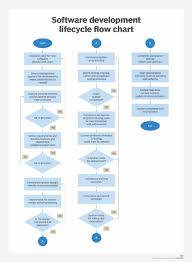

secure software development

Mastering Secure Software Development Practices for Robust Applications

The Importance of Secure Software Development

The Importance of Secure Software Development

In today’s digital age, secure software development has become a critical aspect of creating reliable and trustworthy applications. With cyber threats on the rise, it is essential for developers to prioritize security throughout the software development lifecycle.

Why Secure Software Development Matters

Secure software development involves implementing security measures at every stage of the development process. By integrating security practices from the initial design phase to deployment and maintenance, developers can mitigate potential vulnerabilities and protect sensitive data from cyber attacks.

Key Principles of Secure Software Development

There are several key principles that developers should follow to ensure secure software development:

  • Threat Modeling: Identifying potential threats and vulnerabilities early in the development process.
  • Secure Coding Practices: Writing code that is resistant to common security vulnerabilities such as SQL injection, cross-site scripting, and buffer overflows.
  • Regular Security Testing: Conducting thorough security testing, including penetration testing and code reviews, to identify and address security flaws.
  • Secure Configuration Management: Implementing secure configuration settings for servers, databases, and other components to reduce exposure to attacks.
  • Continuous Monitoring: Monitoring applications in real-time to detect and respond to security incidents promptly.

The Benefits of Secure Software Development

By prioritizing secure software development practices, developers can enjoy various benefits, including:

  • Data Protection: Safeguarding sensitive data from unauthorized access or theft.
  • User Trust: Building trust with users by demonstrating a commitment to protecting their information.
  • Compliance: Ensuring compliance with industry regulations and standards related to data privacy and security.
  • Business Reputation: Protecting the reputation of the organization by avoiding data breaches and security incidents that could damage credibility.

In Conclusion

In conclusion, secure software development is essential for creating robust and resilient applications that can withstand evolving cyber threats. By integrating security into every phase of the development process, developers can build trust with users, protect sensitive data, and maintain a strong reputation in an increasingly digital world.


Top 8 FAQs About Secure Software Development

  1. What does a secure software developer do?
  2. What is secure software development process?
  3. How do you secure a software development process?
  4. What are the five stages of the secure software development life cycle?
  5. What is a secure software development?
  6. What are the requirements for the secure software development process?
  7. What is the difference between DevSecOps and secure software development?
  8. What is secure software engineering?

What does a secure software developer do?

A secure software developer plays a crucial role in ensuring that applications are built with strong security measures to protect against potential cyber threats. These professionals are responsible for implementing secure coding practices, conducting regular security testing, and staying updated on the latest security vulnerabilities and best practices. By following secure software development principles and incorporating security into every stage of the development lifecycle, secure software developers help create robust and trustworthy applications that safeguard sensitive data and maintain the integrity of systems in an increasingly digitized world.

What is secure software development process?

The secure software development process refers to the methodical approach taken by developers to integrate security measures at every stage of creating software. It involves identifying potential threats, implementing secure coding practices, conducting regular security testing, configuring systems securely, and continuously monitoring for vulnerabilities. By following a secure software development process, developers can enhance the resilience of their applications against cyber threats and protect sensitive data from unauthorized access. This proactive approach helps ensure that software is built with security in mind from the initial design phase to deployment and maintenance, ultimately contributing to a more trustworthy and reliable end product.

How do you secure a software development process?

Securing a software development process involves implementing a comprehensive approach to address potential security risks and vulnerabilities throughout the entire lifecycle of the software. To secure a software development process effectively, developers should start by conducting thorough threat modeling to identify and assess potential threats early on. Secure coding practices, such as input validation and proper error handling, should be followed to prevent common security vulnerabilities. Regular security testing, including penetration testing and code reviews, is essential to identify and remediate any security flaws. Additionally, implementing secure configuration management and continuous monitoring are critical steps to ensure that the software remains secure even after deployment. By integrating these practices into the software development process, developers can enhance the security posture of their applications and protect them from cyber threats.

What are the five stages of the secure software development life cycle?

The five stages of the secure software development life cycle are crucial for ensuring the creation of secure and reliable software applications. These stages include requirements analysis, design, implementation, testing, and maintenance. During requirements analysis, potential security risks and vulnerabilities are identified to establish security goals. In the design phase, security controls and mechanisms are integrated into the architecture of the software. Implementation involves writing secure code following best practices to prevent common vulnerabilities. Testing is essential to identify and address security flaws through various methods such as penetration testing and code reviews. Lastly, maintenance ensures that the software remains secure by applying patches and updates to address emerging threats. Each stage plays a vital role in developing software that prioritizes security from inception to deployment and beyond.

What is a secure software development?

Secure software development refers to the practice of integrating security measures into every stage of the software development lifecycle to create applications that are resistant to cyber threats and vulnerabilities. It involves implementing secure coding practices, conducting regular security testing, and following established security protocols to mitigate risks and protect sensitive data from unauthorized access or exploitation. By prioritizing security from the initial design phase through deployment and maintenance, secure software development aims to build trustworthy and resilient applications that uphold data privacy, user trust, and regulatory compliance.

What are the requirements for the secure software development process?

When it comes to the secure software development process, there are several key requirements that developers need to adhere to in order to create robust and secure applications. These requirements include implementing threat modeling to identify potential vulnerabilities, following secure coding practices to prevent common security issues, conducting regular security testing to detect and address flaws, maintaining secure configuration settings for all components, and establishing a system for continuous monitoring to respond promptly to security incidents. By meeting these requirements throughout the software development lifecycle, developers can enhance the security posture of their applications and protect sensitive data from cyber threats.

What is the difference between DevSecOps and secure software development?

The difference between DevSecOps and secure software development lies in their respective approaches to integrating security into the software development process. Secure software development focuses on incorporating security practices throughout the entire development lifecycle, from design to deployment, with a primary emphasis on building secure code and addressing vulnerabilities. On the other hand, DevSecOps is a methodology that integrates security practices into the DevOps workflow, emphasizing collaboration between development, operations, and security teams to automate security testing and ensure continuous monitoring and improvement of security measures throughout the software delivery pipeline. While both approaches prioritize security, DevSecOps places a stronger emphasis on automating security processes and fostering a culture of shared responsibility among cross-functional teams.

What is secure software engineering?

Secure software engineering refers to the practice of integrating security measures into the entire software development lifecycle to create applications that are resilient against cyber threats. It involves identifying potential security risks, implementing secure coding practices, conducting regular security testing, and maintaining secure configurations. By prioritizing secure software engineering principles, developers can mitigate vulnerabilities, protect sensitive data, and build trust with users by demonstrating a commitment to safeguarding their information throughout the development process.

it support and maintenance

Optimizing Business Operations: The Vital Role of IT Support and Maintenance

The Importance of IT Support and Maintenance

The Importance of IT Support and Maintenance

In today’s digital age, technology plays a crucial role in the success of businesses. From managing operations to communicating with customers, a reliable IT infrastructure is essential for smooth operations. However, simply setting up IT systems is not enough; regular support and maintenance are equally important.

Why is IT Support Important?

IT support ensures that your systems are running smoothly and efficiently. It provides a lifeline when technical issues arise, preventing downtime that can be costly for businesses. A dedicated IT support team can quickly address problems, troubleshoot issues, and provide timely solutions to keep your operations running seamlessly.

The Benefits of Regular Maintenance

Regular maintenance of IT systems is like servicing a car – it keeps everything running smoothly and prevents major breakdowns. By conducting routine checks, updates, and optimizations, you can prolong the life of your hardware and software while maximizing performance.

Key Aspects of IT Maintenance

IT maintenance involves various tasks, including:

  • Software updates and patches
  • Hardware inspections and cleaning
  • Data backups and recovery planning
  • Network security monitoring
  • Performance tuning and optimization

The Role of Managed Service Providers (MSPs)

Many businesses rely on Managed Service Providers (MSPs) for comprehensive IT support and maintenance services. MSPs offer proactive monitoring, round-the-clock support, and expertise in managing complex IT environments. By partnering with an MSP, businesses can focus on their core activities while leaving the technical aspects to experts.

In Conclusion

IT support and maintenance are essential components of a successful business strategy in the digital age. By investing in reliable support services and regular maintenance routines, businesses can ensure optimal performance, minimize downtime, and stay ahead in an increasingly competitive market.

© 2022 The Importance of IT Support and Maintenance – All rights reserved.


Essential IT Support and Maintenance Tips for Optimal Security and Performance

  1. Regularly update software to ensure security and performance.
  2. Back up important data frequently to prevent loss.
  3. Use strong, unique passwords for all accounts and change them periodically.
  4. Implement antivirus and anti-malware solutions to protect against threats.
  5. Monitor system performance to identify potential issues early.
  6. Provide user training on best practices for cybersecurity.
  7. Document IT procedures and protocols for consistency and reference.
  8. Schedule routine maintenance checks to keep hardware in good condition.

Regularly update software to ensure security and performance.

Regularly updating software is a crucial aspect of IT support and maintenance to enhance security and optimize performance. By staying current with software updates, businesses can patch vulnerabilities that cyber threats exploit, thus safeguarding sensitive data and maintaining system integrity. Additionally, software updates often include performance enhancements and bug fixes that contribute to a smoother and more efficient operation of IT systems. Prioritizing software updates is a proactive measure that reinforces the overall stability and reliability of an organization’s IT infrastructure.

Back up important data frequently to prevent loss.

Backing up important data frequently is a crucial tip in IT support and maintenance to prevent loss. By creating regular backups of essential files and information, businesses can safeguard against unexpected events such as system failures, cyberattacks, or human errors. This proactive approach ensures that even in the event of data loss, organizations can quickly recover and resume operations without significant disruptions. Prioritizing data backup as part of a comprehensive IT strategy is key to maintaining business continuity and protecting valuable assets.

Use strong, unique passwords for all accounts and change them periodically.

To enhance IT support and maintenance practices, it is crucial to use strong, unique passwords for all accounts and change them periodically. Strong passwords help safeguard sensitive information from unauthorized access, reducing the risk of security breaches. By regularly updating passwords, businesses can mitigate the potential impact of cyber threats and ensure the integrity of their IT systems. This simple yet effective tip plays a significant role in enhancing overall cybersecurity measures and maintaining a secure digital environment for organizational operations.

Implement antivirus and anti-malware solutions to protect against threats.

To enhance the security of your IT systems, it is crucial to implement antivirus and anti-malware solutions. These tools act as a shield against a wide range of cyber threats, including viruses, malware, spyware, and ransomware. By regularly updating and running scans with these security solutions, you can detect and remove malicious programs before they cause harm to your data and network. Investing in robust antivirus and anti-malware software is a proactive measure that helps safeguard your IT infrastructure from potential cyberattacks.

Monitor system performance to identify potential issues early.

Monitoring system performance is a crucial tip in IT support and maintenance as it allows businesses to identify potential issues early on. By keeping a close eye on key performance metrics, such as CPU usage, memory utilization, and network traffic, IT teams can proactively detect anomalies or signs of degradation. Early detection enables prompt troubleshooting and intervention before minor issues escalate into major problems, helping to ensure the smooth operation of IT systems and minimize disruptions to business activities.

Provide user training on best practices for cybersecurity.

Providing user training on best practices for cybersecurity is a crucial aspect of IT support and maintenance. By educating users on how to identify and prevent security threats, businesses can significantly reduce the risk of cyberattacks and data breaches. Training sessions on topics such as recognizing phishing emails, creating strong passwords, and practicing safe browsing habits empower employees to be proactive in safeguarding sensitive information. Ultimately, investing in cybersecurity training not only enhances the overall security posture of an organization but also fosters a culture of vigilance and responsibility among its workforce.

Document IT procedures and protocols for consistency and reference.

Documenting IT procedures and protocols is a crucial tip for ensuring consistency and providing a reference point in IT support and maintenance. By clearly outlining step-by-step processes, troubleshooting methods, and best practices, organizations can streamline their operations, reduce errors, and enhance efficiency. Having documented procedures also serves as a valuable resource for training new team members and ensuring that everyone follows standardized protocols, ultimately leading to improved IT service delivery and overall system reliability.

Schedule routine maintenance checks to keep hardware in good condition.

To ensure the longevity and optimal performance of your hardware, it is crucial to schedule routine maintenance checks. By proactively inspecting and servicing your hardware components on a regular basis, you can identify potential issues early, prevent unexpected failures, and keep your systems in good condition. This proactive approach not only helps in maintaining the efficiency of your IT infrastructure but also minimizes the risk of costly downtime due to hardware malfunctions. Regular maintenance checks are a simple yet effective way to extend the lifespan of your hardware and ensure smooth operations for your business.