

cfchris.com

Loading

computer and software engineering

Exploring the Intersection of Computer and Software Engineering

Computer and Software Engineering

The World of Computer and Software Engineering

Computer and software engineering are two dynamic fields that play a crucial role in shaping our modern world. From the devices we use daily to the complex systems that power industries, computer and software engineers are at the forefront of innovation and technological advancement.

What is Computer Engineering?

Computer engineering focuses on the design, development, and maintenance of computer hardware and systems. Computer engineers work on components such as processors, memory devices, networking equipment, and more. They also ensure that these components work together efficiently to create functional computer systems.

What is Software Engineering?

Software engineering, on the other hand, deals with the design, development, testing, and maintenance of software applications. Software engineers use programming languages and tools to create applications that meet specific requirements and solve problems for users.

The Intersection of Computer and Software Engineering

Computer and software engineering often overlap, with professionals in both fields collaborating to create integrated systems. Computer engineers provide the hardware infrastructure on which software applications run, while software engineers develop the programs that leverage this hardware.

The Impact of Computer and Software Engineering

The impact of computer and software engineering can be seen in various aspects of our lives. From smartphones that connect us to the world to sophisticated algorithms that power financial markets, these disciplines have revolutionized how we live, work, communicate, and entertain ourselves.

Careers in Computer and Software Engineering

Careers in computer and software engineering offer diverse opportunities for professionals to work in areas such as artificial intelligence, cybersecurity, cloud computing, robotics, data science, mobile app development, and more. With technology evolving rapidly, there is a constant demand for skilled engineers who can innovate and adapt to new challenges.

Conclusion

In conclusion, computer and software engineering are vital fields that drive technological progress across industries. As we continue to rely on digital solutions for our everyday tasks, the expertise of computer and software engineers will be essential in shaping a future powered by innovation.


Top 5 FAQs About Careers in Computer and Software Engineering

  1. What is the difference between computer engineering and software engineering?
  2. What programming languages are essential for a career in software engineering?
  3. How can I become a computer engineer or software engineer?
  4. What are the latest trends in computer and software engineering?
  5. What career opportunities are available for computer and software engineers?

What is the difference between computer engineering and software engineering?

One frequently asked question in the field of computer and software engineering is: “What is the difference between computer engineering and software engineering?” Computer engineering primarily focuses on designing, developing, and maintaining computer hardware components and systems, such as processors, memory devices, and networking equipment. On the other hand, software engineering deals with the design, development, testing, and maintenance of software applications using programming languages and tools. While computer engineers work on the physical infrastructure of computing systems, software engineers create the programs that run on these systems. Both disciplines are essential in creating integrated technology solutions that drive innovation and progress in the digital age.

What programming languages are essential for a career in software engineering?

When considering a career in software engineering, it is common to wonder about the essential programming languages to master. While the specific languages may vary depending on the industry and specialization, some foundational languages are widely recognized as essential for software engineers. Languages such as Java, Python, C++, JavaScript, and SQL are commonly sought after by employers due to their versatility and widespread use in various applications. Mastering these programming languages can provide a strong foundation for a successful career in software engineering, enabling professionals to develop diverse applications and solutions across different platforms and domains.

How can I become a computer engineer or software engineer?

To become a computer engineer or software engineer, individuals typically pursue a formal education in computer science, software engineering, or a related field. This often involves obtaining a bachelor’s degree from an accredited institution. Additionally, gaining practical experience through internships, co-op programs, or personal projects can be beneficial in developing the necessary skills and knowledge. Continuous learning and staying updated on the latest technologies and trends in the industry are also crucial for aspiring computer and software engineers to thrive in this dynamic field. Networking with professionals in the industry and seeking mentorship can provide valuable guidance and insights for those looking to establish a successful career in computer engineering or software engineering.

The latest trends in computer and software engineering encompass a wide range of innovative technologies and methodologies that are reshaping the industry. From artificial intelligence and machine learning to edge computing, quantum computing, and blockchain technology, there is a continual evolution towards more efficient, secure, and scalable solutions. Additionally, trends such as DevOps practices, cloud-native development, Internet of Things (IoT) integration, and low-code/no-code platforms are gaining momentum, enabling faster development cycles and greater flexibility in software engineering processes. Staying updated on these trends is crucial for professionals in the field to remain competitive and drive forward the future of computer and software engineering.

What career opportunities are available for computer and software engineers?

Career opportunities for computer and software engineers are abundant and diverse. Professionals in these fields have the chance to work in various industries, including artificial intelligence, cybersecurity, cloud computing, robotics, data science, mobile app development, and more. With the rapid evolution of technology, there is a growing demand for skilled engineers who can innovate and adapt to new challenges. Whether designing cutting-edge software applications, securing digital systems from cyber threats, or developing advanced algorithms for machine learning, computer and software engineers play a crucial role in shaping the future of technology across different sectors.
artificial intelligence machine learning

Exploring the Intersection of Artificial Intelligence and Machine Learning: A Deep Dive into Cutting-Edge Technologies

Understanding Artificial Intelligence and Machine Learning

Understanding Artificial Intelligence and Machine Learning

In recent years, artificial intelligence (AI) and machine learning (ML) have become integral components of technological advancement. These technologies are transforming industries, enhancing efficiency, and driving innovation across various sectors.

What is Artificial Intelligence?

Artificial intelligence refers to the simulation of human intelligence in machines that are programmed to think and learn like humans. AI systems can perform tasks such as recognizing speech, solving problems, making decisions, and translating languages.

What is Machine Learning?

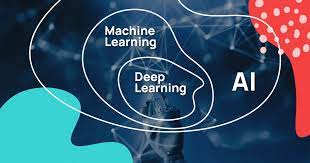
Machine learning is a subset of AI that focuses on the development of algorithms that allow computers to learn from and make predictions based on data. It involves training models using large datasets to identify patterns and make informed decisions without explicit programming.

The Relationship Between AI and ML

While AI encompasses a broad range of technologies aimed at mimicking human cognitive functions, machine learning is specifically concerned with the creation of algorithms that enable machines to learn from data. In essence, machine learning is one way to achieve artificial intelligence.

Applications of AI and ML

  • Healthcare: AI and ML are used for diagnosing diseases, predicting patient outcomes, and personalizing treatment plans.
  • Finance: These technologies help in fraud detection, risk management, algorithmic trading, and personalized banking services.
  • E-commerce: AI-driven recommendation systems enhance customer experience by suggesting products based on user behavior.
  • Autonomous Vehicles: Self-driving cars use machine learning algorithms to navigate roads safely by recognizing objects and making real-time decisions.

The Future of AI and ML

The future of artificial intelligence and machine learning holds immense potential. As these technologies continue to evolve, they will likely lead to more sophisticated applications in various fields such as healthcare diagnostics, climate modeling, smart cities development, and beyond. However, ethical considerations surrounding privacy, security, and the impact on employment must be addressed as these technologies advance.

Conclusion

The integration of artificial intelligence and machine learning into everyday life is reshaping how we interact with technology. By understanding their capabilities and implications, we can harness their power responsibly to create a better future for all.


Understanding AI and Machine Learning: Answers to 7 Common Questions

  1. What is the difference between machine learning and AI?
  2. What are the 4 types of AI machines?
  3. What is an example of AI and ML?
  4. What is AI but not ML?
  5. What is different between AI and ML?
  6. Is artificial intelligence a machine learning?
  7. What is machine learning in artificial intelligence?

What is the difference between machine learning and AI?

Artificial intelligence (AI) and machine learning (ML) are often used interchangeably, but they refer to different concepts within the realm of computer science. AI is a broader field that encompasses the creation of machines capable of performing tasks that typically require human intelligence, such as reasoning, problem-solving, and understanding language. Machine learning, on the other hand, is a subset of AI focused specifically on developing algorithms that enable computers to learn from data and improve their performance over time without being explicitly programmed for each task. In essence, while AI aims to simulate human cognitive functions broadly, machine learning provides the tools and techniques for achieving this by allowing systems to learn from experience and adapt to new information.

What are the 4 types of AI machines?

Artificial intelligence is often categorized into four types based on their capabilities and functionalities. The first type is *Reactive Machines*, which are the most basic form of AI systems designed to perform specific tasks without memory or past experiences, such as IBM’s Deep Blue chess program. The second type is *Limited Memory*, which can use past experiences to inform future decisions, commonly found in self-driving cars that analyze data from the environment to make real-time decisions. The third type is *Theory of Mind*, a more advanced AI that, in theory, would understand emotions and human thought processes; however, this level of AI remains largely theoretical at this point. Finally, *Self-aware AI* represents the most sophisticated form of artificial intelligence, capable of self-awareness and consciousness; this type remains purely conceptual as no such machines currently exist. Each type represents a step toward greater complexity and capability in AI systems.

What is an example of AI and ML?

An example that illustrates the capabilities of artificial intelligence (AI) and machine learning (ML) is the use of recommendation systems by online streaming platforms like Netflix. These platforms employ ML algorithms to analyze user behavior, preferences, and viewing history to suggest personalized movie or TV show recommendations. By continuously learning from user interactions and feedback, the AI-powered recommendation system enhances user experience by offering content tailored to individual tastes, ultimately increasing user engagement and satisfaction.

What is AI but not ML?

Artificial Intelligence (AI) encompasses a broad range of technologies designed to mimic human cognitive functions, such as reasoning, problem-solving, and understanding language. While machine learning (ML) is a subset of AI focused on algorithms that allow systems to learn from data and improve over time, not all AI involves machine learning. For instance, rule-based systems or expert systems are examples of AI that do not use ML. These systems rely on predefined rules and logic to make decisions or solve problems, rather than learning from data. Such AI applications can be effective in environments where the rules are well-defined and the variables are limited, demonstrating that AI can exist independently of machine learning techniques.

What is different between AI and ML?

Artificial intelligence (AI) and machine learning (ML) are closely related yet distinct concepts within the realm of computer science. AI refers to the broader concept of machines being able to carry out tasks in a way that we would consider “smart,” encompassing systems that can mimic human intelligence, including reasoning, problem-solving, and understanding language. Machine learning, on the other hand, is a subset of AI that specifically focuses on the ability of machines to learn from data. Rather than being explicitly programmed to perform a task, ML algorithms are designed to identify patterns and make decisions based on input data. In essence, while all machine learning is a form of AI, not all AI involves machine learning. AI can include rule-based systems and other techniques that do not rely on learning from data.

Is artificial intelligence a machine learning?

Artificial intelligence (AI) and machine learning (ML) are often mentioned together, but they are not the same thing. AI is a broad field that focuses on creating systems capable of performing tasks that would typically require human intelligence, such as understanding natural language, recognizing patterns, and making decisions. Machine learning, on the other hand, is a subset of AI that involves the development of algorithms and statistical models that enable machines to improve their performance on a specific task through experience and data analysis. In essence, while all machine learning is part of artificial intelligence, not all artificial intelligence involves machine learning. Machine learning provides one of the techniques through which AI can be realized by allowing systems to learn from data and improve over time without being explicitly programmed for each specific task.

What is machine learning in artificial intelligence?

Machine learning in artificial intelligence is a specialized area that focuses on developing algorithms and statistical models that enable computers to improve their performance on tasks through experience. Unlike traditional programming, where a computer follows explicit instructions, machine learning allows systems to learn from data patterns and make decisions with minimal human intervention. By training models on vast amounts of data, machine learning enables AI systems to recognize patterns, predict outcomes, and adapt to new information over time. This capability is fundamental in applications such as image recognition, natural language processing, and autonomous driving, where the ability to learn from data is crucial for success.

ai's

The Evolution of AI’s Impact: Shaping Our Future

The Rise of AI: Transforming the Future

The Rise of AI: Transforming the Future

Artificial Intelligence (AI) is no longer a concept confined to science fiction. It has become an integral part of our daily lives, influencing how we work, communicate, and even think. From virtual assistants like Siri and Alexa to advanced machine learning algorithms that predict consumer behavior, AI is reshaping industries and society as a whole.

Understanding Artificial Intelligence

AI refers to the simulation of human intelligence in machines that are programmed to think and learn like humans. These systems can perform tasks such as visual perception, speech recognition, decision-making, and language translation. The core idea is to enable machines to perform tasks that would normally require human intelligence.

Applications of AI

AI’s applications are vast and diverse:

  • Healthcare: AI is revolutionizing healthcare by enabling faster diagnosis through image analysis and personalized treatment plans based on patient data.
  • Finance: In finance, AI algorithms detect fraudulent activities and automate trading processes for better efficiency.
  • Transportation: Self-driving cars powered by AI are set to transform the way we commute by reducing accidents caused by human error.
  • Customer Service: Chatbots equipped with natural language processing provide instant customer support around the clock.

The Impact on Employment

The integration of AI into various sectors has sparked debates about its impact on employment. While some fear job loss due to automation, others argue that AI will create new opportunities in fields such as data analysis, machine learning engineering, and AI ethics consulting. The key lies in adapting to new technologies through education and training.

The Ethical Considerations

As AI continues to evolve, ethical considerations become increasingly important. Issues such as privacy concerns, algorithmic bias, and the potential for autonomous weapons need careful regulation. Ensuring transparency in AI systems is crucial for building trust among users.

The Future of AI

The future of AI holds immense potential for innovation across all sectors. As technology advances, it will be essential for policymakers, businesses, and individuals to collaborate in harnessing its benefits while addressing its challenges responsibly.

In conclusion, artificial intelligence is not just a technological advancement; it is a transformative force shaping our future. By understanding its capabilities and limitations, we can better prepare for a world where humans and machines work side by side toward shared goals.


6 Essential Tips for Effective and Ethical AI Deployment

  1. Understand the limitations of AI technology.
  2. Ensure data quality for better AI performance.
  3. Regularly update and maintain AI models.
  4. Consider ethical implications when developing AI systems.
  5. Provide proper training data to avoid bias in AI algorithms.
  6. Monitor and evaluate AI performance for continuous improvement.

Understand the limitations of AI technology.

Understanding the limitations of AI technology is crucial for effectively integrating it into various applications. While AI systems can process vast amounts of data and perform complex tasks with remarkable speed and accuracy, they are not infallible. AI relies heavily on the quality and quantity of the data it is trained on, which means biases or errors in the data can lead to flawed outcomes. Additionally, AI lacks human-like reasoning and creativity, often struggling with tasks that require common sense or emotional intelligence. Recognizing these limitations helps set realistic expectations and ensures that AI is used as a complementary tool rather than a complete replacement for human judgment and expertise.

Ensure data quality for better AI performance.

Ensuring data quality is crucial for achieving optimal AI performance. High-quality data serves as the foundation for effective machine learning models and AI systems, directly influencing their accuracy and reliability. Poor data quality—characterized by inaccuracies, inconsistencies, or incompleteness—can lead to flawed models that produce unreliable results. To enhance AI performance, it is essential to implement robust data collection and cleaning processes. This includes validating data sources, removing duplicates, filling in missing values, and ensuring consistency across datasets. By prioritizing data quality, organizations can build more precise and dependable AI systems that drive better decision-making and outcomes.

Regularly update and maintain AI models.

Regularly updating and maintaining AI models is crucial for ensuring their accuracy, efficiency, and relevance. As data evolves and new patterns emerge, AI models can become outdated if not consistently monitored and refined. Regular updates allow these models to adapt to changes in the data landscape, improving their predictive capabilities and reducing the risk of errors. Maintenance also involves checking for biases that might have developed over time, ensuring the model remains fair and unbiased. By investing in regular updates and maintenance, organizations can maximize the value of their AI systems while staying ahead of technological advancements and market trends.

Consider ethical implications when developing AI systems.

When developing AI systems, it is crucial to consider the ethical implications to ensure that these technologies are used responsibly and beneficially. Ethical considerations include addressing issues such as bias in algorithms, which can lead to unfair treatment of certain groups, and ensuring transparency in how AI systems make decisions. Additionally, safeguarding user privacy and data security is paramount to maintaining trust. Developers should also contemplate the societal impact of AI, such as potential job displacement and the need for new skill sets. By proactively addressing these ethical concerns, developers can create AI systems that are not only innovative but also equitable and aligned with societal values.

Provide proper training data to avoid bias in AI algorithms.

Ensuring that AI algorithms are free from bias is crucial for their effectiveness and fairness, and one of the most important steps in achieving this is providing proper training data. Bias in AI can occur when the data used to train algorithms is unrepresentative or skewed, leading to outcomes that unfairly favor certain groups over others. To avoid this, it’s essential to curate diverse and comprehensive datasets that reflect a wide range of scenarios and populations. By doing so, AI systems can learn from a balanced perspective, reducing the risk of biased decision-making. Additionally, ongoing evaluation and updating of training data are necessary to adapt to changes in society and ensure that AI remains equitable and accurate over time.

Monitor and evaluate AI performance for continuous improvement.

Monitoring and evaluating AI performance is crucial for continuous improvement and ensuring that AI systems operate effectively and efficiently. By regularly assessing the outcomes and processes of AI models, organizations can identify areas where the system excels and where it may fall short. This ongoing evaluation helps in recognizing potential biases, inaccuracies, or inefficiencies, allowing for timely adjustments and refinements. Moreover, as data inputs and business environments evolve, continuous monitoring ensures that AI systems remain relevant and aligned with organizational goals. Implementing feedback loops not only enhances the system’s accuracy but also builds trust among users by demonstrating a commitment to transparency and accountability in AI operations.