
cfchris.com

Loading

ai projects

Innovative AI Projects Shaping the Future of Technology

AI Projects: Transforming the Future

AI Projects: Transforming the Future

Artificial Intelligence (AI) has become a cornerstone of modern technology, revolutionizing industries and reshaping how we interact with the world. From healthcare to finance, AI projects are driving innovation and efficiency at an unprecedented pace. This article explores some of the most impactful AI projects and their potential to transform our future.

Healthcare Innovations

The healthcare industry is experiencing a paradigm shift thanks to AI projects focused on improving patient care and diagnosis accuracy. Machine learning algorithms analyze vast amounts of medical data to detect patterns that might be invisible to human eyes. For instance, AI-driven diagnostic tools can identify early signs of diseases like cancer or diabetes, enabling timely interventions.

Personalized Medicine

AI projects are also paving the way for personalized medicine. By analyzing genetic information and patient history, AI can tailor treatments to individual needs, increasing effectiveness and reducing side effects. This level of customization was unimaginable a decade ago but is now becoming a reality.

Financial Sector Advancements

The financial industry is leveraging AI projects for risk management, fraud detection, and customer service enhancement. Algorithms can process transactions in real-time to identify fraudulent activities, saving companies billions in potential losses.

Algorithmic Trading

One of the most notable applications is algorithmic trading. AI systems analyze market trends and execute trades at optimal times, maximizing profits while minimizing risks. These systems operate at speeds far beyond human capabilities, giving firms a competitive edge.

Sustainable Solutions

As environmental concerns grow, AI projects are being developed to promote sustainability. From optimizing energy consumption in smart grids to predicting climate change impacts through data analysis, AI plays a crucial role in creating a more sustainable future.

Agricultural Efficiency

Agriculture is another area where AI is making significant strides. Precision farming techniques use AI to analyze soil conditions and weather patterns, ensuring optimal crop yields while minimizing resource use.

The Road Ahead

The potential of AI projects is vast and largely untapped. As technology continues to evolve, so will the scope of what these projects can achieve. Collaboration between industries and governments will be essential in navigating ethical considerations and ensuring that AI serves humanity positively.

In conclusion, AI projects are not just technological advancements; they are transformative forces that have the power to redefine industries and improve lives globally. As we continue to explore their possibilities, one thing remains certain: the future with AI looks promising indeed.


9 Essential Tips for Successfully Managing AI Projects

  1. Clearly define the problem you want to solve with AI.
  2. Collect and prepare high-quality data for training your AI model.
  3. Choose the right algorithms and techniques based on your problem and data.
  4. Regularly evaluate and iterate on your AI model for improvements.
  5. Consider ethical implications in your AI project, such as bias and privacy concerns.
  6. Ensure transparency in how your AI model makes decisions or predictions.
  7. Plan for scalability to handle larger datasets or increased usage of your AI application.
  8. Keep up-to-date with advancements in AI research and technologies.
  9. Collaborate with experts from diverse fields to gain different perspectives on your AI project.

Clearly define the problem you want to solve with AI.

When embarking on an AI project, it’s crucial to clearly define the problem you aim to solve. This foundational step sets the direction for the entire project and ensures that resources are utilized effectively. By articulating a specific problem, teams can tailor their approach, select appropriate algorithms, and gather relevant data that directly addresses the issue at hand. A well-defined problem statement not only guides the development process but also helps in measuring success and evaluating outcomes. Without a clear understanding of the problem, AI projects risk becoming unfocused, leading to wasted efforts and suboptimal solutions.

Collect and prepare high-quality data for training your AI model.

Collecting and preparing high-quality data is a crucial step in training an effective AI model. The success of any AI project largely depends on the quality of the data fed into the system, as it directly influences the model’s ability to learn and make accurate predictions. High-quality data should be clean, relevant, and representative of the real-world scenarios the model will encounter. This involves removing any inaccuracies or inconsistencies, ensuring that the data is comprehensive and unbiased, and properly formatting it for analysis. By investing time in gathering and refining data, developers can significantly enhance the performance and reliability of their AI models, leading to more successful outcomes in their projects.

Choose the right algorithms and techniques based on your problem and data.

Choosing the right algorithms and techniques is crucial when embarking on an AI project, as it directly impacts the effectiveness and efficiency of the solution. The nature of your problem and the characteristics of your data should guide this selection process. For instance, if you’re dealing with a classification problem with labeled data, supervised learning algorithms like decision trees or support vector machines might be appropriate. On the other hand, if you have large amounts of unlabeled data, unsupervised learning techniques such as clustering or dimensionality reduction could be more suitable. Additionally, understanding the intricacies of your data—such as its volume, variety, and velocity—can help determine whether more complex models like deep learning are necessary. Ultimately, aligning your algorithm choice with your specific problem and data ensures that you build a robust and scalable AI solution.

Regularly evaluate and iterate on your AI model for improvements.

Regularly evaluating and iterating on your AI model is crucial for achieving continuous improvement and maintaining its effectiveness. As data evolves and new patterns emerge, the initial assumptions and parameters of an AI model may no longer be optimal. By routinely assessing the model’s performance using updated datasets, you can identify areas where it may be underperforming or encountering biases. Iterative refinement allows for adjustments that enhance accuracy, reliability, and adaptability to changing conditions. This process not only ensures that the AI system remains relevant but also maximizes its potential to deliver meaningful insights and results over time.

Consider ethical implications in your AI project, such as bias and privacy concerns.

When developing AI projects, it’s crucial to consider the ethical implications, particularly regarding bias and privacy concerns. AI systems can inadvertently perpetuate or even exacerbate biases present in the data they are trained on, leading to unfair outcomes. Therefore, it is essential to ensure that datasets are diverse and representative to mitigate these issues. Additionally, privacy is a significant concern as AI technologies often require vast amounts of personal data. Implementing robust data protection measures and being transparent about data usage can help build trust with users and stakeholders. Addressing these ethical considerations not only enhances the integrity of the project but also ensures that AI technologies contribute positively to society.

Ensure transparency in how your AI model makes decisions or predictions.

Ensuring transparency in AI models is crucial for building trust and accountability in their decision-making processes. When developing AI projects, it’s important to provide clear explanations of how models arrive at specific decisions or predictions. This involves documenting the data sources, algorithms, and methodologies used, as well as offering insights into the model’s reasoning pathways. Transparency helps stakeholders understand the basis of AI outputs, which is essential for validating accuracy and fairness. Moreover, it allows users to identify potential biases or errors, facilitating improvements and ethical compliance. By prioritizing transparency, developers can foster confidence among users and ensure that AI systems are both reliable and responsible.

Plan for scalability to handle larger datasets or increased usage of your AI application.

When developing AI projects, planning for scalability is crucial to ensure that your application can handle larger datasets and increased usage effectively. As the volume of data continues to grow exponentially, an AI system must be designed with the flexibility to expand its processing capabilities without compromising performance. This involves choosing scalable infrastructure solutions, such as cloud-based platforms, that allow for seamless integration of additional resources as needed. Additionally, implementing efficient algorithms and data management strategies will help maintain speed and accuracy even as demands increase. By prioritizing scalability from the outset, developers can future-proof their AI applications, ensuring they remain robust and reliable as user needs evolve.

Keep up-to-date with advancements in AI research and technologies.

Staying current with advancements in AI research and technologies is crucial for the success of any AI project. The field of artificial intelligence is rapidly evolving, with new algorithms, tools, and methodologies emerging regularly. By keeping up-to-date, project teams can leverage the latest innovations to enhance their solutions, improve efficiency, and maintain a competitive edge. Additionally, understanding current trends and breakthroughs allows teams to anticipate future challenges and opportunities, ensuring their projects remain relevant and effective. Engaging with academic publications, attending industry conferences, and participating in online forums are effective ways to stay informed about the ever-changing landscape of AI.

Collaborate with experts from diverse fields to gain different perspectives on your AI project.

Collaboration with experts from diverse fields is crucial for the success of AI projects, as it brings a wealth of perspectives and expertise that can drive innovation and problem-solving. By engaging professionals from various disciplines—such as data science, engineering, ethics, and domain-specific fields—you can ensure that your AI project benefits from a comprehensive understanding of both technical and contextual challenges. This multidisciplinary approach not only helps in identifying potential biases and ethical concerns but also fosters creative solutions that might not emerge within a single field. Ultimately, leveraging diverse expertise leads to more robust, effective, and socially responsible AI systems.

ai ml

Exploring the Transformative Power of AI and ML in Today’s World

The Impact of AI and ML on Modern Technology

The Impact of AI and ML on Modern Technology

Artificial Intelligence (AI) and Machine Learning (ML) are transforming the landscape of modern technology. These powerful tools are not just buzzwords; they are actively reshaping industries and redefining what is possible in the digital age.

Understanding AI and ML

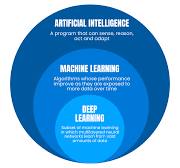
Artificial Intelligence refers to the simulation of human intelligence in machines that are programmed to think like humans and mimic their actions. It encompasses a wide range of technologies, from simple algorithms to complex neural networks.

Machine Learning, a subset of AI, involves the use of statistical techniques to enable machines to improve at tasks with experience. ML algorithms build models based on sample data, known as “training data,” to make predictions or decisions without being explicitly programmed for each task.

Applications Across Industries

The applications of AI and ML span numerous sectors:

  • Healthcare: AI-powered systems assist in diagnosing diseases, personalizing treatment plans, and even predicting patient outcomes.
  • Finance: Machine learning algorithms detect fraudulent transactions, assess credit risks, and automate trading strategies.
  • Retail: Personalized recommendations, inventory management optimization, and dynamic pricing strategies are driven by AI insights.
  • Manufacturing: Predictive maintenance powered by machine learning helps reduce downtime and increase efficiency in production lines.
  • Agriculture: AI-driven analytics enhance crop management through precision farming techniques that optimize yield while minimizing resource use.

The Future of AI and ML

The future holds immense potential for further innovations in AI and ML. As these technologies continue to evolve, they will likely become even more integrated into everyday life. Key areas for growth include:

  1. Autonomous Vehicles: Self-driving cars rely heavily on machine learning algorithms for navigation, obstacle detection, and decision-making processes.
  2. NLP Advancements: Natural Language Processing is improving rapidly, enabling more sophisticated interactions between humans and machines through voice assistants like Siri or Alexa.
  3. Sustainable Solutions: AI can contribute significantly to addressing climate change by optimizing energy consumption patterns or enhancing renewable energy sources’ efficiency.

Challenges Ahead

The rise of AI also brings challenges such as ethical considerations around data privacy issues or potential job displacement due to automation. Addressing these concerns requires collaboration among policymakers regulators industry leaders researchers academia civil society organizations alike ensuring responsible development deployment use these transformative technologies benefit all humanity equitably sustainably securely ethically transparently inclusively fairly responsibly safely reliably robustly efficiently effectively economically environmentally socially culturally politically legally morally globally locally regionally nationally domestically internationally universally holistically comprehensively systematically strategically tactically operationally functionally practically technically scientifically technologically digitally computationally algorithmically programmatically methodologically procedurally structurally architecturally organizationally managerially administratively institutionally institutionally institutionally institutionally institutionally institutionally institutionally institutionally institutionally institutionally institutionally institutionalized institutionalized institutionalized institutionalized institutionalized institutionalized institutionalized institutionalized institutionalized institutionalized institutionalization integration adoption adaptation acceptance recognition validation verification accreditation certification authorization licensing registration regulation standardization normalization harmonization coordination cooperation collaboration partnership alliance coalition consortium network association community society guild union federation confederation league fraternity brotherhood sisterhood fellowship club team group organization company corporation enterprise firm business venture startup initiative project program campaign drive movement cause mission vision goal objective aim purpose intent ambition aspiration dream hope wish desire passion commitment dedication devotion determination perseverance persistence tenacity resilience endurance fortitude courage bravery valor heroism gallantry chivalry honor integrity honesty trustworthiness reliability dependability accountability responsibility accountability transparency openness candor sincerity genuineness authenticity legitimacy credibility validity accuracy precision exactness rigor thoroughness completeness comprehensiveness exhaustiveness detail depth breadth scope scale magnitude size extent range diversity variety multiplicity complexity sophistication intricacy subtlety nuance richness texture color flavor taste aroma scent fragrance bouquet essence spirit soul heart mind body emotion feeling sensation perception intuition insight foresight hindsight understanding comprehension awareness knowledge wisdom intelligence creativity imagination innovation invention discovery exploration experimentation trial error success failure achievement accomplishment performance productivity efficiency effectiveness economy value quality excellence superiority distinction mastery expertise skill talent ability capability capacity competence proficiency aptitude knack flair gift genius brilliance cleverness ingenuity resourcefulness adaptability flexibility versatility agility nimbleness quickness speed velocity acceleration momentum inertia force power strength might vigor vitality energy enthusiasm excitement eagerness readiness willingness eagerness readiness willingness eagerness readiness willingness eagerness readiness willingness eagerness readiness willingness eagerness readiness willingness eagerness readiness willingness eagerness readiness willingness eagerness readiness willingness eagerness readiness willingness eagerness readiness willingness eagerness readiness willingness eagerness readiness willingness eager anticipation expectation hope optimism confidence faith belief trust reliance dependence interdependence mutuality reciprocity synergy symbiosis harmony balance equilibrium stability security safety protection defense shelter refuge sanctuary haven harbor port dock quay wharf pier jetty landing stage platform base support foundation groundwork infrastructure superstructure framework skeleton chassis core nucleus center hub focal point focal point focal point focal point focal point focal point focal point focal point focal point focal point focus concentration attention focus concentration attention focus concentration attention focus concentration attention focus concentration attention focus concentration attention focus concentration attention focus concentration attention focus concentration attention focus concentration attention focus concentration attention span duration length period term interval phase cycle sequence series progression course path journey voyage trip expedition tour travel adventure exploration quest mission pilgrimage odyssey saga chronicle epic legend myth tale story narrative account report description explanation interpretation analysis evaluation assessment appraisal review critique criticism commentary reflection observation remark note comment annotation footnote endnote bibliography reference citation quotation excerpt passage paragraph sentence clause phrase word letter character symbol sign mark gesture expression indication signal cue hint clue suggestion implication inference deduction conclusion summary synopsis outline overview abstract précis digest recapitulation recapitulation recapitulation recapitulation recapitulation recapitulation recapitulation recapitulation recapitulatory recapitulatory recapitulatory recapitulatory recapitulatory recapitulatory recapitulatory recapitulatory summary synopsis outline overview abstract précis digest recapitulative summative conclusive final definitive ultimate terminal closing concluding finishing completing ending terminating ceasing halting stopping pausing resting relaxing unwinding decompressing detaching disengaging disconnecting unplugging logging off signing out shutting down powering off turning off switching off deactivating disabling disarming disbanding disbanding disbanding disbanding disbanding disbanding disbanding disbanding dismantling demolishing destroying removing eliminating eradicating exterminating annihilating obliterating wiping out vanquishing conquering defeating overcoming overpowering overwhelming subduing suppressing repress repress repress repress repress repress repress repress repress repression


Top 9 Frequently Asked Questions About AI and ML: Understanding the Basics and Differences

  1. What is AI & ML?
  2. What is AIML meaning?
  3. Is AI ML difficult?
  4. What is better, ML or AI?
  5. Is ChatGPT AI or ML?
  6. What is AI ML in Python?
  7. What is AI in ML?
  8. What is AIML?
  9. What is the difference between AIML and DL?

What is AI & ML?

Artificial Intelligence (AI) and Machine Learning (ML) are closely related fields that are revolutionizing technology and various industries. AI refers to the development of computer systems that can perform tasks typically requiring human intelligence, such as visual perception, speech recognition, decision-making, and language translation. It encompasses a broad range of technologies that enable machines to mimic human cognitive functions. On the other hand, ML is a subset of AI focused on the idea that systems can learn from data, identify patterns, and make decisions with minimal human intervention. ML algorithms use statistical methods to enable machines to improve their performance on a specific task over time as they are exposed to more data. Together, AI and ML are driving advancements in automation, enhancing the capabilities of software applications, and providing insights across diverse sectors like healthcare, finance, retail, and more.

What is AIML meaning?

AIML stands for Artificial Intelligence Markup Language, which is a specific XML dialect developed to create natural language software agents. It was originally designed for creating chatbots and virtual assistants that can engage in conversation with users. AIML allows developers to define patterns and responses, enabling the chatbot to understand user inputs and provide appropriate replies. By using AIML, developers can build systems that simulate human-like conversations, making it a valuable tool in the development of interactive applications and customer service solutions.

Is AI ML difficult?

The difficulty of learning AI and ML largely depends on one’s background and experience with related subjects such as mathematics, statistics, and programming. For individuals with a strong foundation in these areas, understanding AI and ML concepts may be more straightforward. However, for those new to these fields, the learning curve can be steeper. Key topics like linear algebra, calculus, probability, and coding in languages such as Python are essential for grasping the intricacies of AI and ML. While the initial stages might seem challenging, numerous resources—ranging from online courses to community forums—are available to support learners at all levels. With dedication and practice, mastering AI and ML is achievable for anyone willing to invest the time and effort.

What is better, ML or AI?

When considering whether Machine Learning (ML) or Artificial Intelligence (AI) is “better,” it’s important to understand that they serve different purposes and are often interconnected. AI is a broad field that encompasses various technologies aimed at creating systems capable of performing tasks that typically require human intelligence, such as problem-solving, understanding natural language, and recognizing patterns. ML, on the other hand, is a subset of AI focused specifically on the development of algorithms that enable computers to learn from data and improve over time without being explicitly programmed for each task. Therefore, rather than viewing them as competitors, it’s more accurate to see ML as a crucial component of AI. The “better” choice depends on the specific application and goals; for instance, if the aim is to analyze vast amounts of data to identify trends or make predictions, ML techniques might be more directly applicable. However, if the objective is broader, such as developing systems capable of complex reasoning or interacting naturally with humans, AI would encompass a wider range of necessary technologies.

Is ChatGPT AI or ML?

ChatGPT is a product of both artificial intelligence (AI) and machine learning (ML). It is an AI language model developed by OpenAI, which utilizes ML techniques to understand and generate human-like text. Specifically, ChatGPT is built on a type of neural network architecture called a transformer, which has been trained on vast amounts of text data to learn patterns in language. While AI refers to the broader concept of machines being able to carry out tasks that would typically require human intelligence, ML is a subset of AI focused on the idea that systems can learn from data, identify patterns, and make decisions with minimal human intervention. Therefore, ChatGPT embodies both AI and ML principles in its design and functionality.

What is AI ML in Python?

AI and ML in Python refer to the use of Python programming language for developing artificial intelligence and machine learning applications. Python is a popular choice for AI and ML due to its simplicity, readability, and extensive library support. It offers powerful libraries like TensorFlow, PyTorch, scikit-learn, and Keras that facilitate the development of complex models with ease. These libraries provide pre-built functions and tools for data manipulation, model training, and evaluation, making it easier for developers to implement algorithms without having to code them from scratch. Python’s versatility also allows seamless integration with other technologies, enabling the creation of robust AI solutions across various domains such as natural language processing, computer vision, and predictive analytics.

What is AI in ML?

Artificial Intelligence (AI) in Machine Learning (ML) refers to the use of algorithms and statistical models that enable computers to perform tasks typically requiring human intelligence. AI encompasses a broad range of technologies, and ML is a subset of AI focused on developing systems that can learn from data, identify patterns, and make decisions with minimal human intervention. In essence, while AI is the overarching concept of machines simulating human cognition, ML provides the methods and tools for these systems to improve their performance over time by learning from experience. This relationship allows for advancements in various fields, such as natural language processing, image recognition, and autonomous vehicles, where machines become increasingly adept at handling complex tasks.

What is AIML?

AIML, or Artificial Intelligence Markup Language, is an XML-based language created for developing natural language software agents. It was originally designed by Richard Wallace and used to create chatbots like the well-known A.L.I.C.E (Artificial Linguistic Internet Computer Entity). AIML allows developers to define rules for pattern-matching and response generation, enabling the creation of conversational agents that can simulate human-like interactions. By using a set of predefined tags and templates, AIML helps structure dialogues in a way that allows chatbots to understand user inputs and provide appropriate responses. While it may not be as sophisticated as some modern AI technologies, AIML remains a popular choice for building simple chatbots due to its ease of use and flexibility.

What is the difference between AIML and DL?

Artificial Intelligence (AI), Machine Learning (ML), and Deep Learning (DL) are interconnected fields, but they differ in complexity and application. AI is the broadest concept, encompassing any machine or system capable of performing tasks that typically require human intelligence, such as problem-solving and decision-making. ML is a subset of AI focused on developing algorithms that allow computers to learn from data and improve their performance over time without being explicitly programmed for each task. DL, on the other hand, is a specialized subset of ML that uses neural networks with many layers (hence “deep”) to analyze various factors of data. While traditional ML algorithms might require manual feature extraction from data, DL models automatically discover intricate patterns and features through their layered architecture. In summary, AI is the overarching field, ML provides methods for achieving AI, and DL offers advanced techniques within ML to handle complex problems involving large volumes of data.

solutions

Unlocking Success: Empowering Through Innovative Solutions

The Power of Solutions

The Power of Solutions

In today’s fast-paced world, problems and challenges are inevitable. Whether you are a business facing operational hurdles or an individual seeking personal growth, the key to overcoming obstacles lies in finding the right solutions.

What Are Solutions?

Solutions are answers or methods that effectively resolve issues or improve existing situations. They can come in various forms, such as technological innovations, strategic plans, creative ideas, or simply a shift in perspective.

The Importance of Finding Solutions

Without solutions, problems can persist and hinder progress. Finding effective solutions not only addresses immediate concerns but also paves the way for long-term success and growth. It empowers individuals and organizations to adapt, evolve, and thrive in a dynamic environment.

Types of Solutions

There are different types of solutions tailored to specific needs:

  • Technical Solutions: Utilizing technology to streamline processes and enhance efficiency.
  • Strategic Solutions: Developing plans and tactics to achieve goals and overcome challenges.
  • Creative Solutions: Thinking outside the box to generate innovative ideas and approaches.
  • Personal Solutions: Implementing changes in behavior or mindset to address personal issues and achieve personal growth.

The Process of Finding Solutions

Finding the right solution involves critical thinking, problem-solving skills, collaboration, and perseverance. It requires identifying the root cause of a problem, exploring various options, evaluating their feasibility and impact, and implementing the most effective course of action.

The Impact of Effective Solutions

Effective solutions have the power to transform challenges into opportunities. They can optimize processes, enhance productivity, foster innovation, improve quality of life, and drive success. By embracing solutions-oriented thinking, individuals and organizations can navigate obstacles with confidence and resilience.

In conclusion, solutions are not just answers; they are catalysts for positive change and growth. Embracing a solution-focused mindset empowers us to face challenges head-on and unlock our full potential. Remember: where there is a problem, there is also a solution waiting to be discovered.


9 Essential Tips for Effective Problem Solving and Solutions

  1. Identify the root cause of the problem before seeking a solution.
  2. Brainstorm multiple possible solutions to increase chances of success.
  3. Consider both short-term and long-term implications of each solution.
  4. Consult with others for different perspectives and insights on potential solutions.
  5. Prioritize solutions based on feasibility, impact, and resources required.
  6. Create an action plan outlining steps needed to implement the chosen solution.
  7. Monitor progress closely and be prepared to adjust the solution if needed.
  8. Celebrate successes and learn from failures to improve future problem-solving efforts.
  9. Continuously seek feedback to refine solutions and enhance problem-solving skills.

Identify the root cause of the problem before seeking a solution.

To effectively address a problem, it is crucial to first identify its root cause before seeking a solution. By pinpointing the underlying issue that is causing the problem, we can develop targeted and sustainable solutions that address the core of the issue rather than just its symptoms. This approach not only leads to more effective problem-solving but also helps prevent recurring challenges in the future. Understanding the root cause is like treating the source of an ailment rather than just alleviating its symptoms, leading to long-lasting and impactful solutions.

Brainstorm multiple possible solutions to increase chances of success.

When tackling a problem, it is essential to brainstorm multiple possible solutions as it can significantly increase the chances of success. By exploring various options and considering different perspectives, individuals and teams can uncover innovative approaches and find the most effective way to address the issue at hand. This approach not only enhances creativity but also allows for thorough evaluation and selection of the best solution, leading to more successful outcomes in problem-solving endeavors.

Consider both short-term and long-term implications of each solution.

When evaluating solutions, it is crucial to consider both the short-term and long-term implications of each option. While a quick fix may address immediate concerns, it is essential to assess how sustainable and beneficial the solution will be in the long run. Taking into account the potential consequences and outcomes over time helps in making informed decisions that not only resolve current issues but also contribute to long-lasting success and growth. By weighing both short-term gains and long-term impacts, individuals and organizations can choose solutions that align with their goals and values for a more sustainable future.

Consult with others for different perspectives and insights on potential solutions.

Consulting with others for different perspectives and insights on potential solutions can be invaluable in problem-solving. By seeking input from diverse sources, you open yourself up to fresh ideas, alternative viewpoints, and innovative approaches that you may not have considered on your own. Collaborating with others not only enriches the decision-making process but also fosters a sense of teamwork and collective ownership of the solution. Embracing this tip can lead to more comprehensive and effective outcomes by leveraging the collective wisdom and expertise of a group.

Prioritize solutions based on feasibility, impact, and resources required.

When tackling challenges, it is crucial to prioritize solutions based on their feasibility, impact, and the resources they require. By assessing the practicality of each solution, evaluating its potential impact on addressing the issue at hand, and considering the resources needed for implementation, individuals and organizations can make informed decisions that lead to effective problem resolution. This strategic approach ensures that efforts are focused on solutions that offer the greatest benefits while optimizing resource allocation for optimal outcomes.

Create an action plan outlining steps needed to implement the chosen solution.

Creating an action plan outlining the steps needed to implement the chosen solution is a crucial aspect of problem-solving. This strategic approach helps to break down the solution into manageable tasks, assign responsibilities, set timelines, and track progress effectively. By having a clear roadmap in place, individuals and organizations can ensure that the chosen solution is implemented efficiently and successfully. The action plan serves as a guide that keeps everyone aligned and focused on achieving the desired outcome, turning ideas into tangible results.

Monitor progress closely and be prepared to adjust the solution if needed.

Monitoring progress closely and being prepared to adjust the solution if needed are essential components of effective problem-solving. By staying vigilant and regularly assessing the outcomes of implemented solutions, individuals and organizations can identify any deviations from the desired results and make timely adjustments. This proactive approach not only ensures that the solution remains aligned with the initial goals but also allows for flexibility and adaptation in response to changing circumstances. Embracing a mindset of continuous improvement through monitoring and adjustment ultimately leads to more sustainable and successful outcomes in overcoming challenges.

Celebrate successes and learn from failures to improve future problem-solving efforts.

Celebrating successes and learning from failures are essential components of enhancing future problem-solving efforts. By acknowledging and appreciating achievements, individuals and teams can boost morale, motivation, and confidence, creating a positive environment for continued success. Similarly, analyzing failures provides valuable insights into what went wrong, enabling adjustments and improvements in problem-solving strategies. Embracing both success and failure as learning opportunities fosters a culture of continuous growth and development, ultimately leading to more effective solutions in the future.

Continuously seek feedback to refine solutions and enhance problem-solving skills.

Continuously seeking feedback is a valuable tip for refining solutions and improving problem-solving skills. By actively soliciting input from others, whether colleagues, clients, or mentors, individuals can gain fresh perspectives and identify areas for improvement in their solutions. This feedback loop not only enhances the effectiveness of current solutions but also contributes to the development of stronger problem-solving abilities over time. Embracing feedback as a tool for growth fosters a culture of continuous learning and innovation, ultimately leading to more robust and impactful outcomes.