cfchris.com

Loading

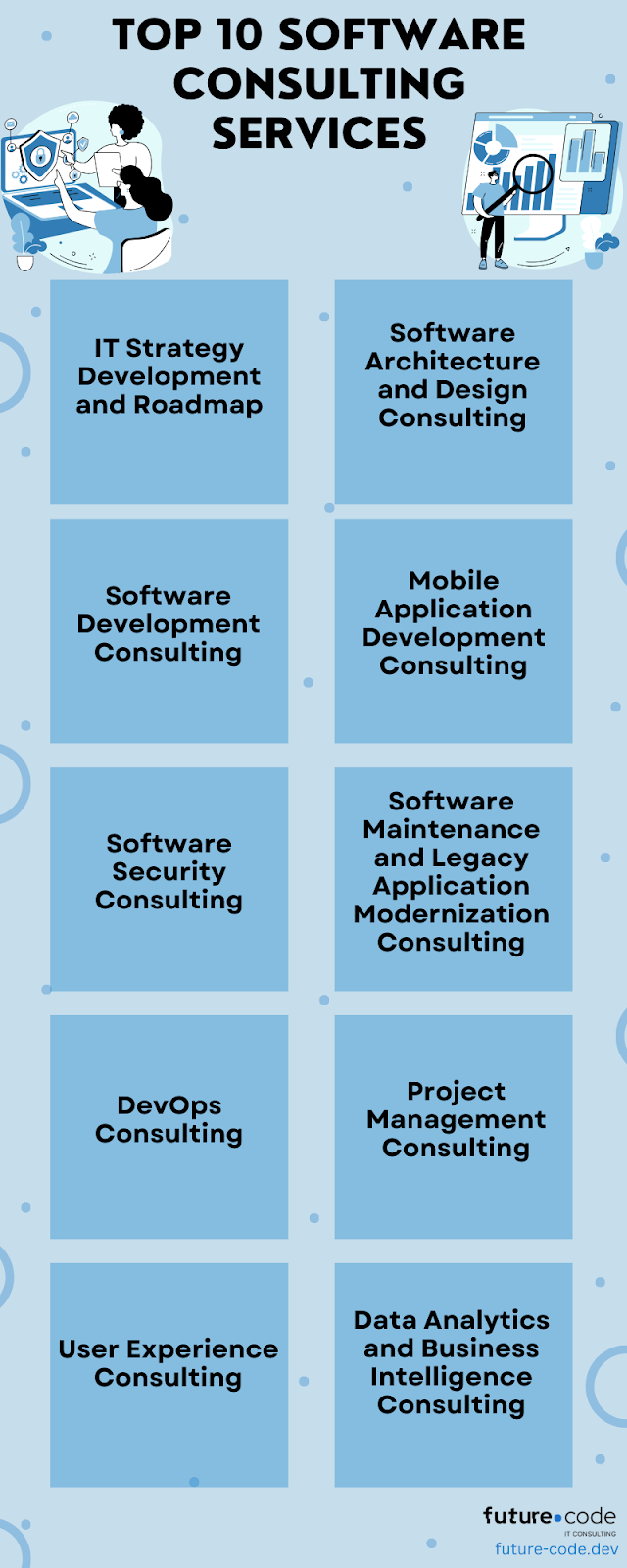
software outsourcing services

Unlocking Success: Leveraging Software Outsourcing Services for Business Growth

Article: Software Outsourcing Services

The Benefits of Software Outsourcing Services

In today’s fast-paced business environment, companies are constantly seeking ways to stay competitive and innovative. One strategy that has gained popularity in recent years is software outsourcing services. This practice involves hiring external vendors or teams to develop, maintain, or support software applications.

Cost-Effectiveness

One of the primary reasons companies opt for software outsourcing is cost-effectiveness. By outsourcing software development to regions with lower labor costs, businesses can save significantly on expenses related to hiring and maintaining an in-house team. This cost-saving advantage allows companies to allocate resources more efficiently and invest in other areas of their operations.

Access to Specialized Skills

Software outsourcing services provide access to a vast pool of talented professionals with specialized skills and expertise. Whether it’s mobile app development, web design, or cybersecurity, outsourcing firms often have teams dedicated to specific technologies and industries. This access to diverse skill sets enables companies to leverage the latest technologies and best practices without having to invest in extensive training for their internal teams.

Focus on Core Business Activities

By outsourcing software development tasks, companies can free up their internal resources to focus on core business activities. Instead of getting bogged down by technical details and project management responsibilities, businesses can concentrate on strategic initiatives that drive growth and innovation. This enhanced focus can lead to improved efficiency and productivity across the organization.

Scalability and Flexibility

Software outsourcing services offer scalability and flexibility that are crucial for businesses operating in dynamic markets. Whether a company needs additional resources for a short-term project or wants to scale up its development team rapidly, outsourcing firms can quickly adapt to changing requirements. This flexibility allows businesses to respond swiftly to market demands and stay ahead of the competition.

Risk Mitigation

Outsourcing software development also helps mitigate risks associated with project delays, budget overruns, or talent shortages. Reputable outsourcing providers follow industry best practices, adhere to strict quality standards, and have robust contingency plans in place. By partnering with experienced vendors, companies can reduce the likelihood of potential risks and ensure successful project outcomes.

In conclusion, software outsourcing services offer numerous benefits that empower businesses to innovate, optimize operations, and achieve strategic objectives effectively. By leveraging external expertise and resources, companies can accelerate their digital transformation journey and position themselves for long-term success in today’s competitive landscape.


Maximize Business Success: The Top 6 Benefits of Software Outsourcing Services

  1. Cost-effectiveness
  2. Access to specialized skills
  3. Focus on core activities
  4. Scalability
  5. Risk mitigation
  6. Innovation


6 Drawbacks of Software Outsourcing: From Control Loss to Hidden Costs

  1. Loss of Direct Control
  2. Communication Challenges
  3. Quality Concerns
  4. Security Risks
  5. Dependency on Third-Party Providers
  6. Hidden Costs

Cost-effectiveness

Outsourcing software development can provide a substantial cost-saving advantage for businesses by significantly reducing labor costs and overhead expenses. By leveraging external vendors or teams in regions with lower labor costs, companies can streamline their budget allocation and achieve greater financial efficiency. This cost-effectiveness allows businesses to reallocate resources to other strategic areas of their operations, ultimately enhancing their overall competitiveness and profitability in the market.

Access to specialized skills

By utilizing software outsourcing services, companies gain access to a wide range of specialized skills offered by outsourcing firms. These external partners bring expertise in diverse technologies and industries, allowing businesses to leverage the latest advancements and best practices without the need for extensive internal training. This access to specialized skills enables companies to enhance their software development projects with expert knowledge and experience, ultimately leading to more innovative and high-quality solutions.

Focus on core activities

By delegating software development tasks to outsourcing services, organizations can effectively focus on strategic initiatives and core business functions. This allows companies to direct their internal resources towards activities that drive growth and innovation, rather than getting bogged down by technical details and project management responsibilities. By entrusting software development to external experts, businesses can streamline their operations and enhance overall efficiency, ultimately leading to improved productivity and success in their primary areas of expertise.

Scalability

Software outsourcing services provide businesses with the valuable pro of scalability, allowing them to adapt their resources quickly in response to project demands without being tied down by long-term commitments. This flexibility enables companies to ramp up or downsize their development teams as needed, ensuring that they can efficiently manage fluctuating workloads and optimize resource allocation. By leveraging outsourcing services for scalability, businesses can maintain agility and responsiveness in a dynamic market environment, ultimately enhancing their ability to meet project deadlines and achieve strategic goals effectively.

Risk mitigation

One significant advantage of software outsourcing services is risk mitigation. Reputable outsourcing providers adhere to industry best practices to minimize the risks associated with project delays, budget overruns, and talent shortages. By partnering with experienced vendors who have robust contingency plans in place, businesses can effectively reduce the likelihood of potential risks and ensure successful project outcomes. This proactive approach to risk management enhances project predictability and reliability, ultimately contributing to the overall success of software development initiatives.

Innovation

Software outsourcing services provide businesses with a gateway to innovation by granting access to cutting-edge technologies and innovative solutions. This access not only drives competitiveness but also fuels growth by allowing companies to stay ahead of the curve in a rapidly evolving technological landscape. By leveraging the expertise of external vendors, organizations can tap into new ideas, methodologies, and tools that may not be readily available internally, ultimately fostering a culture of continuous improvement and creativity within the company.

Loss of Direct Control

When companies opt for software outsourcing services, they may encounter the con of loss of direct control over the development process and project management. Entrusting external vendors with software development tasks can result in a disconnect between the company’s internal team and the outsourced team, leading to challenges in monitoring progress, ensuring alignment with business goals, and maintaining transparency throughout the project lifecycle. This lack of direct control can potentially impact decision-making processes, quality assurance measures, and overall project outcomes, highlighting the importance of establishing clear communication channels and effective collaboration frameworks when engaging in software outsourcing partnerships.

Communication Challenges

Communication challenges can be a significant con of software outsourcing services. Language barriers, time zone differences, and cultural nuances often create hurdles in effective communication between the client and the outsourced team. Misunderstandings due to language differences or delayed responses caused by time zone variations can impact project timelines and deliverables. Moreover, cultural differences may lead to differing expectations and approaches to problem-solving, potentially affecting the overall collaboration and project outcomes. Overcoming these communication challenges requires proactive measures such as clear communication protocols, regular updates, and cultural sensitivity training to ensure smooth interactions between all parties involved in the outsourcing process.

Quality Concerns

Ensuring consistent quality standards across geographically dispersed teams can be a significant con of software outsourcing services. The physical distance and cultural differences between teams located in various regions can lead to communication barriers and discrepancies in understanding project requirements. This lack of direct oversight and coordination may result in varying interpretations of quality standards, leading to inconsistencies in the final deliverables. Additionally, differences in work ethics, time zones, and work cultures can further complicate the maintenance of uniform quality levels across geographically dispersed teams, posing a risk to the overall success of outsourced software projects.

Security Risks

One significant con of software outsourcing services is the security risks associated with sharing sensitive business data with external vendors. This practice exposes companies to potential data breaches and intellectual property theft, as confidential information may not be adequately protected or controlled outside the organization’s secure infrastructure. The lack of direct oversight and control over data security measures by third-party vendors can lead to vulnerabilities that compromise the confidentiality and integrity of critical business assets. It is essential for companies to carefully assess and mitigate these security risks before engaging in software outsourcing to safeguard their sensitive information and intellectual property.

Dependency on Third-Party Providers

Dependency on third-party providers is a significant con of software outsourcing services. Overreliance on external vendors for critical software functions can lead to dependency issues and restrict the flexibility of a company. Relying too heavily on third-party providers may result in challenges such as lack of control over timelines, quality assurance, and customization options. Additionally, if a company becomes too dependent on external vendors, it may face difficulties in adapting to changing business needs or transitioning to alternative solutions in the future. This dependency can hinder the company’s ability to innovate independently and maintain a competitive edge in the market.

Hidden Costs

Hidden costs pose a significant con of software outsourcing services as they can disrupt budget projections and increase overall project expenses. These unforeseen costs, such as additional revisions, change requests, or contract modifications, may surface during the outsourcing process, leading to financial strain and potential delays in project delivery. Companies must carefully assess and monitor all aspects of their outsourcing agreements to mitigate the risk of encountering hidden costs and ensure transparency in budget planning.

Maximizing Business Potential: Leveraging IT Services and Consulting for Success

The Importance of IT Services and IT Consulting

The Importance of IT Services and IT Consulting

Information Technology (IT) has become an integral part of modern businesses, playing a crucial role in their operations and success. IT services and IT consulting are essential components that help organizations leverage technology effectively to achieve their goals.

IT Services

IT services encompass a broad range of activities aimed at managing, maintaining, and optimizing an organization’s IT infrastructure. This includes services such as network management, cybersecurity, cloud solutions, software development, and technical support.

By outsourcing IT services to experienced professionals, businesses can benefit from enhanced security, improved efficiency, reduced downtime, and access to specialized expertise. This allows organizations to focus on their core business activities while ensuring that their IT systems operate smoothly and securely.

IT Consulting

IT consulting involves providing expert advice and guidance on how to best utilize technology to meet business objectives. Consultants work closely with organizations to assess their current IT environment, identify areas for improvement, develop strategic plans, and implement solutions that align with the company’s goals.

Whether it’s optimizing existing systems, implementing new technologies, or addressing specific challenges, IT consultants bring a wealth of knowledge and experience to help businesses make informed decisions that drive growth and innovation.

The Benefits of IT Services and Consulting

  • Increased Efficiency: By streamlining processes and optimizing systems, businesses can operate more efficiently and effectively.
  • Enhanced Security: With the rise of cyber threats, robust cybersecurity measures are essential to protect sensitive data and prevent breaches.
  • Strategic Planning: IT consulting helps organizations develop long-term strategies that align technology with business objectives for sustainable growth.
  • Cutting-Edge Solutions: Accessing the latest technologies through IT services ensures that businesses remain competitive in a rapidly evolving digital landscape.
  • Cost Savings: Outsourcing IT services can be cost-effective compared to maintaining an in-house IT department while providing access to top-tier expertise.

In conclusion, investing in quality IT services and consulting is vital for organizations looking to harness the power of technology for success. By partnering with experienced professionals who understand the complexities of modern IT environments, businesses can navigate challenges effectively and unlock new opportunities for growth.


Top 7 Benefits of IT Services and Consulting: Security, Expertise, Efficiency, and More

  1. Enhanced security measures to protect sensitive data
  2. Access to specialized expertise and technical knowledge
  3. Improved efficiency through streamlined IT processes
  4. Cost-effective solutions compared to maintaining an in-house IT department
  5. Strategic planning for aligning technology with business objectives
  6. Cutting-edge technologies and innovative solutions
  7. 24/7 technical support for immediate assistance


7 Drawbacks of IT Services and Consulting: Challenges for Businesses

  1. Costly, especially for small businesses with limited budgets
  2. Dependency on external service providers can lead to delays in resolving IT issues
  3. Risk of data breaches or security vulnerabilities if not properly managed
  4. Potential for misalignment between IT solutions and business goals without thorough consultation
  5. Difficulty in finding reliable and trustworthy IT service providers
  6. Complexity in integrating new technologies with existing systems may cause disruptions
  7. Lack of in-house expertise can result in challenges when managing outsourced IT services

Enhanced security measures to protect sensitive data

In today’s digital landscape, one of the key benefits of IT services and IT consulting is the implementation of enhanced security measures to safeguard sensitive data. With the increasing frequency and sophistication of cyber threats, organizations face significant risks if their data is not adequately protected. By leveraging IT services and consulting expertise, businesses can fortify their systems with robust cybersecurity protocols, encryption methods, access controls, and proactive monitoring to mitigate the risk of data breaches and unauthorized access. This proactive approach not only protects valuable information but also instills trust among customers and stakeholders, demonstrating a commitment to data privacy and security.

Access to specialized expertise and technical knowledge

Access to specialized expertise and technical knowledge is a significant advantage of IT services and IT consulting. By partnering with professionals who possess in-depth knowledge of the latest technologies and industry best practices, businesses can tap into a wealth of expertise that may not be available internally. These experts bring specialized skills to the table, offering innovative solutions, strategic insights, and efficient problem-solving capabilities. Their technical know-how enables organizations to implement cutting-edge technologies, optimize systems for peak performance, and stay ahead of the curve in a rapidly evolving digital landscape. Ultimately, leveraging this specialized expertise through IT services and consulting can drive business growth, enhance operational efficiency, and ensure long-term success in an increasingly technology-driven world.

Improved efficiency through streamlined IT processes

Improved efficiency through streamlined IT processes is a significant benefit of IT services and consulting. By optimizing and automating IT workflows, businesses can eliminate redundancies, reduce manual errors, and accelerate task completion. This streamlined approach not only saves time but also enhances overall productivity, allowing employees to focus on more strategic initiatives rather than mundane tasks. With efficient IT processes in place, organizations can operate smoothly, respond to challenges swiftly, and stay competitive in today’s fast-paced business environment.

Cost-effective solutions compared to maintaining an in-house IT department

One significant advantage of IT services and IT consulting is the cost-effectiveness they offer compared to maintaining an in-house IT department. Outsourcing IT services allows businesses to access top-tier expertise and specialized skills without the overhead costs associated with hiring and training full-time IT staff. By partnering with external providers, organizations can benefit from tailored solutions that meet their specific needs while also reducing operational expenses. This cost-effective approach enables companies to allocate resources more efficiently, focus on core business activities, and achieve a higher return on investment in their IT infrastructure.

Strategic planning for aligning technology with business objectives

Strategic planning for aligning technology with business objectives is a key benefit of IT services and consulting. By working closely with experienced IT professionals, organizations can develop long-term strategies that ensure technology investments support and enhance their overall business goals. This alignment helps businesses stay competitive, adapt to changing market conditions, and drive innovation through the effective use of technology resources. IT services and consulting play a crucial role in guiding companies towards sustainable growth by ensuring that their technological initiatives are in harmony with their strategic vision.

Cutting-edge technologies and innovative solutions

Cutting-edge technologies and innovative solutions are key benefits of IT services and consulting. By leveraging the latest advancements in technology, businesses can stay ahead of the curve and adapt to the rapidly changing digital landscape. IT professionals bring expertise in implementing innovative solutions that enhance efficiency, productivity, and competitiveness. Whether it’s adopting cloud computing, integrating AI-driven systems, or developing custom software applications, embracing cutting-edge technologies through IT services and consulting enables organizations to drive growth, improve customer experiences, and achieve strategic objectives effectively.

24/7 technical support for immediate assistance

Having access to 24/7 technical support through IT services and consulting is a significant advantage for businesses. Immediate assistance ensures that any IT issues or emergencies can be addressed promptly, minimizing downtime and potential disruptions to operations. Whether it’s a network outage, cybersecurity incident, or software malfunction, knowing that expert support is available round the clock provides peace of mind and allows businesses to maintain continuity and productivity at all times.

Costly, especially for small businesses with limited budgets

Implementing IT services and consulting can be a significant challenge for small businesses with constrained budgets. The costs associated with hiring external IT experts or investing in advanced technology solutions can quickly add up, making it a financial burden for smaller enterprises. Limited financial resources may force small businesses to prioritize other operational expenses over IT enhancements, potentially hindering their ability to compete effectively in the digital landscape. Finding cost-effective ways to access essential IT services and consulting expertise becomes crucial for small businesses aiming to leverage technology for growth while managing their financial constraints efficiently.

Dependency on external service providers can lead to delays in resolving IT issues

Dependency on external service providers for IT services and consulting can pose a significant con as it may result in delays in resolving IT issues. Relying on third-party vendors means that businesses are subject to the provider’s availability and response times, which could lead to prolonged downtime and disruptions in operations. In situations where immediate assistance is required, waiting for external support can hinder productivity and impact overall business performance. Therefore, organizations should carefully consider the potential drawbacks of outsourcing IT services to mitigate the risk of delays in addressing critical IT issues.

Risk of data breaches or security vulnerabilities if not properly managed

In the realm of IT services and IT consulting, one significant concern is the potential risk of data breaches or security vulnerabilities if not properly managed. In today’s digital landscape, where sensitive information is constantly being exchanged and stored, inadequate security measures can leave organizations vulnerable to cyber threats. Failure to address these risks proactively can result in costly data breaches, compromised systems, and damage to a company’s reputation. It is crucial for businesses to prioritize robust cybersecurity practices and enlist the expertise of professionals to mitigate these risks effectively and safeguard their valuable data assets.

Potential for misalignment between IT solutions and business goals without thorough consultation

One significant con of IT services and IT consulting is the potential for misalignment between IT solutions and business goals when thorough consultation is lacking. Without a comprehensive understanding of the organization’s objectives and operational needs, IT solutions may not effectively address key business challenges or support strategic initiatives. This misalignment can lead to wasted resources, inefficiencies in technology implementation, and missed opportunities for leveraging technology to drive business growth. Therefore, it is crucial for businesses to prioritize thorough consultation with IT experts to ensure that the solutions implemented align closely with their specific goals and requirements.

Difficulty in finding reliable and trustworthy IT service providers

In the realm of IT services and consulting, a significant challenge that organizations often face is the difficulty in finding reliable and trustworthy service providers. With the increasing complexity of technology and the ever-evolving landscape of cybersecurity threats, businesses must carefully vet potential IT partners to ensure they have the expertise and integrity needed to safeguard their systems and data. The consequences of engaging with unreliable IT service providers can range from subpar performance and costly downtime to serious security breaches that jeopardize the organization’s reputation and bottom line. Therefore, thorough research, references, and due diligence are essential steps in selecting a dependable IT partner that can deliver quality services and peace of mind.

Complexity in integrating new technologies with existing systems may cause disruptions

The complexity involved in integrating new technologies with existing systems can present a significant challenge for organizations utilizing IT services and consulting. This con may lead to disruptions in operations, as the compatibility issues and technical intricacies of merging different systems can result in downtime, data loss, or performance issues. Careful planning, thorough testing, and expert guidance from IT consultants are essential to mitigate these risks and ensure a smooth transition when implementing new technologies within an organization’s infrastructure.

Lack of in-house expertise can result in challenges when managing outsourced IT services

Outsourcing IT services and consulting can present a challenge when organizations lack in-house expertise to effectively manage and oversee the outsourced functions. Without a deep understanding of the technologies and processes involved, businesses may struggle to communicate their needs, monitor service quality, or align outsourced IT activities with overall business objectives. This lack of internal expertise can lead to mismanaged projects, delays in problem resolution, and potential disconnect between the outsourced team and the organization’s strategic direction. To mitigate this con, businesses should consider investing in training programs for internal staff or engaging with IT consultants who can bridge the gap between external service providers and internal stakeholders.

mob programming

Enhancing Team Collaboration Through Mob Programming Practices

The Power of Mob Programming in Software Development

The Power of Mob Programming in Software Development

Mob programming is a collaborative approach to software development where the entire team works on the same task at the same time. This practice involves a group of developers, designers, and testers coming together to collectively work on a single piece of code.

One of the key benefits of mob programming is improved communication and knowledge sharing among team members. By working together in real-time, team members can discuss ideas, solve problems, and learn from each other’s expertise. This leads to increased collaboration and a deeper understanding of the project as a whole.

Another advantage of mob programming is increased productivity. With multiple minds focused on a single task, issues can be identified and resolved more quickly. Additionally, mob programming helps reduce bottlenecks by ensuring that all team members are actively engaged in the development process.

Furthermore, mob programming promotes a sense of shared ownership and accountability within the team. Because everyone is involved in the decision-making process and responsible for the outcome, there is a greater sense of unity and commitment to delivering high-quality results.

It’s important to note that mob programming may not be suitable for every project or team. Some individuals may prefer working independently or in smaller groups. However, for teams looking to enhance collaboration, communication, and productivity, mob programming can be a valuable strategy to consider.

In conclusion, mob programming offers numerous benefits for software development teams seeking to improve their efficiency and effectiveness. By fostering collaboration, knowledge sharing, and shared ownership, mob programming can help teams deliver better results faster.


Understanding Mob Programming: Answers to 9 Common Questions

  1. What is mob programming?
  2. How does mob programming differ from pair programming?
  3. What are the benefits of mob programming?
  4. Is mob programming suitable for all types of projects?
  5. How many people typically participate in a mob programming session?
  6. What tools are commonly used in mob programming?
  7. How do team dynamics change in a mob programming environment?
  8. What challenges may arise when implementing mob programming?
  9. Are there any best practices for successful mob programming?

What is mob programming?

Mob programming is a collaborative approach to software development where the entire team works together on the same task simultaneously. This practice involves multiple team members, including developers, designers, and testers, coming together to collectively work on a single piece of code. By working as a group in real-time, team members can share ideas, solve problems, and leverage each other’s expertise to deliver high-quality results efficiently. Mob programming promotes communication, knowledge sharing, and a sense of shared ownership within the team, making it a powerful strategy for enhancing collaboration and productivity in software development projects.

How does mob programming differ from pair programming?

Mob programming and pair programming are both collaborative approaches in software development, but they differ in terms of team size and dynamics. In pair programming, two developers work together on a single task, with one typing and the other reviewing in real-time. This setup allows for close collaboration and immediate feedback between the pair. On the other hand, mob programming involves a larger group of developers, designers, and testers working together simultaneously on the same piece of code. This collective effort encourages knowledge sharing, problem-solving discussions, and a shared understanding of the project among team members. While pair programming focuses on the synergy between two individuals, mob programming emphasizes collaboration among multiple team members to enhance productivity and quality in software development processes.

What are the benefits of mob programming?

One of the frequently asked questions about mob programming is, “What are the benefits of mob programming?” Mob programming offers several advantages, including improved communication and knowledge sharing among team members. By working together on the same task simultaneously, team members can collaborate in real-time, discuss ideas, solve problems collectively, and leverage each other’s expertise. This practice leads to enhanced collaboration, a deeper understanding of the project, increased productivity through quicker issue identification and resolution, reduced bottlenecks, and a sense of shared ownership and accountability within the team. Overall, the benefits of mob programming encompass better teamwork, efficiency, and quality outcomes in software development projects.

Is mob programming suitable for all types of projects?

When considering whether mob programming is suitable for all types of projects, it’s important to recognize that the applicability of this collaborative approach may vary depending on the nature of the project and the preferences of team members. While mob programming can be highly beneficial for enhancing communication, productivity, and shared ownership in software development, some projects or individuals may find it more challenging to adapt to this method. Factors such as project complexity, team dynamics, and individual working styles should be taken into account when determining the suitability of mob programming for a particular project. Ultimately, while mob programming can offer significant advantages, teams should assess its compatibility with their specific project requirements before fully embracing this approach.

How many people typically participate in a mob programming session?

In a mob programming session, the number of participants can vary depending on the team’s size and preferences. Typically, a mob programming session involves around five to seven team members, including developers, designers, testers, and other relevant stakeholders. However, some teams may choose to have more or fewer participants based on the complexity of the task at hand and the dynamics of the team. The key is to ensure that there are enough individuals to contribute diverse perspectives and skills while maintaining effective communication and collaboration throughout the session.

What tools are commonly used in mob programming?

In mob programming, teams often rely on a variety of tools to facilitate seamless collaboration and productivity. Commonly used tools include screen-sharing applications like Zoom or Microsoft Teams, which allow team members to view and interact with the same code in real-time. Version control systems such as Git are essential for managing code changes and ensuring that all team members are working on the latest version. Integrated development environments (IDEs) like Visual Studio Code or IntelliJ IDEA provide a unified platform for writing and testing code together. Additionally, communication tools such as Slack or Discord help team members stay connected and communicate effectively while working together in a mob programming session. By leveraging these tools, teams can streamline their workflow and maximize the benefits of mob programming.

How do team dynamics change in a mob programming environment?

In a mob programming environment, team dynamics undergo significant transformations as individuals come together to work collaboratively on a shared task. The traditional hierarchy often diminishes as all team members have an equal voice and contribute actively to the decision-making process. Communication becomes more open and transparent, fostering a culture of sharing ideas and knowledge. Team members learn to respect each other’s perspectives and expertise, leading to a stronger sense of camaraderie and mutual trust. As roles blur in a mob programming setting, individuals focus more on the collective goal rather than individual achievements, creating a cohesive and highly productive team dynamic based on collaboration and cooperation.

What challenges may arise when implementing mob programming?

When implementing mob programming, several challenges may arise that teams need to address. One common challenge is ensuring that all team members are actively engaged and contributing to the task at hand. It can be challenging to maintain focus and involvement from everyone in the group, especially if there are differing opinions or skill levels within the team. Additionally, communication can become a challenge in mob programming, as coordinating multiple voices and ideas in real-time can lead to potential conflicts or misunderstandings. Another challenge is finding a balance between individual creativity and collaboration within the group dynamic. Overcoming these challenges requires open communication, clear guidelines, and a supportive team environment that values diversity of thought and mutual respect among members.

Are there any best practices for successful mob programming?

When it comes to successful mob programming, there are several best practices that teams can follow to maximize the benefits of this collaborative approach. Communication is key in mob programming, so establishing clear guidelines for how team members interact and share information can help streamline the process. Setting specific goals and objectives for each session can keep the team focused and ensure that everyone is working towards a common purpose. Additionally, rotating roles within the mob can help prevent burnout and encourage a diverse range of perspectives to be considered. Embracing a culture of respect, open-mindedness, and continuous learning is also essential for creating a positive and productive mob programming environment.

secure sdlc

Enhancing Software Security with a Secure SDLC Approach

The Importance of Secure Software Development Life Cycle (SDLC)

The Importance of Secure Software Development Life Cycle (SDLC)

Secure Software Development Life Cycle (SDLC) is a crucial process that ensures security is integrated into every phase of software development. By implementing security measures from the initial planning stages to deployment and maintenance, organizations can significantly reduce the risk of vulnerabilities and cyber attacks.

Key Phases of Secure SDLC:

  1. Planning: In this phase, security requirements are identified, and a security strategy is developed to align with business objectives.
  2. Design: Security architecture and design principles are incorporated into the software design to prevent potential security flaws.
  3. Implementation: Developers write secure code following coding guidelines and best practices to minimize vulnerabilities.
  4. Testing: Security testing is conducted to identify and address any weaknesses or vulnerabilities in the software before it goes live.
  5. Deployment: Secure deployment practices are followed to ensure that the software is securely configured in its operational environment.
  6. Maintenance: Regular maintenance includes patching vulnerabilities, updating security measures, and monitoring for any new threats.

The Benefits of Secure SDLC:

  • Risk Mitigation: By integrating security throughout the development process, organizations can proactively identify and mitigate risks before they become major issues.
  • Data Protection: Secure SDLC helps safeguard sensitive data from unauthorized access or breaches, enhancing data protection measures.
  • Compliance: Following secure SDLC practices ensures compliance with industry regulations and standards related to data privacy and security.
  • Cybersecurity Resilience: Building secure software enhances an organization’s cybersecurity posture, making it more resilient against cyber threats and attacks.

In conclusion, adopting a Secure Software Development Life Cycle is essential for organizations looking to develop robust and secure software applications. By prioritizing security at every stage of the development process, businesses can protect their assets, maintain customer trust, and stay ahead in an increasingly digital world.


Understanding Secure SDLC: Key Concepts and Stages Explained

  1. What is a secure development life cycle?
  2. What is secure coding practices in SDLC?
  3. What is the proper way to secure your SDLC?
  4. What is a secure SDLC?
  5. What are the 5 phases of SDLC?
  6. What are the 5 phases of the security life cycle?
  7. What are the 7 stages of an SDLC?

What is a secure development life cycle?

A Secure Development Life Cycle (SDLC) refers to a structured approach to integrating security measures into every phase of the software development process. It involves identifying and addressing security requirements from the initial planning stages through deployment and maintenance. By following a secure SDLC, organizations can proactively prevent vulnerabilities, reduce the risk of cyber attacks, and ensure that software applications are developed with security in mind. This comprehensive approach helps build trust with users, protect sensitive data, and maintain compliance with industry regulations and standards related to cybersecurity.

What is secure coding practices in SDLC?

Secure coding practices in SDLC refer to the set of guidelines, best practices, and techniques that developers follow to write code that is resilient to security threats and vulnerabilities. By incorporating secure coding practices throughout the software development life cycle, developers can minimize the risk of introducing security flaws into the codebase. These practices include input validation, output encoding, proper error handling, secure authentication mechanisms, data encryption, and adherence to coding standards. Implementing secure coding practices not only helps in building more secure software but also contributes to overall risk reduction and enhances the resilience of applications against cyber attacks.

What is the proper way to secure your SDLC?

Securing your Software Development Life Cycle (SDLC) involves following a structured approach that integrates security practices throughout the entire development process. The proper way to secure your SDLC includes implementing security measures at each phase, such as planning, design, implementation, testing, deployment, and maintenance. This entails identifying and addressing security requirements early on, incorporating secure coding practices, conducting thorough security testing, deploying software in a secure manner, and regularly maintaining and updating security measures. By adopting a comprehensive and proactive approach to security within the SDLC, organizations can effectively mitigate risks, protect sensitive data, ensure compliance with regulations, and enhance their overall cybersecurity resilience.

What is a secure SDLC?

A Secure Software Development Life Cycle (SDLC) is a systematic approach to integrating security measures and practices into every phase of the software development process. It ensures that security considerations are addressed from the initial planning stages through deployment and maintenance. By following a secure SDLC, organizations can identify and mitigate potential vulnerabilities early on, reducing the risk of security breaches and cyber attacks. This proactive approach helps build secure software applications that protect sensitive data, comply with industry regulations, and enhance overall cybersecurity resilience.

What are the 5 phases of SDLC?

The Software Development Life Cycle (SDLC) comprises five key phases: Planning, Design, Implementation, Testing, and Deployment. In the Planning phase, project requirements are gathered and a roadmap for development is outlined. The Design phase involves creating the architecture and technical specifications of the software. Implementation is where the actual coding takes place based on the design specifications. Testing is crucial for identifying and fixing any issues or bugs in the software before it is deployed. Finally, Deployment involves releasing the software to users after ensuring that it meets all quality standards and security requirements. These five phases form a structured approach to developing software that ensures efficiency, quality, and security throughout the development process.

What are the 5 phases of the security life cycle?

The five essential phases of the security life cycle, commonly known as Secure Software Development Life Cycle (SDLC), are planning, design, implementation, testing, and deployment. In the planning phase, security requirements are identified and a strategic approach is devised to align security measures with business objectives. The design phase involves integrating security architecture and principles into the software design to prevent potential vulnerabilities. During implementation, developers write secure code following best practices to minimize security risks. Testing is crucial for identifying and addressing any weaknesses before deployment, where secure configurations are ensured in the operational environment. Lastly, maintenance includes regular updates and monitoring to address new threats effectively throughout the software’s lifecycle.

What are the 7 stages of an SDLC?

The Secure Software Development Life Cycle (SDLC) consists of seven key stages that are integral to ensuring the security and integrity of software applications. These stages include planning, design, implementation, testing, deployment, maintenance, and monitoring. Each stage plays a crucial role in incorporating security measures into the software development process, from defining security requirements in the planning phase to continuously monitoring and updating security protocols in the maintenance phase. By following these seven stages diligently, organizations can build secure and resilient software that mitigates risks and protects against potential cyber threats.

sdlc

Mastering the Software Development Life Cycle (SDLC): A Comprehensive Guide

Understanding the Software Development Life Cycle (SDLC)

Understanding the Software Development Life Cycle (SDLC)

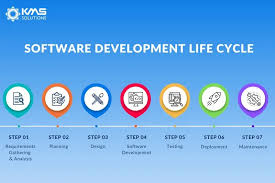
The Software Development Life Cycle (SDLC) is a structured process that defines the steps involved in developing software applications. It encompasses everything from initial planning to deployment and maintenance of the software. Understanding the SDLC is crucial for ensuring successful and efficient software development projects.

Phases of the SDLC

The SDLC typically consists of several phases, each with its own set of activities and deliverables:

  1. Planning: This phase involves defining project scope, requirements gathering, feasibility analysis, and creating a project plan.
  2. Analysis: In this phase, detailed requirements are documented, analyzed, and validated to ensure they align with business objectives.
  3. Design: The design phase focuses on creating a blueprint for the software solution, including architecture design, database design, UI/UX design, and more.
  4. Development: During this phase, developers write code based on the design specifications. Testing is also conducted to identify and fix any defects.
  5. Testing: Quality assurance professionals perform various tests to ensure that the software meets all requirements and functions as expected.
  6. Deployment: Once testing is complete and the software is approved for release, it is deployed to production environments for end-users to access.
  7. Maintenance: The maintenance phase involves ongoing support, bug fixes, updates, and enhancements to ensure the software remains functional and up-to-date.

Importance of SDLC

The SDLC provides a systematic approach to software development that helps organizations manage resources effectively, reduce risks, improve communication among team members, and deliver high-quality products on time and within budget. By following a structured SDLC process, organizations can increase efficiency and minimize errors throughout the development lifecycle.

In conclusion, understanding the Software Development Life Cycle (SDLC) is essential for anyone involved in software development projects. By following a well-defined SDLC process tailored to specific project needs, organizations can achieve successful outcomes and deliver value to their stakeholders.


Understanding SDLC: Key Phases, Models, and Methodologies Explained

  1. What is SDLC and its 6 phases?
  2. What is meant by SDLC?
  3. What is SDLC with an example?
  4. What are the 7 stages of SDLC?
  5. What are the 7 models of SDLC?
  6. What are the five 5 phases of SDLC?
  7. What are the 8 phases of SDLC?
  8. Is SDLC waterfall or Agile?

What is SDLC and its 6 phases?

The Software Development Life Cycle (SDLC) is a structured process that outlines the steps involved in creating software applications. It consists of six key phases: Planning, Analysis, Design, Development, Testing, Deployment, and Maintenance. In the Planning phase, project scope and requirements are defined. The Analysis phase involves detailed requirement gathering and validation. Design focuses on creating a blueprint for the software solution. Development entails coding and testing for defects. Testing ensures quality and functionality. Deployment involves releasing the software to production environments. Maintenance includes ongoing support and updates to keep the software current and operational. Understanding these six phases of the SDLC is essential for successful software development projects.

What is meant by SDLC?

The Software Development Life Cycle (SDLC) refers to a structured process that outlines the stages involved in developing software applications, from inception to deployment and maintenance. SDLC encompasses planning, analysis, design, development, testing, deployment, and maintenance phases. It serves as a roadmap for software development projects, ensuring that they are well-organized, efficient, and aligned with business objectives. Understanding SDLC is crucial for software developers and project stakeholders to manage resources effectively, deliver high-quality products, and achieve project success within defined timelines and budgets.

What is SDLC with an example?

The Software Development Life Cycle (SDLC) is a structured process used by software development teams to plan, design, build, test, deploy, and maintain software applications. An example of the SDLC in action can be seen in the development of a mobile banking app. In this scenario, the planning phase involves defining the app’s features and functionalities, while the analysis phase focuses on gathering requirements such as user authentication and transaction processing. The design phase includes creating wireframes and UI designs for the app, followed by actual development where developers write code based on the design specifications. Testing ensures that the app functions correctly before deployment to app stores. Once deployed, ongoing maintenance and updates are essential to keep the app secure and up-to-date with changing user needs. This example illustrates how the SDLC guides software development projects from conception to completion with a systematic approach.

What are the 7 stages of SDLC?

The 7 stages of the Software Development Life Cycle (SDLC) represent a comprehensive framework that guides the development of software applications from inception to deployment and maintenance. These stages include planning, analysis, design, development, testing, deployment, and maintenance. Each stage plays a crucial role in ensuring that software projects are executed efficiently and effectively, meeting both technical requirements and business objectives. By following these structured stages, organizations can streamline their development processes, enhance collaboration among team members, and deliver high-quality software solutions that align with user needs and expectations.

What are the 7 models of SDLC?

One frequently asked question about the Software Development Life Cycle (SDLC) is regarding the different models that can be used in the development process. There are seven commonly recognized models of SDLC, each offering a unique approach to software development. These models include Waterfall, Agile, Iterative, Spiral, V-Shaped, Big Bang, and Prototype. Each model has its own set of characteristics, benefits, and drawbacks, allowing organizations to choose the most suitable model based on their project requirements and goals. Understanding these SDLC models is essential for project managers and development teams to select the right methodology that aligns with their project scope and objectives.

What are the five 5 phases of SDLC?

One frequently asked question about the Software Development Life Cycle (SDLC) is, “What are the five phases of SDLC?” The five key phases of SDLC are Planning, Analysis, Design, Development, Testing, Deployment, and Maintenance. Each phase plays a crucial role in the software development process, from defining project requirements and creating a design blueprint to coding, testing for quality assurance, deploying the software for use, and maintaining it post-deployment. Understanding and effectively navigating through these phases are essential for ensuring successful software development projects that meet business objectives and user needs.

What are the 8 phases of SDLC?

One frequently asked question regarding the Software Development Life Cycle (SDLC) is about the eight phases that constitute this structured process. The eight phases of SDLC are Planning, Analysis, Design, Development, Testing, Deployment, Maintenance, and Monitoring. Each phase plays a crucial role in the software development process, from defining project scope and requirements to ensuring the software remains functional and up-to-date post-deployment. Understanding and effectively navigating through these eight phases of SDLC is essential for organizations to successfully deliver high-quality software solutions that meet user requirements and business objectives.

Is SDLC waterfall or Agile?

The Software Development Life Cycle (SDLC) can be implemented using different methodologies, with two common approaches being the waterfall model and Agile methodology. The traditional waterfall model follows a linear sequential flow, where each phase of the SDLC is completed before moving on to the next. In contrast, Agile methodology emphasizes flexibility and iterative development, allowing for continuous feedback and adaptation throughout the software development process. While some projects may benefit from the structured approach of the waterfall model, others may find Agile more suitable for its adaptability to changing requirements and faster delivery of increments. Ultimately, whether SDLC is considered waterfall or Agile depends on the specific needs and preferences of the project stakeholders.

agile for non software

Unlocking the Power of Agile Beyond Software Development

Agile Methodology Beyond Software Development

The Agile Approach: Not Just for Software Development

Agile methodology, originally designed for software development, has proven to be a versatile and effective approach that can be applied beyond the realm of coding. While its roots lie in the tech industry, agile principles have found success in various fields, including marketing, project management, and even personal productivity.

Adaptability and Collaboration

At its core, agile emphasizes adaptability and collaboration. These principles can benefit any team or individual looking to improve efficiency and effectiveness in their work processes. By breaking down projects into smaller tasks or iterations, teams can quickly respond to changes and feedback, ensuring that they stay on track towards their goals.

Agile in Marketing

In marketing, agile methodologies are increasingly being adopted to enhance campaign planning and execution. By prioritizing tasks based on customer feedback and market trends, marketers can create more targeted and impactful campaigns that resonate with their audience.

Agile Project Management

Project managers are also embracing agile practices to streamline project workflows and improve team collaboration. By using tools like Kanban boards and daily stand-up meetings, project teams can stay organized, communicate effectively, and deliver results more efficiently.

Benefits of Agile Outside Software Development

The benefits of adopting agile methodologies extend beyond software development. Teams that implement agile practices often experience:

  • Rapid adaptation to changing requirements
  • Improved communication and transparency
  • Increased productivity and efficiency
  • Better alignment with customer needs

Conclusion

As the business landscape continues to evolve rapidly, the agile approach offers a flexible and collaborative framework for success across various industries. By embracing agility in their work processes, individuals and teams can navigate challenges more effectively and achieve better outcomes in today’s dynamic environment.


Exploring Agile Beyond Software: FAQs on Applying Agile Principles in Various Fields

  1. How can agile principles be applied outside of software development?
  2. What are the benefits of using agile methodologies in non-software contexts?
  3. How can agile help in marketing strategies?
  4. What tools are commonly used to implement agile practices outside of software development?
  5. How does agile project management differ from traditional project management?
  6. Can individuals benefit from applying agile principles in their personal tasks or projects?

How can agile principles be applied outside of software development?

Agile principles, originally developed for software development, can be effectively applied outside of the tech industry to enhance productivity and collaboration in various fields. By breaking down tasks into smaller iterations, prioritizing customer feedback, and fostering a culture of adaptability and continuous improvement, agile methodologies can streamline processes in marketing, project management, and other areas. Embracing agile principles outside of software development enables teams to respond quickly to changes, improve communication, and deliver results more efficiently, ultimately leading to better outcomes and increased success in diverse industries.

What are the benefits of using agile methodologies in non-software contexts?

In non-software contexts, the benefits of using agile methodologies are significant. Agile principles promote adaptability, collaboration, and rapid response to changes, which can enhance productivity and efficiency in various industries. By breaking down projects into manageable tasks and iterations, teams can better prioritize work, align with customer needs, and improve communication among team members. The flexibility of agile methodologies allows teams to quickly adjust to shifting requirements and market conditions, leading to better outcomes and increased success in non-software environments.

How can agile help in marketing strategies?

Agile methodology can significantly benefit marketing strategies by providing a framework that emphasizes adaptability, collaboration, and customer-centricity. In the realm of marketing, agile practices enable teams to respond quickly to changing market trends and customer feedback, allowing for the creation of more targeted and impactful campaigns. By breaking down marketing initiatives into smaller tasks or iterations, teams can prioritize efforts based on real-time data and insights, resulting in more effective strategies that resonate with their target audience. Ultimately, agile empowers marketers to be more responsive, innovative, and customer-focused in their approach to campaign planning and execution.

What tools are commonly used to implement agile practices outside of software development?

In non-software contexts, various tools are commonly utilized to implement agile practices effectively. For project management, tools like Kanban boards, task boards, and daily stand-up meetings help teams visualize workflows, track progress, and foster collaboration. Additionally, techniques such as user stories and sprint planning sessions are valuable for setting clear goals and priorities. Tools like Trello, Asana, Jira, and Monday.com are popular choices for managing tasks and projects in an agile manner outside of software development. These tools facilitate communication, transparency, and adaptability, enabling teams to embrace agile principles and achieve success in their endeavors.

How does agile project management differ from traditional project management?

In the realm of project management, the key distinction between agile and traditional approaches lies in their methodologies and mindset. Agile project management emphasizes flexibility, adaptability, and collaboration over rigid planning and documentation. Unlike traditional project management methods that follow a linear, sequential process, agile embraces an iterative approach where projects are broken down into smaller tasks or sprints. This allows teams to respond quickly to changes, gather feedback from stakeholders, and make adjustments as needed throughout the project lifecycle. By fostering continuous communication and delivering incremental value, agile project management promotes a more dynamic and customer-focused way of working that is well-suited for today’s fast-paced business environment.

Can individuals benefit from applying agile principles in their personal tasks or projects?

Individuals can indeed benefit significantly from applying agile principles to their personal tasks or projects. By breaking down larger goals into smaller, manageable tasks or iterations, individuals can maintain focus, adapt to changes more easily, and track progress effectively. Prioritizing tasks based on importance and feedback allows for a more efficient use of time and resources. Additionally, regular reflection and adjustment help individuals stay on course towards their objectives while fostering a sense of accountability and continuous improvement in their personal endeavors.

software development tutorial

Mastering Software Development Through a Comprehensive Tutorial

Software Development Tutorial

The Ultimate Guide to Software Development Tutorial

Software development is a crucial skill in today’s digital world. Whether you’re a beginner looking to learn the basics or an experienced developer aiming to enhance your skills, a software development tutorial can be immensely beneficial.

Why Choose a Software Development Tutorial?

A software development tutorial provides structured guidance and resources to help you understand programming concepts, languages, tools, and best practices. It offers hands-on experience through practical examples and projects, allowing you to apply what you learn in real-world scenarios.

Key Benefits of Software Development Tutorials:

  • Structured Learning: Tutorials break down complex topics into manageable sections, making it easier for learners to grasp new concepts.
  • Hands-On Practice: Interactive exercises and coding challenges help reinforce learning and improve problem-solving skills.
  • Community Support: Many tutorials come with forums or online communities where learners can ask questions, share knowledge, and collaborate with peers.
  • Career Advancement: Mastering software development through tutorials can open up new career opportunities and enhance your professional growth.

Tutorial Topics You Might Explore:

There are various areas of software development that you can delve into through tutorials, such as:

  • Web Development (HTML, CSS, JavaScript)
  • Mobile App Development (iOS, Android)
  • Database Management (SQL)
  • Version Control (Git)
  • Software Testing

In Summary

A software development tutorial is a valuable resource for individuals looking to build their programming skills and advance their careers in the tech industry. By following structured tutorials and putting theory into practice, you can become proficient in various programming languages and tools. Start your software development journey today with a comprehensive tutorial tailored to your learning goals!


9 Benefits of Software Development Tutorials: From Structured Learning to Career Advancement

  1. Structured learning approach
  2. Hands-on practice with coding exercises
  3. Access to a supportive online community
  4. Opportunity to learn new programming languages
  5. Enhancement of problem-solving skills
  6. Preparation for real-world software development projects
  7. Career advancement through improved technical abilities
  8. Flexibility to learn at your own pace and schedule
  9. Cost-effective alternative to formal education programs


Challenges of Software Development Tutorials: Personalization, Relevance, and Interactivity

  1. May lack personalized guidance tailored to individual learning styles and pace.
  2. Some tutorials may become outdated due to rapid advancements in technology, requiring additional research to supplement the learning.
  3. Limited interactivity compared to live instructor-led training sessions, which may hinder immediate feedback and collaborative learning opportunities.

Structured learning approach

The structured learning approach offered by software development tutorials breaks down complex programming concepts into manageable segments, making it easier for learners to understand and progress systematically. By following a well-organized curriculum, individuals can build a strong foundation in coding principles and gradually advance their skills in a logical manner. This methodical approach ensures that learners grasp each concept before moving on to more advanced topics, fostering a solid understanding of software development principles.

Hands-on practice with coding exercises

Hands-on practice with coding exercises is a key advantage of software development tutorials. By engaging in practical coding tasks, learners can reinforce their understanding of programming concepts and improve their problem-solving skills. These exercises provide a hands-on approach to learning, allowing individuals to apply theoretical knowledge in real-world scenarios and gain valuable experience in writing code. Through consistent practice and experimentation, students can build confidence in their coding abilities and develop the proficiency needed to tackle complex programming challenges effectively.

Access to a supportive online community

Access to a supportive online community is a significant advantage of software development tutorials. Engaging with like-minded individuals, sharing knowledge, and seeking help from experienced developers can enhance the learning experience. Online communities provide a platform for collaboration, feedback, and networking, creating a sense of belonging and motivation for learners. By being part of such a community, individuals can grow their skills, overcome challenges more effectively, and stay updated on industry trends and best practices.

Opportunity to learn new programming languages

One significant benefit of engaging in software development tutorials is the opportunity they provide to learn new programming languages. These tutorials offer a structured and guided approach for individuals to explore and master unfamiliar coding languages. By expanding their language proficiency, developers can enhance their skill set, broaden their career prospects, and tackle a wider range of projects with confidence and proficiency.

Enhancement of problem-solving skills

Engaging in software development tutorials offers a significant benefit by enhancing problem-solving skills. Through tackling coding challenges, debugging errors, and designing solutions to complex problems, learners sharpen their analytical thinking and logical reasoning abilities. The hands-on nature of software development tutorials allows individuals to practice breaking down problems into smaller, more manageable components, fostering a structured approach to problem-solving that can be applied across various domains. Ultimately, the process of overcoming coding obstacles in tutorials cultivates resilience, creativity, and adaptability in addressing challenges both within the realm of programming and beyond.

Preparation for real-world software development projects

Software development tutorials serve as excellent preparation for real-world software development projects by providing learners with hands-on experience and practical skills. Through tutorials, individuals can familiarize themselves with industry-standard tools, coding practices, and project workflows, enabling them to tackle real-world challenges confidently. By working on guided projects and exercises within the tutorial framework, aspiring developers can gain a deeper understanding of software development principles and enhance their problem-solving abilities, making them well-equipped to take on actual software development tasks in professional settings.

Career advancement through improved technical abilities

By engaging in software development tutorials and enhancing technical skills, individuals can significantly boost their career advancement opportunities within the tech industry. The ability to master programming languages, tools, and best practices through tutorials not only increases proficiency but also demonstrates a commitment to continuous learning and professional growth. Employers value candidates who possess strong technical abilities, making software development tutorials a strategic investment for those looking to progress in their careers and pursue new and exciting opportunities in the ever-evolving field of technology.

Flexibility to learn at your own pace and schedule

One significant advantage of software development tutorials is the flexibility they offer in terms of learning at your own pace and schedule. Whether you are a busy professional, a student with limited free time, or someone who prefers self-paced learning, software development tutorials allow you to tailor your learning experience to fit your individual needs and commitments. This flexibility empowers learners to progress through the material at a comfortable speed, ensuring a deeper understanding of complex concepts while accommodating personal schedules and responsibilities.

Cost-effective alternative to formal education programs

Software development tutorials offer a cost-effective alternative to formal education programs by providing accessible and affordable learning resources for individuals seeking to enhance their programming skills. Unlike traditional educational institutions that may require significant financial investment, tutorials often offer free or low-cost options that allow learners to acquire valuable knowledge at their own pace and within their budget constraints. This flexibility in pricing makes software development tutorials an attractive option for those looking to acquire practical skills in coding and programming without the hefty price tag associated with formal education programs.

May lack personalized guidance tailored to individual learning styles and pace.

One notable drawback of software development tutorials is that they may lack personalized guidance tailored to individual learning styles and pace. While tutorials provide structured content and exercises, they often follow a one-size-fits-all approach, which may not cater to the diverse needs and preferences of learners. Individuals with different learning styles or varying paces of understanding may find it challenging to fully engage with the material or grasp complex concepts effectively without personalized guidance. This limitation could hinder some learners from maximizing their potential and achieving optimal results in their software development journey.

Some tutorials may become outdated due to rapid advancements in technology, requiring additional research to supplement the learning.

One significant drawback of software development tutorials is that some may become outdated as technology evolves rapidly. This can result in the tutorial content becoming obsolete or using outdated tools and practices. Learners may need to conduct additional research to stay current with the latest advancements in the field, supplementing their learning to ensure they acquire up-to-date knowledge and skills. Keeping pace with technological advancements can be a challenge, making it essential for individuals to continuously seek updated resources and information to enhance their proficiency in software development.

Limited interactivity compared to live instructor-led training sessions, which may hinder immediate feedback and collaborative learning opportunities.

One significant drawback of software development tutorials is their limited interactivity when compared to live instructor-led training sessions. This lack of real-time interaction may hinder the immediate feedback loop that is crucial for effective learning. Without the presence of a live instructor, learners may face challenges in receiving instant clarification on complex topics or troubleshooting coding issues. Additionally, the absence of collaborative learning opportunities in tutorials can limit the exchange of ideas and insights among peers, which are essential for fostering a dynamic and engaging learning environment.

tech stack

Mastering Your Tech Stack: Building Efficient Software Solutions

In the world of software development, a tech stack plays a crucial role in determining the success and efficiency of a project. A tech stack, short for technology stack, refers to the combination of programming languages, frameworks, tools, and software used by developers to build and deploy applications.

Choosing the right tech stack is essential as it directly impacts factors such as performance, scalability, security, and maintainability of the software. A well-thought-out tech stack can streamline development processes and ensure that the final product meets both functional and non-functional requirements.

Typically, a tech stack consists of three main components:

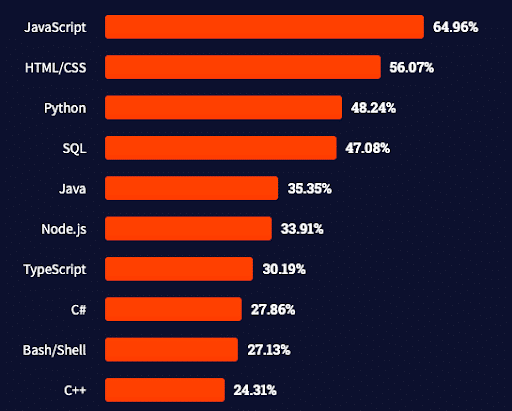
  1. Frontend: The frontend of an application is what users interact with. It includes technologies like HTML, CSS, and JavaScript along with popular frameworks such as Angular, React, or Vue.js.
  2. Backend: The backend is responsible for handling data processing, business logic, and server-side operations. Common backend technologies include programming languages like Python, Java, Ruby on Rails, or Node.js along with frameworks like Django or Spring.
  3. Database: The database component stores and manages the application’s data. Developers can choose from various types of databases such as relational (e.g., MySQL), NoSQL (e.g., MongoDB), or in-memory databases (e.g., Redis) based on the project requirements.

Additionally, a tech stack may include other elements like version control systems (e.g., Git), cloud services (e.g., AWS or Azure), containerization tools (e.g., Docker), and continuous integration/continuous deployment (CI/CD) pipelines to automate testing and deployment processes.

The choice of a tech stack depends on factors like project complexity, scalability needs, time-to-market requirements, developer expertise, budget constraints, and future growth considerations. It’s crucial for development teams to evaluate these factors carefully before finalizing a tech stack for their projects.

In conclusion, a well-designed tech stack is fundamental to the success of any software development project. By selecting the right combination of technologies and tools tailored to specific project needs, developers can create robust applications that meet user expectations while ensuring efficient development processes and long-term sustainability.


7 Key Advantages of a Well-Defined Tech Stack for Modern Application Development

  1. 1. Enables efficient development by providing a structured framework for building applications.
  2. 2. Facilitates scalability, allowing applications to handle increased user loads and data volumes.
  3. 3. Enhances performance through optimized use of technologies that meet project requirements.
  4. 4. Improves collaboration among team members with a shared understanding of the tech stack components.
  5. 5. Streamlines maintenance and updates by standardizing tools and processes within the development environment.
  6. 6. Boosts innovation by leveraging cutting-edge technologies and frameworks to create advanced solutions.
  7. 7. Supports seamless integration with third-party services and APIs, enhancing functionality and expanding capabilities.


6 Common Drawbacks of Tech Stacks: Navigating Complexity, Compatibility, and More

  1. Complexity
  2. Compatibility Issues
  3. Learning Curve
  4. Maintenance Challenges
  5. Vendor Lock-in
  6. Performance Overhead

1. Enables efficient development by providing a structured framework for building applications.

A significant advantage of utilizing a tech stack is its ability to enable efficient development by offering a structured framework for building applications. By incorporating predefined technologies, programming languages, and tools into a cohesive stack, developers can streamline the development process, reduce redundancy, and focus on implementing core functionalities. This structured approach not only enhances productivity but also promotes consistency across the project, making it easier to maintain and scale the application as needed. Ultimately, a well-defined tech stack serves as a solid foundation that empowers developers to work more efficiently and effectively towards delivering high-quality software solutions.

2. Facilitates scalability, allowing applications to handle increased user loads and data volumes.

Facilitates scalability, allowing applications to handle increased user loads and data volumes. A well-chosen tech stack enables applications to scale seamlessly as user traffic and data volumes grow. By incorporating scalable technologies and architectures, developers can ensure that the application remains responsive and performs optimally even under heavy loads. This pro of a tech stack is crucial for businesses looking to expand their user base or handle growing amounts of data without compromising on performance or user experience.

3. Enhances performance through optimized use of technologies that meet project requirements.

By optimizing the use of technologies that align with project requirements, a well-chosen tech stack enhances performance significantly. By carefully selecting programming languages, frameworks, and tools that are best suited for the project’s needs, developers can ensure efficient code execution, faster response times, and overall improved system performance. This optimization not only boosts the application’s speed and responsiveness but also contributes to better scalability and resource utilization, ultimately leading to a more robust and high-performing software solution.

4. Improves collaboration among team members with a shared understanding of the tech stack components.

Enhancing collaboration among team members is a significant advantage of utilizing a tech stack in software development. By establishing a shared understanding of the tech stack components, team members can effectively communicate, troubleshoot issues, and work together seamlessly. With everyone on the same page regarding the technologies, frameworks, and tools being used, collaboration becomes more efficient and productive. This shared knowledge fosters a cohesive team environment where developers can leverage each other’s expertise and contribute collectively to the success of the project.

5. Streamlines maintenance and updates by standardizing tools and processes within the development environment.

Streamlining maintenance and updates is a significant advantage of utilizing a tech stack in software development. By standardizing tools and processes within the development environment, teams can ensure consistency and efficiency when managing and updating their applications. This approach simplifies the maintenance tasks, as developers are familiar with the standardized tools and procedures, making it easier to troubleshoot issues, implement updates, and ensure the overall stability of the software. Additionally, having a uniform tech stack across projects enables smoother collaboration among team members and facilitates knowledge sharing, ultimately enhancing productivity and reducing the time required for maintenance activities.

6. Boosts innovation by leveraging cutting-edge technologies and frameworks to create advanced solutions.

By leveraging cutting-edge technologies and frameworks within a tech stack, developers can boost innovation and create advanced solutions that push the boundaries of what is possible in the digital landscape. Incorporating the latest tools and techniques allows for the exploration of new ideas, implementation of novel features, and development of groundbreaking applications that meet evolving user demands. This proactive approach to technology adoption not only enhances product offerings but also positions businesses at the forefront of innovation in their respective industries.

7. Supports seamless integration with third-party services and APIs, enhancing functionality and expanding capabilities.

By leveraging a well-structured tech stack, developers can harness the power of seamless integration with third-party services and APIs, thereby enhancing the functionality and expanding the capabilities of their applications. This pro allows for the incorporation of a wide range of external tools and services, enabling developers to tap into additional features and resources without having to reinvent the wheel. By integrating with third-party services and APIs, development teams can boost efficiency, improve user experience, and unlock new possibilities for innovation within their software projects.

Complexity

Managing multiple technologies in a tech stack can indeed introduce a significant challenge in the form of increased complexity. Each technology within the stack may have its own set of requirements, dependencies, and best practices, making it essential for developers to possess specialized skills and expertise in each area. Juggling multiple technologies can lead to compatibility issues, integration challenges, and troubleshooting complexities, ultimately demanding a higher level of coordination and effort to ensure seamless functionality across the entire tech stack. This complexity can also impact project timelines and resource allocation as teams may need to invest additional time and resources in managing and maintaining the diverse components of the tech stack.

Compatibility Issues

Compatibility issues can pose a significant challenge when dealing with a tech stack. Due to the diverse nature of components within a tech stack, such as programming languages, frameworks, and tools, ensuring seamless integration can be complex. Incompatibilities between different components can result in unexpected errors, performance issues, or even system failures. Resolving compatibility issues requires careful testing, troubleshooting, and sometimes reevaluating the choice of technologies to ensure that all parts of the tech stack work harmoniously together. Addressing compatibility challenges effectively is crucial to maintaining the stability and functionality of software applications built on that tech stack.

Learning Curve

Adapting to a new tech stack can present a significant challenge for developers due to the learning curve associated with mastering unfamiliar technologies. This adjustment period may lead to a temporary decrease in productivity as developers invest time and effort in understanding and becoming proficient with the new tools and frameworks. The need for training and skill development can slow down project progress in the short term, impacting deadlines and deliverables. However, once developers overcome the initial learning curve, they can leverage their newfound expertise to enhance efficiency and effectiveness in future project work within the tech stack.

Maintenance Challenges

Maintenance challenges pose a significant con when it comes to tech stacks. Updating or replacing components of a tech stack can be a daunting task, particularly in complex projects. The process can be time-consuming and challenging, requiring careful planning and execution to ensure that the changes do not disrupt the functionality of the system. Additionally, compatibility issues between different components can arise during updates, leading to unexpected errors and downtime. Managing maintenance challenges effectively is crucial to maintaining the stability and performance of a tech stack over time.

Vendor Lock-in

Depending heavily on specific technologies within a tech stack can lead to a significant drawback known as vendor lock-in. This con arises when a development team becomes overly reliant on proprietary tools or platforms provided by a particular vendor. Vendor lock-in can restrict flexibility and hinder the ability to adapt or switch to alternative solutions in the future. It poses a risk of being tied to a single vendor’s ecosystem, potentially limiting innovation and increasing dependency on external providers, which may result in higher costs or compatibility issues down the line. Developers need to carefully consider the implications of vendor lock-in when selecting technologies for their tech stack to ensure long-term adaptability and mitigate risks associated with being locked into a specific vendor’s offerings.

Performance Overhead

Introducing multiple layers of technology in a tech stack can lead to performance overhead, potentially affecting the speed and responsiveness of an application. Each additional layer, whether it be a framework, library, or tool, introduces complexity and may require additional processing resources. This can result in increased latency, slower response times, and overall decreased performance efficiency. Developers need to carefully consider the trade-offs between functionality and performance when selecting components for a tech stack to mitigate the risk of performance overhead impacting the user experience negatively.

software development examples

Exploring Innovative Software Development Examples That Shape Our Digital World

Software Development Examples

Software Development Examples: Innovations That Shape Our World

Software development is the backbone of modern technology, driving innovation and transforming industries. From mobile applications to complex enterprise systems, software developers play a crucial role in shaping our digital landscape. Let’s explore some fascinating software development examples that showcase the power and versatility of this field.

Mobile Apps

Mobile apps have revolutionized how we interact with information and services on the go. Whether it’s social media platforms like Facebook and Instagram, productivity tools like Microsoft Office, or entertainment apps like Netflix, mobile app development continues to push boundaries in user experience and functionality.

Artificial Intelligence (AI)

AI-powered software solutions are transforming various industries, from healthcare to finance. Examples include virtual assistants like Siri and Alexa, predictive analytics tools for business intelligence, and autonomous vehicles that rely on machine learning algorithms to navigate roads safely.

Internet of Things (IoT)

The IoT ecosystem consists of interconnected devices that communicate and share data over the internet. Software developers create applications that enable smart home automation, industrial monitoring systems, wearable health trackers, and more, expanding the possibilities of connected technology.

E-Commerce Platforms

E-commerce platforms like Amazon and Shopify rely on sophisticated software solutions to manage online stores, process transactions securely, analyze customer behavior, and personalize shopping experiences. These platforms demonstrate the scalability and robustness required for successful online businesses.

Blockchain Technology

Blockchain technology powers decentralized digital currencies like Bitcoin and Ethereum while also offering secure data storage solutions for various industries. Smart contracts, digital identities, supply chain tracking – these are just a few examples of how blockchain-based software applications are reshaping traditional processes.

Game Development

The gaming industry pushes technological boundaries with immersive graphics, realistic physics engines, and interactive storytelling experiences. Game developers create entertainment software that engages players across diverse genres such as action-adventure, role-playing games (RPGs), simulation games, and multiplayer online worlds.

In conclusion,

software development examples illustrate the vast potential of this dynamic field to drive innovation across sectors

. Whether it’s enhancing user experiences through mobile apps or revolutionizing industries with AI-driven solutions

, software developers continue to shape our digital future with creativity

, ingenuity

, and technical expertise.


Top 9 Frequently Asked Questions About Software Development: Types, Examples, and Tasks

  1. What is software development example?
  2. What are the types of software development?
  3. What is an example of software development?
  4. What are the 5 examples of software with examples?
  5. What are the 10 types of software development?
  6. What are types of software development?
  7. What are the 5 examples of software?
  8. What are the 10 examples of application software?
  9. What are some examples of software development tasks?

What is software development example?

A software development example refers to a specific instance or case that illustrates the process of creating, designing, deploying, and supporting software applications. These examples can range from the development of mobile apps like WhatsApp, which enables instant messaging and voice calls, to complex enterprise systems such as customer relationship management (CRM) platforms used by businesses to manage interactions with customers. Each example showcases different methodologies, technologies, and tools used in the software development lifecycle. By examining these examples, one can gain insights into how software solutions are crafted to address specific needs or solve particular problems in various industries.

What are the types of software development?

In the realm of software development, there are various types that cater to different needs and objectives. Some common types include web development, which focuses on creating applications accessible through web browsers; mobile app development, which involves designing and building applications for smartphones and tablets; desktop application development for software that runs on traditional computers; and embedded systems development for programming devices like microcontrollers. Additionally, there are specialized areas such as game development, enterprise software development, and system software development that each require unique skill sets and expertise. Each type of software development plays a vital role in shaping our digital world and addressing specific user requirements.

What is an example of software development?

An example of software development is the creation of a mobile application like Instagram. Software developers design, code, and test the app to ensure it functions seamlessly on various devices. They incorporate features such as photo sharing, filters, and social networking capabilities to enhance user experience. Through iterative development cycles, software engineers refine the application based on user feedback and technological advancements. This process showcases how software development transforms ideas into tangible products that serve specific needs in the digital landscape.

What are the 5 examples of software with examples?

When discussing software development examples, it is common to inquire about five specific types of software applications. These examples can include mobile apps like Instagram for social media interaction, AI-powered virtual assistants such as Siri for voice commands, IoT devices like smart home automation systems for interconnected functionalities, e-commerce platforms like Amazon for online shopping experiences, and blockchain technology applications such as cryptocurrency transactions for secure digital exchanges. These diverse software examples showcase the versatility and impact of software development across various industries and user needs.

What are the 10 types of software development?

Software development encompasses a wide range of types, each serving specific purposes and industries. The 10 types of software development commonly seen include web development, mobile app development, desktop application development, game development, enterprise software development, embedded software development, cloud computing development, database management software development, artificial intelligence (AI) software development, and cybersecurity software development. Each type requires specialized skills and expertise to create tailored solutions that meet the unique requirements of the intended application or system. This diversity in software development types highlights the versatility and importance of this field in powering technological advancements across various sectors.

What are types of software development?

Software development encompasses various types that cater to different needs and objectives. Some common types of software development include web development, mobile app development, desktop application development, game development, enterprise software development, and embedded systems development. Each type requires specific skills, tools, and technologies to create tailored solutions for diverse platforms and industries. Whether it’s building interactive websites, designing intuitive mobile apps, or developing complex enterprise systems, the diverse landscape of software development offers a wide range of opportunities for innovation and problem-solving.

What are the 5 examples of software?

When exploring examples of software, it’s important to consider the diverse range of applications that serve various purposes and industries. Five common examples of software include operating systems like Windows or macOS, productivity suites such as Microsoft Office or Google Workspace, graphic design tools like Adobe Photoshop, web browsers such as Google Chrome or Mozilla Firefox, and video editing software like Adobe Premiere Pro. These examples showcase the versatility and impact of software in enhancing productivity, creativity, communication, and entertainment in our digital world.

What are the 10 examples of application software?

When exploring examples of application software in software development, a diverse range of tools and programs come to mind. Some common types include word processors like Microsoft Word, spreadsheet applications such as Microsoft Excel, presentation software like PowerPoint, graphic design tools including Adobe Photoshop, web browsers such as Google Chrome, email clients like Microsoft Outlook, media players such as VLC Media Player, project management software including Trello, video conferencing platforms like Zoom, and antivirus programs such as Norton Antivirus. These 10 examples showcase the versatility and utility of application software in various aspects of our digital lives.

What are some examples of software development tasks?

Software development tasks encompass a wide range of activities that are essential for creating and maintaining software applications. Some common examples of software development tasks include requirements gathering, where developers collaborate with stakeholders to define project objectives and specifications. Designing the architecture and user interface of the software, coding to implement functionality based on the design, testing to ensure the software works as intended, debugging to fix any issues, and deploying the final product are also crucial tasks in the software development process. Additionally, tasks such as documentation, maintenance, and updates play a vital role in ensuring the long-term success of software applications.

Exploring the Latest Trends in Software Development

The World of Software Development

The World of Software Development

Software development is a dynamic and ever-evolving field that plays a crucial role in shaping the digital landscape of today’s world. From mobile apps to complex enterprise systems, software developers are the architects behind the technology that powers our daily lives.

The Process of Software Development

Software development involves a series of steps that begin with understanding the requirements and end with deploying the final product. This process typically includes:

  1. Requirement Analysis: Developers work closely with stakeholders to gather and analyze requirements for the software.
  2. Design: Based on the requirements, developers create a detailed design plan for the software architecture.
  3. Implementation: This is where developers write the actual code that brings the design to life.
  4. Testing: Quality assurance teams test the software to identify and fix any bugs or issues.
  5. Deployment: The final product is deployed to production environments for users to access.
  6. Maintenance: Developers provide ongoing support, updates, and maintenance to ensure the software remains functional and up-to-date.

The Role of Software Developers

Software developers are skilled professionals who use programming languages and tools to create software solutions. They are responsible for writing clean, efficient code, testing their work, and collaborating with other team members throughout the development process. Some common roles in software development include:

  • Front-end Developer: Focuses on creating user interfaces and experiences using technologies like HTML, CSS, and JavaScript.
  • Back-end Developer: Works on server-side logic, databases, and APIs to ensure data is securely stored and accessed by users.
  • Full-stack Developer: Has expertise in both front-end and back-end technologies, enabling them to work on all aspects of a software project.
  • Mobile Developer: Specializes in creating applications for mobile devices using platforms like iOS or Android.

The Future of Software Development

In an era where technology continues to advance at a rapid pace, the future of software development looks promising. Emerging technologies such as artificial intelligence, blockchain, and Internet of Things (IoT) are reshaping how software is created and utilized. As demand for innovative digital solutions grows, so does the need for skilled software developers who can adapt to new challenges and opportunities in this exciting field.


9 Advantages of Software Development: Boosting Efficiency, Collaboration, and Innovation

  1. 1. Enables automation of repetitive tasks, increasing efficiency.
  2. 2. Facilitates collaboration among team members working on a project.
  3. 3. Provides opportunities for creativity and innovation in problem-solving.
  4. 4. Allows for scalability, making it easier to expand or modify software as needed.
  5. 5. Enhances user experience through intuitive interfaces and seamless functionality.
  6. 6. Supports data-driven decision-making by providing valuable insights through analytics.
  7. 7. Promotes continuous learning and skill development due to the ever-evolving nature of technology.
  8. 8. Increases competitiveness by enabling businesses to offer cutting-edge digital solutions.
  9. 9. Contributes to economic growth by driving technological advancements and job creation.


Understanding the Challenges of Software Development: Complexity, Time, Cost, Maintenance, Compatibility, and Security Risks

  1. 1. Complexity
  2. 2. Time-consuming
  3. 3. Costly
  4. 4. Maintenance challenges
  5. 5. Compatibility issues
  6. 6. Security risks

1. Enables automation of repetitive tasks, increasing efficiency.

Software development enables the automation of repetitive tasks, significantly boosting efficiency within various industries. By creating custom software solutions tailored to specific business needs, organizations can streamline processes, reduce manual errors, and save valuable time and resources. Automation not only increases productivity but also allows employees to focus on more strategic and creative tasks, ultimately driving innovation and growth within the organization.

2. Facilitates collaboration among team members working on a project.

Software development facilitates collaboration among team members working on a project by providing a centralized platform where individuals can share code, communicate effectively, and coordinate their efforts seamlessly. Through version control systems like Git and collaboration tools such as project management software, team members can work together in real-time, track changes, resolve conflicts, and ensure that everyone is aligned towards the project goals. This collaborative environment promotes transparency, efficiency, and teamwork, ultimately leading to the successful delivery of high-quality software solutions.

3. Provides opportunities for creativity and innovation in problem-solving.

Software development provides ample opportunities for creativity and innovation in problem-solving. Developers are constantly challenged to think outside the box and come up with unique solutions to complex problems. Whether it’s designing a user-friendly interface, optimizing code for efficiency, or implementing cutting-edge technologies, software developers have the freedom to explore creative solutions that push the boundaries of what is possible. This aspect of software development not only keeps the field exciting and engaging but also fosters a culture of continuous learning and growth among professionals in the industry.

4. Allows for scalability, making it easier to expand or modify software as needed.

Software development offers the significant advantage of scalability, allowing for seamless expansion or modification of software as required. This flexibility enables businesses to adapt to changing needs, accommodate growth, and enhance functionality without starting from scratch. By designing software with scalability in mind, developers can efficiently adjust the system to meet evolving requirements, ensuring that it remains robust and adaptable in the face of dynamic business environments.

5. Enhances user experience through intuitive interfaces and seamless functionality.

Software development excels in enhancing user experience through intuitive interfaces and seamless functionality. By prioritizing user-centric design and smooth functionality, software developers create applications and systems that are not only visually appealing but also easy to navigate and use. Intuitive interfaces ensure that users can interact with the software effortlessly, leading to a more satisfying and efficient experience. This focus on enhancing user experience ultimately results in increased user satisfaction, improved productivity, and higher engagement with the software product.

6. Supports data-driven decision-making by providing valuable insights through analytics.

Software development supports data-driven decision-making by providing valuable insights through analytics. By leveraging data analytics tools and techniques, software applications can process and analyze large volumes of data to extract meaningful patterns and trends. This enables businesses to make informed decisions based on real-time information, leading to improved efficiency, productivity, and strategic planning. Data-driven decision-making empowers organizations to stay competitive in today’s fast-paced digital landscape by harnessing the power of data to drive innovation and growth.

7. Promotes continuous learning and skill development due to the ever-evolving nature of technology.

Software development promotes continuous learning and skill development due to the ever-evolving nature of technology. In this dynamic field, developers are constantly exposed to new tools, languages, and frameworks, requiring them to stay updated with the latest trends and advancements. This culture of continuous learning not only keeps developers engaged and motivated but also ensures that they are equipped to tackle new challenges and innovate effectively. By embracing lifelong learning, software developers can enhance their expertise and adaptability, ultimately driving progress and innovation in the tech industry.

8. Increases competitiveness by enabling businesses to offer cutting-edge digital solutions.

Software development increases competitiveness by enabling businesses to offer cutting-edge digital solutions that cater to the evolving needs of customers in today’s fast-paced market. By leveraging innovative software technologies, businesses can differentiate themselves from competitors, enhance customer experiences, and stay ahead of industry trends. This proactive approach not only attracts new customers but also fosters loyalty among existing ones, positioning the business as a leader in its field. Ultimately, embracing software development as a strategic asset empowers businesses to adapt, grow, and thrive in a highly competitive business environment.

9. Contributes to economic growth by driving technological advancements and job creation.

Software development plays a vital role in contributing to economic growth by driving technological advancements and job creation. As software solutions become more integral to various industries, the demand for skilled developers continues to rise, leading to job opportunities and career growth. Additionally, the innovative technologies developed through software development not only improve efficiency and productivity but also open up new markets and drive overall economic progress. By fostering a culture of innovation and entrepreneurship, software development fuels economic growth by creating new opportunities for businesses and individuals alike.

1. Complexity

Software development poses a significant challenge in terms of complexity, often demanding intricate coding and advanced problem-solving skills. Developers must navigate through intricate algorithms, data structures, and design patterns to create robust and efficient software solutions. The complexity of software development can lead to time-consuming debugging processes and the need for continuous learning to keep up with evolving technologies. This con highlights the demanding nature of the field, requiring developers to constantly refine their skills and strategies to overcome complex challenges in the development process.

2. Time-consuming

One significant drawback of software development is its time-consuming nature. The process of designing, implementing, testing, and deploying software can be a lengthy and intricate endeavor. Developers need to carefully plan and execute each stage of the development lifecycle, which requires time and effort to ensure that the final product meets quality standards and fulfills the requirements of stakeholders. Delays in any phase of the development process can impact project timelines and potentially result in extended delivery schedules, making time management a critical challenge in software development projects.

3. Costly

Developing custom software solutions can be a costly endeavor, primarily because of the requirement for highly skilled developers and substantial resources. The expenses associated with hiring experienced professionals, investing in advanced technologies, and ensuring quality assurance throughout the development process can significantly impact the overall budget of a software project. As a result, organizations need to carefully weigh the benefits against the costs when opting for custom software development to ensure that they are making a sound investment in meeting their specific business needs.

4. Maintenance challenges

One significant con of software development is the maintenance challenges it presents. Software, once developed and deployed, demands ongoing updates and maintenance to uphold its functionality and security. This continuous need for monitoring, bug fixes, and enhancements can be time-consuming and resource-intensive for development teams. Failure to address maintenance issues promptly can lead to vulnerabilities, system failures, and potential security breaches, highlighting the critical importance of dedicating resources to the upkeep of software systems.

5. Compatibility issues

Compatibility issues pose a significant con in software development as ensuring that software functions seamlessly across various platforms and devices can be a daunting task. Different operating systems, hardware configurations, and screen sizes introduce complexities that developers must address to deliver a consistent user experience. Resolving compatibility issues requires thorough testing, optimization, and sometimes compromises in functionality to accommodate the diverse ecosystem of technology devices and environments. Failure to address compatibility concerns can lead to user frustration, decreased usability, and ultimately hinder the success of the software product.

6. Security risks

Security risks are a significant con of software development. Developing secure software is crucial as vulnerabilities can expose sensitive data to cyber threats. Inadequate security measures can lead to data breaches, unauthorized access, and other malicious activities that can have serious consequences for individuals and organizations. It is essential for software developers to prioritize security throughout the development process to protect users’ information and maintain trust in the software they create.