
cfchris.com

Loading

java full stack development

Mastering Java Full Stack Development: A Comprehensive Guide

Article: Java Full Stack Development

The World of Java Full Stack Development

Java Full Stack Development is a popular and in-demand skill set in the tech industry. Full stack developers are proficient in both front-end and back-end technologies, allowing them to work on all aspects of web development.

What is Java Full Stack Development?

Java Full Stack Development refers to the ability to work with Java programming language for both front-end and back-end development. A Java full stack developer is capable of handling tasks ranging from creating user interfaces to managing databases and server-side logic.

Skills Required for Java Full Stack Development

To excel in Java Full Stack Development, one needs a solid understanding of:

  • Java programming language
  • Front-end technologies like HTML, CSS, JavaScript
  • Back-end frameworks such as Spring or Hibernate
  • Database management with SQL or NoSQL databases
  • Version control systems like Git
  • Knowledge of web servers and deployment processes

Career Opportunities in Java Full Stack Development

Professionals with expertise in Java Full Stack Development are highly sought after by companies looking to build robust web applications. They can pursue roles such as:

  • Full Stack Developer
  • Web Application Developer
  • Software Engineer
  • System Architect

The Future of Java Full Stack Development

In a rapidly evolving tech landscape, Java Full Stack Development continues to be a valuable skill set. As businesses increasingly rely on web applications for their operations, the demand for skilled full stack developers is expected to grow.


7 Essential Tips for Excelling in Java Full Stack Development

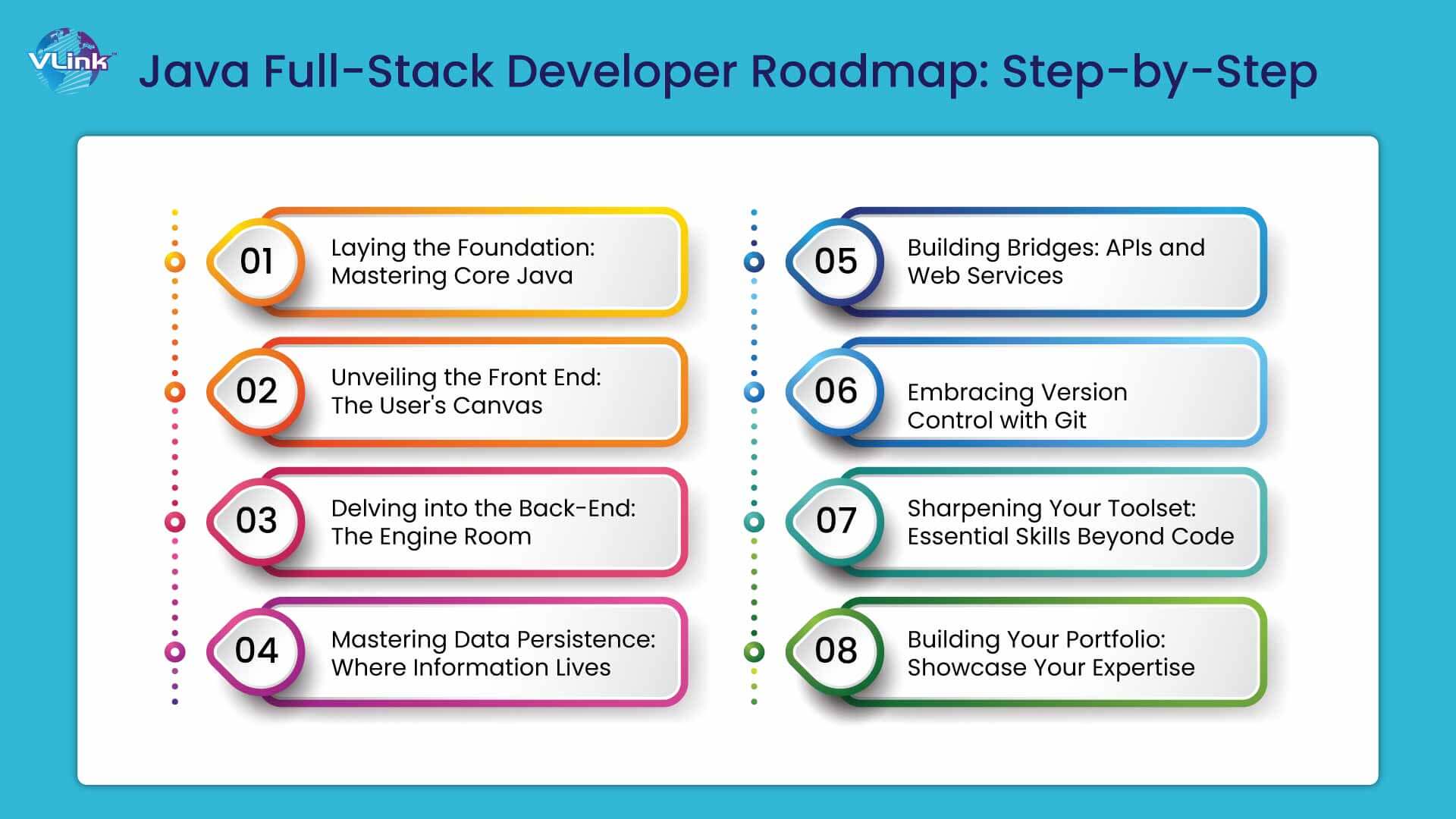
  1. 1. Master the core Java programming language.
  2. 2. Learn popular front-end technologies like HTML, CSS, and JavaScript.
  3. 3. Get familiar with back-end frameworks such as Spring or Hibernate.
  4. 4. Practice building full-stack applications to integrate front-end and back-end components.
  5. 5. Understand databases and how to work with them using tools like SQL or NoSQL.
  6. 6. Stay updated with the latest trends and technologies in Java full stack development.
  7. 7. Collaborate with other developers through online communities or by contributing to open-source projects.

1. Master the core Java programming language.

To excel in Java Full Stack Development, it is crucial to master the core Java programming language. Understanding the fundamentals of Java, such as syntax, data types, control structures, and object-oriented programming principles, forms the foundation for building robust web applications. Proficiency in core Java allows developers to efficiently work on both front-end and back-end components, enabling them to create scalable and efficient solutions for various projects. By mastering the core Java programming language, developers can unleash their full potential in the dynamic field of Full Stack Development.

To excel in Java Full Stack Development, it is essential to prioritize learning popular front-end technologies such as HTML, CSS, and JavaScript. These foundational languages are crucial for creating dynamic and interactive user interfaces on the web. Proficiency in HTML for structuring content, CSS for styling elements, and JavaScript for adding functionality and interactivity will not only enhance your skills as a full stack developer but also enable you to build engaging and user-friendly web applications.

3. Get familiar with back-end frameworks such as Spring or Hibernate.

To excel in Java Full Stack Development, it is crucial to get familiar with back-end frameworks like Spring or Hibernate. These frameworks provide essential tools and features that streamline back-end development tasks, such as database management, transaction handling, and application configuration. By mastering these frameworks, developers can efficiently build robust and scalable web applications that meet industry standards and best practices in back-end development.

4. Practice building full-stack applications to integrate front-end and back-end components.

To enhance your skills in Java Full Stack Development, it is crucial to practice building full-stack applications that seamlessly integrate front-end and back-end components. By working on projects that involve both aspects of web development, you gain valuable experience in connecting user interfaces with server-side logic. This hands-on approach not only solidifies your understanding of how different components interact but also prepares you for real-world scenarios where comprehensive knowledge of both front-end and back-end technologies is essential for creating functional and efficient web applications.

5. Understand databases and how to work with them using tools like SQL or NoSQL.

To excel in Java Full Stack Development, it is crucial to understand databases and how to effectively work with them using tools like SQL or NoSQL. Proficiency in database management allows developers to store, retrieve, and manipulate data efficiently, ensuring that web applications function seamlessly. By mastering these essential skills, Java full stack developers can design robust and scalable systems that meet the demands of modern web development projects.

To excel in Java full stack development, it is crucial to stay updated with the latest trends and technologies in the field. Continuous learning and keeping abreast of new advancements ensure that developers remain competitive and can leverage cutting-edge tools to enhance their projects. By staying informed about emerging practices and technologies, Java full stack developers can adapt quickly to industry changes and deliver innovative solutions that meet the evolving needs of clients and users.

7. Collaborate with other developers through online communities or by contributing to open-source projects.

To enhance your skills in Java Full Stack Development, consider collaborating with other developers through online communities or contributing to open-source projects. Engaging with like-minded professionals in online forums, discussion groups, or by actively participating in open-source initiatives not only expands your knowledge but also provides valuable real-world experience. By working collaboratively, you can learn new techniques, receive feedback on your code, and contribute to the broader tech community while sharpening your Java Full Stack Development skills.

java backend developer

Mastering the Art of Java Backend Development: A Guide for Aspiring Developers

Article: Java Backend Developer

The Role of a Java Backend Developer

Java backend developers play a crucial role in the development of web applications and software systems. They are responsible for creating the server-side logic that powers the functionality of an application, ensuring seamless communication between the front-end and the database.

Skills Required

To excel as a Java backend developer, one must have a strong understanding of Java programming language along with proficiency in frameworks such as Spring, Hibernate, or Apache Struts. Knowledge of database management systems like MySQL or Oracle is also essential.

Responsibilities

A Java backend developer is tasked with:

  • Designing and developing scalable backend systems
  • Creating APIs for seamless integration with front-end applications
  • Optimizing application performance and troubleshooting issues
  • Collaborating with front-end developers, designers, and project managers
  • Maintaining code quality through testing and code reviews

Career Outlook

The demand for skilled Java backend developers continues to grow as more businesses rely on web-based applications to streamline their operations. With opportunities in various industries ranging from finance to e-commerce, a career as a Java backend developer offers stability and room for growth.

Conclusion

In conclusion, Java backend developers are instrumental in building robust and efficient web applications. Their expertise in server-side programming and database management ensures that applications run smoothly and securely. As technology advances, the role of Java backend developers remains pivotal in shaping the digital landscape.


Top 7 FAQs About Becoming a Java Backend Developer

  1. What is Java backend developer do?
  2. What a Java backend developer should know?
  3. Is learning Java backend worth it?
  4. What is a Java backend developer?
  5. What is the salary of a Java backend developer?
  6. How much do Java backend developers make?
  7. What do I need to learn to become a Java backend developer?

What is Java backend developer do?

A Java backend developer is responsible for creating and maintaining the server-side logic of web applications and software systems. They design and develop scalable backend systems, create APIs for seamless communication between the front-end and database, optimize application performance, and collaborate with other team members to ensure the smooth functioning of the entire application. Java backend developers play a crucial role in ensuring that applications run efficiently, securely, and meet the requirements of users and businesses.

What a Java backend developer should know?

A Java backend developer should possess a strong command of the Java programming language and be proficient in popular frameworks like Spring, Hibernate, or Apache Struts. In addition, they should have a solid understanding of database management systems such as MySQL or Oracle to effectively interact with databases. Knowledge of creating and optimizing APIs for seamless communication between front-end and back-end systems is essential. Furthermore, Java backend developers should be skilled in troubleshooting and debugging to ensure the smooth functioning of applications. Continuous learning and staying updated on industry trends are also crucial for a Java backend developer to excel in their role.

Is learning Java backend worth it?

Many aspiring developers often wonder, “Is learning Java backend worth it?” The answer is a resounding yes. Java is a versatile and widely-used programming language in the backend development realm, known for its scalability, reliability, and security features. By mastering Java backend development, individuals open doors to a plethora of career opportunities in various industries. With the continuous demand for skilled Java backend developers in the job market, investing time and effort in learning Java can lead to a rewarding and fulfilling career path with ample room for growth and advancement.

What is a Java backend developer?

A Java backend developer is a professional with expertise in utilizing the Java programming language to create and maintain the server-side components of web applications and software systems. They are responsible for designing and implementing the logic that powers the functionality of an application, handling data processing, communication with databases, and ensuring seamless integration between the front-end interface and the backend infrastructure. Java backend developers play a crucial role in building scalable, efficient, and secure applications by leveraging their knowledge of Java frameworks, database management systems, and best practices in backend development.

What is the salary of a Java backend developer?

The salary of a Java backend developer can vary depending on factors such as experience, location, company size, and specific job responsibilities. On average, a Java backend developer in the United States can expect to earn a competitive salary ranging from $80,000 to $120,000 per year. However, highly skilled professionals with significant experience and expertise in specialized areas of backend development may command higher salaries, especially in tech hubs like Silicon Valley or New York City. It is important to note that salary ranges can fluctuate based on market demand and industry trends.

How much do Java backend developers make?

The salary range for Java backend developers can vary based on factors such as experience, location, and the specific industry they work in. On average, Java backend developers in the United States earn a competitive salary, with entry-level positions starting around $60,000 to $80,000 per year. As developers gain more experience and expertise in areas like system architecture and database management, their earning potential can increase significantly, with senior-level professionals often making upwards of $120,000 to $150,000 annually. Additionally, certifications and specialized skills in frameworks like Spring or Hibernate can also impact salary levels for Java backend developers.

What do I need to learn to become a Java backend developer?

To become a Java backend developer, aspiring individuals need to focus on mastering the Java programming language and its related frameworks such as Spring, Hibernate, or Apache Struts. Additionally, gaining proficiency in database management systems like MySQL or Oracle is crucial for handling data storage and retrieval efficiently. Understanding concepts like server-side logic, RESTful APIs, and object-oriented programming principles is essential for developing scalable backend systems. Continuous learning and practice in these areas will help individuals build a strong foundation to excel in the role of a Java backend developer.

Mastering Web App Programming: Building Dynamic and Responsive Applications

The World of Web App Programming

The World of Web App Programming

Web application programming is a dynamic and exciting field that continues to evolve rapidly in today’s digital age. Web applications are software programs that run on web servers and are accessed through web browsers, making them accessible across different devices and platforms.

Developing web applications requires a combination of programming languages, frameworks, and tools to create interactive and engaging user experiences. Some popular programming languages used in web app development include HTML, CSS, JavaScript, Python, Ruby, PHP, and more.

The Role of Frontend Development

Frontend development focuses on creating the user interface and user experience of a web application. It involves using HTML for content structure, CSS for styling elements, and JavaScript for interactivity. Frontend developers work closely with designers to bring the visual aspects of a web app to life.

The Importance of Backend Development

Backend development involves building the server-side logic that powers the functionality of a web application. This includes handling data storage, user authentication, server communication, and more. Popular backend technologies include Node.js, Ruby on Rails, Django, and Laravel.

Frameworks and Libraries

Frameworks and libraries play a crucial role in simplifying web app development by providing pre-written code snippets and tools for developers to use. Popular frontend frameworks like React.js, AngularJS, and Vue.js help streamline frontend development tasks.

Responsive Design

In today’s mobile-first world, responsive design is essential for ensuring that web applications look great and function smoothly on various devices such as smartphones, tablets, and desktops. CSS frameworks like Bootstrap make it easier to create responsive layouts.

Continuous Learning

Web app programming is a constantly evolving field with new technologies emerging regularly. Developers need to stay updated with the latest trends, tools, and best practices to build modern and efficient web applications that meet user expectations.

Overall, web app programming offers endless possibilities for creating innovative solutions that cater to diverse user needs. Whether you’re a frontend developer focusing on user interfaces or a backend developer handling server-side logic, mastering web application programming opens up exciting opportunities in the digital realm.


9 Advantages of Web App Programming: From Accessibility to Community Support

  1. 1. Accessibility
  2. 2. Cross-Platform Compatibility
  3. 3. Easy Updates
  4. 4. Cost-Effective Development
  5. 5. Scalability
  6. 6. Search Engine Optimization (SEO)
  7. 7. Integration Capabilities
  8. 8. Real-Time Updates
  9. 9. Community Support


Top 5 Challenges in Web App Development: Navigating Complexity, Compatibility, and More

  1. Complexity
  2. Browser Compatibility
  3. Security Vulnerabilities
  4. Performance Issues
  5. Maintenance Overhead

1. Accessibility

One significant advantage of web app programming is its accessibility. Web applications can be accessed from anywhere as long as there is an internet connection available, providing users with unparalleled convenience and flexibility. This means that users can interact with web apps on various devices, such as smartphones, tablets, and computers, without being limited by location or operating system. The ability to access web apps seamlessly from different environments enhances user experience and ensures that information and services are readily available whenever needed.

2. Cross-Platform Compatibility

One significant advantage of web app programming is its cross-platform compatibility. By running on web browsers, web applications can seamlessly operate on a wide range of devices and operating systems. This versatility eliminates the need for separate versions tailored to specific platforms, making it easier for users to access and use the app regardless of the device they are using. This flexibility not only enhances user experience but also simplifies maintenance and updates for developers, ultimately resulting in a more efficient and accessible solution for all users.

3. Easy Updates

One significant advantage of web app programming is the ease of updates. With updates deployed centrally on the server, all users can access the latest version instantly. This streamlined process ensures that users always have access to the most up-to-date features and improvements without the need for manual installations or individual updates on each device.

4. Cost-Effective Development

One significant advantage of web app programming is its cost-effective development process. Creating web applications typically involves lower investment costs in comparison to developing native mobile apps or desktop applications. This cost efficiency makes web app development an attractive option for businesses looking to establish a strong online presence without breaking the bank. By leveraging web technologies, companies can reach a broader audience while keeping development expenses in check, making it a smart choice for budget-conscious projects.

5. Scalability

One significant advantage of web app programming is scalability. Web applications have the flexibility to expand and adapt to a growing user base without the need for major infrastructure modifications. This means that as the demand for the application increases, developers can easily scale up the resources to ensure optimal performance and user experience without disrupting the existing functionality. This scalability feature allows web apps to handle increased traffic efficiently, making them a practical choice for businesses and organizations looking to grow their online presence seamlessly.

6. Search Engine Optimization (SEO)

One significant advantage of web app programming is the ability to enhance Search Engine Optimization (SEO) capabilities. By optimizing web applications for search engines, businesses can improve their online visibility and attract a higher volume of organic traffic. This proactive approach to SEO not only helps in reaching a broader audience but also contributes to better search engine rankings, ultimately leading to increased brand exposure and potential customer engagement.

7. Integration Capabilities

Integration capabilities are a significant advantage of web app programming. Web applications have the ability to seamlessly integrate with various services and APIs, allowing for enhanced functionality and a more cohesive user experience. By leveraging integration capabilities, web apps can tap into external resources, share data across platforms, and offer users a more comprehensive and interconnected experience. This flexibility in integration empowers developers to create versatile and feature-rich web applications that meet the evolving needs of users in today’s interconnected digital landscape.

8. Real-Time Updates

One significant advantage of web app programming is the ability to provide real-time updates to users effortlessly. Web applications can push notifications and updates instantly to users without the need for manual refreshes, enhancing user engagement and keeping them informed with the latest information in a dynamic and interactive manner. This feature not only improves user experience but also ensures that users stay up-to-date with relevant content or changes without any delay.

9. Community Support

The pro of web app programming lies in the extensive community support available to developers. The web development community is vast and active, providing a wealth of resources, tutorials, and support for individuals working on web applications. This collaborative environment allows developers to learn from each other, share knowledge, and troubleshoot challenges effectively, fostering continuous growth and innovation in the field of web app development.

Complexity

The complexity of web app programming poses a significant challenge for developers, as it demands a deep understanding of various programming languages, frameworks, and tools. Juggling multiple technologies can lead to intricacies in code implementation, debugging, and maintenance. This complexity can also result in longer development times and increased likelihood of errors if not managed effectively. As a result, developers need to invest time and effort in continuous learning to stay abreast of the ever-evolving web development landscape and ensure the successful execution of web applications.

Browser Compatibility

Browser compatibility is a significant challenge in web app programming, as ensuring that web applications work seamlessly across various browsers can be both challenging and time-consuming. Different browsers interpret code differently, leading to inconsistencies in how a web app functions or appears. Developers must thoroughly test their web apps on multiple browsers and versions to identify and address compatibility issues, adding complexity to the development process and potentially delaying project timelines. Failure to prioritize browser compatibility can result in a poor user experience and hinder the overall success of the web application.

Security Vulnerabilities

One significant drawback of web app programming is the prevalence of security vulnerabilities. Web applications are often targeted by malicious actors, leading to potential risks such as data breaches, cross-site scripting (XSS) attacks, and SQL injection vulnerabilities. These security threats can compromise sensitive user information, undermine the integrity of the application, and pose a significant risk to both users and the organization hosting the web app. Mitigating these security vulnerabilities requires diligent coding practices, regular security audits, and staying informed about the latest cybersecurity trends to protect against potential exploits.

Performance Issues

Performance issues are a significant drawback of web app programming, as optimizing web app performance for speed and responsiveness on various devices can be a constant struggle. Ensuring that a web application loads quickly and functions smoothly across different platforms and network conditions requires careful attention to detail and continuous monitoring. Performance tuning, minimizing resource-intensive processes, and optimizing code are essential steps to address these challenges and provide users with a seamless experience. Failure to prioritize performance optimization can lead to frustrated users, high bounce rates, and ultimately impact the success of the web application.

Maintenance Overhead

One significant con of web app programming is the maintenance overhead involved in keeping web applications up-to-date with evolving technologies and addressing bugs. This process can be time-consuming and demanding, requiring continuous effort to ensure that the web app remains functional and secure. Developers need to stay vigilant in monitoring for updates, implementing necessary changes, and troubleshooting issues to maintain the overall performance and user experience of the web application.