cfchris.com

Loading

java full stack development

Mastering Java Full Stack Development: A Comprehensive Guide

Article: Java Full Stack Development

The World of Java Full Stack Development

Java Full Stack Development is a popular and in-demand skill set in the tech industry. Full stack developers are proficient in both front-end and back-end technologies, allowing them to work on all aspects of web development.

What is Java Full Stack Development?

Java Full Stack Development refers to the ability to work with Java programming language for both front-end and back-end development. A Java full stack developer is capable of handling tasks ranging from creating user interfaces to managing databases and server-side logic.

Skills Required for Java Full Stack Development

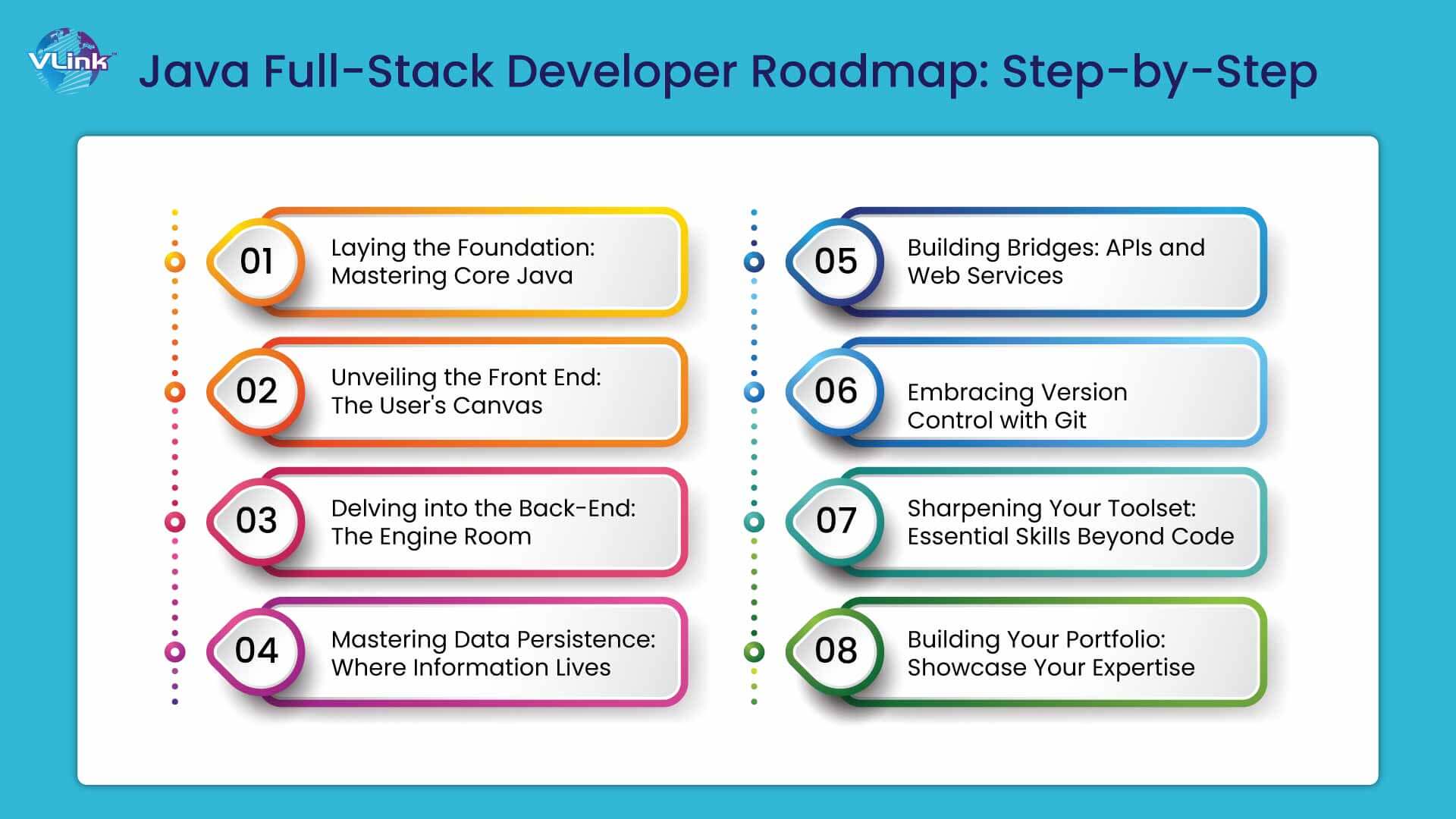
To excel in Java Full Stack Development, one needs a solid understanding of:

  • Java programming language
  • Front-end technologies like HTML, CSS, JavaScript
  • Back-end frameworks such as Spring or Hibernate
  • Database management with SQL or NoSQL databases
  • Version control systems like Git
  • Knowledge of web servers and deployment processes

Career Opportunities in Java Full Stack Development

Professionals with expertise in Java Full Stack Development are highly sought after by companies looking to build robust web applications. They can pursue roles such as:

  • Full Stack Developer
  • Web Application Developer
  • Software Engineer
  • System Architect

The Future of Java Full Stack Development

In a rapidly evolving tech landscape, Java Full Stack Development continues to be a valuable skill set. As businesses increasingly rely on web applications for their operations, the demand for skilled full stack developers is expected to grow.


7 Essential Tips for Excelling in Java Full Stack Development

  1. 1. Master the core Java programming language.
  2. 2. Learn popular front-end technologies like HTML, CSS, and JavaScript.
  3. 3. Get familiar with back-end frameworks such as Spring or Hibernate.
  4. 4. Practice building full-stack applications to integrate front-end and back-end components.
  5. 5. Understand databases and how to work with them using tools like SQL or NoSQL.
  6. 6. Stay updated with the latest trends and technologies in Java full stack development.
  7. 7. Collaborate with other developers through online communities or by contributing to open-source projects.

1. Master the core Java programming language.

To excel in Java Full Stack Development, it is crucial to master the core Java programming language. Understanding the fundamentals of Java, such as syntax, data types, control structures, and object-oriented programming principles, forms the foundation for building robust web applications. Proficiency in core Java allows developers to efficiently work on both front-end and back-end components, enabling them to create scalable and efficient solutions for various projects. By mastering the core Java programming language, developers can unleash their full potential in the dynamic field of Full Stack Development.

To excel in Java Full Stack Development, it is essential to prioritize learning popular front-end technologies such as HTML, CSS, and JavaScript. These foundational languages are crucial for creating dynamic and interactive user interfaces on the web. Proficiency in HTML for structuring content, CSS for styling elements, and JavaScript for adding functionality and interactivity will not only enhance your skills as a full stack developer but also enable you to build engaging and user-friendly web applications.

3. Get familiar with back-end frameworks such as Spring or Hibernate.

To excel in Java Full Stack Development, it is crucial to get familiar with back-end frameworks like Spring or Hibernate. These frameworks provide essential tools and features that streamline back-end development tasks, such as database management, transaction handling, and application configuration. By mastering these frameworks, developers can efficiently build robust and scalable web applications that meet industry standards and best practices in back-end development.

4. Practice building full-stack applications to integrate front-end and back-end components.

To enhance your skills in Java Full Stack Development, it is crucial to practice building full-stack applications that seamlessly integrate front-end and back-end components. By working on projects that involve both aspects of web development, you gain valuable experience in connecting user interfaces with server-side logic. This hands-on approach not only solidifies your understanding of how different components interact but also prepares you for real-world scenarios where comprehensive knowledge of both front-end and back-end technologies is essential for creating functional and efficient web applications.

5. Understand databases and how to work with them using tools like SQL or NoSQL.

To excel in Java Full Stack Development, it is crucial to understand databases and how to effectively work with them using tools like SQL or NoSQL. Proficiency in database management allows developers to store, retrieve, and manipulate data efficiently, ensuring that web applications function seamlessly. By mastering these essential skills, Java full stack developers can design robust and scalable systems that meet the demands of modern web development projects.

To excel in Java full stack development, it is crucial to stay updated with the latest trends and technologies in the field. Continuous learning and keeping abreast of new advancements ensure that developers remain competitive and can leverage cutting-edge tools to enhance their projects. By staying informed about emerging practices and technologies, Java full stack developers can adapt quickly to industry changes and deliver innovative solutions that meet the evolving needs of clients and users.

7. Collaborate with other developers through online communities or by contributing to open-source projects.

To enhance your skills in Java Full Stack Development, consider collaborating with other developers through online communities or contributing to open-source projects. Engaging with like-minded professionals in online forums, discussion groups, or by actively participating in open-source initiatives not only expands your knowledge but also provides valuable real-world experience. By working collaboratively, you can learn new techniques, receive feedback on your code, and contribute to the broader tech community while sharpening your Java Full Stack Development skills.

coding

Mastering the Art of Coding: A Path to Digital Excellence

The World of Coding

The World of Coding

Coding, also known as programming, is the art of giving instructions to a computer to perform specific tasks. It is a fundamental skill in today’s digital age and plays a crucial role in shaping our technological landscape.

Through coding, developers create software, websites, mobile apps, and much more. It involves using programming languages such as HTML, CSS, JavaScript, Python, Java, and many others to communicate with computers and solve real-world problems.

Coding requires logical thinking, problem-solving skills, and attention to detail. It empowers individuals to create innovative solutions and bring their ideas to life in the digital realm.

The Importance of Learning to Code

Learning to code opens up a world of opportunities. It not only enhances your problem-solving abilities but also improves your creativity and critical thinking skills. In today’s job market, coding skills are highly sought after across various industries.

Moreover, coding allows you to automate repetitive tasks, analyze data efficiently, and build tools that can make a positive impact on society. Whether you aspire to become a software engineer, web developer, data scientist, or entrepreneur, coding is a valuable skill that can help you achieve your goals.

The Future of Coding

As technology continues to advance rapidly, the demand for skilled coders will only increase. With emerging fields such as artificial intelligence, machine learning, and blockchain gaining prominence, coding will play an even more significant role in shaping the future.

By staying curious and continuously learning new languages and frameworks, coders can stay ahead of the curve and adapt to ever-evolving technologies. The possibilities in the world of coding are endless – from creating virtual reality experiences to building smart devices that improve our daily lives.

Conclusion

Coding is not just about writing lines of code; it is about unlocking creativity and solving complex problems with technology. Whether you are a beginner or an experienced coder, embracing the world of coding opens up endless opportunities for growth and innovation.


Top 6 Frequently Asked Questions About Coding

  1. What is coding?
  2. Why is coding important?
  3. How do I start learning to code?
  4. Which programming language should I learn first?
  5. What are the common challenges faced by beginner coders?
  6. How can coding skills benefit my career?

What is coding?

Coding, also known as programming, is the process of creating sets of instructions that computers can understand and execute. It involves using specific programming languages to develop software, websites, applications, and more. Coding is essential in modern technology as it enables developers to solve problems, automate tasks, and bring innovative ideas to life in the digital world. By learning how to code, individuals gain the ability to communicate with machines effectively and create solutions that can have a significant impact on various industries and aspects of daily life.

Why is coding important?

Understanding why coding is important is crucial in today’s digital age. Coding serves as the backbone of technology, enabling us to create software, websites, apps, and more. It empowers individuals to solve complex problems, automate tasks, and innovate in various fields. With coding skills, individuals can pursue rewarding careers in tech-related industries and contribute to technological advancements that shape our world. In essence, coding is essential for driving innovation, fostering creativity, and building a future where technology plays a central role in our daily lives.

How do I start learning to code?

Embarking on the journey to learn coding can be both exciting and daunting for beginners. To start learning to code, it is essential to first identify your goals and interests within the vast field of programming. Begin by selecting a programming language that aligns with your objectives, such as Python for versatility or JavaScript for web development. Utilize online resources like coding tutorials, interactive platforms, and online courses to grasp the basics and build a solid foundation. Practice regularly, work on small projects, seek guidance from coding communities, and don’t be afraid to make mistakes – as they are crucial for learning and growth in the world of coding. Remember, persistence and dedication are key when embarking on your coding journey.

Which programming language should I learn first?

When it comes to the frequently asked question of which programming language to learn first, the answer often depends on your goals and interests. Beginners are commonly advised to start with languages like Python or JavaScript due to their readability and versatility. Python is known for its simplicity and is widely used in various fields such as web development, data analysis, and artificial intelligence. On the other hand, JavaScript is essential for front-end web development and allows you to create interactive websites. Ultimately, the best programming language to learn first is one that aligns with your objectives and motivates you to explore the vast world of coding.

What are the common challenges faced by beginner coders?

Beginner coders often encounter common challenges as they embark on their coding journey. One of the main hurdles is grasping the fundamental concepts of programming, such as syntax and logic, which can be overwhelming at first. Additionally, debugging errors and troubleshooting code can be frustrating for beginners who are still learning how to identify and fix issues in their programs. Another challenge is staying motivated and persistent when faced with complex problems or projects that may seem daunting. However, with patience, practice, and a willingness to learn from mistakes, beginner coders can overcome these challenges and gradually build their coding skills and confidence.

How can coding skills benefit my career?

Having coding skills can significantly benefit your career in various ways. Firstly, coding skills are highly sought after in today’s job market across a wide range of industries, from technology to finance to healthcare. By being proficient in coding, you open up opportunities to pursue roles as a software developer, web designer, data analyst, or even a digital marketer. Coding skills also enhance your problem-solving abilities and logical thinking, making you more adaptable and efficient in tackling complex challenges. Additionally, with the increasing emphasis on automation and digital transformation, having coding skills can future-proof your career and make you a valuable asset in any organization looking to innovate and stay competitive in the digital age.

frontend software engineer

Crafting User-Friendly Experiences: The Role of a Frontend Software Engineer

Frontend Software Engineer: Crafting User-Friendly Experiences

Frontend Software Engineer: Crafting User-Friendly Experiences

Frontend software engineers play a crucial role in the development of websites and applications. They are responsible for creating the user interface and ensuring that the end product is not only visually appealing but also functional and user-friendly.

These professionals are skilled in languages such as HTML, CSS, and JavaScript, which are essential for building interactive and responsive web pages. They work closely with designers and backend developers to bring a project to life, translating mockups and wireframes into code that users can interact with.

Frontend software engineers need to have a keen eye for design, as well as a solid understanding of user experience principles. They strive to create interfaces that are intuitive and easy to navigate, enhancing the overall user experience.

Continuous learning is key in this field, as technologies and trends evolve rapidly. Frontend software engineers stay up-to-date with the latest tools and frameworks to ensure they are using the most efficient solutions for their projects.

In addition to technical skills, effective communication is essential for frontend software engineers. They often collaborate with various team members, including designers, project managers, and backend developers, to ensure that the final product meets both technical requirements and user expectations.

Overall, frontend software engineers play a vital role in shaping how users interact with websites and applications. Their expertise in creating engaging and accessible interfaces helps businesses connect with their audience effectively in today’s digital world.


5 Key Advantages of Being a Frontend Software Engineer: Enhancing User Experience and Collaboration

  1. Frontend software engineers create visually appealing user interfaces.
  2. They ensure websites and applications are user-friendly and easy to navigate.
  3. Frontend software engineers collaborate with designers and backend developers to bring projects to life.
  4. Continuous learning is essential in this field, keeping frontend software engineers up-to-date with the latest technologies and trends.
  5. Their expertise in design and user experience principles helps enhance overall user satisfaction.


Challenges of Being a Frontend Software Engineer: Navigating Competition, Constant Learning, and Balancing Design with Functionality

  1. Highly competitive field with a large number of professionals vying for job opportunities.
  2. Continuous need to stay updated with rapidly evolving technologies and frameworks.
  3. May face challenges in balancing design aesthetics with technical functionality requirements.

Frontend software engineers create visually appealing user interfaces.

Frontend software engineers excel in creating visually appealing user interfaces that captivate and engage users. By leveraging their design skills and expertise in languages like HTML, CSS, and JavaScript, they craft interfaces that are not only aesthetically pleasing but also intuitive to navigate. Their keen attention to detail and understanding of user experience principles enable them to create interfaces that leave a lasting impression on users, enhancing the overall usability and enjoyment of websites and applications.

They ensure websites and applications are user-friendly and easy to navigate.

Frontend software engineers excel in ensuring that websites and applications are user-friendly and easy to navigate. By leveraging their expertise in design principles and interactive technologies, they craft interfaces that enhance the overall user experience. Their attention to detail and focus on usability result in intuitive layouts, seamless navigation, and engaging interactions, ultimately making digital platforms more accessible and enjoyable for users.

Frontend software engineers collaborate with designers and backend developers to bring projects to life.

Frontend software engineers play a pivotal role in project development by collaborating closely with designers and backend developers to bring projects to life. By working together, they ensure that the user interface not only meets design specifications but also functions seamlessly with the backend systems. This collaboration results in cohesive and user-friendly applications that deliver a seamless experience for end users.

Continuous learning is a fundamental aspect of being a frontend software engineer, as it ensures that professionals in this field remain current with the ever-evolving landscape of technologies and trends. By staying informed about the latest advancements, frontend software engineers can leverage new tools and frameworks to enhance their skills and deliver cutting-edge solutions to create engaging and user-friendly interfaces for websites and applications. This commitment to ongoing education allows frontend software engineers to adapt to industry changes swiftly and effectively, ultimately contributing to the success of their projects and ensuring they meet the demands of modern digital experiences.

Their expertise in design and user experience principles helps enhance overall user satisfaction.

Frontend software engineers bring a valuable skill set to the table, as their expertise in design and user experience principles plays a significant role in enhancing overall user satisfaction. By creating visually appealing interfaces and ensuring intuitive navigation, frontend software engineers improve the usability of websites and applications, ultimately leading to a more positive user experience. Their attention to detail and focus on user-centric design contribute to increased engagement and customer satisfaction, making them indispensable members of any development team.

Highly competitive field with a large number of professionals vying for job opportunities.

In the realm of frontend software engineering, one significant challenge is the highly competitive nature of the field, where a vast number of professionals compete for job opportunities. With the increasing demand for skilled frontend developers, the job market can be fiercely competitive, making it challenging for individuals to stand out among their peers and secure desired positions. This intense competition underscores the importance of continuous skill development and staying abreast of emerging technologies to remain competitive in this dynamic industry.

Continuous need to stay updated with rapidly evolving technologies and frameworks.

One significant challenge for frontend software engineers is the constant demand to stay abreast of rapidly evolving technologies and frameworks. With the tech industry constantly introducing new tools and updates, keeping up-to-date can be a daunting task. This continuous learning requirement adds pressure to professionals in this field, as they must invest time and effort to master new skills and adapt to changing trends to remain competitive and deliver cutting-edge solutions.

May face challenges in balancing design aesthetics with technical functionality requirements.

Frontend software engineers may encounter challenges in balancing design aesthetics with technical functionality requirements. While striving to create visually appealing interfaces that enhance user experience, they must also ensure that the design aligns with the technical specifications and performance goals of the project. This delicate balance requires careful consideration and collaboration with designers and backend developers to find solutions that meet both the aesthetic and functional needs of the software or website being developed. Failure to strike this balance can result in a disconnect between the visual design and technical implementation, ultimately impacting the overall usability and success of the final product.

full stack software

Unleashing the Potential of Full Stack Software Development

The Power of Full Stack Software Development

The Power of Full Stack Software Development

In the ever-evolving world of technology, full stack software development has emerged as a powerful and versatile approach to building applications. A full stack developer is proficient in both front-end and back-end technologies, allowing them to handle all aspects of software development.

What is Full Stack Software Development?

Full stack software development involves working on both the client-side (front end) and server-side (back end) of an application. A full stack developer is skilled in a wide range of technologies and can take a project from conception to completion.

Benefits of Full Stack Software Development

Versatility: Full stack developers have a broad skill set that enables them to work on all parts of an application. This versatility allows for greater efficiency and flexibility in project development.

Faster Development: With expertise in both front-end and back-end technologies, full stack developers can streamline the development process and quickly troubleshoot issues that may arise.

Cost-Effective: Hiring a full stack developer who can handle multiple aspects of a project can be more cost-effective than hiring separate specialists for each role.

Skills Required for Full Stack Software Development

To excel in full stack software development, a developer should have proficiency in:

  • HTML, CSS, JavaScript for front-end development
  • Server-side languages like Node.js, Python, or Ruby for back-end development
  • Databases such as MySQL or MongoDB
  • Version control systems like Git
  • Frameworks like React, Angular, or Vue.js

In Conclusion

Full stack software development offers numerous advantages in terms of efficiency, flexibility, and cost-effectiveness. By mastering both front-end and back-end technologies, full stack developers play a crucial role in creating robust and dynamic applications that meet the demands of today’s digital landscape.


9 Essential Tips for Excelling in Full Stack Software Development

  1. Understand both front-end and back-end technologies
  2. Practice building projects that integrate both sides of the stack
  3. Stay updated with the latest trends and technologies in full stack development
  4. Learn to work with databases and server-side languages for back-end development
  5. Improve your problem-solving skills to tackle complex issues in full stack development
  6. Collaborate with other developers to gain different perspectives and insights
  7. Master version control systems like Git for efficient collaboration and code management
  8. Focus on creating responsive and user-friendly interfaces for front-end development
  9. Strive for continuous learning and improvement to stay competitive in the field

Understand both front-end and back-end technologies

Understanding both front-end and back-end technologies is essential for full stack software developers. By having proficiency in areas such as HTML, CSS, JavaScript for front-end development, and server-side languages like Node.js or Python for back-end development, developers can create cohesive and efficient applications. This comprehensive knowledge allows them to bridge the gap between the user interface and the server-side logic, resulting in well-rounded solutions that meet both user experience and functionality requirements.

Practice building projects that integrate both sides of the stack

To enhance your skills in full stack software development, it is highly beneficial to practice building projects that seamlessly integrate both the front-end and back-end components of the stack. By working on projects that involve the complete software development cycle, you can gain a deeper understanding of how different technologies interact and collaborate to create functional applications. This hands-on experience not only sharpens your technical proficiency but also hones your problem-solving abilities in real-world scenarios, making you a more versatile and competent full stack developer.

Staying updated with the latest trends and technologies in full stack development is crucial for any aspiring or seasoned full stack developer. By keeping abreast of new tools, frameworks, and best practices, developers can enhance their skills, stay competitive in the job market, and deliver innovative solutions to clients. Continuous learning and adaptation to emerging technologies ensure that full stack developers remain versatile and well-equipped to tackle the ever-changing landscape of software development effectively.

Learn to work with databases and server-side languages for back-end development

Understanding how to work with databases and server-side languages is a crucial aspect of mastering full stack software development. Proficiency in these areas enables developers to create dynamic and interactive applications that can store and retrieve data efficiently. By gaining expertise in back-end technologies, such as databases like MySQL or server-side languages like Node.js, developers can build robust systems that power the functionality of their applications seamlessly.

Improve your problem-solving skills to tackle complex issues in full stack development

Improving your problem-solving skills is essential for tackling complex issues in full stack development. As a full stack developer, you will encounter various challenges that require creative and efficient solutions. By honing your problem-solving abilities, you can approach issues systematically, analyze them effectively, and come up with innovative ways to address them. Strong problem-solving skills not only enhance your technical proficiency but also enable you to navigate the complexities of full stack development with confidence and expertise.

Collaborate with other developers to gain different perspectives and insights

Collaborating with other developers is a valuable tip in full stack software development. By working with peers who bring diverse perspectives and insights to the table, you can enhance your problem-solving abilities, learn new techniques, and discover innovative approaches to building applications. This collaborative environment fosters creativity and encourages continuous learning, ultimately leading to the development of more robust and efficient software solutions.

Master version control systems like Git for efficient collaboration and code management

To excel in full stack software development, mastering version control systems like Git is essential for efficient collaboration and code management. Git allows developers to track changes, collaborate seamlessly with team members, and manage code versions effectively. By understanding Git’s functionalities and best practices, full stack developers can ensure smooth workflow, easy project integration, and streamlined development processes.

Focus on creating responsive and user-friendly interfaces for front-end development

When working on full stack software development, it is crucial to prioritize the creation of responsive and user-friendly interfaces for front-end development. By focusing on designing interfaces that adapt seamlessly to different devices and screen sizes, developers can enhance the user experience and ensure accessibility across various platforms. A user-friendly interface not only improves usability but also contributes to higher user engagement and satisfaction, ultimately leading to the success of the application or website.

Strive for continuous learning and improvement to stay competitive in the field

To stay competitive in the field of full stack software development, it is crucial to strive for continuous learning and improvement. Technology is constantly evolving, and by staying updated with the latest trends, tools, and techniques, developers can enhance their skills and adapt to changing industry demands. Embracing a mindset of lifelong learning not only keeps developers relevant but also empowers them to deliver innovative solutions that meet the ever-growing needs of the digital landscape.

tech stack

Mastering Your Tech Stack: Building Efficient Software Solutions

In the world of software development, a tech stack plays a crucial role in determining the success and efficiency of a project. A tech stack, short for technology stack, refers to the combination of programming languages, frameworks, tools, and software used by developers to build and deploy applications.

Choosing the right tech stack is essential as it directly impacts factors such as performance, scalability, security, and maintainability of the software. A well-thought-out tech stack can streamline development processes and ensure that the final product meets both functional and non-functional requirements.

Typically, a tech stack consists of three main components:

  1. Frontend: The frontend of an application is what users interact with. It includes technologies like HTML, CSS, and JavaScript along with popular frameworks such as Angular, React, or Vue.js.
  2. Backend: The backend is responsible for handling data processing, business logic, and server-side operations. Common backend technologies include programming languages like Python, Java, Ruby on Rails, or Node.js along with frameworks like Django or Spring.
  3. Database: The database component stores and manages the application’s data. Developers can choose from various types of databases such as relational (e.g., MySQL), NoSQL (e.g., MongoDB), or in-memory databases (e.g., Redis) based on the project requirements.

Additionally, a tech stack may include other elements like version control systems (e.g., Git), cloud services (e.g., AWS or Azure), containerization tools (e.g., Docker), and continuous integration/continuous deployment (CI/CD) pipelines to automate testing and deployment processes.

The choice of a tech stack depends on factors like project complexity, scalability needs, time-to-market requirements, developer expertise, budget constraints, and future growth considerations. It’s crucial for development teams to evaluate these factors carefully before finalizing a tech stack for their projects.

In conclusion, a well-designed tech stack is fundamental to the success of any software development project. By selecting the right combination of technologies and tools tailored to specific project needs, developers can create robust applications that meet user expectations while ensuring efficient development processes and long-term sustainability.


7 Key Advantages of a Well-Defined Tech Stack for Modern Application Development

  1. 1. Enables efficient development by providing a structured framework for building applications.
  2. 2. Facilitates scalability, allowing applications to handle increased user loads and data volumes.
  3. 3. Enhances performance through optimized use of technologies that meet project requirements.
  4. 4. Improves collaboration among team members with a shared understanding of the tech stack components.
  5. 5. Streamlines maintenance and updates by standardizing tools and processes within the development environment.
  6. 6. Boosts innovation by leveraging cutting-edge technologies and frameworks to create advanced solutions.
  7. 7. Supports seamless integration with third-party services and APIs, enhancing functionality and expanding capabilities.


6 Common Drawbacks of Tech Stacks: Navigating Complexity, Compatibility, and More

  1. Complexity
  2. Compatibility Issues
  3. Learning Curve
  4. Maintenance Challenges
  5. Vendor Lock-in
  6. Performance Overhead

1. Enables efficient development by providing a structured framework for building applications.

A significant advantage of utilizing a tech stack is its ability to enable efficient development by offering a structured framework for building applications. By incorporating predefined technologies, programming languages, and tools into a cohesive stack, developers can streamline the development process, reduce redundancy, and focus on implementing core functionalities. This structured approach not only enhances productivity but also promotes consistency across the project, making it easier to maintain and scale the application as needed. Ultimately, a well-defined tech stack serves as a solid foundation that empowers developers to work more efficiently and effectively towards delivering high-quality software solutions.

2. Facilitates scalability, allowing applications to handle increased user loads and data volumes.

Facilitates scalability, allowing applications to handle increased user loads and data volumes. A well-chosen tech stack enables applications to scale seamlessly as user traffic and data volumes grow. By incorporating scalable technologies and architectures, developers can ensure that the application remains responsive and performs optimally even under heavy loads. This pro of a tech stack is crucial for businesses looking to expand their user base or handle growing amounts of data without compromising on performance or user experience.

3. Enhances performance through optimized use of technologies that meet project requirements.

By optimizing the use of technologies that align with project requirements, a well-chosen tech stack enhances performance significantly. By carefully selecting programming languages, frameworks, and tools that are best suited for the project’s needs, developers can ensure efficient code execution, faster response times, and overall improved system performance. This optimization not only boosts the application’s speed and responsiveness but also contributes to better scalability and resource utilization, ultimately leading to a more robust and high-performing software solution.

4. Improves collaboration among team members with a shared understanding of the tech stack components.

Enhancing collaboration among team members is a significant advantage of utilizing a tech stack in software development. By establishing a shared understanding of the tech stack components, team members can effectively communicate, troubleshoot issues, and work together seamlessly. With everyone on the same page regarding the technologies, frameworks, and tools being used, collaboration becomes more efficient and productive. This shared knowledge fosters a cohesive team environment where developers can leverage each other’s expertise and contribute collectively to the success of the project.

5. Streamlines maintenance and updates by standardizing tools and processes within the development environment.

Streamlining maintenance and updates is a significant advantage of utilizing a tech stack in software development. By standardizing tools and processes within the development environment, teams can ensure consistency and efficiency when managing and updating their applications. This approach simplifies the maintenance tasks, as developers are familiar with the standardized tools and procedures, making it easier to troubleshoot issues, implement updates, and ensure the overall stability of the software. Additionally, having a uniform tech stack across projects enables smoother collaboration among team members and facilitates knowledge sharing, ultimately enhancing productivity and reducing the time required for maintenance activities.

6. Boosts innovation by leveraging cutting-edge technologies and frameworks to create advanced solutions.

By leveraging cutting-edge technologies and frameworks within a tech stack, developers can boost innovation and create advanced solutions that push the boundaries of what is possible in the digital landscape. Incorporating the latest tools and techniques allows for the exploration of new ideas, implementation of novel features, and development of groundbreaking applications that meet evolving user demands. This proactive approach to technology adoption not only enhances product offerings but also positions businesses at the forefront of innovation in their respective industries.

7. Supports seamless integration with third-party services and APIs, enhancing functionality and expanding capabilities.

By leveraging a well-structured tech stack, developers can harness the power of seamless integration with third-party services and APIs, thereby enhancing the functionality and expanding the capabilities of their applications. This pro allows for the incorporation of a wide range of external tools and services, enabling developers to tap into additional features and resources without having to reinvent the wheel. By integrating with third-party services and APIs, development teams can boost efficiency, improve user experience, and unlock new possibilities for innovation within their software projects.

Complexity

Managing multiple technologies in a tech stack can indeed introduce a significant challenge in the form of increased complexity. Each technology within the stack may have its own set of requirements, dependencies, and best practices, making it essential for developers to possess specialized skills and expertise in each area. Juggling multiple technologies can lead to compatibility issues, integration challenges, and troubleshooting complexities, ultimately demanding a higher level of coordination and effort to ensure seamless functionality across the entire tech stack. This complexity can also impact project timelines and resource allocation as teams may need to invest additional time and resources in managing and maintaining the diverse components of the tech stack.

Compatibility Issues

Compatibility issues can pose a significant challenge when dealing with a tech stack. Due to the diverse nature of components within a tech stack, such as programming languages, frameworks, and tools, ensuring seamless integration can be complex. Incompatibilities between different components can result in unexpected errors, performance issues, or even system failures. Resolving compatibility issues requires careful testing, troubleshooting, and sometimes reevaluating the choice of technologies to ensure that all parts of the tech stack work harmoniously together. Addressing compatibility challenges effectively is crucial to maintaining the stability and functionality of software applications built on that tech stack.

Learning Curve

Adapting to a new tech stack can present a significant challenge for developers due to the learning curve associated with mastering unfamiliar technologies. This adjustment period may lead to a temporary decrease in productivity as developers invest time and effort in understanding and becoming proficient with the new tools and frameworks. The need for training and skill development can slow down project progress in the short term, impacting deadlines and deliverables. However, once developers overcome the initial learning curve, they can leverage their newfound expertise to enhance efficiency and effectiveness in future project work within the tech stack.

Maintenance Challenges

Maintenance challenges pose a significant con when it comes to tech stacks. Updating or replacing components of a tech stack can be a daunting task, particularly in complex projects. The process can be time-consuming and challenging, requiring careful planning and execution to ensure that the changes do not disrupt the functionality of the system. Additionally, compatibility issues between different components can arise during updates, leading to unexpected errors and downtime. Managing maintenance challenges effectively is crucial to maintaining the stability and performance of a tech stack over time.

Vendor Lock-in

Depending heavily on specific technologies within a tech stack can lead to a significant drawback known as vendor lock-in. This con arises when a development team becomes overly reliant on proprietary tools or platforms provided by a particular vendor. Vendor lock-in can restrict flexibility and hinder the ability to adapt or switch to alternative solutions in the future. It poses a risk of being tied to a single vendor’s ecosystem, potentially limiting innovation and increasing dependency on external providers, which may result in higher costs or compatibility issues down the line. Developers need to carefully consider the implications of vendor lock-in when selecting technologies for their tech stack to ensure long-term adaptability and mitigate risks associated with being locked into a specific vendor’s offerings.

Performance Overhead

Introducing multiple layers of technology in a tech stack can lead to performance overhead, potentially affecting the speed and responsiveness of an application. Each additional layer, whether it be a framework, library, or tool, introduces complexity and may require additional processing resources. This can result in increased latency, slower response times, and overall decreased performance efficiency. Developers need to carefully consider the trade-offs between functionality and performance when selecting components for a tech stack to mitigate the risk of performance overhead impacting the user experience negatively.

Unleashing the Power of D3.js: Transforming Data into Dynamic Visualizations

Exploring the Power of D3.js

The Magic of D3.js

D3.js, short for Data-Driven Documents, is a powerful JavaScript library that allows you to bring data to life using HTML, SVG, and CSS. It is widely used for creating interactive and dynamic data visualizations on the web.

With D3.js, you can manipulate data with ease and bind it to the Document Object Model (DOM). This enables you to create stunning visual representations of your data that are not only informative but also engaging for your audience.

Key Features of D3.js:

  • Data Binding: D3.js makes it simple to bind data to DOM elements, allowing you to update and manipulate visualizations based on changes in the underlying data.
  • Scalability: D3.js can handle large datasets efficiently, making it ideal for creating complex and interactive visualizations.
  • Interactivity: You can add interactive elements such as tooltips, zooming, panning, and animations to make your visualizations more engaging.

Examples of D3.js Visualizations:

D3.js can be used to create a wide range of visualizations, including:

  • Bar Charts
  • Line Charts
  • Pie Charts
  • Scatter Plots
  • Maps
  • And many more…

If you are looking to add dynamic and interactive data visualizations to your website or application, D3.js is a fantastic tool that offers endless possibilities. Its flexibility and capabilities make it a popular choice among developers for creating compelling data-driven experiences.

Explore the world of D3.js and unlock the potential of your data like never before!


7 Reasons to Choose D3.js for Powerful and Interactive Data Visualizations

  1. Powerful data visualization capabilities
  2. Extensive range of chart types and visualizations
  3. Highly customizable with HTML, SVG, and CSS
  4. Efficient handling of large datasets
  5. Interactive features enhance user engagement
  6. Active community for support and resources
  7. Compatible with modern web technologies


Challenges of Using D3.js: Key Drawbacks to Consider

  1. Steep learning curve for beginners due to its complex API.
  2. Requires a solid understanding of JavaScript, HTML, CSS, and SVG.
  3. Debugging can be challenging when dealing with complex visualizations.
  4. Limited documentation compared to other libraries, making it harder to find solutions to specific problems.
  5. Performance issues may arise when handling extremely large datasets.
  6. Compatibility issues with older browsers that do not support modern web standards.

Powerful data visualization capabilities

D3.js stands out for its powerful data visualization capabilities, allowing users to create stunning and interactive visual representations of data with ease. By leveraging D3.js, developers can transform raw data into engaging charts, graphs, and other visual elements that not only convey information effectively but also captivate audiences. The library’s robust features enable the creation of dynamic and customizable visualizations that enhance data interpretation and storytelling on the web.

Extensive range of chart types and visualizations

D3.js offers an extensive range of chart types and visualizations, making it a versatile tool for creating diverse and engaging data representations. From traditional bar charts and line graphs to more complex interactive visualizations like tree maps and network diagrams, D3.js empowers developers to choose the most suitable format for presenting their data effectively. This flexibility allows for the creation of dynamic and informative visualizations that cater to a wide range of data visualization needs.

Highly customizable with HTML, SVG, and CSS

D3.js stands out for its high level of customization, leveraging the power of HTML, SVG, and CSS. This unique feature allows developers to create visually stunning and interactive data visualizations tailored to their specific needs. By seamlessly integrating with these web technologies, D3.js empowers users to design and style their visualizations with precision, ensuring a seamless fit within their web applications. The ability to harness the flexibility of HTML for structuring content, SVG for scalable vector graphics, and CSS for styling elements makes D3.js a versatile tool for crafting dynamic and engaging data-driven experiences on the web.

Efficient handling of large datasets

One of the key advantages of D3.js is its efficient handling of large datasets. D3.js excels in processing and visualizing substantial amounts of data, allowing developers to create complex and interactive visualizations without compromising performance. By leveraging its scalability features, D3.js enables users to work with extensive datasets seamlessly, making it an ideal choice for projects that require handling and displaying a vast amount of information dynamically.

Interactive features enhance user engagement

One of the key advantages of D3.js is its ability to incorporate interactive features that significantly enhance user engagement. By adding elements such as tooltips, zooming, panning, and animations to data visualizations created with D3.js, developers can create dynamic and immersive experiences for users. These interactive features not only make the data more accessible and understandable but also encourage users to explore and interact with the visualizations, leading to a more engaging and impactful user experience overall.

Active community for support and resources

One of the key advantages of using D3.js is its active community, which provides valuable support and a wealth of resources for developers. Whether you are a beginner looking for tutorials and documentation or an experienced user seeking advice on complex projects, the D3.js community is always ready to help. With forums, online groups, and regular updates, developers can rely on this vibrant community to enhance their skills, troubleshoot issues, and stay informed about the latest developments in data visualization techniques.

Compatible with modern web technologies

D3.js stands out for its compatibility with modern web technologies, seamlessly integrating with HTML, SVG, and CSS to create dynamic and interactive data visualizations. This compatibility allows developers to leverage the latest web standards and practices, ensuring that their visualizations are not only visually appealing but also optimized for performance across different browsers and devices. By embracing modern web technologies, D3.js empowers developers to build sophisticated and engaging data-driven experiences that resonate with today’s digital audience.

Steep learning curve for beginners due to its complex API.

One notable drawback of D3.js is its steep learning curve, especially for beginners, attributed to its complex API. The library’s extensive capabilities and flexibility can be overwhelming for those new to data visualization and web development. Navigating through D3.js documentation and understanding its intricate concepts may require a significant investment of time and effort. However, with dedication and practice, mastering D3.js can lead to the creation of sophisticated and interactive data visualizations that truly stand out.

Requires a solid understanding of JavaScript, HTML, CSS, and SVG.

One significant drawback of using D3.js is that it demands a solid understanding of JavaScript, HTML, CSS, and SVG. Mastery of these technologies is essential to effectively utilize D3.js for creating data visualizations. This steep learning curve may pose a challenge for beginners or those with limited experience in web development. The complexity involved in integrating D3.js with these foundational languages and technologies can be a barrier for individuals looking to quickly implement dynamic visualizations on their websites or applications.

Debugging can be challenging when dealing with complex visualizations.

When working with complex visualizations in D3.js, debugging can present a significant challenge. The intricate nature of interactive and dynamic data representations created using D3.js can sometimes make it difficult to pinpoint and resolve issues that may arise during development. Identifying the root cause of bugs within intricate visualizations requires a deep understanding of both the data structure and the D3.js library itself, making the debugging process more time-consuming and complex. Developers tackling such challenges must possess strong problem-solving skills and a keen eye for detail to effectively troubleshoot and optimize their D3.js visualizations.

Limited documentation compared to other libraries, making it harder to find solutions to specific problems.

One notable drawback of D3.js is its limited documentation compared to other libraries, which can make it challenging to find solutions to specific problems. Developers may face difficulties in troubleshooting issues or implementing advanced features due to the lack of comprehensive documentation. This can result in longer development times and a steeper learning curve for those new to D3.js, requiring users to rely more on experimentation and community forums for guidance.

Performance issues may arise when handling extremely large datasets.

When working with D3.js, one potential drawback to consider is the possibility of performance issues when dealing with extremely large datasets. Due to the nature of data manipulation and rendering in real-time, managing vast amounts of data can sometimes lead to slower performance and increased load times. Developers need to be mindful of optimizing their code and implementing efficient strategies to handle large datasets effectively while maintaining a smooth user experience.

Compatibility issues with older browsers that do not support modern web standards.

One significant drawback of using D3.js is the compatibility issues it may pose with older browsers that do not support modern web standards. Since D3.js relies on cutting-edge technologies like SVG and CSS3, older browser versions may struggle to render D3.js visualizations correctly or may not support certain features altogether. This limitation can hinder the user experience for visitors using outdated browsers, requiring developers to implement workarounds or fallback options to ensure that their D3.js visualizations remain accessible across different platforms.

web application programming

Mastering the Art of Web Application Programming

The World of Web Application Programming

The World of Web Application Programming

Web application programming is a fascinating and ever-evolving field that plays a crucial role in the digital world we live in today. From simple websites to complex web-based software, web application developers are responsible for creating interactive and dynamic online experiences for users.

What is Web Application Programming?

Web application programming involves writing code that runs on web servers and interacts with users through web browsers. This code is responsible for processing user input, retrieving and storing data, and generating dynamic content that is displayed on the user’s screen.

Languages and Frameworks

There are many programming languages and frameworks used in web application development, each with its own strengths and weaknesses. Some popular languages include:

  • JavaScript: A versatile language commonly used for client-side scripting and building interactive web applications.
  • Python: Known for its readability and versatility, Python is often used for backend development in web applications.
  • PHP: A server-side scripting language widely used for building dynamic websites and web applications.
  • Ruby: Often associated with the Ruby on Rails framework, Ruby is known for its simplicity and productivity in web development.

Frontend vs. Backend Development

In web application programming, developers often specialize in either frontend or backend development. Frontend developers focus on creating the user interface and client-side functionality that users interact with. They use languages like HTML, CSS, and JavaScript to design responsive layouts and implement interactive features.

Backend developers, on the other hand, work behind the scenes to build server-side logic, manage databases, and handle requests from the frontend. They use languages like Python, Java, or PHP to create APIs, process data, and ensure the smooth operation of the application.

Challenges and Opportunities

Web application programming presents a unique set of challenges due to the constantly evolving nature of technology. Developers must stay current with new tools, frameworks, and best practices to deliver secure, efficient, and user-friendly applications.

However, these challenges also bring exciting opportunities for innovation and creativity. With the right skills and knowledge, web application programmers can create powerful solutions that enhance user experiences, streamline business processes, and drive digital transformation across industries.

In Conclusion

Web application programming is a dynamic field that offers endless possibilities for those willing to explore its depths. Whether you’re a frontend enthusiast crafting beautiful interfaces or a backend wizard optimizing performance behind the scenes, there’s always something new to learn and create in this ever-evolving world of technology.


9 Advantages of Web Application Programming: Enhancing Interactivity, Scalability, and Collaboration

  1. 1. Enables creation of interactive and dynamic online experiences for users.
  2. 2. Offers a wide range of programming languages and frameworks to choose from.
  3. 3. Provides opportunities for specialization in frontend or backend development.
  4. 4. Allows for seamless integration of multimedia elements like videos, animations, and audio.
  5. 5. Facilitates real-time communication between users and web servers through APIs.
  6. 6. Supports scalability to accommodate growing user bases and increasing data loads.
  7. 7. Enhances user engagement through personalized content delivery and interactive features.
  8. 8. Enables cross-platform compatibility for access on various devices and browsers.
  9. 9. Fosters collaboration among developers to create innovative solutions to complex problems.


Key Challenges in Web Application Programming: Complexity, Security Risks, Browser Compatibility, and Performance Issues

  1. Complexity
  2. Security Risks
  3. Browser Compatibility
  4. Performance Issues

1. Enables creation of interactive and dynamic online experiences for users.

Web application programming empowers developers to craft interactive and dynamic online experiences that captivate users and enhance their digital interactions. By leveraging technologies such as JavaScript, HTML, and CSS, programmers can create engaging interfaces, real-time updates, and personalized content that adapt to user input and behavior. This capability not only enriches the user experience but also allows businesses to deliver tailored solutions that meet the evolving needs and expectations of their target audience.

2. Offers a wide range of programming languages and frameworks to choose from.

One of the key advantages of web application programming is the vast array of programming languages and frameworks available for developers to choose from. This diversity allows programmers to select the tools that best suit their project requirements, coding preferences, and skill level. Whether it’s JavaScript for dynamic frontend interactions, Python for robust backend logic, or Ruby on Rails for rapid development, having a wide range of options empowers developers to create innovative and efficient web applications tailored to meet specific needs.

3. Provides opportunities for specialization in frontend or backend development.

Web application programming offers valuable opportunities for specialization in either frontend or backend development. Frontend developers focus on creating visually appealing and user-friendly interfaces, utilizing languages like HTML, CSS, and JavaScript to enhance the user experience. On the other hand, backend developers work on the server-side logic, database management, and ensuring the smooth functioning of the application. This division allows professionals to hone their skills in a specific area of expertise, catering to different aspects of web development and contributing to the overall success of web applications.

4. Allows for seamless integration of multimedia elements like videos, animations, and audio.

Web application programming enables the seamless integration of multimedia elements such as videos, animations, and audio, enhancing user engagement and interactivity. By incorporating these dynamic features into web applications, developers can create immersive online experiences that captivate users and convey information in a more engaging and visually appealing manner. This pro not only enriches the user experience but also opens up new creative possibilities for designing interactive and multimedia-rich web applications.

5. Facilitates real-time communication between users and web servers through APIs.

One significant advantage of web application programming is its ability to facilitate real-time communication between users and web servers through APIs. By leveraging APIs, developers can create seamless interactions that enable instant data exchange and updates between the user interface and server-side logic. This capability enhances user experience by providing dynamic content and responsive features, ultimately improving the overall functionality and interactivity of web applications.

6. Supports scalability to accommodate growing user bases and increasing data loads.

Web application programming offers the significant advantage of supporting scalability to accommodate growing user bases and increasing data loads. By designing web applications with scalability in mind, developers can ensure that the system can handle a larger number of users and a higher volume of data without compromising performance or user experience. This flexibility allows businesses to expand their online presence and services as their audience grows, making web applications a reliable and efficient solution for long-term growth and success.

7. Enhances user engagement through personalized content delivery and interactive features.

Web application programming empowers developers to enhance user engagement by delivering personalized content and integrating interactive features into websites and web-based applications. By tailoring content to individual users’ preferences and behavior, developers can create a more immersive and relevant experience that keeps users engaged and coming back for more. Interactive features such as quizzes, polls, chatbots, and dynamic visual elements further enrich the user experience, fostering active participation and increasing overall satisfaction with the platform.

8. Enables cross-platform compatibility for access on various devices and browsers.

One significant advantage of web application programming is that it enables cross-platform compatibility, allowing users to access the application on a wide range of devices and browsers. This flexibility ensures a seamless user experience regardless of the device or browser being used, making the application accessible to a larger audience and enhancing its usability across different platforms.

9. Fosters collaboration among developers to create innovative solutions to complex problems.

Web application programming fosters collaboration among developers by encouraging teamwork and shared problem-solving approaches. This collaborative environment enables developers to pool their expertise and creativity to tackle complex challenges and develop innovative solutions that push the boundaries of technology. By working together, developers can leverage diverse perspectives and skills to create web applications that not only meet but exceed user expectations, driving continuous improvement and advancement in the field of web development.

Complexity

Web application programming poses a significant challenge in terms of complexity, as it demands a profound comprehension of diverse technologies and frameworks. Developers must navigate through intricate layers of code, integrate multiple components seamlessly, and stay updated with the rapidly evolving landscape of web development tools. This complexity not only increases the learning curve for aspiring programmers but also adds a layer of difficulty in troubleshooting and maintaining web applications effectively.

Security Risks

Security risks pose a significant challenge in web application programming, as developers must remain constantly vigilant against cyber threats and vulnerabilities. Ensuring the security of web applications involves implementing robust measures to protect sensitive data and prevent unauthorized access. From securing user authentication mechanisms to safeguarding against potential attacks like SQL injection or cross-site scripting, developers face the ongoing task of fortifying their applications against evolving cybersecurity risks. Failure to address security concerns adequately can lead to severe consequences, including data breaches, financial losses, and damage to a company’s reputation.

Browser Compatibility

One significant challenge in web application programming is browser compatibility. Ensuring consistent performance across various web browsers can be a daunting task that requires careful attention to detail and thorough testing. Differences in how browsers interpret code and render content can lead to unexpected behavior, layout issues, or functionality errors. Addressing these compatibility issues can be time-consuming and may require developers to implement specific workarounds or adjustments to ensure a seamless user experience across different browser environments.

Performance Issues

Performance issues are a significant con in web application programming, as optimizing the speed and responsiveness of web applications, particularly for large-scale projects, can pose a considerable challenge. Ensuring that users have a seamless and efficient experience while interacting with the application requires careful attention to detail, constant monitoring, and strategic optimization techniques. From minimizing loading times to efficiently managing server resources, addressing performance issues is crucial to delivering a high-quality user experience in web development projects.

Mastering Web App Programming: Building Dynamic and Responsive Applications

The World of Web App Programming

The World of Web App Programming

Web application programming is a dynamic and exciting field that continues to evolve rapidly in today’s digital age. Web applications are software programs that run on web servers and are accessed through web browsers, making them accessible across different devices and platforms.

Developing web applications requires a combination of programming languages, frameworks, and tools to create interactive and engaging user experiences. Some popular programming languages used in web app development include HTML, CSS, JavaScript, Python, Ruby, PHP, and more.

The Role of Frontend Development

Frontend development focuses on creating the user interface and user experience of a web application. It involves using HTML for content structure, CSS for styling elements, and JavaScript for interactivity. Frontend developers work closely with designers to bring the visual aspects of a web app to life.

The Importance of Backend Development

Backend development involves building the server-side logic that powers the functionality of a web application. This includes handling data storage, user authentication, server communication, and more. Popular backend technologies include Node.js, Ruby on Rails, Django, and Laravel.

Frameworks and Libraries

Frameworks and libraries play a crucial role in simplifying web app development by providing pre-written code snippets and tools for developers to use. Popular frontend frameworks like React.js, AngularJS, and Vue.js help streamline frontend development tasks.

Responsive Design

In today’s mobile-first world, responsive design is essential for ensuring that web applications look great and function smoothly on various devices such as smartphones, tablets, and desktops. CSS frameworks like Bootstrap make it easier to create responsive layouts.

Continuous Learning

Web app programming is a constantly evolving field with new technologies emerging regularly. Developers need to stay updated with the latest trends, tools, and best practices to build modern and efficient web applications that meet user expectations.

Overall, web app programming offers endless possibilities for creating innovative solutions that cater to diverse user needs. Whether you’re a frontend developer focusing on user interfaces or a backend developer handling server-side logic, mastering web application programming opens up exciting opportunities in the digital realm.


9 Advantages of Web App Programming: From Accessibility to Community Support

  1. 1. Accessibility
  2. 2. Cross-Platform Compatibility
  3. 3. Easy Updates
  4. 4. Cost-Effective Development
  5. 5. Scalability
  6. 6. Search Engine Optimization (SEO)
  7. 7. Integration Capabilities
  8. 8. Real-Time Updates
  9. 9. Community Support


Top 5 Challenges in Web App Development: Navigating Complexity, Compatibility, and More

  1. Complexity
  2. Browser Compatibility
  3. Security Vulnerabilities
  4. Performance Issues
  5. Maintenance Overhead

1. Accessibility

One significant advantage of web app programming is its accessibility. Web applications can be accessed from anywhere as long as there is an internet connection available, providing users with unparalleled convenience and flexibility. This means that users can interact with web apps on various devices, such as smartphones, tablets, and computers, without being limited by location or operating system. The ability to access web apps seamlessly from different environments enhances user experience and ensures that information and services are readily available whenever needed.

2. Cross-Platform Compatibility

One significant advantage of web app programming is its cross-platform compatibility. By running on web browsers, web applications can seamlessly operate on a wide range of devices and operating systems. This versatility eliminates the need for separate versions tailored to specific platforms, making it easier for users to access and use the app regardless of the device they are using. This flexibility not only enhances user experience but also simplifies maintenance and updates for developers, ultimately resulting in a more efficient and accessible solution for all users.

3. Easy Updates

One significant advantage of web app programming is the ease of updates. With updates deployed centrally on the server, all users can access the latest version instantly. This streamlined process ensures that users always have access to the most up-to-date features and improvements without the need for manual installations or individual updates on each device.

4. Cost-Effective Development

One significant advantage of web app programming is its cost-effective development process. Creating web applications typically involves lower investment costs in comparison to developing native mobile apps or desktop applications. This cost efficiency makes web app development an attractive option for businesses looking to establish a strong online presence without breaking the bank. By leveraging web technologies, companies can reach a broader audience while keeping development expenses in check, making it a smart choice for budget-conscious projects.

5. Scalability

One significant advantage of web app programming is scalability. Web applications have the flexibility to expand and adapt to a growing user base without the need for major infrastructure modifications. This means that as the demand for the application increases, developers can easily scale up the resources to ensure optimal performance and user experience without disrupting the existing functionality. This scalability feature allows web apps to handle increased traffic efficiently, making them a practical choice for businesses and organizations looking to grow their online presence seamlessly.

6. Search Engine Optimization (SEO)

One significant advantage of web app programming is the ability to enhance Search Engine Optimization (SEO) capabilities. By optimizing web applications for search engines, businesses can improve their online visibility and attract a higher volume of organic traffic. This proactive approach to SEO not only helps in reaching a broader audience but also contributes to better search engine rankings, ultimately leading to increased brand exposure and potential customer engagement.

7. Integration Capabilities

Integration capabilities are a significant advantage of web app programming. Web applications have the ability to seamlessly integrate with various services and APIs, allowing for enhanced functionality and a more cohesive user experience. By leveraging integration capabilities, web apps can tap into external resources, share data across platforms, and offer users a more comprehensive and interconnected experience. This flexibility in integration empowers developers to create versatile and feature-rich web applications that meet the evolving needs of users in today’s interconnected digital landscape.

8. Real-Time Updates

One significant advantage of web app programming is the ability to provide real-time updates to users effortlessly. Web applications can push notifications and updates instantly to users without the need for manual refreshes, enhancing user engagement and keeping them informed with the latest information in a dynamic and interactive manner. This feature not only improves user experience but also ensures that users stay up-to-date with relevant content or changes without any delay.

9. Community Support

The pro of web app programming lies in the extensive community support available to developers. The web development community is vast and active, providing a wealth of resources, tutorials, and support for individuals working on web applications. This collaborative environment allows developers to learn from each other, share knowledge, and troubleshoot challenges effectively, fostering continuous growth and innovation in the field of web app development.

Complexity

The complexity of web app programming poses a significant challenge for developers, as it demands a deep understanding of various programming languages, frameworks, and tools. Juggling multiple technologies can lead to intricacies in code implementation, debugging, and maintenance. This complexity can also result in longer development times and increased likelihood of errors if not managed effectively. As a result, developers need to invest time and effort in continuous learning to stay abreast of the ever-evolving web development landscape and ensure the successful execution of web applications.

Browser Compatibility

Browser compatibility is a significant challenge in web app programming, as ensuring that web applications work seamlessly across various browsers can be both challenging and time-consuming. Different browsers interpret code differently, leading to inconsistencies in how a web app functions or appears. Developers must thoroughly test their web apps on multiple browsers and versions to identify and address compatibility issues, adding complexity to the development process and potentially delaying project timelines. Failure to prioritize browser compatibility can result in a poor user experience and hinder the overall success of the web application.

Security Vulnerabilities

One significant drawback of web app programming is the prevalence of security vulnerabilities. Web applications are often targeted by malicious actors, leading to potential risks such as data breaches, cross-site scripting (XSS) attacks, and SQL injection vulnerabilities. These security threats can compromise sensitive user information, undermine the integrity of the application, and pose a significant risk to both users and the organization hosting the web app. Mitigating these security vulnerabilities requires diligent coding practices, regular security audits, and staying informed about the latest cybersecurity trends to protect against potential exploits.

Performance Issues

Performance issues are a significant drawback of web app programming, as optimizing web app performance for speed and responsiveness on various devices can be a constant struggle. Ensuring that a web application loads quickly and functions smoothly across different platforms and network conditions requires careful attention to detail and continuous monitoring. Performance tuning, minimizing resource-intensive processes, and optimizing code are essential steps to address these challenges and provide users with a seamless experience. Failure to prioritize performance optimization can lead to frustrated users, high bounce rates, and ultimately impact the success of the web application.

Maintenance Overhead

One significant con of web app programming is the maintenance overhead involved in keeping web applications up-to-date with evolving technologies and addressing bugs. This process can be time-consuming and demanding, requiring continuous effort to ensure that the web app remains functional and secure. Developers need to stay vigilant in monitoring for updates, implementing necessary changes, and troubleshooting issues to maintain the overall performance and user experience of the web application.

front end software engineer

Exploring the Role of a Front End Software Engineer in Modern Web Development

Front End Software Engineer

The Role of a Front End Software Engineer

A front end software engineer is a key player in the development of websites and web applications. This professional is responsible for creating the user-facing side of a website that users interact with. Front end software engineers work closely with designers and back end developers to ensure a seamless user experience.

Responsibilities of a Front End Software Engineer

Front end software engineers are tasked with translating design mockups into functional websites. They use languages such as HTML, CSS, and JavaScript to build interactive and responsive web pages. These professionals are also responsible for optimizing the performance of websites to ensure fast loading times and smooth user interactions.

Skills Required

To excel as a front end software engineer, one must have a strong understanding of web development technologies. Proficiency in HTML, CSS, and JavaScript is essential. Knowledge of front end frameworks such as React, Angular, or Vue.js is also beneficial. Additionally, front end software engineers should have an eye for design and be able to collaborate effectively with team members.

Career Outlook

The demand for front end software engineers continues to grow as more businesses establish an online presence. With the increasing emphasis on user experience and interactivity on the web, skilled front end developers are highly sought after in the job market. Front end software engineering offers a rewarding career path with opportunities for growth and advancement.

© 2023 Front End Software Engineer Association – All rights reserved


7 Reasons to Pursue a Career as a Front-End Software Engineer

  1. Opportunity to work on visually appealing and interactive web projects.
  2. High demand for front end developers in the job market.
  3. Ability to collaborate with designers and back end developers.
  4. Continuous learning and growth opportunities with evolving web technologies.
  5. Satisfaction of seeing your work directly impact user experience.
  6. Potential for creative expression through design and user interface development.
  7. Versatility to work in various industries, from tech startups to established corporations.


Challenges Faced by Front-End Software Engineers: High Expectations, Compatibility Issues, Rapid Tech Changes, and Limited Back-End Exposure

  1. 1. High Expectations
  2. 2. Browser Compatibility Issues
  3. 3. Rapid Technological Changes
  4. 4. Limited Focus on Back End Development

Opportunity to work on visually appealing and interactive web projects.

Front end software engineers have the exciting opportunity to work on visually appealing and interactive web projects. By utilizing their skills in HTML, CSS, and JavaScript, they can bring designs to life and create engaging user experiences. This aspect of the role allows front end software engineers to showcase their creativity and contribute to the aesthetic appeal and functionality of websites and web applications, making their work both rewarding and impactful.

High demand for front end developers in the job market.

The high demand for front end developers in the job market is a testament to the critical role they play in creating engaging and user-friendly web experiences. Businesses across various industries are increasingly prioritizing their online presence, driving the need for skilled front end software engineers who can transform design concepts into functional websites and applications. This demand not only reflects the importance of a seamless user interface but also presents abundant opportunities for front end developers to showcase their expertise and contribute to the ever-evolving digital landscape.

Ability to collaborate with designers and back end developers.

The ability of a front end software engineer to collaborate effectively with designers and back end developers is a valuable asset in the development process. By working closely with designers, front end engineers can ensure that the user interface aligns with the intended design vision, resulting in visually appealing and user-friendly websites. Collaboration with back end developers is essential for seamless integration of front end components with server-side functionalities, leading to a cohesive and efficient web application. This teamwork fosters a holistic approach to web development, where all aspects work together harmoniously to deliver an exceptional user experience.

Continuous learning and growth opportunities with evolving web technologies.

Front end software engineers benefit from continuous learning and growth opportunities due to the ever-evolving nature of web technologies. As new frameworks, tools, and techniques emerge, front end developers have the chance to expand their skill set and stay current with industry trends. This constant evolution not only keeps the work engaging and dynamic but also presents opportunities for personal and professional growth as front end software engineers strive to master new technologies and enhance their problem-solving abilities in the fast-paced world of web development.

Satisfaction of seeing your work directly impact user experience.

As a front end software engineer, one of the most rewarding aspects is the satisfaction of witnessing how your work directly influences user experience. By crafting intuitive interfaces, optimizing website performance, and enhancing interactivity, front end developers play a crucial role in creating a seamless and enjoyable online journey for users. The ability to see firsthand how your coding skills and design choices positively impact how users interact with a website can be incredibly fulfilling and motivating.

Potential for creative expression through design and user interface development.

Front end software engineers have the exciting opportunity to unleash their creativity through design and user interface development. By combining technical skills with a keen eye for aesthetics, these professionals can craft visually appealing and user-friendly websites that leave a lasting impression. The ability to experiment with colors, layouts, animations, and interactive elements allows front end software engineers to showcase their artistic talents while enhancing the overall user experience. This aspect of the role not only adds a layer of personal expression but also contributes to creating engaging digital experiences that resonate with users.

Versatility to work in various industries, from tech startups to established corporations.

Front end software engineers possess the valuable pro of versatility, allowing them to thrive in a wide range of industries, from dynamic tech startups to well-established corporations. Their ability to adapt and contribute effectively in diverse environments makes them indispensable assets in today’s ever-evolving digital landscape. Whether collaborating with a small team on an innovative project or integrating complex systems for a large organization, front end software engineers bring their expertise and creativity to deliver exceptional user experiences across different industries.

1. High Expectations

Front end software engineers frequently encounter the challenge of managing high expectations from clients and users with regards to the visual appeal and functionality of websites. Clients and users often have specific design preferences and usability requirements, expecting front end engineers to deliver websites that not only look visually stunning but also function flawlessly across different devices and browsers. Meeting these high expectations can be demanding, requiring meticulous attention to detail and constant communication with stakeholders to ensure that the final product aligns with their vision while also meeting technical standards.

2. Browser Compatibility Issues

Ensuring that websites work seamlessly across different browsers can be a challenging task for front end software engineers. Browser compatibility issues arise due to the variations in how different browsers interpret and display web content. Front end developers must carefully test and adjust their code to ensure that the website functions correctly on popular browsers such as Chrome, Firefox, Safari, and Edge. Addressing these compatibility issues requires additional time and effort, potentially delaying project timelines and increasing development complexity.

3. Rapid Technological Changes

One significant challenge faced by front end software engineers is the rapid pace of technological changes in their field. Front end technologies are constantly evolving, with new frameworks and tools emerging frequently. This dynamic environment demands continuous learning and staying updated with the latest trends to remain competitive and deliver cutting-edge solutions. Keeping up with these rapid changes can be demanding and time-consuming, requiring front end software engineers to invest significant effort in professional development to stay relevant in the ever-evolving landscape of web development.

4. Limited Focus on Back End Development

Front end software engineers may face a con in their career due to their limited focus on back end development. This limitation can potentially hinder their comprehensive understanding of full-stack development. Without exposure to the intricacies of back end systems and processes, front end engineers may encounter challenges in creating cohesive and efficient solutions that seamlessly integrate both front end and back end components. It is essential for front end software engineers to actively seek opportunities to broaden their knowledge and skills in back end development to become well-rounded professionals capable of tackling complex projects effectively.

desktop software development

Exploring the World of Desktop Software Development

Desktop Software Development

The Art and Science of Desktop Software Development

Desktop software development is a fascinating field that combines creativity, problem-solving, and technical expertise. From simple utilities to complex applications, desktop software plays a crucial role in our daily lives.

Understanding Desktop Software Development

Desktop software refers to applications that are installed and run on individual computers or laptops. Unlike web-based applications that require an internet connection, desktop software operates independently on the user’s device.

Developing desktop software involves several key steps:

  • Requirement Analysis: Understanding the needs and expectations of users to define the software’s functionality.
  • Design: Creating a user-friendly interface and defining the architecture of the application.
  • Coding: Writing the code that brings the design to life, using programming languages such as Java, C++, or Python.
  • Testing: Identifying and fixing bugs to ensure the software functions correctly.
  • Deployment: Releasing the software for users to install and use on their devices.

The Benefits of Desktop Software

Desktop software offers several advantages over web-based applications, including:

  • Performance: Desktop applications typically run faster and more efficiently than web apps since they are installed locally on the device.
  • Offline Access: Users can access desktop software even without an internet connection, making them ideal for tasks that require offline functionality.
  • Data Security: Desktop applications store data locally, reducing the risk of data breaches compared to cloud-based solutions.

The Future of Desktop Software Development

In a world increasingly dominated by mobile and web applications, desktop software development continues to thrive. As technology evolves, developers are exploring new ways to enhance user experience, improve performance, and integrate innovative features into desktop applications.

Whether you’re a seasoned developer or just starting in the field, desktop software development offers endless possibilities for creativity and innovation. Embrace the challenge, hone your skills, and contribute to shaping the future of technology through desktop applications!


9 Essential Tips for Effective Desktop Software Development

  1. Follow best practices for clean and maintainable code.
  2. Use version control to track changes and collaborate with others.
  3. Document your code thoroughly for yourself and other developers.
  4. Test your software regularly to catch bugs early on.
  5. Consider user experience design for an intuitive interface.
  6. Optimize performance by identifying and resolving bottlenecks.
  7. Stay updated on new technologies and frameworks in the industry.
  8. Secure your software against potential vulnerabilities and attacks.
  9. Seek feedback from users to improve the functionality of your software.

Follow best practices for clean and maintainable code.

Following best practices for clean and maintainable code is essential in desktop software development. By adhering to established coding standards, proper documentation, and modular design principles, developers can ensure that their code is easy to read, understand, and maintain. Clean code not only enhances the overall quality of the software but also simplifies troubleshooting and future updates. Embracing best practices fosters collaboration among team members and promotes efficient development processes, ultimately leading to a more robust and sustainable desktop application.

Use version control to track changes and collaborate with others.

Utilizing version control in desktop software development is essential for tracking changes, managing code revisions, and collaborating effectively with team members. By implementing version control systems like Git or SVN, developers can maintain a history of modifications, revert to previous versions if needed, and seamlessly collaborate on projects with colleagues. This practice not only ensures code integrity and consistency but also streamlines the development process by enabling efficient teamwork and facilitating smoother integration of new features.

Document your code thoroughly for yourself and other developers.

Documenting your code thoroughly is essential in desktop software development, both for yourself and other developers who may work on the project in the future. Clear and detailed documentation not only helps you understand your own code better but also facilitates collaboration and maintenance tasks. By providing comprehensive explanations of your code’s functionality, structure, and purpose, you ensure that anyone who reads it can easily grasp its intricacies and make necessary modifications without confusion. Remember, well-documented code is a valuable asset that enhances the overall quality and longevity of your software project.

Test your software regularly to catch bugs early on.

Testing your software regularly is crucial in the realm of desktop software development. By conducting frequent testing, developers can identify and rectify bugs at an early stage of the development process. This proactive approach not only ensures a smoother user experience but also helps in maintaining the overall quality and reliability of the software. Regular testing allows for efficient bug fixing, ultimately saving time and resources in the long run.

Consider user experience design for an intuitive interface.

When delving into desktop software development, it is crucial to prioritize user experience design to create an intuitive interface. By considering the user’s perspective and designing with their needs in mind, developers can ensure that the software is user-friendly and easy to navigate. A well-thought-out user experience design enhances usability, increases user satisfaction, and ultimately contributes to the success of the desktop application.

Optimize performance by identifying and resolving bottlenecks.

To optimize performance in desktop software development, it is crucial to identify and resolve bottlenecks. Bottlenecks are points in the software where the performance is significantly hindered, leading to slower execution or resource inefficiencies. By pinpointing these bottlenecks through thorough analysis and testing, developers can make targeted improvements to enhance the overall speed and efficiency of the application. Addressing bottlenecks not only improves user experience but also ensures that the software operates smoothly and effectively under various conditions.

Stay updated on new technologies and frameworks in the industry.

To excel in desktop software development, it is crucial to stay updated on new technologies and frameworks in the industry. By keeping abreast of the latest advancements, developers can leverage cutting-edge tools to enhance their projects, streamline development processes, and deliver innovative solutions that meet the evolving needs of users. Continuous learning and adaptation to emerging technologies not only sharpen one’s skills but also ensure relevance and competitiveness in the dynamic field of desktop software development.

Secure your software against potential vulnerabilities and attacks.

It is crucial to prioritize security measures in desktop software development to safeguard against potential vulnerabilities and attacks. Implementing robust security protocols, such as encryption, authentication mechanisms, and regular security updates, can help protect sensitive data and prevent unauthorized access. By staying vigilant and proactive in addressing security concerns, developers can enhance the resilience of their software and provide users with a safe and secure computing experience.

Seek feedback from users to improve the functionality of your software.

Seeking feedback from users is a crucial step in desktop software development to enhance the functionality and user experience of your application. By actively listening to user input, you can identify areas for improvement, address usability issues, and implement features that align with user preferences. User feedback serves as valuable guidance for refining your software, ensuring that it meets the needs and expectations of your target audience effectively.