cfchris.com

Loading

computer software engineer

Unlocking Innovation: The Role of a Computer Software Engineer in Today’s Tech Landscape

Computer Software Engineer

The Role of a Computer Software Engineer

A computer software engineer plays a crucial role in the development, design, and maintenance of software applications. These professionals are responsible for creating innovative solutions to meet the needs of businesses and individuals in today’s digital age.

Responsibilities of a Software Engineer

Software engineers are involved in every stage of the software development process. They analyze user requirements, design software solutions, write code, test applications for bugs and errors, and maintain existing software systems. These professionals work closely with other team members, such as project managers, designers, and quality assurance testers, to ensure that the final product meets all requirements.

Skills Required

To excel as a computer software engineer, one must possess strong technical skills in programming languages such as Java, C++, Python, or JavaScript. Problem-solving abilities, attention to detail, and creativity are also essential qualities for this role. Additionally, effective communication skills are vital for collaborating with team members and stakeholders throughout the development process.

Educational Background

Most computer software engineers hold a bachelor’s degree in computer science or a related field. Some professionals may pursue advanced degrees or certifications to further enhance their skills and knowledge in specific areas of software engineering.

Career Outlook

The demand for computer software engineers is expected to continue growing as technology becomes more integrated into various industries. With the rise of mobile applications, cloud computing, and artificial intelligence, there are abundant opportunities for skilled software engineers to make a significant impact in the tech industry.

Conclusion

In conclusion, computer software engineers play a vital role in shaping the future of technology through their expertise in developing innovative software solutions. Their contributions drive progress and innovation across industries worldwide.


5 Essential Tips for Excelling as a Computer Software Engineer

  1. Stay updated with the latest programming languages and technologies.
  2. Practice coding regularly to improve your skills and problem-solving abilities.
  3. Collaborate with other software engineers to learn from each other and work on projects together.
  4. Document your code properly for easier maintenance and future reference.
  5. Stay curious and never stop learning about new developments in the field of software engineering.

Stay updated with the latest programming languages and technologies.

It is crucial for computer software engineers to stay updated with the latest programming languages and technologies. By continuously learning and adapting to new advancements in the field, software engineers can enhance their skills, remain competitive in the job market, and create more efficient and innovative solutions for various projects. Keeping abreast of emerging trends ensures that software engineers can tackle complex challenges with confidence and contribute effectively to the ever-evolving tech industry.

Practice coding regularly to improve your skills and problem-solving abilities.

To enhance your proficiency as a computer software engineer, it is crucial to engage in regular coding practice. By consistently working on coding exercises and projects, you can sharpen your skills and enhance your problem-solving abilities. This practice not only helps you become more proficient in programming languages but also allows you to tackle complex challenges with confidence and creativity. Embracing regular coding practice as a routine can significantly contribute to your growth and success in the field of software engineering.

Collaborate with other software engineers to learn from each other and work on projects together.

Collaborating with other software engineers is a valuable tip for professionals in the field. By working together on projects and sharing knowledge, software engineers can learn from each other’s experiences, expand their skill sets, and tackle complex challenges more effectively. This collaborative approach not only fosters a sense of teamwork and camaraderie but also leads to the development of innovative solutions that benefit both the individual engineers and the projects they are working on. Embracing collaboration allows software engineers to leverage diverse perspectives and expertise, ultimately enhancing their growth and success in the dynamic world of technology.

Document your code properly for easier maintenance and future reference.

Properly documenting your code is essential for computer software engineers to facilitate easier maintenance and reference in the future. Clear and concise documentation helps developers understand the purpose and functionality of the code, making it simpler to troubleshoot issues, make updates, and collaborate with team members. By documenting code effectively, software engineers can ensure that their work remains accessible and comprehensible over time, ultimately contributing to more efficient and successful software development projects.

Stay curious and never stop learning about new developments in the field of software engineering.

It is crucial for computer software engineers to stay curious and continuously seek out new developments in the field of software engineering. By maintaining a mindset of curiosity and a commitment to lifelong learning, software engineers can stay at the forefront of technological advancements, enhance their skills, and adapt to evolving industry trends. Embracing a culture of continuous learning not only expands one’s knowledge base but also fosters innovation and ensures relevance in an ever-changing technological landscape.

Unlocking the Potential of Python in AI Development

Exploring Python in the World of Artificial Intelligence

Python has rapidly become one of the most popular programming languages in the field of artificial intelligence (AI). Its simplicity, versatility, and extensive library support make it an ideal choice for both beginners and experienced developers working on AI projects. This article delves into why Python is favored for AI development and explores some of its key features and libraries.

Why Choose Python for AI?

There are several reasons why Python stands out as a preferred language for AI development:

  • Ease of Learning: Python’s syntax is clear and concise, making it accessible to newcomers. This allows developers to focus more on solving complex AI problems rather than getting bogged down by intricate syntax.
  • Extensive Libraries: Python boasts a rich ecosystem of libraries that significantly speed up the development process. Libraries like NumPy, Pandas, TensorFlow, Keras, and PyTorch provide pre-built functions and tools for data manipulation, machine learning, deep learning, and more.
  • Community Support: Python has a large and active community that continuously contributes to its growth. This means that developers can easily find resources, tutorials, and forums to aid their learning and problem-solving processes.
  • Integration Capabilities: Python can easily integrate with other languages such as C++ or Java through APIs or wrappers. This makes it flexible for use in various environments.

Key Libraries for AI Development in Python

The following are some essential libraries that make Python a powerhouse for AI applications:

NumPy

NumPy is a fundamental library for numerical computations in Python. It provides support for arrays, matrices, and many mathematical functions that are crucial for scientific computing.

Pandas

Pandas is widely used for data manipulation and analysis. It offers data structures like DataFrames that simplify handling structured data efficiently.

SciPy

SciPy builds on NumPy by adding functionality specific to scientific computing such as optimization algorithms, integration routines, interpolation methods, eigenvalue solvers, etc.

Torch (PyTorch)

PyTorch, developed by Facebook’s AI Research lab (FAIR), is known for its flexibility and ease-of-use when building neural networks. It allows dynamic computation graphs which enable users to change network behavior at runtime.

Keras & TensorFlow

Keras, running on top of TensorFlow, simplifies building complex neural networks with minimal code requirements while leveraging TensorFlow’s powerful backend engine capabilities like distributed training across GPUs/TPUs clusters efficiently!

The Future of AI with Python

The future looks promising as advancements continue at an unprecedented pace within artificial intelligence domains powered largely due its adoption among researchers worldwide utilizing languages such as python! As new breakthroughs occur regularly alongside improvements being made existing technologies – expect see even greater innovations emerge harnessing potential offered through this versatile language!

If you’re looking into starting your journey towards developing intelligent systems using state-of-the-art techniques – consider exploring what possibilities await when leveraging power simplicity offered by python today!

© 2023 Tech Insights. All rights reserved.


9 Essential Tips to Master Python for AI Development

  1. Understand the basics of Python programming.
  2. Learn popular AI libraries in Python such as TensorFlow, Keras, and scikit-learn.
  3. Practice coding AI algorithms like neural networks and machine learning models.
  4. Stay updated with the latest trends and advancements in AI technology.
  5. Join online communities and forums to discuss AI projects and seek help.
  6. Experiment with different datasets to improve your AI model’s performance.
  7. Document your code properly for future reference and collaboration.
  8. Optimize your code for better efficiency and faster computation.
  9. Continuously enhance your skills through online courses, tutorials, and workshops.

Understand the basics of Python programming.

Understanding the basics of Python programming is crucial for anyone looking to delve into the world of artificial intelligence. Python’s straightforward syntax and readability make it an ideal starting point for beginners in AI. By mastering fundamental concepts such as variables, data types, loops, and functions, developers can build a solid foundation that will enable them to tackle more complex AI tasks with confidence. Additionally, having a good grasp of Python basics allows developers to efficiently utilize its extensive libraries and frameworks tailored for AI development. This foundational knowledge not only enhances problem-solving skills but also facilitates the creation of robust and scalable AI models.

Learning popular AI libraries in Python, such as TensorFlow, Keras, and scikit-learn, is essential for anyone looking to excel in the field of artificial intelligence. These libraries provide powerful tools and frameworks that simplify the process of building and deploying machine learning models. TensorFlow, developed by Google, offers robust capabilities for deep learning applications and is widely used for both research and production environments. Keras, which acts as an easy-to-use interface for TensorFlow, allows developers to quickly prototype complex neural networks with minimal code. Scikit-learn, on the other hand, is ideal for traditional machine learning tasks like classification and regression due to its comprehensive suite of algorithms and easy integration with other data science tools. By mastering these libraries, developers can efficiently tackle a wide range of AI challenges and stay ahead in this rapidly evolving field.

Practice coding AI algorithms like neural networks and machine learning models.

Practicing coding AI algorithms, such as neural networks and machine learning models, is essential for anyone looking to deepen their understanding and proficiency in artificial intelligence. By actively implementing these algorithms, developers can gain hands-on experience that theoretical study alone cannot provide. This practice not only helps in grasping the underlying mathematical concepts but also familiarizes one with the nuances of different frameworks and libraries, such as TensorFlow or PyTorch. Additionally, regular coding practice allows for experimentation with various model architectures and hyperparameters, leading to improved problem-solving skills and innovative solutions. Ultimately, consistent practice is key to mastering the complexities of AI development and staying current in this rapidly evolving field.

Staying updated with the latest trends and advancements in AI technology is crucial for anyone working with Python in the AI field. The landscape of artificial intelligence is rapidly evolving, with new algorithms, tools, and techniques emerging regularly. By keeping abreast of these developments, developers can leverage cutting-edge methods to enhance their projects, optimize performance, and solve complex problems more efficiently. Engaging with online communities, attending conferences, participating in webinars, and following leading AI research publications are excellent ways to stay informed. This proactive approach not only broadens one’s knowledge but also provides a competitive edge in the fast-paced world of AI development.

Join online communities and forums to discuss AI projects and seek help.

Joining online communities and forums dedicated to Python and AI can be incredibly beneficial for both beginners and seasoned developers. These platforms offer a wealth of knowledge, as they are populated by a diverse group of enthusiasts and experts who are eager to share their insights and experiences. By participating in discussions, you can gain new perspectives on tackling complex AI problems, discover best practices, and stay updated on the latest trends and advancements in the field. Additionally, these communities provide an excellent opportunity to seek help when facing challenges in your projects. Whether you’re debugging code or exploring new algorithms, the collaborative nature of these forums fosters an environment where you can learn from others’ experiences and contribute your own knowledge to help fellow developers.

Experiment with different datasets to improve your AI model’s performance.

Experimenting with different datasets is a crucial step in enhancing the performance of your AI model. Each dataset offers unique characteristics and challenges that can help uncover the strengths and weaknesses of your model. By exposing your AI to diverse data, you can improve its ability to generalize and adapt to new, unseen scenarios. This practice not only aids in fine-tuning the model’s parameters but also helps identify any biases or limitations inherent in the initial dataset. Moreover, working with various datasets encourages a deeper understanding of data preprocessing techniques and feature engineering, which are vital for optimizing model accuracy and efficiency.

Document your code properly for future reference and collaboration.

Properly documenting your Python AI code is crucial for both future reference and effective collaboration. Clear documentation helps you and others understand the purpose and functionality of the code, making it easier to maintain and update as needed. It also facilitates collaboration by providing team members with insights into the logic and structure of the code, enabling them to contribute more effectively. Good documentation includes comments within the code, as well as separate files that explain how to set up, run, and modify the program. This practice not only saves time but also ensures that your AI projects remain organized and accessible over time.

Optimize your code for better efficiency and faster computation.

Optimizing Python code is crucial for enhancing efficiency and achieving faster computation, especially in AI projects that often involve processing large datasets and complex algorithms. By refining your code, you can significantly reduce execution time and resource consumption. Key strategies include using efficient data structures, minimizing the use of global variables, and leveraging built-in functions and libraries that are optimized for performance. Additionally, profiling tools can help identify bottlenecks in your code, allowing you to focus on areas that need improvement. Writing clean, modular code not only boosts performance but also enhances readability and maintainability, making it easier to update and scale your AI applications as needed.

Continuously enhance your skills through online courses, tutorials, and workshops.

To excel in the dynamic field of Python AI, it is crucial to continually improve your skills by engaging in online courses, tutorials, and workshops. These resources provide valuable insights into the latest trends, techniques, and best practices in artificial intelligence development. By staying updated and actively learning from industry experts, you can sharpen your expertise, expand your knowledge base, and stay ahead of the curve in this rapidly evolving domain. Investing time and effort in continuous learning will not only enhance your proficiency but also open up new opportunities for growth and innovation in Python AI.

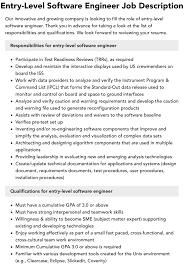
entry level software engineer

Exploring the Path to Becoming an Entry Level Software Engineer

Article: Entry Level Software Engineer

The Role of an Entry Level Software Engineer

Software engineering is a dynamic and rapidly growing field that offers endless opportunities for individuals looking to kickstart their career in technology. As an entry level software engineer, you play a crucial role in developing, testing, and maintaining software applications that power our digital world.

Responsibilities of an Entry Level Software Engineer

As an entry level software engineer, your responsibilities may include:

  • Assisting in the design and development of software applications
  • Writing code following best practices and coding standards
  • Participating in code reviews and debugging sessions
  • Collaborating with senior developers and team members on projects
  • Testing and documenting software to ensure quality and reliability
  • Learning new technologies and tools to enhance your skills

Skills Required for Entry Level Software Engineers

To excel as an entry level software engineer, you should possess the following skills:

  • Proficiency in programming languages such as Java, Python, C++, or JavaScript
  • Understanding of software development principles and methodologies
  • Problem-solving abilities and attention to detail
  • Strong communication and teamwork skills
  • Ability to learn quickly and adapt to new technologies

Career Growth Opportunities for Entry Level Software Engineers

Starting as an entry level software engineer opens up a world of possibilities for career advancement. With dedication, continuous learning, and hands-on experience, you can progress to roles such as senior software engineer, technical lead, project manager, or even pursue specialization in areas like artificial intelligence, cybersecurity, or mobile app development.

If you are passionate about technology and eager to make a difference through innovative solutions, a career as an entry level software engineer could be the perfect starting point for your journey in the exciting world of software development.


7 Essential Tips for Aspiring Entry-Level Software Engineers

  1. Focus on building a strong foundation in programming languages like Java, Python, or C++.
  2. Practice problem-solving skills through coding challenges and projects.
  3. Seek internships or co-op opportunities to gain real-world experience.
  4. Stay updated with the latest industry trends and technologies.
  5. Build a portfolio showcasing your projects and contributions.
  6. Network with professionals in the field to expand your opportunities.
  7. Continuously learn and improve your skills to advance in your career.

Focus on building a strong foundation in programming languages like Java, Python, or C++.

To succeed as an entry level software engineer, it is essential to focus on building a solid foundation in programming languages such as Java, Python, or C++. These languages are widely used in the industry and mastering them will not only enhance your coding skills but also open up a myriad of opportunities for career growth. By dedicating time and effort to learning these fundamental languages, you can establish a strong technical base that will serve as a solid platform for your future success in the field of software engineering.

Practice problem-solving skills through coding challenges and projects.

To excel as an entry level software engineer, it is essential to hone your problem-solving skills through engaging in coding challenges and projects. By tackling real-world problems and implementing solutions through coding, you not only enhance your technical abilities but also develop a strategic mindset that is invaluable in the software development field. Practice not only sharpens your coding proficiency but also fosters creativity and critical thinking, preparing you for the diverse challenges you may encounter in your career as a software engineer.

Seek internships or co-op opportunities to gain real-world experience.

Seeking internships or co-op opportunities is a valuable tip for entry level software engineers looking to gain real-world experience. These hands-on experiences provide invaluable insights into the industry, allowing individuals to apply their knowledge in practical settings, collaborate with seasoned professionals, and build a strong foundation for their future careers. By participating in internships or co-op programs, entry level software engineers can enhance their skills, expand their networks, and increase their marketability in the competitive tech job market.

It is essential for entry level software engineers to stay updated with the latest industry trends and technologies. By keeping abreast of advancements in the field, such as new programming languages, development tools, and best practices, you can enhance your skills, remain competitive in the job market, and contribute effectively to innovative projects. Continuous learning and adaptation to emerging technologies are key factors in building a successful career as a software engineer.

Build a portfolio showcasing your projects and contributions.

Building a portfolio showcasing your projects and contributions is a valuable tip for entry level software engineers. A well-curated portfolio not only demonstrates your technical skills but also highlights your creativity, problem-solving abilities, and passion for software development. By showcasing real-world projects you have worked on, whether personal or during internships or academic projects, you provide potential employers with tangible evidence of your capabilities and dedication to the field. A strong portfolio can set you apart from other candidates and increase your chances of landing exciting opportunities in the competitive tech industry.

Network with professionals in the field to expand your opportunities.

Networking with professionals in the field is a valuable tip for entry level software engineers looking to expand their opportunities. Building connections with experienced individuals can provide insights, mentorship, and potential job leads that may not be advertised elsewhere. By engaging with professionals in the industry, entry level software engineers can gain valuable knowledge, stay updated on trends, and create a supportive network that can help propel their career forward.

Continuously learn and improve your skills to advance in your career.

To advance in your career as an entry level software engineer, it is crucial to continuously learn and improve your skills. Embracing a mindset of lifelong learning not only keeps you updated with the latest technologies and trends in the industry but also enhances your problem-solving abilities and adaptability. By seeking out opportunities for professional development, such as online courses, workshops, and mentorship programs, you can strengthen your expertise and position yourself for growth within the field of software engineering. Remember, investing in your skills today paves the way for a successful and fulfilling career tomorrow.

revature software engineer

Unlock Your Potential as a Revature Software Engineer: Building a Bright Future in Tech

Revature Software Engineer

The Role of a Revature Software Engineer

Revature is a leading technology talent development company that focuses on creating a pathway for individuals to start successful careers in software engineering. As a Revature software engineer, you are part of a dynamic team that is dedicated to learning, growth, and innovation.

Responsibilities of a Revature Software Engineer

As a software engineer at Revature, you will be responsible for:

  • Developing high-quality software applications
  • Collaborating with team members to design and implement solutions
  • Testing and debugging code to ensure functionality
  • Continuously learning and adapting to new technologies and tools
  • Participating in code reviews and providing constructive feedback
  • Communicating effectively with stakeholders to understand requirements and deliver results

Skills Required for Success

To excel as a Revature software engineer, you should possess the following skills:

  • Proficiency in programming languages such as Java, Python, or C++
  • Strong problem-solving abilities and analytical thinking
  • Understanding of software development principles and best practices
  • Ability to work well in a team environment and communicate effectively
  • Desire to learn and grow professionally in the field of software engineering

Career Development at Revature

Revature offers comprehensive training programs and mentorship opportunities to help software engineers enhance their skills and advance their careers. Through hands-on projects, workshops, and professional development resources, Revature empowers its engineers to reach their full potential.

Join the Revature Team Today!

If you are passionate about technology and eager to kickstart your career as a software engineer, consider joining the innovative team at Revature. With a focus on continuous learning and career growth, Revature provides an exciting environment for aspiring professionals to thrive.


Exploring a Career as a Software Engineer at Revature: Roles, Responsibilities, Skills, and Opportunities

  1. What is the role of a software engineer at Revature?
  2. What are the responsibilities of a software engineer at Revature?
  3. What skills are required to succeed as a software engineer at Revature?
  4. How does Revature support career development for software engineers?
  5. What training programs and mentorship opportunities does Revature offer to software engineers?
  6. How can I join the team of software engineers at Revature?

What is the role of a software engineer at Revature?

Inquiring about the role of a software engineer at Revature is a common query among individuals interested in pursuing a career in technology. As a software engineer at Revature, one plays a pivotal role in developing high-quality software applications, collaborating with team members to design and implement solutions, testing and debugging code for functionality, continuously learning and adapting to new technologies, participating in code reviews, and effectively communicating with stakeholders to deliver results. The position demands strong problem-solving skills, proficiency in programming languages like Java, Python, or C++, and a passion for growth and innovation in the field of software engineering.

What are the responsibilities of a software engineer at Revature?

At Revature, the responsibilities of a software engineer encompass a wide range of tasks essential to developing high-quality software applications. Software engineers collaborate with team members to design and implement solutions, test and debug code for functionality, and continuously learn and adapt to new technologies and tools. They play a key role in code reviews, providing constructive feedback, and effectively communicating with stakeholders to understand requirements and deliver results. Overall, software engineers at Revature are instrumental in driving innovation and excellence in software development.

What skills are required to succeed as a software engineer at Revature?

To succeed as a software engineer at Revature, a range of skills is essential. Proficiency in programming languages like Java, Python, or C++ is crucial. Strong problem-solving abilities and analytical thinking are also key attributes. Understanding software development principles and best practices is necessary for creating high-quality applications. Additionally, the ability to work collaboratively in a team environment and communicate effectively with stakeholders is vital. A desire for continuous learning and professional growth in the field of software engineering is highly valued at Revature.

How does Revature support career development for software engineers?

Revature is committed to supporting the career development of software engineers through a variety of initiatives and resources. They offer comprehensive training programs, mentorship opportunities, and hands-on projects to help engineers enhance their skills and stay current with the latest technologies. Additionally, Revature provides workshops and professional development resources to empower software engineers to grow both personally and professionally. By fostering a culture of continuous learning and advancement, Revature ensures that software engineers have the tools and support they need to succeed in their careers.

What training programs and mentorship opportunities does Revature offer to software engineers?

Revature offers a range of training programs and mentorship opportunities to software engineers to enhance their skills and support their career development. These programs include hands-on projects, workshops, and access to professional development resources. Through mentorship from experienced industry professionals, software engineers at Revature receive guidance and support to excel in their roles. The company’s focus on continuous learning ensures that engineers have the tools and knowledge they need to succeed in the ever-evolving field of software engineering.

How can I join the team of software engineers at Revature?

To join the team of software engineers at Revature, individuals can start by applying for the company’s training programs through their official website. Revature offers a structured pathway for aspiring software engineers to kickstart their careers through comprehensive training, mentorship, and hands-on projects. By demonstrating a passion for technology, a willingness to learn, and a strong work ethic, candidates can increase their chances of being selected to join the dynamic team of software engineers at Revature.

mobile development with c++

Mastering Mobile Development with C++: Harnessing the Power of Efficiency and Performance

Mobile Development with C++

The Power of C++ in Mobile Development

When it comes to mobile development, many programmers think of languages like Java or Swift. However, C++ is a powerful and versatile language that can also be used to create high-performance mobile applications.

Why Choose C++ for Mobile Development?

C++ is known for its speed and efficiency, making it an ideal choice for resource-intensive mobile applications. Its ability to directly interact with hardware and memory management gives developers more control over their code, resulting in faster and more optimized apps.

Multi-Platform Support

One of the key advantages of using C++ for mobile development is its cross-platform compatibility. With tools like the Android NDK (Native Development Kit) and frameworks like Qt, developers can write code once and deploy it on multiple platforms, including Android and iOS.

Integration with Existing Codebases

Many businesses already have a significant amount of code written in C++. By leveraging this existing codebase, developers can save time and resources when building mobile applications. C++ offers seamless integration with libraries written in other languages, making it easier to incorporate legacy code into new projects.

Performance Optimization

C++ allows developers to fine-tune their applications for optimal performance. By utilizing features like inline functions, pointers, and manual memory management, developers can create efficient algorithms that run smoothly on mobile devices with limited resources.

Conclusion

In conclusion, C++ is a valuable tool for mobile development, offering speed, efficiency, cross-platform support, and seamless integration with existing codebases. By harnessing the power of C++, developers can create high-performance mobile applications that meet the demands of today’s users.


Exploring C++ for Mobile Development: Common Questions Answered

  1. Is C++ good for mobile development?
  2. Is C++ a dead language?
  3. Can we use C++ for Android development?
  4. Is C++ good for Android?
  5. Is C++ good for iOS development?
  6. Can I make iOS apps with C++?
  7. Can you code C++ on a phone?
  8. Can I use C++ for iOS development?

Is C++ good for mobile development?

When considering mobile development, a frequently asked question is whether C++ is a suitable language for the task. The answer lies in the unique strengths that C++ brings to the table. With its speed, efficiency, and ability to directly interact with hardware, C++ is indeed well-suited for mobile development. Its cross-platform compatibility and seamless integration with existing codebases make it a practical choice for building high-performance mobile applications. By leveraging C++’s capabilities, developers can optimize their apps for speed and resource efficiency, ensuring a smooth user experience on various mobile platforms.

Is C++ a dead language?

The question of whether C++ is a dead language is a common concern among developers, especially in the rapidly evolving field of technology. Despite the emergence of newer programming languages and frameworks, C++ continues to be widely used in various industries, including mobile development. Its robust performance, efficiency, and ability to directly interact with hardware make it a valuable tool for creating high-performance applications. With ongoing updates and support from the community, C++ remains relevant and continues to be a popular choice for developers seeking powerful and versatile solutions in mobile development.

Can we use C++ for Android development?

When it comes to Android development, a common question that arises is whether C++ can be used for building Android applications. The answer is yes, C++ can indeed be utilized for Android development. With the support of the Android NDK (Native Development Kit), developers can write native code in C or C++ to create high-performance and resource-efficient applications for the Android platform. By leveraging the power of C++, developers can optimize their code for speed and efficiency, making it a suitable choice for building complex and performance-critical mobile apps on Android devices.

Is C++ good for Android?

When considering mobile development for Android, the question often arises: Is C++ good for Android? The answer is yes, C++ is a viable option for Android development. With its speed, efficiency, and ability to directly interact with hardware, C++ can be a powerful choice for building high-performance applications on the Android platform. Additionally, C++ offers cross-platform compatibility through tools like the Android NDK, making it easier to develop applications that can run on multiple devices. By leveraging the strengths of C++, developers can create robust and optimized Android apps that meet the demands of today’s mobile users.

Is C++ good for iOS development?

When it comes to iOS development, the question of whether C++ is a suitable choice often arises. While Objective-C and Swift are the primary languages used for iOS app development, C++ can still be a valuable tool in certain scenarios. C++ can be utilized for performance-critical tasks, such as game development or handling complex algorithms, where its speed and efficiency shine. Additionally, with tools like the iOS SDK and third-party libraries, developers can integrate C++ code seamlessly into their iOS projects. Ultimately, the decision to use C++ for iOS development depends on the specific requirements of the app and the expertise of the development team in leveraging C++ effectively within an iOS environment.

Can I make iOS apps with C++?

When it comes to mobile development with C++, a frequently asked question is, “Can I make iOS apps with C++?” The answer is yes. While Objective-C and Swift are the primary languages used for iOS app development, developers can still utilize C++ by incorporating it into their projects. With tools like the iOS SDK and frameworks like Xamarin, developers can write C++ code that interfaces with iOS APIs and create cross-platform applications that run on iOS devices. This flexibility allows developers to leverage the power of C++ while targeting the iOS platform, providing a versatile approach to mobile app development.

Can you code C++ on a phone?

Coding C++ on a phone is technically possible, but it may not be the most practical or efficient way to develop applications. While there are mobile apps and IDEs available that allow you to write and compile C++ code on a phone or tablet, the small screen size and limited processing power of mobile devices can make the coding experience challenging. Additionally, debugging and testing code on a mobile device may be cumbersome compared to using a desktop or laptop computer. For serious C++ development, it is recommended to use a more powerful development environment with adequate resources for efficient coding, testing, and deployment.

Can I use C++ for iOS development?

Yes, you can use C++ for iOS development. While Objective-C and Swift are the primary languages used for iOS app development, C++ can also be integrated into iOS projects. By leveraging tools like the iOS SDK and Xcode, developers can incorporate C++ code into their iOS applications to take advantage of its speed, efficiency, and cross-platform capabilities. This allows developers to reuse existing C++ codebases or implement performance-critical components in C++ while still building native iOS apps.

c++ mobile app development

Harnessing the Power of C++ in Mobile App Development

C++ Mobile App Development

The Power of C++ in Mobile App Development

When it comes to mobile app development, C++ is a versatile and powerful programming language that offers a wide range of benefits. While languages like Java and Swift are popular choices for mobile app development, C++ has its own unique advantages that make it a compelling option for developers.

Performance and Efficiency

One of the key strengths of C++ is its performance capabilities. C++ is a high-performance language that allows developers to create fast and efficient mobile apps. This is particularly important for apps that require complex calculations, real-time processing, or high-speed graphics rendering.

Cross-Platform Compatibility

C++ is a portable language, meaning that code written in C++ can be easily adapted to run on multiple platforms. This makes it an ideal choice for developers looking to create apps that can run on both Android and iOS devices without having to rewrite the code from scratch.

Access to Low-Level Features

With C++, developers have access to low-level features of the device’s hardware, allowing for greater control and optimization of the app’s performance. This level of control is especially beneficial for gaming apps or apps that require direct interaction with hardware components.

Integration with Existing Codebases

C++ can be seamlessly integrated with existing codebases written in other languages like Java or Objective-C. This makes it easier for developers to incorporate C++ components into their mobile apps without having to rebuild everything from scratch.

Conclusion

In conclusion, C++ offers a powerful set of tools and capabilities for mobile app development. Its performance, cross-platform compatibility, access to low-level features, and ease of integration make it a valuable choice for developers looking to create high-quality mobile apps.


8 Essential Tips for Successful C++ Mobile App Development

  1. Choose the right mobile development framework that supports C++ such as Qt or Xamarin.
  2. Optimize your code for mobile devices to ensure smooth performance.
  3. Utilize platform-specific features and APIs to enhance user experience.
  4. Implement responsive design principles for different screen sizes and orientations.
  5. Pay attention to memory management to prevent memory leaks in your C++ code.
  6. Use debugging tools and techniques specific to mobile development for efficient troubleshooting.
  7. Test your app thoroughly on various mobile devices to ensure compatibility and functionality.
  8. Stay updated with the latest trends and best practices in C++ mobile app development.

Choose the right mobile development framework that supports C++ such as Qt or Xamarin.

When embarking on C++ mobile app development, it is crucial to select the appropriate mobile development framework that fully supports C++. Frameworks like Qt and Xamarin are excellent choices as they provide robust support for C++ programming, enabling developers to leverage the language’s capabilities effectively. By opting for a framework that is compatible with C++, developers can streamline the app development process, enhance cross-platform compatibility, and maximize the performance of their mobile applications. Making an informed decision on the mobile development framework can significantly impact the success and efficiency of C++ mobile app projects.

Optimize your code for mobile devices to ensure smooth performance.

Optimizing your code for mobile devices is crucial in C++ mobile app development to guarantee smooth performance. By fine-tuning your code to be efficient and resource-friendly, you can enhance the overall user experience and ensure that your app runs seamlessly on various mobile devices. Strategies such as minimizing memory usage, optimizing algorithms, and reducing unnecessary computations can significantly improve the performance of your app, allowing users to enjoy a fast and responsive application on their smartphones or tablets.

Utilize platform-specific features and APIs to enhance user experience.

To enhance the user experience in C++ mobile app development, it is crucial to leverage platform-specific features and APIs. By utilizing these resources tailored to each operating system, developers can tap into unique functionalities that enhance the app’s performance and user engagement. Whether it’s integrating native UI components, leveraging device sensors, or optimizing for specific platform behaviors, incorporating platform-specific features can elevate the overall user experience and make the app more intuitive and responsive for users on different devices.

Implement responsive design principles for different screen sizes and orientations.

When developing mobile apps using C++, it is essential to implement responsive design principles to ensure optimal user experience across various screen sizes and orientations. By incorporating responsive design techniques, such as fluid layouts and media queries, developers can create apps that adapt seamlessly to different screen dimensions and device orientations. This approach not only enhances usability but also improves the overall visual appeal of the app, making it more engaging for users on a wide range of mobile devices.

Pay attention to memory management to prevent memory leaks in your C++ code.

Proper memory management is crucial in C++ mobile app development to avoid memory leaks that can lead to performance issues and app crashes. By paying close attention to memory allocation and deallocation, developers can ensure that their code efficiently utilizes memory resources and prevents potential vulnerabilities. Implementing smart pointers, using RAII (Resource Acquisition Is Initialization) principles, and regularly testing for memory leaks are essential practices to maintain the stability and reliability of C++ mobile apps.

Use debugging tools and techniques specific to mobile development for efficient troubleshooting.

When developing mobile apps using C++, it is essential to utilize debugging tools and techniques tailored to mobile development for efficient troubleshooting. These specialized tools enable developers to pinpoint and resolve issues specific to mobile platforms, such as memory management, performance optimization, and device compatibility. By leveraging these debugging resources, developers can streamline the troubleshooting process, identify bugs quickly, and ensure the overall stability and performance of their C++ mobile apps.

Test your app thoroughly on various mobile devices to ensure compatibility and functionality.

To ensure the compatibility and functionality of your C++ mobile app, it is crucial to thoroughly test it on a variety of mobile devices. Testing on different devices helps identify any potential issues related to screen sizes, resolutions, operating systems, and hardware specifications. By conducting comprehensive testing, developers can ensure that their app performs seamlessly across a wide range of devices, providing a consistent user experience and maximizing its reach in the mobile market.

Staying updated with the latest trends and best practices in C++ mobile app development is crucial for developers aiming to create cutting-edge and efficient applications. By keeping abreast of new advancements and industry standards, developers can leverage innovative techniques and tools to enhance the performance, user experience, and overall quality of their mobile apps. Continuous learning and adaptation to emerging trends ensure that developers remain competitive in the ever-evolving landscape of mobile app development, ultimately leading to the creation of successful and impactful applications.

senior software engineer

Unlocking Success: The Journey of a Senior Software Engineer

Article: Senior Software Engineer

The Role of a Senior Software Engineer in Today’s Tech Industry

In the fast-paced world of technology, senior software engineers play a crucial role in driving innovation and development. These experienced professionals are responsible for designing, developing, and maintaining complex software systems that power our digital world.

Key Responsibilities

A senior software engineer is typically involved in:

  • Architecting and implementing software solutions
  • Leading and mentoring junior team members
  • Collaborating with cross-functional teams
  • Ensuring code quality and performance
  • Staying updated on industry trends and best practices

Skills and Qualifications

To excel in this role, senior software engineers need a combination of technical expertise and soft skills. Some key qualifications include:

  • Proficiency in programming languages such as Java, Python, or C++
  • Experience with software development methodologies like Agile or Scrum
  • Strong problem-solving abilities and attention to detail
  • Excellent communication and teamwork skills
  • A continuous learning mindset to adapt to evolving technologies

Career Growth Opportunities

Senior software engineers often have the opportunity to advance into leadership roles such as tech lead, engineering manager, or chief technology officer. With experience and expertise, they can shape the direction of projects, mentor others, and contribute to strategic decision-making within organizations.

Conclusion

In conclusion, senior software engineers are vital assets in the tech industry, driving innovation and pushing boundaries to create cutting-edge solutions. Their technical prowess combined with leadership skills makes them invaluable contributors to the success of any software development team.

© 2023 All rights reserved | YourTechCompany.com


9 Essential Tips for Excelling as a Senior Software Engineer

  1. Stay updated with the latest technologies and trends in the industry.
  2. Focus on continuous learning and skill development to stay competitive.
  3. Practice good coding habits and adhere to best practices for software development.
  4. Communicate effectively with team members, stakeholders, and clients.
  5. Take ownership of projects and deliver high-quality work within deadlines.
  6. Collaborate with others to solve complex problems and share knowledge with colleagues.
  7. Stay organized by using project management tools and staying on top of tasks.
  8. Seek feedback from peers and mentors to improve your skills and grow professionally.
  9. Maintain a healthy work-life balance to prevent burnout and sustain long-term productivity.

It is essential for senior software engineers to stay updated with the latest technologies and trends in the industry. By keeping abreast of advancements, tools, and best practices, they can enhance their skills, remain competitive in the job market, and contribute effectively to innovative projects. Continuous learning and adaptation to new technologies not only benefit the individual engineer but also play a significant role in driving progress and success within the ever-evolving landscape of software development.

Focus on continuous learning and skill development to stay competitive.

To thrive as a senior software engineer in today’s rapidly evolving tech landscape, it is crucial to prioritize continuous learning and skill development. By staying abreast of the latest technologies, trends, and best practices, senior software engineers can enhance their expertise and remain competitive in the industry. Embracing a mindset of lifelong learning not only broadens one’s knowledge but also fosters adaptability and innovation, enabling professionals to tackle complex challenges with confidence and excel in their roles.

Practice good coding habits and adhere to best practices for software development.

To excel as a senior software engineer, it is essential to practice good coding habits and adhere to best practices for software development. By following established coding standards, maintaining clean and well-documented code, and regularly reviewing and optimizing codebase, senior software engineers can ensure the reliability, scalability, and maintainability of their software systems. Embracing best practices not only enhances the quality of the code but also fosters collaboration within the development team and contributes to efficient project delivery.

Communicate effectively with team members, stakeholders, and clients.

Effective communication is a cornerstone of success for senior software engineers. By fostering clear and open communication channels with team members, stakeholders, and clients, senior software engineers can ensure that everyone is aligned on project goals, timelines, and expectations. This not only helps in building strong relationships within the team but also enhances collaboration and productivity. Additionally, transparent communication allows for timely feedback, problem-solving, and the ability to address any concerns proactively, ultimately leading to successful project outcomes.

Take ownership of projects and deliver high-quality work within deadlines.

To excel as a senior software engineer, it is crucial to take ownership of projects and consistently deliver high-quality work within set deadlines. By assuming responsibility for the tasks at hand and ensuring that the work meets or exceeds expectations, senior software engineers not only showcase their expertise but also demonstrate their commitment to driving successful project outcomes. This proactive approach not only instills confidence in team members and stakeholders but also contributes to a culture of excellence and accountability within the software development process.

Collaborate with others to solve complex problems and share knowledge with colleagues.

Collaboration is a cornerstone of success for senior software engineers. By working together with colleagues to tackle intricate challenges and sharing their expertise and insights, these professionals not only enhance the quality of solutions but also foster a culture of continuous learning within their teams. Through effective collaboration, senior software engineers leverage collective intelligence to overcome complexity, drive innovation, and achieve shared goals, ultimately contributing to the overall success of the projects they are involved in.

Stay organized by using project management tools and staying on top of tasks.

To excel as a senior software engineer, it is crucial to stay organized by utilizing project management tools and diligently staying on top of tasks. By effectively managing projects through tools like Jira, Trello, or Asana, senior software engineers can streamline workflows, track progress, and ensure timely delivery of high-quality software solutions. This proactive approach not only enhances productivity but also fosters collaboration within the team and helps in meeting project milestones efficiently.

Seek feedback from peers and mentors to improve your skills and grow professionally.

Seeking feedback from peers and mentors is a valuable practice for senior software engineers looking to enhance their skills and advance professionally. Constructive feedback provides insights into areas of improvement, helps identify blind spots, and offers guidance on how to further develop expertise. By actively seeking feedback, senior software engineers can foster a culture of continuous learning, adaptability, and growth, ultimately positioning themselves for greater success in the dynamic tech industry.

Maintain a healthy work-life balance to prevent burnout and sustain long-term productivity.

Maintaining a healthy work-life balance is essential for senior software engineers to prevent burnout and sustain long-term productivity. In the fast-paced and demanding tech industry, it’s easy to get consumed by work, leading to increased stress levels and decreased job satisfaction. By setting boundaries, taking regular breaks, and prioritizing self-care, senior software engineers can recharge both physically and mentally, enabling them to perform at their best while avoiding burnout. A balanced approach not only benefits the individual’s well-being but also contributes to sustained productivity and creativity in the long run.

spotify software engineer

Exploring the Role of a Spotify Software Engineer in Music Technology

Article: Spotify Software Engineer

The Role of a Spotify Software Engineer

Software engineers play a crucial role in the success of companies like Spotify, one of the leading music streaming platforms in the world. A Spotify software engineer is responsible for developing and maintaining the software systems that power the platform, ensuring a seamless and enjoyable user experience for millions of music lovers.

Responsibilities of a Spotify Software Engineer

As a software engineer at Spotify, one must possess strong technical skills and a deep understanding of software development principles. Some key responsibilities include:

  • Designing and implementing scalable and reliable software solutions.
  • Collaborating with cross-functional teams to deliver new features and enhancements.
  • Optimizing performance and efficiency of existing systems.
  • Ensuring code quality through testing and code reviews.
  • Staying updated on industry trends and best practices in software engineering.

Skills Required

To excel as a Spotify software engineer, individuals need to have a strong foundation in computer science and programming. Some essential skills include:

  • Proficiency in programming languages like Java, Python, or JavaScript.
  • Experience with web development frameworks such as React or Angular.
  • Knowledge of cloud computing platforms like AWS or Google Cloud.
  • Problem-solving abilities and attention to detail.
  • Excellent communication and teamwork skills.

Career Growth Opportunities

A career as a Spotify software engineer offers numerous opportunities for growth and advancement. Engineers have the chance to work on cutting-edge technologies, collaborate with talented colleagues from diverse backgrounds, and make a real impact on the music streaming industry.

If you are passionate about music, technology, and innovation, pursuing a career as a Spotify software engineer could be an exciting and rewarding path to follow.


9 Essential Tips to Succeed as a Spotify Software Engineer

  1. Develop strong programming skills in languages like Java, Python, or C++.
  2. Gain experience with software development tools and technologies commonly used at Spotify.
  3. Understand algorithms and data structures to solve complex problems efficiently.
  4. Collaborate effectively with team members on projects and code reviews.
  5. Stay updated on industry trends and best practices in software engineering.
  6. Practice good software design principles for scalable and maintainable code.
  7. Learn about backend systems, databases, and cloud computing for a well-rounded skill set.
  8. Communicate clearly and professionally with stakeholders to gather requirements and provide updates.
  9. Continuously improve your skills through learning opportunities like online courses or workshops.

Develop strong programming skills in languages like Java, Python, or C++.

To excel as a Spotify software engineer, it is essential to develop strong programming skills in languages like Java, Python, or C++. These languages are widely used in software development and are fundamental for building robust and efficient systems. By mastering these programming languages, engineers can effectively design and implement scalable solutions, collaborate with cross-functional teams, and stay at the forefront of innovation in the music streaming industry.

Gain experience with software development tools and technologies commonly used at Spotify.

To excel as a Spotify software engineer, it is essential to gain experience with software development tools and technologies commonly used at the company. Familiarity with tools such as Java, Python, React, and cloud computing platforms like AWS or Google Cloud can greatly enhance your capabilities as a software engineer at Spotify. By mastering these tools and technologies, you can effectively contribute to the development of innovative features and solutions that drive the success of the music streaming platform.

Understand algorithms and data structures to solve complex problems efficiently.

To excel as a Spotify software engineer, it is crucial to understand algorithms and data structures to solve complex problems efficiently. By having a strong grasp of these fundamental concepts, engineers can design optimized solutions that enhance the performance and scalability of Spotify’s software systems. Proficiency in algorithms and data structures enables engineers to tackle challenges effectively, streamline processes, and deliver innovative features that elevate the user experience on the platform.

Collaborate effectively with team members on projects and code reviews.

Collaborating effectively with team members on projects and code reviews is essential for a Spotify software engineer to ensure the development of high-quality software solutions. By working closely with colleagues, sharing ideas, providing constructive feedback, and reviewing each other’s code, engineers can improve the overall quality of the codebase and enhance the efficiency of the development process. Effective collaboration fosters creativity, encourages knowledge sharing, and promotes a culture of continuous learning and improvement within the team.

Staying updated on industry trends and best practices in software engineering is crucial for Spotify software engineers to remain competitive and deliver top-notch solutions. By keeping abreast of the latest developments, such as emerging technologies and innovative methodologies, engineers can enhance their skills, stay relevant in a rapidly evolving field, and contribute to the continuous improvement of Spotify’s software systems. This proactive approach not only fosters professional growth but also ensures that engineers are well-equipped to tackle challenges effectively and deliver high-quality results for the platform’s users.

Practice good software design principles for scalable and maintainable code.

When working as a Spotify software engineer, it is crucial to practice good software design principles to ensure the development of scalable and maintainable code. By adhering to these principles, engineers can create code that can easily accommodate growth and changes over time. Scalable and maintainable code not only improves the performance of the platform but also enhances collaboration among team members and facilitates future updates and enhancements. Emphasizing sound software design principles is key to delivering high-quality solutions that meet the evolving needs of Spotify’s users.

Learn about backend systems, databases, and cloud computing for a well-rounded skill set.

To excel as a Spotify software engineer, it is essential to broaden your knowledge beyond just coding. By delving into backend systems, databases, and cloud computing, you can develop a well-rounded skill set that is crucial for designing and maintaining robust software solutions. Understanding how these components interact and impact each other will not only enhance your technical proficiency but also enable you to contribute effectively to the development and optimization of Spotify’s platform.

Communicate clearly and professionally with stakeholders to gather requirements and provide updates.

Effective communication is a vital aspect of being a successful Spotify software engineer. It is crucial to communicate clearly and professionally with stakeholders to gather requirements accurately and provide regular updates on project progress. By maintaining open lines of communication, software engineers can ensure that they are meeting stakeholders’ expectations, addressing any concerns promptly, and fostering a collaborative working environment that leads to successful project outcomes. Clear and transparent communication helps build trust and confidence among team members and stakeholders, ultimately contributing to the overall success of the software development process.

Continuously improve your skills through learning opportunities like online courses or workshops.

To excel as a Spotify software engineer, it is essential to continuously improve your skills through learning opportunities such as online courses or workshops. By staying updated on the latest technologies and industry trends, you can enhance your expertise and stay competitive in the fast-paced world of software development. Embracing lifelong learning not only expands your knowledge but also equips you with the tools needed to tackle new challenges and contribute meaningfully to the innovative work at Spotify.

developing software

Mastering the Art of Developing Software: A Comprehensive Guide

Developing Software: A Comprehensive Guide

Developing Software: A Comprehensive Guide

Software development is a complex and rewarding process that involves designing, coding, testing, and maintaining computer programs. Whether you are a seasoned developer or just starting out, understanding the key steps in software development is essential for creating successful applications.

The Software Development Life Cycle

The software development life cycle (SDLC) is a framework that outlines the stages involved in creating software. The typical phases of the SDLC include:

  1. Planning: Define project goals, requirements, and scope.
  2. Analysis: Gather user needs and create system specifications.
  3. Design: Develop architecture, UI/UX design, and database structure.
  4. Implementation: Write code based on design specifications.
  5. Testing: Verify software functionality and fix bugs.
  6. Deployment: Release the software to users.
  7. Maintenance: Update and enhance the software as needed.

The Role of Programming Languages

Selecting the right programming language is crucial in software development. Popular languages like Java, Python, C++, and JavaScript offer different features and are suitable for various types of applications. Developers must choose a language that aligns with project requirements and team expertise.

Coding Best Practices

To write efficient and maintainable code, developers should follow coding best practices such as:

  • Clean Code: Write clear, readable code that follows naming conventions.
  • Modularization: Break down tasks into smaller modules for easier management.
  • Error Handling: Implement proper error handling to prevent crashes and improve user experience.
  • Version Control: Use version control systems like Git to track changes and collaborate effectively.

The Future of Software Development

Rapid advancements in technology continue to shape the future of software development. Trends like artificial intelligence, cloud computing, and DevOps are revolutionizing how applications are built and deployed. As developers adapt to these changes, staying updated with industry trends is key to remaining competitive in the rapidly evolving tech landscape.

In conclusion, developing software requires a combination of technical skills, creativity, collaboration, and adaptability. By following best practices and embracing innovation, developers can create cutting-edge solutions that meet user needs and drive business success.


5 Essential Tips for Effective Software Development

  1. Break down tasks into smaller, manageable units for easier development and testing.
  2. Use version control systems like Git to track changes and collaborate with others effectively.
  3. Write clean and concise code to improve readability and maintainability.
  4. Regularly test your software for bugs and performance issues to ensure quality.
  5. Stay updated with the latest technologies and best practices in software development.

Break down tasks into smaller, manageable units for easier development and testing.

Breaking down tasks into smaller, manageable units is a crucial tip in software development that can significantly improve the development and testing process. By dividing complex tasks into smaller components, developers can focus on one specific aspect at a time, leading to more efficient coding, easier debugging, and better overall organization of the project. This approach not only streamlines development but also enhances collaboration among team members, as each unit can be assigned and worked on independently. Additionally, breaking tasks into manageable units facilitates thorough testing of individual components, ensuring that each part functions correctly before integration into the larger system.

Use version control systems like Git to track changes and collaborate with others effectively.

Utilizing version control systems such as Git is essential in software development to track changes, manage codebase versions, and collaborate seamlessly with team members. By implementing Git, developers can easily review modifications, revert to previous versions if needed, and work concurrently on different parts of the project without conflicts. This practice not only enhances productivity but also ensures that the development process remains organized and efficient, leading to the successful delivery of high-quality software products.

Write clean and concise code to improve readability and maintainability.

When developing software, it is essential to write clean and concise code to enhance readability and maintainability. By following this tip, developers can create code that is easier to understand, troubleshoot, and modify in the future. Clear and well-organized code not only benefits the current development process but also streamlines collaboration among team members. Additionally, maintaining clean code practices helps reduce the likelihood of introducing errors or bugs during the coding process, ultimately leading to more efficient and effective software development outcomes.

Regularly test your software for bugs and performance issues to ensure quality.

Regularly testing your software for bugs and performance issues is crucial to maintaining high quality. By conducting thorough testing throughout the development process, you can identify and address any issues early on, preventing them from escalating into major problems later. Testing helps ensure that your software functions as intended, delivers a seamless user experience, and meets performance expectations. Prioritizing testing not only improves the overall quality of your software but also enhances customer satisfaction and trust in your product.

Stay updated with the latest technologies and best practices in software development.

Staying updated with the latest technologies and best practices in software development is crucial for staying competitive in the ever-evolving tech industry. By continuously learning about new tools, languages, and methodologies, developers can enhance their skills, improve efficiency, and deliver high-quality solutions that meet the demands of modern users. Embracing innovation and staying informed about industry trends not only fosters personal growth but also ensures that software projects remain relevant and impactful in a rapidly changing digital landscape.

application software engineer

Unlocking Innovation: The Role of an Application Software Engineer

Article: Application Software Engineer

The Role of an Application Software Engineer

Application software engineers play a crucial role in the development and maintenance of software applications that are used by individuals and businesses alike. These professionals are responsible for designing, coding, testing, and debugging applications to ensure they meet the needs and requirements of users.

Key Responsibilities

Application software engineers work closely with clients or stakeholders to understand their needs and translate them into functional software solutions. They write code using various programming languages, such as Java, C++, or Python, to create applications that perform specific tasks or functions.

These engineers also conduct thorough testing of the software to identify and fix any bugs or issues before deployment. They may collaborate with other team members, such as UX designers and quality assurance testers, to ensure the final product meets quality standards.

Educational Background

Most application software engineers hold a bachelor’s degree in computer science, software engineering, or a related field. Some employers may also require certifications or advanced degrees for senior positions.

Skills Required

To excel as an application software engineer, individuals need strong problem-solving skills, attention to detail, and proficiency in programming languages. They should also have excellent communication skills to collaborate effectively with team members and stakeholders.

Career Outlook

The demand for application software engineers is expected to grow as more industries rely on technology for their operations. These professionals can work in various sectors, including healthcare, finance, e-commerce, and more.

In conclusion, application software engineers play a vital role in creating user-friendly and efficient software applications that enhance productivity and streamline processes for organizations worldwide.


8 Essential Tips for Success as an Application Software Engineer

  1. Stay updated on the latest programming languages and technologies.
  2. Practice coding regularly to improve your skills.
  3. Collaborate with other developers to learn new techniques and approaches.
  4. Pay attention to detail when writing code to avoid errors.
  5. Communicate effectively with team members and stakeholders.
  6. Test your code thoroughly to ensure quality and functionality.
  7. Document your code for easier maintenance and future reference.
  8. Stay organized with project management tools and techniques.

Stay updated on the latest programming languages and technologies.

It is essential for application software engineers to stay updated on the latest programming languages and technologies to remain competitive in the ever-evolving tech industry. By keeping abreast of new developments, engineers can enhance their skills, adapt to changing trends, and leverage innovative tools to create cutting-edge software solutions that meet the demands of modern users. Continuous learning and exploration of emerging technologies are key to staying relevant and ensuring long-term success in this dynamic field.

Practice coding regularly to improve your skills.

To enhance your proficiency as an application software engineer, it is essential to practice coding regularly. By dedicating time to coding exercises and projects, you can sharpen your problem-solving abilities, familiarize yourself with different programming languages, and gain valuable hands-on experience in software development. Consistent practice not only improves your technical skills but also boosts your confidence in tackling complex challenges that may arise in the field of application engineering.

Collaborate with other developers to learn new techniques and approaches.

Collaborating with other developers is a valuable tip for application software engineers looking to enhance their skills and stay updated with the latest industry trends. By working together with peers, engineers can exchange knowledge, share best practices, and learn new techniques and approaches that can improve their coding efficiency and problem-solving abilities. This collaborative environment fosters creativity and innovation, ultimately leading to the development of high-quality software applications that meet the evolving needs of users and stakeholders.

Pay attention to detail when writing code to avoid errors.

When working as an application software engineer, it is crucial to pay close attention to detail when writing code to avoid errors. Even a small oversight can lead to significant issues in the functionality of the software. By meticulously reviewing and testing the code, engineers can identify and rectify any mistakes before they impact the performance of the application. This dedication to precision not only ensures the quality of the software but also contributes to a more efficient development process overall.

Communicate effectively with team members and stakeholders.

Effective communication is essential for application software engineers to collaborate successfully with team members and stakeholders. Clear and concise communication helps ensure that everyone is on the same page regarding project requirements, progress, and challenges. By maintaining open lines of communication, software engineers can address issues promptly, gather feedback, and make informed decisions that contribute to the overall success of the project. Strong communication skills also help build trust and foster a positive working environment, leading to better teamwork and ultimately, superior outcomes in software development projects.

Test your code thoroughly to ensure quality and functionality.

It is essential for application software engineers to test their code thoroughly to guarantee the quality and functionality of the software they develop. By conducting comprehensive testing, engineers can identify and rectify any bugs or issues before the software is deployed. This practice not only ensures a seamless user experience but also helps in maintaining the integrity and reliability of the application. Testing plays a crucial role in delivering high-quality software that meets the needs and expectations of users.

Document your code for easier maintenance and future reference.

Documenting your code is a critical practice for application software engineers to ensure easier maintenance and future reference. By adding comments and explanations within the code, developers can provide valuable insights into the purpose of each function, variable, or section of code. This documentation not only helps the original coder understand their own work better but also assists other team members who may need to review or modify the code in the future. Clear and concise documentation can save time and effort in troubleshooting issues, making it an essential aspect of creating well-maintained and sustainable software applications.

Stay organized with project management tools and techniques.

To excel as an application software engineer, it is essential to stay organized with project management tools and techniques. By utilizing tools like project management software, task boards, and agile methodologies, engineers can effectively plan, track progress, and prioritize tasks to ensure timely delivery of high-quality software solutions. These organizational strategies help streamline workflow, improve collaboration among team members, and ultimately contribute to the success of software development projects.