cfchris.com

Loading

ai intelligence

Exploring the Future of AI Intelligence: Transformations and Impacts

The Rise of AI Intelligence

The Rise of AI Intelligence

Artificial Intelligence (AI) is no longer a concept confined to science fiction. It has become a crucial part of our daily lives, influencing industries, enhancing user experiences, and reshaping the way we interact with technology.

Understanding AI Intelligence

AI intelligence refers to the capability of machines to mimic human cognitive functions such as learning, problem-solving, and decision-making. These systems are designed to analyze data, recognize patterns, and make informed decisions with minimal human intervention.

Types of AI Intelligence

  • Narrow AI: This type of AI is designed to perform a specific task. Examples include virtual assistants like Siri and Alexa or recommendation algorithms used by Netflix and Amazon.
  • General AI: Still largely theoretical, general AI would have the ability to understand and learn any intellectual task that a human can do. This level of AI intelligence remains a goal for future research.
  • Superintelligent AI: This refers to an intelligence that surpasses human capabilities in all aspects. While it is a popular topic in speculative discussions about the future of technology, it does not yet exist.

The Impact of AI Intelligence on Industries

The integration of AI intelligence into various sectors has led to significant advancements:

Healthcare

AI is transforming healthcare by improving diagnostic accuracy through image recognition software and predictive analytics. It assists in drug discovery and personalized medicine development, leading to better patient outcomes.

Finance

In finance, AI algorithms are used for fraud detection, risk management, and automated trading systems. These systems analyze vast amounts of data at high speeds, enabling more efficient financial operations.

Transportation

The transportation industry benefits from AI through advancements in autonomous vehicles and traffic management systems. These technologies promise safer roads and more efficient travel experiences.

The Ethical Considerations of AI Intelligence

As AI continues to evolve, ethical considerations become increasingly important. Issues such as privacy concerns, job displacement due to automation, and decision-making transparency must be addressed to ensure responsible use of this powerful technology.

Efforts are being made globally to establish guidelines for ethical AI development that prioritize human rights and societal well-being.

The Future of AI Intelligence

The future holds immense potential for further integration of AI intelligence into everyday life. As research progresses towards achieving general or even superintelligent AI capabilities responsibly—balancing innovation with ethical considerations—the possibilities appear limitless.

The rise of artificial intelligence marks an exciting era where machines enhance human potential rather than replace it entirely—a partnership poised for remarkable achievements across all facets society relies upon today!


Understanding AI: Types, Intelligence, and Potential Threats

  1. What are the 4 types of artificial intelligence?
  2. Is artificial intelligence a threat to humans?
  3. What are the 3 types of artificial intelligence?
  4. What is AI intelligence?
  5. What is the intelligence of AI?
  6. What are the three types of AI?

What are the 4 types of artificial intelligence?

Artificial intelligence is categorized into four main types based on their capabilities and functionalities: reactive machines, limited memory, theory of mind, and self-aware AI. Reactive machines are the most basic form of AI, designed to perform specific tasks without storing past experiences or learning from them. Limited memory AI can use past data to make decisions and improve over time, which is commonly seen in autonomous vehicles. Theory of mind AI, still largely theoretical, would have the ability to understand emotions and human mental states, allowing for more complex interactions. Finally, self-aware AI represents a future goal where machines possess consciousness and self-awareness, capable of understanding their own existence and potentially making independent decisions.

Is artificial intelligence a threat to humans?

The question of whether artificial intelligence poses a threat to humans is a topic of significant debate. On one hand, AI has the potential to greatly enhance human capabilities, improve efficiencies across various industries, and solve complex problems that were previously insurmountable. However, there are concerns about the ethical implications and potential risks associated with AI development. These include issues such as job displacement due to automation, privacy concerns from data collection, and the possibility of AI systems making decisions that could have unintended negative consequences. Additionally, the concept of superintelligent AI raises fears about machines surpassing human control or understanding. To mitigate these risks, it is crucial to establish robust ethical guidelines and regulatory frameworks that ensure AI technologies are developed responsibly and transparently, prioritizing human safety and societal well-being.

What are the 3 types of artificial intelligence?

Artificial intelligence is often categorized into three distinct types: Narrow AI, General AI, and Superintelligent AI. Narrow AI, also known as weak AI, is designed to perform a specific task or a set of tasks, such as voice recognition or image analysis. It operates under a limited set of constraints and is prevalent in applications like virtual assistants and recommendation systems. General AI, or strong AI, refers to a more advanced level of artificial intelligence that can understand and learn any intellectual task that a human can do. It remains largely theoretical at this point but represents the goal for many researchers in the field. Superintelligent AI surpasses human intelligence across all domains, including creativity and problem-solving. While it is a popular topic in speculative discussions about the future of technology, superintelligent AI does not yet exist and raises significant ethical and philosophical questions about its potential impact on society.

What is AI intelligence?

AI intelligence refers to the capability of machines to perform tasks that typically require human intelligence. This includes cognitive functions such as learning, reasoning, problem-solving, understanding natural language, and perception. AI systems are designed to process vast amounts of data, identify patterns, and make decisions based on the information they analyze. Unlike traditional software that follows specific programmed instructions, AI can adapt and improve its performance over time through machine learning techniques. The goal of AI intelligence is to create systems that can operate autonomously in complex environments, providing valuable insights and automating processes across various industries.

What is the intelligence of AI?

The intelligence of AI, often referred to as artificial intelligence, encompasses the ability of machines and computer systems to perform tasks that typically require human cognitive functions. These tasks include learning from data, recognizing patterns, making decisions, and solving problems. AI intelligence is categorized into different types: narrow AI, which is designed for specific tasks such as language translation or image recognition; and general AI, a more advanced form that aims to understand and perform any intellectual task a human can do. While narrow AI is prevalent today in various applications like virtual assistants and recommendation systems, general AI remains a theoretical goal for future research. The intelligence of AI is continually evolving as advancements in machine learning and neural networks drive its capabilities forward.

What are the three types of AI?

Artificial Intelligence (AI) can be categorized into three primary types: Narrow AI, General AI, and Superintelligent AI. Narrow AI, also known as weak AI, is designed to perform specific tasks and is the most common form of AI present today. Examples include voice assistants like Siri and Alexa, as well as recommendation systems used by platforms like Netflix. General AI, or strong AI, refers to a more advanced level of intelligence where machines possess the ability to understand and learn any intellectual task that a human can do. This type of AI remains largely theoretical and is a key focus of ongoing research. Finally, Superintelligent AI surpasses human intelligence in all aspects, including creativity, problem-solving, and emotional understanding. While it is a popular topic in discussions about the future of technology, superintelligent AI does not yet exist and raises significant ethical considerations for its potential impact on society.

application development platform

Unlocking Innovation: The Evolution of Application Development Platforms

Article: Application Development Platform

The Power of Application Development Platforms

Application development platforms have revolutionized the way software is created and deployed in today’s fast-paced digital world. These platforms provide developers with a comprehensive set of tools and frameworks to streamline the development process and deliver high-quality applications efficiently.

Benefits of Using an Application Development Platform:

Rapid Development: With pre-built components and templates, developers can quickly prototype and build applications, reducing time-to-market.

Scalability: Application development platforms are designed to scale effortlessly as your user base grows, ensuring that your application can handle increased demand without compromising performance.

Cross-Platform Compatibility: Many development platforms support multiple operating systems and devices, allowing developers to create applications that can run seamlessly on various platforms.

Integration Capabilities: These platforms often come with built-in integrations for common services and APIs, simplifying the process of connecting your application to external systems.

Key Features of Application Development Platforms:

  • Drag-and-Drop Interface: Enables developers to visually design the user interface of their applications without writing extensive code.
  • Code Reusability: Developers can reuse components and modules across different projects, saving time and effort in development.
  • Data Management Tools: Built-in tools for managing data storage, retrieval, and manipulation within the application.
  • Analytics & Reporting: Provides insights into application performance, user behavior, and other metrics for optimization.
  • Security Features: Includes mechanisms for securing data transmission, authentication, and authorization within the application.

The Future of Application Development Platforms

As technology continues to evolve, application development platforms will play a crucial role in accelerating innovation and driving digital transformation across industries. With their robust features and capabilities, these platforms empower developers to create cutting-edge applications that meet the demands of today’s dynamic market landscape.


Understanding Application Development Platforms: Types, Best Options, and Definitions

  1. What are the different types of application platforms?
  2. Which platform is best for application development?
  3. What is an application development platform?
  4. What is a platform for an application?

What are the different types of application platforms?

When considering the different types of application platforms, it’s important to recognize the variety of options available to developers based on their specific needs and requirements. Common types of application platforms include mobile application development platforms (MADP), web application development platforms, low-code or no-code platforms, and enterprise application platforms. Each type offers distinct features and functionalities tailored to different use cases, allowing developers to choose the platform that best aligns with their project goals and technical expertise. Understanding the nuances of these various types of application platforms can help developers make informed decisions when selecting the most suitable platform for their development projects.

Which platform is best for application development?

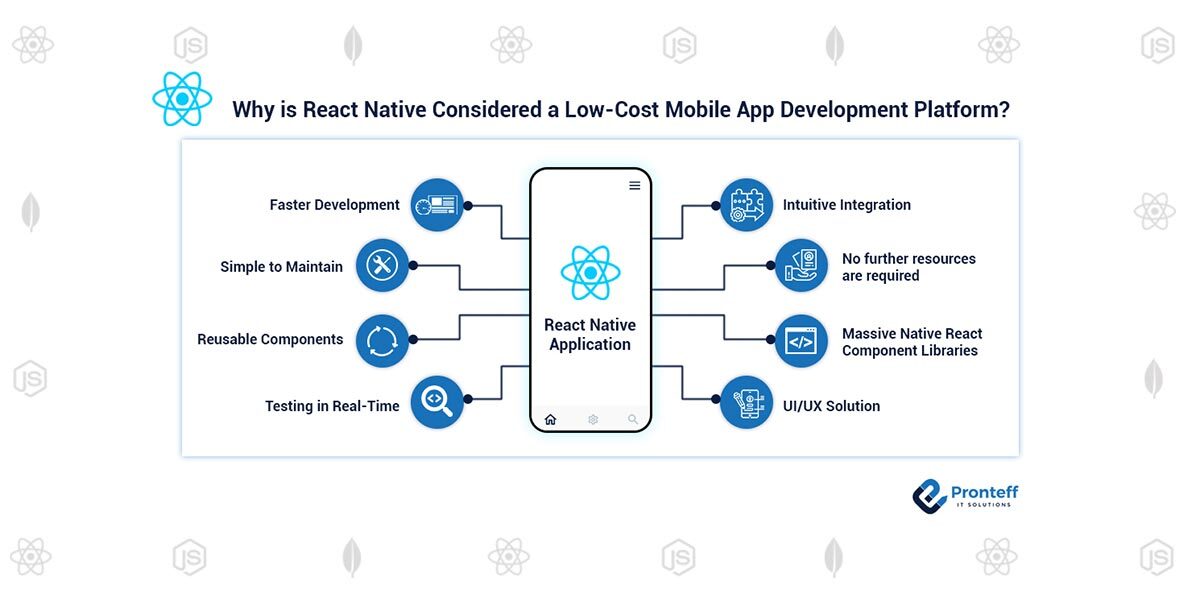
When it comes to choosing the best platform for application development, the answer depends on various factors such as the specific requirements of the project, the expertise of the development team, scalability needs, budget constraints, and target platforms. Some popular application development platforms include Android Studio for Android app development, Xcode for iOS app development, Visual Studio for Windows app development, and cross-platform frameworks like React Native and Flutter. It is essential to evaluate each platform based on its features, community support, flexibility, and compatibility with your project goals to determine which one aligns best with your development needs.

What is an application development platform?

An application development platform is a comprehensive set of tools, frameworks, and resources that enable developers to design, build, test, and deploy software applications efficiently. It provides a structured environment for creating applications by offering features such as integrated development environments (IDEs), libraries, APIs, and deployment options. Essentially, an application development platform serves as a foundation that streamlines the development process and allows developers to focus on designing innovative solutions without getting bogged down in the complexities of infrastructure setup and configuration.

What is a platform for an application?

A platform for an application refers to the foundational software environment on which developers build, deploy, and run their applications. It provides a set of tools, frameworks, and services that streamline the development process and enable the creation of functional and user-friendly applications. Essentially, an application development platform serves as a comprehensive infrastructure that supports developers in designing, coding, testing, and maintaining software applications across various devices and operating systems. By leveraging a robust platform, developers can focus on creating innovative features and functionalities for their applications without getting bogged down by the complexities of infrastructure management.

business

Unleashing the Power of Business Innovation

The Essence of Business

The Essence of Business

Business is the backbone of the economy, driving innovation, creating job opportunities, and fueling growth. It encompasses a wide range of activities aimed at producing goods or services to meet the needs and demands of customers.

At its core, business is about problem-solving and value creation. Successful businesses identify market gaps or inefficiencies and develop solutions to address them. They strive to deliver products or services that not only meet but exceed customer expectations.

Entrepreneurship is a key aspect of business, where individuals take risks to start new ventures and bring their ideas to life. It requires a combination of vision, passion, resilience, and strategic planning to navigate the challenges and uncertainties that come with building a business.

Effective management is crucial for the success of any business. Leaders must make informed decisions, manage resources efficiently, foster a positive work culture, and adapt to changing market conditions. Strong leadership inspires employees to perform at their best and drives organizational growth.

Businesses operate within a dynamic environment shaped by economic trends, technological advancements, regulatory changes, and competitive forces. Adaptability and agility are essential traits for businesses to thrive in today’s fast-paced world.

Collaboration and partnerships are also vital components of business success. By working together with suppliers, distributors, customers, and other stakeholders, businesses can leverage collective expertise and resources to achieve mutual goals.

In conclusion, business plays a fundamental role in society by driving economic development and fostering innovation. It offers opportunities for individuals to pursue their entrepreneurial ambitions and contribute to the growth of their communities. Embracing the principles of ethical conduct, sustainability, and social responsibility is key to building successful businesses that make a positive impact on the world.


Understanding Business: Key Concepts and Common Questions Answered

  1. What are the four types of business?
  2. What are business examples?
  3. What is your business type?
  4. What is the broad definition of business?
  5. Is business’s grammatically correct?
  6. What is the definition of a business?
  7. What are the 4 types of business?
  8. What is the concept of a business?

What are the four types of business?

In the realm of business, the four primary types of business structures are sole proprietorship, partnership, corporation, and limited liability company (LLC). Each type has its own set of characteristics, advantages, and legal implications. Sole proprietorship involves a single individual owning and operating the business, while partnerships involve two or more individuals sharing ownership and responsibilities. Corporations are separate legal entities owned by shareholders, providing limited liability protection to owners. LLCs combine aspects of both partnerships and corporations, offering flexibility and liability protection. Understanding these different business types is essential for entrepreneurs when choosing the most suitable structure for their ventures.

What are business examples?

Business examples encompass a wide range of industries and sectors that demonstrate the diverse nature of commercial activities. Some common business examples include retail stores, restaurants, consulting firms, manufacturing companies, technology startups, healthcare providers, financial institutions, and e-commerce platforms. Each of these examples operates within its unique market environment, offering products or services to meet consumer needs and generate revenue. By exploring various business examples, individuals can gain insights into different business models, strategies, and trends that shape the modern economy.

What is your business type?

When asked about your business type, it refers to the legal structure or form under which your business operates. Common business types include sole proprietorship, partnership, limited liability company (LLC), corporation, and cooperative. Each business type has its own set of advantages, disadvantages, and legal implications that determine how the business is managed, taxed, and held liable. Choosing the right business type is crucial for defining the ownership structure, decision-making process, and financial responsibilities of the entity. It is important to understand the implications of each business type to ensure compliance with regulations and to align with your long-term goals and vision for the business.

What is the broad definition of business?

The broad definition of business encompasses a diverse range of activities aimed at producing goods or services to meet the needs and demands of customers. It involves the creation, distribution, and exchange of value in various forms, such as products, services, or ideas. Business is not limited to profit-making enterprises but also includes non-profit organizations and government agencies that operate with specific objectives in mind. At its core, business is about identifying opportunities, solving problems, and managing resources effectively to achieve sustainable growth and success in a competitive marketplace.

Is business’s grammatically correct?

The frequently asked question regarding the correctness of “business’s” revolves around the possessive form of the word “business.” While some may argue that “business’s” is grammatically correct when indicating possession, others contend that using “business'” without the additional “s” is more appropriate in formal writing. Ultimately, both forms are widely accepted, and the choice between them often depends on personal preference or adherence to specific style guides.

What is the definition of a business?

A business can be defined as an organization or entity engaged in commercial, industrial, or professional activities with the primary goal of generating profit. It involves the production, distribution, or provision of goods and services to satisfy the needs and demands of customers in exchange for monetary compensation. Businesses operate within a structured framework that includes management, operations, marketing, finance, and human resources to ensure efficiency and sustainability. Additionally, businesses play a vital role in driving economic growth, creating employment opportunities, and contributing to the overall development of society.

What are the 4 types of business?

There are four main types of business structures commonly recognized: sole proprietorship, partnership, corporation, and limited liability company (LLC). Each type has its own set of characteristics, advantages, and legal implications. Sole proprietorship involves a single individual owning and operating the business. Partnerships involve two or more individuals sharing ownership and responsibilities. Corporations are separate legal entities owned by shareholders, providing liability protection but with more complex governance. LLCs combine aspects of partnerships and corporations, offering flexibility and liability protection for owners. Choosing the right business structure is crucial for determining taxation, liability, management structure, and overall business operations.

What is the concept of a business?

The concept of a business revolves around the idea of an organization or entity engaged in commercial, industrial, or professional activities aimed at generating profits by providing goods or services to customers. Businesses operate within a structured framework that involves planning, organizing, directing, and controlling resources to achieve specific goals and objectives. Key elements of the business concept include identifying market opportunities, managing risks, maximizing efficiency, and creating value for stakeholders. Ultimately, a successful business is one that effectively meets customer needs, adapts to changing market conditions, and sustains long-term growth and profitability.

software development methodology

Exploring the Evolution of Software Development Methodology

Understanding Software Development Methodology

Software Development Methodology: A Comprehensive Guide

Software development methodology refers to the process of planning, creating, testing, and deploying software applications. It is a structured approach that outlines the steps and best practices to follow throughout the software development lifecycle.

Types of Software Development Methodologies

There are several methodologies used in software development, each with its own set of principles and practices. Some common methodologies include:

  • Waterfall: A linear approach where each phase of the development process must be completed before moving on to the next.
  • Agile: An iterative and flexible approach that emphasizes collaboration, adaptability, and customer feedback.
  • Scrum: A subset of Agile that focuses on small, cross-functional teams working in short iterations called sprints.
  • Kanban: A visual method for managing work as it moves through various stages of development.
  • Spiral: A risk-driven model that combines elements of both waterfall and prototyping methodologies.

The Importance of Choosing the Right Methodology

Selecting the appropriate software development methodology is crucial for the success of a project. Factors such as project size, complexity, timeline, budget, and team expertise should be considered when deciding which methodology to adopt. Each methodology has its strengths and weaknesses, so it’s essential to choose one that aligns with the project requirements and goals.

The Software Development Lifecycle

The software development lifecycle (SDLC) is a fundamental component of any methodology. It typically consists of several phases, including:

  1. Planning: Defining project scope, goals, requirements, and timelines.
  2. Analysis: Gathering information and analyzing user needs to create a detailed specification document.
  3. Design: Creating a blueprint for the software based on the analysis phase.
  4. Implementation: Writing code based on the design specifications.
  5. Testing: Verifying that the software functions correctly and meets user requirements.
  6. Deployment: Releasing the software to users after thorough testing and quality assurance checks.
  7. Maintenance: Providing ongoing support, updates, and enhancements to ensure continued functionality.

In Conclusion

In conclusion, software development methodology plays a critical role in guiding how projects are planned, executed, and delivered. By understanding different methodologies and their principles, teams can choose the most suitable approach for their specific needs. Ultimately, selecting the right methodology can lead to more efficient development processes, improved collaboration among team members, higher-quality products, and increased customer satisfaction.


9 Essential Tips for Mastering Software Development Methodology

  1. Define clear project goals and requirements before starting development.
  2. Choose a suitable software development methodology based on the project’s needs.
  3. Break down the project into smaller tasks to improve manageability.
  4. Regularly communicate with team members to ensure everyone is on the same page.
  5. Use version control systems to track changes and collaborate efficiently.
  6. Perform regular testing throughout the development process to catch bugs early.
  7. Document code and processes to facilitate maintenance and future updates.
  8. Seek feedback from stakeholders at key milestones for course correction if needed.
  9. Continuously evaluate and improve your software development process.

Define clear project goals and requirements before starting development.

It is crucial to define clear project goals and requirements before initiating the software development process. By establishing a solid understanding of what needs to be achieved and the specific features that are essential for the project, teams can ensure that the development efforts are focused and aligned with the desired outcomes. Clear project goals and requirements serve as a roadmap for the development team, guiding their decisions and actions throughout the software development lifecycle. This proactive approach helps prevent misunderstandings, scope creep, and unnecessary rework, ultimately leading to a more efficient and successful development process.

Choose a suitable software development methodology based on the project’s needs.

When embarking on a software development project, it is essential to carefully consider and choose a suitable software development methodology that aligns with the project’s specific needs. By selecting the right methodology, tailored to factors such as project size, complexity, timeline, budget, and team expertise, teams can enhance efficiency, collaboration, and ultimately deliver high-quality software that meets user requirements effectively. Making an informed decision on the methodology ensures that the development process is well-structured and optimized for success from start to finish.

Break down the project into smaller tasks to improve manageability.

Breaking down the project into smaller tasks is a valuable tip in software development methodology as it enhances manageability and overall project efficiency. By dividing the project into manageable chunks, teams can focus on individual tasks more effectively, track progress accurately, and address any issues promptly. This approach also helps in better resource allocation, prioritization of work, and improved collaboration among team members. Ultimately, breaking down the project into smaller tasks enables a more structured and organized development process, leading to successful project completion within the set timelines.

Regularly communicate with team members to ensure everyone is on the same page.

Regular communication with team members is a crucial tip in software development methodology. It helps ensure that everyone involved in the project is aligned and working towards the same goals. By fostering open and transparent communication, team members can share updates, clarify requirements, address issues promptly, and maintain a cohesive workflow. Regular check-ins and discussions also promote collaboration, boost morale, and enhance overall productivity within the team.

Use version control systems to track changes and collaborate efficiently.

Utilizing version control systems is a crucial tip in software development methodology as it allows teams to track changes, manage code versions, and collaborate efficiently. By using version control systems such as Git or SVN, developers can work on the same codebase simultaneously without the risk of conflicting changes. This ensures that all team members have access to the latest version of the code, simplifying collaboration and reducing the chances of errors. Additionally, version control systems provide a detailed history of changes made to the codebase, making it easier to identify issues, revert to previous versions if needed, and maintain a well-organized development process.

Perform regular testing throughout the development process to catch bugs early.

Performing regular testing throughout the software development process is a crucial tip to catch bugs early and ensure the overall quality of the product. By conducting tests at various stages of development, developers can identify and address issues promptly, preventing them from escalating into more significant problems later on. Early bug detection not only helps in maintaining the stability and reliability of the software but also saves time and resources by avoiding costly rework in the later stages of development. Prioritizing regular testing fosters a proactive approach to quality assurance, leading to a smoother development process and a higher level of customer satisfaction in the end product.

Document code and processes to facilitate maintenance and future updates.

Documenting code and processes is a crucial tip in software development methodology as it helps facilitate maintenance and future updates. By creating clear and detailed documentation, developers can easily understand the logic behind the code, making it simpler to troubleshoot issues, implement changes, and add new features. Documentation also aids in knowledge transfer within teams, ensuring that multiple developers can work on the same codebase efficiently. Ultimately, well-documented code and processes contribute to the long-term sustainability of a software project by reducing errors, enhancing productivity, and enabling seamless maintenance and updates.

Seek feedback from stakeholders at key milestones for course correction if needed.

Seeking feedback from stakeholders at key milestones in the software development process is crucial for course correction if needed. By involving stakeholders early and regularly throughout the project, developers can ensure that the final product aligns with the stakeholders’ expectations and requirements. This feedback loop allows for timely adjustments to be made, reducing the risk of costly rework later on. Effective communication and collaboration with stakeholders can lead to a more successful outcome and a product that meets both business objectives and user needs.

Continuously evaluate and improve your software development process.

Continuously evaluating and improving your software development process is essential for ensuring efficiency, quality, and adaptability in your projects. By regularly assessing the effectiveness of your methodology, identifying areas for enhancement, and implementing necessary changes, you can optimize your development workflow and deliver better results. This iterative approach not only helps in addressing any inefficiencies or bottlenecks but also fosters a culture of continuous learning and innovation within your team, leading to continuous growth and success in software development endeavors.

Exploring the Dynamics of Software Development Models

Understanding Software Development Models

The Importance of Software Development Models

Software development models are essential frameworks that guide the process of creating software applications. These models provide a structured approach to software development, helping teams organize their work, manage resources effectively, and deliver high-quality products on time.

Types of Software Development Models

There are several popular software development models used in the industry today, each with its own unique characteristics and benefits:

  • Waterfall Model: A linear sequential approach where each phase must be completed before moving on to the next.
  • Agile Model: Emphasizes flexibility, collaboration, and iterative development cycles.
  • Spiral Model: Combines elements of both waterfall and iterative development in a risk-driven approach.
  • Incremental Model: Divides the project into small increments that are developed and delivered incrementally.
  • V-Model: Corresponds to the testing phase for each development stage in a sequential manner.

The Software Development Process

The software development process typically includes the following key stages:

  1. Requirement Analysis: Gathering and analyzing requirements from stakeholders.
  2. Design: Creating a blueprint for the software based on the requirements.
  3. Implementation: Writing code according to the design specifications.
  4. Testing: Verifying that the software functions correctly and meets requirements.
  5. Deployment: Releasing the software for users to access and utilize.

Selecting the Right Model

The choice of software development model depends on various factors such as project requirements, team size, budget constraints, and timeline. It is crucial for organizations to evaluate these factors carefully to select a model that aligns with their goals and objectives.

In Conclusion

In conclusion, software development models play a vital role in guiding teams through the complex process of creating software applications. By understanding different models and selecting the most suitable one for each project, organizations can enhance collaboration, improve efficiency, and deliver successful products that meet user needs effectively.


9 Benefits of a Structured Software Development Model for Effective Project Management

  1. Provides a structured approach to software development.
  2. Helps in organizing and managing the development process efficiently.
  3. Facilitates better resource allocation and utilization.
  4. Enables teams to plan and execute projects effectively.
  5. Improves communication and collaboration among team members.
  6. Enhances transparency by defining clear project milestones and deliverables.
  7. Allows for better risk management through systematic planning.
  8. Promotes quality assurance by incorporating testing at various stages of development.
  9. Supports iterative improvement based on feedback and evaluation.


Challenges of a Rigid Software Development Model: Balancing Structure and Flexibility

  1. Rigid structure may limit flexibility in responding to changing requirements.
  2. High initial planning and documentation requirements can be time-consuming.
  3. Difficulty in estimating project timelines accurately due to inherent uncertainties.
  4. Risk of scope creep if requirements are not well-defined at the beginning.
  5. May lead to stakeholder dissatisfaction if deliverables do not align with evolving expectations.
  6. Transitioning between different models can disrupt team dynamics and project continuity.

Provides a structured approach to software development.

One significant advantage of software development models is their ability to provide a structured approach to the entire software development process. By following a predefined framework, teams can organize their tasks, set clear milestones, and establish a systematic workflow. This structured approach helps in better resource management, improved coordination among team members, and ensures that the project progresses in a logical sequence. Ultimately, having a structured software development model in place enhances efficiency, reduces risks of errors, and increases the likelihood of delivering high-quality software products within the specified time frame.

Helps in organizing and managing the development process efficiently.

One key advantage of software development models is their ability to help in organizing and managing the development process efficiently. By providing a structured framework for project planning and execution, these models enable teams to streamline workflows, allocate resources effectively, and maintain clear communication throughout the development cycle. This organization ensures that tasks are completed in a systematic manner, leading to improved productivity, reduced risks of errors, and ultimately, successful delivery of high-quality software products within the specified timelines.

Facilitates better resource allocation and utilization.

One significant advantage of software development models is that they facilitate better resource allocation and utilization. By providing a structured framework for the development process, these models help teams effectively allocate resources such as time, budget, and manpower. This streamlined approach ensures that resources are utilized efficiently, leading to improved productivity and cost-effectiveness throughout the software development lifecycle. Additionally, by clearly defining roles and responsibilities within the team, software development models enable organizations to optimize their resources and maximize output while maintaining quality standards.

Enables teams to plan and execute projects effectively.

Software development models provide a structured framework that enables teams to plan and execute projects effectively. By following a defined process with clear milestones and deliverables, teams can establish a roadmap for project completion, allocate resources efficiently, and track progress methodically. This approach fosters better coordination among team members, ensures that tasks are completed in a logical sequence, and helps mitigate risks by identifying potential issues early on. Ultimately, the use of software development models empowers teams to work cohesively towards project goals and achieve successful outcomes within the specified timelines.

Improves communication and collaboration among team members.

Effective software development models contribute to improved communication and collaboration among team members. By providing a structured framework for project planning and execution, these models help team members clearly understand their roles, responsibilities, and dependencies. Regular meetings, status updates, and feedback sessions facilitated by the model promote open communication and foster a collaborative environment where ideas can be shared, issues addressed promptly, and solutions developed collectively. This enhanced communication ultimately leads to increased productivity, better decision-making, and a stronger sense of teamwork within the development team.

Enhances transparency by defining clear project milestones and deliverables.

Enhancing transparency by defining clear project milestones and deliverables is a significant advantage of software development models. By establishing specific goals and checkpoints throughout the development process, team members, stakeholders, and clients gain a clear understanding of the project’s progress and expected outcomes. This transparency fosters better communication, alignment of expectations, and accountability, ultimately leading to more successful and efficient project execution.

Allows for better risk management through systematic planning.

One significant advantage of software development models is their ability to facilitate better risk management through systematic planning. By following a structured approach outlined by the chosen model, development teams can identify potential risks early in the process, create mitigation strategies, and allocate resources effectively to address any uncertainties. This proactive risk management approach helps minimize the impact of unforeseen challenges, enhances project predictability, and increases the likelihood of delivering high-quality software within the defined timeline and budget constraints.

Promotes quality assurance by incorporating testing at various stages of development.

By incorporating testing at various stages of development, software development models promote quality assurance effectively. This proactive approach allows for the identification and resolution of potential issues early on in the process, ensuring that the final product meets high standards of quality and functionality. By integrating testing throughout different phases, teams can address bugs and errors promptly, leading to a more robust and reliable software application upon completion. This emphasis on quality assurance not only enhances the overall user experience but also contributes to the long-term success and sustainability of the software product.

Supports iterative improvement based on feedback and evaluation.

One significant benefit of software development models is their support for iterative improvement based on feedback and evaluation. By incorporating feedback from stakeholders and evaluating the software at various stages of development, teams can identify areas for enhancement and make necessary adjustments promptly. This iterative approach allows for continuous refinement of the product, ensuring that it meets user requirements effectively and delivers a high level of quality.

Rigid structure may limit flexibility in responding to changing requirements.

One significant drawback of software development models with a rigid structure is that they can limit flexibility in adapting to changing requirements. When the development process follows a strict sequential path, it becomes challenging to accommodate modifications or new priorities that may arise during the project. This lack of agility can lead to delays, increased costs, and potential dissatisfaction among stakeholders as the software may not fully meet their evolving needs. To mitigate this con, teams must carefully consider the trade-offs between structure and adaptability when selecting a development model and be prepared to implement strategies for managing changing requirements effectively.

High initial planning and documentation requirements can be time-consuming.

One significant drawback of software development models is the high initial planning and documentation requirements, which can be time-consuming. This con often leads to delays in the project timeline as teams invest considerable effort in detailed planning and documentation before moving forward with development. While thorough planning is essential for project success, excessive focus on documentation at the beginning stages can slow down progress and hinder agility in responding to changing requirements or market demands. Balancing the need for comprehensive planning with the flexibility to adapt to evolving circumstances is crucial to mitigating this challenge and ensuring efficient software development processes.

Difficulty in estimating project timelines accurately due to inherent uncertainties.

One significant drawback of software development models is the challenge of accurately estimating project timelines. The presence of inherent uncertainties, such as evolving requirements, unforeseen technical challenges, and changing priorities, can make it difficult to predict the exact duration needed to complete a project. This uncertainty can lead to delays, budget overruns, and frustration among stakeholders as initial timelines may need frequent adjustments throughout the development process. Effective project management strategies and regular communication with all involved parties are essential to mitigate this con and ensure successful project delivery despite these uncertainties.

Risk of scope creep if requirements are not well-defined at the beginning.

One significant drawback of software development models is the risk of scope creep when requirements are not well-defined at the project’s outset. Scope creep occurs when additional features or changes are continuously introduced throughout the development process, leading to project delays, increased costs, and potential conflicts within the team. Without clear and detailed requirements established from the beginning, it becomes challenging to manage stakeholders’ expectations and maintain project focus, ultimately jeopardizing the project’s success and overall efficiency.

May lead to stakeholder dissatisfaction if deliverables do not align with evolving expectations.

In software development, one significant drawback of using a specific model is that it may lead to stakeholder dissatisfaction if the deliverables do not align with evolving expectations. As requirements and priorities can change throughout the development process, rigid models that do not easily accommodate modifications may result in discrepancies between what was initially planned and what stakeholders ultimately desire. This mismatch can lead to frustration, delays, and potential rework, highlighting the importance of flexibility and adaptability in software development methodologies to ensure stakeholders’ evolving needs are met effectively.

Transitioning between different models can disrupt team dynamics and project continuity.

Transitioning between different software development models can pose a significant challenge for teams as it has the potential to disrupt team dynamics and project continuity. When moving from one model to another, team members may need to adjust their working methods, communication processes, and overall approach to development. This transition period can lead to confusion, delays, and a temporary decrease in productivity as team members adapt to the new model. Additionally, changes in project management practices and workflow structures can impact the overall continuity of the project, potentially causing setbacks and affecting the quality of deliverables. It is essential for organizations to carefully plan and manage transitions between software development models to minimize disruptions and ensure a smooth continuation of project activities.