cfchris.com

Loading

sdlc testing

Maximizing Quality Through Effective SDLC Testing Strategies

Article: SDLC Testing

The Importance of Testing in Software Development Life Cycle (SDLC)

Software Development Life Cycle (SDLC) testing is a crucial phase in the development process that ensures the quality, functionality, and reliability of software applications. It involves various testing activities performed at different stages of the SDLC to detect and fix defects early, ultimately leading to a successful software product.

Types of Testing in SDLC

There are several types of testing carried out during different phases of the SDLC:

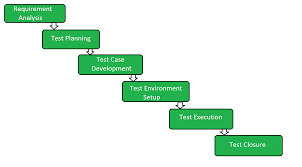
  • Requirements Testing: Ensures that all requirements are clear, complete, and testable.
  • System Testing: Validates the entire system’s functionality against specified requirements.
  • Integration Testing: Checks if individual modules work together as expected.
  • Unit Testing: Tests individual units or components of the software for proper functionality.
  • User Acceptance Testing (UAT): Involves end-users testing the software to ensure it meets their needs.

The Benefits of SDLC Testing

Effective testing in SDLC offers numerous benefits:

  • Early Defect Detection: Identifying and fixing defects early reduces costs and time required for rework later in the development cycle.
  • Better Quality Software: Thorough testing leads to a higher-quality final product that meets user expectations.
  • Risk Mitigation: Testing helps mitigate risks associated with software failures, security vulnerabilities, and performance issues.
  • User Satisfaction: Ensuring that the software functions as intended increases user satisfaction and adoption rates.

In Conclusion

In conclusion, incorporating comprehensive testing into each phase of the Software Development Life Cycle is essential for delivering successful software projects. By investing time and resources into testing activities, organizations can achieve higher-quality products that meet user needs and expectations. SDLC testing plays a vital role in ensuring the success of software development initiatives.


5 Essential Tips for Effective SDLC Testing

  1. Start testing early in the SDLC to detect and fix issues sooner.
  2. Define clear testing objectives and requirements before starting testing.
  3. Utilize automation tools for repetitive and time-consuming test cases.
  4. Perform thorough regression testing after each code change or update.
  5. Involve stakeholders throughout the testing process to gather feedback and ensure alignment with expectations.

Start testing early in the SDLC to detect and fix issues sooner.

Starting testing early in the Software Development Life Cycle (SDLC) is a crucial tip to detect and address issues sooner rather than later. By incorporating testing from the initial stages of development, teams can identify defects early on, leading to cost-effective and efficient resolution. This proactive approach not only helps in improving software quality but also ensures that potential issues are tackled at their root, ultimately contributing to the successful delivery of a high-quality software product.

Define clear testing objectives and requirements before starting testing.

To ensure the effectiveness of testing in the Software Development Life Cycle (SDLC), it is crucial to define clear testing objectives and requirements before initiating the testing process. By establishing specific goals and criteria for testing, teams can focus their efforts on identifying and addressing potential issues early on, leading to a more efficient and successful software development cycle. Clear testing objectives help align stakeholders, prioritize testing activities, and ultimately contribute to delivering a high-quality software product that meets user expectations.

Utilize automation tools for repetitive and time-consuming test cases.

To enhance efficiency and accuracy in SDLC testing, it is advisable to leverage automation tools for repetitive and time-consuming test cases. By automating these tests, teams can save valuable time and resources while ensuring consistent execution of test scenarios. Automation tools not only accelerate the testing process but also help in detecting defects early, leading to improved software quality and faster time-to-market. Embracing automation in SDLC testing can streamline workflows, increase productivity, and enhance overall testing effectiveness.

Perform thorough regression testing after each code change or update.

Performing thorough regression testing after each code change or update is a critical tip in Software Development Life Cycle (SDLC) testing. Regression testing ensures that new code modifications do not adversely impact existing functionalities. By retesting the entire software system, including previously tested features, organizations can identify and fix any unintended consequences of the latest changes. This practice helps maintain the overall integrity and stability of the software application, ultimately leading to a more reliable and robust product.

Involve stakeholders throughout the testing process to gather feedback and ensure alignment with expectations.

In software development, it is crucial to involve stakeholders throughout the testing process to gather valuable feedback and ensure that the software aligns with their expectations. By engaging stakeholders from the early stages of testing, developers can gain insights into user requirements, preferences, and potential issues. This collaborative approach not only enhances communication and transparency but also increases the likelihood of delivering a product that meets stakeholders’ needs and satisfaction.

sdlc in software testing

Exploring the Significance of SDLC in Software Testing Practices

Understanding the Software Development Life Cycle (SDLC) in Software Testing

The Importance of SDLC in Software Testing

Software Development Life Cycle (SDLC) is a crucial process that outlines the various stages involved in developing software applications. In the realm of software testing, understanding SDLC is essential for ensuring the quality and reliability of software products.

Phases of SDLC in Software Testing

SDLC consists of several phases, each playing a vital role in the development and testing of software:

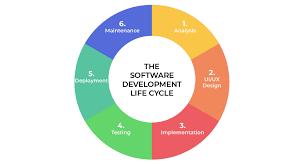
  1. Requirement Analysis: This phase involves gathering and analyzing requirements from stakeholders to understand the scope of the project.
  2. Design: In this phase, the system architecture and design are planned based on the gathered requirements.
  3. Development: The actual coding and implementation of the software take place in this phase.
  4. Testing: Software testing is a critical phase where various testing techniques are applied to ensure that the software meets quality standards.
  5. Deployment: Once testing is complete, the software is deployed for use by end-users.
  6. Maintenance: Ongoing maintenance and support are provided to address any issues that may arise post-deployment.

The Role of Testing in SDLC

In SDLC, testing plays a pivotal role in ensuring that the software meets specified requirements and functions as intended. Different types of testing, such as unit testing, integration testing, system testing, and acceptance testing, are conducted at various stages to identify defects and ensure quality.

Benefits of Following SDLC in Software Testing

Adhering to SDLC principles offers several benefits for software development and testing processes:

  • Better Quality Assurance: By following a structured approach to development and testing, organizations can enhance the quality of their software products.
  • Risk Mitigation: SDLC helps identify potential risks early in the development cycle, allowing teams to address them proactively.
  • Cost Efficiency: By detecting defects early on through rigorous testing practices, organizations can save costs associated with fixing issues post-deployment.
  • Timely Delivery: Following a well-defined SDLC framework ensures that projects are completed within stipulated timelines by streamlining development and testing processes.

In conclusion, understanding SDLC is essential for successful software testing. By following a structured approach to development and incorporating robust testing practices at each stage, organizations can deliver high-quality software products that meet user expectations.


9 Key Advantages of Implementing SDLC in Software Testing

  1. Structured approach to software development
  2. Early identification of potential risks
  3. Enhanced quality assurance through rigorous testing practices
  4. Improved project management and planning
  5. Cost-effective by detecting defects early in the cycle
  6. Timely delivery of software projects
  7. Clear documentation and traceability of requirements
  8. Facilitates collaboration among development and testing teams
  9. Supports scalability and adaptability of software applications


7 Drawbacks of the Software Development Life Cycle in Testing: Rigid, Costly, and More

  1. Rigid Process
  2. Time-Consuming
  3. Costly
  4. Complexity
  5. Resource Intensive
  6. Potential for Overhead
  7. Limited Agility

Structured approach to software development

A significant advantage of SDLC in software testing is its structured approach to software development. By following a systematic and well-defined process, teams can ensure that all necessary steps, from requirements gathering to deployment, are executed in an organized manner. This structured approach helps in reducing errors, improving efficiency, and enhancing overall project management. It allows for better planning, tracking progress, and ensuring that the final product meets quality standards. Ultimately, the structured approach of SDLC contributes to the successful delivery of reliable and high-quality software solutions.

Early identification of potential risks

One significant advantage of following the Software Development Life Cycle (SDLC) in software testing is the early identification of potential risks. By systematically planning and executing testing activities at different stages of the development process, teams can proactively uncover and address risks before they escalate into critical issues. This proactive approach not only helps in mitigating potential threats to the software’s quality and functionality but also contributes to overall project success by minimizing the impact of unforeseen challenges.

Enhanced quality assurance through rigorous testing practices

Enhanced quality assurance through rigorous testing practices is a significant benefit of following the Software Development Life Cycle (SDLC) in software testing. By incorporating thorough testing at each stage of the development process, organizations can identify and rectify defects early on, ensuring that the software meets specified requirements and functions as intended. This proactive approach to quality assurance not only helps in delivering high-quality software products but also instills confidence in stakeholders regarding the reliability and performance of the final deliverables.

Improved project management and planning

Improved project management and planning is a significant advantage of incorporating SDLC in software testing. By following a structured approach to development, teams can better organize tasks, allocate resources efficiently, and establish clear timelines for each phase of the project. This leads to enhanced coordination among team members, improved communication with stakeholders, and better risk management throughout the software development life cycle. With a well-defined plan in place, project managers can mitigate potential delays and ensure that projects are delivered on time and within budget, ultimately leading to greater success in software testing endeavors.

Cost-effective by detecting defects early in the cycle

One significant advantage of following the Software Development Life Cycle (SDLC) in software testing is its cost-effectiveness. By detecting defects early in the development cycle, organizations can save substantial costs associated with fixing issues later in the process or post-deployment. Identifying and addressing defects at an early stage not only minimizes the resources required for rectification but also reduces the potential impact on project timelines and budgets. This proactive approach to defect detection and resolution contributes to overall cost savings and ensures that software products are delivered efficiently and within budget constraints.

Timely delivery of software projects

Adhering to the Software Development Life Cycle (SDLC) framework in software testing ensures the timely delivery of software projects. By following a structured approach that includes defined phases for development and testing, organizations can streamline their processes and effectively manage project timelines. This proactive approach allows teams to identify potential bottlenecks early on, address issues promptly, and ensure that projects are completed within the specified deadlines. Ultimately, the emphasis on timely delivery enabled by SDLC contributes to increased efficiency, client satisfaction, and overall project success.

Clear documentation and traceability of requirements

Clear documentation and traceability of requirements is a significant advantage of SDLC in software testing. By documenting all requirements at the beginning of the development process and tracing them throughout each phase, teams can ensure that the final product aligns closely with stakeholder expectations. This practice not only helps in understanding the scope of the project but also facilitates effective communication among team members. Additionally, clear documentation and traceability enable easier identification of potential issues or discrepancies, allowing for timely resolution and ensuring that the software meets all specified requirements.

Facilitates collaboration among development and testing teams

Facilitating collaboration among development and testing teams is a significant advantage of following the Software Development Life Cycle (SDLC) in software testing. By integrating testing activities throughout the development process, SDLC promotes communication and cooperation between developers and testers. This collaborative approach allows for early identification and resolution of issues, ensures alignment on project goals, and fosters a shared understanding of the software requirements. Ultimately, this teamwork leads to improved product quality, faster delivery cycles, and more efficient problem-solving processes within the development and testing teams.

Supports scalability and adaptability of software applications

One significant advantage of following the Software Development Life Cycle (SDLC) in software testing is that it supports the scalability and adaptability of software applications. By adhering to a structured development process, organizations can design software with scalability in mind, allowing applications to easily accommodate growth and increased demands. Additionally, SDLC enables teams to adapt and make changes to software applications efficiently, ensuring that they remain relevant and effective in a dynamic business environment. This proactive approach to development and testing under SDLC helps organizations build robust and flexible software solutions that can evolve alongside changing business requirements.

Rigid Process

One significant drawback of SDLC in software testing is its perceived rigidity, which can hinder adaptability to evolving project requirements. The structured nature of SDLC may impose constraints on accommodating changes during the development process, potentially leading to delays or inefficiencies in responding to new project demands. This rigidity can limit the flexibility needed to address shifting priorities or emerging market trends, ultimately impacting the agility and responsiveness of the software development and testing processes.

Time-Consuming

One significant drawback of following the Software Development Life Cycle (SDLC) in software testing is its time-consuming nature. Adhering to all the phases of SDLC, which include comprehensive testing, can lead to extended development cycles. The thorough testing processes involved in SDLC, while essential for ensuring quality and reliability, may require additional time and resources, potentially delaying the overall project timeline. This prolonged development cycle could pose challenges for meeting tight deadlines or responding quickly to changing market demands.

Costly

One significant drawback of Software Development Life Cycle (SDLC) in software testing is its cost implications. The implementation of a comprehensive SDLC framework with extensive testing procedures can significantly escalate project costs. The resources required for thorough testing activities, such as test planning, execution, and defect resolution, can contribute to budget overruns, especially for organizations with limited financial resources. Balancing the need for rigorous testing to ensure software quality with cost considerations remains a challenge in SDLC implementation.

Complexity

The con of SDLC in software testing lies in its inherent complexity. The structured framework of SDLC, while beneficial for ensuring thorough development and testing processes, can also introduce challenges in managing and coordinating the various stages effectively. The intricate interplay between requirements gathering, design, development, and testing phases may result in increased complexity for project managers and teams. Balancing the need for comprehensive testing with the demands of meeting project timelines within a structured SDLC framework can be a daunting task, requiring careful planning and coordination to navigate the complexities inherent in the software development life cycle.

Resource Intensive

One significant drawback of SDLC in software testing is its resource-intensive nature. Implementing SDLC effectively demands dedicated resources for each phase of the process, from requirements analysis to deployment and maintenance. This allocation of resources can strain the team’s capacity and budget, as it requires substantial time, effort, and financial investments to ensure that each stage is executed efficiently. The need for specialized skills, tools, and personnel at every phase of SDLC can pose challenges for organizations with limited resources, potentially impacting project timelines and overall cost-effectiveness.

Potential for Overhead

In software testing, one significant con of strictly following the Software Development Life Cycle (SDLC) model is the potential for overhead. While SDLC aims to provide a structured framework for software development and testing, there are instances where adhering rigorously to its guidelines can lead to unnecessary administrative tasks and excessive documentation. This overhead can consume valuable time and resources, diverting focus away from actual testing activities and potentially slowing down the overall development process. It is essential for organizations to strike a balance between adhering to SDLC principles and avoiding excessive bureaucracy to ensure efficient and effective software testing practices.

Limited Agility

In software testing, a significant drawback of the Software Development Life Cycle (SDLC) is its limited agility. The sequential progression of SDLC phases can impede the swift implementation of changes or iterations necessary in agile development environments. In today’s fast-paced and dynamic industry, where flexibility and adaptability are paramount, the rigid structure of SDLC may restrict the ability to respond quickly to evolving requirements or market demands. This limitation highlights the challenge of balancing structured processes with the need for agility in software development and testing practices.


sdlc is

Understanding What SDLC Is: A Comprehensive Guide to Software Development Life Cycle

Understanding Software Development Life Cycle (SDLC)

Understanding Software Development Life Cycle (SDLC)

Software Development Life Cycle (SDLC) is a structured process that guides the development of software applications from inception to deployment and maintenance. It is a systematic approach to software development that ensures high-quality, well-organized, and cost-effective solutions.

The Phases of SDLC

SDLC typically consists of several phases, each with its own set of activities and deliverables:

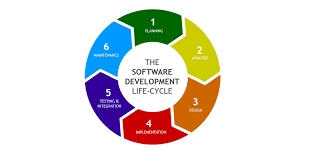
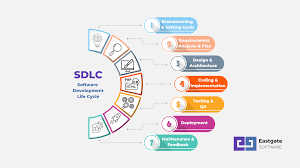
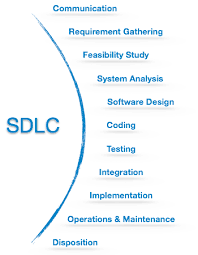
  1. Planning: In this phase, project requirements are gathered, feasibility studies are conducted, and a project plan is created.
  2. Analysis: The system requirements are analyzed in detail to understand the scope of the project and define the functionalities needed.
  3. Design: This phase involves creating a detailed design of the system architecture, database structure, user interface, and other components.
  4. Implementation: The actual coding of the software takes place in this phase based on the design specifications.
  5. Testing: The software is thoroughly tested to identify and fix any defects or issues before deployment.
  6. Deployment: The software is deployed to the production environment after successful testing.
  7. Maintenance: Post-deployment, ongoing maintenance and support activities ensure that the software continues to function effectively.

The Importance of SDLC

An effective SDLC process offers numerous benefits, including:

  • Better control over project timelines and costs
  • Improved communication among stakeholders
  • Higher quality software products with fewer defects
  • Easier maintenance and scalability of applications

In Conclusion

The Software Development Life Cycle (SDLC) is an essential framework for developing reliable software solutions. By following a structured approach through its various phases, organizations can ensure successful outcomes for their projects while meeting user requirements and business objectives.


Understanding the Software Development Life Cycle (SDLC): Key Phases, Importance, and Common Challenges

  1. What is SDLC and why is it important?
  2. What are the different phases of the Software Development Life Cycle (SDLC)?
  3. How does SDLC help in ensuring the quality of software products?
  4. What role does testing play in the SDLC process?
  5. How can organizations benefit from following a structured SDLC approach?
  6. What are some common challenges faced during the implementation of SDLC?

What is SDLC and why is it important?

Software Development Life Cycle (SDLC) is a systematic process that guides the development of software applications from inception to deployment and maintenance. It is crucial because it provides a structured framework for managing and executing software projects efficiently. SDLC helps ensure that software products are developed with high quality, meet user requirements, adhere to budget and timeline constraints, and are maintainable in the long run. By following the phases of SDLC, organizations can minimize risks, improve communication among project stakeholders, and deliver successful software solutions that align with business goals.

What are the different phases of the Software Development Life Cycle (SDLC)?

The Software Development Life Cycle (SDLC) comprises several distinct phases that guide the development process of a software application from inception to deployment and maintenance. These phases typically include planning, analysis, design, implementation, testing, deployment, and maintenance. Each phase has its own set of activities and objectives aimed at ensuring the successful and systematic progression of the software development project. By following these well-defined phases within the SDLC framework, organizations can effectively manage their software development projects and deliver high-quality solutions that meet user requirements and business goals.

How does SDLC help in ensuring the quality of software products?

Software Development Life Cycle (SDLC) plays a crucial role in ensuring the quality of software products by providing a structured framework that guides the development process from start to finish. By following the defined phases of SDLC, including planning, analysis, design, implementation, testing, deployment, and maintenance, developers can systematically identify and address potential issues at each stage. This approach allows for thorough testing and validation of the software before deployment, leading to higher-quality products with fewer defects. Additionally, SDLC promotes collaboration among stakeholders, clear documentation of requirements and design specifications, and effective project management practices—all of which contribute to delivering software solutions that meet user expectations and business needs.

What role does testing play in the SDLC process?

Testing plays a crucial role in the Software Development Life Cycle (SDLC) process. It is a fundamental phase that ensures the quality and reliability of the software being developed. Testing helps identify and rectify defects, bugs, and issues in the software before it is deployed to production. By conducting thorough testing at different stages of the SDLC, developers can validate that the software meets all requirements, functions as intended, and delivers a seamless user experience. Effective testing not only enhances the overall quality of the product but also reduces risks associated with post-deployment failures, ultimately contributing to successful project outcomes.

How can organizations benefit from following a structured SDLC approach?

Organizations can benefit significantly from following a structured Software Development Life Cycle (SDLC) approach. By adhering to a well-defined SDLC process, organizations can ensure better control over project timelines and costs, leading to more predictable outcomes. A structured SDLC approach also promotes improved communication among project stakeholders, fostering collaboration and alignment towards common goals. Moreover, following an SDLC framework results in higher quality software products with fewer defects, enhancing overall customer satisfaction and reducing the need for costly rework. Additionally, the systematic nature of SDLC facilitates easier maintenance and scalability of applications, enabling organizations to adapt to changing business requirements more efficiently.

What are some common challenges faced during the implementation of SDLC?

During the implementation of Software Development Life Cycle (SDLC), several common challenges may arise. One significant challenge is managing changing requirements, as stakeholders may introduce new needs or modifications during the development process, leading to scope creep. Another challenge is maintaining clear communication among team members and stakeholders to ensure alignment on project goals and expectations. Additionally, resource constraints, such as budget limitations or staffing issues, can impact the timely delivery of the project. Addressing these challenges requires proactive planning, effective collaboration, and adaptability throughout the SDLC stages to mitigate risks and ensure successful project outcomes.

sdlc devops

Optimizing Software Development: The Synergy of SDLC and DevOps

Article: SDLC and DevOps

The Integration of SDLC and DevOps: Enhancing Software Development Processes

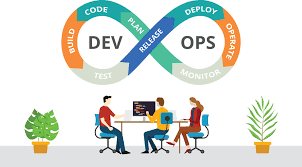
Software Development Life Cycle (SDLC) and DevOps are two essential frameworks that play crucial roles in the software development process. While SDLC focuses on the planning, design, development, testing, deployment, and maintenance phases of software development, DevOps emphasizes collaboration, automation, and integration between development and operations teams.

Benefits of Integrating SDLC with DevOps

By integrating SDLC with DevOps practices, organizations can achieve several benefits:

  • Accelerated Development: The collaboration between development and operations teams streamlines the software development process, leading to faster delivery of high-quality software.
  • Improved Quality: Continuous testing and feedback loops in the DevOps pipeline ensure that issues are identified early in the development cycle, resulting in higher-quality software.
  • Enhanced Collaboration: DevOps promotes a culture of collaboration and communication among team members, breaking down silos and improving overall efficiency.
  • Increased Automation: Automation tools in the DevOps pipeline automate repetitive tasks, reducing manual errors and enhancing productivity.
  • Better Deployment Practices: Continuous integration and continuous deployment (CI/CD) practices enable organizations to deploy software updates rapidly and reliably.

Key Practices for Integrating SDLC with DevOps

To successfully integrate SDLC with DevOps, organizations should consider implementing the following key practices:

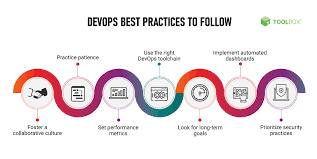
  1. Version Control: Utilize version control systems to manage code changes efficiently and enable collaboration among team members.
  2. Continuous Integration: Implement automated build and test processes to integrate code changes frequently into a shared repository.
  3. Continuous Delivery/Deployment: Automate the deployment process to enable rapid delivery of software updates to production environments.
  4. Monitoring and Feedback: Use monitoring tools to track application performance in real-time and gather feedback for continuous improvement.
  5. Culture of Collaboration: Foster a culture that values collaboration, transparency, and shared responsibility across development and operations teams.

In conclusion, integrating SDLC with DevOps practices can significantly enhance software development processes by improving speed, quality, collaboration, automation, and deployment practices. Organizations that embrace this integration stand to benefit from increased efficiency, innovation, and competitiveness in today’s fast-paced digital landscape.


Top 5 DevOps Tips for Streamlining the SDLC: Automation, CI/CD, Collaboration, Monitoring, and Continuous Improvement

  1. Automate the build, test, and deployment processes to increase efficiency.
  2. Implement continuous integration and continuous delivery practices for faster feedback loops.
  3. Ensure collaboration and communication between development and operations teams throughout the SDLC.
  4. Monitor and analyze performance metrics to identify areas for improvement in the development process.
  5. Embrace a culture of continuous learning and improvement to drive innovation in DevOps practices.

Automate the build, test, and deployment processes to increase efficiency.

Automating the build, test, and deployment processes is a key tip in integrating SDLC with DevOps to enhance efficiency. By automating these critical stages of software development, teams can reduce manual errors, accelerate delivery timelines, and ensure consistent quality across releases. Automation streamlines repetitive tasks, allowing developers to focus on innovation and problem-solving rather than mundane chores. This practice not only increases efficiency but also promotes a more agile and responsive development environment where updates can be deployed quickly and reliably.

Implement continuous integration and continuous delivery practices for faster feedback loops.

Implementing continuous integration and continuous delivery practices in the software development life cycle (SDLC) with DevOps can significantly enhance the development process. By automating the integration of code changes and enabling rapid deployment of software updates, organizations can establish faster feedback loops. This approach allows teams to identify issues early, improve collaboration between developers and operations, and deliver high-quality software more efficiently. Continuous integration and delivery not only streamline the development pipeline but also promote a culture of agility and innovation within the organization.

Ensure collaboration and communication between development and operations teams throughout the SDLC.

Ensuring collaboration and communication between development and operations teams throughout the Software Development Life Cycle (SDLC) is crucial for the successful integration of DevOps practices. By fostering a culture of teamwork and open communication, organizations can streamline processes, share knowledge effectively, and address challenges proactively. This collaborative approach enables developers and operations staff to work together seamlessly, leading to faster delivery of high-quality software, improved efficiency, and enhanced overall performance of the software development process.

Monitor and analyze performance metrics to identify areas for improvement in the development process.

Monitoring and analyzing performance metrics is a crucial tip in the integration of SDLC with DevOps. By closely tracking key performance indicators throughout the software development life cycle, teams can identify bottlenecks, inefficiencies, and areas for improvement in their processes. This data-driven approach enables organizations to make informed decisions, optimize workflows, and enhance overall productivity. Continuous monitoring of performance metrics fosters a culture of continuous improvement, driving innovation and ensuring that software development practices align with business objectives effectively.

Embrace a culture of continuous learning and improvement to drive innovation in DevOps practices.

Embracing a culture of continuous learning and improvement is essential to driving innovation in DevOps practices. By encouraging team members to stay updated on the latest technologies, tools, and methodologies, organizations can foster a dynamic environment where new ideas are welcomed and implemented. This commitment to ongoing learning not only enhances individual skills but also promotes collaboration and creativity within the team. Through a culture of continuous improvement, organizations can adapt to changing market demands, optimize their processes, and ultimately achieve greater success in their software development endeavors.

devops sdlc

Optimizing Software Development: The Power of DevOps in SDLC

The Role of DevOps in the Software Development Life Cycle (SDLC)

The Role of DevOps in the Software Development Life Cycle (SDLC)

DevOps, a combination of “development” and “operations,” is a software development methodology that emphasizes collaboration and communication between software developers and IT operations professionals. When integrated into the Software Development Life Cycle (SDLC), DevOps can streamline the development process, improve efficiency, and enhance product quality.

Key Components of DevOps in SDLC:

Continuous Integration (CI): CI involves automatically integrating code changes into a shared repository multiple times a day. This practice helps identify and fix integration issues early in the development process.

Continuous Delivery (CD): CD focuses on automating the deployment process to deliver code changes to production quickly and reliably. It ensures that software is always in a deployable state.

Infrastructure as Code (IaC): IaC involves managing infrastructure through code and automation tools. It allows for consistent provisioning of environments, reducing manual errors and improving scalability.

Monitoring and Logging: Monitoring tools provide insights into system performance, while logging helps track events and troubleshoot issues. These practices are essential for maintaining system health and reliability.

Benefits of Integrating DevOps into SDLC:

Faster Time-to-Market: By automating processes and improving collaboration, DevOps accelerates development cycles, allowing organizations to release products faster.

Improved Quality: Continuous testing and integration help catch bugs early, leading to higher-quality software releases with fewer defects.

Enhanced Collaboration: DevOps promotes cross-functional teamwork, breaking down silos between development, operations, and other teams. This collaboration fosters innovation and efficiency.

Better Scalability: With IaC and automation, organizations can easily scale their infrastructure based on demand without manual intervention. This flexibility enables rapid growth without compromising stability.

In Conclusion

Integrating DevOps practices into the SDLC is crucial for modern software development teams looking to stay competitive in today’s fast-paced market. By embracing automation, collaboration, and continuous improvement, organizations can deliver high-quality products efficiently while meeting customer demands effectively.


6 Essential DevOps SDLC Tips for Streamlining Efficiency and Security

  1. Automate repetitive tasks to increase efficiency.
  2. Implement continuous integration and continuous deployment practices.
  3. Use version control systems to track changes in code and configurations.
  4. Monitor application performance and infrastructure health regularly.
  5. Encourage collaboration between development and operations teams.
  6. Prioritize security measures throughout the software development lifecycle.

Automate repetitive tasks to increase efficiency.

Automating repetitive tasks is a key tip in DevOps SDLC to boost efficiency and productivity. By leveraging automation tools and scripts, teams can streamline routine processes, such as testing, deployment, and monitoring, saving valuable time and reducing the risk of human error. This allows developers and operations professionals to focus on more strategic tasks, innovation, and problem-solving, ultimately accelerating the software development lifecycle and improving overall project outcomes.

Implement continuous integration and continuous deployment practices.

Implementing continuous integration and continuous deployment practices in DevOps SDLC is essential for streamlining the software development process. Continuous integration involves automatically integrating code changes into a shared repository multiple times a day, facilitating early detection and resolution of integration issues. On the other hand, continuous deployment focuses on automating the deployment process to deliver code changes to production swiftly and reliably. By adopting these practices, development teams can enhance collaboration, improve efficiency, and ensure that software is always in a deployable state, ultimately leading to faster time-to-market and higher-quality product releases.

Use version control systems to track changes in code and configurations.

In DevOps SDLC, it is essential to utilize version control systems to monitor and manage changes in code and configurations effectively. Version control systems, such as Git or SVN, allow developers to track modifications, collaborate seamlessly, revert to previous versions if needed, and maintain a clear history of changes. By implementing robust version control practices, teams can ensure consistency, traceability, and reliability throughout the software development process.

Monitor application performance and infrastructure health regularly.

Monitoring application performance and infrastructure health regularly is a critical aspect of implementing DevOps practices in the Software Development Life Cycle (SDLC). By continuously monitoring these key metrics, teams can identify potential issues early, ensure optimal system performance, and proactively address any anomalies that may impact the overall quality of the software. This proactive approach not only helps in maintaining a stable and reliable environment but also enables teams to make data-driven decisions to improve efficiency and enhance the end-user experience.

Encourage collaboration between development and operations teams.

Encouraging collaboration between development and operations teams is a key tip in implementing DevOps practices within the Software Development Life Cycle (SDLC). By fostering open communication and teamwork between these traditionally siloed departments, organizations can streamline processes, improve efficiency, and enhance the overall quality of software releases. When developers and operations professionals work together closely, they can better understand each other’s needs and challenges, leading to faster problem-solving, smoother deployments, and ultimately, more successful outcomes for the entire project.

Prioritize security measures throughout the software development lifecycle.

It is essential to prioritize security measures throughout the software development lifecycle when implementing DevOps practices. By integrating security from the initial stages of development, teams can identify and address vulnerabilities early on, reducing the risk of potential security breaches. This proactive approach ensures that security is not an afterthought but a fundamental aspect of the entire development process, leading to more secure and resilient software products.

full sdlc

Mastering the Full Software Development Life Cycle (SDLC): A Comprehensive Guide

The Full Software Development Life Cycle (SDLC)

The Full Software Development Life Cycle (SDLC)

The Software Development Life Cycle (SDLC) is a structured process that outlines the steps needed to design, develop, test, and deploy software applications. The full SDLC encompasses all the phases involved in creating software, from the initial planning to maintenance and support.

Phases of the Full SDLC

Planning: This phase involves defining the scope of the project, setting goals, and determining resources needed.

Analysis: During this phase, requirements are gathered from stakeholders and analyzed to create a functional specification.

Design: The design phase involves creating a detailed technical design based on the requirements identified in the analysis phase.

Implementation: In this phase, developers write code according to the design specifications and integrate different components of the software.

Testing: The testing phase involves verifying that the software meets requirements and is free of bugs or errors through various testing methods.

Deployment: Once testing is complete, the software is deployed to production environments for end-users to access.

Maintenance: After deployment, ongoing maintenance is required to address issues, implement updates, and ensure optimal performance.

The Importance of Following a Full SDLC

Adhering to a full SDLC ensures that software projects are completed efficiently and effectively. By following a structured process, organizations can minimize risks, control costs, and deliver high-quality solutions that meet user needs.

In conclusion, the full Software Development Life Cycle (SDLC) provides a roadmap for successfully developing software applications from start to finish. By following each phase diligently, organizations can create reliable and innovative software products that drive business success.


9 Essential Tips for Mastering the Full Software Development Life Cycle (SDLC)

  1. Understand the project requirements thoroughly before starting.
  2. Involve stakeholders at every stage of the software development life cycle (SDLC).
  3. Create a detailed project plan outlining tasks, timelines, and responsibilities.
  4. Use version control to manage changes and track progress effectively.
  5. Perform thorough testing at each phase to ensure quality and identify issues early.
  6. Document all processes, decisions, and changes for future reference.
  7. Prioritize security measures throughout the SDLC to protect against vulnerabilities.
  8. Regularly review and evaluate the project status to make necessary adjustments.
  9. Seek feedback from end users to incorporate improvements and enhance user experience.

Understand the project requirements thoroughly before starting.

To ensure a successful software development project following the full Software Development Life Cycle (SDLC), it is crucial to thoroughly understand the project requirements before commencing any work. By taking the time to carefully analyze and clarify the needs and expectations of stakeholders, teams can create a solid foundation for the development process. Clear and comprehensive project requirements help in defining scope, setting achievable goals, and guiding all subsequent phases of the SDLC towards meeting user needs effectively.

Involve stakeholders at every stage of the software development life cycle (SDLC).

It is crucial to involve stakeholders at every stage of the software development life cycle (SDLC) to ensure that the final product meets their needs and expectations. By engaging stakeholders from the planning phase to deployment and maintenance, developers can gather valuable feedback, address concerns early on, and make informed decisions that align with the project goals. This collaborative approach fosters transparency, enhances communication, and ultimately leads to the successful delivery of software solutions that satisfy both business requirements and user preferences.

Create a detailed project plan outlining tasks, timelines, and responsibilities.

Creating a detailed project plan outlining tasks, timelines, and responsibilities is crucial in the full Software Development Life Cycle (SDLC). This plan serves as a roadmap for the entire development process, ensuring that all team members understand their roles and deadlines. By clearly defining tasks and responsibilities, teams can work more efficiently, minimize risks of delays or misunderstandings, and ultimately contribute to the successful completion of the project within the specified timeline.

Use version control to manage changes and track progress effectively.

Utilizing version control is crucial in the full Software Development Life Cycle (SDLC) to effectively manage changes and track progress. Version control systems like Git enable developers to keep track of modifications made to the codebase, collaborate seamlessly with team members, and revert to previous versions if needed. By implementing version control practices, development teams can maintain a structured workflow, reduce errors, and ensure that all project stakeholders are aligned throughout the software development process.

Perform thorough testing at each phase to ensure quality and identify issues early.

Performing thorough testing at each phase of the Full Software Development Life Cycle (SDLC) is crucial to ensuring quality and identifying issues early in the development process. By conducting comprehensive testing during planning, analysis, design, implementation, and deployment phases, developers can detect and address potential problems before they escalate, leading to a more robust and reliable software product. Early identification of issues through rigorous testing helps in delivering a high-quality solution that meets user requirements and minimizes the need for costly rework later in the development cycle.

Document all processes, decisions, and changes for future reference.

Documenting all processes, decisions, and changes throughout the Full Software Development Life Cycle (SDLC) is crucial for future reference and continuous improvement. By maintaining detailed documentation, teams can ensure transparency, traceability, and knowledge transfer within the project. This practice not only helps in understanding the rationale behind past decisions but also facilitates smoother transitions between project phases and team members. Ultimately, thorough documentation serves as a valuable resource for future projects, enabling teams to learn from past experiences and make informed decisions to enhance the overall development process.

Prioritize security measures throughout the SDLC to protect against vulnerabilities.

It is crucial to prioritize security measures throughout the Software Development Life Cycle (SDLC) to safeguard against vulnerabilities. By integrating security practices from the initial planning stages to deployment and maintenance, organizations can proactively identify and address potential security risks. This approach helps in creating robust and secure software solutions that protect sensitive data, prevent cyber threats, and ensure the overall integrity of the system. Emphasizing security throughout the SDLC not only enhances the reliability of the software but also instills trust among users and stakeholders.

Regularly review and evaluate the project status to make necessary adjustments.

Regularly reviewing and evaluating the project status is a crucial tip in the full Software Development Life Cycle (SDLC). By consistently assessing the progress of the project, teams can identify any potential issues or deviations from the initial plan and make necessary adjustments promptly. This proactive approach helps ensure that the project stays on track, meets its objectives, and delivers high-quality software solutions within the specified timeline and budget.

Seek feedback from end users to incorporate improvements and enhance user experience.

Seeking feedback from end users is a crucial step in the full Software Development Life Cycle (SDLC) process. By actively engaging with end users, developers can gain valuable insights into how the software is being used and identify areas for improvement. Incorporating user feedback allows for enhancements that can significantly enhance the overall user experience, leading to higher satisfaction levels and increased usability of the software. This iterative feedback loop ensures that the software aligns closely with user needs and expectations, ultimately resulting in a more successful and user-friendly product.

sdlc software

Mastering the Software Development Life Cycle (SDLC) for Efficient Software Development

The Importance of Software Development Life Cycle (SDLC)

The Importance of Software Development Life Cycle (SDLC)

Software Development Life Cycle (SDLC) is a systematic process used by software developers to design, develop, and test high-quality software products. It is a crucial framework that ensures the efficient and timely delivery of software solutions while meeting customer requirements.

Phases of SDLC:

Planning: In this phase, project requirements are gathered, analyzed, and documented. Budget, timeline, and resources are also determined during the planning stage.

Analysis: During this phase, the system requirements are studied in detail. Developers work closely with stakeholders to understand their needs and expectations.

Design: The design phase involves creating a blueprint for the software solution based on the requirements gathered in the previous phases. This includes architectural design, database design, and user interface design.

Implementation: In this phase, actual coding takes place based on the design specifications. Developers write code according to the programming language selected for the project.

Testing: Testing is a critical phase where software is tested for bugs, errors, and functionality issues. Various testing methods like unit testing, integration testing, and system testing are performed to ensure quality.

Deployment: Once testing is complete and the software meets all requirements, it is deployed to production environments for actual use by end-users.

Maintenance: The maintenance phase involves regular updates, bug fixes, and enhancements to ensure that the software continues to meet changing user needs over time.

The Benefits of SDLC:

  • Better Quality: SDLC ensures that software products are thoroughly tested before deployment, resulting in higher quality solutions.
  • Cost-Effective Development: By following a structured approach like SDLC, developers can identify issues early in the process, reducing development costs in the long run.
  • Easier Maintenance:S DLC’s iterative nature allows for easier maintenance and updates as changes can be implemented systematically without disrupting existing functionalities.
  • Customer Satisfaction:


    9 Essential Tips for Mastering the Software Development Life Cycle (SDLC)

    1. Understand the requirements thoroughly before starting the development process.
    2. Involve stakeholders at every stage of the Software Development Life Cycle (SDLC).
    3. Use version control systems to track changes and manage code efficiently.
    4. Perform regular testing to ensure quality and identify bugs early in the process.
    5. Document each phase of the SDLC to maintain clarity and facilitate future maintenance.
    6. Adopt Agile or DevOps methodologies for a more iterative and collaborative approach.
    7. Consider security measures throughout the SDLC to protect against potential threats.
    8. Plan for scalability to accommodate future growth and changes in user demands.
    9. Continuously gather feedback from users to improve software usability and functionality.

    Understand the requirements thoroughly before starting the development process.

    It is essential to thoroughly understand the requirements before initiating the development process in Software Development Life Cycle (SDLC). Clear and comprehensive comprehension of project requirements ensures that developers have a solid foundation to work from, reducing the likelihood of misunderstandings or rework later on. By taking the time to delve deep into the requirements at the beginning, teams can align their efforts with the client’s needs and expectations, leading to a more efficient and successful development cycle.

    Involve stakeholders at every stage of the Software Development Life Cycle (SDLC).

    It is essential to involve stakeholders at every stage of the Software Development Life Cycle (SDLC) to ensure the successful development and delivery of software solutions that meet their needs and expectations. By engaging stakeholders throughout the process, developers can gather valuable feedback, clarify requirements, and address any concerns or changes early on. This collaborative approach fosters a sense of ownership among stakeholders and helps build consensus, ultimately leading to the development of high-quality software products that align closely with the organization’s goals and objectives.

    Use version control systems to track changes and manage code efficiently.

    When implementing Software Development Life Cycle (SDLC) processes, it is essential to utilize version control systems to track changes and manage code efficiently. Version control systems, such as Git or SVN, allow developers to keep track of modifications made to the codebase over time. By using version control, teams can collaborate seamlessly, revert to previous versions if needed, and maintain a clear history of code changes. This practice not only enhances code management but also improves overall project efficiency and ensures better software quality throughout the SDLC stages.

    Perform regular testing to ensure quality and identify bugs early in the process.

    Performing regular testing throughout the Software Development Life Cycle (SDLC) is crucial to ensure the quality of the software and identify bugs early in the process. By conducting thorough and systematic testing at each stage of development, developers can detect and address issues promptly, leading to a more robust and reliable final product. Early bug identification not only helps in maintaining high-quality standards but also reduces the time and cost associated with fixing defects later in the development cycle. Prioritizing regular testing in SDLC contributes significantly to delivering a successful software solution that meets user expectations and performs optimally.

    Document each phase of the SDLC to maintain clarity and facilitate future maintenance.

    Documenting each phase of the Software Development Life Cycle (SDLC) is a crucial tip to maintain clarity and facilitate future maintenance of software projects. By documenting each phase, including planning, analysis, design, implementation, testing, deployment, and maintenance, developers and stakeholders can have a clear understanding of the project’s progress and requirements. Detailed documentation serves as a reference point for future updates, enhancements, and troubleshooting efforts, ensuring that the software remains well-documented and easily maintainable throughout its lifecycle.

    Adopt Agile or DevOps methodologies for a more iterative and collaborative approach.

    Adopting Agile or DevOps methodologies in the Software Development Life Cycle (SDLC) can significantly enhance the development process. By embracing these frameworks, teams can work in a more iterative and collaborative manner, allowing for quicker feedback loops, improved adaptability to changes, and increased efficiency in delivering software solutions. Agile methodologies promote flexibility and customer-centric development, while DevOps focuses on streamlining collaboration between development and operations teams for seamless integration and deployment. Implementing Agile or DevOps practices in SDLC can lead to enhanced productivity, better quality software, and ultimately, higher customer satisfaction.

    Consider security measures throughout the SDLC to protect against potential threats.

    It is essential to consider security measures throughout the Software Development Life Cycle (SDLC) to safeguard against potential threats. By integrating security practices from the early stages of planning and design to the final deployment and maintenance phases, developers can proactively identify vulnerabilities and mitigate risks. Implementing robust security protocols ensures that software products are resilient against cyber threats, protecting sensitive data and maintaining the trust of users. Prioritizing security throughout the SDLC not only enhances the overall quality of the software but also contributes to a more secure and reliable end product.

    Plan for scalability to accommodate future growth and changes in user demands.

    When implementing Software Development Life Cycle (SDLC) for a project, it is essential to plan for scalability to accommodate future growth and changes in user demands. By anticipating the need for scalability, developers can design a flexible and adaptable software solution that can easily expand to meet increasing user requirements or changes in the business environment. This proactive approach ensures that the software remains relevant and efficient in the long term, saving time and resources on extensive rework or redevelopment efforts down the line.

    Continuously gather feedback from users to improve software usability and functionality.

    Continuously gathering feedback from users is a crucial tip in the Software Development Life Cycle (SDLC) process. By actively seeking input from end-users, developers can gain valuable insights into how the software is being used and identify areas for improvement in terms of usability and functionality. This feedback loop allows for iterative enhancements that align the software more closely with user needs and preferences, ultimately leading to a more user-friendly and effective product. Embracing user feedback as an integral part of the SDLC helps ensure that the software evolves to meet changing user requirements and remains relevant in a dynamic technological landscape.

agile sdlc

Mastering the Agile Software Development Life Cycle (SDLC) for Efficient Project Delivery

The Agile Software Development Life Cycle (SDLC)

The Agile Software Development Life Cycle (SDLC)

Agile software development has gained popularity in recent years due to its iterative and flexible approach to project management. The Agile Software Development Life Cycle (SDLC) is a methodology that focuses on delivering high-quality software quickly and efficiently through collaboration, adaptability, and continuous improvement.

Key Principles of Agile SDLC:

  • Iterative Development: Agile SDLC breaks the project into small increments called iterations or sprints. Each iteration results in a working product that can be reviewed and tested.
  • Customer Collaboration: Customers are involved throughout the development process, providing feedback and guidance to ensure the final product meets their requirements.
  • Adaptability: Agile teams are flexible and able to respond to changes in requirements or priorities quickly, ensuring that the project stays on track.
  • Continuous Improvement: Regular retrospectives allow teams to reflect on their processes and make adjustments for better efficiency and quality.

The Agile SDLC Phases:

Planning:

In this phase, the project scope is defined, requirements are gathered, and the team creates a roadmap for the project.

Analysis:

The team analyzes the requirements in detail, breaking them down into user stories or tasks that can be prioritized for development.

Design:

In this phase, the team designs the architecture of the software based on the requirements identified earlier. Design decisions are made collaboratively with input from all team members.

Development:

The actual coding of the software takes place in this phase. Developers work in short iterations to build features incrementally.

Testing:

Each iteration undergoes rigorous testing to ensure that all features work as expected and meet quality standards.

Deployment:

The completed features are integrated into a working product and deployed for user feedback. Continuous integration and deployment practices help streamline this phase.

Review & Retrospective:

The team reviews the completed work with stakeholders for feedback and conducts a retrospective to identify areas for improvement in future iterations.

In conclusion, Agile SDLC offers a dynamic and collaborative approach to software development that prioritizes customer satisfaction, adaptability, and continuous improvement. By embracing agility in their processes, teams can deliver high-quality software efficiently while responding effectively to changing requirements and market demands.


Exploring Agile SDLC: Key Principles, Benefits, and Best Practices

  1. What is Agile Software Development Life Cycle (SDLC)?
  2. What are the key principles of Agile SDLC?
  3. How does Agile SDLC differ from traditional waterfall model?
  4. What are the benefits of using Agile SDLC in software development?
  5. What roles are involved in an Agile SDLC team?
  6. How do you handle changes in requirements during an Agile SDLC project?
  7. What tools are commonly used in Agile SDLC projects?
  8. How do you measure the success of an Agile SDLC project?
  9. Can non-software development teams benefit from adopting Agile principles?

What is Agile Software Development Life Cycle (SDLC)?

The Agile Software Development Life Cycle (SDLC) is a methodology that revolutionizes traditional software development practices by emphasizing flexibility, collaboration, and iterative progress. Unlike the linear waterfall model, Agile SDLC breaks down the development process into smaller, manageable iterations known as sprints. These sprints allow for continuous feedback, adaptation to changing requirements, and early delivery of working software components. By prioritizing customer collaboration, adaptability, and continuous improvement, Agile SDLC ensures that software projects are delivered efficiently and effectively while meeting evolving business needs.

What are the key principles of Agile SDLC?

The key principles of Agile Software Development Life Cycle (SDLC) revolve around iterative development, customer collaboration, adaptability, and continuous improvement. Agile SDLC breaks down projects into manageable iterations or sprints, allowing for the delivery of working software increments that can be reviewed and tested regularly. Customer collaboration is emphasized throughout the process to ensure that the final product meets their requirements. The adaptability of Agile teams enables them to respond quickly to changes in priorities or requirements, maintaining project momentum. Continuous improvement is achieved through regular retrospectives, where teams reflect on their processes and make adjustments for enhanced efficiency and quality in subsequent iterations.

How does Agile SDLC differ from traditional waterfall model?

In comparing Agile SDLC with the traditional waterfall model, one of the key distinctions lies in their approach to project management and software development. The waterfall model follows a sequential, linear process where each phase must be completed before moving on to the next, with minimal flexibility for changes once a phase is finished. On the other hand, Agile SDLC emphasizes iterative and collaborative development, breaking the project into smaller increments or sprints that are developed and tested incrementally. This allows for greater adaptability to changing requirements, continuous feedback from stakeholders, and early delivery of working software components. Agile SDLC promotes customer collaboration and embraces change as a natural part of the development process, offering a more flexible and responsive approach compared to the rigid structure of the waterfall model.

What are the benefits of using Agile SDLC in software development?

Utilizing Agile Software Development Life Cycle (SDLC) in software development offers a multitude of benefits. One key advantage is increased flexibility, as Agile allows for iterative development, enabling teams to adapt to changing requirements and market conditions quickly. Another benefit is enhanced collaboration, as Agile promotes regular communication and feedback among team members and stakeholders, leading to improved transparency and alignment. Additionally, Agile SDLC fosters faster delivery of high-quality software through its incremental approach, reducing time-to-market and enhancing customer satisfaction. Overall, the adoption of Agile methodologies can result in more efficient processes, higher productivity levels, and ultimately better outcomes for software development projects.

What roles are involved in an Agile SDLC team?

In an Agile Software Development Life Cycle (SDLC) team, various roles collaborate to ensure the success of the project. Some key roles typically found in an Agile SDLC team include the Product Owner, who represents the customer and defines project requirements; the Scrum Master, responsible for facilitating team collaboration and removing obstacles; and the Development Team, comprising cross-functional members who work together to deliver increments of working software. Additionally, stakeholders such as users, testers, and business analysts may also play essential roles in providing feedback and guidance throughout the development process. This collaborative approach ensures that all perspectives are considered, leading to a successful outcome in Agile projects.

How do you handle changes in requirements during an Agile SDLC project?

In Agile SDLC projects, handling changes in requirements is a common challenge that teams face. One effective approach to managing changing requirements is through open communication and collaboration. By maintaining close contact with stakeholders and involving them in regular feedback sessions, teams can quickly identify and address evolving needs. Additionally, Agile methodologies emphasize flexibility and adaptability, allowing for adjustments to be made easily within short development cycles. Prioritizing requirements based on business value and impact also helps in accommodating changes while ensuring that the project stays on track. Ultimately, by embracing change as a natural part of the process and leveraging the iterative nature of Agile SDLC, teams can effectively manage shifting requirements to deliver a successful and responsive product.

What tools are commonly used in Agile SDLC projects?

In Agile Software Development Life Cycle (SDLC) projects, various tools are commonly used to enhance collaboration, communication, and project management efficiency. Some popular tools include Jira, Trello, and Asana for task tracking and project planning. Version control systems like Git help teams manage code changes effectively. Continuous integration tools such as Jenkins automate the build and testing processes. Communication tools like Slack or Microsoft Teams facilitate real-time collaboration among team members. Agile teams often use tools like Burndown charts or Kanban boards to visualize progress and identify bottlenecks in the development process. These tools play a crucial role in supporting Agile principles and practices throughout the project lifecycle.

How do you measure the success of an Agile SDLC project?

Measuring the success of an Agile Software Development Life Cycle (SDLC) project involves assessing various key performance indicators that reflect the project’s efficiency, quality, and alignment with stakeholder expectations. Common metrics used to evaluate Agile SDLC projects include on-time delivery of features, customer satisfaction levels, team velocity, defect density, and adherence to project budget. Additionally, the ability to adapt to changing requirements, continuous improvement in product quality through feedback loops, and overall team morale are also crucial indicators of success in an Agile SDLC project. By tracking these metrics throughout the project lifecycle and incorporating feedback from stakeholders, teams can gauge their progress and make informed decisions to ensure successful project outcomes.

Can non-software development teams benefit from adopting Agile principles?

Many non-software development teams can indeed benefit from adopting Agile principles. While Agile was originally designed for software development, its core values of collaboration, adaptability, and continuous improvement can be applied to various industries and team settings. By embracing Agile principles, non-software development teams can enhance their project management processes, increase transparency and communication, respond more effectively to changes or challenges, and deliver value to their stakeholders in a more efficient and iterative manner. The flexibility and customer-centric approach of Agile can help non-software development teams improve productivity, quality, and overall project outcomes.

developing software

Mastering the Art of Developing Software: A Comprehensive Guide

Developing Software: A Comprehensive Guide

Developing Software: A Comprehensive Guide

Software development is a complex and rewarding process that involves designing, coding, testing, and maintaining computer programs. Whether you are a seasoned developer or just starting out, understanding the key steps in software development is essential for creating successful applications.

The Software Development Life Cycle

The software development life cycle (SDLC) is a framework that outlines the stages involved in creating software. The typical phases of the SDLC include:

  1. Planning: Define project goals, requirements, and scope.
  2. Analysis: Gather user needs and create system specifications.
  3. Design: Develop architecture, UI/UX design, and database structure.
  4. Implementation: Write code based on design specifications.
  5. Testing: Verify software functionality and fix bugs.
  6. Deployment: Release the software to users.
  7. Maintenance: Update and enhance the software as needed.

The Role of Programming Languages

Selecting the right programming language is crucial in software development. Popular languages like Java, Python, C++, and JavaScript offer different features and are suitable for various types of applications. Developers must choose a language that aligns with project requirements and team expertise.

Coding Best Practices

To write efficient and maintainable code, developers should follow coding best practices such as:

  • Clean Code: Write clear, readable code that follows naming conventions.
  • Modularization: Break down tasks into smaller modules for easier management.
  • Error Handling: Implement proper error handling to prevent crashes and improve user experience.
  • Version Control: Use version control systems like Git to track changes and collaborate effectively.

The Future of Software Development

Rapid advancements in technology continue to shape the future of software development. Trends like artificial intelligence, cloud computing, and DevOps are revolutionizing how applications are built and deployed. As developers adapt to these changes, staying updated with industry trends is key to remaining competitive in the rapidly evolving tech landscape.

In conclusion, developing software requires a combination of technical skills, creativity, collaboration, and adaptability. By following best practices and embracing innovation, developers can create cutting-edge solutions that meet user needs and drive business success.


5 Essential Tips for Effective Software Development

  1. Break down tasks into smaller, manageable units for easier development and testing.
  2. Use version control systems like Git to track changes and collaborate with others effectively.
  3. Write clean and concise code to improve readability and maintainability.
  4. Regularly test your software for bugs and performance issues to ensure quality.
  5. Stay updated with the latest technologies and best practices in software development.

Break down tasks into smaller, manageable units for easier development and testing.

Breaking down tasks into smaller, manageable units is a crucial tip in software development that can significantly improve the development and testing process. By dividing complex tasks into smaller components, developers can focus on one specific aspect at a time, leading to more efficient coding, easier debugging, and better overall organization of the project. This approach not only streamlines development but also enhances collaboration among team members, as each unit can be assigned and worked on independently. Additionally, breaking tasks into manageable units facilitates thorough testing of individual components, ensuring that each part functions correctly before integration into the larger system.

Use version control systems like Git to track changes and collaborate with others effectively.

Utilizing version control systems such as Git is essential in software development to track changes, manage codebase versions, and collaborate seamlessly with team members. By implementing Git, developers can easily review modifications, revert to previous versions if needed, and work concurrently on different parts of the project without conflicts. This practice not only enhances productivity but also ensures that the development process remains organized and efficient, leading to the successful delivery of high-quality software products.

Write clean and concise code to improve readability and maintainability.

When developing software, it is essential to write clean and concise code to enhance readability and maintainability. By following this tip, developers can create code that is easier to understand, troubleshoot, and modify in the future. Clear and well-organized code not only benefits the current development process but also streamlines collaboration among team members. Additionally, maintaining clean code practices helps reduce the likelihood of introducing errors or bugs during the coding process, ultimately leading to more efficient and effective software development outcomes.

Regularly test your software for bugs and performance issues to ensure quality.

Regularly testing your software for bugs and performance issues is crucial to maintaining high quality. By conducting thorough testing throughout the development process, you can identify and address any issues early on, preventing them from escalating into major problems later. Testing helps ensure that your software functions as intended, delivers a seamless user experience, and meets performance expectations. Prioritizing testing not only improves the overall quality of your software but also enhances customer satisfaction and trust in your product.

Stay updated with the latest technologies and best practices in software development.

Staying updated with the latest technologies and best practices in software development is crucial for staying competitive in the ever-evolving tech industry. By continuously learning about new tools, languages, and methodologies, developers can enhance their skills, improve efficiency, and deliver high-quality solutions that meet the demands of modern users. Embracing innovation and staying informed about industry trends not only fosters personal growth but also ensures that software projects remain relevant and impactful in a rapidly changing digital landscape.

sdlc in software engineering

Understanding the Significance of SDLC in Software Engineering

Software Development Life Cycle (SDLC) in Software Engineering

The Importance of Software Development Life Cycle (SDLC) in Software Engineering

Software Development Life Cycle (SDLC) is a systematic process used by software engineers to design, develop, and test high-quality software applications. It is a crucial framework that ensures the successful completion of software projects while meeting customer requirements and quality standards.

Phases of SDLC:

  1. Planning: In this phase, project requirements are gathered, analyzed, and documented. The project scope, timeline, and resources are determined.
  2. Analysis: This phase involves a detailed study of the system requirements. It helps in understanding the functionalities expected from the software.
  3. Design: The design phase focuses on creating a blueprint for the software based on the requirements gathered in the previous phases. It includes architectural design, database design, and user interface design.
  4. Implementation: In this phase, the actual coding of the software takes place. Developers write code according to the design specifications and guidelines.
  5. Testing: The testing phase involves identifying defects or bugs in the software and fixing them. Various testing methods like unit testing, integration testing, and system testing are performed to ensure that the software functions correctly.
  6. Deployment: Once the software is tested and approved, it is deployed to production environments for end-users to use.
  7. Maintenance: The maintenance phase involves updating or modifying the software to meet changing user needs or address any issues that arise post-deployment.

The Benefits of SDLC:

  • Better Planning: SDLC helps in proper planning and organization of resources for efficient project management.
  • Quality Assurance: By following a structured approach like SDLC, software engineers can ensure high-quality deliverables that meet customer expectations.
  • Risk Management: SDLC allows for early identification and mitigation of risks throughout the development process.
  • Cycle Repeatability: SDLC provides a repeatable process that can be applied to future projects for consistent results.

In conclusion, Software Development Life Cycle (SDLC) plays a vital role in ensuring successful software development projects by providing a structured approach from inception to deployment. By following SDLC methodologies, software engineers can deliver reliable and high-quality software solutions that meet user needs effectively.


Understanding the Software Development Life Cycle (SDLC): Key Stages and Phases Explained

  1. What are the 7 steps in software testing life cycle?
  2. What are the 7 stages of an SDLC?
  3. What is SDLC design phase?
  4. What are the 5 stages SDLC?

What are the 7 steps in software testing life cycle?

In software engineering, the Software Testing Life Cycle (STLC) consists of seven essential steps that guide the testing process to ensure the quality and reliability of software applications. These steps include requirements analysis, test planning, test case development, environment setup, test execution, defect reporting and tracking, and test closure. Each step in the STLC is crucial for identifying defects early in the development cycle, ensuring that the software meets user requirements, and delivering a high-quality product to end-users. By following these seven steps diligently, software development teams can enhance the efficiency and effectiveness of their testing efforts while maintaining a focus on delivering superior software solutions.

What are the 7 stages of an SDLC?

In software engineering, the Software Development Life Cycle (SDLC) consists of seven key stages that guide the development process from planning to deployment and maintenance. These stages are essential for ensuring a systematic and structured approach to software development. The seven stages of an SDLC include Planning, Analysis, Design, Implementation, Testing, Deployment, and Maintenance. Each stage plays a crucial role in the overall success of a software project by defining requirements, creating designs, writing code, testing functionality, deploying the software for use, and maintaining it post-deployment. Following these stages helps software engineers manage projects effectively and deliver high-quality software solutions that meet user needs.

What is SDLC design phase?

The Software Development Life Cycle (SDLC) design phase is a critical stage in software engineering where the blueprint for the software system is created based on the requirements gathered during the planning and analysis phases. In this phase, software architects and designers define the overall structure of the software, including its architecture, database design, user interface layout, and other technical specifications. The design phase serves as a foundation for the development team to follow while coding the software application. It ensures that the final product aligns with customer needs and quality standards by translating requirements into a detailed technical design that guides the implementation process effectively.

What are the 5 stages SDLC?

In software engineering, the Software Development Life Cycle (SDLC) consists of five essential stages that guide the development process of software applications. These stages are Planning, Analysis, Design, Implementation, and Testing. Each stage plays a crucial role in ensuring the successful completion of a software project while meeting customer requirements and quality standards. The Planning stage involves gathering project requirements and defining scope, followed by Analysis to study system requirements in detail. Design focuses on creating a blueprint for the software, Implementation involves coding based on design specifications, and Testing is crucial for identifying and fixing defects. These five stages of SDLC provide a structured framework for software engineers to follow throughout the development lifecycle.