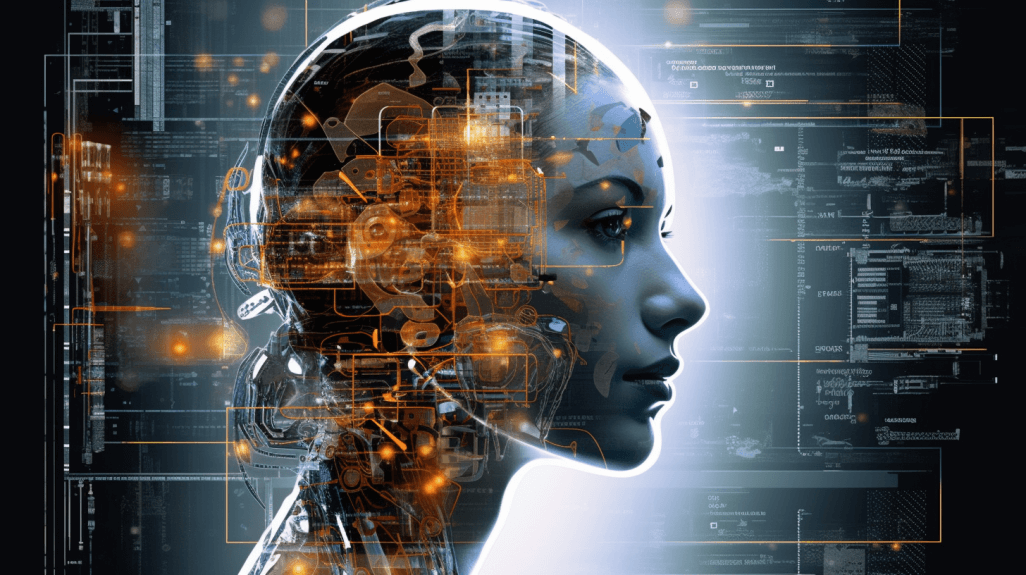
AI Development: Paving the Way for a Technological Revolution
The Evolution and Impact of AI Development
Artificial Intelligence (AI) has rapidly transformed from a concept in science fiction to a pivotal component of modern technology. The development of AI is reshaping industries, enhancing the way we interact with technology, and offering new possibilities for the future.
Historical Background
The concept of artificial intelligence dates back to ancient times, but the formal development began in the mid-20th century. In 1956, the Dartmouth Conference marked the official birth of AI as a field of study. Early efforts focused on problem-solving and symbolic methods.
Key Milestones in AI Development
- 1950s-1960s: Initial experiments with machine learning algorithms and neural networks.
- 1980s: The rise of expert systems that mimic human decision-making processes.
- 1997: IBM’s Deep Blue defeats world chess champion Garry Kasparov, showcasing AI’s potential in strategic games.
- 2012: Breakthroughs in deep learning lead to significant advancements in image and speech recognition.
- 2016: Google’s AlphaGo defeats a world champion Go player, demonstrating AI’s capability in complex tasks.
The Role of Machine Learning and Deep Learning
A significant factor driving AI development is machine learning (ML), a subset of AI that enables systems to learn from data. Deep learning, a branch of ML involving neural networks with multiple layers, has been particularly influential. These technologies have improved accuracy in fields like natural language processing, computer vision, and autonomous vehicles.
Applications Across Industries
The impact of AI is evident across various sectors:
- Healthcare: Enhancing diagnostics through image analysis and personalized medicine predictions.
- Finance: Automating trading systems and improving fraud detection mechanisms.
- E-commerce: Personalizing shopping experiences through recommendation engines.
- Agriculture: Optimizing crop yields using predictive analytics and automated machinery.
- Aerospace: Assisting in navigation systems and predictive maintenance for aircraft.
The Future of AI Development
The future holds immense potential for further advancements in AI. As computing power increases and data availability expands, we can expect more sophisticated algorithms capable of tackling complex problems. Ethical considerations will play a crucial role as society navigates challenges related to privacy, bias, and job displacement due to automation.
The Importance of Responsible Development
A key aspect moving forward is ensuring that AI technologies are developed responsibly. This involves creating transparent algorithms that are fair and unbiased while maintaining user privacy. Collaboration between governments, industry leaders, and researchers will be essential to establish guidelines that foster innovation while protecting societal interests.
The journey of AI development is far from over; it continues to evolve at an unprecedented pace. By embracing these changes thoughtfully, society can harness the full potential of artificial intelligence to improve lives globally.
Top 9 FAQs About AI Development: Understanding Technologies, Applications, and Future Trends
- What is artificial intelligence (AI) development?
- How does machine learning contribute to AI development?
- What are the key technologies used in AI development?
- What are the common applications of AI in various industries?
- What role does data play in AI development?
- How is deep learning different from traditional machine learning in AI development?
- What ethical considerations are important in AI development?
- How can businesses leverage AI for competitive advantage?
- What are the future trends and challenges in AI development?
What is artificial intelligence (AI) development?
Artificial Intelligence (AI) development refers to the process of designing and creating systems that can perform tasks typically requiring human intelligence. This includes capabilities such as learning, reasoning, problem-solving, perception, and language understanding. AI development involves using algorithms and computational models to enable machines to mimic cognitive functions. It encompasses various techniques like machine learning, deep learning, and natural language processing. The goal of AI development is to build intelligent systems that can adapt to new inputs, improve over time through data exposure, and assist in making decisions across diverse applications ranging from healthcare to finance.
How does machine learning contribute to AI development?
Machine learning plays a crucial role in AI development by providing systems with the ability to learn and improve from experience without being explicitly programmed. It enables AI to analyze vast amounts of data, identify patterns, and make predictions or decisions based on that information. This capability is fundamental to developing intelligent applications, such as recommendation systems, image and speech recognition, and autonomous vehicles. By using algorithms that iteratively learn from data, machine learning enhances the adaptability and accuracy of AI systems, allowing them to perform complex tasks more efficiently and effectively. As a result, machine learning is a driving force behind many of the advancements seen in artificial intelligence today.
What are the key technologies used in AI development?
Artificial Intelligence (AI) development relies on a variety of key technologies that enable machines to perform tasks that typically require human intelligence. Machine learning (ML) is at the forefront, allowing systems to learn from data and improve over time without being explicitly programmed. Within ML, deep learning has gained prominence due to its ability to process large amounts of data through neural networks with multiple layers, making it particularly effective for tasks like image and speech recognition. Natural language processing (NLP) is another critical technology, enabling computers to understand and generate human language, which is essential for applications like chatbots and virtual assistants. Additionally, computer vision allows AI systems to interpret and make decisions based on visual information from the world. These technologies are supported by advancements in big data analytics and cloud computing, which provide the necessary infrastructure for processing vast datasets efficiently. Together, these technologies form the backbone of AI development, driving innovation across various industries.
What are the common applications of AI in various industries?
Artificial Intelligence (AI) has found widespread applications across numerous industries, revolutionizing the way businesses operate and deliver value. In healthcare, AI is used for enhancing diagnostics through image analysis and predicting patient outcomes with personalized medicine. The finance sector benefits from AI through automated trading systems and improved fraud detection mechanisms. In retail and e-commerce, AI powers recommendation engines that personalize shopping experiences for consumers. The agriculture industry leverages AI for optimizing crop yields with predictive analytics and automated machinery. Additionally, in the automotive sector, AI is crucial for developing autonomous vehicles that enhance safety and efficiency on the roads. These applications demonstrate how AI is transforming industries by increasing efficiency, reducing costs, and enabling innovative solutions to complex problems.
What role does data play in AI development?
Data plays a crucial role in AI development, serving as the foundational element that powers machine learning algorithms and models. In essence, AI systems learn patterns, make decisions, and improve their performance over time by analyzing vast amounts of data. The quality and quantity of data directly influence the accuracy and effectiveness of an AI model. High-quality data allows for better training, enabling AI to recognize complex patterns, make accurate predictions, and adapt to new information. Moreover, diverse datasets help reduce biases and improve the generalization capabilities of AI systems across different scenarios. As a result, data is considered one of the most valuable assets in developing robust and reliable artificial intelligence solutions.
How is deep learning different from traditional machine learning in AI development?
Deep learning and traditional machine learning are both subsets of artificial intelligence, but they differ significantly in their approaches and capabilities. Traditional machine learning typically relies on structured data and requires manual feature extraction, where experts identify and input relevant features for the algorithm to process. These algorithms, such as decision trees or support vector machines, often require human intervention to optimize performance. In contrast, deep learning uses neural networks with multiple layers that can automatically discover intricate patterns in large volumes of unstructured data like images, audio, and text. This capability allows deep learning models to achieve higher accuracy in complex tasks such as image recognition and natural language processing without the need for extensive feature engineering. As a result, deep learning has become a powerful tool for advancing AI development by enabling more sophisticated and autonomous systems.
What ethical considerations are important in AI development?
When developing AI, several ethical considerations are crucial to ensure that these technologies are beneficial and fair. One of the primary concerns is bias in AI algorithms, which can perpetuate or even amplify existing societal inequalities if not properly addressed. Ensuring transparency in how AI systems make decisions is also vital, as it allows users to understand and trust these technologies. Privacy is another significant consideration, as AI systems often require large amounts of data, raising concerns about how this data is collected, stored, and used. Additionally, the potential impact on employment due to automation and the need for accountability when AI systems make errors are important issues that developers must consider. Addressing these ethical challenges requires collaboration between technologists, ethicists, policymakers, and diverse communities to create guidelines that prioritize human rights and societal well-being.
How can businesses leverage AI for competitive advantage?
Businesses can leverage AI for competitive advantage by utilizing its capabilities to enhance decision-making, improve customer experiences, and streamline operations. AI-driven analytics allow companies to gain deeper insights from data, enabling more informed strategic decisions. By implementing AI-powered chatbots and personalized marketing strategies, businesses can offer tailored customer interactions that boost satisfaction and loyalty. Additionally, automating routine tasks with AI reduces operational costs and increases efficiency, freeing up resources for innovation and growth. By staying ahead of technological trends and integrating AI solutions effectively, companies can differentiate themselves in the market and achieve sustainable competitive advantages.
What are the future trends and challenges in AI development?
The future of AI development is poised to be shaped by several emerging trends and challenges. One significant trend is the integration of AI with other advanced technologies, such as the Internet of Things (IoT) and blockchain, to create more intelligent and secure systems. Additionally, the rise of explainable AI aims to make AI systems more transparent and understandable, which is crucial for building trust among users. However, these advancements come with challenges, including addressing ethical concerns related to bias and privacy. Ensuring that AI systems are developed responsibly and inclusively will require collaboration between policymakers, industry leaders, and researchers. Furthermore, as automation becomes more prevalent, there will be a growing need to address its impact on employment and workforce dynamics. Balancing innovation with ethical considerations will be key to harnessing the full potential of AI while mitigating its risks.