cfchris.com

Loading

java python

Exploring the Java and Python Programming Languages: A Comparative Analysis

Java vs Python: A Comparison of Two Popular Programming Languages

Java vs Python: A Comparison of Two Popular Programming Languages

Java and Python are two of the most widely used programming languages in the world. Each language has its own strengths and weaknesses, making them suitable for different types of projects and applications.

Java

Java is a versatile, high-level programming language known for its portability and scalability. It is commonly used for developing enterprise-level applications, web applications, mobile apps, and more. Java follows the principle of “write once, run anywhere,” meaning that Java code can run on any platform that has a Java Virtual Machine (JVM) installed.

Key Features of Java:

  • Strongly typed language with static typing
  • Object-oriented programming (OOP) paradigm
  • Rich set of libraries and frameworks (e.g., Spring, Hibernate)
  • Excellent performance and scalability
  • Robust security features

Python

Python is a dynamic, interpreted programming language known for its simplicity and readability. It is widely used in various domains such as web development, data science, artificial intelligence, automation, and more. Python’s syntax is clean and easy to understand, making it an ideal choice for beginners as well as experienced developers.

Key Features of Python:

  • Dynamically typed language with automatic memory management
  • Supports multiple programming paradigms (e.g., OOP, functional programming)
  • Extensive standard library with built-in modules for various tasks
  • Rapid development cycle due to its simplicity
  • Broad community support and active ecosystem

Which Language Should You Choose?

The choice between Java and Python depends on your specific requirements and project goals. If you need a highly performant language for building large-scale applications with strict security requirements, Java may be the better option. On the other hand, if you prioritize readability, ease of use, and rapid development cycles, Python could be the right choice.

In conclusion, both Java and Python have their strengths and are valuable tools in a developer’s toolkit. Whether you choose Java or Python ultimately depends on the nature of your project and your personal preferences as a developer.


Top 5 Tips for Mastering Java and Python Programming

  1. Practice regularly to improve your skills in Java and Python.
  2. Utilize online resources such as tutorials, forums, and documentation for learning Java and Python.
  3. Join coding communities or clubs to collaborate with others and learn from their experiences in Java and Python.
  4. Break down complex problems into smaller tasks when working on projects in Java and Python.
  5. Stay updated with the latest features and updates in both Java and Python programming languages.

Practice regularly to improve your skills in Java and Python.

To enhance your proficiency in Java and Python, it is crucial to engage in consistent practice. Regular practice not only helps reinforce your understanding of the languages but also allows you to explore new concepts and refine your coding skills. By dedicating time each day to coding exercises, projects, or challenges in Java and Python, you can steadily improve your programming abilities and stay updated with the latest developments in both languages. Remember, practice makes progress, so make it a habit to code regularly to sharpen your skills in Java and Python.

Utilize online resources such as tutorials, forums, and documentation for learning Java and Python.

To enhance your proficiency in Java and Python, make the most of online resources like tutorials, forums, and documentation. These valuable tools provide a wealth of knowledge and support to help you grasp the intricacies of both programming languages. By actively engaging with these resources, you can deepen your understanding, troubleshoot challenges effectively, and stay updated on the latest developments in Java and Python programming.

Join coding communities or clubs to collaborate with others and learn from their experiences in Java and Python.

Joining coding communities or clubs is a valuable tip for aspiring programmers looking to enhance their skills in Java and Python. By collaborating with like-minded individuals, you can gain insights and learn from the experiences of others. These communities provide a platform for sharing knowledge, discussing best practices, and working on projects together, ultimately helping you grow as a developer in both Java and Python.

Break down complex problems into smaller tasks when working on projects in Java and Python.

When working on projects in Java and Python, it is essential to break down complex problems into smaller tasks. By dividing the problem into manageable components, developers can tackle each task more effectively and efficiently. This approach not only helps in maintaining clarity and focus but also makes it easier to debug and test the code. Breaking down complex problems into smaller tasks enables developers to approach the project systematically, leading to better organization and ultimately a more successful outcome.

Stay updated with the latest features and updates in both Java and Python programming languages.

It is essential to stay updated with the latest features and updates in both Java and Python programming languages. By keeping abreast of new developments, enhancements, and best practices in these languages, developers can leverage the full potential of Java and Python to create efficient, secure, and innovative solutions. Continuous learning and adaptation to the evolving landscape of programming languages ensure that developers remain competitive and equipped to tackle modern challenges in software development.

java app

Mastering Java App Development: Building Powerful Applications with Java

The Power of Java Applications

The Power of Java Applications

Java is a versatile programming language that has gained immense popularity for its ability to create robust and scalable applications. Java applications are used in a wide range of industries, from web development to mobile apps and enterprise software solutions.

One of the key strengths of Java applications is their platform independence. This means that a Java application can run on any device or operating system that has a Java Virtual Machine (JVM) installed. This portability makes Java an ideal choice for developing cross-platform applications that reach a larger audience.

Java’s rich set of libraries and frameworks provide developers with the tools they need to build complex and feature-rich applications efficiently. Whether you are developing a simple desktop application or a sophisticated web-based system, Java offers the flexibility and scalability required to meet your project’s demands.

Furthermore, Java’s strong emphasis on security makes it a popular choice for developing secure applications. With built-in features like automatic memory management and strong type checking, Java helps developers write code that is less prone to common vulnerabilities such as buffer overflows or memory leaks.

Java’s community support is another factor that contributes to its popularity. The vast community of Java developers worldwide ensures that there are plenty of resources, tutorials, and forums available for developers looking to enhance their skills or troubleshoot issues they encounter during development.

In conclusion, Java applications offer unparalleled versatility, portability, security, and community support. Whether you are a seasoned developer or just starting your programming journey, exploring the world of Java applications can open up a world of possibilities for creating innovative and powerful software solutions.


9 Essential Tips for Building Robust and Maintainable Java Applications

  1. 1. Write clean and readable code to improve maintainability.
  2. 2. Follow naming conventions to enhance code consistency.
  3. 3. Use meaningful comments to explain complex logic or algorithms.
  4. 4. Break down large functions into smaller, reusable methods for better organization.
  5. 5. Implement error handling to gracefully manage exceptions and prevent crashes.
  6. 6. Optimize performance by avoiding unnecessary loops or operations.
  7. 7. Utilize design patterns to solve common problems effectively.
  8. 8. Test your application thoroughly with unit tests and integration tests.
  9. 9. Keep learning and stay updated with the latest Java features and best practices.

1. Write clean and readable code to improve maintainability.

Writing clean and readable code is crucial when developing Java applications to enhance maintainability. By following best practices and adhering to coding standards, developers can ensure that their code is easy to understand and modify in the future. Clean code not only makes it simpler for other team members to collaborate on the project but also reduces the chances of introducing bugs during maintenance. Prioritizing readability in code can lead to more efficient debugging, faster updates, and overall smoother development processes for Java applications.

2. Follow naming conventions to enhance code consistency.

Following naming conventions is a crucial practice in Java application development as it enhances code consistency and readability. By adhering to established naming conventions, developers can create code that is easier to understand and maintain. Consistent naming of classes, methods, variables, and other elements not only improves the overall quality of the codebase but also promotes collaboration among team members. When everyone follows the same naming conventions, it becomes simpler to navigate through the code, identify functionalities, and make modifications without confusion. This simple tip can have a significant impact on the efficiency and effectiveness of Java application development projects.

3. Use meaningful comments to explain complex logic or algorithms.

When developing a Java application, it is crucial to utilize meaningful comments to elucidate intricate logic or algorithms. By incorporating clear and concise comments within the codebase, developers can enhance the readability and maintainability of the application. These comments serve as valuable documentation for understanding the purpose behind complex logic, facilitating collaboration among team members, and aiding in future troubleshooting and modifications. Embracing this practice not only promotes code clarity but also contributes to the overall efficiency and effectiveness of the Java application development process.

4. Break down large functions into smaller, reusable methods for better organization.

Breaking down large functions into smaller, reusable methods is a valuable tip in Java application development. By dividing complex tasks into smaller, more manageable chunks, developers can improve the organization and maintainability of their code. This practice not only enhances readability but also promotes code reusability, making it easier to maintain and update the application in the future. Additionally, breaking down functions into smaller methods allows for better testing and debugging, as issues can be isolated and addressed more effectively. Overall, adopting this approach leads to more efficient and structured Java applications.

5. Implement error handling to gracefully manage exceptions and prevent crashes.

Implementing error handling is a crucial aspect of developing Java applications to ensure smooth operation and prevent unexpected crashes. By gracefully managing exceptions, developers can anticipate potential errors and handle them appropriately, maintaining the application’s stability and enhancing the user experience. Proper error handling not only helps in identifying issues promptly but also allows for effective troubleshooting and debugging, leading to more robust and reliable Java applications.

6. Optimize performance by avoiding unnecessary loops or operations.

To optimize the performance of a Java application, it is crucial to avoid unnecessary loops or operations. By minimizing the number of loops and streamlining operations within the code, developers can significantly improve the efficiency and speed of their application. Unnecessary loops can lead to increased processing time and resource consumption, impacting the overall performance of the software. Therefore, by carefully assessing and optimizing the logic within loops and operations, developers can enhance the performance of their Java application and deliver a more responsive user experience.

7. Utilize design patterns to solve common problems effectively.

Utilizing design patterns in Java applications is a valuable strategy to solve common problems effectively. By leveraging established design patterns such as Singleton, Factory, or Observer, developers can streamline their code structure, improve maintainability, and enhance scalability. Design patterns provide proven solutions to recurring design challenges, allowing developers to write cleaner and more efficient code while promoting best practices in software development. Incorporating design patterns in Java applications not only enhances code quality but also fosters a deeper understanding of software architecture principles among developers.

8. Test your application thoroughly with unit tests and integration tests.

Testing your Java application thoroughly with unit tests and integration tests is crucial for ensuring its reliability and functionality. Unit tests allow you to test individual components of your code in isolation, verifying that each part works as intended. On the other hand, integration tests help you assess how different parts of your application work together as a whole. By conducting both types of tests diligently, you can identify and address any issues early in the development process, leading to a more robust and stable Java application in the end.

9. Keep learning and stay updated with the latest Java features and best practices.

To ensure the success of your Java applications, it is crucial to continuously expand your knowledge and stay informed about the latest Java features and best practices. By keeping up with advancements in the Java ecosystem, you can leverage new tools, techniques, and optimizations to enhance the performance, security, and scalability of your applications. Embracing a mindset of lifelong learning in Java development not only sharpens your skills but also empowers you to adapt to industry trends and deliver cutting-edge solutions that meet evolving user needs.

java server

Harnessing the Power of Java Server for Dynamic Web Applications

The Power of Java Server: Revolutionizing Web Development

The Power of Java Server: Revolutionizing Web Development

Java Server is a powerful tool that has been revolutionizing web development for years. With its robust features and versatility, Java Server has become a popular choice for building dynamic and scalable web applications.

What is Java Server?

Java Server, also known as Java EE (Enterprise Edition), is a platform that provides developers with a set of APIs and runtime environments for building enterprise-level applications. It offers a wide range of tools and libraries that simplify the development process and make it easier to create complex web applications.

The Benefits of Using Java Server

There are several benefits to using Java Server for web development:

  • Scalability: Java Server allows developers to build applications that can easily scale to accommodate growing user demands.
  • Security: With built-in security features, Java Server helps protect applications from vulnerabilities and cyber threats.
  • Portability: Java Server applications can run on any platform that supports the Java Virtual Machine (JVM), making them highly portable.
  • Performance: Java Server applications are known for their high performance and efficiency, making them ideal for demanding use cases.

Popular Frameworks for Java Server Development

There are several popular frameworks that developers use with Java Server to streamline the development process:

  • Spring Framework: A comprehensive framework that provides support for building enterprise-level applications with ease.
  • JavaServer Faces (JSF): A user interface framework that simplifies the creation of web-based user interfaces.
  • Jakarta EE: An open-source platform that provides tools and APIs for building scalable and secure enterprise applications.

In Conclusion

Java Server has played a significant role in shaping the landscape of web development. Its robust features, scalability, and security make it an ideal choice for building enterprise-level applications. With the right tools and frameworks, developers can leverage the power of Java Server to create dynamic and innovative web solutions that meet the demands of today’s digital world.


Top 9 Advantages of Using Java Servers for Modern Web Development

  1. Scalability for handling growing user demands
  2. Built-in security features to protect against vulnerabilities
  3. Cross-platform compatibility with Java Virtual Machine (JVM)
  4. High performance and efficiency for demanding applications
  5. Comprehensive tools and libraries for streamlined development
  6. Support for building enterprise-level applications
  7. Robust frameworks like Spring Framework and Jakarta EE available
  8. Reliable community support and resources for developers
  9. Ability to create dynamic and innovative web solutions


Challenges of Using Java Servers: Complexity, Resource Demands, Verbosity, and Rigidity

  1. Steep Learning Curve
  2. Resource Intensive
  3. Verbose Syntax
  4. Limited Flexibility

Scalability for handling growing user demands

Java Server’s scalability feature is a game-changer for handling growing user demands in web applications. By allowing developers to easily scale their applications to accommodate increasing traffic and user interactions, Java Server ensures that performance remains optimal even as the user base expands. This capability not only enhances the overall user experience but also provides businesses with the flexibility to adapt to changing requirements without compromising on performance or reliability.

Built-in security features to protect against vulnerabilities

Java Server’s built-in security features provide a crucial layer of protection against vulnerabilities, ensuring that web applications developed using Java Server are shielded from potential cyber threats and attacks. By incorporating security measures directly into the platform, Java Server empowers developers to create robust and secure applications without the need for extensive additional security implementations. This proactive approach to security not only enhances the reliability of web applications but also instills confidence in users regarding the safety of their data and interactions online.

Cross-platform compatibility with Java Virtual Machine (JVM)

One of the key advantages of Java Server is its cross-platform compatibility with the Java Virtual Machine (JVM). This feature allows Java Server applications to run on any platform that supports the JVM, making them highly portable and versatile. Developers can write code once and deploy it across different operating systems, ensuring consistent performance and functionality regardless of the underlying infrastructure. This capability not only simplifies development and deployment processes but also enhances the scalability and accessibility of Java Server applications across a wide range of environments.

High performance and efficiency for demanding applications

Java Server stands out for its exceptional performance and efficiency, making it a top choice for handling demanding applications. With its ability to deliver fast and reliable performance even under heavy workloads, Java Server ensures that applications run smoothly and effectively, meeting the high standards required by complex and resource-intensive tasks. Its optimized architecture and robust features enable developers to create high-performing applications that excel in speed, responsiveness, and overall efficiency.

Comprehensive tools and libraries for streamlined development

Java Server offers comprehensive tools and libraries that significantly contribute to streamlined development processes. These resources provide developers with a wide array of functionalities and pre-built components, allowing them to expedite the creation of complex web applications. By leveraging these tools, developers can focus more on implementing business logic and less on reinventing the wheel, ultimately enhancing productivity and efficiency in the development workflow. The abundance of libraries and tools within the Java Server ecosystem empowers developers to build robust and feature-rich applications with ease, making it a preferred choice for projects requiring accelerated development timelines.

Support for building enterprise-level applications

Java Server’s support for building enterprise-level applications is a key advantage that sets it apart in the realm of web development. With its robust features and comprehensive toolset, Java Server provides developers with the necessary resources to create complex and scalable applications that meet the demands of large organizations. From handling high volumes of data to ensuring security and reliability, Java Server’s focus on enterprise-level requirements makes it a preferred choice for businesses looking to develop mission-critical software solutions.

Robust frameworks like Spring Framework and Jakarta EE available

One of the key advantages of Java Server is the availability of robust frameworks such as the Spring Framework and Jakarta EE. These frameworks provide developers with powerful tools and libraries to streamline the development process and create scalable, secure, and efficient enterprise-level applications. By leveraging these frameworks, developers can benefit from pre-built components, simplified coding structures, and extensive support for various functionalities, ultimately enhancing productivity and enabling the creation of high-quality web solutions.

Reliable community support and resources for developers

Java Server offers reliable community support and a wealth of resources for developers, making it easier for them to troubleshoot issues, share knowledge, and stay updated on the latest trends and best practices in web development. The active Java Server community provides a collaborative environment where developers can seek help, exchange ideas, and access a vast repository of tutorials, forums, and documentation to enhance their skills and build robust applications with confidence.

Ability to create dynamic and innovative web solutions

The ability of Java Server to create dynamic and innovative web solutions is a significant advantage that sets it apart in the realm of web development. By leveraging its robust features and versatile tools, developers can design and implement cutting-edge applications that adapt to changing user needs and market trends. Java Server’s flexibility allows for the integration of advanced functionalities, interactive elements, and seamless user experiences, leading to the creation of engaging and forward-thinking web solutions that drive digital innovation.

Steep Learning Curve

Java Server’s steep learning curve can be a significant drawback for developers. The platform’s complex architecture demands a considerable investment of time and effort to master its features effectively. This learning curve may pose challenges for newcomers or those transitioning from other technologies, potentially slowing down the development process and requiring additional training and resources to fully leverage Java Server’s capabilities.

Resource Intensive

Java Server applications can be resource-intensive, demanding substantial hardware resources to operate efficiently. This con of Java Server may pose a challenge for organizations with limited IT infrastructure or budget constraints, as the need for robust hardware can increase operational costs. Developers working with Java Server must carefully consider resource allocation and optimization strategies to ensure optimal performance without compromising on scalability and reliability.

Verbose Syntax

One notable drawback of Java Server is its verbose syntax, which can result in longer development times and a higher volume of code compared to some other programming languages. The extensive syntax of Java Server may require developers to write more lines of code to achieve the same functionality, potentially leading to increased complexity and maintenance overhead. This verbosity can make the codebase harder to read and understand, impacting overall development efficiency and potentially slowing down project timelines.

Limited Flexibility

One common drawback of Java Server is its limited flexibility, which can pose challenges for developers seeking more freedom in application development. The platform’s strict structure and conventions may restrict the ability to implement certain unconventional or customized solutions. This limitation can be frustrating for developers who prefer a more flexible and adaptable approach to building applications, as they may find themselves constrained by Java Server’s predetermined patterns and guidelines.

java software

Unlocking the Potential of Java Software: A Comprehensive Guide

The Power of Java Software

The Power of Java Software

Java software has become a cornerstone in the world of technology, powering a wide range of applications and systems. Its versatility, reliability, and scalability make it a popular choice for developers and businesses alike.

What is Java?

Java is a high-level programming language that was developed by Sun Microsystems in the mid-1990s. It is known for its “write once, run anywhere” philosophy, which means that Java programs can run on any platform that has a Java Virtual Machine (JVM) installed.

Features of Java Software

One of the key features of Java software is its portability. This allows developers to create applications that can be deployed on various operating systems without any modifications. Additionally, Java is known for its robust security features, making it a popular choice for developing secure applications.

Applications of Java Software

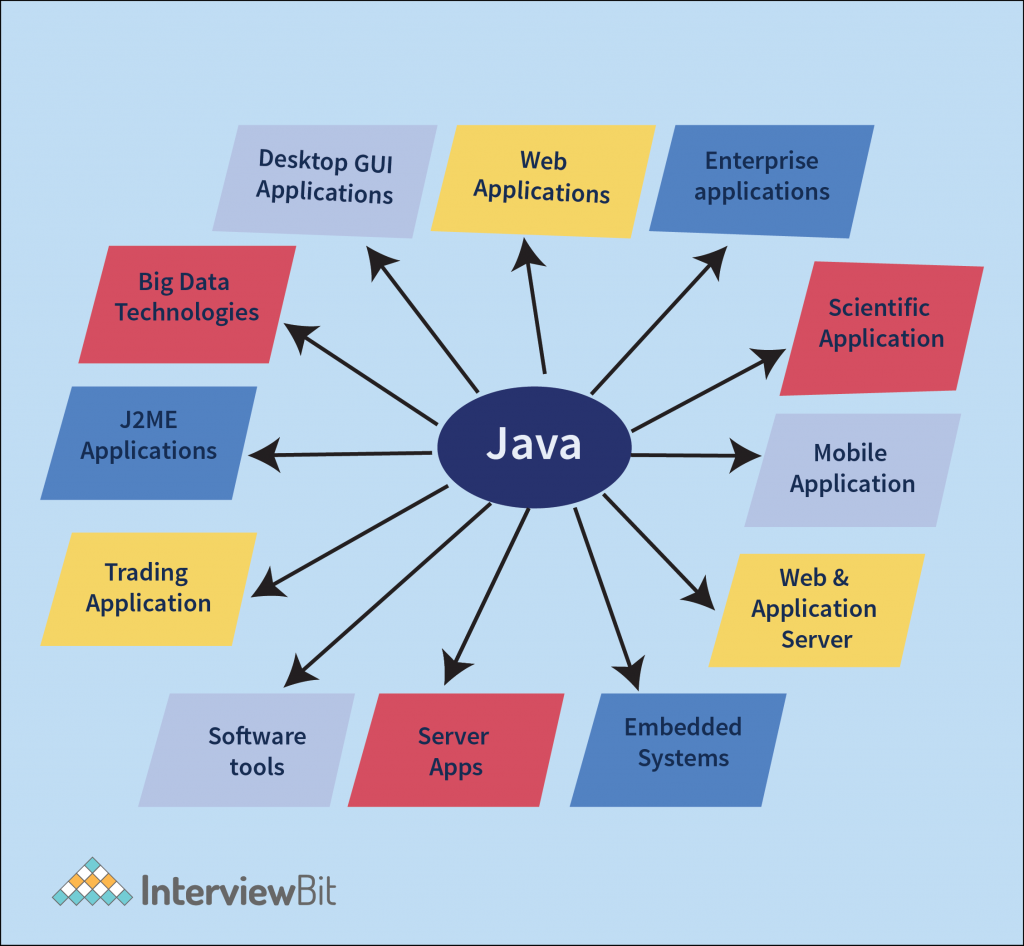
Java software is used in a wide range of applications, including:

  • Enterprise applications
  • Web applications
  • Mobile applications
  • Gaming applications
  • Embedded systems
  • Big data technologies

The Future of Java Software

Despite the emergence of new programming languages and technologies, Java continues to be a popular choice for developers due to its stability and performance. With ongoing updates and improvements, Java software remains relevant in today’s rapidly evolving tech landscape.


6 Essential Tips for Writing Clean and Effective Java Software

  1. Use meaningful variable names to improve code readability.
  2. Follow Java naming conventions for classes, methods, and variables.
  3. Break down complex tasks into smaller methods for better maintainability.
  4. Document your code using comments to explain its purpose and functionality.
  5. Make use of Java’s built-in libraries and frameworks to avoid reinventing the wheel.
  6. Regularly test your code using unit tests to ensure its correctness.

Use meaningful variable names to improve code readability.

Using meaningful variable names is a crucial tip in Java software development as it significantly enhances code readability. By choosing descriptive and relevant names for variables, developers can easily understand the purpose and function of each variable within the code. This practice not only makes the code more readable for the original developer but also for anyone else who may need to work on or maintain the code in the future. Clear and meaningful variable names help streamline the coding process, improve collaboration among team members, and ultimately contribute to creating more maintainable and efficient Java software applications.

Follow Java naming conventions for classes, methods, and variables.

It is essential to adhere to Java naming conventions when naming classes, methods, and variables in your code. By following these conventions, such as using camelCase for method and variable names and PascalCase for class names, you ensure consistency and readability throughout your codebase. Consistent naming practices make it easier for other developers to understand your code and maintain it effectively. Additionally, following Java naming conventions helps in promoting good coding practices and standards within the Java development community.

Break down complex tasks into smaller methods for better maintainability.

When working with Java software, it is essential to break down complex tasks into smaller methods to enhance maintainability. By dividing a large task into smaller, more manageable chunks, developers can improve code readability, reusability, and ease of maintenance. This approach also facilitates debugging and troubleshooting processes, as each method focuses on a specific functionality or aspect of the overall task. Overall, breaking down complex tasks into smaller methods is a best practice that promotes efficient development and long-term sustainability of Java software projects.

Document your code using comments to explain its purpose and functionality.

Documenting your code using comments is a crucial practice when working with Java software. By adding comments to explain the purpose and functionality of your code, you not only make it easier for yourself to understand and maintain the code in the future but also for other developers who may collaborate on the project. Clear and concise comments can provide valuable insights into the logic behind the code, making it more readable and maintainable. In addition, well-documented code helps in troubleshooting and debugging, saving time and effort in identifying and fixing issues.

Make use of Java’s built-in libraries and frameworks to avoid reinventing the wheel.

When working with Java software, it is highly beneficial to leverage Java’s built-in libraries and frameworks to avoid reinventing the wheel. Java offers a rich collection of libraries and frameworks that provide ready-made solutions for common programming tasks, such as data manipulation, networking, and user interface development. By utilizing these resources, developers can streamline their workflow, improve efficiency, and focus on implementing unique features rather than writing code from scratch. This approach not only saves time and effort but also ensures that the software benefits from well-tested and optimized components.

Regularly test your code using unit tests to ensure its correctness.

Regularly testing your code using unit tests is a crucial practice in Java software development to ensure its correctness and reliability. By writing and running unit tests, developers can verify the behavior of individual components of their code, identifying bugs and errors early in the development process. This proactive approach not only helps in maintaining the quality of the code but also streamlines the debugging process and enhances overall code stability. Incorporating unit testing as a routine part of the development cycle promotes code maintainability and fosters a culture of continuous improvement in software development practices.

c development

Mastering C Development: Harnessing the Power of a Timeless Language

The Power of C Development

The Power of C Development

C is a powerful and versatile programming language that has stood the test of time. Developed in the early 1970s, C has become one of the most widely used languages in the world, influencing many other popular languages like C++, Java, and Python.

One of the key strengths of C is its efficiency and speed. C allows developers to write highly optimized code that can run close to the hardware, making it ideal for system programming and embedded applications. Its low-level features give developers fine-grained control over memory management and hardware interactions.

Another advantage of C is its portability. Code written in C can be easily adapted to different platforms with minimal changes, making it a popular choice for developing operating systems, compilers, and other software that needs to run on multiple systems.

Despite being a low-level language, C offers high-level constructs like functions and data structures that enable developers to write complex programs with ease. Its simplicity and flexibility make it a great language for both beginners learning programming fundamentals and experienced developers working on large-scale projects.

C development requires attention to detail and a good understanding of computer architecture. Developers need to manage memory manually and handle pointers carefully to avoid common pitfalls like memory leaks or segmentation faults. However, mastering these concepts can lead to writing efficient and reliable code.

In conclusion, C development remains a valuable skill in today’s technology landscape. Whether you are building an operating system, writing device drivers, or optimizing performance-critical applications, knowing C can give you a competitive edge as a developer.


Understanding C Development: Basics, Comparisons, History, and Applications

  1. What is C development?
  2. What is C vs C++ development?
  3. In which year was C invented?
  4. What is C used to develop?

What is C development?

C development refers to the process of writing, compiling, and debugging programs using the C programming language. C is a powerful and versatile language known for its efficiency, speed, and portability. Developers use C to create a wide range of software applications, from operating systems and device drivers to high-performance applications and embedded systems. In C development, programmers work with low-level features such as memory management and hardware interactions, requiring a strong understanding of computer architecture. Mastering C development allows developers to build robust and optimized software solutions that can run on various platforms with minimal modifications.

What is C vs C++ development?

When comparing C vs C++ development, it’s essential to understand the fundamental differences between these two programming languages. C is a procedural programming language known for its simplicity and efficiency, making it ideal for system-level programming and embedded applications. On the other hand, C++ is an object-oriented extension of C that introduces features like classes, inheritance, and polymorphism, allowing for more complex and structured code organization. While C focuses on procedural programming paradigms and offers low-level control over hardware, C++ emphasizes object-oriented design principles and supports features like templates and exception handling. Choosing between C and C++ depends on the specific requirements of a project, with each language offering unique advantages based on the nature of the development task at hand.

In which year was C invented?

The programming language C was invented in the early 1970s. Developed by Dennis Ritchie at Bell Labs, C quickly gained popularity for its efficiency, versatility, and portability. Its creation marked a significant milestone in the history of computing, influencing the development of numerous other languages and becoming a fundamental tool for software developers worldwide.

What is C used to develop?

C is used to develop a wide range of software applications and systems, including operating systems, device drivers, embedded systems, compilers, and high-performance applications. Its versatility and efficiency make it a popular choice for projects where direct hardware interaction, memory management control, and portability across different platforms are essential. Additionally, C is often utilized in industries such as telecommunications, gaming, finance, and aerospace due to its ability to handle low-level programming tasks effectively.

c

Coding with C: Unleashing the Power of a Timeless Language

The Power of C Programming Language

The Power of C Programming Language

C is a versatile and powerful programming language that has stood the test of time. Developed in the early 1970s, C has become one of the most widely used languages in the world, influencing many other programming languages that came after it.

One of the key strengths of C is its efficiency. C allows for low-level manipulation of computer hardware and memory, making it ideal for developing system software, such as operating systems and device drivers. Its speed and ability to directly access memory make it a popular choice for performance-critical applications.

Another advantage of C is its portability. C code can be easily adapted to different platforms with minimal changes, making it a great choice for cross-platform development. Many modern operating systems, like Windows and Linux, are written in C or have parts written in C.

C is also known for its flexibility and scalability. It provides a solid foundation for building complex software systems while allowing programmers to control hardware resources efficiently. Its syntax is clear and concise, making it easy to read and maintain code over time.

Despite being a powerful language, mastering C can be challenging due to its low-level nature and manual memory management. However, the skills acquired from learning C are invaluable and provide a strong foundation for understanding other programming languages.

In conclusion, C remains a fundamental language in the world of programming due to its efficiency, portability, flexibility, and scalability. Whether you are developing embedded systems, operating systems, or high-performance applications, mastering C can open up a world of possibilities in the field of software development.


6 Frequently Asked Questions About the C Programming Language

  1. What is C programming language?
  2. What are the key features of C?
  3. How is C different from other programming languages?
  4. What are the advantages of using C?
  5. Is learning C difficult for beginners?
  6. What are some common applications of C?

What is C programming language?

The C programming language is a powerful and versatile programming language that has been widely used since its development in the early 1970s. Known for its efficiency, portability, and flexibility, C allows programmers to write code that can directly interact with hardware and memory, making it ideal for system software development. Its clear syntax and ability to scale to complex projects have made it a foundational language in the world of programming. Mastering C provides a strong foundation for understanding other languages and opens up opportunities in various fields of software development.

What are the key features of C?

C, a widely used programming language, boasts several key features that contribute to its enduring popularity. One prominent feature of C is its efficiency, allowing for low-level hardware manipulation and fast execution speed. Additionally, C’s portability enables code to be easily adapted across different platforms with minimal modifications. The language’s flexibility and scalability make it suitable for developing a wide range of software applications, from system software to high-performance applications. Despite its challenges, such as manual memory management, mastering C provides a solid foundation for understanding programming concepts and languages.

How is C different from other programming languages?

In the realm of programming languages, C stands out for its unique characteristics that set it apart from others. One key distinction lies in its efficiency and speed, allowing for direct manipulation of hardware resources and memory. Unlike higher-level languages, C provides programmers with greater control over system-level operations, making it well-suited for developing system software and performance-critical applications. Additionally, C’s portability and scalability make it a versatile choice for cross-platform development, enabling code to be easily adapted to various environments with minimal modifications. Its concise syntax and emphasis on manual memory management contribute to a deeper understanding of how computers operate at a fundamental level, making C a valuable language to learn for those seeking a solid foundation in programming.

What are the advantages of using C?

When considering the advantages of using C, several key points come to light. Firstly, C is known for its efficiency and speed, making it an ideal choice for developing performance-critical applications. Its ability to directly access memory and manipulate hardware at a low level allows for optimized code execution. Additionally, C offers portability across different platforms with minimal modifications, making it suitable for cross-platform development. The language’s flexibility and scalability enable developers to build complex software systems while maintaining control over hardware resources. Despite its challenges in manual memory management, mastering C provides a strong foundation for understanding other programming languages and opens up diverse opportunities in software development.

Is learning C difficult for beginners?

Learning C programming can be a challenging but rewarding experience for beginners. Due to its low-level nature and manual memory management, mastering C may require extra effort and attention to detail. However, the skills acquired from learning C are invaluable and provide a strong foundation for understanding other programming languages. With dedication and practice, beginners can overcome the initial learning curve of C and gain a deeper understanding of computer systems and software development principles.

What are some common applications of C?

C programming language is widely used across various industries and applications due to its efficiency and versatility. Some common applications of C include developing operating systems like Windows and Linux, creating system software such as device drivers, implementing embedded systems for electronics and IoT devices, building high-performance applications like databases and web servers, designing game engines for video games, and writing compilers and interpreters for other programming languages. The speed, portability, and low-level control provided by C make it a popular choice for projects that require direct interaction with hardware or demand optimal performance.