Mastering Reactive Java: Building Responsive and Scalable Applications
Reactive programming has gained significant popularity in recent years, offering a paradigm shift in how developers approach building responsive and scalable applications. In the Java ecosystem, Reactive Java has emerged as a powerful tool for creating efficient and resilient software systems.
So, what exactly is Reactive Java? At its core, Reactive Java is an implementation of the reactive programming model in the Java language. It enables developers to write asynchronous, event-driven code that can handle a large number of concurrent tasks efficiently.
One of the key features of Reactive Java is its focus on handling streams of data in a non-blocking manner. This allows developers to design applications that are more responsive and can better utilize system resources. By using constructs like Observables and Streams, developers can create reactive pipelines that process data as it becomes available, rather than waiting for all inputs to be collected.
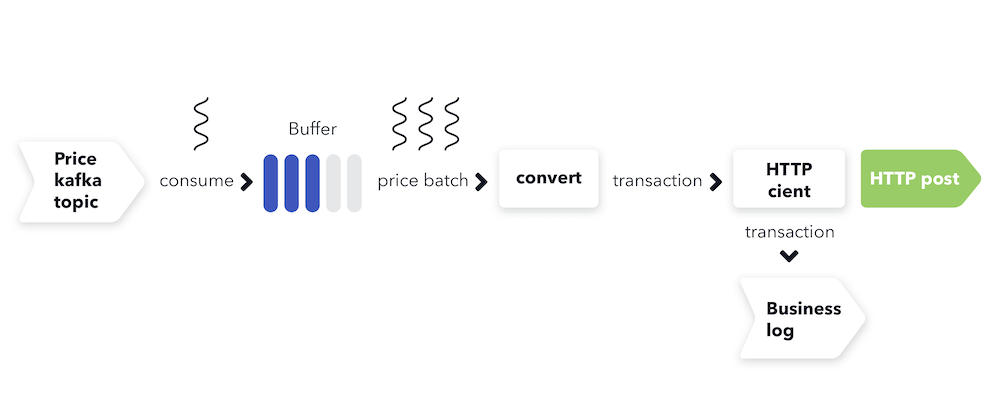
Another important aspect of Reactive Java is its support for backpressure handling. Backpressure refers to the ability of a system to manage the flow of data between components to prevent overload or resource exhaustion. With Reactive Java, developers can implement strategies to control the rate at which data is processed, ensuring optimal performance under varying workloads.
Furthermore, Reactive Java integrates well with other reactive libraries and frameworks, such as Project Reactor and Akka Streams, enabling developers to leverage a rich ecosystem of tools and components for building reactive applications.
In conclusion, Reactive Java offers a modern approach to building robust and scalable software systems in the Java environment. By embracing reactive principles and leveraging its powerful features, developers can create high-performance applications that are responsive to user interactions and adaptable to changing demands.
Understanding Reactive Java: Key Concepts, Features, and Getting Started
- What is Reactive Java?
- How does Reactive Java differ from traditional programming models?
- What are the key features of Reactive Java?
- How does backpressure handling work in Reactive Java?
- What are the benefits of using Reactive Java in application development?
- Which libraries and frameworks are commonly used with Reactive Java?
- What are some common use cases for implementing Reactive Java?
- How can developers get started with learning and using Reactive Java?
What is Reactive Java?
Reactive Java is a programming paradigm that revolutionizes the way developers handle asynchronous and event-driven programming in Java applications. At its core, Reactive Java enables developers to create responsive and scalable software systems by leveraging constructs like Observables and Streams to process data in a non-blocking manner. By embracing the principles of reactive programming, Reactive Java allows developers to design applications that can efficiently manage streams of data, handle concurrency effectively, and implement backpressure strategies to prevent overload. With its focus on responsiveness and resilience, Reactive Java empowers developers to build high-performance applications that can adapt to dynamic workloads and deliver superior user experiences.
How does Reactive Java differ from traditional programming models?
In the realm of programming, Reactive Java stands apart from traditional programming models by emphasizing an event-driven and asynchronous approach to handling data streams. Unlike traditional programming, where tasks are executed sequentially and often block until completion, Reactive Java enables developers to write non-blocking code that can efficiently process multiple tasks concurrently. By using constructs like Observables and Streams, Reactive Java allows for a more responsive and scalable application design, where data is processed as it becomes available rather than waiting for all inputs to be collected. This shift in paradigm enables developers to create more resilient and efficient software systems that can better handle the complexities of modern applications.
What are the key features of Reactive Java?
In Reactive Java, the key features revolve around its ability to facilitate asynchronous and event-driven programming. One of the standout features is its support for handling streams of data in a non-blocking fashion, allowing developers to create responsive applications that efficiently process data as it arrives. Additionally, Reactive Java emphasizes backpressure handling, enabling developers to manage the flow of data between components and prevent overload scenarios. By leveraging constructs like Observables and Streams, developers can build reactive pipelines that react dynamically to incoming data, enhancing performance and scalability. Overall, the key features of Reactive Java empower developers to design resilient and high-performance applications that can effectively handle a large number of concurrent tasks.
How does backpressure handling work in Reactive Java?
In Reactive Java, backpressure handling is a crucial concept that ensures the flow of data between components is managed efficiently to prevent overload and resource exhaustion. When dealing with streams of data, backpressure mechanisms allow the downstream components to signal the upstream components about their ability to handle more data. This feedback loop enables the system to control the rate at which data is processed, ensuring that no component gets overwhelmed with more data than it can handle. By implementing strategies like buffering, dropping, or throttling, Reactive Java empowers developers to design responsive and resilient applications that can gracefully handle varying workloads and maintain optimal performance under challenging conditions.
What are the benefits of using Reactive Java in application development?
One frequently asked question about Reactive Java revolves around the benefits it brings to application development. Using Reactive Java offers several advantages, including improved responsiveness and scalability. By adopting a reactive programming model, developers can design applications that efficiently handle asynchronous tasks and manage streams of data in a non-blocking manner. This leads to better utilization of system resources and enhanced performance under varying workloads. Additionally, Reactive Java facilitates the implementation of backpressure handling mechanisms, ensuring that data flow is managed effectively to prevent overload and maintain system stability. Overall, leveraging Reactive Java in application development enables developers to create more resilient, responsive, and efficient software systems.
Which libraries and frameworks are commonly used with Reactive Java?
When working with Reactive Java, developers often leverage a variety of libraries and frameworks to enhance their applications’ functionality and performance. Some commonly used tools include Project Reactor, RxJava, Akka Streams, and Vert.x. Project Reactor, for example, provides a powerful foundation for building reactive applications with its support for reactive streams and backpressure handling. RxJava offers a robust implementation of the Reactive Extensions (Rx) pattern in Java, making it easier to work with asynchronous data streams. Akka Streams is another popular choice for building resilient and scalable streaming applications using the Actor model. Lastly, Vert.x is known for its event-driven architecture and support for reactive programming, making it a versatile framework for developing high-performance applications in Java.
What are some common use cases for implementing Reactive Java?
Implementing Reactive Java can be beneficial in various use cases where responsiveness, scalability, and efficient handling of asynchronous data streams are crucial. Common scenarios where Reactive Java shines include real-time data processing applications, such as financial trading platforms or IoT systems that require continuous data updates. Additionally, web applications with high user interaction levels can leverage Reactive Java to deliver dynamic and interactive user experiences. E-commerce platforms handling concurrent transactions and social media networks managing a large volume of user-generated content can also benefit from the reactive nature of Reactive Java to ensure smooth performance and responsiveness. Overall, implementing Reactive Java is ideal for scenarios that demand high performance, low latency, and seamless handling of asynchronous events.
How can developers get started with learning and using Reactive Java?
For developers looking to dive into the world of Reactive Java, getting started is easier than you might think. A great way to begin is by familiarizing yourself with the core concepts of reactive programming and understanding how they apply to Java development. There are plenty of online resources, tutorials, and documentation available that can help you grasp the fundamentals of Reactive Java. Additionally, exploring popular libraries like RxJava or Project Reactor can provide hands-on experience with implementing reactive solutions in Java. By practicing and experimenting with reactive patterns in your code, you can quickly gain confidence and proficiency in leveraging the power of Reactive Java for building responsive and scalable applications.