cfchris.com

Loading

enterprise application development

Unlocking Business Potential: The Power of Enterprise Application Development

Enterprise Application Development

The Importance of Enterprise Application Development

Enterprise application development plays a crucial role in the modern business environment. As organizations strive to streamline their operations, enhance efficiency, and stay ahead of the competition, the need for robust and scalable software solutions has never been greater.

Enterprise applications are specifically designed to meet the unique needs of large organizations. These applications are complex, integrated systems that facilitate various business functions such as customer relationship management, supply chain management, human resources, and more.

Key Benefits of Enterprise Application Development:

  • Improved Efficiency: Enterprise applications automate repetitive tasks, reduce manual errors, and optimize workflows, leading to increased productivity and efficiency.
  • Enhanced Collaboration: By centralizing data and communication channels, enterprise applications promote collaboration among teams across different departments and locations.
  • Data Security: Enterprise applications incorporate robust security features to protect sensitive business data from cyber threats and unauthorized access.
  • Scalability: As organizations grow and evolve, enterprise applications can easily scale to accommodate changing needs without compromising performance.
  • Better Decision-Making: With real-time analytics and reporting capabilities, enterprise applications provide valuable insights that enable informed decision-making at all levels of the organization.

The Development Process:

Developing enterprise applications requires a strategic approach that takes into account the specific requirements and goals of the organization. The process typically involves:

  1. Requirement Analysis: Understanding the business needs and defining clear objectives for the application.
  2. Design & Architecture: Creating a detailed plan for the application’s structure, user interface, data flow, and integration points.
  3. Development & Testing: Building the application according to specifications and rigorously testing it for functionality, performance, and security.
  4. Deployment & Maintenance: Implementing the application in the production environment and providing ongoing support, updates, and enhancements as needed.

In conclusion, enterprise application development is essential for organizations looking to optimize their operations, drive innovation, and achieve sustainable growth in today’s competitive landscape. By investing in custom-built solutions that align with their unique requirements, businesses can unlock new opportunities for success and stay agile in an ever-changing market.


Top 6 FAQs About Enterprise Application Development: Answers to Key Questions

  1. What is enterprise application development?
  2. Why is enterprise application development important for businesses?
  3. What are the key features of a good enterprise application?
  4. How long does it take to develop an enterprise application?
  5. What are the common challenges faced during enterprise application development?
  6. How can I ensure the security of my enterprise application?

What is enterprise application development?

Enterprise application development refers to the process of creating software solutions specifically tailored to meet the complex needs of large organizations. These applications are designed to streamline business operations, enhance efficiency, and facilitate seamless communication and collaboration across various departments. Enterprise application development involves analyzing the unique requirements of an organization, designing a robust architecture, developing scalable and secure software, and providing ongoing support and maintenance. By investing in enterprise application development, businesses can leverage technology to optimize their processes, improve decision-making, and stay competitive in today’s dynamic market environment.

Why is enterprise application development important for businesses?

Enterprise application development is crucial for businesses due to its ability to streamline operations, enhance efficiency, and drive growth. These custom-built software solutions are tailored to meet the specific needs of large organizations, facilitating functions such as customer relationship management, supply chain management, and data analytics. By investing in enterprise application development, businesses can improve productivity, foster collaboration among teams, ensure data security, and make informed decisions based on real-time insights. Ultimately, enterprise applications enable businesses to adapt to changing market dynamics, scale their operations effectively, and stay competitive in today’s fast-paced business environment.

What are the key features of a good enterprise application?

When it comes to enterprise application development, the key features of a good enterprise application include scalability to accommodate growing business needs, robust security measures to protect sensitive data, seamless integration with existing systems for efficient workflow management, user-friendly interface for enhanced usability, and advanced analytics capabilities to provide valuable insights for informed decision-making. A good enterprise application should also prioritize performance optimization, customization options to meet specific business requirements, and reliable support and maintenance services to ensure continuous operation and adaptation to evolving technologies. By incorporating these essential features, a well-designed enterprise application can significantly contribute to the success and competitiveness of an organization in today’s dynamic business environment.

How long does it take to develop an enterprise application?

Developing an enterprise application is a complex process that can vary significantly in duration depending on various factors. The timeline for developing an enterprise application typically ranges from several months to a year or more. Factors that influence the development timeline include the scope and complexity of the application, the availability of resources, the level of customization required, and any unforeseen challenges that may arise during the development process. It is important for organizations to work closely with experienced developers and project managers to establish realistic timelines and milestones to ensure a successful and timely delivery of the enterprise application.

What are the common challenges faced during enterprise application development?

During enterprise application development, several common challenges are frequently encountered. These challenges may include ensuring seamless integration with existing systems, managing complex data structures and workflows, meeting scalability requirements to accommodate growth, addressing security vulnerabilities to protect sensitive information, and maintaining compatibility across different platforms and devices. Additionally, balancing the need for customization with the constraints of time and budget can pose a significant challenge. Effective communication among stakeholders, careful planning, and leveraging best practices in software development are essential to overcoming these obstacles and successfully delivering robust enterprise applications that meet the needs of modern businesses.

How can I ensure the security of my enterprise application?

Ensuring the security of your enterprise application is paramount in safeguarding sensitive data and protecting your business from potential cyber threats. To enhance the security of your application, consider implementing robust authentication mechanisms, such as multi-factor authentication and role-based access control. Encrypting data both in transit and at rest, conducting regular security audits and penetration testing, and staying updated with security patches and updates are also crucial steps to mitigate vulnerabilities. Additionally, educating employees on best practices for data handling and implementing strict security policies can help create a culture of cybersecurity awareness within your organization. By proactively addressing security concerns and staying vigilant against evolving threats, you can strengthen the defense mechanisms of your enterprise application and uphold the integrity of your business operations.

software development house

Innovative Solutions from a Leading Software Development House

Article: Software Development House

The Role of a Software Development House in Today’s Tech Landscape

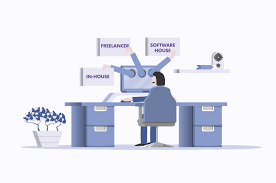
In the fast-paced world of technology, software development houses play a crucial role in bringing innovative ideas to life. These specialized companies are dedicated to creating custom software solutions that meet the unique needs of businesses and individuals.

Software development houses employ talented teams of developers, designers, project managers, and quality assurance specialists who work together to design, build, and maintain software applications. They leverage their expertise in programming languages, frameworks, and tools to deliver high-quality products that drive efficiency and productivity.

Key Responsibilities of a Software Development House:

  • Requirement Analysis: Understanding the client’s needs and defining project requirements.
  • Design and Development: Creating software architecture and writing code to build functional applications.
  • Testing and Quality Assurance: Conducting thorough testing to ensure the software performs as intended.
  • Deployment and Maintenance: Deploying the software and providing ongoing support and updates as needed.

The Benefits of Working with a Software Development House:

Collaborating with a software development house offers several advantages, including:

  • Expertise: Access to a team of skilled professionals with specialized knowledge in various technologies.
  • Creative Solutions: Innovative ideas tailored to meet specific business requirements.
  • Timely Delivery: Efficient project management processes that ensure timely delivery of projects.
  • Cost-Effectiveness: Customized solutions that optimize resources and maximize ROI.
  • Ongoing Support: Continued maintenance and support services to keep software running smoothly.

In conclusion, software development houses play a vital role in driving digital transformation by providing custom software solutions that empower businesses to stay competitive in today’s ever-evolving tech landscape. Their expertise, creativity, and dedication make them valuable partners for organizations looking to leverage technology for growth and success.


7 Essential Tips for Optimizing Your Software Development House

  1. Establish clear communication channels among team members.
  2. Adopt version control systems to track changes in the codebase.
  3. Encourage continuous learning and skill development for employees.
  4. Prioritize code reviews to maintain code quality and identify issues early on.
  5. Implement automated testing to ensure software reliability and reduce bugs.
  6. Document code, processes, and decisions to facilitate knowledge sharing within the team.
  7. Regularly update software tools and technologies to stay current with industry trends.

Establish clear communication channels among team members.

Effective communication is essential within a software development house to ensure seamless collaboration and project success. By establishing clear communication channels among team members, such as regular meetings, project management tools, and open lines of dialogue, information flows smoothly, ideas are shared efficiently, and potential issues are addressed promptly. Clear communication fosters a cohesive team environment where everyone is on the same page, leading to improved productivity, better decision-making, and ultimately delivering high-quality software solutions that meet client expectations.

Adopt version control systems to track changes in the codebase.

Adopting version control systems is essential for a software development house to efficiently track changes in the codebase. By using tools like Git or SVN, developers can easily manage and collaborate on code, keep track of revisions, and revert to previous versions if needed. Version control systems provide a centralized repository for code, ensuring better organization, collaboration, and overall project management. This practice not only enhances productivity but also helps maintain code integrity and transparency throughout the development process.

Encourage continuous learning and skill development for employees.

Encouraging continuous learning and skill development for employees is essential for a software development house to stay competitive and innovative in the ever-evolving tech industry. By investing in training programs, workshops, and opportunities for professional growth, employees can enhance their expertise in programming languages, tools, and methodologies. This commitment to ongoing learning not only benefits individual team members by expanding their knowledge and capabilities but also strengthens the overall capabilities of the software development house to deliver cutting-edge solutions that meet the diverse needs of clients.

Prioritize code reviews to maintain code quality and identify issues early on.

To ensure the quality and reliability of software applications, it is essential for a software development house to prioritize code reviews. By conducting thorough code reviews, developers can identify potential issues early in the development process, allowing them to address and rectify any issues before they escalate. This practice not only helps maintain code quality but also promotes collaboration among team members, fosters knowledge sharing, and ultimately leads to the delivery of robust and error-free software solutions.

Implement automated testing to ensure software reliability and reduce bugs.

Implementing automated testing is a crucial practice for any software development house to ensure the reliability of software and minimize the occurrence of bugs. By automating the testing process, developers can efficiently run test cases repeatedly to catch potential issues early in the development cycle. This not only helps in identifying bugs before they reach production but also improves the overall quality of the software by providing continuous feedback on code changes. Automated testing ultimately leads to more stable and reliable software products, enhancing user experience and reducing maintenance costs in the long run.

Document code, processes, and decisions to facilitate knowledge sharing within the team.

Documenting code, processes, and decisions within a software development house is essential for fostering effective knowledge sharing among team members. By maintaining clear and detailed documentation, team members can easily understand the rationale behind design choices, implementation strategies, and project decisions. This practice not only promotes consistency in development practices but also empowers team members to collaborate more efficiently, troubleshoot issues effectively, and onboard new members seamlessly. Ultimately, comprehensive documentation serves as a valuable resource that enhances communication, promotes transparency, and contributes to the overall success of the team’s projects.

To ensure the success and relevance of a software development house, it is essential to prioritize the regular updating of software tools and technologies. By staying current with industry trends, these companies can leverage the latest advancements to enhance their development processes, improve efficiency, and deliver cutting-edge solutions to their clients. Embracing updates also allows software development houses to remain competitive in a rapidly evolving tech landscape, demonstrating their commitment to innovation and continuous improvement.

edx software engineering
edx

Mastering Software Engineering Skills with edX

edX Software Engineering

Exploring Software Engineering on edX

Software engineering is a dynamic and rapidly evolving field that plays a crucial role in shaping the digital world we live in today. Whether you are a seasoned professional looking to enhance your skills or a newcomer interested in starting a career in software development, edX offers a wide range of courses and programs to help you achieve your goals.

Why Choose edX for Software Engineering?

edX is a trusted online learning platform that partners with leading universities and institutions to offer high-quality courses in various disciplines, including software engineering. By enrolling in edX courses, you can:

  • Gain practical skills and knowledge from industry experts
  • Learn at your own pace with flexible online learning options
  • Earn certificates or even degree credentials to showcase your achievements
  • Access cutting-edge resources and tools to support your learning journey

Key Topics Covered in edX Software Engineering Courses

From programming fundamentals to advanced software development techniques, edX offers courses that cover a wide range of topics essential for aspiring software engineers. Some key areas of focus include:

  • Algorithm design and analysis
  • Object-oriented programming principles
  • Web development technologies (HTML, CSS, JavaScript)
  • Data structures and algorithms
  • Software testing and quality assurance
  • Agile methodologies and project management

Start Your Software Engineering Journey Today!

Whether you are interested in building mobile apps, designing web applications, or diving into data science projects, edX has the resources you need to succeed in the field of software engineering. Take the first step towards achieving your career goals by exploring the diverse range of courses available on edX today!


Top 5 FAQs About Starting a Career in Software Engineering with edX

  1. What is software engineering and why is it important?
  2. How can I start a career in software engineering?
  3. What programming languages are commonly used in software engineering?
  4. Are there any prerequisites for taking edX software engineering courses?
  5. Can I earn a certification or degree in software engineering through edX?

What is software engineering and why is it important?

Software engineering is a discipline that involves the design, development, and maintenance of software systems. It encompasses a systematic approach to building software solutions that meet specific requirements and adhere to quality standards. Software engineering is crucial in today’s digital age as it enables the creation of reliable, scalable, and efficient software applications that drive innovation across various industries. By applying best practices and methodologies, software engineers can ensure that projects are completed on time, within budget, and with high levels of functionality and usability. In essence, software engineering plays a vital role in shaping the technological landscape and driving progress in the modern world.

How can I start a career in software engineering?

Starting a career in software engineering can be a rewarding journey for those passionate about technology and problem-solving. To begin, it is essential to acquire a strong foundation in programming languages such as Java, Python, or C++. Enrolling in online courses on platforms like edX can provide you with the necessary knowledge and skills to kickstart your career. Building projects, participating in coding challenges, and networking with professionals in the field can also help you gain practical experience and expand your opportunities. Remember to stay curious, continuously learn and adapt to new technologies, and never underestimate the power of perseverance in pursuing your dream career in software engineering.

What programming languages are commonly used in software engineering?

In the field of software engineering, several programming languages are commonly used to develop a wide range of applications and systems. Some of the most popular programming languages include Java, Python, C++, JavaScript, and C#. These languages are versatile and widely adopted in the industry for their robustness, scalability, and efficiency in building software solutions. Understanding these programming languages and their respective frameworks can significantly enhance a software engineer’s ability to create innovative and functional applications that meet the demands of today’s technology-driven world.

Are there any prerequisites for taking edX software engineering courses?

Before enrolling in edX software engineering courses, it is important to consider any prerequisites that may be required. While specific prerequisites can vary depending on the course or program you choose, it is generally recommended to have a basic understanding of programming concepts and familiarity with relevant technologies. Some courses may specify certain programming languages or tools as prerequisites, so it is advisable to review the course descriptions carefully to ensure you meet the necessary requirements before starting your learning journey in software engineering on edX.

Can I earn a certification or degree in software engineering through edX?

Many learners frequently ask whether they can earn a certification or degree in software engineering through edX. The answer is yes! edX offers a variety of courses and programs in software engineering that allow you to earn certificates upon successful completion. Additionally, some institutions partnered with edX offer professional certificates, MicroMasters programs, and even full-fledged degree programs in software engineering. These credentials can enhance your resume, showcase your expertise to potential employers, and help you advance your career in the field of software engineering. With edX, you have the opportunity to acquire valuable certifications and degrees that validate your skills and knowledge in software engineering.

end to end software development

Mastering End-to-End Software Development: A Comprehensive Guide

The Importance of End-to-End Software Development

The Importance of End-to-End Software Development

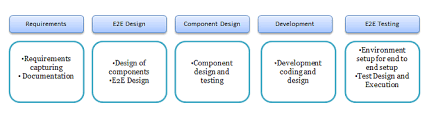
In the world of software development, the concept of end-to-end development plays a crucial role in ensuring the successful delivery of high-quality applications. End-to-end software development refers to the process of creating a software product from concept to deployment, encompassing all stages of development.

Key Phases of End-to-End Software Development:

  1. Planning and Analysis: This phase involves gathering requirements, defining project scope, and creating a roadmap for development.
  2. Design: During this stage, the architecture, user interface, and overall design of the software are conceptualized and documented.
  3. Development: The actual coding and implementation of the software take place in this phase, where developers bring the design to life.
  4. Testing: Quality assurance is essential in end-to-end development to identify and fix bugs or issues before deployment.
  5. Deployment and Maintenance: Once testing is complete, the software is deployed to production environments, followed by ongoing maintenance and support.

The Benefits of End-to-End Software Development:

  • Streamlined Process: By following a structured end-to-end approach, teams can ensure smoother collaboration and communication throughout the project lifecycle.
  • Better Quality Control: Comprehensive testing at every stage helps identify and rectify issues early on, leading to a more robust final product.
  • Faster Time to Market: Efficient planning and execution result in quicker delivery times, allowing businesses to stay competitive in rapidly evolving markets.
  • Cohesive User Experience: A holistic approach ensures that all components of the software work seamlessly together, providing users with a consistent experience.
  • Improved Customer Satisfaction: Delivering a well-designed and fully functional product enhances customer satisfaction and loyalty.

In conclusion, end-to-end software development is essential for creating successful applications that meet user needs while adhering to quality standards. By embracing this comprehensive approach, organizations can drive innovation, increase efficiency, and achieve their business objectives effectively.


Understanding End-to-End Software Development: 9 Key Questions Answered

  1. What is end-to-end software development?
  2. Why is end-to-end software development important?
  3. What are the key phases of end-to-end software development?
  4. How does planning and analysis contribute to end-to-end software development?
  5. What role does design play in the process of end-to-end software development?
  6. Why is testing crucial in end-to-end software development?
  7. How is deployment and maintenance managed in the context of end-to-end software development?
  8. What are the benefits of following an end-to-end approach in software development?
  9. How can organizations ensure successful implementation of end-to-end software development?

What is end-to-end software development?

End-to-end software development refers to the comprehensive process of creating a software product from its initial concept to its final deployment and ongoing maintenance. This approach encompasses all stages of development, including planning, design, coding, testing, deployment, and support. By following an end-to-end software development methodology, teams ensure that every aspect of the software is carefully crafted and integrated to deliver a high-quality product that meets user requirements effectively. This holistic approach aims to streamline the development process, enhance quality control, and ultimately deliver successful software solutions that drive business value and user satisfaction.

Why is end-to-end software development important?

Understanding the importance of end-to-end software development is crucial for achieving successful outcomes in software projects. End-to-end development ensures a comprehensive approach from initial planning and design to deployment and maintenance. By encompassing all stages of the development lifecycle, teams can streamline processes, maintain quality control, accelerate time to market, enhance user experience, and ultimately boost customer satisfaction. Embracing end-to-end software development is key to delivering robust, reliable, and user-friendly applications that meet the evolving needs of businesses and users alike.

What are the key phases of end-to-end software development?

One of the frequently asked questions regarding end-to-end software development is, “What are the key phases of end-to-end software development?” The key phases of end-to-end software development typically include planning and analysis, design, development, testing, and deployment/maintenance. Each phase plays a crucial role in the overall success of a software project, starting from gathering requirements and defining project scope to coding, testing for quality assurance, and finally deploying the software to production environments with ongoing maintenance. Following these structured phases ensures a systematic approach to creating high-quality software products that meet user needs effectively.

How does planning and analysis contribute to end-to-end software development?

Planning and analysis play a crucial role in contributing to end-to-end software development by setting the foundation for a successful project. During the planning and analysis phase, requirements are gathered, project scope is defined, and a roadmap for development is established. This initial stage allows stakeholders to align on project goals, identify potential challenges, and create a clear vision for the software product. Effective planning and analysis help in laying out the groundwork for design, development, testing, deployment, and maintenance phases, ensuring that the software meets user needs, quality standards, and business objectives throughout the entire development lifecycle.

What role does design play in the process of end-to-end software development?

In the process of end-to-end software development, design plays a pivotal role in shaping the user experience and functionality of the final product. Design encompasses not only the visual aesthetics but also the overall architecture, usability, and interaction flow of the software. A well-thought-out design phase ensures that user needs are met, and the software is intuitive and easy to navigate. By considering design early in the development process, teams can align on a cohesive vision for the product and avoid costly rework later on. Ultimately, design acts as a guiding force that influences every aspect of software development, contributing to a successful end-to-end delivery that resonates with users and meets business objectives.

Why is testing crucial in end-to-end software development?

Testing plays a crucial role in end-to-end software development as it helps ensure the quality, reliability, and functionality of the final product. By conducting thorough testing at each stage of the development process, developers can identify and address issues early on, preventing costly errors from reaching production environments. Testing also helps validate that all components of the software work together seamlessly, providing a smooth user experience. Ultimately, robust testing practices in end-to-end software development contribute to delivering a high-quality product that meets user expectations and business requirements.

How is deployment and maintenance managed in the context of end-to-end software development?

In the context of end-to-end software development, deployment and maintenance are crucial stages that require careful planning and management. Deployment involves the process of releasing the software to production environments, ensuring that it functions correctly and efficiently for end-users. This phase typically involves coordination between development teams, system administrators, and stakeholders to minimize downtime and ensure a smooth transition. On the other hand, maintenance involves ongoing support, updates, and bug fixes to keep the software running smoothly post-deployment. Effective deployment and maintenance strategies in end-to-end development require continuous monitoring, feedback loops, automation tools, and collaboration among cross-functional teams to address issues promptly and optimize performance for long-term success.

What are the benefits of following an end-to-end approach in software development?

Following an end-to-end approach in software development offers a multitude of benefits. By encompassing all stages of the development process from planning and analysis to deployment and maintenance, teams can ensure a streamlined and cohesive workflow. This comprehensive method allows for better quality control through thorough testing, leading to the identification and resolution of issues early on. Additionally, an end-to-end approach results in faster time to market, enabling businesses to stay competitive and meet evolving market demands promptly. A holistic focus on user experience ensures that all components of the software work seamlessly together, ultimately enhancing customer satisfaction and loyalty. Overall, embracing an end-to-end approach in software development promotes efficiency, innovation, and successful project outcomes.

How can organizations ensure successful implementation of end-to-end software development?

To ensure successful implementation of end-to-end software development, organizations should focus on several key aspects. Firstly, clear communication and collaboration among all stakeholders are essential to align goals and expectations throughout the project lifecycle. Additionally, thorough planning and requirement gathering at the initial stages help in defining the scope and objectives of the software development process. Adequate resource allocation, including skilled team members and necessary tools, is crucial for efficient execution. Regular testing and quality assurance practices should be integrated into each phase to identify and address any issues promptly. Lastly, continuous monitoring, feedback collection, and adaptation to changing requirements play a vital role in achieving a successful end result in software development projects.

cloud software development

Exploring the Future of Cloud Software Development: Innovations and Challenges

Cloud Software Development

The Evolution of Cloud Software Development

Cloud software development has revolutionized the way applications are built, deployed, and scaled. In the past, traditional software development required significant investments in hardware infrastructure and maintenance. However, with the emergence of cloud computing, developers now have access to a wide range of tools and resources that enable them to create innovative solutions more efficiently.

Benefits of Cloud Software Development

One of the key benefits of cloud software development is scalability. Cloud platforms allow developers to easily scale their applications based on demand, ensuring optimal performance without the need for additional hardware investments. This flexibility enables businesses to adapt quickly to changing market conditions and customer needs.

Another advantage of cloud software development is cost-effectiveness. By leveraging cloud services, developers can reduce upfront costs associated with hardware procurement and maintenance. Additionally, pay-as-you-go pricing models allow businesses to pay only for the resources they use, making it a more economical option for many organizations.

Challenges in Cloud Software Development

While cloud software development offers numerous benefits, it also presents challenges that developers must address. Security is a major concern when it comes to storing sensitive data in the cloud. Developers need to implement robust security measures to protect against data breaches and unauthorized access.

Furthermore, ensuring compatibility and integration with existing systems can be complex in a cloud environment. Developers must design applications that can seamlessly interact with on-premises infrastructure and other cloud services to ensure smooth operation.

The Future of Cloud Software Development

As technology continues to advance, we can expect further innovations in cloud software development. Machine learning and artificial intelligence are increasingly being integrated into cloud platforms, enabling developers to create more intelligent applications that can analyze data and make informed decisions in real-time.

In conclusion, cloud software development has transformed the way applications are developed and deployed. By leveraging the scalability, cost-effectiveness, and flexibility of cloud platforms, developers can create cutting-edge solutions that drive business growth and innovation.


Exploring Cloud Software Development: Key FAQs and Insights

  1. What is cloud software development?
  2. How does cloud software development differ from traditional software development?
  3. What are the benefits of using cloud platforms for software development?
  4. What are the common challenges faced in cloud software development?
  5. How can developers ensure the security of applications developed in the cloud?
  6. What considerations should be made when integrating cloud services with existing systems?
  7. What trends are shaping the future of cloud software development?

What is cloud software development?

Cloud software development refers to the process of creating, deploying, and maintaining applications using cloud computing technologies and services. In this approach, developers leverage cloud platforms to build and run software applications, taking advantage of the scalability, flexibility, and cost-effectiveness offered by the cloud. Cloud software development eliminates the need for on-premises infrastructure and allows developers to focus on writing code and delivering value to users without worrying about hardware maintenance or resource constraints. By harnessing the power of the cloud, organizations can accelerate their development processes, improve collaboration among team members, and deliver innovative solutions to meet evolving business needs efficiently.

How does cloud software development differ from traditional software development?

In the realm of software development, the shift to cloud-based solutions has brought about significant differences compared to traditional approaches. Cloud software development fundamentally alters the infrastructure and deployment models used in traditional software development. Unlike traditional methods that require on-premises hardware and infrastructure, cloud software development leverages remote servers and services accessible over the internet. This shift enables developers to scale resources dynamically, pay only for what they use, and benefit from enhanced flexibility and accessibility. Additionally, cloud software development often emphasizes collaboration, agility, and rapid iteration cycles, fostering innovation and efficiency in application development processes.

What are the benefits of using cloud platforms for software development?

When considering the benefits of using cloud platforms for software development, several advantages stand out. Cloud platforms offer scalability, allowing developers to easily adjust resources based on demand, ensuring optimal performance without the need for extensive hardware investments. Additionally, cloud services provide cost-effectiveness through pay-as-you-go pricing models, enabling businesses to pay for only the resources they use. Furthermore, cloud platforms facilitate collaboration among team members regardless of their physical location, promoting efficiency and flexibility in development processes. Overall, leveraging cloud platforms for software development enhances agility, reduces operational costs, and fosters innovation within organizations.

What are the common challenges faced in cloud software development?

Common challenges faced in cloud software development include ensuring data security and privacy, managing scalability effectively, maintaining compatibility with existing systems, handling network connectivity issues, and optimizing cost management. Security concerns arise due to the need to protect sensitive data stored in the cloud from cyber threats. Scalability challenges include balancing resources to meet varying demand levels without compromising performance. Compatibility issues may arise when integrating cloud-based applications with on-premises systems. Network connectivity problems can impact application performance and reliability. Effective cost management is crucial to avoid unexpected expenses associated with cloud services usage. Overcoming these challenges requires careful planning, robust solutions, and continuous monitoring to ensure successful cloud software development projects.

How can developers ensure the security of applications developed in the cloud?

Ensuring the security of applications developed in the cloud is a top priority for developers. To achieve this, developers can implement a multi-layered security approach that includes encryption, access control, and regular security audits. By encrypting data both at rest and in transit, developers can protect sensitive information from unauthorized access. Implementing strong access control mechanisms, such as role-based access control (RBAC) and multi-factor authentication (MFA), helps prevent unauthorized users from gaining entry to the application or its data. Regular security audits and penetration testing are essential to identify vulnerabilities and address them proactively, ensuring that the application remains secure in the ever-evolving threat landscape of the cloud environment.

What considerations should be made when integrating cloud services with existing systems?

When integrating cloud services with existing systems, several considerations must be made to ensure a seamless and efficient integration process. Firstly, compatibility between the cloud services and the existing systems is crucial. Developers need to assess whether the APIs and data formats align to enable smooth communication between different platforms. Security is another critical factor that cannot be overlooked. Implementing robust security measures, such as encryption and access controls, is essential to protect sensitive data during integration. Additionally, performance monitoring and testing are vital to identify any bottlenecks or issues that may arise during the integration process, allowing for timely adjustments to optimize system performance. Overall, careful planning and thorough assessment of technical requirements are key to successful integration of cloud services with existing systems.

The future of cloud software development is being shaped by several key trends that are driving innovation in the industry. One significant trend is the increasing adoption of serverless computing, which allows developers to focus on writing code without managing infrastructure. Another important trend is the rise of containerization technologies like Docker and Kubernetes, enabling efficient deployment and scaling of applications in the cloud. Additionally, the integration of artificial intelligence and machine learning capabilities into cloud platforms is revolutionizing how developers build intelligent and data-driven applications. These trends are reshaping the landscape of cloud software development, paving the way for more agile, scalable, and intelligent solutions in the future.

software development workflow

Navigating the Software Development Workflow: A Comprehensive Guide

Understanding the Software Development Workflow

The Software Development Workflow: A Comprehensive Guide

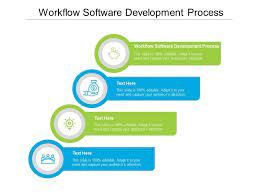
Software development is a complex and intricate process that requires careful planning, collaboration, and execution. Understanding the software development workflow is essential for ensuring the successful delivery of high-quality software products. Let’s delve into the key stages of the software development workflow:

Planning

The planning stage sets the foundation for the entire software development process. During this phase, project stakeholders define project goals, establish requirements, create a project timeline, and allocate resources.

Analysis

In the analysis stage, software developers work closely with stakeholders to gather detailed requirements for the software project. This stage involves identifying user needs, defining system functionalities, and creating use cases.

Design

The design stage focuses on creating a blueprint for the software solution based on the requirements gathered during the analysis phase. Software architects design system architecture, user interface layouts, and database structures.

Implementation

During the implementation stage, developers write code according to the design specifications. This phase involves coding, testing individual components, integrating modules, and ensuring that the software functions as intended.

Testing

Testing is a critical phase in the software development workflow where developers evaluate the functionality and performance of the software solution. Testing includes unit testing, integration testing, system testing, and user acceptance testing.

Deployment

The deployment stage involves releasing the software product to end-users or clients. Developers ensure that all necessary documentation is provided, conduct final tests, and deploy the application in a production environment.

Maintenance

Maintenance is an ongoing phase where developers address bugs, implement updates or enhancements based on user feedback or changing requirements. Regular maintenance ensures that the software remains reliable and up-to-date.

In conclusion, understanding and following a well-defined software development workflow is crucial for delivering successful software projects on time and within budget. By following these key stages – planning, analysis,

design,

implementation,

testing,

deployment,

maintenance – teams can streamline their development processes and produce high-quality software solutions that meet client expectations.


5 Key Benefits of an Effective Software Development Workflow

  1. Enhances collaboration among team members by providing a structured framework for project management.
  2. Improves efficiency and productivity through systematic planning and execution of development tasks.
  3. Facilitates better communication between stakeholders, developers, and clients throughout the software development lifecycle.
  4. Ensures better quality control by incorporating testing and review processes at each stage of development.
  5. Promotes scalability and adaptability by allowing for iterative improvements based on feedback and changing requirements.


Top 6 Challenges in Software Development Workflow Management

  1. Complexity of managing multiple tasks and dependencies
  2. Potential for delays due to unforeseen issues or changes in requirements
  3. Difficulty in accurately estimating project timelines and resources
  4. Risk of miscommunication among team members leading to errors or rework
  5. Challenges in maintaining consistency and quality across different stages of development
  6. Struggles with integrating third-party tools or systems into the workflow

Enhances collaboration among team members by providing a structured framework for project management.

The software development workflow offers a significant advantage by enhancing collaboration among team members through a structured framework for project management. By following a defined workflow, team members can effectively communicate, coordinate tasks, and track progress, leading to improved teamwork and productivity. This structured approach fosters transparency, accountability, and alignment of goals within the team, ultimately resulting in more efficient project execution and successful outcomes.

Improves efficiency and productivity through systematic planning and execution of development tasks.

The software development workflow offers a significant advantage by enhancing efficiency and productivity through systematic planning and execution of development tasks. By following a structured process that outlines clear objectives, requirements, and timelines, development teams can streamline their efforts and minimize potential roadblocks. This methodical approach ensures that resources are utilized effectively, tasks are completed in a timely manner, and overall productivity is optimized throughout the software development lifecycle.

Facilitates better communication between stakeholders, developers, and clients throughout the software development lifecycle.

Effective software development workflow facilitates better communication between stakeholders, developers, and clients throughout the software development lifecycle. By establishing clear channels for sharing information, feedback, and updates at each stage of the process, all parties can stay informed, aligned on project goals, and engaged in decision-making. This open communication fosters collaboration, promotes transparency, and ultimately leads to the successful delivery of software solutions that meet the needs and expectations of all involved parties.

Ensures better quality control by incorporating testing and review processes at each stage of development.

By incorporating testing and review processes at each stage of development, the software development workflow ensures better quality control. This proactive approach allows for early detection and resolution of issues, resulting in higher-quality software products. Testing and reviews help identify bugs, inconsistencies, and potential improvements throughout the development cycle, ultimately leading to more robust and reliable software solutions that meet user requirements effectively.

Promotes scalability and adaptability by allowing for iterative improvements based on feedback and changing requirements.

One of the key benefits of the software development workflow is its ability to promote scalability and adaptability. By incorporating iterative improvements based on feedback and evolving requirements, the workflow allows for continuous enhancements to the software solution. This iterative approach enables developers to respond effectively to changing needs and market demands, ensuring that the software remains flexible and can easily scale to meet future challenges.

Complexity of managing multiple tasks and dependencies

In software development workflow, one significant challenge is the complexity of managing multiple tasks and dependencies. As projects involve various team members working on different components simultaneously, coordinating tasks and ensuring that dependencies are met can be a daunting task. Delays in one area can have ripple effects on other parts of the project, leading to potential bottlenecks and inefficiencies. Effective communication, meticulous planning, and robust project management tools are essential to navigate through this con and ensure a smooth workflow.

Potential for delays due to unforeseen issues or changes in requirements

One significant con of the software development workflow is the potential for delays caused by unforeseen issues or changes in requirements. Despite meticulous planning and thorough analysis, unexpected challenges can arise during the development process, leading to timeline disruptions. Additionally, as project requirements evolve or stakeholders introduce new demands, developers may need to adjust their approach, resulting in delays as they accommodate these changes. Managing these unforeseen issues and adapting to evolving requirements requires flexibility and effective communication to minimize the impact on project timelines and deliverables.

Difficulty in accurately estimating project timelines and resources

One significant challenge in the software development workflow is the difficulty in accurately estimating project timelines and resources. Due to the dynamic nature of software development, unforeseen complexities, changing requirements, and unexpected issues can arise during the project lifecycle, making it challenging to predict the exact time and resources needed for completion. This uncertainty can lead to delays, budget overruns, and potential conflicts with stakeholders. Effective project management strategies and continuous communication are essential to address this con and mitigate its impact on software development projects.

Risk of miscommunication among team members leading to errors or rework

Miscommunication among team members in the software development workflow can pose a significant challenge, potentially resulting in errors or the need for rework. When team members do not effectively communicate project requirements, changes, or updates, misunderstandings can occur, leading to inconsistencies in the development process. This lack of clarity can impact the quality and efficiency of the project, requiring additional time and effort to rectify errors or revise work that does not align with the intended goals. Effective communication strategies and tools are essential to mitigate this risk and ensure smooth collaboration among team members throughout the software development lifecycle.

Challenges in maintaining consistency and quality across different stages of development

Maintaining consistency and quality across different stages of development poses a significant challenge in software development workflows. As projects progress from planning to deployment, ensuring that the initial requirements and design standards are upheld can be difficult. Changes made in one stage may impact subsequent stages, leading to inconsistencies and quality issues. Effective communication, documentation, and regular reviews are essential to address this con and ensure that software products meet the desired standards throughout the development process.

Struggles with integrating third-party tools or systems into the workflow

One common challenge in the software development workflow is the difficulty of integrating third-party tools or systems seamlessly into the development process. Incorporating external tools or systems can lead to compatibility issues, data inconsistencies, and potential disruptions in the workflow. Developers may face obstacles such as learning curve complexities, lack of proper documentation, or limited support for customization. These struggles with integrating third-party tools can hinder productivity, delay project timelines, and require additional resources to resolve, impacting the overall efficiency of the software development workflow.

The True Cost of Software Development: Understanding Expenses and Investments

The Real Cost of Software Development

The Real Cost of Software Development

Software development is a crucial investment for businesses looking to stay competitive in today’s digital landscape. However, determining the true cost of software development can be complex and involves more than just the initial price tag. Let’s explore the various factors that contribute to the overall cost of software development.

Development Time

One of the primary factors that influence software development cost is the time it takes to design, develop, test, and deploy the software. The longer the development process, the higher the cost. Factors such as project complexity, required features, and team expertise can all impact development time.

Team Expertise

The expertise and experience of the development team also play a significant role in determining software development costs. Highly skilled developers may come at a higher price but can deliver a more efficient and robust product in less time.

Technology Stack

The choice of technology stack used in software development can also affect costs. Some technologies may require specialized knowledge or licensing fees, which can add to the overall cost of development.

Maintenance and Support

After the initial development phase, ongoing maintenance and support are essential for keeping the software up-to-date and functioning smoothly. Budgeting for post-launch support is crucial in accurately estimating software development costs.

Scalability and Future Upgrades

Businesses should consider scalability and potential future upgrades when estimating software development costs. Building a flexible architecture that can easily accommodate growth and new features can help reduce long-term expenses associated with software updates.

Quality Assurance

Incorporating thorough quality assurance processes into software development is essential for ensuring a bug-free product that meets user expectations. Investing in QA testing upfront can help prevent costly rework later on.

Conclusion

While upfront costs are an important consideration when budgeting for software development, businesses must also account for various other factors that contribute to the overall cost over time. By carefully evaluating these factors and working with experienced professionals, businesses can make informed decisions that lead to successful software projects within budget.


Maximizing Value: The Benefits of Investing in Software Development

  1. 1. Allows businesses to create customized solutions tailored to their specific needs.
  2. 2. Enhances operational efficiency and productivity through automation and streamlined processes.
  3. 3. Enables businesses to stay competitive by leveraging innovative technologies.
  4. 4. Provides scalability options for future growth and expansion.
  5. 5. Improves customer satisfaction by delivering user-friendly and feature-rich software products.
  6. 6. Offers a high return on investment by increasing revenue opportunities and cost savings in the long run.


Understanding the True Costs of Software Development: Initial Investment, Overruns, and Hidden Expenses

  1. High initial investment
  2. Cost overruns
  3. Hidden costs

1. Allows businesses to create customized solutions tailored to their specific needs.

Software development cost offers the significant advantage of enabling businesses to create customized solutions tailored to their specific needs. By investing in software development, companies can design and build applications that address their unique requirements and challenges. This customization allows businesses to optimize their processes, enhance efficiency, and deliver better services to their customers. Tailored software solutions empower organizations to stand out in the market by offering distinct capabilities that align closely with their strategic objectives and operational workflows.

2. Enhances operational efficiency and productivity through automation and streamlined processes.

Software development cost can be seen as a valuable investment that enhances operational efficiency and productivity by introducing automation and streamlining processes. By developing custom software solutions tailored to specific business needs, organizations can automate repetitive tasks, eliminate manual errors, and optimize workflows. This results in increased efficiency, reduced operational costs, and improved overall productivity as employees can focus on more strategic tasks while routine processes are handled seamlessly by the software.

3. Enables businesses to stay competitive by leveraging innovative technologies.

Investing in software development allows businesses to remain competitive by harnessing cutting-edge technologies that drive innovation. By developing custom software solutions, companies can streamline operations, enhance customer experiences, and adapt quickly to market changes. This adaptability not only positions businesses to meet evolving consumer demands but also enables them to differentiate themselves from competitors. Leveraging the latest technological advancements ensures that a business remains at the forefront of its industry, fostering growth and long-term success in an ever-evolving digital landscape.

4. Provides scalability options for future growth and expansion.

Software development cost provides scalability options for future growth and expansion. By investing in software development, businesses can build scalable solutions that can easily adapt to changing needs and accommodate future growth. This flexibility allows companies to expand their operations, add new features, and serve a growing customer base without incurring significant additional costs. Scalability in software development ensures that businesses can stay competitive and agile in a rapidly evolving market landscape.

5. Improves customer satisfaction by delivering user-friendly and feature-rich software products.

One significant advantage of software development cost is that it enhances customer satisfaction by providing user-friendly and feature-rich software products. By investing in the development of intuitive interfaces, robust functionalities, and innovative features, businesses can meet the evolving needs and preferences of their customers. Delivering high-quality software solutions that are easy to use and offer valuable features not only enhances the overall user experience but also fosters customer loyalty and positive brand perception.

6. Offers a high return on investment by increasing revenue opportunities and cost savings in the long run.

One significant advantage of software development cost is its ability to offer a high return on investment. By investing in software development, businesses can increase revenue opportunities and achieve cost savings in the long run. Custom software solutions can streamline operations, improve efficiency, enhance customer experiences, and open up new revenue streams. Additionally, tailored software can help businesses reduce manual tasks, minimize errors, and optimize processes, leading to significant cost savings over time. Ultimately, the initial investment in software development can result in substantial returns by driving growth and profitability for the business.

High initial investment

High initial investment is a notable con of software development cost. Developing software can demand a substantial upfront financial commitment, particularly for intricate projects or when employing specialized technologies. This initial investment can pose a challenge for businesses, especially startups or small enterprises with limited budgets, as it may require careful planning and allocation of resources to ensure the project’s success without exceeding financial constraints.

Cost overruns

Cost overruns are a significant con of software development cost, as projects often exceed the initial budget due to various factors such as unforeseen challenges, scope changes, or delays in development. These unexpected circumstances can lead to increased expenses, impacting the overall financial viability of the project. Managing and mitigating cost overruns require careful planning, effective communication, and proactive risk management to ensure that software development stays within budget constraints and delivers value to stakeholders.

Hidden costs

Hidden costs associated with software development can significantly impact the overall budget of a project. Expenses such as ongoing maintenance, technical support, licensing fees, and future upgrades are often overlooked during the initial planning stages but can add up quickly over time. These hidden costs can catch businesses off guard and strain their financial resources if not properly accounted for in the initial budgeting process. It is crucial for organizations to consider these additional expenses when estimating the true cost of software development to avoid budget overruns and ensure the long-term sustainability of their software solutions.

software product development

Mastering the Art of Software Product Development: A Comprehensive Guide

Software Product Development: A Comprehensive Guide

Software Product Development: A Comprehensive Guide

In today’s digital age, software product development plays a crucial role in shaping businesses and industries. From innovative mobile apps to complex enterprise solutions, the process of creating software products requires a structured approach and a deep understanding of technology and user needs.

The Software Development Life Cycle (SDLC)

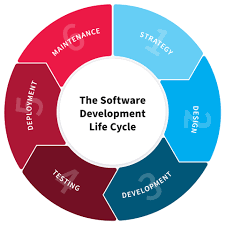
The Software Development Life Cycle (SDLC) is a systematic process that outlines the stages involved in developing software products. The typical phases of SDLC include:

  1. Planning: Defining project goals, requirements, and constraints.
  2. Analysis: Gathering and analyzing user needs and system requirements.
  3. Design: Creating a detailed design of the software architecture and user interface.
  4. Development: Writing code, testing functionality, and fixing bugs.
  5. Testing: Conducting various tests to ensure the software meets quality standards.
  6. Deployment: Releasing the software to users or clients.
  7. Maintenance: Providing ongoing support, updates, and enhancements.

Key Principles of Software Product Development

Successful software product development is guided by several key principles:

  • User-Centric Design: Prioritizing user experience and usability throughout the development process.
  • Agile Methodology: Embracing flexibility, collaboration, and iterative development cycles to adapt to changing requirements.
  • Quality Assurance: Implementing rigorous testing procedures to ensure reliability, performance, and security.
  • Scalability: Designing software products that can grow and evolve with the changing needs of users and businesses.

The Role of Technology in Software Product Development

Technology plays a pivotal role in driving innovation and efficiency in software product development. Emerging technologies such as artificial intelligence, cloud computing, Internet of Things (IoT), and blockchain are reshaping the way software products are designed, developed, and deployed.

Challenges in Software Product Development

Despite its benefits, software product development comes with its own set of challenges. Common challenges include managing project scope creep, meeting tight deadlines, ensuring cross-team collaboration, addressing cybersecurity threats, and keeping up with rapidly evolving technologies.

In Conclusion

Software product development is a dynamic and multifaceted process that requires a blend of technical expertise, creativity, strategic planning, and effective communication. By following best practices, embracing innovation, and staying agile in response to change, organizations can create successful software products that meet the needs of users in today’s digital landscape.


7 Key Benefits of Software Product Development for Business Growth and Innovation

  1. Innovative solutions tailored to specific user needs.
  2. Enhanced efficiency and automation of business processes.
  3. Scalable products that can grow with the business.
  4. Improved customer satisfaction through user-friendly interfaces.
  5. Opportunities for continuous improvement and updates.
  6. Increased competitiveness in the market through technological advancements.
  7. Potential for creating new revenue streams and expanding market reach.


Top 6 Challenges in Software Product Development: Managing Complexity, Delays, Costs, Integration, Security, and Team Collaboration

  1. Complexity of managing project scope and requirements
  2. Risk of delays due to unforeseen technical challenges
  3. Potential for cost overruns during development and testing phases
  4. Difficulty in ensuring seamless integration with existing systems or third-party applications
  5. Challenge of maintaining software security and addressing vulnerabilities
  6. Strain on team collaboration and communication, especially in distributed or remote work environments

Innovative solutions tailored to specific user needs.

One of the key advantages of software product development is the ability to create innovative solutions that are customized to meet specific user needs. By understanding the unique requirements and preferences of users, developers can design and build software products that address specific challenges or provide tailored functionalities. This personalized approach not only enhances user satisfaction and engagement but also increases the overall value and effectiveness of the software solution in meeting the precise needs of its intended audience.

Enhanced efficiency and automation of business processes.

Enhanced efficiency and automation of business processes are significant benefits of software product development. By leveraging technology to streamline workflows, businesses can reduce manual tasks, minimize errors, and improve overall productivity. Automated processes not only save time but also enable employees to focus on more strategic tasks that drive innovation and growth. With custom software solutions tailored to specific business needs, organizations can optimize their operations, achieve cost savings, and gain a competitive edge in today’s fast-paced market environment.

Scalable products that can grow with the business.

Scalability in software product development offers a significant advantage by ensuring that products can expand and evolve in tandem with the growth of a business. By designing and developing scalable solutions, organizations can easily accommodate increasing user demands, new features, and higher workloads without experiencing significant disruptions or the need for a complete overhaul of the software architecture. This pro of scalability not only enhances the longevity and adaptability of software products but also enables businesses to remain agile and competitive in a rapidly changing market environment.

Improved customer satisfaction through user-friendly interfaces.

One significant benefit of software product development is the enhancement of customer satisfaction through the implementation of user-friendly interfaces. By prioritizing intuitive design and ease of use, software developers can create products that cater to the needs and preferences of users. User-friendly interfaces not only streamline the user experience but also contribute to increased engagement, efficiency, and overall satisfaction with the software. This focus on usability ultimately leads to happier customers who are more likely to continue using the product and recommend it to others, thereby fostering long-term relationships and loyalty.

Opportunities for continuous improvement and updates.

One significant advantage of software product development is the opportunities it provides for continuous improvement and updates. Through regular iterations and enhancements, developers can address user feedback, incorporate new features, fix bugs, and adapt to changing market demands. This iterative approach not only ensures that the software remains relevant and competitive but also allows for ongoing optimization of performance, functionality, and user experience. By embracing a mindset of continuous improvement, software products can evolve over time to meet the evolving needs and expectations of users, ultimately leading to greater customer satisfaction and long-term success.

Increased competitiveness in the market through technological advancements.

In the realm of software product development, one significant advantage is the ability to enhance competitiveness in the market through technological advancements. By leveraging cutting-edge technologies and innovative solutions, companies can differentiate themselves from competitors, attract a larger customer base, and stay ahead of industry trends. This proactive approach not only boosts brand visibility and credibility but also opens up new opportunities for growth and expansion in an increasingly digital-driven business landscape.

Potential for creating new revenue streams and expanding market reach.

Software product development offers a significant advantage in the potential for creating new revenue streams and expanding market reach. By introducing innovative software products tailored to meet the evolving needs of customers, businesses can tap into previously untapped markets and attract a broader audience. This expansion not only increases revenue opportunities but also enhances brand visibility and competitiveness in the industry. Through strategic product development, organizations can diversify their offerings, reach new customer segments, and ultimately drive growth and profitability.

Complexity of managing project scope and requirements

The complexity of managing project scope and requirements poses a significant challenge in software product development. As projects evolve, stakeholders may introduce new features or changes, leading to scope creep and shifting requirements. Balancing the need for innovation with the constraints of time and resources requires careful planning, communication, and prioritization. Failure to effectively manage project scope and requirements can result in delays, budget overruns, and compromised product quality. Addressing this con demands a proactive approach, clear documentation of requirements, regular stakeholder engagement, and a flexible mindset to adapt to evolving project needs while ensuring alignment with the overall project goals.

Risk of delays due to unforeseen technical challenges

One significant con of software product development is the risk of delays caused by unforeseen technical challenges. Despite meticulous planning and preparation, projects can encounter unexpected hurdles such as complex integration issues, compatibility problems, or unanticipated bugs that may disrupt the development timeline. These technical obstacles not only require additional time and resources to resolve but can also impact the overall project schedule, leading to potential delays in product delivery and increased costs. Managing and mitigating these unforeseen challenges effectively is crucial to minimizing project delays and ensuring successful software product development.

Potential for cost overruns during development and testing phases

One significant con of software product development is the potential for cost overruns during the development and testing phases. As projects progress, unforeseen challenges, changes in requirements, and technical complexities can arise, leading to delays and increased expenses. This can strain budgets and impact project timelines, making it crucial for development teams to carefully manage resources, communicate effectively with stakeholders, and implement strategies to mitigate the risk of cost overruns throughout the software development lifecycle.

Difficulty in ensuring seamless integration with existing systems or third-party applications

One significant challenge in software product development is the difficulty in ensuring seamless integration with existing systems or third-party applications. This con often arises due to differences in technology standards, data formats, and communication protocols between the new software product and the existing systems or external applications. Achieving interoperability and smooth data exchange can be a complex task that requires thorough planning, testing, and potentially custom development work to bridge the gaps between disparate systems. Failure to address integration challenges effectively can lead to compatibility issues, data inconsistencies, and overall system inefficiencies, hindering the overall performance and usability of the software product.

Challenge of maintaining software security and addressing vulnerabilities

In software product development, one significant challenge is the constant need to maintain software security and address vulnerabilities. As technology advances and cyber threats become more sophisticated, developers must stay vigilant in identifying and patching potential security loopholes in their products. Failing to address security concerns can lead to data breaches, compromised user information, financial losses, and damage to a company’s reputation. It requires ongoing efforts to implement robust security measures, conduct regular security audits, and stay informed about the latest cybersecurity trends to mitigate risks effectively.

Strain on team collaboration and communication, especially in distributed or remote work environments

One significant con of software product development is the strain it can place on team collaboration and communication, particularly in distributed or remote work environments. The physical distance between team members can hinder real-time interactions, leading to delays in decision-making, misunderstandings, and a lack of cohesive teamwork. Without face-to-face communication, the nuances of discussions and feedback may be lost, making it challenging to maintain alignment and productivity across the development process. Overcoming these obstacles requires proactive efforts to establish clear communication channels, leverage collaboration tools effectively, and foster a strong sense of team cohesion despite geographical separation.

software development life cycle

Navigating the Software Development Life Cycle: A Comprehensive Guide

Understanding the Software Development Life Cycle

The Software Development Life Cycle Explained

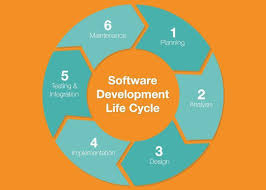
Software development is a complex process that involves multiple stages to ensure the successful creation of high-quality software. The Software Development Life Cycle (SDLC) is a structured framework that outlines these stages and provides a systematic approach to software development.

Stages of the SDLC:

  1. Planning: In this initial stage, project requirements are gathered, feasibility studies are conducted, and a project plan is created.
  2. Analysis: During this stage, the project team analyzes the requirements gathered in the planning phase and defines the system’s features and functionalities.
  3. Design: The design phase involves creating a detailed technical design based on the requirements and analysis. This includes architecture design, database design, and user interface design.
  4. Implementation: In this stage, developers write code based on the design specifications. Testing is also carried out to identify and fix any bugs or issues.
  5. Testing: The software is tested thoroughly to ensure it meets the specified requirements and functions correctly. Testing includes unit testing, integration testing, system testing, and user acceptance testing.
  6. Deployment: Once testing is complete and the software is approved for release, it is deployed to production environments for end-users to access.
  7. Maintenance: After deployment, the software enters the maintenance phase where updates, patches, and enhancements are made as needed to ensure its continued functionality and relevance.

The Importance of SDLC

The SDLC provides a structured approach to software development that helps ensure projects are completed on time, within budget, and with high quality. By following a defined process with clear milestones, teams can better manage risks, control costs, and deliver successful software solutions that meet user needs.

In conclusion, understanding the Software Development Life Cycle is essential for anyone involved in software development projects. By following this structured framework, organizations can streamline their development processes and deliver innovative software solutions that drive business success.


9 Essential Tips for Mastering the Software Development Life Cycle

  1. Understand the requirements thoroughly before starting development.
  2. Break down the project into smaller tasks for better manageability.
  3. Implement version control to track changes and collaborate effectively.
  4. Perform thorough testing at each stage to ensure quality and identify issues early.
  5. Document code and processes to facilitate maintenance and future updates.
  6. Regularly communicate with stakeholders to gather feedback and make necessary adjustments.
  7. Prioritize security measures to protect data and prevent vulnerabilities.
  8. Follow coding standards and best practices for consistency and readability of codebase.
  9. Conduct post-release reviews to evaluate performance, gather insights, and plan improvements.

Understand the requirements thoroughly before starting development.

It is crucial to thoroughly understand the requirements before embarking on the development phase of a software project. Clear and comprehensive requirements gathering ensures that developers have a solid foundation to work from, reducing the risk of misunderstandings, rework, and project delays. By taking the time to fully comprehend the needs and expectations of stakeholders, teams can align their efforts effectively, resulting in a more efficient and successful software development life cycle.

Break down the project into smaller tasks for better manageability.

Breaking down a software development project into smaller tasks is a crucial tip to enhance manageability and ensure project success. By dividing the project into manageable chunks, teams can focus on specific tasks, track progress more effectively, and allocate resources efficiently. This approach also helps in identifying potential bottlenecks early on, making it easier to address issues and stay on track with the project timeline. Ultimately, breaking down the project into smaller tasks not only improves manageability but also contributes to better collaboration among team members and a smoother overall development process.

Implement version control to track changes and collaborate effectively.

Implementing version control is a crucial tip in the software development life cycle as it allows teams to track changes, manage revisions, and collaborate effectively. Version control systems such as Git enable developers to work on code simultaneously, merge changes seamlessly, and maintain a history of modifications. By utilizing version control, teams can easily revert to previous versions if needed, ensure code consistency across multiple contributors, and enhance overall project efficiency and collaboration.

Perform thorough testing at each stage to ensure quality and identify issues early.

Performing thorough testing at each stage of the software development life cycle is crucial to ensure the quality of the final product and to identify any issues early on. By conducting comprehensive testing throughout the development process, teams can catch and address potential issues before they escalate, leading to a more stable and reliable software solution. This proactive approach not only helps in delivering a high-quality product to end-users but also saves time and resources by minimizing the need for extensive rework later in the development cycle.

Document code and processes to facilitate maintenance and future updates.

Documenting code and processes is a crucial tip in the software development life cycle as it plays a vital role in facilitating maintenance and future updates. By documenting the code, developers provide valuable insights into the functionality and structure of the software, making it easier for them or others to understand and modify the code in the future. Additionally, documenting processes helps ensure consistency and efficiency in development tasks, reducing errors and speeding up the maintenance process. Overall, thorough documentation not only simplifies maintenance efforts but also enables smoother transitions between team members and enhances the scalability of software projects.

Regularly communicate with stakeholders to gather feedback and make necessary adjustments.

Regular communication with stakeholders is crucial during the software development life cycle to gather feedback and make necessary adjustments. By engaging with stakeholders throughout the process, developers can ensure that the software aligns with their expectations and requirements. This feedback loop allows for timely identification of any issues or changes needed, leading to a more successful and user-centric end product. Effective communication fosters collaboration, transparency, and ultimately results in a software solution that meets the needs of all stakeholders involved.

Prioritize security measures to protect data and prevent vulnerabilities.

When following the Software Development Life Cycle, it is crucial to prioritize security measures to safeguard data and prevent vulnerabilities. By integrating security considerations at every stage of the development process, from planning and design to implementation and testing, developers can proactively address potential threats and ensure the integrity and confidentiality of sensitive information. Implementing robust security measures not only protects valuable data but also enhances the overall reliability and trustworthiness of the software being developed.

Follow coding standards and best practices for consistency and readability of codebase.

It is crucial to adhere to coding standards and best practices throughout the Software Development Life Cycle to ensure consistency and readability of the codebase. By following established guidelines, developers can write code that is easier to understand, maintain, and debug. Consistent coding standards also promote collaboration among team members and facilitate smoother integration of code modules. Prioritizing best practices not only improves the overall quality of the software but also enhances its scalability and long-term sustainability.

Conduct post-release reviews to evaluate performance, gather insights, and plan improvements.

Conducting post-release reviews is a crucial step in the software development life cycle as it allows teams to evaluate the performance of the software, gather valuable insights from user feedback, and plan for future improvements. By analyzing how the software is being used in real-world scenarios, teams can identify areas for enhancement, address any issues that may have arisen post-release, and ensure that future iterations of the software meet user expectations and business goals. Post-release reviews help teams continuously refine their development processes and deliver high-quality software that evolves with the needs of users and the market.

software product development services

Enhancing Business Success with Expert Software Product Development Services

Software Product Development Services

The Importance of Software Product Development Services

In today’s digital age, software plays a crucial role in the success of businesses across various industries. Whether it’s developing a custom application to streamline internal processes or creating a customer-facing software product, having the right software development services is essential.

What Are Software Product Development Services?

Software product development services encompass the entire process of creating and maintaining software products. This includes:

  • Requirement Analysis: Understanding the client’s needs and defining the scope of the project.
  • Design: Creating a user-friendly interface and defining the architecture of the software.
  • Development: Writing code, testing functionality, and ensuring the software meets quality standards.
  • Deployment: Implementing the software in the client’s environment and providing support during launch.
  • Maintenance: Updating and enhancing the software to keep it relevant and secure over time.

The Benefits of Software Product Development Services

Partnering with a reputable software development service provider offers numerous benefits, including:

  • Customization: Tailoring the software to meet specific business requirements.
  • Expertise: Accessing a team of skilled developers with experience in various technologies.
  • Efficiency: Streamlining processes and improving productivity through automation.
  • Innovation: Incorporating cutting-edge features to stay ahead of competitors.
  • Support: Receiving ongoing maintenance and technical assistance to ensure optimal performance.

Selecting the Right Software Product Development Partner

When choosing a software product development partner, consider factors such as their industry experience, portfolio of past projects, technology expertise, and communication approach. A reliable partner will collaborate closely with you to understand your goals and deliver a tailored solution that aligns with your business objectives.


Top 9 FAQs About Software Product Development Services

  1. What is software product development?
  2. Why is software product development important for businesses?
  3. What are the key stages of software product development?
  4. How long does it take to develop a software product?
  5. What factors influence the cost of software product development services?
  6. How do you ensure the security and quality of a software product?
  7. Can you provide examples of successful software products developed by your team?
  8. Do you offer post-launch support and maintenance for the software products you develop?
  9. How do you stay updated with the latest technologies and trends in software development?

What is software product development?

Software product development refers to the process of creating software applications or products from concept to deployment. It involves analyzing user requirements, designing the software architecture, coding, testing, and ensuring the final product meets quality standards. Software product development services encompass a range of activities aimed at delivering functional and user-friendly software solutions that address specific business needs. This iterative process involves collaboration between developers, designers, and stakeholders to create innovative and customized software products that drive efficiency and productivity for businesses across various industries.

Why is software product development important for businesses?

Software product development is crucial for businesses as it enables them to create customized solutions that address specific needs and challenges. By investing in software product development services, businesses can streamline their operations, enhance efficiency, and improve overall productivity. Additionally, custom software products can provide a competitive edge by offering unique features or functionalities that differentiate a business from its competitors. Furthermore, software product development allows businesses to adapt to changing market demands and stay ahead of the curve in an increasingly digital landscape. Ultimately, leveraging software product development services empowers businesses to innovate, grow, and succeed in today’s dynamic business environment.

What are the key stages of software product development?

In software product development, the key stages typically include requirement analysis, design, development, deployment, and maintenance. During the requirement analysis stage, the client’s needs are carefully evaluated and the scope of the project is defined. The design phase focuses on creating a user-friendly interface and establishing the software’s architecture. Development involves writing code, testing functionality, and ensuring quality standards are met. Deployment includes implementing the software in the client’s environment and providing support during launch. Lastly, maintenance involves updating and enhancing the software to keep it relevant and secure over time. These stages are crucial in ensuring a successful software product development process from start to finish.

How long does it take to develop a software product?

The timeline for developing a software product can vary significantly depending on various factors such as the complexity of the project, the scope of features, the size of the development team, and the level of customization required. Generally, a simple software product with basic functionalities may take a few weeks to a couple of months to develop, while more complex projects with advanced features could take several months to a year or more. It’s important for businesses to work closely with their software development partner to define clear requirements and timelines to ensure a successful and timely delivery of the software product.

What factors influence the cost of software product development services?

When considering the cost of software product development services, several factors come into play. The complexity of the project, the desired features and functionalities, the technology stack used, the level of customization required, and the size of the development team all influence the overall cost. Additionally, factors such as project timeline, scalability needs, integration with existing systems, and ongoing maintenance and support can also impact pricing. It is essential for businesses to carefully assess these factors and work closely with their software development partner to create a budget that aligns with their goals and expectations.

How do you ensure the security and quality of a software product?

Ensuring the security and quality of a software product is a top priority in software product development services. To achieve this, rigorous testing procedures are implemented throughout the development lifecycle. This includes conducting thorough code reviews, performing vulnerability assessments, and adhering to industry best practices for secure coding. Additionally, regular updates and patches are applied to address any identified security vulnerabilities. Quality assurance measures such as testing for functionality, usability, and performance are also integral to guaranteeing a high-quality software product that meets user expectations and industry standards. By following robust security protocols and maintaining a focus on quality assurance, software product development services can deliver reliable and secure solutions to their clients.

Can you provide examples of successful software products developed by your team?

When inquiring about software product development services, a common question that arises is, “Can you provide examples of successful software products developed by your team?” This question is crucial as it allows potential clients to assess the track record and expertise of the service provider. By showcasing past successful projects, software development teams can demonstrate their capabilities, innovation, and ability to deliver high-quality solutions. Providing concrete examples of software products developed highlights the team’s experience, technical skills, and commitment to client satisfaction, ultimately instilling confidence in their potential clients.

Do you offer post-launch support and maintenance for the software products you develop?

Ensuring the longevity and optimal performance of the software products we develop is a top priority at our company. We understand the importance of post-launch support and maintenance in sustaining the functionality and security of your software. Our dedicated team is committed to providing ongoing assistance, updates, and enhancements to address any issues that may arise after the launch. With our comprehensive post-launch support services, you can have peace of mind knowing that your software will continue to meet your evolving needs and remain reliable in the long run.

Staying updated with the latest technologies and trends in software development is crucial for our team at CFChris. We prioritize continuous learning and professional development by regularly attending industry conferences, workshops, and online courses. Additionally, we actively engage with tech communities, follow reputable blogs and publications, and participate in discussions on platforms like GitHub and Stack Overflow. By staying informed about emerging technologies and best practices, we ensure that our software product development services remain innovative, efficient, and aligned with the ever-evolving landscape of technology.