cfchris.com

Loading

java code compiler

Understanding the Role of a Java Code Compiler in Software Development

The Role of a Java Code Compiler

The Role of a Java Code Compiler

Java, a popular programming language used for developing a wide range of applications, relies on a crucial component known as the Java code compiler. This tool plays a vital role in the software development process by translating human-readable Java code into machine-readable instructions that can be executed by the Java Virtual Machine (JVM).

How Does a Java Code Compiler Work?

When a developer writes Java code, they use a text editor to create files with the “.java” extension. These files contain the source code that defines the logic and behavior of the application. However, computers cannot directly understand this source code; it needs to be converted into bytecode, which is a set of instructions that the JVM can interpret.

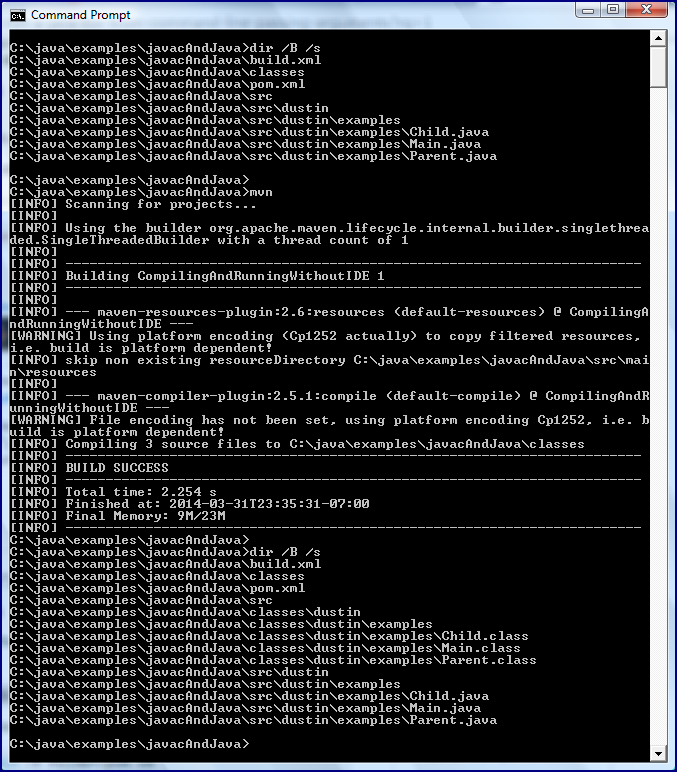
This is where the Java code compiler comes into play. The compiler reads the source code written by the developer and checks it for syntax errors and other issues. If no errors are found, the compiler translates the source code into bytecode files with a “.class” extension.

Benefits of Using a Java Code Compiler

Using a Java code compiler offers several advantages to developers:

  • Error Detection: The compiler helps identify syntax errors and other issues in the code before it is executed.
  • Efficient Execution: By converting source code into bytecode, the compiler optimizes performance and ensures efficient execution on different platforms.
  • Platform Independence: The bytecode generated by the compiler can run on any system with a JVM installed, making Java applications platform-independent.
  • Enhanced Security: Compiling code adds an extra layer of security by preventing direct access to the source code.

In Conclusion

The Java code compiler is an essential tool in the development of Java applications. It simplifies the process of converting human-readable source code into machine-readable bytecode, enabling developers to create robust and efficient software solutions. By leveraging the capabilities of a reliable compiler, developers can streamline their development workflow and build high-quality applications that meet user requirements.


Understanding Java Code Compilers: FAQs and Resources

  1. What is a Java code compiler?
  2. How does a Java code compiler work?
  3. What are the benefits of using a Java code compiler?
  4. Which tools are commonly used as Java code compilers?
  5. Can you recommend any resources for learning more about Java code compilation?

What is a Java code compiler?

A Java code compiler is a fundamental component in the Java programming language that translates human-readable Java source code into machine-readable bytecode. It plays a crucial role in the software development process by checking the syntax of the code, detecting errors, and converting it into executable instructions for the Java Virtual Machine (JVM). The compiler ensures that the code is correctly structured and free of mistakes before it is executed, ultimately facilitating the creation of robust and efficient Java applications across different platforms.

How does a Java code compiler work?

When exploring the question “How does a Java code compiler work?” it’s important to understand that the Java code compiler plays a crucial role in software development. Essentially, the Java compiler reads the human-readable Java source code written by developers and translates it into bytecode, which is a set of instructions that the Java Virtual Machine (JVM) can execute. This process involves checking the syntax of the code for errors and converting it into a format that can be understood and executed by computers. By performing this translation, the Java code compiler facilitates efficient execution of Java applications on various platforms while also providing error detection and optimization benefits to developers.

What are the benefits of using a Java code compiler?

When considering the benefits of using a Java code compiler, developers can appreciate its crucial role in the software development process. The compiler aids in error detection by identifying syntax issues and other errors before execution, ensuring a smoother coding experience. Additionally, it optimizes performance by converting source code into bytecode, making Java applications efficient and platform-independent. The enhanced security provided by compiling code adds an extra layer of protection to intellectual property, making it a valuable tool for developers seeking reliable and secure software solutions.

Which tools are commonly used as Java code compilers?

In the realm of Java programming, several tools are commonly utilized as Java code compilers to translate source code into bytecode for execution by the Java Virtual Machine (JVM). Some popular choices among developers include the official Java Compiler (javac), Eclipse Compiler for Java (ECJ) integrated within the Eclipse IDE, Apache Ant with its built-in compiler tasks, and JetBrains’ IntelliJ IDEA compiler. These tools offer various features and functionalities to aid in error detection, optimization, and platform independence, empowering developers to efficiently compile their Java code and build robust applications.

Can you recommend any resources for learning more about Java code compilation?

For individuals seeking to deepen their understanding of Java code compilation, there are numerous valuable resources available that can enhance their knowledge and skills in this area. Online platforms like Java documentation, tutorials on reputable websites such as Oracle, JetBrains Academy, or Codecademy, and books like “Effective Java” by Joshua Bloch provide comprehensive insights into the intricacies of Java code compilation. Additionally, participating in online forums and communities dedicated to Java programming can offer practical advice and real-world experiences from seasoned developers. By exploring these resources, aspiring programmers can gain a solid foundation in Java code compilation and advance their proficiency in software development.

java servlet

Harnessing the Power of Java Servlets for Dynamic Web Development

Article: Java Servlet

The Power of Java Servlets in Web Development

Java Servlets are an essential part of Java-based web development. They provide a robust and efficient way to handle server-side requests and generate dynamic web content.

Servlets are Java classes that extend the capabilities of servers that host applications accessed by means of a request-response programming model. They are platform-independent as they follow the Write Once, Run Anywhere (WORA) principle.

Key Features of Java Servlets:

  • Efficiency: Servlets are efficient in handling multiple requests concurrently, making them suitable for high-traffic websites.
  • Extensibility: They can be extended to support various protocols and technologies through interfaces like HttpServlet.
  • Session Management: Servlets enable developers to manage user sessions and maintain state across multiple requests.
  • Security: They provide built-in security features to protect web applications from common vulnerabilities.
  • MVC Architecture: Servlets can be used within the Model-View-Controller (MVC) architecture to separate concerns and enhance code maintainability.

Working Principle of Java Servlets:

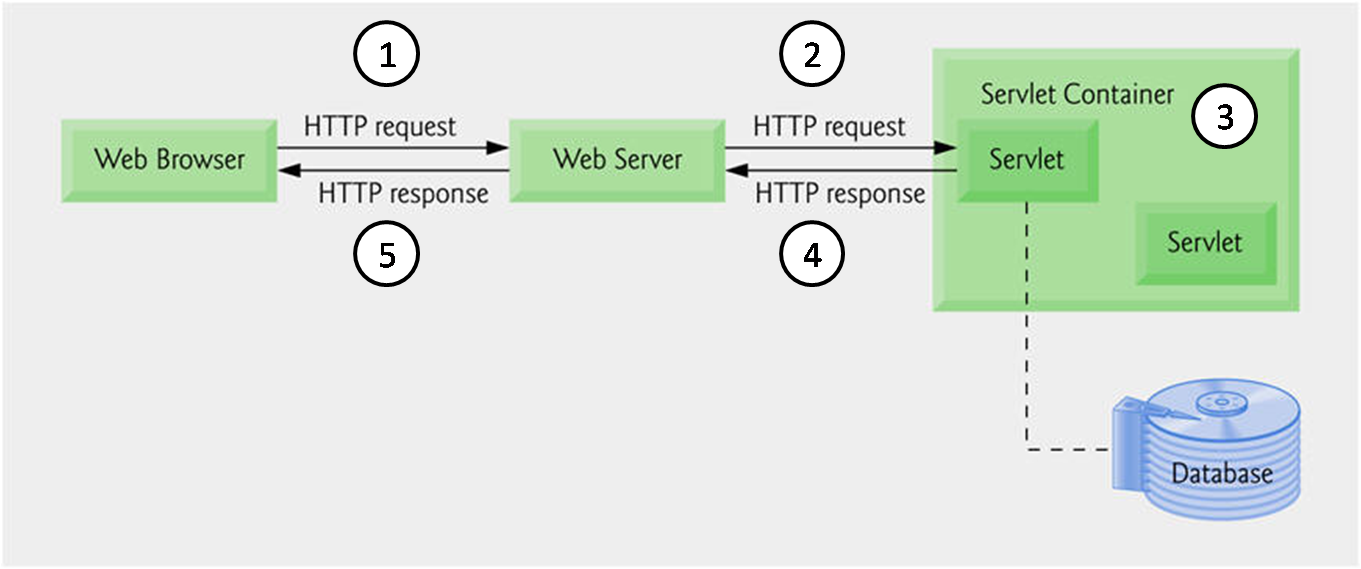
A servlet receives requests from clients, processes them, and generates responses dynamically. It interacts with web containers like Apache Tomcat or Jetty, which manage servlet lifecycle and handle communication with clients over HTTP.

Benefits of Using Java Servlets:

  • Scalability: Servlet-based applications can scale easily to accommodate growing user bases.
  • Cross-Platform Compatibility: Since servlets are written in Java, they can run on any platform that supports the Java Virtual Machine (JVM).
  • Flexibility: Developers have full control over request processing, allowing for customized solutions tailored to specific requirements.
  • In-depth Debugging: Servlet containers provide tools for debugging and monitoring servlet behavior during development and deployment phases.

In Conclusion

In conclusion, Java Servlets play a crucial role in modern web development by providing a powerful server-side technology for building dynamic and interactive web applications. Their versatility, efficiency, and scalability make them a preferred choice for developers looking to create robust web solutions. By mastering servlet programming, developers can unlock endless possibilities for creating feature-rich websites that meet the evolving demands of users in today’s digital landscape.


Top 7 Advantages of Java Servlets: Efficiency, Security, and Scalability in Web Development

  1. Efficient handling of multiple requests concurrently
  2. Platform-independent with Write Once, Run Anywhere (WORA) principle
  3. Extensibility to support various protocols and technologies
  4. Built-in session management for user state maintenance
  5. Incorporation into MVC architecture for code maintainability
  6. Enhanced security features to protect against vulnerabilities
  7. Scalability for accommodating growing user bases


Challenges with Java Servlets: Navigating Complexity, Memory Management, and Modern Development Needs

  1. Steep learning curve for beginners due to its complex nature
  2. Requires manual memory management, leading to potential memory leaks
  3. Limited support for asynchronous programming compared to newer technologies
  4. Can be verbose and boilerplate-heavy, increasing development time
  5. Tightly coupled with the HTTP protocol, limiting flexibility in handling other protocols
  6. Difficulty in unit testing servlets independently without a web container
  7. May not be the best choice for microservices architecture due to monolithic design

Efficient handling of multiple requests concurrently

One of the key advantages of Java Servlets is their efficient handling of multiple requests concurrently. This capability allows servlets to process numerous client requests simultaneously, making them well-suited for high-traffic websites and applications where responsiveness and scalability are crucial. By efficiently managing concurrent requests, Java Servlets ensure optimal performance and responsiveness, providing users with a seamless and uninterrupted experience while interacting with web-based services.

Platform-independent with Write Once, Run Anywhere (WORA) principle

One of the standout advantages of Java Servlets is their platform independence, adhering to the Write Once, Run Anywhere (WORA) principle. This means that servlets can be developed and deployed on any platform that supports Java without the need for modification, ensuring seamless compatibility across different operating systems and environments. This feature simplifies the development process and allows developers to focus on creating robust web applications without worrying about platform-specific intricacies, ultimately saving time and effort in the software development lifecycle.

Extensibility to support various protocols and technologies

Java Servlets offer a significant advantage in their extensibility to support various protocols and technologies. By leveraging interfaces like HttpServlet, servlets can be extended to seamlessly integrate with different communication protocols and technologies, allowing developers to adapt and enhance their web applications based on specific requirements. This flexibility enables Java Servlets to stay relevant in a rapidly evolving technological landscape, ensuring that developers can incorporate new features and functionalities efficiently while maintaining the core stability of their applications.

Built-in session management for user state maintenance

One significant advantage of Java Servlets is their built-in session management capability, which allows developers to maintain user state across multiple requests seamlessly. By leveraging this feature, developers can easily store and retrieve user-specific information during a user’s interaction with a web application. This ensures a personalized and consistent experience for users as they navigate through different pages or perform various actions on the website without losing their context. The built-in session management of Java Servlets simplifies the task of handling user sessions, enhancing the overall usability and functionality of web applications while streamlining the development process.

Incorporation into MVC architecture for code maintainability

Java Servlets offer a significant advantage by seamlessly integrating into the Model-View-Controller (MVC) architecture, enhancing code maintainability. By following the MVC design pattern, developers can separate the application’s logic (Model), presentation (View), and user interaction (Controller) layers. This separation of concerns not only improves code organization but also facilitates easier updates and modifications to individual components without affecting the entire application. The incorporation of Java Servlets into the MVC architecture promotes clean, structured code that is easier to understand, maintain, and scale as the project evolves.

Enhanced security features to protect against vulnerabilities

Java Servlets offer enhanced security features that play a vital role in safeguarding web applications against vulnerabilities. By incorporating built-in security mechanisms, such as input validation, authentication, and access control, servlets help prevent common threats like SQL injection and cross-site scripting attacks. This proactive approach to security not only protects sensitive data but also ensures the integrity and reliability of the application, instilling trust among users and maintaining a secure online environment.

Scalability for accommodating growing user bases

Java Servlets offer exceptional scalability, making them ideal for accommodating growing user bases. As the number of users accessing a web application increases, servlet-based applications can easily scale to meet the demand without compromising performance or user experience. This scalability feature allows developers to design robust and reliable web solutions that can seamlessly handle increased traffic and deliver consistent service quality to a growing audience.

Steep learning curve for beginners due to its complex nature

One notable drawback of Java Servlets is the steep learning curve that beginners may encounter due to its complex nature. The intricacies of servlet programming, including understanding servlet lifecycle, request handling, and session management, can be challenging for those new to web development. As a result, novice developers may require additional time and effort to grasp the concepts and best practices associated with Java Servlets, potentially slowing down their initial progress in utilizing this technology effectively.

Requires manual memory management, leading to potential memory leaks

One significant drawback of Java Servlets is that they require manual memory management, which can lead to potential memory leaks. Developers need to explicitly allocate and deallocate memory within servlet code, increasing the risk of memory leaks if not handled properly. Memory leaks can result in inefficient memory usage, degraded application performance, and even system crashes over time. This manual memory management aspect of Java Servlets poses a challenge for developers in ensuring proper memory allocation and deallocation to prevent such issues from occurring.

Limited support for asynchronous programming compared to newer technologies

One of the drawbacks of Java Servlets is their limited support for asynchronous programming when compared to newer technologies. Asynchronous programming allows applications to perform multiple tasks concurrently, improving performance and responsiveness. While servlets can handle concurrent requests, they rely on traditional thread-based models, which may not be as efficient as modern asynchronous frameworks that utilize non-blocking I/O operations. This limitation can impact the scalability and responsiveness of web applications, especially in high-traffic scenarios where efficient handling of multiple requests is crucial. Developers exploring asynchronous programming may find that newer technologies offer more robust solutions for building responsive and scalable web applications.

Can be verbose and boilerplate-heavy, increasing development time

One drawback of Java Servlets is that they can be verbose and boilerplate-heavy, which may lead to increased development time. Due to the nature of servlet programming, developers often need to write a significant amount of code to handle even simple tasks, resulting in redundant or repetitive code segments. This verbosity can make the codebase harder to maintain and extend, potentially slowing down the development process as developers navigate through the excess boilerplate code.

Tightly coupled with the HTTP protocol, limiting flexibility in handling other protocols

One significant drawback of Java Servlets is their tight coupling with the HTTP protocol, which restricts their flexibility in handling other protocols. Since servlets are specifically designed to work with HTTP requests and responses, integrating them with alternative communication protocols can be challenging and may require additional workarounds. This limitation can hinder developers who need to support diverse network protocols in their applications, leading to potential complexities and inefficiencies in the system architecture.

Difficulty in unit testing servlets independently without a web container

One significant drawback of Java servlets is the challenge of unit testing them independently without relying on a web container. Servlets are tightly coupled with the servlet container environment, making it difficult to isolate and test their functionality in isolation. This dependency on a web container can hinder the efficiency of unit testing processes, as developers may need to set up complex testing environments or resort to using specialized frameworks to simulate servlet behavior outside of a container. Overcoming this obstacle requires careful design considerations and the adoption of strategies that enable effective unit testing while maintaining the integrity and functionality of Java servlets.

May not be the best choice for microservices architecture due to monolithic design

When considering the use of Java Servlets in a microservices architecture, one potential drawback to keep in mind is their monolithic design. Java Servlets, being traditionally used in more monolithic applications, may not always align well with the principles of microservices architecture, which emphasize modularity and independent deployability of services. The monolithic nature of Java Servlets could introduce challenges in scaling and maintaining microservices-based systems where lightweight and decoupled components are preferred for easier management and scalability. In such cases, alternative technologies that better support the distributed nature of microservices might be more suitable choices.

introduction to java programming

An Introduction to Java Programming: Building a Strong Foundation in Software Development

Introduction to Java Programming

Introduction to Java Programming

Java is a widely-used programming language known for its versatility, portability, and robustness. Developed by Sun Microsystems (now owned by Oracle Corporation), Java has become one of the most popular languages in the world, used in a wide range of applications from web development to mobile apps and enterprise systems.

Key Features of Java

One of the key features that sets Java apart is its platform independence. Java programs are compiled into bytecode that can run on any device with a Java Virtual Machine (JVM). This “write once, run anywhere” capability has made Java a favorite among developers.

Java is also known for its object-oriented programming (OOP) approach. Everything in Java is an object, allowing developers to create modular and scalable applications. In addition, Java provides built-in libraries and tools that simplify development tasks and promote code reusability.

Getting Started with Java

To start programming in Java, you need to install the Java Development Kit (JDK) on your computer. The JDK includes the tools necessary for compiling and running Java programs. Once you have set up your development environment, you can write your first “Hello, World!” program in Java:

public class HelloWorld {

public static void main(String[] args) {

System.out.println("Hello, World!");

}

}

This simple program demonstrates the basic structure of a Java program. You define a class with a main method where the execution starts. The System.out.println() statement prints the message “Hello, World!” to the console.

Learning More

If you are new to programming or transitioning to Java from another language, there are many resources available to help you learn. Online tutorials, books, and courses can guide you through the fundamentals of Java programming and introduce you to advanced topics such as multi-threading, networking, and GUI development.

By mastering Java programming, you open doors to endless possibilities in software development. Whether you aspire to build web applications, mobile games, or enterprise solutions, Java provides a solid foundation for turning your ideas into reality.


7 Essential Tips for Beginners in Java Programming

  1. Understand the basic syntax of Java, such as data types, variables, and loops.
  2. Learn about object-oriented programming concepts like classes and objects.
  3. Practice writing simple programs to get familiar with Java’s structure.
  4. Explore the Java standard library for ready-to-use functions and classes.
  5. Understand the importance of error handling and debugging in Java programming.
  6. Get comfortable using Integrated Development Environments (IDEs) like Eclipse or IntelliJ IDEA.
  7. Join online communities or forums to seek help and learn from experienced Java programmers.

Understand the basic syntax of Java, such as data types, variables, and loops.

To excel in Java programming, it is crucial to grasp the fundamental syntax elements, including data types, variables, and loops. Data types define the kind of values a variable can hold, such as integers, strings, or booleans. Variables serve as containers for storing data that can be manipulated throughout the program. Loops are essential for executing repetitive tasks efficiently by iterating over a block of code until a certain condition is met. Mastering these basic concepts lays a strong foundation for writing clear and concise Java code that performs effectively.

Learn about object-oriented programming concepts like classes and objects.

To excel in Java programming, it is essential to understand key object-oriented programming concepts such as classes and objects. In Java, classes act as blueprints for creating objects, which are instances of those classes. By grasping the relationship between classes and objects, developers can design modular, reusable code that enhances the efficiency and scalability of their Java applications. Mastering these fundamental concepts lays a strong foundation for building sophisticated software solutions using Java.

Practice writing simple programs to get familiar with Java’s structure.

To master the basics of Java programming, it is crucial to practice writing simple programs to become familiar with Java’s structure. By consistently working on coding exercises that involve creating basic applications or solving small problems, you can gain a better understanding of Java syntax, classes, methods, and overall program flow. This hands-on approach not only helps solidify your knowledge but also boosts your confidence in tackling more complex programming challenges as you progress in your Java learning journey.

Explore the Java standard library for ready-to-use functions and classes.

When delving into Java programming, it is highly beneficial to explore the Java standard library, which offers a plethora of ready-to-use functions and classes. By leveraging the resources available in the standard library, developers can streamline their coding process, enhance efficiency, and reduce the need to reinvent the wheel. Whether you are looking for solutions related to data structures, input/output operations, networking, or other common tasks, the Java standard library provides a rich set of tools that can simplify your development workflow and help you build robust applications more effectively.

Understand the importance of error handling and debugging in Java programming.

Understanding the importance of error handling and debugging in Java programming is crucial for developing reliable and robust applications. Error handling allows developers to anticipate and address potential issues that may arise during program execution, ensuring smooth operation and preventing crashes. Debugging, on the other hand, is a systematic process of identifying and resolving errors in the code, helping programmers trace the root cause of problems and improve code quality. By mastering error handling and debugging techniques in Java, developers can create more stable software that meets user expectations and delivers a seamless user experience.

Get comfortable using Integrated Development Environments (IDEs) like Eclipse or IntelliJ IDEA.

To excel in Java programming, it is essential to become proficient in using Integrated Development Environments (IDEs) such as Eclipse or IntelliJ IDEA. These powerful tools streamline the development process by providing features like code completion, debugging tools, and project management capabilities. By mastering an IDE, developers can enhance their productivity, write code more efficiently, and easily navigate through complex projects. Embracing IDEs not only simplifies Java programming tasks but also fosters a more organized and effective coding workflow.

Join online communities or forums to seek help and learn from experienced Java programmers.

Joining online communities or forums is a valuable tip for anyone diving into Java programming. These platforms offer a wealth of knowledge and support from experienced Java programmers who are eager to share their expertise. By actively participating in these communities, you can seek help with coding challenges, troubleshoot issues, and learn best practices that can enhance your Java programming skills. Engaging with a community of like-minded individuals not only accelerates your learning but also fosters connections that can lead to collaboration and mentorship opportunities in the exciting world of Java development.

java applet

Exploring the Legacy of Java Applets in Modern Web Development

The Power of Java Applets in Web Development

The Power of Java Applets in Web Development

Java applets have been a significant technology in web development for many years. They are small applications written in Java that can be embedded into web pages to provide interactive features and functionality.

One of the key advantages of using Java applets is their platform independence. Since Java is a cross-platform language, applets can run on any system that has a Java Virtual Machine (JVM) installed, making them accessible to a wide audience.

Java applets are also known for their security features. They run in a sandbox environment that restricts their access to the system resources, providing a layer of protection against malicious activities.

With Java applets, developers can create dynamic and interactive content on web pages, such as games, animations, data visualizations, and more. This versatility makes them a valuable tool for enhancing user experience and engagement.

However, it’s essential to note that the use of Java applets has declined in recent years due to security concerns and the rise of other technologies like HTML5 and JavaScript. Despite this decline, Java applets still hold relevance in certain niche applications where their unique capabilities are required.

In conclusion, while the popularity of Java applets may have waned over time, their power and versatility in web development remain undeniable. For developers looking to add interactive elements to their web projects with cross-platform compatibility, Java applets can still be a valuable asset.


Understanding Java Applets: Key Questions and Insights for Web Development

  1. What is a Java applet?
  2. How do Java applets differ from standalone Java applications?
  3. Why are Java applets used in web development?
  4. What are the advantages of using Java applets?
  5. Are Java applets still relevant in modern web development?
  6. How do you embed a Java applet into a web page?
  7. What security considerations should be taken into account when using Java applets?

What is a Java applet?

A Java applet is a small application written in the Java programming language that can be embedded into web pages to provide interactive features and functionality. Unlike standalone Java applications, which are launched independently by the user, Java applets run within a web browser environment. They are often used to create dynamic content on websites, such as animations, games, data visualizations, and more. Java applets benefit from platform independence, allowing them to run on any system with a Java Virtual Machine (JVM) installed. Despite their declining popularity due to security concerns and the emergence of alternative technologies, Java applets still offer unique capabilities for developers seeking cross-platform compatibility in their web projects.

How do Java applets differ from standalone Java applications?

Java applets and standalone Java applications differ in their execution environments and intended use. Java applets are small Java programs that run within a web browser using a Java plugin. They are designed to be embedded in web pages to provide interactive content and functionality. On the other hand, standalone Java applications are programs that run independently on a user’s system without the need for a web browser. They have direct access to system resources and can perform tasks such as file manipulation, database operations, and more. While both applets and standalone applications are written in Java, their deployment methods and capabilities vary significantly, catering to different use cases and environments.

Why are Java applets used in web development?

Java applets are used in web development for their ability to provide dynamic and interactive content on web pages. One of the primary reasons for using Java applets is their platform independence, allowing them to run on any system with a Java Virtual Machine (JVM) installed. This cross-platform compatibility makes Java applets accessible to a wide audience. Additionally, Java applets offer enhanced security features by running in a sandbox environment that limits their access to system resources, mitigating potential security risks. Their versatility in creating engaging elements such as games, animations, and data visualizations makes Java applets a valuable tool for developers seeking to enhance user experience and interactivity on websites.

What are the advantages of using Java applets?

One of the frequently asked questions about Java applets is regarding their advantages. Java applets offer several benefits, including platform independence, security features, and the ability to create dynamic and interactive content on web pages. Their cross-platform compatibility allows them to run on any system with a Java Virtual Machine (JVM) installed, making them accessible to a wide audience. Additionally, Java applets operate in a secure sandbox environment that limits their access to system resources, enhancing overall security. Developers can leverage Java applets to enhance user experience by incorporating interactive elements like games, animations, and data visualizations into their web projects. Despite a decline in usage due to security concerns and the emergence of alternative technologies, Java applets remain valuable for specific applications requiring their unique capabilities.

Are Java applets still relevant in modern web development?

The relevance of Java applets in modern web development is a commonly debated topic. While Java applets were once a popular choice for creating interactive content on web pages, their usage has declined in recent years due to security concerns and the emergence of alternative technologies like HTML5 and JavaScript. Despite this decline, Java applets still hold value in niche applications where their unique capabilities, such as platform independence and security features, are required. Developers evaluating the use of Java applets in modern web projects should consider their specific needs for cross-platform compatibility and interactive functionality to determine if Java applets are still a relevant solution for their development requirements.

How do you embed a Java applet into a web page?

To embed a Java applet into a web page, you typically need to include the necessary HTML code within the webpage’s source code. This involves using the <applet> tag and specifying attributes such as the applet’s class file, width, height, and any other parameters required by the applet. Additionally, you may need to ensure that the Java applet’s class files are hosted on a server accessible to the web page. By following these steps and correctly configuring the <applet> tag, you can seamlessly integrate a Java applet into your web page and provide users with an interactive and engaging experience.

What security considerations should be taken into account when using Java applets?

When using Java applets, it is crucial to consider security implications to protect users and their systems. Java applets run in a sandbox environment with restricted access to system resources, but it’s essential to ensure that the applet code is from a trusted source to prevent malicious activities. Regularly update the Java Runtime Environment (JRE) to patch any security vulnerabilities. Limit the privileges granted to the applet and use digital signatures to verify the authenticity of the code. Additionally, consider implementing secure coding practices and monitoring for any suspicious behavior when incorporating Java applets into web applications. By addressing these security considerations, developers can mitigate risks and enhance the overall safety of using Java applets on websites.