cfchris.com

Loading

artificial intelligence and machine learning

Exploring the Synergy of Artificial Intelligence and Machine Learning

Artificial Intelligence and Machine Learning

Understanding Artificial Intelligence and Machine Learning

Artificial Intelligence (AI) and Machine Learning (ML) are two of the most transformative technologies in today’s digital age. They are reshaping industries, enhancing efficiencies, and paving the way for innovations that were once considered science fiction.

What is Artificial Intelligence?

Artificial Intelligence refers to the simulation of human intelligence processes by machines, especially computer systems. These processes include learning (the acquisition of information and rules for using it), reasoning (using rules to reach approximate or definite conclusions), and self-correction. AI can be categorized into two types:

  • Narrow AI: Also known as weak AI, this type is designed to perform a narrow task (like facial recognition or internet searches) and operates under a limited set of constraints.
  • General AI: Also known as strong AI, this type possesses the ability to perform any intellectual task that a human can do. It remains largely theoretical at this point.

The Role of Machine Learning

Machine Learning is a subset of AI that involves the use of algorithms and statistical models to enable computers to improve their performance on tasks through experience. Instead of being explicitly programmed to carry out a specific task, ML systems use data-driven approaches to learn patterns from data.

Types of Machine Learning

  1. Supervised Learning: The algorithm is trained on labeled data. It’s like teaching a child with examples. For instance, teaching an algorithm to recognize cats by showing it thousands of labeled cat images.
  2. Unsupervised Learning: The algorithm works with unlabeled data and tries to identify patterns or groupings without any guidance. Clustering algorithms fall under this category.
  3. Semi-supervised Learning: This approach uses both labeled and unlabeled data for training. It’s useful when acquiring a fully labeled dataset is expensive or time-consuming.
  4. Reinforcement Learning: Here, an agent learns how to achieve a goal in an uncertain environment by taking actions and receiving feedback from those actions in terms of rewards or penalties.

The Impact on Industries

The implications of AI and ML are vast across various sectors:

  • Healthcare: From predictive analytics for patient care to advanced imaging techniques, AI helps in diagnosing diseases faster and more accurately.
  • Finance: Algorithms detect fraudulent transactions in real-time while personalized banking experiences enhance customer satisfaction.
  • Agriculture: Precision farming powered by AI optimizes crop yield predictions based on weather conditions, soil health, etc.
  • E-commerce: Personalized recommendations improve user experience while inventory management becomes more efficient through demand forecasting.

The Future Ahead

The future holds immense potential for further advancements in artificial intelligence and machine learning. As these technologies evolve, ethical considerations around privacy, security, bias, and employment must be addressed responsibly. Collaboration between policymakers, technologists, businesses, and society will be crucial in harnessing these powerful tools for the greater good.

The journey ahead is exciting as we continue exploring the possibilities that artificial intelligence and machine learning offer in transforming our world into a smarter place.


Understanding AI and Machine Learning: Key Questions Answered

  1. What is artificial intelligence?
  2. How does machine learning differ from artificial intelligence?
  3. What are the real-world applications of artificial intelligence and machine learning?
  4. What are the different types of machine learning algorithms?
  5. How do artificial intelligence and machine learning impact job roles and industries?
  6. What ethical considerations are associated with the use of AI and ML technologies?
  7. How can businesses leverage artificial intelligence and machine learning to gain a competitive advantage?

What is artificial intelligence?

Artificial Intelligence (AI) is a branch of computer science focused on creating systems capable of performing tasks that typically require human intelligence. These tasks include understanding natural language, recognizing patterns, solving problems, and making decisions. AI systems are designed to simulate human cognitive processes by learning from data and adapting to new inputs. They can be categorized into narrow AI, which is specialized for specific tasks like facial recognition or voice assistants, and general AI, which remains largely theoretical and would possess the ability to perform any intellectual task a human can do. The development of AI has profound implications across various sectors, from healthcare to finance, as it enhances efficiency and opens up new possibilities for innovation.

How does machine learning differ from artificial intelligence?

Machine learning is a subset of artificial intelligence that focuses on enabling machines to learn from data without being explicitly programmed. While artificial intelligence encompasses a broader concept of simulating human intelligence in machines, machine learning specifically deals with algorithms that improve their performance over time through experience. In essence, artificial intelligence represents the overarching goal of creating intelligent machines, whereas machine learning serves as a key technique within the field of AI, emphasizing the ability of systems to learn and adapt autonomously.

What are the real-world applications of artificial intelligence and machine learning?

Artificial intelligence and machine learning have numerous real-world applications that are transforming industries and enhancing everyday life. In healthcare, AI is used for predictive analytics, improving diagnostic accuracy, and personalizing patient care plans. In finance, algorithms help detect fraudulent activities and automate trading processes. The automotive industry benefits from AI through the development of autonomous vehicles and advanced driver-assistance systems. In retail, machine learning enhances customer experience by enabling personalized recommendations and optimizing inventory management. Additionally, AI-powered chatbots are revolutionizing customer service across various sectors by providing instant support and handling routine inquiries efficiently. These technologies are also making significant strides in agriculture with precision farming techniques that increase crop yields while minimizing resource usage. Overall, AI and machine learning are driving innovation across multiple domains, making processes more efficient and opening up new possibilities for growth and development.

What are the different types of machine learning algorithms?

Machine learning algorithms can be broadly categorized into several types, each serving different purposes depending on the nature of the task and the data available. The main types include supervised learning, where algorithms are trained on labeled data to make predictions or classifications; unsupervised learning, which involves finding patterns or groupings in data without predefined labels; and reinforcement learning, where an agent learns to make decisions by receiving feedback in the form of rewards or penalties from its environment. Additionally, there is semi-supervised learning that combines both labeled and unlabeled data to improve learning accuracy, and deep learning, a subset of machine learning that utilizes neural networks with many layers to model complex patterns in large datasets. Each type has its own strengths and is selected based on the specific problem being addressed.

How do artificial intelligence and machine learning impact job roles and industries?

Artificial intelligence and machine learning are significantly transforming job roles and industries by automating routine tasks, enhancing decision-making processes, and creating new opportunities. In many sectors, AI and ML technologies streamline operations, allowing employees to focus on more strategic and creative tasks rather than repetitive ones. For instance, in manufacturing, AI-driven robots handle assembly lines with precision, reducing the need for manual labor while increasing productivity. In finance, algorithms analyze vast datasets to detect fraud or predict market trends faster than human analysts could. While some fear that automation might lead to job displacement, these technologies also generate demand for new roles in AI development, data analysis, and system maintenance. Industries are evolving as they integrate AI and ML into their workflows, fostering innovation and requiring a workforce skilled in digital literacy to adapt to these technological advancements.

What ethical considerations are associated with the use of AI and ML technologies?

The ethical considerations associated with the use of AI and ML technologies are multifaceted and crucial to address as these technologies become more integrated into daily life. One major concern is privacy, as AI systems often rely on large datasets that include personal information, raising questions about data security and consent. Additionally, there is the potential for bias in AI algorithms, which can lead to unfair or discriminatory outcomes if the data used to train these systems is not representative or contains inherent biases. Transparency is another significant issue, as the decision-making processes of complex AI models can be opaque, making it difficult for users to understand how conclusions are reached. Moreover, the impact of AI on employment must be considered, as automation could displace jobs without adequate measures for workforce transition. Finally, ensuring accountability in AI systems is essential to determine who is responsible when these technologies fail or cause harm. Addressing these ethical challenges requires a collaborative effort among technologists, policymakers, and society to develop frameworks that promote fair and responsible use of AI and ML.

How can businesses leverage artificial intelligence and machine learning to gain a competitive advantage?

Businesses can leverage artificial intelligence (AI) and machine learning (ML) to gain a competitive advantage by optimizing operations, enhancing customer experiences, and driving innovation. AI and ML can automate routine tasks, freeing up valuable human resources for more strategic activities. By analyzing vast amounts of data, these technologies provide insights into consumer behavior, allowing companies to tailor products and services to meet customer needs more effectively. Predictive analytics powered by AI can improve decision-making processes, enabling businesses to anticipate market trends and adjust strategies proactively. Additionally, AI-driven tools can enhance product development cycles by identifying inefficiencies and suggesting improvements. By integrating AI and ML into their operations, businesses not only increase efficiency but also foster innovation that sets them apart in the marketplace.

narrow ai

Unlocking the Potential of Narrow AI: Specialized Intelligence for Tomorrow

Understanding Narrow AI: The Specialized Intelligence of the Future

Artificial Intelligence (AI) has become a buzzword in today’s technological landscape, but not all AI is created equal. One of the most prevalent forms of AI currently in use is Narrow AI, also known as weak AI. Unlike general AI, which aims to replicate human intelligence across a wide range of tasks, narrow AI is designed to perform specific tasks with remarkable efficiency.

What is Narrow AI?

Narrow AI refers to systems that are highly proficient at performing a particular task or set of tasks. These systems are trained on large datasets and utilize algorithms to achieve high performance levels in their area of expertise. Examples include facial recognition software, recommendation algorithms, and voice assistants like Siri and Alexa.

Characteristics of Narrow AI

  • Task-Specific: Narrow AI excels at specific tasks but lacks the ability to perform outside its designated domain.
  • Data-Driven: These systems rely heavily on data for training and improving their performance over time.
  • Lack of Consciousness: Unlike general or strong AI, narrow AI does not possess consciousness or self-awareness.

The Impact of Narrow AI

Narrow AI has already made significant contributions across various industries:

  • Healthcare: In medical diagnostics, narrow AI can analyze medical images with high accuracy, assisting doctors in early detection and treatment planning.
  • Finance: Algorithms are used for fraud detection and risk management, ensuring secure transactions and investments.
  • E-commerce: Recommendation engines personalize shopping experiences by suggesting products based on user behavior and preferences.

The Limitations of Narrow AI

Despite its capabilities, narrow AI has limitations that must be acknowledged:

  • Lack of Flexibility: These systems cannot adapt to new tasks without significant reprogramming or retraining.
  • No Understanding: While they can process information efficiently, they do not understand it as humans do.
  • Poor Generalization: Their effectiveness diminishes when applied outside their trained domain or when faced with unfamiliar data patterns.

The Future of Narrow AI

The future holds immense potential for narrow AI as advancements continue to enhance its capabilities. By integrating more sophisticated machine learning techniques and expanding data inputs, narrow AI systems can become even more precise and efficient in their specialized roles. However, the development towards general or strong AI remains a separate challenge requiring further breakthroughs in understanding cognition and consciousness.

Conclusion

Narrow AI stands as a testament to how technology can transform industries by performing specific tasks with unparalleled precision. As we continue to innovate within this realm, it’s crucial to recognize both the strengths and limitations of these systems while exploring ethical considerations surrounding their deployment. By harnessing the power of narrow AI responsibly, society can benefit from its specialized intelligence without compromising broader human values.


7 Key Benefits of Narrow AI: Boosting Efficiency, Accuracy, and Personalization Across Industries

  1. Highly efficient at specific tasks
  2. Can process large amounts of data quickly and accurately
  3. Improves productivity by automating repetitive tasks
  4. Enhances decision-making with data-driven insights
  5. Increases precision and accuracy in various applications
  6. Facilitates personalized user experiences in e-commerce and entertainment
  7. Aids in medical diagnostics for early detection and treatment planning


Challenges of Narrow AI: Limited Adaptability, Lack of Understanding, and Domain-Specific Performance

  1. Limited Adaptability
  2. Lack of Understanding
  3. Diminished Performance Outside Trained Domain

Highly efficient at specific tasks

Narrow AI is renowned for its high efficiency in performing specific tasks, making it an invaluable tool across various industries. By focusing on a single domain, these systems can be meticulously trained to achieve exceptional levels of accuracy and speed. For instance, in the realm of data analysis, narrow AI can process vast amounts of information far more quickly and accurately than a human could, identifying patterns and insights that might otherwise go unnoticed. This efficiency not only saves time but also reduces errors, leading to better decision-making and streamlined operations. Whether it’s recognizing faces in images or optimizing supply chains, narrow AI’s ability to excel at specialized tasks allows businesses to enhance productivity and deliver superior results.

Can process large amounts of data quickly and accurately

Narrow AI excels in processing large amounts of data quickly and accurately, making it an invaluable tool in today’s data-driven world. Unlike humans, who can be overwhelmed by vast datasets, narrow AI systems can analyze and interpret complex information at incredible speeds. This capability allows businesses and organizations to gain insights and make data-driven decisions more efficiently than ever before. For instance, in industries like finance and healthcare, narrow AI can sift through massive volumes of transactions or medical records to identify patterns, detect anomalies, or predict outcomes with precision. This not only enhances operational efficiency but also leads to more informed strategies and improved outcomes across various sectors.

Improves productivity by automating repetitive tasks

Narrow AI significantly enhances productivity by automating repetitive tasks that would otherwise consume valuable time and resources. By taking over mundane and routine operations, such as data entry, scheduling, and basic customer service inquiries, narrow AI allows employees to focus on more complex and creative aspects of their work. This shift not only increases efficiency but also reduces the likelihood of human error in repetitive processes. As a result, businesses can achieve higher output levels with greater accuracy while freeing up human talent to drive innovation and strategic growth.

Enhances decision-making with data-driven insights

Narrow AI significantly enhances decision-making processes by providing data-driven insights that are both precise and actionable. By analyzing vast amounts of data quickly and accurately, narrow AI systems can identify patterns and trends that might be missed by human analysts. This capability allows businesses and organizations to make informed decisions based on empirical evidence rather than intuition alone. For example, in the financial sector, narrow AI can predict market trends and assess risks with high accuracy, enabling investors to optimize their portfolios. In healthcare, AI-driven insights can assist doctors in diagnosing diseases earlier and more accurately by detecting subtle indicators in medical imaging. Overall, the ability of narrow AI to process and interpret complex datasets empowers decision-makers across various industries to act with greater confidence and efficiency.

Increases precision and accuracy in various applications

Narrow AI significantly enhances precision and accuracy across a wide range of applications by leveraging advanced algorithms and large datasets. In fields such as healthcare, narrow AI systems can analyze medical images with exceptional detail, aiding in the early detection of diseases like cancer with greater accuracy than traditional methods. In manufacturing, AI-driven robots perform tasks with consistent precision, reducing errors and increasing efficiency on production lines. Financial institutions utilize narrow AI to detect fraudulent activities by identifying anomalies in transaction patterns with high accuracy. This increased precision not only improves outcomes but also saves time and resources, allowing professionals to focus on more complex decision-making tasks while relying on AI for meticulous data analysis.

Facilitates personalized user experiences in e-commerce and entertainment

Narrow AI significantly enhances personalized user experiences in e-commerce and entertainment by leveraging advanced algorithms to analyze individual preferences and behaviors. In e-commerce, narrow AI systems process vast amounts of data to recommend products tailored to a user’s past purchases, browsing history, and even real-time interactions. This level of personalization not only improves customer satisfaction but also increases conversion rates for businesses. Similarly, in the entertainment industry, streaming platforms use narrow AI to curate content recommendations based on a viewer’s watching habits, ensuring that users are consistently engaged with content that aligns with their tastes. By delivering highly customized experiences, narrow AI fosters a more engaging and efficient interaction between users and digital platforms.

Aids in medical diagnostics for early detection and treatment planning

Narrow AI plays a crucial role in the field of medical diagnostics by enhancing the accuracy and speed of early disease detection and treatment planning. By leveraging advanced algorithms and vast datasets, AI systems can analyze medical images, such as X-rays, MRIs, and CT scans, with remarkable precision. This capability allows healthcare professionals to identify abnormalities that might be missed by the human eye, leading to earlier diagnosis of conditions like cancer, cardiovascular diseases, and neurological disorders. As a result, patients benefit from timely interventions that can significantly improve outcomes and increase survival rates. Furthermore, narrow AI assists in developing personalized treatment plans by evaluating patient data against extensive medical databases to recommend the most effective therapies tailored to individual needs.

Limited Adaptability

Narrow AI, while highly effective at performing specific tasks, suffers from limited adaptability. This limitation means that these systems cannot easily transition to new tasks or environments without significant reprogramming or retraining. Unlike humans, who can apply general knowledge and reasoning to unfamiliar situations, narrow AI operates within a fixed framework defined by its initial programming and training data. As a result, any change in the task parameters or environment requires developers to invest considerable time and resources in updating the system. This inflexibility can hinder the deployment of narrow AI in dynamic settings where adaptability is crucial for success.

Lack of Understanding

Narrow AI systems, while highly efficient at processing vast amounts of data, fundamentally lack true understanding and contextual awareness. This limitation means that although they can analyze and generate outputs based on patterns and algorithms, they do not comprehend the deeper meaning behind the information they process. For instance, a language translation AI might convert text from one language to another with high accuracy, but it cannot grasp cultural nuances or the subtleties of human communication. This absence of genuine understanding can lead to errors or misinterpretations in situations where context is crucial. As a result, narrow AI often requires human oversight to ensure that its outputs align with real-world complexities and nuanced decision-making.

Diminished Performance Outside Trained Domain

Narrow AI systems are highly specialized, excelling in tasks they are specifically trained for, but their performance significantly diminishes when confronted with tasks or data patterns outside their training domain. This limitation arises because these systems rely heavily on large datasets and algorithms tailored to specific functions. When presented with unfamiliar scenarios, narrow AI lacks the flexibility and adaptability found in human intelligence, resulting in suboptimal or erroneous outputs. This constraint highlights the importance of carefully defining the scope and application of narrow AI systems to ensure they operate within environments where they can perform efficiently and accurately.

ai development

AI Development: Paving the Way for a Technological Revolution

The Evolution and Impact of AI Development

The Evolution and Impact of AI Development

Artificial Intelligence (AI) has rapidly transformed from a concept in science fiction to a pivotal component of modern technology. The development of AI is reshaping industries, enhancing the way we interact with technology, and offering new possibilities for the future.

Historical Background

The concept of artificial intelligence dates back to ancient times, but the formal development began in the mid-20th century. In 1956, the Dartmouth Conference marked the official birth of AI as a field of study. Early efforts focused on problem-solving and symbolic methods.

Key Milestones in AI Development

  • 1950s-1960s: Initial experiments with machine learning algorithms and neural networks.
  • 1980s: The rise of expert systems that mimic human decision-making processes.
  • 1997: IBM’s Deep Blue defeats world chess champion Garry Kasparov, showcasing AI’s potential in strategic games.
  • 2012: Breakthroughs in deep learning lead to significant advancements in image and speech recognition.
  • 2016: Google’s AlphaGo defeats a world champion Go player, demonstrating AI’s capability in complex tasks.

The Role of Machine Learning and Deep Learning

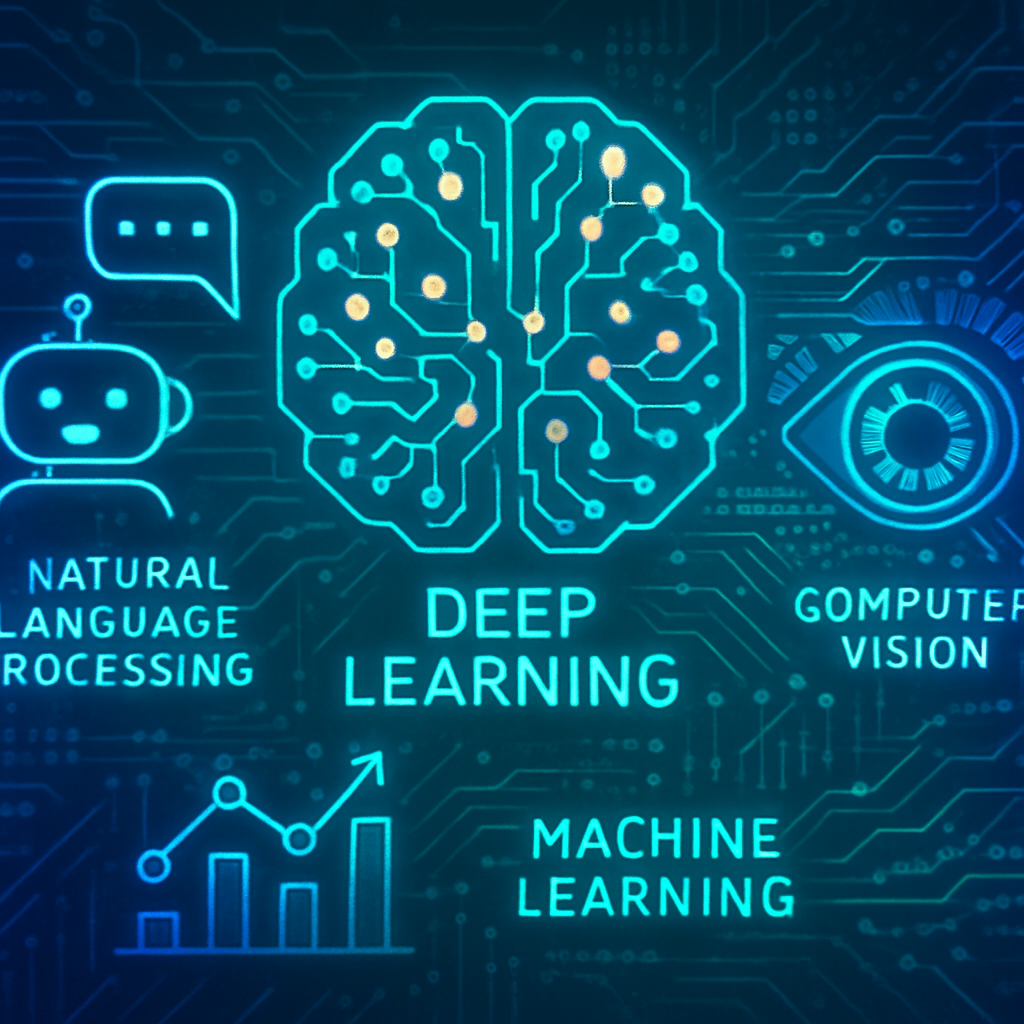
A significant factor driving AI development is machine learning (ML), a subset of AI that enables systems to learn from data. Deep learning, a branch of ML involving neural networks with multiple layers, has been particularly influential. These technologies have improved accuracy in fields like natural language processing, computer vision, and autonomous vehicles.

Applications Across Industries

The impact of AI is evident across various sectors:

  • Healthcare: Enhancing diagnostics through image analysis and personalized medicine predictions.
  • Finance: Automating trading systems and improving fraud detection mechanisms.
  • E-commerce: Personalizing shopping experiences through recommendation engines.
  • Agriculture: Optimizing crop yields using predictive analytics and automated machinery.
  • Aerospace: Assisting in navigation systems and predictive maintenance for aircraft.

The Future of AI Development

The future holds immense potential for further advancements in AI. As computing power increases and data availability expands, we can expect more sophisticated algorithms capable of tackling complex problems. Ethical considerations will play a crucial role as society navigates challenges related to privacy, bias, and job displacement due to automation.

The Importance of Responsible Development

A key aspect moving forward is ensuring that AI technologies are developed responsibly. This involves creating transparent algorithms that are fair and unbiased while maintaining user privacy. Collaboration between governments, industry leaders, and researchers will be essential to establish guidelines that foster innovation while protecting societal interests.

The journey of AI development is far from over; it continues to evolve at an unprecedented pace. By embracing these changes thoughtfully, society can harness the full potential of artificial intelligence to improve lives globally.


Top 9 FAQs About AI Development: Understanding Technologies, Applications, and Future Trends

  1. What is artificial intelligence (AI) development?
  2. How does machine learning contribute to AI development?
  3. What are the key technologies used in AI development?
  4. What are the common applications of AI in various industries?
  5. What role does data play in AI development?
  6. How is deep learning different from traditional machine learning in AI development?
  7. What ethical considerations are important in AI development?
  8. How can businesses leverage AI for competitive advantage?
  9. What are the future trends and challenges in AI development?

What is artificial intelligence (AI) development?

Artificial Intelligence (AI) development refers to the process of designing and creating systems that can perform tasks typically requiring human intelligence. This includes capabilities such as learning, reasoning, problem-solving, perception, and language understanding. AI development involves using algorithms and computational models to enable machines to mimic cognitive functions. It encompasses various techniques like machine learning, deep learning, and natural language processing. The goal of AI development is to build intelligent systems that can adapt to new inputs, improve over time through data exposure, and assist in making decisions across diverse applications ranging from healthcare to finance.

How does machine learning contribute to AI development?

Machine learning plays a crucial role in AI development by providing systems with the ability to learn and improve from experience without being explicitly programmed. It enables AI to analyze vast amounts of data, identify patterns, and make predictions or decisions based on that information. This capability is fundamental to developing intelligent applications, such as recommendation systems, image and speech recognition, and autonomous vehicles. By using algorithms that iteratively learn from data, machine learning enhances the adaptability and accuracy of AI systems, allowing them to perform complex tasks more efficiently and effectively. As a result, machine learning is a driving force behind many of the advancements seen in artificial intelligence today.

What are the key technologies used in AI development?

Artificial Intelligence (AI) development relies on a variety of key technologies that enable machines to perform tasks that typically require human intelligence. Machine learning (ML) is at the forefront, allowing systems to learn from data and improve over time without being explicitly programmed. Within ML, deep learning has gained prominence due to its ability to process large amounts of data through neural networks with multiple layers, making it particularly effective for tasks like image and speech recognition. Natural language processing (NLP) is another critical technology, enabling computers to understand and generate human language, which is essential for applications like chatbots and virtual assistants. Additionally, computer vision allows AI systems to interpret and make decisions based on visual information from the world. These technologies are supported by advancements in big data analytics and cloud computing, which provide the necessary infrastructure for processing vast datasets efficiently. Together, these technologies form the backbone of AI development, driving innovation across various industries.

What are the common applications of AI in various industries?

Artificial Intelligence (AI) has found widespread applications across numerous industries, revolutionizing the way businesses operate and deliver value. In healthcare, AI is used for enhancing diagnostics through image analysis and predicting patient outcomes with personalized medicine. The finance sector benefits from AI through automated trading systems and improved fraud detection mechanisms. In retail and e-commerce, AI powers recommendation engines that personalize shopping experiences for consumers. The agriculture industry leverages AI for optimizing crop yields with predictive analytics and automated machinery. Additionally, in the automotive sector, AI is crucial for developing autonomous vehicles that enhance safety and efficiency on the roads. These applications demonstrate how AI is transforming industries by increasing efficiency, reducing costs, and enabling innovative solutions to complex problems.

What role does data play in AI development?

Data plays a crucial role in AI development, serving as the foundational element that powers machine learning algorithms and models. In essence, AI systems learn patterns, make decisions, and improve their performance over time by analyzing vast amounts of data. The quality and quantity of data directly influence the accuracy and effectiveness of an AI model. High-quality data allows for better training, enabling AI to recognize complex patterns, make accurate predictions, and adapt to new information. Moreover, diverse datasets help reduce biases and improve the generalization capabilities of AI systems across different scenarios. As a result, data is considered one of the most valuable assets in developing robust and reliable artificial intelligence solutions.

How is deep learning different from traditional machine learning in AI development?

Deep learning and traditional machine learning are both subsets of artificial intelligence, but they differ significantly in their approaches and capabilities. Traditional machine learning typically relies on structured data and requires manual feature extraction, where experts identify and input relevant features for the algorithm to process. These algorithms, such as decision trees or support vector machines, often require human intervention to optimize performance. In contrast, deep learning uses neural networks with multiple layers that can automatically discover intricate patterns in large volumes of unstructured data like images, audio, and text. This capability allows deep learning models to achieve higher accuracy in complex tasks such as image recognition and natural language processing without the need for extensive feature engineering. As a result, deep learning has become a powerful tool for advancing AI development by enabling more sophisticated and autonomous systems.

What ethical considerations are important in AI development?

When developing AI, several ethical considerations are crucial to ensure that these technologies are beneficial and fair. One of the primary concerns is bias in AI algorithms, which can perpetuate or even amplify existing societal inequalities if not properly addressed. Ensuring transparency in how AI systems make decisions is also vital, as it allows users to understand and trust these technologies. Privacy is another significant consideration, as AI systems often require large amounts of data, raising concerns about how this data is collected, stored, and used. Additionally, the potential impact on employment due to automation and the need for accountability when AI systems make errors are important issues that developers must consider. Addressing these ethical challenges requires collaboration between technologists, ethicists, policymakers, and diverse communities to create guidelines that prioritize human rights and societal well-being.

How can businesses leverage AI for competitive advantage?

Businesses can leverage AI for competitive advantage by utilizing its capabilities to enhance decision-making, improve customer experiences, and streamline operations. AI-driven analytics allow companies to gain deeper insights from data, enabling more informed strategic decisions. By implementing AI-powered chatbots and personalized marketing strategies, businesses can offer tailored customer interactions that boost satisfaction and loyalty. Additionally, automating routine tasks with AI reduces operational costs and increases efficiency, freeing up resources for innovation and growth. By staying ahead of technological trends and integrating AI solutions effectively, companies can differentiate themselves in the market and achieve sustainable competitive advantages.

The future of AI development is poised to be shaped by several emerging trends and challenges. One significant trend is the integration of AI with other advanced technologies, such as the Internet of Things (IoT) and blockchain, to create more intelligent and secure systems. Additionally, the rise of explainable AI aims to make AI systems more transparent and understandable, which is crucial for building trust among users. However, these advancements come with challenges, including addressing ethical concerns related to bias and privacy. Ensuring that AI systems are developed responsibly and inclusively will require collaboration between policymakers, industry leaders, and researchers. Furthermore, as automation becomes more prevalent, there will be a growing need to address its impact on employment and workforce dynamics. Balancing innovation with ethical considerations will be key to harnessing the full potential of AI while mitigating its risks.

deeplearning ai

Unleashing the Power of Deep Learning AI: A Technological Revolution

Deep Learning AI: Revolutionizing the Tech World

Deep Learning AI: Revolutionizing the Tech World

In recent years, deep learning has emerged as a transformative force in the world of artificial intelligence (AI). By mimicking the neural networks of the human brain, deep learning algorithms have unlocked new possibilities in technology, enabling machines to perform tasks with unprecedented accuracy and efficiency.

What is Deep Learning?

Deep learning is a subset of machine learning that focuses on using neural networks with many layers—often referred to as “deep” neural networks. These networks are designed to automatically learn complex patterns and representations from large amounts of data.

The architecture of deep learning models is inspired by the human brain’s structure, consisting of interconnected nodes or “neurons.” Each layer in a deep neural network processes input data, extracts features, and passes them on to subsequent layers for further refinement. This hierarchical approach allows deep learning models to understand intricate data patterns that simpler algorithms might miss.

Applications of Deep Learning AI

The applications of deep learning span across various industries and have revolutionized numerous fields:

  • Healthcare: Deep learning algorithms are used for medical image analysis, aiding in early detection and diagnosis of diseases such as cancer.
  • Automotive: Autonomous vehicles leverage deep learning for object detection and decision-making on the road.
  • Finance: Fraud detection systems employ deep learning to identify suspicious transactions with high accuracy.
  • E-commerce: Recommendation engines use deep learning to personalize shopping experiences for consumers.
  • NLP (Natural Language Processing): Deep learning powers language translation services and virtual assistants like chatbots.

The Impact on Technology

The rise of deep learning has had a profound impact on technology development. It has enabled breakthroughs in computer vision, speech recognition, and natural language processing that were previously thought unattainable. As computational power increases and more data becomes available, the capabilities of deep learning continue to expand.

This rapid advancement has also sparked ethical discussions about AI’s role in society. Issues such as data privacy, algorithmic bias, and job displacement are at the forefront as industries integrate AI solutions more deeply into their operations.

The Future of Deep Learning AI

The future of deep learning holds immense promise. Researchers are exploring new architectures like transformer models that improve upon traditional approaches. Additionally, efforts are underway to make deep learning more accessible by reducing its computational demands through techniques like model compression and federated learning.

As we move forward, collaboration between academia, industry leaders, and policymakers will be crucial in harnessing the full potential of deep learning while addressing its challenges responsibly. The journey ahead promises exciting innovations that will shape our world in ways we can only begin to imagine.

Conclusion

Deep learning AI stands at the forefront of technological innovation. Its ability to process vast amounts of data and uncover hidden insights is transforming industries across the globe. As research progresses and new applications emerge, we can expect even greater advancements that will redefine what machines can achieve alongside humans.


Mastering Deep Learning: 6 Essential Tips for Success

  1. Start with the basics of neural networks and deep learning concepts.
  2. Understand the importance of quality data for training deep learning models.
  3. Experiment with different architectures like CNNs, RNNs, and Transformers to see what works best for your problem.
  4. Regularly update yourself with the latest research and advancements in the field of deep learning.
  5. Fine-tune hyperparameters such as learning rate, batch size, and activation functions to improve model performance.
  6. Use tools like TensorFlow or PyTorch to implement and train deep learning models efficiently.

Start with the basics of neural networks and deep learning concepts.

Starting with the basics of neural networks and deep learning concepts is crucial for anyone looking to delve into the field of artificial intelligence. Understanding the foundational elements, such as how neurons mimic the human brain’s processing capabilities, provides a solid groundwork for more advanced topics. By grasping core principles like layers, activation functions, and backpropagation, learners can better appreciate how deep learning models are structured and trained. This foundational knowledge not only aids in comprehending complex algorithms but also enhances one’s ability to innovate and apply deep learning techniques effectively across various domains.

Understand the importance of quality data for training deep learning models.

Understanding the importance of quality data for training deep learning models is crucial for achieving accurate and reliable results. High-quality data not only enhances the performance of the model but also ensures that it can generalize well to unseen examples. By feeding clean, relevant, and diverse data into the training process, deep learning algorithms can learn robust patterns and make informed predictions. Therefore, investing time and resources in acquiring and preprocessing quality data is fundamental to the success of any deep learning project.

Experiment with different architectures like CNNs, RNNs, and Transformers to see what works best for your problem.

When working with deep learning AI, it’s essential to experiment with different architectures such as Convolutional Neural Networks (CNNs), Recurrent Neural Networks (RNNs), and Transformers to determine which is most effective for your specific problem. Each architecture has its strengths: CNNs excel in image processing tasks due to their ability to capture spatial hierarchies, RNNs are well-suited for sequential data like time series or natural language thanks to their memory capabilities, and Transformers have revolutionized natural language processing with their attention mechanisms that handle long-range dependencies efficiently. By testing these various models, you can better understand which architecture aligns with the nature of your data and the goals of your project, ultimately leading to more accurate and efficient solutions.

Regularly update yourself with the latest research and advancements in the field of deep learning.

To stay ahead in the rapidly evolving field of deep learning AI, it is crucial to consistently update yourself with the latest research and advancements. By staying informed about new techniques, algorithms, and breakthroughs, you can enhance your skills, expand your knowledge base, and adapt to emerging trends. Regularly immersing yourself in the cutting-edge developments of deep learning ensures that you remain competitive and well-equipped to tackle complex challenges in this dynamic domain.

Fine-tune hyperparameters such as learning rate, batch size, and activation functions to improve model performance.

Fine-tuning hyperparameters is a crucial step in optimizing the performance of deep learning models. Key hyperparameters such as learning rate, batch size, and activation functions significantly influence how well a model learns from data. The learning rate determines the size of the steps taken during gradient descent, affecting the speed and stability of convergence. A well-chosen learning rate can prevent overshooting or slow progress. Batch size impacts memory usage and the model’s ability to generalize; smaller batches offer more updates per epoch but may introduce noise, while larger batches provide smoother updates at the cost of higher memory consumption. Activation functions, such as ReLU or sigmoid, play a vital role in introducing non-linearity into the model, enabling it to learn complex patterns. Experimenting with these hyperparameters through techniques like grid search or random search can lead to significant improvements in model accuracy and efficiency.

Use tools like TensorFlow or PyTorch to implement and train deep learning models efficiently.

To implement and train deep learning models efficiently, it is essential to utilize powerful tools like TensorFlow or PyTorch. These frameworks provide a robust infrastructure for building and optimizing neural networks, enabling developers to leverage advanced algorithms with ease. By harnessing the capabilities of TensorFlow or PyTorch, practitioners can streamline the development process, experiment with different architectures, and achieve superior performance in training deep learning models.

Revolutionizing Technology: The Impact of AI Deep Learning

Understanding AI Deep Learning

Understanding AI Deep Learning

Artificial Intelligence (AI) has been a transformative force in the modern world, with deep learning being one of its most powerful subsets. Deep learning, a type of machine learning, mimics the workings of the human brain to process data and create patterns for decision making.

What is Deep Learning?

Deep learning involves neural networks with three or more layers. These neural networks attempt to simulate the behavior of the human brain—albeit far from matching its ability—allowing it to “learn” from large amounts of data. While a neural network with a single layer can still make approximate predictions, additional hidden layers can help optimize accuracy.

How Does It Work?

The core concept behind deep learning is its ability to automatically extract features from raw data without manual feature engineering. This is achieved through multiple layers of neurons that progressively extract higher-level features from the raw input.

  • Input Layer: The initial layer that receives all input data.
  • Hidden Layers: Intermediate layers where computations are performed and features are extracted.
  • Output Layer: Produces the final prediction or classification result.

The network learns by adjusting weights through backpropagation—a method used to minimize error by propagating backward through the network and updating weights accordingly. This process is repeated until the model achieves an acceptable level of accuracy.

Applications of Deep Learning

The applicability of deep learning spans across various industries due to its ability to handle vast amounts of unstructured data effectively:

  1. Healthcare: Used in medical imaging for detecting diseases like cancer through pattern recognition in images.
  2. Automotive: Powers autonomous vehicles by processing sensor data for navigation and obstacle detection.
  3. E-commerce: Enhances recommendation systems by analyzing user behavior and preferences.
  4. NLP (Natural Language Processing): Facilitates language translation, sentiment analysis, and chatbots by understanding context and semantics in text.

The Future of Deep Learning

The future looks promising as deep learning continues to evolve. Researchers are constantly working on improving algorithms, reducing computational costs, and addressing ethical concerns around AI deployment. As technology advances, deep learning models will become more efficient and accessible, paving the way for even broader applications across different sectors.

The potential for AI deep learning is vast, promising innovations that could redefine industries and improve quality of life globally. As we continue to explore this frontier, it’s crucial to balance technological advancement with ethical considerations to ensure responsible use.


6 Essential Tips for Mastering AI Deep Learning

  1. Understand the fundamentals of neural networks
  2. Explore different deep learning architectures
  3. Collect and preprocess high-quality data for training
  4. Regularly update and fine-tune your model
  5. Experiment with hyperparameters to optimize performance
  6. Stay updated on the latest research and advancements in AI deep learning

Understand the fundamentals of neural networks

Understanding the fundamentals of neural networks is crucial for anyone delving into AI deep learning. Neural networks are the backbone of deep learning models, consisting of interconnected layers of nodes or “neurons” that process data and learn patterns. By grasping how these networks function, including concepts like input layers, hidden layers, and output layers, one can appreciate how they mimic human brain processes to recognize patterns and make decisions. Comprehending the mechanisms of forward propagation and backpropagation is essential as well, as these are the processes through which neural networks learn and refine their accuracy over time. A solid foundation in these principles not only aids in building more efficient models but also enhances one’s ability to troubleshoot and innovate within the field.

Explore different deep learning architectures

Exploring different deep learning architectures is crucial for maximizing the potential of AI models. Each architecture has unique strengths and is suited to specific types of problems. For instance, Convolutional Neural Networks (CNNs) excel in image processing tasks due to their ability to capture spatial hierarchies, while Recurrent Neural Networks (RNNs) are better suited for sequential data like time series or language modeling because they can maintain information across time steps. Experimenting with architectures such as Transformers, which have revolutionized natural language processing with their attention mechanisms, can also lead to significant improvements in performance. By understanding and applying various architectures, one can tailor solutions more effectively to the problem at hand, ultimately leading to more accurate and efficient AI models.

Collect and preprocess high-quality data for training

In the realm of AI deep learning, the importance of collecting and preprocessing high-quality data cannot be overstated. High-quality data serves as the foundation upon which robust and accurate models are built. When training deep learning models, having a well-curated dataset ensures that the model learns relevant patterns and features, leading to better generalization on unseen data. Preprocessing steps such as normalization, handling missing values, and augmenting data can significantly enhance the dataset’s quality by reducing noise and inconsistencies. This careful preparation not only improves the model’s performance but also accelerates the training process by providing cleaner input, allowing for more efficient learning. Ultimately, investing time in collecting and preprocessing high-quality data is crucial for developing reliable and effective AI solutions.

Regularly update and fine-tune your model

Regularly updating and fine-tuning your AI deep learning model is essential to maintaining its accuracy and effectiveness. As new data becomes available, it can introduce patterns or trends that the original model was not trained on, potentially leading to decreased performance over time. By periodically retraining the model with fresh data, you ensure it remains relevant and capable of making accurate predictions. Fine-tuning also allows for adjustments to the model’s parameters, optimizing its performance based on recent developments or shifts in the underlying data distribution. This ongoing process not only enhances the model’s adaptability but also ensures it continues to meet evolving business needs and technological advancements.

Experiment with hyperparameters to optimize performance

Experimenting with hyperparameters is crucial for optimizing the performance of deep learning models. Hyperparameters, unlike model parameters, are set before the learning process begins and can significantly influence the training process and model performance. Common hyperparameters include learning rate, batch size, number of epochs, and the architecture of neural networks such as the number of layers and units per layer. By systematically adjusting these hyperparameters, one can improve model accuracy, reduce overfitting, and enhance generalization to new data. Techniques like grid search and random search are often used to explore different combinations of hyperparameters. Additionally, more sophisticated methods like Bayesian optimization can be employed for efficient hyperparameter tuning. In essence, careful experimentation with hyperparameters is a key step in developing robust deep learning models that perform well across various tasks.

Stay updated on the latest research and advancements in AI deep learning

Staying updated on the latest research and advancements in AI deep learning is crucial for anyone involved in the field, whether they’re a seasoned professional or a newcomer. This rapidly evolving area of technology constantly introduces new methodologies, tools, and applications that can significantly enhance the effectiveness and efficiency of AI models. By keeping abreast of current developments, individuals can adopt cutting-edge techniques that improve model performance, reduce computational costs, and open up new possibilities for innovation. Additionally, understanding recent breakthroughs helps professionals anticipate future trends and challenges, enabling them to make informed decisions about their projects and strategies. Engaging with academic journals, attending conferences, participating in online forums, and following influential researchers are effective ways to stay informed and maintain a competitive edge in this dynamic landscape.

google cloud platform

Unlocking Business Potential with Google Cloud Platform: A Gateway to Innovation and Efficiency

The Power of Google Cloud Platform: Empowering Businesses with Cutting-Edge Cloud Solutions

In today’s digital age, businesses are constantly seeking innovative ways to streamline their operations, enhance scalability, and improve overall efficiency. This is where cloud computing comes into play, offering a myriad of benefits for organizations looking to leverage the power of the cloud. One prominent player in the cloud computing space is Google Cloud Platform (GCP).

What is Google Cloud Platform?

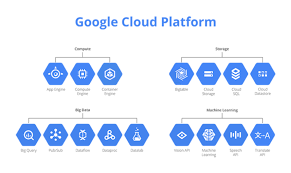
Google Cloud Platform is a suite of cloud computing services offered by Google that runs on the same infrastructure that Google uses internally for its end-user products, such as Google Search and YouTube. GCP provides a wide range of cloud services, including computing power, storage solutions, database management, machine learning capabilities, and more.

Key Features and Benefits of Google Cloud Platform

Google Cloud Platform offers several key features and benefits that make it a popular choice among businesses:

  • Scalability: GCP allows businesses to easily scale their resources up or down based on demand, providing flexibility and cost-effectiveness.
  • Security: With robust security measures in place, including encryption at rest and in transit, GCP ensures that data remains secure and protected.
  • Machine Learning and AI: GCP offers powerful machine learning tools that enable businesses to extract valuable insights from their data and drive innovation.
  • Data Analytics: With tools like BigQuery, businesses can analyze large datasets quickly and derive actionable insights to make informed decisions.
  • Global Infrastructure: GCP has a vast network of data centers around the world, allowing businesses to deploy applications closer to their users for improved performance.

Real-World Applications of Google Cloud Platform

Businesses across various industries are leveraging Google Cloud Platform to drive digital transformation and achieve their goals. Some common use cases include:

  • E-commerce: Retailers use GCP for seamless online shopping experiences and personalized recommendations based on customer behavior.
  • Healthcare: Healthcare providers utilize GCP for secure storage of patient records and advanced analytics for medical research.
  • Finance: Financial institutions rely on GCP for real-time fraud detection, risk analysis, and compliance with regulatory requirements.
  • Media & Entertainment: Media companies leverage GCP for content delivery, video streaming services, and data analytics to understand viewer preferences.

In Conclusion

In conclusion, Google Cloud Platform stands out as a leading cloud computing solution that empowers businesses with cutting-edge technologies and tools to drive innovation, enhance efficiency, and stay competitive in today’s fast-paced digital landscape. With its comprehensive suite of services and global infrastructure, GCP continues to be a top choice for organizations looking to harness the full potential of the cloud.


Top 8 Frequently Asked Questions About Google Cloud Platform (GCP)

  1. What is Google Cloud Platform (GCP) and what services does it offer?
  2. How does Google Cloud Platform ensure data security and compliance?
  3. What are the pricing options for using Google Cloud Platform services?
  4. How can businesses benefit from using Google Cloud Platform for their operations?
  5. What is the difference between Google Cloud Platform and other cloud providers like AWS and Azure?
  6. Does Google Cloud Platform offer support and training resources for users?
  7. Can existing applications be migrated to Google Cloud Platform, and how seamless is the process?
  8. What are some successful use cases of businesses leveraging Google Cloud Platform?

What is Google Cloud Platform (GCP) and what services does it offer?

Google Cloud Platform (GCP) is a comprehensive suite of cloud computing services provided by Google, designed to help businesses and developers build, deploy, and scale applications with ease. GCP runs on the same robust infrastructure that powers Google’s own products, such as Google Search and YouTube. It offers a wide array of services including computing power through virtual machines and containers, scalable storage solutions like Cloud Storage and databases such as Cloud SQL and Firestore. Additionally, GCP provides advanced tools for data analytics with BigQuery, machine learning capabilities via AI Platform, and serverless computing options like Cloud Functions. Its extensive network of global data centers ensures high availability and low latency for users around the world.

How does Google Cloud Platform ensure data security and compliance?

Google Cloud Platform prioritizes data security and compliance through a combination of robust measures and industry-leading practices. To ensure data security, GCP implements encryption at rest and in transit, protecting data both when it is stored and when it is transmitted between servers. GCP also offers advanced identity and access management controls, allowing organizations to manage who has access to their data and resources. In terms of compliance, Google Cloud Platform adheres to various industry standards and certifications, such as ISO 27001, SOC 2, GDPR, HIPAA, and more. Regular audits and assessments are conducted to verify compliance with these standards, providing customers with the assurance that their data is handled in a secure and compliant manner.

What are the pricing options for using Google Cloud Platform services?

When exploring Google Cloud Platform services, understanding the pricing options is a common query for many users. Google Cloud Platform offers flexible pricing models tailored to meet the diverse needs of businesses and individuals. Users can choose from various pricing options, including pay-as-you-go, committed use discounts, sustained use discounts, and custom pricing plans based on specific requirements. This versatility allows users to optimize costs based on their usage patterns and budget constraints, making Google Cloud Platform an attractive choice for those seeking cost-effective cloud solutions without compromising on performance or scalability.

How can businesses benefit from using Google Cloud Platform for their operations?

Businesses can significantly benefit from using Google Cloud Platform (GCP) for their operations in numerous ways. GCP offers unparalleled scalability, allowing companies to adjust their computing resources on demand, which is especially useful during peak times or unexpected surges in activity. The platform’s robust security measures, including encryption and compliance certifications, ensure that sensitive data is well-protected. Additionally, GCP’s advanced analytics and machine learning tools enable businesses to extract valuable insights from their data, driving informed decision-making and innovation. With a global network of data centers, GCP also ensures optimal performance and reliability, making it easier for businesses to deliver seamless experiences to their customers worldwide. Overall, leveraging GCP can lead to reduced operational costs, enhanced efficiency, and greater agility in responding to market changes.

What is the difference between Google Cloud Platform and other cloud providers like AWS and Azure?

When comparing Google Cloud Platform to other major cloud providers like AWS and Azure, several key differences come to light. Google Cloud Platform is known for its strong focus on data analytics and machine learning capabilities, leveraging Google’s expertise in these areas. Additionally, GCP offers a global network of data centers that enables businesses to deploy applications closer to their users for improved performance. On the other hand, AWS boasts a vast array of services and a long-standing presence in the cloud market, while Azure stands out for its seamless integration with Microsoft products and services. Each cloud provider has its unique strengths and offerings, catering to different business needs and preferences in the ever-evolving cloud computing landscape.

Does Google Cloud Platform offer support and training resources for users?

Yes, Google Cloud Platform provides extensive support and training resources for its users. From documentation and tutorials to online courses and certifications, GCP offers a wealth of resources to help users navigate the platform effectively. Additionally, users can access technical support through various channels, including community forums, email support, and premium support options for enterprise customers. Whether you are a beginner looking to learn the basics or an experienced user seeking advanced training, Google Cloud Platform ensures that users have the necessary tools and assistance to make the most out of their cloud computing experience.

Can existing applications be migrated to Google Cloud Platform, and how seamless is the process?

Migrating existing applications to Google Cloud Platform is a common consideration for businesses looking to leverage the benefits of cloud computing. The process of migrating applications to GCP can vary depending on factors such as the complexity of the application, its dependencies, and the chosen migration strategy. Google Cloud Platform offers a range of tools and services to facilitate application migration, making the process as seamless as possible. With proper planning, assessment, and execution, businesses can successfully migrate their existing applications to GCP while minimizing disruptions and maximizing the benefits of cloud infrastructure.

What are some successful use cases of businesses leveraging Google Cloud Platform?

Businesses across various industries have successfully leveraged Google Cloud Platform (GCP) to achieve their strategic goals and drive digital transformation. One notable use case is in the e-commerce sector, where retailers utilize GCP to enhance online shopping experiences, personalize recommendations based on customer behavior, and optimize inventory management. In the healthcare industry, organizations leverage GCP for secure storage of patient records, advanced analytics for medical research, and telemedicine services. Financial institutions rely on GCP for real-time fraud detection, risk analysis, and compliance with regulatory requirements. Additionally, media and entertainment companies use GCP for content delivery, video streaming services, and data analytics to understand viewer preferences and optimize content offerings. These successful implementations highlight the diverse applications of Google Cloud Platform in enabling businesses to innovate, improve efficiency, and deliver value to their customers.