cfchris.com

Loading

Exploring the Transformative Power of AI and ML in Today’s World

The Impact of AI and ML on Modern Technology

The Impact of AI and ML on Modern Technology

Artificial Intelligence (AI) and Machine Learning (ML) are two of the most transformative technologies in today’s digital landscape. They are driving innovation across various sectors, from healthcare to finance, and are reshaping how businesses operate and make decisions.

Understanding AI and ML

Artificial Intelligence refers to the simulation of human intelligence processes by machines, particularly computer systems. These processes include learning, reasoning, problem-solving, perception, and language understanding.

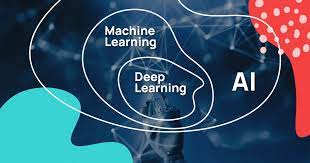
Machine Learning, a subset of AI, involves the use of algorithms that enable computers to learn from data and improve their performance over time without being explicitly programmed. ML is about making predictions or decisions based on data inputs.

Applications in Various Industries

The applications of AI and ML are vast and varied:

  • Healthcare: AI is being used to analyze complex medical data for diagnostics, personalize treatment plans, and even predict patient outcomes.
  • Finance: Financial institutions use ML algorithms for fraud detection, risk management, algorithmic trading, and personalized banking services.
  • Retail: Retailers leverage AI for inventory management, customer service through chatbots, personalized marketing strategies, and demand forecasting.
  • Automotive: Autonomous vehicles rely heavily on AI for navigation systems that can interpret sensor data to make driving decisions.

The Benefits of AI and ML

The integration of AI and ML into business operations offers several benefits:

  • Efficiency: Automation of routine tasks reduces human error and frees up resources for more strategic activities.
  • Insights: Advanced analytics provide deeper insights into customer behavior, market trends, and operational efficiencies.
  • Innovation: Companies can develop new products or services faster by leveraging predictive analytics to understand market needs better.

The Challenges Ahead

Despite their advantages, implementing AI and ML comes with challenges. These include concerns about data privacy, the need for large datasets to train models effectively, potential biases in algorithms leading to unfair outcomes, and the ethical implications of autonomous decision-making systems.

The Future Outlook

The future looks promising as advancements in computing power continue to drive innovation in AI and ML. As these technologies evolve further, they will become even more integral to our daily lives—enhancing productivity while opening up new possibilities across different fields.

A continued focus on ethical practices will be essential as society navigates this technological evolution. By addressing these concerns proactively while fostering innovation responsibly—AI’s potential can be harnessed fully for global benefit.


Exploring AI and ML: Key Differences, Applications, Ethics, Bias Mitigation, and Business Challenges

  1. What is the difference between Artificial Intelligence (AI) and Machine Learning (ML)?
  2. How are Artificial Intelligence and Machine Learning being used in healthcare?
  3. What are the ethical implications of using AI and ML in decision-making processes?
  4. Can AI algorithms be biased, and how can bias be mitigated in Machine Learning models?
  5. What are some common challenges faced when implementing AI and ML solutions in businesses?

What is the difference between Artificial Intelligence (AI) and Machine Learning (ML)?

Artificial Intelligence (AI) and Machine Learning (ML) are often used interchangeably, but they represent distinct concepts within the realm of computer science. AI is a broad field that encompasses the development of systems capable of performing tasks that typically require human intelligence, such as reasoning, problem-solving, and understanding language. It aims to create machines that can mimic cognitive functions like learning and adaptation. On the other hand, Machine Learning is a subset of AI focused on the idea that machines can learn from data. ML involves algorithms that allow computers to identify patterns and make decisions with minimal human intervention. Essentially, while all machine learning is AI, not all AI involves machine learning. ML is one approach to achieving AI by enabling systems to improve their performance over time through experience and data analysis.

How are Artificial Intelligence and Machine Learning being used in healthcare?

Artificial Intelligence (AI) and Machine Learning (ML) are revolutionizing healthcare by enhancing diagnostic accuracy, personalizing treatment, and improving patient outcomes. AI systems can analyze complex medical data, such as imaging scans and electronic health records, to assist doctors in diagnosing diseases more accurately and swiftly. Machine learning algorithms are being used to develop predictive models that identify patients at risk of certain conditions, enabling early intervention. Additionally, AI-driven tools help in drug discovery by analyzing vast datasets to identify potential new treatments. In personalized medicine, ML algorithms tailor treatment plans based on an individual’s genetic makeup and lifestyle factors, ensuring more effective care. These technologies are also streamlining administrative tasks within healthcare facilities, allowing professionals to focus more on patient care.

What are the ethical implications of using AI and ML in decision-making processes?

The ethical implications of using AI and ML in decision-making processes are significant and multifaceted. As these technologies become more integrated into various sectors, they raise concerns about bias, transparency, and accountability. AI systems can inadvertently perpetuate or even amplify existing biases present in the data they are trained on, leading to unfair or discriminatory outcomes. Transparency is another critical issue, as the decision-making processes of complex algorithms can be opaque, making it difficult for users to understand how decisions are reached. This lack of clarity can undermine trust and accountability, especially in high-stakes areas like criminal justice or hiring. Additionally, there are concerns about privacy and the extent to which personal data is used responsibly. Ensuring ethical use of AI and ML requires ongoing efforts to develop fair algorithms, implement robust oversight mechanisms, and engage in open dialogue about their societal impacts.

Can AI algorithms be biased, and how can bias be mitigated in Machine Learning models?

AI algorithms can indeed be biased, primarily because they learn from data that may contain existing biases. These biases can stem from unrepresentative datasets, historical prejudices, or flawed data collection methods. When AI models are trained on such data, they can inadvertently perpetuate or even amplify these biases in their predictions and decisions. To mitigate bias in Machine Learning models, it’s crucial to use diverse and representative datasets during the training phase. Additionally, implementing fairness-aware algorithms and regularly auditing models for biased outcomes are essential steps. Transparency in the development process and involving interdisciplinary teams to evaluate model outputs can further help identify and address potential biases, ensuring that AI systems operate more equitably across different user groups.

What are some common challenges faced when implementing AI and ML solutions in businesses?

Implementing AI and ML solutions in businesses often presents several challenges. One of the primary hurdles is data quality and availability; AI and ML models require large volumes of high-quality data to function effectively, yet many organizations struggle with data silos or incomplete datasets. Additionally, integrating these technologies into existing systems can be complex and resource-intensive, requiring significant investment in infrastructure and skilled personnel. There is also the challenge of algorithmic bias, where models may inadvertently perpetuate existing biases present in the training data, leading to unfair outcomes. Furthermore, ensuring data privacy and security is crucial, as AI systems often handle sensitive information. Lastly, businesses must navigate the cultural shift within the organization as employees adapt to new workflows and processes driven by AI technologies.
applied artificial intelligence

Unlocking Potential: The Power of Applied Artificial Intelligence

Applied Artificial Intelligence: Transforming Industries

Applied Artificial Intelligence: Transforming Industries

Artificial Intelligence (AI) has moved from the realm of science fiction into real-world applications that are transforming industries across the globe. Applied AI refers to the practical implementation of AI technologies to solve specific problems and enhance efficiency in various sectors.

What is Applied Artificial Intelligence?

Applied AI involves using machine learning algorithms, neural networks, and other AI techniques to create systems that can perform tasks traditionally requiring human intelligence. This includes visual perception, speech recognition, decision-making, and language translation.

Key Areas of Application

The impact of applied AI is vast and spans multiple industries:

  • Healthcare: In healthcare, AI is used for predictive analytics, personalized medicine, and robotic surgery. It helps in diagnosing diseases more accurately and developing treatment plans tailored to individual patients.
  • Finance: Financial institutions use AI for fraud detection, algorithmic trading, and risk management. These applications help in identifying suspicious activities and making informed investment decisions.
  • Manufacturing: In manufacturing, AI enhances production processes through predictive maintenance and quality control. It helps reduce downtime by predicting equipment failures before they occur.
  • Retail: Retailers leverage AI for inventory management, customer service chatbots, and personalized shopping experiences. This improves customer satisfaction and optimizes supply chain operations.
  • Agriculture: Farmers use AI-driven tools for precision agriculture, which involves analyzing data from drones or sensors to optimize crop yields while minimizing resource usage.

The Benefits of Applied AI

The application of AI provides numerous benefits:

  1. Increased Efficiency: Automation of repetitive tasks leads to faster processing times and reduces human error.
  2. Improved Decision-Making: Data-driven insights enable better decision-making processes across various sectors.
  3. Cost Reduction: By optimizing processes and reducing waste, businesses can achieve significant cost savings.
  4. Enhanced Customer Experience: Personalized services improve customer engagement and satisfaction levels.

The Future of Applied Artificial Intelligence

The future of applied AI holds immense potential as advancements continue at a rapid pace. As technology evolves, we can expect even more sophisticated applications that will further revolutionize industries worldwide. However, it is essential to address ethical considerations such as data privacy and bias in algorithms to ensure responsible deployment of these technologies.

The ongoing integration of applied artificial intelligence into everyday operations signifies a transformative shift towards more intelligent systems capable of augmenting human capabilities like never before. As we embrace this technological evolution responsibly, the possibilities are limitless for creating a smarter world driven by innovation.


6 Essential Tips for Successfully Applying Artificial Intelligence in Real-World Scenarios

  1. Understand the problem you are trying to solve before applying AI.
  2. Collect and prepare high-quality data for training AI models.
  3. Choose the right AI algorithm or model based on the nature of the problem.
  4. Regularly evaluate and fine-tune your AI models to improve performance.
  5. Consider ethical implications and biases when deploying AI in real-world applications.
  6. Stay updated with the latest advancements in AI technology and research.

Understand the problem you are trying to solve before applying AI.

Before diving into the implementation of artificial intelligence solutions, it’s crucial to have a clear understanding of the problem at hand. This preliminary step ensures that AI is applied effectively and efficiently, tailored to address specific challenges rather than being a one-size-fits-all solution. By thoroughly analyzing the problem, stakeholders can identify the most relevant data, determine appropriate AI models, and set realistic goals for what the technology should achieve. This approach not only maximizes the potential benefits of AI but also minimizes wasted resources and time by avoiding unnecessary complexity. In essence, a well-defined problem statement lays the groundwork for successful AI application, ensuring that technological efforts align closely with business objectives and deliver tangible results.

Collect and prepare high-quality data for training AI models.

In the realm of applied artificial intelligence, one of the most crucial steps is collecting and preparing high-quality data for training AI models. The performance and accuracy of an AI system are heavily dependent on the quality of the data it learns from. High-quality data ensures that the model can recognize patterns effectively and make accurate predictions or decisions. This involves not only gathering a large volume of relevant data but also ensuring that it is clean, well-labeled, and representative of real-world scenarios. Proper data preparation includes handling missing values, eliminating duplicates, and normalizing formats to ensure consistency. By investing time and resources in this foundational step, organizations can significantly enhance the effectiveness of their AI applications, leading to more reliable outcomes and insights.

Choose the right AI algorithm or model based on the nature of the problem.

When applying artificial intelligence, selecting the appropriate algorithm or model is crucial to effectively addressing the specific problem at hand. Different AI algorithms are designed to tackle various types of tasks, such as classification, regression, clustering, or natural language processing. For instance, if the goal is to categorize images into different groups, a convolutional neural network (CNN) might be suitable due to its strength in image recognition tasks. On the other hand, for predicting future sales based on historical data, a time series forecasting model could be more appropriate. Understanding the nature of the problem allows for choosing an AI approach that maximizes accuracy and efficiency while minimizing computational resources. This strategic selection not only enhances performance but also ensures that AI solutions are tailored to meet specific business needs and objectives.

Regularly evaluate and fine-tune your AI models to improve performance.

Regularly evaluating and fine-tuning AI models is crucial for maintaining and enhancing their performance. As data evolves and business environments change, AI models can become less effective if not periodically updated. By continuously assessing model accuracy and relevance, organizations can identify areas for improvement and make necessary adjustments. Fine-tuning involves recalibrating the model’s parameters or incorporating new data to ensure it adapts to current conditions. This proactive approach not only helps in achieving more accurate predictions but also enhances the overall efficiency of AI systems, ensuring they deliver optimal results aligned with organizational goals.

Consider ethical implications and biases when deploying AI in real-world applications.

When deploying AI in real-world applications, it is crucial to consider the ethical implications and potential biases that may arise. AI systems are often trained on large datasets, which can inadvertently contain biases reflecting historical or societal prejudices. If not addressed, these biases can lead to unfair outcomes or reinforce existing inequalities. Ethical considerations should be at the forefront of AI development, ensuring transparency, accountability, and fairness in decision-making processes. By actively identifying and mitigating biases, developers and organizations can build trust with users and create AI systems that promote equitable treatment across diverse populations. Balancing innovation with ethical responsibility is essential for harnessing the full potential of applied artificial intelligence while safeguarding human rights and values.

Stay updated with the latest advancements in AI technology and research.

Staying updated with the latest advancements in AI technology and research is crucial for anyone involved in the field, as it ensures that individuals and organizations remain competitive and innovative. By keeping abreast of new developments, one can leverage cutting-edge techniques and tools to improve existing systems or create groundbreaking applications. This continuous learning process allows for the identification of emerging trends, such as novel machine learning algorithms or breakthroughs in neural network architectures, which can be pivotal in solving complex problems more efficiently. Additionally, understanding the latest research helps in anticipating future challenges and opportunities, enabling proactive strategies that align with technological progress. Engaging with academic publications, attending conferences, and participating in professional networks are effective ways to stay informed and inspired by the rapidly evolving landscape of artificial intelligence.

Exploring the Transformative Power of AI and Machine Learning

Understanding AI and Machine Learning

Understanding AI and Machine Learning

Artificial Intelligence (AI) and Machine Learning (ML) are two of the most transformative technologies of our time. They are reshaping industries, enhancing productivity, and driving innovation across various sectors.

What is Artificial Intelligence?

Artificial Intelligence refers to the simulation of human intelligence in machines that are programmed to think and learn like humans. AI systems can perform tasks such as visual perception, speech recognition, decision-making, and language translation.

The Evolution of AI

The concept of AI has been around for decades, but recent advancements in computing power and data availability have accelerated its development. From simple rule-based systems to complex neural networks, AI has evolved significantly over the years.

What is Machine Learning?

Machine Learning is a subset of AI that involves the use of algorithms and statistical models to enable computers to improve their performance on a specific task through experience. Instead of being explicitly programmed for every task, ML systems learn from data.

Types of Machine Learning

  • Supervised Learning: Involves training a model on labeled data. The model learns to make predictions or decisions based on input-output pairs.
  • Unsupervised Learning: Involves training a model on unlabeled data. The system tries to learn patterns and structures from the input data without any guidance.
  • Reinforcement Learning: Involves training an agent to make sequences of decisions by rewarding desired behaviors and punishing undesired ones.

The Impact of AI and ML

The impact of AI and ML can be seen in various fields:

  • Healthcare: These technologies assist in diagnostics, personalized medicine, and drug discovery.
  • Finance: They enhance fraud detection, algorithmic trading, and credit scoring processes.
  • Agriculture: They optimize crop yields through predictive analytics and automated monitoring systems.
  • Transportation: Autonomous vehicles rely heavily on machine learning algorithms for navigation and safety features.
  • E-commerce: Personalized recommendations improve customer experience by analyzing user behavior patterns.

The Future of AI and Machine Learning

The future holds immense potential for further advancements in AI and ML. As these technologies continue to evolve, they will likely lead to more sophisticated applications that could revolutionize industries even further. However, it is also important to address ethical considerations such as privacy concerns, job displacement, and bias in algorithms as we move forward with these innovations.

The journey into artificial intelligence promises exciting developments that could transform how we live our lives while presenting unique challenges that need careful consideration along the way.


Understanding AI and Machine Learning: Key FAQs Answered

  1. What is Artificial Intelligence (AI)?
  2. How does Machine Learning (ML) differ from AI?
  3. What are the different types of Machine Learning algorithms?
  4. How is AI being used in healthcare?
  5. What role does AI play in autonomous vehicles?
  6. Can AI and ML be applied in finance and banking sectors?
  7. What are the ethical considerations surrounding AI and ML?
  8. How can businesses leverage AI and ML for improved decision-making?

What is Artificial Intelligence (AI)?

Artificial Intelligence (AI) refers to the creation of computer systems that can perform tasks typically requiring human intelligence. These tasks include problem-solving, understanding natural language, recognizing patterns, and making decisions. AI systems are designed to learn from data and improve over time, allowing them to adapt to new information and situations. By mimicking cognitive functions such as learning and problem-solving, AI can automate complex processes and provide insights in various fields, ranging from healthcare to finance. As a rapidly evolving technology, AI has the potential to transform industries by enhancing efficiency and creating new opportunities for innovation.

How does Machine Learning (ML) differ from AI?

Machine Learning (ML) is a subset of Artificial Intelligence (AI), and while the two terms are often used interchangeably, they refer to different concepts. AI is the broader concept of machines being able to carry out tasks in a way that we would consider “smart,” encompassing everything from rule-based systems to complex decision-making algorithms. Machine Learning, on the other hand, specifically involves the use of algorithms and statistical models that enable computers to learn from data and improve their performance over time without being explicitly programmed for each task. In essence, while AI encompasses the idea of machines simulating human intelligence, ML focuses on the process by which machines can automatically learn and adapt when exposed to new data.

What are the different types of Machine Learning algorithms?

Machine Learning algorithms can be broadly categorized into three main types: supervised learning, unsupervised learning, and reinforcement learning. Supervised learning algorithms are trained on labeled data, where the input and the desired output are provided, allowing the model to learn the mapping between them. This type is commonly used for tasks like classification and regression. Unsupervised learning algorithms, on the other hand, work with unlabeled data and aim to uncover hidden patterns or structures within the input data. Techniques such as clustering and dimensionality reduction fall under this category. Lastly, reinforcement learning involves training an agent to make a sequence of decisions by rewarding desired actions and penalizing undesired ones. This approach is often used in scenarios requiring dynamic decision-making, such as robotics and game playing. Each type of algorithm serves different purposes and is chosen based on the specific requirements of a task or problem domain.

How is AI being used in healthcare?

AI is revolutionizing healthcare by enhancing diagnostics, personalizing treatment, and improving patient outcomes. In diagnostics, AI algorithms analyze medical images such as X-rays and MRIs with remarkable accuracy, often detecting anomalies that may be missed by the human eye. Personalized medicine benefits from AI through the analysis of genetic information and patient data to tailor treatments specifically to individual needs. Additionally, AI-powered virtual health assistants provide patients with 24/7 support, answering questions and managing appointments. In research, AI accelerates drug discovery by predicting how different compounds will interact with targets in the body. Overall, AI is streamlining operations in healthcare facilities, reducing costs, and ultimately leading to better care for patients.

What role does AI play in autonomous vehicles?

AI plays a crucial role in the development and operation of autonomous vehicles, serving as the brain behind their ability to navigate and make real-time decisions. Machine learning algorithms process vast amounts of data from sensors and cameras to understand the vehicle’s environment, identify obstacles, interpret traffic signals, and predict the actions of pedestrians and other vehicles. AI systems enable autonomous vehicles to continuously learn from new data, improving their accuracy and safety over time. By integrating computer vision, sensor fusion, and deep learning techniques, AI allows these vehicles to operate with minimal human intervention, aiming for safer roads and more efficient transportation systems.

Can AI and ML be applied in finance and banking sectors?

AI and Machine Learning have significant applications in the finance and banking sectors, revolutionizing how these industries operate. These technologies enhance fraud detection by analyzing vast amounts of transaction data to identify unusual patterns indicative of fraudulent activity. Additionally, AI and ML streamline customer service through chatbots and virtual assistants that provide 24/7 support, improving customer satisfaction and reducing operational costs. In investment management, machine learning algorithms analyze market trends and historical data to optimize trading strategies and portfolio management. Credit scoring has also become more accurate with AI, as it evaluates a broader range of factors to assess creditworthiness, thereby enabling more informed lending decisions. Overall, AI and ML are driving efficiency, accuracy, and innovation in finance and banking.

What are the ethical considerations surrounding AI and ML?

The ethical considerations surrounding AI and machine learning are multifaceted and critical to address as these technologies continue to evolve. One major concern is bias in algorithms, which can occur when AI systems are trained on data that reflects existing prejudices, leading to unfair or discriminatory outcomes. Privacy is another significant issue, as AI systems often require vast amounts of personal data to function effectively, raising concerns about how this data is collected, stored, and used. Additionally, the potential for job displacement due to automation poses economic and social challenges that need thoughtful solutions. The use of AI in decision-making processes also raises questions about accountability and transparency, as it can be difficult to determine how an AI system arrived at a particular decision. Ensuring that AI and ML technologies are developed and deployed responsibly requires ongoing dialogue among technologists, ethicists, policymakers, and the public.

How can businesses leverage AI and ML for improved decision-making?

Businesses can leverage AI and machine learning to enhance decision-making by utilizing data-driven insights and predictive analytics. These technologies enable companies to process vast amounts of data quickly and accurately, uncovering patterns and trends that might be missed by human analysis alone. By integrating AI and ML into their operations, businesses can forecast market trends, optimize supply chains, personalize customer experiences, and improve risk management. Additionally, AI-powered tools can automate routine tasks, freeing up human resources for more strategic initiatives. This leads to more informed decisions, increased efficiency, and a competitive edge in the marketplace.

artificial intelligence machine learning

Exploring the Intersection of Artificial Intelligence and Machine Learning: A Deep Dive into Cutting-Edge Technologies

Understanding Artificial Intelligence and Machine Learning

Understanding Artificial Intelligence and Machine Learning

In recent years, artificial intelligence (AI) and machine learning (ML) have become integral components of technological advancement. These technologies are transforming industries, enhancing efficiency, and driving innovation across various sectors.

What is Artificial Intelligence?

Artificial intelligence refers to the simulation of human intelligence in machines that are programmed to think and learn like humans. AI systems can perform tasks such as recognizing speech, solving problems, making decisions, and translating languages.

What is Machine Learning?

Machine learning is a subset of AI that focuses on the development of algorithms that allow computers to learn from and make predictions based on data. It involves training models using large datasets to identify patterns and make informed decisions without explicit programming.

The Relationship Between AI and ML

While AI encompasses a broad range of technologies aimed at mimicking human cognitive functions, machine learning is specifically concerned with the creation of algorithms that enable machines to learn from data. In essence, machine learning is one way to achieve artificial intelligence.

Applications of AI and ML

  • Healthcare: AI and ML are used for diagnosing diseases, predicting patient outcomes, and personalizing treatment plans.
  • Finance: These technologies help in fraud detection, risk management, algorithmic trading, and personalized banking services.
  • E-commerce: AI-driven recommendation systems enhance customer experience by suggesting products based on user behavior.
  • Autonomous Vehicles: Self-driving cars use machine learning algorithms to navigate roads safely by recognizing objects and making real-time decisions.

The Future of AI and ML

The future of artificial intelligence and machine learning holds immense potential. As these technologies continue to evolve, they will likely lead to more sophisticated applications in various fields such as healthcare diagnostics, climate modeling, smart cities development, and beyond. However, ethical considerations surrounding privacy, security, and the impact on employment must be addressed as these technologies advance.

Conclusion

The integration of artificial intelligence and machine learning into everyday life is reshaping how we interact with technology. By understanding their capabilities and implications, we can harness their power responsibly to create a better future for all.


Understanding AI and Machine Learning: Answers to 7 Common Questions

  1. What is the difference between machine learning and AI?
  2. What are the 4 types of AI machines?
  3. What is an example of AI and ML?
  4. What is AI but not ML?
  5. What is different between AI and ML?
  6. Is artificial intelligence a machine learning?
  7. What is machine learning in artificial intelligence?

What is the difference between machine learning and AI?

Artificial intelligence (AI) and machine learning (ML) are often used interchangeably, but they refer to different concepts within the realm of computer science. AI is a broader field that encompasses the creation of machines capable of performing tasks that typically require human intelligence, such as reasoning, problem-solving, and understanding language. Machine learning, on the other hand, is a subset of AI focused specifically on developing algorithms that enable computers to learn from data and improve their performance over time without being explicitly programmed for each task. In essence, while AI aims to simulate human cognitive functions broadly, machine learning provides the tools and techniques for achieving this by allowing systems to learn from experience and adapt to new information.

What are the 4 types of AI machines?

Artificial intelligence is often categorized into four types based on their capabilities and functionalities. The first type is *Reactive Machines*, which are the most basic form of AI systems designed to perform specific tasks without memory or past experiences, such as IBM’s Deep Blue chess program. The second type is *Limited Memory*, which can use past experiences to inform future decisions, commonly found in self-driving cars that analyze data from the environment to make real-time decisions. The third type is *Theory of Mind*, a more advanced AI that, in theory, would understand emotions and human thought processes; however, this level of AI remains largely theoretical at this point. Finally, *Self-aware AI* represents the most sophisticated form of artificial intelligence, capable of self-awareness and consciousness; this type remains purely conceptual as no such machines currently exist. Each type represents a step toward greater complexity and capability in AI systems.

What is an example of AI and ML?

An example that illustrates the capabilities of artificial intelligence (AI) and machine learning (ML) is the use of recommendation systems by online streaming platforms like Netflix. These platforms employ ML algorithms to analyze user behavior, preferences, and viewing history to suggest personalized movie or TV show recommendations. By continuously learning from user interactions and feedback, the AI-powered recommendation system enhances user experience by offering content tailored to individual tastes, ultimately increasing user engagement and satisfaction.

What is AI but not ML?

Artificial Intelligence (AI) encompasses a broad range of technologies designed to mimic human cognitive functions, such as reasoning, problem-solving, and understanding language. While machine learning (ML) is a subset of AI focused on algorithms that allow systems to learn from data and improve over time, not all AI involves machine learning. For instance, rule-based systems or expert systems are examples of AI that do not use ML. These systems rely on predefined rules and logic to make decisions or solve problems, rather than learning from data. Such AI applications can be effective in environments where the rules are well-defined and the variables are limited, demonstrating that AI can exist independently of machine learning techniques.

What is different between AI and ML?

Artificial intelligence (AI) and machine learning (ML) are closely related yet distinct concepts within the realm of computer science. AI refers to the broader concept of machines being able to carry out tasks in a way that we would consider “smart,” encompassing systems that can mimic human intelligence, including reasoning, problem-solving, and understanding language. Machine learning, on the other hand, is a subset of AI that specifically focuses on the ability of machines to learn from data. Rather than being explicitly programmed to perform a task, ML algorithms are designed to identify patterns and make decisions based on input data. In essence, while all machine learning is a form of AI, not all AI involves machine learning. AI can include rule-based systems and other techniques that do not rely on learning from data.

Is artificial intelligence a machine learning?

Artificial intelligence (AI) and machine learning (ML) are often mentioned together, but they are not the same thing. AI is a broad field that focuses on creating systems capable of performing tasks that would typically require human intelligence, such as understanding natural language, recognizing patterns, and making decisions. Machine learning, on the other hand, is a subset of AI that involves the development of algorithms and statistical models that enable machines to improve their performance on a specific task through experience and data analysis. In essence, while all machine learning is part of artificial intelligence, not all artificial intelligence involves machine learning. Machine learning provides one of the techniques through which AI can be realized by allowing systems to learn from data and improve over time without being explicitly programmed for each specific task.

What is machine learning in artificial intelligence?

Machine learning in artificial intelligence is a specialized area that focuses on developing algorithms and statistical models that enable computers to improve their performance on tasks through experience. Unlike traditional programming, where a computer follows explicit instructions, machine learning allows systems to learn from data patterns and make decisions with minimal human intervention. By training models on vast amounts of data, machine learning enables AI systems to recognize patterns, predict outcomes, and adapt to new information over time. This capability is fundamental in applications such as image recognition, natural language processing, and autonomous driving, where the ability to learn from data is crucial for success.

artificial intelligence in finance

Harnessing the Power of Artificial Intelligence in Finance: A Game-Changer for the Industry

Artificial Intelligence in Finance

Artificial Intelligence in Finance: Transforming the Industry

Artificial intelligence (AI) is revolutionizing the finance industry by enhancing efficiency, accuracy, and customer experience. From automating routine tasks to providing advanced data analytics, AI is paving the way for a more innovative financial landscape.

The Role of AI in Financial Services

AI technologies are being integrated across various sectors within finance, including banking, investment management, and insurance. Here are some key areas where AI is making a significant impact:

  • Fraud Detection: AI algorithms can analyze vast amounts of transaction data to identify unusual patterns that may indicate fraudulent activity. This allows financial institutions to respond swiftly and minimize potential losses.
  • Risk Management: By leveraging machine learning models, financial firms can better assess and predict risks. These models process historical data to provide insights that help in making informed decisions.
  • Customer Service: Chatbots and virtual assistants powered by AI are improving customer service by providing quick responses to inquiries and assisting with transactions around the clock.

AI-Powered Investment Strategies

Investment management has been significantly enhanced by AI through algorithmic trading and robo-advisors. Algorithmic trading uses AI to execute trades at optimal times based on market data analysis. Meanwhile, robo-advisors offer personalized investment advice using algorithms that consider an individual’s financial goals and risk tolerance.

The Future of AI in Finance

The potential for AI in finance is vast as technology continues to advance. Here are some trends to watch for in the coming years:

  • Enhanced Personalization: Financial services will become increasingly tailored to individual needs through deeper insights derived from big data analytics.
  • Sustainability Analysis: AI will play a crucial role in assessing the environmental impact of investments, helping firms align with sustainable practices.
  • Regulatory Compliance: Automation tools will aid compliance teams by ensuring adherence to evolving regulations through real-time monitoring and reporting.

Challenges and Considerations

Despite its benefits, implementing AI in finance comes with challenges such as data privacy concerns, algorithmic bias, and the need for significant investment in technology infrastructure. Companies must address these issues while ensuring transparency and accountability in their AI systems.

Conclusion

The integration of artificial intelligence into finance is transforming how financial services operate globally. As technology continues to evolve, embracing AI will be essential for institutions seeking competitive advantage and improved customer experiences.


5 Ways to Harness Artificial Intelligence in Finance for Enhanced Security, Efficiency, and Decision-Making

  1. Utilize AI algorithms for fraud detection to enhance security measures.
  2. Implement machine learning models for risk assessment and portfolio management.
  3. Use natural language processing for analyzing news sentiment to predict market trends.
  4. Employ chatbots for customer service to provide quick responses and assistance.
  5. Explore AI-driven predictive analytics to make data-driven investment decisions.

Utilize AI algorithms for fraud detection to enhance security measures.

Utilizing AI algorithms for fraud detection is a crucial step in enhancing security measures within the finance industry. These advanced algorithms can analyze vast amounts of transaction data in real time, identifying patterns and anomalies that may indicate fraudulent activity. By continuously learning from new data, AI systems become increasingly adept at distinguishing between legitimate and suspicious transactions. This proactive approach not only helps financial institutions quickly detect and prevent potential fraud but also minimizes financial losses and protects customer trust. Implementing AI-driven fraud detection systems allows companies to stay one step ahead of cybercriminals, ensuring a more secure financial environment for both businesses and consumers.

Implement machine learning models for risk assessment and portfolio management.

By implementing machine learning models for risk assessment and portfolio management in the finance sector, institutions can leverage advanced algorithms to analyze vast amounts of data and make informed decisions. These models can provide real-time insights into potential risks and opportunities, allowing for more accurate and efficient portfolio management strategies. By harnessing the power of machine learning, financial firms can enhance their risk mitigation efforts and optimize their investment portfolios to achieve better outcomes for their clients.

Utilizing natural language processing for analyzing news sentiment to predict market trends is a strategic tip in leveraging artificial intelligence within the finance industry. By employing advanced algorithms to interpret and extract insights from textual data, financial institutions can gain valuable information on public sentiment towards various assets or market conditions. This approach enables more informed decision-making processes, allowing for proactive responses to potential market shifts based on the sentiment analysis of news articles and reports.

Employ chatbots for customer service to provide quick responses and assistance.

Employing chatbots for customer service in the finance industry can significantly enhance the overall customer experience by providing quick responses and assistance round the clock. These AI-powered chatbots are capable of handling a wide range of inquiries efficiently, ensuring that customers receive timely and accurate support whenever they need it. By leveraging chatbots, financial institutions can streamline their customer service operations, improve satisfaction levels, and ultimately build stronger relationships with their clients.

Explore AI-driven predictive analytics to make data-driven investment decisions.

In the rapidly evolving world of finance, utilizing AI-driven predictive analytics is becoming essential for making informed, data-driven investment decisions. By harnessing the power of machine learning algorithms and vast datasets, financial professionals can identify patterns and trends that may not be immediately visible through traditional analysis methods. These advanced analytics tools provide deeper insights into market movements, enabling investors to forecast potential outcomes with greater accuracy. As a result, firms can optimize their investment strategies by anticipating shifts in market dynamics and responding proactively to emerging opportunities or risks. Embracing AI-driven predictive analytics not only enhances decision-making processes but also offers a competitive edge in an increasingly data-centric financial landscape.

ai

Unlocking the Potential of AI: A Journey into Intelligent Technologies

The Rise of Artificial Intelligence

The Rise of Artificial Intelligence

Artificial Intelligence (AI) has rapidly evolved from a futuristic concept to an integral part of our daily lives. From virtual assistants like Siri and Alexa to advanced data analytics and autonomous vehicles, AI is transforming the way we live and work.

What is Artificial Intelligence?

Artificial Intelligence refers to the simulation of human intelligence in machines that are programmed to think and learn like humans. These intelligent systems can perform tasks that typically require human intelligence, such as visual perception, speech recognition, decision-making, and language translation.

Types of AI

AI can be broadly categorized into three types:

  • Narrow AI: Also known as Weak AI, it is designed to perform a narrow task (e.g., facial recognition or internet searches).
  • General AI: Also known as Strong AI, it possesses the ability to understand, learn, and apply knowledge across a broad range of tasks—much like a human being.
  • Superintelligent AI: This hypothetical form of AI surpasses human intelligence in all aspects. While still theoretical, it raises significant ethical and existential questions.

Applications of AI

The applications of AI are vast and varied. Some notable examples include:

Healthcare

AI is revolutionizing healthcare by providing tools for early diagnosis, personalized treatment plans, and advanced research capabilities. Machine learning algorithms can analyze medical data to detect patterns and predict outcomes more accurately than traditional methods.

Finance

In the financial sector, AI is used for fraud detection, risk management, algorithmic trading, and personalized banking services. By analyzing large datasets quickly and accurately, AI helps financial institutions make better decisions.

Transportation

The development of autonomous vehicles relies heavily on AI technologies such as computer vision and machine learning. These vehicles use sensors and algorithms to navigate roads safely without human intervention.

The Future of AI

The future of artificial intelligence holds immense potential but also presents challenges that need addressing. Ethical considerations such as privacy concerns, job displacement due to automation, and the need for robust regulatory frameworks are critical areas that require attention.

Sustainability:

  • Sustainable Development Goals (SDGs):
    • No Poverty: Utilizing AI-driven tools for economic forecasting can help identify regions at risk of poverty before crises occur.
    • Zero Hunger: Predictive analytics can optimize food distribution networks ensuring no one goes hungry even during supply chain disruptions.

Conclusion

The rise of artificial intelligence marks one of the most significant technological advancements in recent history. As we continue to explore its possibilities responsibly while addressing associated risks diligently—AI promises not just incremental improvements but transformative changes across all sectors globally enhancing overall quality-of-life standards exponentially over time!

© 2023 The Rise of Artificial Intelligence | All rights reserved.


8 Benefits of AI: From Increased Efficiency to Driving Innovation

  1. 1. Increased Efficiency
  2. 2. Improved Accuracy
  3. 3. Enhanced Decision-Making
  4. 4. Personalization
  5. 5. Predictive Capabilities
  6. 6. Scalability
  7. 7. Safety Enhancement
  8. 8. Innovation Catalyst


Challenges of AI: Job Displacement, Bias, Privacy, and Ethical Issues

  1. Job Displacement
  2. Bias and Discrimination
  3. Privacy Concerns
  4. Ethical Dilemmas

1. Increased Efficiency

Artificial Intelligence significantly boosts efficiency by automating repetitive and mundane tasks, allowing businesses to save both time and resources. By leveraging AI technologies, companies can streamline operations such as data entry, customer service inquiries, and routine maintenance tasks. This automation not only reduces the likelihood of human error but also frees up employees to focus on more strategic and creative endeavors. As a result, organizations can achieve higher productivity levels, faster turnaround times, and ultimately, a more competitive edge in their respective markets.

2. Improved Accuracy

Artificial Intelligence (AI) offers the significant advantage of improved accuracy in data processing. AI systems are capable of analyzing vast amounts of data with exceptional precision, far surpassing human capabilities. By leveraging machine learning algorithms and advanced computational techniques, AI can identify patterns, detect anomalies, and make predictions with a high degree of accuracy. This enhanced precision is particularly beneficial in fields such as healthcare, finance, and engineering, where even minor errors can have substantial consequences. As a result, AI-driven solutions are not only more reliable but also contribute to better decision-making and increased efficiency across various industries.

3. Enhanced Decision-Making

Artificial Intelligence significantly enhances decision-making by leveraging advanced algorithms to process and analyze complex datasets with remarkable speed and accuracy. These AI-driven insights enable businesses and organizations to make more informed, data-backed decisions that can lead to improved outcomes. By identifying patterns, trends, and correlations within vast amounts of information, AI helps reduce human error and biases, ultimately facilitating more strategic planning and operational efficiency. This capability is particularly valuable in fields such as finance, healthcare, and logistics, where timely and precise decision-making is crucial for success.

4. Personalization

Artificial Intelligence (AI) significantly enhances personalization across various domains, notably in marketing and healthcare. In marketing, AI algorithms analyze consumer behavior and preferences to deliver tailored content, product recommendations, and targeted advertisements, thereby improving customer engagement and satisfaction. In healthcare, AI-driven tools can customize treatment plans based on individual patient data, such as genetic information and medical history, leading to more effective and efficient care. This level of personalization not only optimizes outcomes but also fosters a more individualized approach that meets the unique needs of each person.

5. Predictive Capabilities

Artificial Intelligence’s predictive capabilities are revolutionizing various industries by leveraging historical data to forecast trends and outcomes with remarkable accuracy. By analyzing vast amounts of past data, AI algorithms can identify patterns and correlations that might be missed by human analysts. This enables businesses to make informed decisions, anticipate market shifts, and optimize operations. For instance, in finance, AI can predict stock market trends, helping investors make strategic choices. In healthcare, predictive models can foresee disease outbreaks or patient health trajectories, allowing for proactive measures. Overall, the ability of AI to predict future events based on historical data is a powerful tool that drives efficiency and innovation across multiple sectors.

6. Scalability

Artificial Intelligence (AI) excels in scalability, allowing systems to effortlessly expand and manage increasing demands without requiring extensive manual intervention. This capability is particularly beneficial for businesses experiencing rapid growth or fluctuating workloads. AI solutions can dynamically adjust their processing power and resources to accommodate larger datasets, more complex tasks, or higher volumes of transactions. By automating these adjustments, AI ensures consistent performance and efficiency, enabling organizations to meet customer needs and market demands seamlessly. This scalability not only enhances operational agility but also reduces the need for additional human resources, leading to significant cost savings and improved productivity.

7. Safety Enhancement

Artificial Intelligence significantly enhances safety across various sectors, particularly in transportation. By leveraging predictive maintenance, AI systems can anticipate equipment failures before they occur, ensuring timely repairs and reducing the risk of accidents. Additionally, AI-driven risk analysis helps identify potential hazards and implement preventative measures, thereby increasing overall operational safety. This proactive approach not only minimizes downtime but also protects lives by preventing dangerous situations from arising in the first place.

8. Innovation Catalyst

AI serves as an innovation catalyst by empowering the creation of novel products, services, and solutions. By harnessing the capabilities of artificial intelligence, businesses and industries can explore uncharted territories, uncover hidden insights, and pioneer groundbreaking advancements that drive progress and transform the way we live and work. AI’s ability to analyze vast amounts of data, identify patterns, and generate valuable predictions opens up a realm of possibilities for innovation, sparking creativity and propelling organizations towards a future defined by ingenuity and forward-thinking approaches.

Job Displacement

AI automation poses a significant challenge in the form of job displacement. As machines and algorithms become increasingly capable of performing tasks that were once the domain of human workers, many traditional roles are at risk of becoming obsolete. This shift can lead to widespread unemployment and economic instability, particularly in industries heavily reliant on manual labor and routine tasks. While AI has the potential to create new job opportunities in emerging sectors, the transition period may be difficult for displaced workers who must adapt to new skill requirements and job markets. Addressing this issue requires proactive measures such as retraining programs, educational initiatives, and supportive policies to ensure a smooth transition for affected individuals.

Bias and Discrimination

AI algorithms, while powerful, are not immune to the biases present in their training data. When these algorithms are trained on datasets that reflect historical prejudices or societal inequalities, they can inadvertently perpetuate and even amplify these biases. This can lead to discriminatory outcomes in critical decision-making processes such as hiring, lending, and law enforcement. For instance, an AI system used in recruitment might favor candidates from certain demographics if the training data predominantly includes successful applicants from those groups. Similarly, predictive policing algorithms can disproportionately target minority communities if they are based on biased crime data. Addressing these issues requires a concerted effort to ensure diverse and representative datasets, as well as ongoing scrutiny and adjustment of AI models to mitigate bias and promote fairness.

Privacy Concerns

The integration of AI in data analysis brings significant privacy concerns to the forefront. As AI systems process vast amounts of personal information, there is an increased risk of unauthorized access and data breaches. These sophisticated algorithms can potentially exploit sensitive data without individuals’ consent, leading to privacy violations. Moreover, the lack of transparency in how AI models operate makes it difficult for users to understand how their information is being used or shared. This growing concern emphasizes the need for robust security measures and regulatory frameworks to protect personal data from misuse and ensure that privacy rights are upheld in the age of artificial intelligence.

Ethical Dilemmas

The development of superintelligent AI presents significant ethical dilemmas that society must address. One primary concern is control: who will govern these powerful systems, and how can we ensure they act in humanity’s best interest? Accountability also poses a challenge, as it becomes difficult to determine who is responsible for the actions and decisions made by an autonomous AI. Moreover, the potential existential risks associated with superintelligent AI cannot be overlooked; if these systems surpass human intelligence, they could make unpredictable decisions that might threaten our very existence. Addressing these ethical issues is crucial to harnessing the benefits of AI while mitigating its risks.