cfchris.com

Loading

Category software developer

software design in software engineering

Exploring the Significance of Software Design in Software Engineering Practices

The Importance of Software Design in Software Engineering

Software design plays a crucial role in the field of software engineering. It is the process of defining the architecture, components, interfaces, and other characteristics of a software system to meet specified requirements. Effective software design is essential for creating high-quality, scalable, and maintainable software applications.

Key Aspects of Software Design

Software design involves several key aspects that are critical to the success of a software project:

  1. Architectural Design: This phase focuses on defining the overall structure of the software system, including its components, modules, and relationships. A well-designed architecture provides a solid foundation for the rest of the development process.
  2. Interface Design: Interfaces are crucial for communication between different parts of a software system. Good interface design ensures that components can interact seamlessly and efficiently.
  3. Data Design: Data is at the core of many software applications. Data design involves defining data structures, storage mechanisms, and access methods to ensure efficient data processing and retrieval.
  4. Algorithm Design: Algorithms are essential for solving complex problems efficiently. Algorithm design focuses on developing effective algorithms that meet performance requirements and optimize resource utilization.

The Benefits of Good Software Design

Effective software design offers several benefits to both developers and end-users:

  • Scalability: A well-designed software system can easily accommodate changes and additions without requiring extensive rework.
  • Maintainability: Good design practices make it easier to maintain and update software systems over time, reducing maintenance costs and effort.
  • Reliability: Properly designed software systems are more reliable and less prone to errors or failures, leading to improved user satisfaction.
  • Performance: Well-designed algorithms and data structures can enhance the performance of a software application, ensuring optimal speed and efficiency.

In Conclusion

Software design is a fundamental aspect of software engineering that significantly impacts the quality, scalability, and maintainability of software applications. By investing time and effort into effective design practices, developers can create robust systems that meet user needs and stand the test of time.


Key Questions Answered: Understanding Software Design in Software Engineering

  1. What is software design in software engineering?
  2. Why is software design important in software engineering?
  3. What are the key aspects of software design?
  4. How does architectural design contribute to software development?
  5. What role does interface design play in software engineering?
  6. Why is data design crucial in developing a software application?
  7. How can good algorithm design impact the performance of a software system?

What is software design in software engineering?

Software design in software engineering refers to the process of conceptualizing and defining the architecture, components, interfaces, and characteristics of a software system to meet specific requirements. It involves making critical decisions about how the software will be structured, how its components will interact, and how data will be managed and processed. Effective software design is essential for creating robust, scalable, and maintainable software applications that deliver value to users. By focusing on aspects such as architectural design, interface design, data design, and algorithm design, software engineers can ensure that the resulting software system meets performance objectives and user expectations.

Why is software design important in software engineering?

Software design is crucial in software engineering because it serves as the blueprint for developing high-quality, efficient, and reliable software applications. By carefully planning the architecture, components, interfaces, and data structures of a system during the design phase, software engineers can ensure that the final product meets user requirements and performs optimally. Good software design facilitates scalability, maintainability, and extensibility of the software, making it easier to adapt to changing needs and technologies in the future. Ultimately, effective software design lays the foundation for successful software development projects by guiding developers in creating solutions that are well-structured, robust, and easy to maintain.

What are the key aspects of software design?

When discussing the key aspects of software design in software engineering, it is essential to highlight several critical components that contribute to the successful development of a software system. These key aspects include architectural design, interface design, data design, and algorithm design. Architectural design focuses on defining the overall structure and components of the system, while interface design ensures seamless communication between different parts. Data design involves structuring data for efficient processing and retrieval, and algorithm design aims to develop effective algorithms for problem-solving. By addressing these key aspects thoughtfully during the software design phase, developers can create robust and scalable software solutions that meet user requirements effectively.

How does architectural design contribute to software development?

Architectural design plays a crucial role in software development by providing a blueprint for the overall structure and organization of a software system. It defines the components, modules, interfaces, and relationships within the system, laying the foundation for the development process. A well-thought-out architectural design enables developers to better understand the system’s complexity, make informed decisions about technology choices, and ensure that the system meets functional and non-functional requirements. By establishing a clear structure early on, architectural design helps streamline development efforts, promote code reusability, facilitate collaboration among team members, and ultimately contribute to the creation of scalable, maintainable, and high-quality software applications.

What role does interface design play in software engineering?

Interface design plays a crucial role in software engineering by serving as the bridge between different components of a software system. Interfaces define how various parts of the system communicate and interact with each other, ensuring seamless operation and efficient data exchange. A well-designed interface simplifies the complexity of the underlying system, making it easier for developers to work on different modules independently. Additionally, user interfaces play a vital role in software design by providing users with intuitive ways to interact with the application, enhancing user experience and usability. In essence, interface design is essential for fostering collaboration among developers, improving system reliability, and creating user-friendly software products.

Why is data design crucial in developing a software application?

Data design is crucial in developing a software application because it forms the foundation for efficient data processing and management within the system. Proper data design involves defining data structures, storage mechanisms, and access methods that optimize performance and ensure data integrity. By carefully planning and implementing data design principles, developers can enhance the scalability, reliability, and maintainability of the software application. Effective data design enables seamless data retrieval, manipulation, and storage, ultimately improving the overall functionality and user experience of the software system.

How can good algorithm design impact the performance of a software system?

Good algorithm design plays a critical role in shaping the performance of a software system. By developing efficient algorithms that optimize resource utilization and minimize computational complexity, software engineers can significantly enhance the speed and efficiency of a software application. Well-designed algorithms can reduce processing time, improve responsiveness, and enable the system to handle larger datasets or higher workloads without compromising performance. In essence, good algorithm design lays the foundation for a high-performing software system that delivers optimal results to users while maximizing computational resources.

junior software

Exploring the Journey of Junior Software Developers in the Tech Industry

The Role of Junior Software Developers in the Tech Industry

The Role of Junior Software Developers in the Tech Industry

In the fast-paced world of technology, junior software developers play a crucial role in shaping the future of software development. These entry-level professionals bring fresh perspectives, enthusiasm, and a willingness to learn to their teams.

Learning and Growth

Junior software developers are often recent graduates or individuals transitioning into a new career. They have a strong foundation in programming languages and concepts but lack practical experience. Working alongside senior developers, they have the opportunity to learn new skills, best practices, and industry standards.

Collaboration and Innovation

Junior software developers collaborate with team members to design, develop, and test software applications. Their input is valuable in brainstorming sessions and problem-solving activities. By contributing ideas and exploring creative solutions, junior developers help drive innovation within their teams.

Mentorship and Support

Senior developers act as mentors to junior team members, providing guidance, feedback, and support. Through mentorship programs and on-the-job training, junior software developers receive personalized attention that accelerates their professional growth.

Adaptability and Resilience

Junior software developers must be adaptable and resilient in the face of challenges. They learn to navigate complex projects, meet deadlines, and troubleshoot issues effectively. By embracing change and staying proactive, junior developers demonstrate their readiness to tackle any task that comes their way.

Career Advancement

As junior software developers gain experience and expand their skill set, they become eligible for more advanced roles within the tech industry. With dedication, hard work, and continuous learning, junior professionals can progress to positions such as senior developer, technical lead, or project manager.

In Conclusion

Junior software developers are integral members of tech teams who contribute fresh ideas, energy, and a passion for learning. Their role is essential in driving innovation, fostering collaboration, and ensuring the success of software projects. As they grow in experience and expertise, junior developers pave the way for a bright future in the ever-evolving world of technology.


Understanding the Role and Demand for Junior Software Engineers: FAQs Answered

  1. Are junior software engineers in demand?
  2. Is junior better than senior?
  3. What is the role of a junior software developer?
  4. Is junior above entry-level?
  5. What is junior software?
  6. What is a junior in software development?
  7. What level is junior software engineer?
  8. What is a junior software?

Are junior software engineers in demand?

In today’s tech-driven world, the demand for junior software engineers is on the rise. As companies continue to invest in digital transformation and software development projects, there is a growing need for entry-level professionals to support these initiatives. Junior software engineers bring fresh perspectives, enthusiasm, and a willingness to learn to their teams, making them valuable assets in the ever-evolving tech industry. With a strong foundation in programming languages and concepts, junior developers have opportunities for growth and advancement as they gain practical experience and expand their skill set. Overall, the demand for junior software engineers reflects the industry’s recognition of their importance in driving innovation and success in software development projects.

Is junior better than senior?

In the realm of software development, the comparison between junior and senior roles is not about one being inherently better than the other, but rather about different levels of experience and expertise. Junior developers bring fresh perspectives, enthusiasm, and a willingness to learn, while senior developers possess years of experience, in-depth knowledge, and leadership skills. Both junior and senior developers play vital roles in a team, with juniors contributing innovative ideas and eagerness to grow, and seniors providing mentorship, guidance, and expertise. Each level has its unique strengths and value, making them equally important in creating successful software projects.

What is the role of a junior software developer?

The role of a junior software developer is to support the development team in designing, coding, testing, and maintaining software applications. Junior developers work under the guidance of senior team members to learn best practices, enhance their technical skills, and contribute to projects. They collaborate with colleagues to solve problems, implement solutions, and ensure the quality and functionality of the software. Junior software developers play a vital role in the software development lifecycle by bringing fresh perspectives, enthusiasm, and a willingness to learn to their teams while gaining valuable experience that prepares them for more advanced roles in the tech industry.

Is junior above entry-level?

In the realm of software development, the distinction between “junior” and “entry-level” roles can vary depending on the company and industry standards. Generally, a junior software developer is considered to be slightly above entry-level in terms of experience and skill level. While entry-level positions typically target candidates with minimal to no professional experience in the field, junior roles often require some foundational knowledge or practical exposure to software development concepts. Junior developers are expected to have a basic understanding of programming languages and tools, making them more prepared to take on tasks that may require a bit more expertise than what is typically expected from entry-level positions.

What is junior software?

Junior software refers to entry-level professionals in the field of software development who are typically recent graduates or individuals new to the industry. These junior developers possess foundational knowledge of programming languages and concepts but lack extensive practical experience. They play a vital role within tech teams by contributing fresh perspectives, enthusiasm, and a willingness to learn. Junior software developers work closely with senior team members to enhance their skills, collaborate on projects, and gain valuable hands-on experience that propels their growth in the industry.

What is a junior in software development?

In the realm of software development, a junior refers to an entry-level professional who is in the early stages of their career within the field. Junior software developers typically possess foundational knowledge of programming languages and concepts but have limited practical experience in real-world projects. They often work under the guidance of more experienced developers, learning from their expertise and gaining hands-on experience in coding, testing, and debugging software applications. Juniors play a vital role in tech teams by contributing fresh perspectives, enthusiasm, and a willingness to learn as they grow and develop their skills in the dynamic landscape of software development.

What level is junior software engineer?

In the tech industry, the level of a junior software engineer is typically considered to be an entry-level position. Junior software engineers are recent graduates or individuals with limited professional experience in software development. They work under the guidance of senior developers and team leads, gaining hands-on experience, learning best practices, and contributing to projects while honing their skills. Junior software engineers are essential members of development teams, playing a crucial role in building their expertise and advancing their careers within the tech industry.

What is a junior software?

A junior software developer is an entry-level professional in the field of software development who typically has a foundational understanding of programming languages and concepts but lacks extensive practical experience. Junior software developers often work under the guidance of more experienced team members, such as senior developers, to learn new skills, best practices, and industry standards. They play a vital role in contributing fresh perspectives, enthusiasm, and a willingness to learn to their teams, ultimately helping drive innovation and growth in the tech industry.

full stack software

Unleashing the Potential of Full Stack Software Development

The Power of Full Stack Software Development

The Power of Full Stack Software Development

In the ever-evolving world of technology, full stack software development has emerged as a powerful and versatile approach to building applications. A full stack developer is proficient in both front-end and back-end technologies, allowing them to handle all aspects of software development.

What is Full Stack Software Development?

Full stack software development involves working on both the client-side (front end) and server-side (back end) of an application. A full stack developer is skilled in a wide range of technologies and can take a project from conception to completion.

Benefits of Full Stack Software Development

Versatility: Full stack developers have a broad skill set that enables them to work on all parts of an application. This versatility allows for greater efficiency and flexibility in project development.

Faster Development: With expertise in both front-end and back-end technologies, full stack developers can streamline the development process and quickly troubleshoot issues that may arise.

Cost-Effective: Hiring a full stack developer who can handle multiple aspects of a project can be more cost-effective than hiring separate specialists for each role.

Skills Required for Full Stack Software Development

To excel in full stack software development, a developer should have proficiency in:

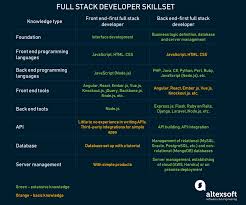
  • HTML, CSS, JavaScript for front-end development
  • Server-side languages like Node.js, Python, or Ruby for back-end development
  • Databases such as MySQL or MongoDB
  • Version control systems like Git
  • Frameworks like React, Angular, or Vue.js

In Conclusion

Full stack software development offers numerous advantages in terms of efficiency, flexibility, and cost-effectiveness. By mastering both front-end and back-end technologies, full stack developers play a crucial role in creating robust and dynamic applications that meet the demands of today’s digital landscape.


9 Essential Tips for Excelling in Full Stack Software Development

  1. Understand both front-end and back-end technologies
  2. Practice building projects that integrate both sides of the stack
  3. Stay updated with the latest trends and technologies in full stack development
  4. Learn to work with databases and server-side languages for back-end development
  5. Improve your problem-solving skills to tackle complex issues in full stack development
  6. Collaborate with other developers to gain different perspectives and insights
  7. Master version control systems like Git for efficient collaboration and code management
  8. Focus on creating responsive and user-friendly interfaces for front-end development
  9. Strive for continuous learning and improvement to stay competitive in the field

Understand both front-end and back-end technologies

Understanding both front-end and back-end technologies is essential for full stack software developers. By having proficiency in areas such as HTML, CSS, JavaScript for front-end development, and server-side languages like Node.js or Python for back-end development, developers can create cohesive and efficient applications. This comprehensive knowledge allows them to bridge the gap between the user interface and the server-side logic, resulting in well-rounded solutions that meet both user experience and functionality requirements.

Practice building projects that integrate both sides of the stack

To enhance your skills in full stack software development, it is highly beneficial to practice building projects that seamlessly integrate both the front-end and back-end components of the stack. By working on projects that involve the complete software development cycle, you can gain a deeper understanding of how different technologies interact and collaborate to create functional applications. This hands-on experience not only sharpens your technical proficiency but also hones your problem-solving abilities in real-world scenarios, making you a more versatile and competent full stack developer.

Staying updated with the latest trends and technologies in full stack development is crucial for any aspiring or seasoned full stack developer. By keeping abreast of new tools, frameworks, and best practices, developers can enhance their skills, stay competitive in the job market, and deliver innovative solutions to clients. Continuous learning and adaptation to emerging technologies ensure that full stack developers remain versatile and well-equipped to tackle the ever-changing landscape of software development effectively.

Learn to work with databases and server-side languages for back-end development

Understanding how to work with databases and server-side languages is a crucial aspect of mastering full stack software development. Proficiency in these areas enables developers to create dynamic and interactive applications that can store and retrieve data efficiently. By gaining expertise in back-end technologies, such as databases like MySQL or server-side languages like Node.js, developers can build robust systems that power the functionality of their applications seamlessly.

Improve your problem-solving skills to tackle complex issues in full stack development

Improving your problem-solving skills is essential for tackling complex issues in full stack development. As a full stack developer, you will encounter various challenges that require creative and efficient solutions. By honing your problem-solving abilities, you can approach issues systematically, analyze them effectively, and come up with innovative ways to address them. Strong problem-solving skills not only enhance your technical proficiency but also enable you to navigate the complexities of full stack development with confidence and expertise.

Collaborate with other developers to gain different perspectives and insights

Collaborating with other developers is a valuable tip in full stack software development. By working with peers who bring diverse perspectives and insights to the table, you can enhance your problem-solving abilities, learn new techniques, and discover innovative approaches to building applications. This collaborative environment fosters creativity and encourages continuous learning, ultimately leading to the development of more robust and efficient software solutions.

Master version control systems like Git for efficient collaboration and code management

To excel in full stack software development, mastering version control systems like Git is essential for efficient collaboration and code management. Git allows developers to track changes, collaborate seamlessly with team members, and manage code versions effectively. By understanding Git’s functionalities and best practices, full stack developers can ensure smooth workflow, easy project integration, and streamlined development processes.

Focus on creating responsive and user-friendly interfaces for front-end development

When working on full stack software development, it is crucial to prioritize the creation of responsive and user-friendly interfaces for front-end development. By focusing on designing interfaces that adapt seamlessly to different devices and screen sizes, developers can enhance the user experience and ensure accessibility across various platforms. A user-friendly interface not only improves usability but also contributes to higher user engagement and satisfaction, ultimately leading to the success of the application or website.

Strive for continuous learning and improvement to stay competitive in the field

To stay competitive in the field of full stack software development, it is crucial to strive for continuous learning and improvement. Technology is constantly evolving, and by staying updated with the latest trends, tools, and techniques, developers can enhance their skills and adapt to changing industry demands. Embracing a mindset of lifelong learning not only keeps developers relevant but also empowers them to deliver innovative solutions that meet the ever-growing needs of the digital landscape.

freelance software

Unlocking the Potential of Freelance Software Development

The World of Freelance Software Development

The World of Freelance Software Development

In today’s digital age, freelance software development has become a popular choice for both developers and businesses. Freelancers offer flexibility, specialized skills, and cost-effectiveness that traditional employment models may not provide.

Freelance software developers are independent professionals who work on a project basis for various clients. They have the freedom to choose their projects, set their rates, and work remotely from anywhere in the world.

Benefits of Hiring Freelance Software Developers:

  • Flexibility: Businesses can hire freelancers for short-term projects or ongoing support without the commitment of a full-time employee.
  • Specialized Skills: Freelancers often have expertise in niche areas of software development, allowing businesses to access specialized knowledge they may not have in-house.
  • Cost-Effectiveness: Hiring freelancers can be more cost-effective than maintaining a full-time team, as businesses only pay for the work completed on a project-by-project basis.
  • Global Talent Pool: Businesses can tap into a global talent pool by hiring freelance developers from different countries with diverse backgrounds and experiences.
  • Rapid Scaling: Freelancers can help businesses scale their development resources up or down quickly based on project requirements.

Challenges of Freelance Software Development:

While freelance software development offers many benefits, there are also challenges to consider:

  • Communication: Remote communication can sometimes be challenging, leading to misunderstandings or delays in project delivery.
  • Quality Control: Ensuring consistent quality across multiple freelancers working on different aspects of a project can be a concern for some businesses.
  • Project Management: Coordinating tasks and timelines among multiple freelancers requires effective project management skills to ensure smooth collaboration.
  • Data Security: Protecting sensitive data when working with external freelancers requires robust security measures and confidentiality agreements.

In conclusion, freelance software development offers a wealth of opportunities for both developers seeking independence and businesses looking for flexible solutions. By understanding the benefits and challenges associated with freelance work, stakeholders can make informed decisions that lead to successful collaborations in the dynamic world of software development.


7 Benefits of Freelance Software Work: Flexibility, Independence, and Enhanced Earnings

  1. Flexibility in choosing projects and working hours
  2. Ability to set your own rates and negotiate with clients
  3. Opportunity to work with diverse clients from around the world
  4. Independence and autonomy in managing your workload
  5. Potential for higher earnings compared to traditional employment
  6. Enhanced skill development through exposure to varied projects
  7. Work-life balance by creating a schedule that suits your lifestyle


Overcoming Freelance Software Hurdles: Communication, Quality Control, and Project Management Challenges

  1. Communication challenges due to remote work
  2. Quality control issues with multiple freelancers working on different aspects of a project
  3. Difficulty in project management and coordination among freelancers

Flexibility in choosing projects and working hours

One of the key advantages of freelance software development is the unparalleled flexibility it offers in selecting projects and determining working hours. Freelancers have the autonomy to choose projects that align with their interests, expertise, and schedule preferences. This freedom empowers them to create a work-life balance that suits their individual needs, leading to increased job satisfaction and productivity. Additionally, clients benefit from this flexibility as they can engage with freelancers who are fully committed and motivated to deliver high-quality results on their own terms.

Ability to set your own rates and negotiate with clients

The ability to set your own rates and negotiate with clients is a significant advantage of freelance software development. Freelancers have the flexibility to determine their worth based on their skills, experience, and the complexity of the project. This autonomy empowers freelancers to establish fair pricing that reflects the value they bring to clients, leading to more transparent and mutually beneficial negotiations. By setting competitive rates and engaging in constructive discussions with clients, freelancers can build strong professional relationships while ensuring they are appropriately compensated for their expertise and services.

Opportunity to work with diverse clients from around the world

One significant advantage of freelance software development is the opportunity it provides to work with diverse clients from around the world. Freelancers have the chance to collaborate with individuals and businesses across different cultures, industries, and geographical locations. This exposure not only broadens their professional network but also allows them to gain valuable insights, perspectives, and experiences that can enhance their skills and creativity. Working with diverse clients fosters a dynamic and enriching work environment, promoting continuous learning and growth in the ever-evolving field of software development.

Independence and autonomy in managing your workload

Independence and autonomy in managing your workload are significant advantages of freelance software development. As a freelance developer, you have the freedom to choose the projects that align with your interests and expertise, set your own schedule, and determine how you allocate your time and resources. This level of control allows you to maintain a healthy work-life balance, take on projects that inspire you, and tailor your workload to suit your personal preferences and professional goals. Ultimately, the independence and autonomy inherent in freelance software work empower you to create a fulfilling and sustainable career path that aligns with your unique strengths and aspirations.

Potential for higher earnings compared to traditional employment

Freelance software developers have the potential for higher earnings compared to traditional employment due to their ability to set their own rates, take on multiple projects simultaneously, and cater to a global client base. By leveraging their specialized skills and expertise, freelancers can command competitive rates for their services, leading to increased income opportunities. Additionally, freelancers have the flexibility to negotiate project fees based on the complexity and scope of work, allowing them to maximize their earning potential in a way that may not be possible in a traditional employment setting.

Enhanced skill development through exposure to varied projects

Freelance software developers benefit from enhanced skill development through exposure to varied projects. Working on diverse assignments for different clients allows freelancers to expand their expertise, adapt to new technologies, and solve unique challenges. This exposure not only broadens their skill set but also fosters creativity and innovation as they navigate a range of project requirements. By engaging in a variety of projects, freelance developers continuously refine their abilities, stay current with industry trends, and cultivate a versatile skill set that sets them apart in the competitive software development landscape.

Work-life balance by creating a schedule that suits your lifestyle

Freelance software development allows professionals to achieve better work-life balance by creating a schedule that aligns with their lifestyle. Unlike traditional office jobs with fixed hours, freelancers have the flexibility to choose when and where they work. This freedom enables them to prioritize personal commitments, hobbies, and downtime while still meeting project deadlines. By tailoring their work schedule to suit their individual needs, freelance software developers can strike a harmonious balance between work responsibilities and personal well-being, leading to increased productivity and job satisfaction.

Communication challenges due to remote work

Communication challenges due to remote work can be a significant drawback of freelance software development. Without the benefit of face-to-face interaction, misunderstandings can arise more easily, leading to delays in project progress and potential misalignment of expectations between freelancers and clients. Clear and effective communication becomes crucial in overcoming this con, requiring both parties to utilize various digital tools and establish structured communication channels to ensure smooth collaboration and project success.

Quality control issues with multiple freelancers working on different aspects of a project

Quality control can be a significant challenge in freelance software development when multiple freelancers are working on different aspects of a project. Ensuring consistency in coding standards, design elements, and overall project quality becomes complex when each freelancer brings their unique style and approach to the table. Coordinating efforts to maintain a cohesive end product requires meticulous oversight and clear communication among team members to address any discrepancies and uphold the desired quality standards throughout the project lifecycle.

Difficulty in project management and coordination among freelancers

One significant challenge of freelance software development is the difficulty in project management and coordination among freelancers. When multiple freelancers are involved in a project, ensuring seamless collaboration, aligning tasks and timelines, and maintaining consistent communication can be complex. Coordinating the efforts of freelancers who work remotely and have varying schedules and priorities requires strong project management skills and effective communication strategies to overcome potential obstacles and ensure the successful delivery of projects within deadlines.

sdlc waterfall

The Evolution of Software Development: Navigating the SDLC Waterfall Model

Understanding the SDLC Waterfall Model

Understanding the SDLC Waterfall Model

The Software Development Life Cycle (SDLC) is a process used by software development teams to design, develop, and test high-quality software products. One of the traditional models of SDLC is the Waterfall model.

What is the Waterfall Model?

In the Waterfall model, the software development process is divided into sequential phases that flow downwards like a waterfall. Each phase must be completed before moving on to the next one, and there is no turning back once a phase is finished.

Phases of the Waterfall Model:

  1. Requirements Gathering: In this phase, project requirements are collected from stakeholders.
  2. System Design: The system architecture and design are planned based on gathered requirements.
  3. Implementation: The actual coding and programming of the software take place in this phase.
  4. Testing: The developed software is tested for bugs and errors.
  5. Maintenance: Once testing is successful, the software is deployed, maintained, and updated as needed.

Advantages of the Waterfall Model:

  • Simplicity: The sequential nature of the model makes it easy to understand and manage.
  • Certainty: Each phase has specific deliverables and criteria for completion, providing clarity on project progress.
  • Ease of Documentation: Documentation can be created at each stage, ensuring traceability and accountability.

Disadvantages of the Waterfall Model:

  • Rigidity: Lack of flexibility can lead to difficulties in accommodating changes late in the development process.
  • No Early Prototyping: Stakeholders may not see a working product until late in the cycle, risking misalignment with expectations.
  • Risk Management: Identifying risks early may be challenging due to limited feedback until later stages.

In conclusion, while the Waterfall model offers structure and clarity in software development projects, its rigidity can pose challenges when requirements change or evolve. It remains a valuable approach for projects with well-defined and stable requirements where predictability is crucial.


5 Essential Tips for Effectively Implementing the Waterfall SDLC Model

  1. Clearly define and document requirements at the beginning of the project.
  2. Follow a sequential approach with distinct phases such as planning, design, implementation, testing, and maintenance.
  3. Ensure thorough testing at each stage to catch defects early in the process.
  4. Obtain customer feedback at key milestones to validate progress and requirements.
  5. Document all aspects of the project thoroughly for future reference and maintenance.

Clearly define and document requirements at the beginning of the project.

Clear and thorough definition and documentation of project requirements at the outset of a software development project is crucial in the Waterfall model of the Software Development Life Cycle (SDLC). By clearly outlining the scope, functionalities, and objectives of the project from the start, stakeholders can ensure alignment and understanding among all team members. This practice helps minimize misunderstandings, reduce rework, and establish a solid foundation for subsequent phases of development. Additionally, well-defined requirements serve as a reference point throughout the project, guiding decision-making and ensuring that the final product meets expectations effectively.

Follow a sequential approach with distinct phases such as planning, design, implementation, testing, and maintenance.

To effectively implement the Waterfall model in the Software Development Life Cycle (SDLC), it is essential to adhere to a sequential approach comprising distinct phases. Beginning with meticulous planning, followed by detailed design, precise implementation, thorough testing, and ongoing maintenance, each phase plays a crucial role in ensuring the success of the project. By following this structured sequence of activities, teams can maintain clarity, accountability, and progress tracking throughout the development process, ultimately leading to the delivery of high-quality software products.

Ensure thorough testing at each stage to catch defects early in the process.

To optimize the Software Development Life Cycle (SDLC) Waterfall model, it is crucial to emphasize thorough testing at every stage of the process. By conducting comprehensive testing throughout each phase, teams can identify and rectify defects early on, preventing them from escalating into more significant issues later in the development cycle. This proactive approach not only ensures a higher quality end product but also contributes to smoother project progression and timely delivery.

Obtain customer feedback at key milestones to validate progress and requirements.

Obtaining customer feedback at key milestones in the SDLC Waterfall model is crucial to validate progress and ensure that the project aligns with customer requirements. By involving customers throughout the development process, teams can address any discrepancies early on, leading to a product that meets or exceeds expectations. This feedback loop not only validates the work done so far but also provides valuable insights for making necessary adjustments and improvements, ultimately enhancing the overall quality of the final product.

Document all aspects of the project thoroughly for future reference and maintenance.

It is essential to document all aspects of the project thoroughly during the Software Development Life Cycle (SDLC) Waterfall model to ensure future reference and maintenance. Comprehensive documentation helps in understanding the project’s requirements, design, implementation details, and testing procedures. It serves as a valuable resource for developers, testers, and maintenance teams when addressing issues, making updates, or adding new features to the software. Proper documentation enhances project transparency, facilitates knowledge transfer among team members, and contributes to the overall success and efficiency of the software development process.

secure sdlc

Enhancing Software Security with a Secure SDLC Approach

The Importance of Secure Software Development Life Cycle (SDLC)

The Importance of Secure Software Development Life Cycle (SDLC)

Secure Software Development Life Cycle (SDLC) is a crucial process that ensures security is integrated into every phase of software development. By implementing security measures from the initial planning stages to deployment and maintenance, organizations can significantly reduce the risk of vulnerabilities and cyber attacks.

Key Phases of Secure SDLC:

  1. Planning: In this phase, security requirements are identified, and a security strategy is developed to align with business objectives.
  2. Design: Security architecture and design principles are incorporated into the software design to prevent potential security flaws.
  3. Implementation: Developers write secure code following coding guidelines and best practices to minimize vulnerabilities.
  4. Testing: Security testing is conducted to identify and address any weaknesses or vulnerabilities in the software before it goes live.
  5. Deployment: Secure deployment practices are followed to ensure that the software is securely configured in its operational environment.
  6. Maintenance: Regular maintenance includes patching vulnerabilities, updating security measures, and monitoring for any new threats.

The Benefits of Secure SDLC:

  • Risk Mitigation: By integrating security throughout the development process, organizations can proactively identify and mitigate risks before they become major issues.
  • Data Protection: Secure SDLC helps safeguard sensitive data from unauthorized access or breaches, enhancing data protection measures.
  • Compliance: Following secure SDLC practices ensures compliance with industry regulations and standards related to data privacy and security.
  • Cybersecurity Resilience: Building secure software enhances an organization’s cybersecurity posture, making it more resilient against cyber threats and attacks.

In conclusion, adopting a Secure Software Development Life Cycle is essential for organizations looking to develop robust and secure software applications. By prioritizing security at every stage of the development process, businesses can protect their assets, maintain customer trust, and stay ahead in an increasingly digital world.


Understanding Secure SDLC: Key Concepts and Stages Explained

  1. What is a secure development life cycle?
  2. What is secure coding practices in SDLC?
  3. What is the proper way to secure your SDLC?
  4. What is a secure SDLC?
  5. What are the 5 phases of SDLC?
  6. What are the 5 phases of the security life cycle?
  7. What are the 7 stages of an SDLC?

What is a secure development life cycle?

A Secure Development Life Cycle (SDLC) refers to a structured approach to integrating security measures into every phase of the software development process. It involves identifying and addressing security requirements from the initial planning stages through deployment and maintenance. By following a secure SDLC, organizations can proactively prevent vulnerabilities, reduce the risk of cyber attacks, and ensure that software applications are developed with security in mind. This comprehensive approach helps build trust with users, protect sensitive data, and maintain compliance with industry regulations and standards related to cybersecurity.

What is secure coding practices in SDLC?

Secure coding practices in SDLC refer to the set of guidelines, best practices, and techniques that developers follow to write code that is resilient to security threats and vulnerabilities. By incorporating secure coding practices throughout the software development life cycle, developers can minimize the risk of introducing security flaws into the codebase. These practices include input validation, output encoding, proper error handling, secure authentication mechanisms, data encryption, and adherence to coding standards. Implementing secure coding practices not only helps in building more secure software but also contributes to overall risk reduction and enhances the resilience of applications against cyber attacks.

What is the proper way to secure your SDLC?

Securing your Software Development Life Cycle (SDLC) involves following a structured approach that integrates security practices throughout the entire development process. The proper way to secure your SDLC includes implementing security measures at each phase, such as planning, design, implementation, testing, deployment, and maintenance. This entails identifying and addressing security requirements early on, incorporating secure coding practices, conducting thorough security testing, deploying software in a secure manner, and regularly maintaining and updating security measures. By adopting a comprehensive and proactive approach to security within the SDLC, organizations can effectively mitigate risks, protect sensitive data, ensure compliance with regulations, and enhance their overall cybersecurity resilience.

What is a secure SDLC?

A Secure Software Development Life Cycle (SDLC) is a systematic approach to integrating security measures and practices into every phase of the software development process. It ensures that security considerations are addressed from the initial planning stages through deployment and maintenance. By following a secure SDLC, organizations can identify and mitigate potential vulnerabilities early on, reducing the risk of security breaches and cyber attacks. This proactive approach helps build secure software applications that protect sensitive data, comply with industry regulations, and enhance overall cybersecurity resilience.

What are the 5 phases of SDLC?

The Software Development Life Cycle (SDLC) comprises five key phases: Planning, Design, Implementation, Testing, and Deployment. In the Planning phase, project requirements are gathered and a roadmap for development is outlined. The Design phase involves creating the architecture and technical specifications of the software. Implementation is where the actual coding takes place based on the design specifications. Testing is crucial for identifying and fixing any issues or bugs in the software before it is deployed. Finally, Deployment involves releasing the software to users after ensuring that it meets all quality standards and security requirements. These five phases form a structured approach to developing software that ensures efficiency, quality, and security throughout the development process.

What are the 5 phases of the security life cycle?

The five essential phases of the security life cycle, commonly known as Secure Software Development Life Cycle (SDLC), are planning, design, implementation, testing, and deployment. In the planning phase, security requirements are identified and a strategic approach is devised to align security measures with business objectives. The design phase involves integrating security architecture and principles into the software design to prevent potential vulnerabilities. During implementation, developers write secure code following best practices to minimize security risks. Testing is crucial for identifying and addressing any weaknesses before deployment, where secure configurations are ensured in the operational environment. Lastly, maintenance includes regular updates and monitoring to address new threats effectively throughout the software’s lifecycle.

What are the 7 stages of an SDLC?

The Secure Software Development Life Cycle (SDLC) consists of seven key stages that are integral to ensuring the security and integrity of software applications. These stages include planning, design, implementation, testing, deployment, maintenance, and monitoring. Each stage plays a crucial role in incorporating security measures into the software development process, from defining security requirements in the planning phase to continuously monitoring and updating security protocols in the maintenance phase. By following these seven stages diligently, organizations can build secure and resilient software that mitigates risks and protects against potential cyber threats.

senior software engineer

Unlocking Success: The Journey of a Senior Software Engineer

Article: Senior Software Engineer

The Role of a Senior Software Engineer in Today’s Tech Industry

In the fast-paced world of technology, senior software engineers play a crucial role in driving innovation and development. These experienced professionals are responsible for designing, developing, and maintaining complex software systems that power our digital world.

Key Responsibilities

A senior software engineer is typically involved in:

  • Architecting and implementing software solutions
  • Leading and mentoring junior team members
  • Collaborating with cross-functional teams
  • Ensuring code quality and performance
  • Staying updated on industry trends and best practices

Skills and Qualifications

To excel in this role, senior software engineers need a combination of technical expertise and soft skills. Some key qualifications include:

  • Proficiency in programming languages such as Java, Python, or C++
  • Experience with software development methodologies like Agile or Scrum
  • Strong problem-solving abilities and attention to detail
  • Excellent communication and teamwork skills
  • A continuous learning mindset to adapt to evolving technologies

Career Growth Opportunities

Senior software engineers often have the opportunity to advance into leadership roles such as tech lead, engineering manager, or chief technology officer. With experience and expertise, they can shape the direction of projects, mentor others, and contribute to strategic decision-making within organizations.

Conclusion

In conclusion, senior software engineers are vital assets in the tech industry, driving innovation and pushing boundaries to create cutting-edge solutions. Their technical prowess combined with leadership skills makes them invaluable contributors to the success of any software development team.

© 2023 All rights reserved | YourTechCompany.com


9 Essential Tips for Excelling as a Senior Software Engineer

  1. Stay updated with the latest technologies and trends in the industry.
  2. Focus on continuous learning and skill development to stay competitive.
  3. Practice good coding habits and adhere to best practices for software development.
  4. Communicate effectively with team members, stakeholders, and clients.
  5. Take ownership of projects and deliver high-quality work within deadlines.
  6. Collaborate with others to solve complex problems and share knowledge with colleagues.
  7. Stay organized by using project management tools and staying on top of tasks.
  8. Seek feedback from peers and mentors to improve your skills and grow professionally.
  9. Maintain a healthy work-life balance to prevent burnout and sustain long-term productivity.

It is essential for senior software engineers to stay updated with the latest technologies and trends in the industry. By keeping abreast of advancements, tools, and best practices, they can enhance their skills, remain competitive in the job market, and contribute effectively to innovative projects. Continuous learning and adaptation to new technologies not only benefit the individual engineer but also play a significant role in driving progress and success within the ever-evolving landscape of software development.

Focus on continuous learning and skill development to stay competitive.

To thrive as a senior software engineer in today’s rapidly evolving tech landscape, it is crucial to prioritize continuous learning and skill development. By staying abreast of the latest technologies, trends, and best practices, senior software engineers can enhance their expertise and remain competitive in the industry. Embracing a mindset of lifelong learning not only broadens one’s knowledge but also fosters adaptability and innovation, enabling professionals to tackle complex challenges with confidence and excel in their roles.

Practice good coding habits and adhere to best practices for software development.

To excel as a senior software engineer, it is essential to practice good coding habits and adhere to best practices for software development. By following established coding standards, maintaining clean and well-documented code, and regularly reviewing and optimizing codebase, senior software engineers can ensure the reliability, scalability, and maintainability of their software systems. Embracing best practices not only enhances the quality of the code but also fosters collaboration within the development team and contributes to efficient project delivery.

Communicate effectively with team members, stakeholders, and clients.

Effective communication is a cornerstone of success for senior software engineers. By fostering clear and open communication channels with team members, stakeholders, and clients, senior software engineers can ensure that everyone is aligned on project goals, timelines, and expectations. This not only helps in building strong relationships within the team but also enhances collaboration and productivity. Additionally, transparent communication allows for timely feedback, problem-solving, and the ability to address any concerns proactively, ultimately leading to successful project outcomes.

Take ownership of projects and deliver high-quality work within deadlines.

To excel as a senior software engineer, it is crucial to take ownership of projects and consistently deliver high-quality work within set deadlines. By assuming responsibility for the tasks at hand and ensuring that the work meets or exceeds expectations, senior software engineers not only showcase their expertise but also demonstrate their commitment to driving successful project outcomes. This proactive approach not only instills confidence in team members and stakeholders but also contributes to a culture of excellence and accountability within the software development process.

Collaborate with others to solve complex problems and share knowledge with colleagues.

Collaboration is a cornerstone of success for senior software engineers. By working together with colleagues to tackle intricate challenges and sharing their expertise and insights, these professionals not only enhance the quality of solutions but also foster a culture of continuous learning within their teams. Through effective collaboration, senior software engineers leverage collective intelligence to overcome complexity, drive innovation, and achieve shared goals, ultimately contributing to the overall success of the projects they are involved in.

Stay organized by using project management tools and staying on top of tasks.

To excel as a senior software engineer, it is crucial to stay organized by utilizing project management tools and diligently staying on top of tasks. By effectively managing projects through tools like Jira, Trello, or Asana, senior software engineers can streamline workflows, track progress, and ensure timely delivery of high-quality software solutions. This proactive approach not only enhances productivity but also fosters collaboration within the team and helps in meeting project milestones efficiently.

Seek feedback from peers and mentors to improve your skills and grow professionally.

Seeking feedback from peers and mentors is a valuable practice for senior software engineers looking to enhance their skills and advance professionally. Constructive feedback provides insights into areas of improvement, helps identify blind spots, and offers guidance on how to further develop expertise. By actively seeking feedback, senior software engineers can foster a culture of continuous learning, adaptability, and growth, ultimately positioning themselves for greater success in the dynamic tech industry.

Maintain a healthy work-life balance to prevent burnout and sustain long-term productivity.

Maintaining a healthy work-life balance is essential for senior software engineers to prevent burnout and sustain long-term productivity. In the fast-paced and demanding tech industry, it’s easy to get consumed by work, leading to increased stress levels and decreased job satisfaction. By setting boundaries, taking regular breaks, and prioritizing self-care, senior software engineers can recharge both physically and mentally, enabling them to perform at their best while avoiding burnout. A balanced approach not only benefits the individual’s well-being but also contributes to sustained productivity and creativity in the long run.

component based software engineering

Exploring the Power of Component-Based Software Engineering

Component-Based Software Engineering

Component-Based Software Engineering

Component-based software engineering (CBSE) is a software development approach that emphasizes the construction of systems from pre-built software components. These components are independent, reusable modules that can be assembled together to create complex applications.

Key Concepts of CBSE

In CBSE, software systems are decomposed into manageable and reusable components. These components encapsulate certain functionalities and can interact with each other through well-defined interfaces. Some key concepts of CBSE include:

  • Reusability: Components are designed to be reusable across multiple projects, saving time and effort in development.
  • Interoperability: Components can communicate with each other using standard interfaces, enabling seamless integration within a system.
  • Composability: Components can be easily combined or composed to create larger systems without affecting their individual functionalities.
  • Maintainability: Changes or updates to a component do not impact other parts of the system, making maintenance easier and more efficient.

Benefits of CBSE

The adoption of CBSE offers several benefits to software development teams and organizations, including:

  • Increased Productivity: Reusing existing components reduces development time and costs, leading to faster delivery of software products.
  • Better Quality: Components are tested and validated independently, improving overall system reliability and reducing the risk of errors.
  • Scalability: Systems built using components can easily scale by adding or replacing components as needed without redesigning the entire system.
  • Faster Time-to-Market: By leveraging pre-built components, developers can focus on integrating functionalities rather than building everything from scratch, accelerating product deployment.

Challenges in CBSE

While CBSE offers numerous advantages, it also presents some challenges that developers need to address, such as:

  • Component Selection: Choosing the right components that meet project requirements and quality standards can be a complex task.
  • Compatibility Issues: Ensuring that different components work together seamlessly without conflicts or dependencies requires careful planning and testing.
  • Maintenance Complexity: Managing a large number of components over their lifecycle may introduce complexities in version control and updates.


Understanding Component-Based Software Engineering: Key Concepts, Benefits, and Challenges

  1. What is component-based software engineering (CBSE)?
  2. What are the key concepts of CBSE?
  3. How does reusability play a role in CBSE?
  4. What are the benefits of adopting CBSE in software development?
  5. What challenges are associated with implementing CBSE?
  6. How does interoperability contribute to the success of CBSE?
  7. Can you provide examples of successful applications built using CBSE principles?

What is component-based software engineering (CBSE)?

Component-Based Software Engineering (CBSE) is an approach to software development that involves building systems from reusable and independent software components. These components encapsulate specific functionalities and can be easily integrated to create complex applications. By promoting reusability, interoperability, and maintainability, CBSE aims to streamline the development process, enhance system reliability, and facilitate the creation of scalable software solutions. In essence, CBSE allows developers to leverage pre-built components to expedite project delivery, improve software quality, and adapt to changing requirements more efficiently.

What are the key concepts of CBSE?

One of the frequently asked questions about Component-Based Software Engineering (CBSE) revolves around its key concepts. In CBSE, the fundamental concepts include reusability, interoperability, composability, and maintainability. These concepts highlight the core principles of building software systems using independent and reusable components that can seamlessly interact with each other through well-defined interfaces. By understanding and implementing these key concepts effectively, developers can create robust and scalable software solutions while streamlining the development process and improving overall system quality.

How does reusability play a role in CBSE?

Reusability plays a crucial role in Component-Based Software Engineering (CBSE) by promoting efficiency and productivity in software development. In CBSE, components are designed to be reusable across multiple projects, allowing developers to leverage existing solutions rather than reinventing the wheel for each new application. This reusability not only saves time and effort but also enhances the quality of software products by incorporating tested and validated components. By fostering a culture of reusability, CBSE enables developers to build systems more rapidly, reduce development costs, and maintain consistency and reliability across different projects.

What are the benefits of adopting CBSE in software development?

Adopting Component-Based Software Engineering (CBSE) in software development offers a multitude of benefits to organizations and development teams. One key advantage is the increased productivity gained from reusing existing components, which significantly reduces development time and costs, leading to faster delivery of software products. Additionally, the use of pre-built components enhances the overall quality of the system as each component is tested and validated independently, resulting in improved reliability and a decreased risk of errors. CBSE also enables scalability by allowing systems to easily expand or adapt by adding or replacing components without requiring a complete redesign. Furthermore, leveraging CBSE accelerates time-to-market as developers can focus on integrating functionalities rather than building everything from scratch, ultimately speeding up product deployment and enhancing competitiveness in the market.

What challenges are associated with implementing CBSE?

Implementing Component-Based Software Engineering (CBSE) comes with various challenges that software development teams need to address. One significant challenge is selecting the right components that align with project requirements and quality standards. Ensuring compatibility among different components to work seamlessly without conflicts or dependencies is another crucial aspect that requires meticulous planning and thorough testing. Additionally, managing a large number of components throughout their lifecycle can introduce complexities in version control and updates, making maintenance a critical consideration in CBSE implementation. Overcoming these challenges through careful assessment, strategic planning, and effective communication among team members can lead to successful CBSE adoption and the realization of its benefits in software development projects.

How does interoperability contribute to the success of CBSE?

Interoperability plays a crucial role in the success of Component-Based Software Engineering (CBSE) by enabling seamless communication and interaction between individual components within a software system. When components are designed to be interoperable, they can effectively exchange data and services through standardized interfaces, allowing for easy integration and collaboration. This interoperability ensures that components from different sources can work together harmoniously, promoting reusability and flexibility in system development. By facilitating smooth interactions between components, interoperability enhances the scalability, maintainability, and overall quality of CBSE applications, ultimately contributing to the efficiency and success of software projects built using a component-based approach.

Can you provide examples of successful applications built using CBSE principles?

Certainly! Many successful applications have been built using Component-Based Software Engineering (CBSE) principles. One notable example is the Microsoft Office suite, which comprises components like Word, Excel, and PowerPoint that can be integrated seamlessly to provide a comprehensive office productivity solution. Another example is the Apache Struts framework, a web application framework that allows developers to build scalable and maintainable web applications by leveraging reusable components. These applications demonstrate the effectiveness of CBSE in creating robust, modular software systems that meet diverse user needs efficiently.

sdlc

Mastering the Software Development Life Cycle (SDLC): A Comprehensive Guide

Understanding the Software Development Life Cycle (SDLC)

Understanding the Software Development Life Cycle (SDLC)

The Software Development Life Cycle (SDLC) is a structured process that defines the steps involved in developing software applications. It encompasses everything from initial planning to deployment and maintenance of the software. Understanding the SDLC is crucial for ensuring successful and efficient software development projects.

Phases of the SDLC

The SDLC typically consists of several phases, each with its own set of activities and deliverables:

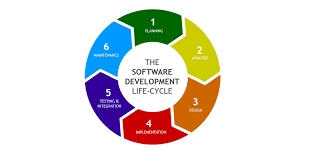
  1. Planning: This phase involves defining project scope, requirements gathering, feasibility analysis, and creating a project plan.
  2. Analysis: In this phase, detailed requirements are documented, analyzed, and validated to ensure they align with business objectives.
  3. Design: The design phase focuses on creating a blueprint for the software solution, including architecture design, database design, UI/UX design, and more.
  4. Development: During this phase, developers write code based on the design specifications. Testing is also conducted to identify and fix any defects.
  5. Testing: Quality assurance professionals perform various tests to ensure that the software meets all requirements and functions as expected.
  6. Deployment: Once testing is complete and the software is approved for release, it is deployed to production environments for end-users to access.
  7. Maintenance: The maintenance phase involves ongoing support, bug fixes, updates, and enhancements to ensure the software remains functional and up-to-date.

Importance of SDLC

The SDLC provides a systematic approach to software development that helps organizations manage resources effectively, reduce risks, improve communication among team members, and deliver high-quality products on time and within budget. By following a structured SDLC process, organizations can increase efficiency and minimize errors throughout the development lifecycle.

In conclusion, understanding the Software Development Life Cycle (SDLC) is essential for anyone involved in software development projects. By following a well-defined SDLC process tailored to specific project needs, organizations can achieve successful outcomes and deliver value to their stakeholders.


Understanding SDLC: Key Phases, Models, and Methodologies Explained

  1. What is SDLC and its 6 phases?
  2. What is meant by SDLC?
  3. What is SDLC with an example?
  4. What are the 7 stages of SDLC?
  5. What are the 7 models of SDLC?
  6. What are the five 5 phases of SDLC?
  7. What are the 8 phases of SDLC?
  8. Is SDLC waterfall or Agile?

What is SDLC and its 6 phases?

The Software Development Life Cycle (SDLC) is a structured process that outlines the steps involved in creating software applications. It consists of six key phases: Planning, Analysis, Design, Development, Testing, Deployment, and Maintenance. In the Planning phase, project scope and requirements are defined. The Analysis phase involves detailed requirement gathering and validation. Design focuses on creating a blueprint for the software solution. Development entails coding and testing for defects. Testing ensures quality and functionality. Deployment involves releasing the software to production environments. Maintenance includes ongoing support and updates to keep the software current and operational. Understanding these six phases of the SDLC is essential for successful software development projects.

What is meant by SDLC?

The Software Development Life Cycle (SDLC) refers to a structured process that outlines the stages involved in developing software applications, from inception to deployment and maintenance. SDLC encompasses planning, analysis, design, development, testing, deployment, and maintenance phases. It serves as a roadmap for software development projects, ensuring that they are well-organized, efficient, and aligned with business objectives. Understanding SDLC is crucial for software developers and project stakeholders to manage resources effectively, deliver high-quality products, and achieve project success within defined timelines and budgets.

What is SDLC with an example?

The Software Development Life Cycle (SDLC) is a structured process used by software development teams to plan, design, build, test, deploy, and maintain software applications. An example of the SDLC in action can be seen in the development of a mobile banking app. In this scenario, the planning phase involves defining the app’s features and functionalities, while the analysis phase focuses on gathering requirements such as user authentication and transaction processing. The design phase includes creating wireframes and UI designs for the app, followed by actual development where developers write code based on the design specifications. Testing ensures that the app functions correctly before deployment to app stores. Once deployed, ongoing maintenance and updates are essential to keep the app secure and up-to-date with changing user needs. This example illustrates how the SDLC guides software development projects from conception to completion with a systematic approach.

What are the 7 stages of SDLC?

The 7 stages of the Software Development Life Cycle (SDLC) represent a comprehensive framework that guides the development of software applications from inception to deployment and maintenance. These stages include planning, analysis, design, development, testing, deployment, and maintenance. Each stage plays a crucial role in ensuring that software projects are executed efficiently and effectively, meeting both technical requirements and business objectives. By following these structured stages, organizations can streamline their development processes, enhance collaboration among team members, and deliver high-quality software solutions that align with user needs and expectations.

What are the 7 models of SDLC?

One frequently asked question about the Software Development Life Cycle (SDLC) is regarding the different models that can be used in the development process. There are seven commonly recognized models of SDLC, each offering a unique approach to software development. These models include Waterfall, Agile, Iterative, Spiral, V-Shaped, Big Bang, and Prototype. Each model has its own set of characteristics, benefits, and drawbacks, allowing organizations to choose the most suitable model based on their project requirements and goals. Understanding these SDLC models is essential for project managers and development teams to select the right methodology that aligns with their project scope and objectives.

What are the five 5 phases of SDLC?

One frequently asked question about the Software Development Life Cycle (SDLC) is, “What are the five phases of SDLC?” The five key phases of SDLC are Planning, Analysis, Design, Development, Testing, Deployment, and Maintenance. Each phase plays a crucial role in the software development process, from defining project requirements and creating a design blueprint to coding, testing for quality assurance, deploying the software for use, and maintaining it post-deployment. Understanding and effectively navigating through these phases are essential for ensuring successful software development projects that meet business objectives and user needs.

What are the 8 phases of SDLC?

One frequently asked question regarding the Software Development Life Cycle (SDLC) is about the eight phases that constitute this structured process. The eight phases of SDLC are Planning, Analysis, Design, Development, Testing, Deployment, Maintenance, and Monitoring. Each phase plays a crucial role in the software development process, from defining project scope and requirements to ensuring the software remains functional and up-to-date post-deployment. Understanding and effectively navigating through these eight phases of SDLC is essential for organizations to successfully deliver high-quality software solutions that meet user requirements and business objectives.

Is SDLC waterfall or Agile?

The Software Development Life Cycle (SDLC) can be implemented using different methodologies, with two common approaches being the waterfall model and Agile methodology. The traditional waterfall model follows a linear sequential flow, where each phase of the SDLC is completed before moving on to the next. In contrast, Agile methodology emphasizes flexibility and iterative development, allowing for continuous feedback and adaptation throughout the software development process. While some projects may benefit from the structured approach of the waterfall model, others may find Agile more suitable for its adaptability to changing requirements and faster delivery of increments. Ultimately, whether SDLC is considered waterfall or Agile depends on the specific needs and preferences of the project stakeholders.

software engineer

Exploring the Role of a Software Engineer in Modern Technology

Article: Software Engineer

The Role of a Software Engineer in Today’s Tech Industry

In the fast-paced world of technology, software engineers play a crucial role in designing, developing, and maintaining the software applications that power our modern lives. These skilled professionals are responsible for creating innovative solutions to complex problems and ensuring that software systems function efficiently and effectively.

Key Responsibilities of a Software Engineer

Software engineers are involved in every stage of the software development process. From initial concept and design to implementation, testing, and maintenance, their responsibilities include:

  • Writing code in various programming languages
  • Collaborating with cross-functional teams to define requirements
  • Testing and debugging software applications
  • Implementing best practices for software development
  • Maintaining and updating existing software systems

Skills Required for Success

To excel as a software engineer, individuals need a combination of technical skills, problem-solving abilities, and strong communication skills. Some key skills required for success in this role include:

  • Proficiency in programming languages such as Java, C++, Python, or JavaScript
  • Understanding of data structures and algorithms
  • Knowledge of software development methodologies like Agile or Scrum
  • Ability to work collaboratively in a team environment
  • Continuous learning mindset to stay updated with evolving technologies

Career Opportunities for Software Engineers

The demand for skilled software engineers continues to grow across various industries, including technology, healthcare, finance, and more. With the ever-increasing reliance on digital solutions, software engineers can explore diverse career opportunities such as:

  • Software developer
  • Systems analyst
  • Data scientist
  • IT consultant
  • Cybersecurity specialist/liI

In Conclusion…

In conclusion, software engineers play a vital role in shaping the technological landscape we live in today. Their expertise and innovation drive progress and enable businesses and individuals to leverage cutting-edge solutions for a brighter future.

©2023 All rights reserved | YourWebsite.com


Understanding Software Engineering: Key Roles, Skills, and Career Paths

  1. What does a software engineer do?
  2. What skills are required to become a software engineer?
  3. How can I become a software engineer?
  4. What programming languages should a software engineer know?
  5. What is the average salary of a software engineer?
  6. What career opportunities are available for software engineers?

What does a software engineer do?

A software engineer is responsible for designing, developing, and maintaining software applications to meet specific requirements. They write code in various programming languages, collaborate with cross-functional teams to define project goals, test and debug software systems, and ensure that best practices are followed throughout the development process. Software engineers play a critical role in creating innovative solutions to complex problems and ensuring that software applications function efficiently and effectively to meet the needs of users.

What skills are required to become a software engineer?

To become a successful software engineer, a combination of technical skills and soft skills is essential. Proficiency in programming languages like Java, C++, Python, or JavaScript is crucial, along with a solid understanding of data structures and algorithms. Problem-solving abilities, attention to detail, and the capacity to work collaboratively in a team are also key attributes. Additionally, staying updated with the latest technologies and software development methodologies is vital for continuous growth and success in the dynamic field of software engineering.

How can I become a software engineer?

To become a software engineer, individuals typically follow a structured path that includes obtaining a relevant degree in computer science or a related field. Additionally, gaining practical experience through internships or personal projects can be beneficial in developing coding skills and understanding software development processes. Continuous learning and staying updated with the latest technologies are essential for aspiring software engineers to thrive in this dynamic field. Building a strong portfolio showcasing one’s projects and capabilities can also help in securing job opportunities as a software engineer.

What programming languages should a software engineer know?

Software engineers should have a strong foundation in programming languages to excel in their roles. While the specific languages may vary depending on the job requirements and industry trends, some commonly recommended programming languages for software engineers include Java, Python, C++, JavaScript, and SQL. These languages are versatile and widely used across different domains, making them valuable skills for software engineers to possess. Additionally, familiarity with frameworks and tools associated with these languages can further enhance a software engineer’s capabilities in developing robust and efficient software solutions.

What is the average salary of a software engineer?

The average salary of a software engineer can vary depending on factors such as location, experience, level of expertise, and the specific industry in which they work. In general, software engineers are well-compensated professionals due to their high demand and specialized skill set. According to recent data, the average salary for a software engineer in the United States ranges from $80,000 to $120,000 per year. However, this figure can be higher or lower based on individual circumstances and market conditions.

What career opportunities are available for software engineers?

Software engineers have a wide range of career opportunities available to them in today’s tech-driven world. They can pursue roles such as software developer, systems analyst, data scientist, IT consultant, and cybersecurity specialist. With the increasing demand for digital solutions across various industries, software engineers have the flexibility to explore diverse career paths that align with their interests and expertise. Whether working on developing cutting-edge applications, analyzing complex systems, harnessing data insights, or ensuring robust cybersecurity measures, software engineers play a crucial role in shaping the future of technology and driving innovation across different sectors.