cfchris.com

Loading

deepmind ai

Exploring the Cutting-Edge Innovations of DeepMind AI

DeepMind AI: Pioneering the Future of Artificial Intelligence

DeepMind AI: Pioneering the Future of Artificial Intelligence

DeepMind, a leading artificial intelligence company, has been at the forefront of AI research and development since its inception in 2010. Acquired by Google in 2014, DeepMind’s mission is to “solve intelligence and then use that to solve everything else.” With groundbreaking advancements and a commitment to ethical AI, DeepMind continues to push the boundaries of what artificial intelligence can achieve.

The Origins of DeepMind

Founded by Demis Hassabis, Shane Legg, and Mustafa Suleyman, DeepMind began with a simple yet ambitious goal: to create advanced AI systems capable of learning and problem-solving like humans. The company’s early work focused on developing algorithms that could learn from raw data without human intervention.

Key Achievements

DeepMind gained international recognition with several high-profile achievements:

  • AlphaGo: In 2016, DeepMind’s AlphaGo program defeated world champion Go player Lee Sedol in a historic match. This victory demonstrated the potential of AI to tackle complex tasks previously thought beyond its reach.
  • AlphaFold: In 2020, DeepMind’s AlphaFold made significant strides in predicting protein structures—a critical challenge in biology. This breakthrough has the potential to revolutionize drug discovery and disease understanding.
  • Muzero: Muzero is an advanced reinforcement learning algorithm capable of mastering games like chess, shogi, and Go without prior knowledge of their rules. This innovation marks a step towards more generalizable AI systems.

The Ethics of Artificial Intelligence

DeepMind is committed to ensuring that its technologies are developed responsibly. The company has established an ethics board and actively engages with experts across various fields to address potential societal impacts. Transparency and collaboration are key components of DeepMind’s approach to ethical AI development.

The Future of DeepMind

As DeepMind continues its research journey, it remains focused on creating AI systems that can assist in solving some of humanity’s most pressing challenges. From healthcare innovations to climate modeling, the potential applications for DeepMind’s technologies are vast and varied.

The future promises even more exciting developments as DeepMind works towards its vision of unlocking the full potential of artificial intelligence for the betterment of society.

Conclusion

DeepMind stands as a beacon in the world of artificial intelligence research. Its achievements not only showcase technological prowess but also highlight the importance of ethical considerations in advancing AI capabilities. As we look ahead, DeepMind’s work will undoubtedly continue to shape our understanding and utilization of artificial intelligence across diverse domains.


Exploring DeepMind AI: Ownership, Functionality, and Comparisons with OpenAI

  1. Which is better OpenAI or DeepMind?
  2. Is DeepMind still owned by Google?
  3. What is DeepMind AI?
  4. Is DeepMind better than OpenAI?
  5. What does Google DeepMind do?
  6. What does DeepMind AI do?

Which is better OpenAI or DeepMind?

When comparing OpenAI and DeepMind, it’s important to recognize that both organizations are leaders in the field of artificial intelligence, each with its own strengths and focus areas. OpenAI is renowned for its work on language models, such as GPT-3, which have set new standards in natural language processing. DeepMind, on the other hand, has made significant strides in reinforcement learning and problem-solving with projects like AlphaGo and AlphaFold. The question of which is better largely depends on the specific criteria one values—be it advancements in language understanding or breakthroughs in complex problem-solving. Ultimately, both entities contribute significantly to AI research and development, driving innovation while addressing ethical considerations.

Is DeepMind still owned by Google?

Yes, DeepMind is still owned by Google. The company was acquired by Google in 2014 and has since operated as a subsidiary under the umbrella of Alphabet Inc., Google’s parent company. This acquisition has allowed DeepMind to leverage Google’s vast resources and infrastructure to advance its research and development in artificial intelligence. Despite being part of a large corporation, DeepMind maintains a degree of operational independence, focusing on its mission to solve complex problems through AI while adhering to ethical guidelines.

What is DeepMind AI?

DeepMind AI is a leading artificial intelligence research company known for its pioneering work in developing advanced AI technologies. Founded in 2010 and acquired by Google in 2014, DeepMind’s mission is to “solve intelligence and then use that to solve everything else.” The company has made significant strides in machine learning and neural networks, with notable achievements such as AlphaGo, which defeated a world champion Go player, and AlphaFold, which has revolutionized protein structure prediction. DeepMind focuses on creating AI systems that can learn and make decisions autonomously, aiming to tackle some of the world’s most complex challenges while maintaining a strong commitment to ethical considerations in AI development.

Is DeepMind better than OpenAI?

When comparing DeepMind and OpenAI, it’s important to recognize that both organizations are leaders in the field of artificial intelligence, each with its own strengths and focus areas. DeepMind, a subsidiary of Alphabet Inc., is renowned for its breakthroughs in reinforcement learning and neural networks, most notably demonstrated by its AlphaGo program. OpenAI, on the other hand, has made significant strides in natural language processing and generative models, as evidenced by its development of the GPT series. The question of which is “better” depends largely on the specific criteria being considered—whether it’s advancements in game-playing AI or innovations in language models. Both entities contribute uniquely to the AI landscape and have different research priorities and goals. Ultimately, both DeepMind and OpenAI are essential to driving forward the capabilities of artificial intelligence for a wide range of applications.

What does Google DeepMind do?

Google DeepMind is a leading artificial intelligence research lab that focuses on developing advanced AI technologies to address complex real-world problems. The team at DeepMind works on creating algorithms that can learn and make decisions in a manner similar to human cognition, with the goal of advancing the field of artificial intelligence. Their work spans various domains, including healthcare, energy efficiency, and gaming. Notable achievements include the development of AlphaGo, which defeated a world champion Go player, and AlphaFold, which has made significant strides in predicting protein structures. By leveraging cutting-edge research and innovation, DeepMind aims to create AI systems that can improve lives and contribute positively to society.

What does DeepMind AI do?

DeepMind AI is a cutting-edge artificial intelligence company that focuses on developing advanced algorithms and machine learning systems to address complex problems across various domains. The company is renowned for its innovative work in reinforcement learning, neural networks, and deep learning technologies. DeepMind’s AI systems have achieved remarkable feats, such as defeating world champions in the board game Go with AlphaGo, predicting protein structures with AlphaFold, and creating generalizable algorithms like Muzero that can learn to master games without explicit knowledge of their rules. Beyond these achievements, DeepMind applies its AI research to real-world challenges, including healthcare advancements, energy efficiency improvements, and scientific discovery, all while emphasizing ethical considerations and responsible development practices.

Unlocking the Potential of Good AI: Enhancing Lives Through Responsible Innovation

The Benefits of Good AI

The Benefits of Good AI

Artificial Intelligence (AI) has become an integral part of modern technology, transforming industries and enhancing everyday life. When implemented responsibly, good AI can offer numerous benefits that improve efficiency, productivity, and quality of life.

Enhancing Efficiency and Productivity

One of the primary advantages of good AI is its ability to automate repetitive tasks, allowing humans to focus on more complex and creative endeavors. In industries such as manufacturing, AI-powered robots can perform tasks with precision and speed that surpass human capabilities. This leads to increased productivity and reduced operational costs.

Improving Decision-Making

Good AI systems can process vast amounts of data quickly and accurately, providing valuable insights that aid in decision-making. In healthcare, for example, AI algorithms can analyze medical records to identify patterns and predict patient outcomes. This assists doctors in making informed decisions about treatment plans.

Enhancing Customer Experiences

In the realm of customer service, AI-driven chatbots provide instant support and assistance around the clock. These virtual assistants are capable of understanding customer queries and providing relevant information or solutions efficiently. This not only improves customer satisfaction but also frees up human agents to handle more complex issues.

Promoting Safety and Security

AI technologies play a vital role in enhancing safety and security across various sectors. In cybersecurity, AI systems can detect anomalies and potential threats in real-time, enabling swift responses to prevent breaches. Similarly, in autonomous vehicles, AI ensures safe navigation by processing sensor data to make split-second decisions.

Facilitating Innovation

The use of good AI fosters innovation by opening new avenues for research and development. In fields like pharmaceuticals, AI accelerates drug discovery by predicting molecular interactions much faster than traditional methods. This not only speeds up the development process but also reduces costs significantly.

The Ethical Considerations

While the benefits of good AI are substantial, it is essential to address ethical considerations surrounding its use. Ensuring transparency, accountability, and fairness in AI systems is crucial to prevent biases and maintain public trust.

Conclusion

Good AI has the potential to revolutionize various aspects of our lives positively when developed with ethical guidelines in mind. By focusing on responsible implementation, society can harness the power of artificial intelligence to drive progress while safeguarding human values.


9 Essential Tips for Developing Responsible and Effective AI Systems

  1. Ensure transparency in AI decision-making processes.
  2. Regularly update and maintain AI systems to ensure optimal performance.
  3. Respect user privacy and data protection when collecting and utilizing data for AI.
  4. Promote diversity and inclusivity in AI development teams to mitigate bias.
  5. Conduct thorough testing and validation of AI algorithms before deployment.
  6. Provide clear explanations for AI recommendations or decisions to enhance trust.
  7. Monitor AI systems for potential ethical implications and intervene if necessary.
  8. Encourage continuous learning and skill development in the field of AI.
  9. Collaborate with experts from various disciplines to leverage diverse perspectives in AI development.

Ensure transparency in AI decision-making processes.

Ensuring transparency in AI decision-making processes is crucial for building trust and accountability in technology. Transparency involves providing clear and understandable explanations of how AI systems reach their conclusions, allowing users to comprehend the factors influencing decisions. This openness not only helps demystify complex algorithms but also enables stakeholders to identify potential biases or errors in the system. By making AI processes transparent, developers and organizations can foster greater confidence among users, encourage ethical practices, and facilitate regulatory compliance. Ultimately, transparency empowers individuals to make informed decisions about their interactions with AI technologies, promoting a more equitable and trustworthy digital environment.

Regularly update and maintain AI systems to ensure optimal performance.

Regularly updating and maintaining AI systems is crucial for ensuring optimal performance and reliability. As technology evolves, new algorithms and data sets become available, which can significantly enhance the capabilities of existing AI systems. Regular updates allow these systems to incorporate the latest advancements, improving accuracy and efficiency. Maintenance also involves monitoring for any potential issues, such as biases in data or algorithmic errors, which can be addressed promptly to prevent negative outcomes. By keeping AI systems up-to-date, organizations can ensure they are making the most of their investment while maintaining high standards of performance and ethical responsibility.

Respect user privacy and data protection when collecting and utilizing data for AI.

Respecting user privacy and data protection is crucial when collecting and utilizing data for AI, as it builds trust and ensures compliance with legal standards. By implementing robust security measures and transparent data handling practices, organizations can safeguard sensitive information and prevent unauthorized access. It is essential to anonymize personal data whenever possible and provide users with clear information about how their data will be used. Additionally, obtaining explicit consent from users before collecting their information reinforces ethical practices in AI development. Prioritizing privacy not only protects individuals but also enhances the credibility of AI systems, fostering a positive relationship between technology providers and users.

Promote diversity and inclusivity in AI development teams to mitigate bias.

Promoting diversity and inclusivity in AI development teams is crucial to mitigating bias and ensuring that AI systems serve a broad spectrum of users effectively. A diverse team brings a variety of perspectives, experiences, and cultural insights that can help identify and address potential biases in AI algorithms. When developers come from different backgrounds, they are more likely to recognize blind spots that might otherwise go unnoticed in homogeneous groups. This inclusive approach not only enhances the fairness and accuracy of AI systems but also fosters innovation by encouraging creative problem-solving. By prioritizing diversity, organizations can build AI technologies that are more equitable and reflective of the diverse world they aim to serve.

Conduct thorough testing and validation of AI algorithms before deployment.

Conducting thorough testing and validation of AI algorithms before deployment is crucial to ensure their reliability, accuracy, and fairness. This process involves rigorously evaluating the algorithms under various scenarios to identify potential biases, errors, or unintended consequences. By simulating real-world conditions and analyzing the algorithm’s performance across diverse data sets, developers can fine-tune the AI to perform optimally and ethically. This step not only helps in minimizing risks associated with incorrect or biased outcomes but also builds trust among users by demonstrating a commitment to quality and accountability. Proper testing and validation are essential for deploying AI systems that are safe, effective, and aligned with ethical standards.

Provide clear explanations for AI recommendations or decisions to enhance trust.

Providing clear explanations for AI recommendations or decisions is crucial in building and maintaining trust between users and AI systems. When users understand the rationale behind an AI’s suggestion or action, they are more likely to feel confident in its reliability and effectiveness. This transparency helps demystify the decision-making process, reducing skepticism or anxiety about relying on technology. Clear explanations also empower users to make informed decisions by allowing them to assess whether the AI’s logic aligns with their own knowledge or expectations. In sectors like healthcare, finance, and law enforcement, where decisions can significantly impact individuals’ lives, such clarity is not just beneficial but essential for ethical and responsible AI deployment.

Monitor AI systems for potential ethical implications and intervene if necessary.

Monitoring AI systems for potential ethical implications is crucial to ensure that these technologies operate in a manner that aligns with societal values and norms. As AI systems become more integrated into daily life and decision-making processes, it’s important to regularly assess their impact on issues such as privacy, fairness, and bias. By keeping a vigilant eye on how AI interacts with different segments of the population, stakeholders can identify unintended consequences or discriminatory practices early on. Intervening when necessary not only helps in mitigating harm but also builds public trust in AI technologies. This proactive approach ensures that AI continues to serve as a beneficial tool while upholding ethical standards.

Encourage continuous learning and skill development in the field of AI.

Encouraging continuous learning and skill development in the field of AI is essential for staying ahead in an ever-evolving technological landscape. As AI technologies rapidly advance, professionals must regularly update their knowledge and skills to remain competitive and innovative. This involves engaging with the latest research, attending workshops and conferences, and pursuing additional training or certifications. By fostering a culture of lifelong learning, individuals can better understand emerging trends, tools, and methodologies in AI. This not only enhances personal growth but also drives organizational success by ensuring that teams are equipped with the expertise needed to implement cutting-edge solutions effectively.

Collaborate with experts from various disciplines to leverage diverse perspectives in AI development.

Collaborating with experts from various disciplines is crucial in AI development, as it brings together diverse perspectives that can enhance the overall effectiveness and fairness of AI systems. By involving professionals from fields such as ethics, sociology, psychology, and domain-specific areas like healthcare or finance, developers can gain a more comprehensive understanding of the potential impacts and applications of AI technologies. This interdisciplinary approach helps identify potential biases, ensures that AI solutions are aligned with human values, and fosters innovation by integrating different viewpoints. Ultimately, such collaboration leads to the creation of more robust and socially responsible AI systems that better serve the needs of all users.

general ai

Exploring the Potential and Challenges of General AI

Understanding General AI: The Future of Artificial Intelligence

Understanding General AI: The Future of Artificial Intelligence

Artificial Intelligence (AI) has become a buzzword in technology discussions around the globe. While narrow AI, which is designed to perform specific tasks, is already integrated into our daily lives, the concept of General AI presents an exciting yet challenging frontier.

What is General AI?

General AI, also known as Artificial General Intelligence (AGI), refers to a machine’s ability to understand, learn, and apply intelligence across a wide range of tasks at a level comparable to human cognitive abilities. Unlike narrow AI systems that are designed for particular applications such as facial recognition or language translation, AGI aims to replicate the versatile and adaptive nature of human intelligence.

The Potential of General AI

The development of AGI holds immense potential across various sectors:

  • Healthcare: AGI could revolutionize diagnostics and personalized medicine by analyzing complex data sets beyond human capabilities.
  • Education: Personalized learning experiences could be enhanced through adaptive teaching methods powered by AGI.
  • Agriculture: Optimizing resource use and improving crop yields could be achieved with intelligent systems managing agricultural processes.
  • Transportation: Autonomous vehicles with AGI capabilities could significantly improve safety and efficiency on roads.

The Challenges Ahead

The journey toward achieving AGI is fraught with challenges. One major hurdle is understanding consciousness and replicating it in machines. Additionally, ethical considerations must be addressed to ensure that AGI systems operate safely and fairly without unintended consequences or biases.

Ethical Considerations

The potential power of AGI necessitates careful consideration of ethical implications. Ensuring transparency in decision-making processes, safeguarding data privacy, and preventing misuse are critical aspects that researchers and policymakers must address as they work towards developing AGI technologies.

The Roadmap to General AI

Achieving general artificial intelligence requires interdisciplinary collaboration among computer scientists, neuroscientists, ethicists, and other experts. Research initiatives are exploring various approaches such as neural networks inspired by the human brain, reinforcement learning techniques, and hybrid models combining symbolic reasoning with machine learning.

Conclusion

The pursuit of general AI represents one of the most ambitious endeavors in modern science and technology. While significant progress has been made in narrow AI applications, reaching the level where machines can truly mimic human-like understanding remains a formidable challenge. As research continues to evolve rapidly in this field, it is crucial for society to engage in ongoing dialogue about how best to harness this transformative technology for the benefit of all humankind.


Understanding General AI: Answers to 8 Common Questions

  1. Is ChatGPT a general AI?
  2. How close are we to general AI?
  3. What is general AI with example?
  4. Is a general AI possible?
  5. Are there any examples of general AI?
  6. Does general AI exist yet?
  7. What is a good example of general AI?
  8. What is meant by general AI?

Is ChatGPT a general AI?

ChatGPT is not considered a General AI (AGI). It is an example of narrow AI, which means it is designed to perform specific tasks rather than exhibit the broad, adaptable intelligence characteristic of AGI. ChatGPT excels at generating human-like text based on the input it receives, drawing from patterns in the vast amount of data on which it was trained. However, it does not possess the ability to understand or learn new tasks beyond its programming in a way that mirrors human cognitive abilities. While ChatGPT can simulate conversation and provide information on a wide range of topics, its capabilities are limited to the scope defined by its training data and algorithms.

How close are we to general AI?

The quest for General AI, or Artificial General Intelligence (AGI), remains one of the most ambitious goals in the field of artificial intelligence. While significant advancements have been made in narrow AI, which excels at specific tasks like image recognition and language processing, AGI aims to replicate human-like cognitive abilities across a wide array of activities. As of now, experts believe we are still several decades away from achieving true AGI. The challenges are immense, involving not only technological hurdles but also deep questions about consciousness and ethics. Current research is focused on developing more sophisticated machine learning models and neural networks that can mimic the versatility and adaptability of human thought processes. However, despite rapid progress in AI technologies, creating a machine with general intelligence comparable to humans remains a distant goal.

What is general AI with example?

General AI, also known as Artificial General Intelligence (AGI), refers to a type of artificial intelligence that possesses the ability to understand, learn, and apply knowledge across a wide range of tasks at a level comparable to human cognitive capabilities. Unlike narrow AI systems designed for specific tasks like voice recognition or playing chess, AGI would be capable of performing any intellectual task that a human can do. An example of what AGI might look like is a machine that can engage in conversation on diverse topics, solve complex mathematical problems, create art, and even learn new skills without being specifically programmed for each task. This kind of intelligence would allow machines to adapt to new environments and challenges autonomously, much like humans do. However, it’s important to note that while AGI remains a theoretical concept today and has not yet been realized, it represents the ultimate goal for many researchers in the field of artificial intelligence.

Is a general AI possible?

The question of whether a general AI is possible remains a topic of intense debate among experts in the field. General AI, or Artificial General Intelligence (AGI), refers to a machine’s ability to understand, learn, and apply intelligence across a wide range of tasks at a level comparable to human cognitive abilities. While significant advancements have been made in narrow AI, which excels at specific tasks like language translation or image recognition, replicating the versatile and adaptive nature of human intelligence is an entirely different challenge. Some researchers are optimistic, believing that with continued technological advancements and interdisciplinary collaboration, AGI could eventually be realized. Others are more skeptical, pointing out the complexities of human cognition and consciousness that may prove difficult to replicate in machines. Despite differing opinions, the pursuit of AGI continues to drive innovative research and discussion within the scientific community.

Are there any examples of general AI?

As of now, there are no fully realized examples of general AI, or Artificial General Intelligence (AGI), in existence. AGI refers to an AI system that possesses the ability to understand, learn, and apply intelligence across a wide range of tasks at a human-like level. While narrow AI systems excel at specific tasks, such as language translation or image recognition, they lack the broad adaptability and cognitive versatility that characterize AGI. Research in this area is ongoing, with scientists exploring various approaches to develop machines that can perform any intellectual task that a human can do. However, achieving true AGI remains a significant challenge and is still largely theoretical at this stage.

Does general AI exist yet?

As of now, general AI, also known as artificial general intelligence (AGI), does not exist. While significant advancements have been made in the field of artificial intelligence, these developments primarily pertain to narrow AI, which is designed to perform specific tasks. AGI refers to a level of machine intelligence that can understand, learn, and apply knowledge across a wide range of tasks at a human-like level. Researchers are actively exploring various approaches to achieve AGI, but it remains a theoretical concept. The complexities involved in replicating human cognitive abilities and understanding consciousness present substantial challenges that scientists and engineers are still working to overcome.

What is a good example of general AI?

A good example of general AI, though still theoretical at this point, would be a machine that can perform any intellectual task that a human can do. Unlike narrow AI systems, which are designed for specific tasks like playing chess or recognizing images, general AI would have the ability to understand and learn from diverse experiences and apply its knowledge across different domains. Imagine an AI assistant that not only manages your calendar and answers questions but also learns new skills, adapts to new environments, and understands complex human emotions and social cues. This level of versatility and adaptability is what sets general AI apart from the specialized systems we have today. However, it is important to note that such an example remains hypothetical as researchers continue to explore the vast potential of achieving true general intelligence in machines.

What is meant by general AI?

General AI, also known as Artificial General Intelligence (AGI), refers to a type of artificial intelligence that possesses the ability to understand, learn, and apply knowledge across a wide range of tasks at a level comparable to human cognitive abilities. Unlike narrow AI systems, which are designed to perform specific tasks such as language translation or image recognition, general AI aims to replicate the versatility and adaptability of human intelligence. This means that an AGI system would be capable of performing any intellectual task that a human can do, including reasoning, problem-solving, and understanding complex concepts. The development of general AI is considered one of the ultimate goals in the field of artificial intelligence, promising transformative impacts across various sectors but also presenting significant technical and ethical challenges.

Unlocking the Potential of Artificial Intelligence Websites: A Guide to Enhanced User Experiences

The Rise of Artificial Intelligence Websites

The Rise of Artificial Intelligence Websites

In recent years, artificial intelligence (AI) has become an integral part of various industries, transforming how businesses operate and interact with their customers. One area where AI is making a significant impact is in the development and functionality of websites.

What Are AI-Powered Websites?

AI-powered websites utilize artificial intelligence technologies to enhance user experience, streamline operations, and provide personalized content. These websites can analyze user behavior, predict preferences, and adapt in real-time to meet the needs of their visitors.

Key Features of AI Websites

  • Personalization: AI algorithms analyze user data to deliver tailored content and recommendations.
  • Chatbots: AI-driven chatbots provide instant customer support and answer common queries 24/7.
  • Predictive Analysis: By analyzing trends and patterns, AI can forecast future behaviors and outcomes.
  • Voice Search Optimization: With the rise of voice-activated devices, AI helps optimize websites for voice search queries.
  • Content Creation: Some advanced AI systems can generate content based on specific criteria or topics.

The Benefits of Using AI on Websites

The integration of AI into websites offers numerous advantages for businesses looking to enhance their digital presence. Some key benefits include:

  1. Improved User Engagement: Personalized experiences keep users engaged longer and increase conversion rates.
  2. Enhanced Customer Support: Chatbots provide quick responses, improving customer satisfaction without requiring human intervention.
  3. Data-Driven Decisions: With access to vast amounts of data, businesses can make informed decisions based on real insights rather than assumptions.
  4. Cognitive Automation: Routine tasks are automated, allowing human resources to focus on more strategic activities.

The Future of AI in Web Development

The future looks promising for the integration of artificial intelligence in web development. As technology continues to evolve, we can expect even more sophisticated applications that will further revolutionize how we interact with digital platforms. From augmented reality experiences to hyper-personalized content delivery, the possibilities are endless.

The challenge lies in ensuring ethical use and maintaining transparency when deploying these technologies. As developers harness the power of AI, they must also consider privacy concerns and strive for responsible implementation that benefits both businesses and consumers alike.

© 2023 The Tech Journal


9 Essential Tips for Optimizing Your Website for AI Compatibility and Engagement

  1. Ensure your website is mobile-friendly for AI assistants to access information easily.
  2. Optimize your website’s loading speed to provide a seamless experience for AI algorithms.
  3. Include structured data markup to help search engines better understand your content.
  4. Create high-quality, relevant content that appeals to both human visitors and AI crawlers.
  5. Implement natural language processing techniques for better interaction with voice-based AI systems.
  6. Use alt text for images to make them understandable by screen readers and image recognition AI.
  7. Regularly update and maintain your website to stay relevant in the ever-evolving field of AI.
  8. Incorporate chatbots or virtual assistants on your site for enhanced user engagement and support.
  9. Protect user data and privacy by following best practices in AI ethics and security.

Ensure your website is mobile-friendly for AI assistants to access information easily.

In today’s digital age, ensuring that your website is mobile-friendly is crucial, especially for AI assistants that access and deliver information to users. With the increasing reliance on smartphones and voice-activated devices, AI assistants like Siri, Google Assistant, and Alexa often retrieve data from websites to answer user queries. A mobile-friendly design ensures that these AI tools can efficiently navigate and extract relevant information from your site. This not only enhances the user experience by providing quick and accurate responses but also improves your website’s visibility and accessibility in search results. By optimizing for mobile, you ensure that both human users and AI systems can interact seamlessly with your content, ultimately driving more traffic and engagement.

Optimize your website’s loading speed to provide a seamless experience for AI algorithms.

Optimizing your website’s loading speed is crucial for providing a seamless experience not only for users but also for AI algorithms that interact with your site. Fast-loading pages ensure that AI-driven features, such as chatbots and personalized content recommendations, can operate efficiently and without delay. A slow website can hinder the performance of these AI tools, leading to a less effective user experience and potentially driving visitors away. By prioritizing speed optimization techniques—such as compressing images, leveraging browser caching, and minimizing server response times—you create an environment where both human users and AI systems can function optimally, ultimately enhancing engagement and satisfaction.

Include structured data markup to help search engines better understand your content.

Including structured data markup on your artificial intelligence website is a crucial tip to enhance its visibility and relevance in search engine results. By incorporating structured data, you provide search engines with additional context about your content, making it easier for them to interpret and display relevant information to users. This markup not only improves the understanding of your website’s content but also increases the likelihood of appearing in rich snippets and other prominent search features, ultimately driving more traffic to your site.

Create high-quality, relevant content that appeals to both human visitors and AI crawlers.

Creating high-quality, relevant content is crucial for the success of an artificial intelligence website. This approach ensures that human visitors find the information engaging and valuable, keeping them on the site longer and encouraging return visits. At the same time, well-crafted content is essential for AI crawlers, which index websites for search engines. By using clear language, appropriate keywords, and structured data, a website can improve its search engine ranking, making it easier for potential visitors to discover. Balancing content that appeals to both humans and AI requires understanding user intent and search algorithms, ultimately enhancing user experience and visibility.

Implement natural language processing techniques for better interaction with voice-based AI systems.

Implementing natural language processing (NLP) techniques on an artificial intelligence website can significantly enhance interaction with voice-based AI systems. NLP allows these systems to understand, interpret, and respond to human language in a way that feels natural and intuitive. By leveraging NLP, websites can offer more accurate voice recognition, better context understanding, and more relevant responses to user queries. This not only improves the overall user experience but also increases accessibility for users who prefer or require voice interactions. As a result, businesses can engage a broader audience and provide seamless communication between users and AI-driven services.

Use alt text for images to make them understandable by screen readers and image recognition AI.

In the realm of artificial intelligence websites, a crucial tip is to utilize alt text for images to ensure accessibility for users relying on screen readers and image recognition AI. By incorporating descriptive alt text, website creators can make visual content understandable to those with visual impairments, enabling them to comprehend the context and significance of the images. This practice not only enhances inclusivity but also optimizes the overall user experience by providing valuable information through alternative means.

Regularly update and maintain your website to stay relevant in the ever-evolving field of AI.

In the rapidly advancing field of artificial intelligence, it’s crucial to regularly update and maintain your website to stay relevant and competitive. AI technologies are constantly evolving, with new advancements and breakthroughs emerging frequently. By keeping your website up-to-date, you ensure that it reflects the latest trends and innovations in AI, providing users with current information and insights. Regular maintenance also helps improve website performance, security, and user experience, making it more appealing to visitors. Staying proactive in updating content and features not only enhances credibility but also positions your website as a leader in the dynamic world of AI technology.

Incorporate chatbots or virtual assistants on your site for enhanced user engagement and support.

By incorporating chatbots or virtual assistants on your website, you can significantly enhance user engagement and provide valuable support to your visitors. These AI-powered tools offer instant responses to queries, guide users through the site, and personalize interactions based on individual preferences. By integrating chatbots or virtual assistants, you create a seamless and interactive experience for users, leading to improved satisfaction and increased retention rates on your website.

Protect user data and privacy by following best practices in AI ethics and security.

Protecting user data and privacy is paramount when developing and managing an artificial intelligence website. By adhering to best practices in AI ethics and security, developers can ensure that sensitive information is safeguarded against unauthorized access and misuse. This involves implementing robust encryption methods, regularly updating security protocols, and being transparent with users about data collection practices. Additionally, obtaining explicit consent before gathering personal information and providing users with control over their data are essential steps in building trust. By prioritizing these measures, AI websites can foster a secure environment that respects user privacy while leveraging the power of artificial intelligence.

ai's

The Evolution of AI’s Impact: Shaping Our Future

The Rise of AI: Transforming the Future

The Rise of AI: Transforming the Future

Artificial Intelligence (AI) is no longer a concept confined to science fiction. It has become an integral part of our daily lives, influencing how we work, communicate, and even think. From virtual assistants like Siri and Alexa to advanced machine learning algorithms that predict consumer behavior, AI is reshaping industries and society as a whole.

Understanding Artificial Intelligence

AI refers to the simulation of human intelligence in machines that are programmed to think and learn like humans. These systems can perform tasks such as visual perception, speech recognition, decision-making, and language translation. The core idea is to enable machines to perform tasks that would normally require human intelligence.

Applications of AI

AI’s applications are vast and diverse:

  • Healthcare: AI is revolutionizing healthcare by enabling faster diagnosis through image analysis and personalized treatment plans based on patient data.
  • Finance: In finance, AI algorithms detect fraudulent activities and automate trading processes for better efficiency.
  • Transportation: Self-driving cars powered by AI are set to transform the way we commute by reducing accidents caused by human error.
  • Customer Service: Chatbots equipped with natural language processing provide instant customer support around the clock.

The Impact on Employment

The integration of AI into various sectors has sparked debates about its impact on employment. While some fear job loss due to automation, others argue that AI will create new opportunities in fields such as data analysis, machine learning engineering, and AI ethics consulting. The key lies in adapting to new technologies through education and training.

The Ethical Considerations

As AI continues to evolve, ethical considerations become increasingly important. Issues such as privacy concerns, algorithmic bias, and the potential for autonomous weapons need careful regulation. Ensuring transparency in AI systems is crucial for building trust among users.

The Future of AI

The future of AI holds immense potential for innovation across all sectors. As technology advances, it will be essential for policymakers, businesses, and individuals to collaborate in harnessing its benefits while addressing its challenges responsibly.

In conclusion, artificial intelligence is not just a technological advancement; it is a transformative force shaping our future. By understanding its capabilities and limitations, we can better prepare for a world where humans and machines work side by side toward shared goals.


6 Essential Tips for Effective and Ethical AI Deployment

  1. Understand the limitations of AI technology.
  2. Ensure data quality for better AI performance.
  3. Regularly update and maintain AI models.
  4. Consider ethical implications when developing AI systems.
  5. Provide proper training data to avoid bias in AI algorithms.
  6. Monitor and evaluate AI performance for continuous improvement.

Understand the limitations of AI technology.

Understanding the limitations of AI technology is crucial for effectively integrating it into various applications. While AI systems can process vast amounts of data and perform complex tasks with remarkable speed and accuracy, they are not infallible. AI relies heavily on the quality and quantity of the data it is trained on, which means biases or errors in the data can lead to flawed outcomes. Additionally, AI lacks human-like reasoning and creativity, often struggling with tasks that require common sense or emotional intelligence. Recognizing these limitations helps set realistic expectations and ensures that AI is used as a complementary tool rather than a complete replacement for human judgment and expertise.

Ensure data quality for better AI performance.

Ensuring data quality is crucial for achieving optimal AI performance. High-quality data serves as the foundation for effective machine learning models and AI systems, directly influencing their accuracy and reliability. Poor data quality—characterized by inaccuracies, inconsistencies, or incompleteness—can lead to flawed models that produce unreliable results. To enhance AI performance, it is essential to implement robust data collection and cleaning processes. This includes validating data sources, removing duplicates, filling in missing values, and ensuring consistency across datasets. By prioritizing data quality, organizations can build more precise and dependable AI systems that drive better decision-making and outcomes.

Regularly update and maintain AI models.

Regularly updating and maintaining AI models is crucial for ensuring their accuracy, efficiency, and relevance. As data evolves and new patterns emerge, AI models can become outdated if not consistently monitored and refined. Regular updates allow these models to adapt to changes in the data landscape, improving their predictive capabilities and reducing the risk of errors. Maintenance also involves checking for biases that might have developed over time, ensuring the model remains fair and unbiased. By investing in regular updates and maintenance, organizations can maximize the value of their AI systems while staying ahead of technological advancements and market trends.

Consider ethical implications when developing AI systems.

When developing AI systems, it is crucial to consider the ethical implications to ensure that these technologies are used responsibly and beneficially. Ethical considerations include addressing issues such as bias in algorithms, which can lead to unfair treatment of certain groups, and ensuring transparency in how AI systems make decisions. Additionally, safeguarding user privacy and data security is paramount to maintaining trust. Developers should also contemplate the societal impact of AI, such as potential job displacement and the need for new skill sets. By proactively addressing these ethical concerns, developers can create AI systems that are not only innovative but also equitable and aligned with societal values.

Provide proper training data to avoid bias in AI algorithms.

Ensuring that AI algorithms are free from bias is crucial for their effectiveness and fairness, and one of the most important steps in achieving this is providing proper training data. Bias in AI can occur when the data used to train algorithms is unrepresentative or skewed, leading to outcomes that unfairly favor certain groups over others. To avoid this, it’s essential to curate diverse and comprehensive datasets that reflect a wide range of scenarios and populations. By doing so, AI systems can learn from a balanced perspective, reducing the risk of biased decision-making. Additionally, ongoing evaluation and updating of training data are necessary to adapt to changes in society and ensure that AI remains equitable and accurate over time.

Monitor and evaluate AI performance for continuous improvement.

Monitoring and evaluating AI performance is crucial for continuous improvement and ensuring that AI systems operate effectively and efficiently. By regularly assessing the outcomes and processes of AI models, organizations can identify areas where the system excels and where it may fall short. This ongoing evaluation helps in recognizing potential biases, inaccuracies, or inefficiencies, allowing for timely adjustments and refinements. Moreover, as data inputs and business environments evolve, continuous monitoring ensures that AI systems remain relevant and aligned with organizational goals. Implementing feedback loops not only enhances the system’s accuracy but also builds trust among users by demonstrating a commitment to transparency and accountability in AI operations.

best cyber security consulting companies

Top Cyber Security Consulting Companies: Safeguarding Your Digital Assets

Top Cyber Security Consulting Companies

The Best Cyber Security Consulting Companies in the Industry

In today’s digital age, cyber security is more important than ever. With cyber threats on the rise, businesses and organizations need to ensure that their sensitive data and systems are protected. This is where cyber security consulting companies play a crucial role.

Accenture Security

Accenture Security is a global leader in cyber security consulting, offering a wide range of services to help businesses strengthen their security posture. With a team of experts and innovative solutions, Accenture Security is trusted by many top companies worldwide.

Deloitte Cyber Risk Services

Deloitte Cyber Risk Services provides comprehensive cyber security consulting services to help organizations identify and mitigate risks. Their team of professionals offers strategic guidance and practical solutions to enhance cyber resilience.

IBM Security Services

IBM Security Services is known for its cutting-edge technologies and deep expertise in cyber security. They offer a holistic approach to cyber defense, helping clients detect, respond to, and recover from cyber attacks effectively.

KPMG Cyber Security Services

KPMG Cyber Security Services delivers tailored solutions to address the unique security challenges faced by organizations. Their team of consultants combines industry knowledge with technical skills to provide top-notch cyber security services.

PwC Cybersecurity and Privacy

PwC’s Cybersecurity and Privacy practice offers a range of services to help clients protect their digital assets and data. With a focus on innovation and collaboration, PwC helps organizations build resilient cyber security strategies.

These are just a few of the best cyber security consulting companies that are leading the way in protecting businesses from evolving cyber threats. By partnering with these reputable firms, organizations can ensure that they have the expertise and resources needed to safeguard their digital assets.


Top FAQs About Choosing the Best Cyber Security Consulting Companies

  1. What services do cyber security consulting companies offer?
  2. How do I choose the best cyber security consulting company for my business?
  3. What are the key factors to consider when selecting a cyber security consulting firm?
  4. How can cyber security consulting companies help improve my organization’s security posture?
  5. Do cyber security consulting companies provide ongoing support and monitoring services?
  6. What sets top cyber security consulting companies apart from others in the industry?

What services do cyber security consulting companies offer?

Cyber security consulting companies offer a wide range of services to help businesses and organizations enhance their security posture and protect their sensitive data and systems. These services typically include risk assessments, vulnerability assessments, penetration testing, incident response planning, security architecture design, compliance management, security awareness training, and managed security services. By leveraging the expertise of cyber security consulting companies, clients can identify and mitigate potential risks, strengthen their defenses against cyber threats, and ensure regulatory compliance in an increasingly complex digital landscape.

How do I choose the best cyber security consulting company for my business?

When selecting the best cyber security consulting company for your business, it is crucial to consider several key factors. First and foremost, assess the company’s reputation and track record in the industry. Look for firms with a proven history of successful cyber security projects and satisfied clients. Additionally, evaluate the expertise and qualifications of their team members to ensure they have the necessary skills to address your specific needs. Consider the range of services offered by the consulting company and whether they align with your business requirements. Lastly, prioritize clear communication and transparency throughout the engagement process to establish a strong partnership built on trust and collaboration. By carefully evaluating these aspects, you can choose a cyber security consulting company that will effectively safeguard your business against potential threats.

What are the key factors to consider when selecting a cyber security consulting firm?

When selecting a cyber security consulting firm, several key factors should be considered to ensure that you choose the right partner to protect your organization’s digital assets. Firstly, expertise and experience play a crucial role – look for a firm with a proven track record in handling cyber security challenges effectively. Additionally, consider the range of services offered by the consulting firm and whether they align with your specific needs. Transparency, communication, and responsiveness are also essential factors to evaluate, as clear communication and prompt support are vital in addressing cyber threats swiftly. Lastly, assess the firm’s reputation, client testimonials, and industry certifications to gauge their reliability and credibility in the cyber security landscape. By carefully considering these factors, you can make an informed decision when selecting a cyber security consulting firm that best meets your organization’s requirements.

How can cyber security consulting companies help improve my organization’s security posture?

Cyber security consulting companies play a crucial role in enhancing an organization’s security posture by providing expert guidance, tailored solutions, and strategic advice. These companies conduct thorough assessments of the organization’s existing security measures, identify vulnerabilities and potential risks, and develop customized strategies to address them effectively. By leveraging their deep expertise and industry knowledge, cyber security consulting firms can help organizations implement robust security controls, enhance incident response capabilities, and stay ahead of emerging cyber threats. Through proactive monitoring, training programs, and continuous support, these companies empower organizations to strengthen their defenses and mitigate the impact of potential cyber attacks, ultimately safeguarding sensitive data and preserving business continuity.

Do cyber security consulting companies provide ongoing support and monitoring services?

When it comes to cyber security consulting companies, many of them offer ongoing support and monitoring services to ensure the continuous protection of their clients’ systems and data. These services often include real-time monitoring of network activities, threat detection, incident response, and regular security assessments to identify vulnerabilities. By providing ongoing support and monitoring, cyber security consulting companies help organizations stay ahead of potential threats and respond promptly to any security incidents that may arise. This proactive approach is essential in today’s dynamic cyber threat landscape to maintain a strong security posture and mitigate risks effectively.

What sets top cyber security consulting companies apart from others in the industry?

When it comes to distinguishing the top cyber security consulting companies from others in the industry, several key factors come into play. Firstly, top firms often boast a team of seasoned professionals with extensive experience and expertise in the field, allowing them to provide strategic insights and innovative solutions tailored to each client’s unique needs. Additionally, leading cyber security consulting companies stay ahead of emerging threats and trends by investing in cutting-edge technologies and continuous training for their staff. Their commitment to excellence, proactive approach to risk management, and ability to deliver measurable results set them apart as trusted partners in safeguarding organizations’ digital assets effectively.

agile software company

Empowering Innovation: The Agile Software Company Revolution

The Agile Software Company: Embracing Flexibility and Collaboration

The Agile Software Company: Embracing Flexibility and Collaboration

In today’s fast-paced digital landscape, agility is key to success for software companies. The agile methodology has revolutionized the software development process, enabling companies to adapt quickly to changing requirements and deliver high-quality products efficiently.

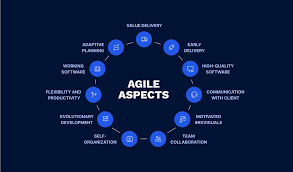
At an agile software company, cross-functional teams work collaboratively in short iterations or sprints to develop software incrementally. This iterative approach allows for continuous feedback, ensuring that the final product meets the needs of the end-users.

Key Principles of Agile Software Development:

  • Iterative Development: Breaking down the development process into small, manageable increments.
  • Continuous Feedback: Regularly seeking input from stakeholders to make necessary adjustments.
  • Adaptability: Embracing change and responding quickly to new requirements or market conditions.
  • Collaboration: Fostering a culture of teamwork and communication among team members.
  • Transparency: Keeping all stakeholders informed about project progress and challenges.

By following these principles, agile software companies can deliver value to their clients more effectively and efficiently. The flexibility of the agile approach allows teams to prioritize tasks based on business value, resulting in faster time-to-market and improved customer satisfaction.

The Benefits of Agile Software Development:

“Agile methodologies promote a customer-centric approach, enabling us to deliver solutions that truly meet our clients’ needs.”

– John Doe, Agile Project Manager

  • Rapid Delivery: Short development cycles enable quick delivery of working software.
  • Improved Quality: Continuous testing and feedback lead to higher-quality products.
  • Enhanced Collaboration: Team members work closely together, fostering creativity and innovation.
  • Better Risk Management: Early detection of issues allows for timely mitigation strategies.
  • Increased Customer Satisfaction: Delivering value incrementally results in happier customers.

In conclusion, embracing agility in software development is essential for staying competitive in today’s dynamic market. An agile software company that values flexibility, collaboration, and continuous improvement is well-positioned to meet the ever-changing demands of clients and drive innovation in the industry.


Top 5 Benefits of Agile Software Companies: Speed, Adaptability, Collaboration, Quality, and Customer Satisfaction

  1. Faster time-to-market for software products
  2. Increased adaptability to changing requirements
  3. Enhanced collaboration among team members
  4. Improved product quality through continuous feedback
  5. Higher customer satisfaction with incremental value delivery


Challenges of Agile Software Development: Navigating Feedback Delays, Scope Creep, Communication Demands, and Unpredictability

  1. Increased dependency on client feedback may lead to delays if feedback is not provided in a timely manner.
  2. Constant changes in project requirements can result in scope creep and potential budget overruns.
  3. High level of collaboration and communication required may be challenging for teams that are not accustomed to agile practices.
  4. Limited predictability in project timelines and outcomes due to the iterative nature of agile development.

Faster time-to-market for software products

One significant advantage of an agile software company is its ability to achieve faster time-to-market for software products. By breaking down development tasks into smaller iterations and focusing on delivering incremental value, agile teams can respond quickly to changing requirements and market demands. This approach allows companies to release new features or updates more frequently, enabling them to stay ahead of competitors and meet customer needs in a timely manner. Ultimately, the emphasis on speed and efficiency in agile development leads to shorter development cycles and accelerated product delivery, giving the company a competitive edge in the fast-paced technology landscape.

Increased adaptability to changing requirements

One of the key advantages of an agile software company is its increased adaptability to changing requirements. By following the agile methodology, teams can quickly respond to evolving customer needs, market trends, or project priorities. This flexibility allows the company to adjust its development process, reprioritize tasks, and incorporate new features seamlessly throughout the project lifecycle. As a result, the company can deliver software that meets the latest requirements and provides maximum value to its clients in a timely manner.

Enhanced collaboration among team members

Enhanced collaboration among team members is a significant advantage of an agile software company. By promoting open communication, shared responsibility, and teamwork, agile methodologies foster a culture of collaboration that leads to increased creativity, innovation, and problem-solving. Team members work closely together, leveraging each other’s strengths and expertise to deliver high-quality software solutions efficiently. This collaborative environment not only improves productivity but also boosts morale and job satisfaction among team members, ultimately contributing to the overall success of the project.

Improved product quality through continuous feedback

One significant advantage of an agile software company is the improved product quality achieved through continuous feedback. By soliciting input from stakeholders throughout the development process, agile teams can identify and address issues early on, leading to higher-quality software solutions. This iterative approach not only ensures that the final product meets the requirements and expectations of end-users but also allows for ongoing improvements based on real-time feedback, resulting in a more refined and polished end product.

Higher customer satisfaction with incremental value delivery

By adopting the agile methodology, software companies can achieve higher customer satisfaction through incremental value delivery. This approach allows for the continuous delivery of working software in short iterations, enabling customers to see tangible progress and provide feedback throughout the development process. By prioritizing features based on business value and addressing customer needs iteratively, agile software companies can ensure that the final product meets or exceeds customer expectations, leading to increased satisfaction and stronger client relationships.

Increased dependency on client feedback may lead to delays if feedback is not provided in a timely manner.

One significant drawback of an agile software company is the increased dependency on client feedback, which can potentially result in delays if feedback is not provided in a timely manner. Since agile methodology emphasizes continuous collaboration and feedback from clients throughout the development process, any delays in receiving feedback can disrupt the workflow and impact project timelines. This dependency on prompt client input highlights the importance of effective communication and mutual understanding of project expectations to ensure smooth progress and timely delivery of high-quality software solutions.

Constant changes in project requirements can result in scope creep and potential budget overruns.

Constant changes in project requirements within an agile software company can lead to scope creep, where the project’s scope gradually expands beyond its initial boundaries. This can result in potential budget overruns as additional resources and time may be required to accommodate the evolving requirements. While agility allows for flexibility and adaptation, managing changes effectively is crucial to prevent scope creep and maintain project timelines and budgets within reasonable limits.

High level of collaboration and communication required may be challenging for teams that are not accustomed to agile practices.

The high level of collaboration and communication required in agile software development may present a challenge for teams that are not accustomed to agile practices. Transitioning to an agile framework demands a significant shift in mindset and working style, as team members need to adapt to frequent interactions, feedback loops, and shared responsibilities. For teams more accustomed to traditional hierarchical structures or siloed workflows, the emphasis on continuous collaboration and open communication can initially be overwhelming and require dedicated effort to effectively implement and sustain within the organization.

Limited predictability in project timelines and outcomes due to the iterative nature of agile development.

One significant drawback of agile software development is the limited predictability in project timelines and outcomes. The iterative nature of agile methodology, with its focus on adapting to change and continuous feedback, can make it challenging to estimate project completion dates accurately. As requirements evolve throughout the development process, stakeholders may find it difficult to forecast when specific features will be delivered or what the final product will look like. This lack of predictability can pose challenges for project planning and resource allocation, potentially leading to delays or unexpected outcomes.

Exploring the Latest Trends in Software Development

The World of Software Development

The World of Software Development

Software development is a dynamic and ever-evolving field that plays a crucial role in shaping the digital landscape of today’s world. From mobile apps to complex enterprise systems, software developers are the architects behind the technology that powers our daily lives.

The Process of Software Development

Software development involves a series of steps that begin with understanding the requirements and end with deploying the final product. This process typically includes:

  1. Requirement Analysis: Developers work closely with stakeholders to gather and analyze requirements for the software.
  2. Design: Based on the requirements, developers create a detailed design plan for the software architecture.
  3. Implementation: This is where developers write the actual code that brings the design to life.
  4. Testing: Quality assurance teams test the software to identify and fix any bugs or issues.
  5. Deployment: The final product is deployed to production environments for users to access.
  6. Maintenance: Developers provide ongoing support, updates, and maintenance to ensure the software remains functional and up-to-date.

The Role of Software Developers

Software developers are skilled professionals who use programming languages and tools to create software solutions. They are responsible for writing clean, efficient code, testing their work, and collaborating with other team members throughout the development process. Some common roles in software development include:

  • Front-end Developer: Focuses on creating user interfaces and experiences using technologies like HTML, CSS, and JavaScript.
  • Back-end Developer: Works on server-side logic, databases, and APIs to ensure data is securely stored and accessed by users.
  • Full-stack Developer: Has expertise in both front-end and back-end technologies, enabling them to work on all aspects of a software project.
  • Mobile Developer: Specializes in creating applications for mobile devices using platforms like iOS or Android.

The Future of Software Development

In an era where technology continues to advance at a rapid pace, the future of software development looks promising. Emerging technologies such as artificial intelligence, blockchain, and Internet of Things (IoT) are reshaping how software is created and utilized. As demand for innovative digital solutions grows, so does the need for skilled software developers who can adapt to new challenges and opportunities in this exciting field.


9 Advantages of Software Development: Boosting Efficiency, Collaboration, and Innovation

  1. 1. Enables automation of repetitive tasks, increasing efficiency.
  2. 2. Facilitates collaboration among team members working on a project.
  3. 3. Provides opportunities for creativity and innovation in problem-solving.
  4. 4. Allows for scalability, making it easier to expand or modify software as needed.
  5. 5. Enhances user experience through intuitive interfaces and seamless functionality.
  6. 6. Supports data-driven decision-making by providing valuable insights through analytics.
  7. 7. Promotes continuous learning and skill development due to the ever-evolving nature of technology.
  8. 8. Increases competitiveness by enabling businesses to offer cutting-edge digital solutions.
  9. 9. Contributes to economic growth by driving technological advancements and job creation.


Understanding the Challenges of Software Development: Complexity, Time, Cost, Maintenance, Compatibility, and Security Risks

  1. 1. Complexity
  2. 2. Time-consuming
  3. 3. Costly
  4. 4. Maintenance challenges
  5. 5. Compatibility issues
  6. 6. Security risks

1. Enables automation of repetitive tasks, increasing efficiency.

Software development enables the automation of repetitive tasks, significantly boosting efficiency within various industries. By creating custom software solutions tailored to specific business needs, organizations can streamline processes, reduce manual errors, and save valuable time and resources. Automation not only increases productivity but also allows employees to focus on more strategic and creative tasks, ultimately driving innovation and growth within the organization.

2. Facilitates collaboration among team members working on a project.

Software development facilitates collaboration among team members working on a project by providing a centralized platform where individuals can share code, communicate effectively, and coordinate their efforts seamlessly. Through version control systems like Git and collaboration tools such as project management software, team members can work together in real-time, track changes, resolve conflicts, and ensure that everyone is aligned towards the project goals. This collaborative environment promotes transparency, efficiency, and teamwork, ultimately leading to the successful delivery of high-quality software solutions.

3. Provides opportunities for creativity and innovation in problem-solving.

Software development provides ample opportunities for creativity and innovation in problem-solving. Developers are constantly challenged to think outside the box and come up with unique solutions to complex problems. Whether it’s designing a user-friendly interface, optimizing code for efficiency, or implementing cutting-edge technologies, software developers have the freedom to explore creative solutions that push the boundaries of what is possible. This aspect of software development not only keeps the field exciting and engaging but also fosters a culture of continuous learning and growth among professionals in the industry.

4. Allows for scalability, making it easier to expand or modify software as needed.

Software development offers the significant advantage of scalability, allowing for seamless expansion or modification of software as required. This flexibility enables businesses to adapt to changing needs, accommodate growth, and enhance functionality without starting from scratch. By designing software with scalability in mind, developers can efficiently adjust the system to meet evolving requirements, ensuring that it remains robust and adaptable in the face of dynamic business environments.

5. Enhances user experience through intuitive interfaces and seamless functionality.

Software development excels in enhancing user experience through intuitive interfaces and seamless functionality. By prioritizing user-centric design and smooth functionality, software developers create applications and systems that are not only visually appealing but also easy to navigate and use. Intuitive interfaces ensure that users can interact with the software effortlessly, leading to a more satisfying and efficient experience. This focus on enhancing user experience ultimately results in increased user satisfaction, improved productivity, and higher engagement with the software product.

6. Supports data-driven decision-making by providing valuable insights through analytics.

Software development supports data-driven decision-making by providing valuable insights through analytics. By leveraging data analytics tools and techniques, software applications can process and analyze large volumes of data to extract meaningful patterns and trends. This enables businesses to make informed decisions based on real-time information, leading to improved efficiency, productivity, and strategic planning. Data-driven decision-making empowers organizations to stay competitive in today’s fast-paced digital landscape by harnessing the power of data to drive innovation and growth.

7. Promotes continuous learning and skill development due to the ever-evolving nature of technology.

Software development promotes continuous learning and skill development due to the ever-evolving nature of technology. In this dynamic field, developers are constantly exposed to new tools, languages, and frameworks, requiring them to stay updated with the latest trends and advancements. This culture of continuous learning not only keeps developers engaged and motivated but also ensures that they are equipped to tackle new challenges and innovate effectively. By embracing lifelong learning, software developers can enhance their expertise and adaptability, ultimately driving progress and innovation in the tech industry.

8. Increases competitiveness by enabling businesses to offer cutting-edge digital solutions.

Software development increases competitiveness by enabling businesses to offer cutting-edge digital solutions that cater to the evolving needs of customers in today’s fast-paced market. By leveraging innovative software technologies, businesses can differentiate themselves from competitors, enhance customer experiences, and stay ahead of industry trends. This proactive approach not only attracts new customers but also fosters loyalty among existing ones, positioning the business as a leader in its field. Ultimately, embracing software development as a strategic asset empowers businesses to adapt, grow, and thrive in a highly competitive business environment.

9. Contributes to economic growth by driving technological advancements and job creation.

Software development plays a vital role in contributing to economic growth by driving technological advancements and job creation. As software solutions become more integral to various industries, the demand for skilled developers continues to rise, leading to job opportunities and career growth. Additionally, the innovative technologies developed through software development not only improve efficiency and productivity but also open up new markets and drive overall economic progress. By fostering a culture of innovation and entrepreneurship, software development fuels economic growth by creating new opportunities for businesses and individuals alike.

1. Complexity

Software development poses a significant challenge in terms of complexity, often demanding intricate coding and advanced problem-solving skills. Developers must navigate through intricate algorithms, data structures, and design patterns to create robust and efficient software solutions. The complexity of software development can lead to time-consuming debugging processes and the need for continuous learning to keep up with evolving technologies. This con highlights the demanding nature of the field, requiring developers to constantly refine their skills and strategies to overcome complex challenges in the development process.

2. Time-consuming

One significant drawback of software development is its time-consuming nature. The process of designing, implementing, testing, and deploying software can be a lengthy and intricate endeavor. Developers need to carefully plan and execute each stage of the development lifecycle, which requires time and effort to ensure that the final product meets quality standards and fulfills the requirements of stakeholders. Delays in any phase of the development process can impact project timelines and potentially result in extended delivery schedules, making time management a critical challenge in software development projects.

3. Costly

Developing custom software solutions can be a costly endeavor, primarily because of the requirement for highly skilled developers and substantial resources. The expenses associated with hiring experienced professionals, investing in advanced technologies, and ensuring quality assurance throughout the development process can significantly impact the overall budget of a software project. As a result, organizations need to carefully weigh the benefits against the costs when opting for custom software development to ensure that they are making a sound investment in meeting their specific business needs.

4. Maintenance challenges

One significant con of software development is the maintenance challenges it presents. Software, once developed and deployed, demands ongoing updates and maintenance to uphold its functionality and security. This continuous need for monitoring, bug fixes, and enhancements can be time-consuming and resource-intensive for development teams. Failure to address maintenance issues promptly can lead to vulnerabilities, system failures, and potential security breaches, highlighting the critical importance of dedicating resources to the upkeep of software systems.

5. Compatibility issues

Compatibility issues pose a significant con in software development as ensuring that software functions seamlessly across various platforms and devices can be a daunting task. Different operating systems, hardware configurations, and screen sizes introduce complexities that developers must address to deliver a consistent user experience. Resolving compatibility issues requires thorough testing, optimization, and sometimes compromises in functionality to accommodate the diverse ecosystem of technology devices and environments. Failure to address compatibility concerns can lead to user frustration, decreased usability, and ultimately hinder the success of the software product.

6. Security risks

Security risks are a significant con of software development. Developing secure software is crucial as vulnerabilities can expose sensitive data to cyber threats. Inadequate security measures can lead to data breaches, unauthorized access, and other malicious activities that can have serious consequences for individuals and organizations. It is essential for software developers to prioritize security throughout the development process to protect users’ information and maintain trust in the software they create.

agile development team

Unlocking Success: The Agile Development Team Advantage

The Power of Agile Development Teams

The Power of Agile Development Teams

Agile development has revolutionized the way software is created and delivered. At the heart of agile methodology lies the agile development team, a dynamic and collaborative group of individuals working together to achieve a common goal.

Key Characteristics of Agile Development Teams

Agile development teams are characterized by:

  • Rapid Adaptability: Agile teams are quick to respond to changes in requirements or priorities, ensuring that the project stays on track.
  • Collaboration: Team members work closely together, sharing knowledge and expertise to deliver high-quality results.
  • Transparency: Agile teams maintain open communication channels, keeping all stakeholders informed about project progress and challenges.
  • Iterative Approach: Projects are broken down into smaller, manageable tasks that are completed in short iterations, allowing for continuous feedback and improvement.
  • Customer Focus: Agile teams prioritize delivering value to the customer by incorporating feedback and adapting to changing needs.

The Benefits of Agile Development Teams

By embracing agile principles and practices, development teams can enjoy a range of benefits, including:

  • Increased Flexibility: Agile teams can easily pivot in response to changing requirements or market conditions.
  • Faster Time-to-Market: The iterative nature of agile development allows for quicker delivery of usable features and products.
  • Improved Quality: Continuous testing and feedback loops help identify and address issues early in the development process.
  • Enhanced Collaboration: Agile teams foster a culture of collaboration and shared responsibility, leading to higher team morale and productivity.
  • Customer Satisfaction: By involving customers throughout the development process, agile teams ensure that the final product meets their needs and expectations.

In Conclusion

Agile development teams play a crucial role in driving innovation, efficiency, and success in today’s fast-paced digital landscape. By embracing agility and collaboration, these teams can deliver exceptional results while adapting to ever-changing market demands. The power of agile development teams lies in their ability to evolve, learn, and continuously improve – ultimately creating value for both businesses and end-users alike.


7 Essential Tips for Building an Effective Agile Development Team

  1. Encourage open communication and collaboration within the team.
  2. Prioritize frequent delivery of working software to gather feedback early.
  3. Adapt to changes in requirements and priorities quickly.
  4. Empower team members to make decisions and take ownership of their work.
  5. Regularly reflect on ways to improve processes and teamwork.
  6. Ensure clear goals and expectations are set for each iteration or sprint.
  7. Promote a culture of continuous learning and improvement.

Encourage open communication and collaboration within the team.

Encouraging open communication and collaboration within an agile development team is essential for fostering a culture of transparency and teamwork. When team members freely share ideas, feedback, and information, it promotes a deeper understanding of project goals and requirements. Collaboration allows team members to leverage each other’s strengths, leading to more innovative solutions and efficient problem-solving. By maintaining open communication channels, agile teams can address challenges proactively, build trust among team members, and ultimately deliver high-quality results that meet customer expectations.

Prioritize frequent delivery of working software to gather feedback early.

In agile development teams, prioritizing the frequent delivery of working software is a key strategy to gather feedback early in the development process. By delivering functional components or features regularly, team members can engage with stakeholders and end-users to gather valuable feedback on the product’s usability, functionality, and alignment with requirements. This approach allows for early identification of potential issues, enables quick adjustments based on feedback, and ultimately leads to the development of a product that better meets the needs and expectations of its users.

Adapt to changes in requirements and priorities quickly.

In agile development teams, the ability to adapt swiftly to changes in requirements and priorities is a fundamental principle that drives success. By embracing a flexible mindset and being responsive to evolving needs, agile teams can ensure that projects stay on course and deliver value efficiently. This proactive approach not only fosters collaboration within the team but also enables them to meet customer expectations effectively. Embracing change as a constant in the development process empowers agile teams to stay ahead of the curve and continuously refine their strategies for optimal outcomes.

Empower team members to make decisions and take ownership of their work.

Empowering team members to make decisions and take ownership of their work is a key tip for building a successful agile development team. By entrusting individuals with the autonomy to make choices and be accountable for their tasks, team members are more motivated, engaged, and invested in the project’s success. This approach fosters a culture of responsibility, innovation, and continuous improvement within the team, ultimately leading to higher productivity, better collaboration, and quality outcomes.

Regularly reflect on ways to improve processes and teamwork.

Regularly reflecting on ways to improve processes and teamwork is a key tip for agile development teams. By taking the time to evaluate current practices, identify areas for enhancement, and implement necessary changes, teams can continuously evolve and optimize their performance. This reflective approach fosters a culture of learning and growth within the team, leading to increased efficiency, collaboration, and overall success in delivering high-quality results.

Ensure clear goals and expectations are set for each iteration or sprint.

To maximize the effectiveness of an agile development team, it is crucial to establish clear goals and expectations for each iteration or sprint. By defining specific objectives and outcomes at the outset, team members can align their efforts and focus on delivering tangible results within a set timeframe. This practice not only enhances productivity but also promotes transparency, accountability, and collaboration within the team, ultimately leading to successful project outcomes and continuous improvement.

Promote a culture of continuous learning and improvement.

Promoting a culture of continuous learning and improvement within an agile development team is essential for fostering innovation and driving success. By encouraging team members to seek new knowledge, refine their skills, and embrace feedback, the team can stay ahead of industry trends, adapt to changing requirements, and deliver high-quality results consistently. Embracing a mindset of continuous learning not only enhances individual growth but also strengthens the collective capabilities of the team, leading to increased efficiency, collaboration, and overall project success.

scrum development

Maximizing Efficiency Through Scrum Development Practices

The Benefits of Scrum Development

The Benefits of Scrum Development

Scrum is a popular agile framework used in software development to manage complex projects. It emphasizes collaboration, flexibility, and continuous improvement. Here are some key benefits of implementing Scrum:

Improved Transparency

Scrum promotes transparency by providing a clear view of the project’s progress through regular meetings such as daily stand-ups, sprint planning, and sprint reviews. This transparency helps teams identify issues early and make necessary adjustments to stay on track.

Increased Flexibility

Scrum allows for flexibility in project requirements and priorities. The iterative nature of Scrum enables teams to adapt to changes quickly, making it easier to respond to customer feedback and market demands.

Enhanced Collaboration

Collaboration is at the core of Scrum. Cross-functional teams work together towards a common goal, fostering communication and teamwork. This collaborative environment encourages knowledge sharing and innovation.

Faster Delivery of Value

Scrum focuses on delivering working software in short iterations called sprints. By breaking down the project into manageable tasks and delivering incremental value at the end of each sprint, teams can quickly respond to stakeholder needs and deliver products faster.

Continuous Improvement

Scrum encourages continuous improvement through regular retrospectives at the end of each sprint. Teams reflect on their performance, identify areas for improvement, and implement changes to enhance their processes and deliver better results in future sprints.

In conclusion, Scrum development offers numerous benefits that can help teams build high-quality software efficiently while adapting to changing requirements and delivering value to customers consistently.


7 Essential Tips for Effective Scrum Development

  1. Ensure clear communication among team members
  2. Prioritize tasks based on importance and urgency
  3. Hold regular stand-up meetings to track progress
  4. Embrace changes in requirements throughout the project
  5. Encourage collaboration and teamwork within the team
  6. Deliver working increments of product at the end of each sprint
  7. Reflect on past sprints to identify areas for improvement

Ensure clear communication among team members

Clear communication among team members is essential in Scrum development to ensure that everyone is aligned on project goals, tasks, and progress. By fostering open and transparent communication channels, team members can collaborate effectively, share information, address challenges promptly, and make informed decisions. Clear communication helps prevent misunderstandings, reduces the risk of errors, and promotes a cohesive team dynamic where everyone feels valued and understood. Ultimately, when team members communicate clearly and openly in a Scrum environment, it leads to improved productivity, better problem-solving capabilities, and successful project outcomes.

Prioritize tasks based on importance and urgency

In Scrum development, it is essential to prioritize tasks based on their importance and urgency. By focusing on important and urgent tasks first, teams can ensure that they are addressing critical issues and delivering value to stakeholders in a timely manner. This approach helps teams stay focused on what matters most, manage their time effectively, and make informed decisions about how to allocate resources for maximum impact. Prioritizing tasks based on importance and urgency is a key principle of successful project management in the Scrum framework.

Hold regular stand-up meetings to track progress

Regular stand-up meetings are a crucial aspect of Scrum development. These brief daily meetings provide teams with the opportunity to track progress, discuss any roadblocks, and align on tasks for the day. By fostering open communication and transparency, stand-up meetings help teams stay focused, identify potential issues early on, and ensure that everyone is on the same page regarding project status. This practice promotes collaboration and accountability among team members, ultimately leading to more efficient and effective project delivery.

Embrace changes in requirements throughout the project

Embracing changes in requirements throughout a project is a fundamental principle of Scrum development. By remaining flexible and open to adjustments, teams can respond effectively to evolving stakeholder needs and market demands. This approach allows for continuous improvement and ensures that the final product meets the most current requirements and expectations. Adapting to changes in requirements also fosters collaboration within the team, as members work together to find innovative solutions and deliver value to customers efficiently.

Encourage collaboration and teamwork within the team

Encouraging collaboration and teamwork within the team is a fundamental principle in Scrum development. By fostering a culture of open communication and shared goals, team members can leverage their diverse skills and perspectives to solve complex problems more effectively. Collaboration promotes knowledge sharing, enhances creativity, and strengthens trust among team members, leading to increased productivity and better outcomes for the project. Emphasizing teamwork in Scrum not only boosts morale but also ensures that everyone works together towards achieving the project’s objectives efficiently.

Deliver working increments of product at the end of each sprint

In Scrum development, delivering working increments of the product at the end of each sprint is a crucial practice that ensures continuous progress and feedback. By breaking down the project into manageable tasks and completing a functional piece of the product within a short time frame, teams can demonstrate tangible results to stakeholders and gather valuable input for further refinement. This iterative approach not only accelerates the development process but also allows for early validation of features, enabling teams to make necessary adjustments and deliver a high-quality product incrementally.

Reflect on past sprints to identify areas for improvement

Reflecting on past sprints to identify areas for improvement is a crucial practice in Scrum development. By taking the time to review what went well and what could have been done better in previous iterations, teams can learn from their experiences and make necessary adjustments to enhance their performance in future sprints. This continuous feedback loop allows teams to address issues, refine processes, and optimize their workflow, ultimately leading to increased efficiency and better outcomes.