

cfchris.com

Loading

programming outsourcing

Maximizing Efficiency: The Power of Programming Outsourcing

The Benefits of Programming Outsourcing

The Benefits of Programming Outsourcing

Programming outsourcing has become a popular practice for businesses looking to streamline their operations and reduce costs. By hiring external programming experts or teams to handle software development tasks, companies can focus on their core activities while benefiting from specialized skills and resources. Here are some key advantages of programming outsourcing:

Cost Savings

One of the primary reasons companies opt for programming outsourcing is cost savings. By outsourcing programming tasks to countries with lower labor costs, businesses can significantly reduce expenses associated with hiring and maintaining an in-house development team. This cost-effective approach allows companies to allocate resources more efficiently and invest in other areas of their business.

Access to Specialized Skills

Programming outsourcing provides access to a diverse pool of talented programmers with specialized skills and expertise. Companies can choose outsourcing partners based on their specific project requirements, ensuring that they have access to the right talent for the job. This access to specialized skills can lead to faster project completion times and higher-quality deliverables.

Flexibility and Scalability

Outsourcing programming tasks offers businesses flexibility and scalability in managing their projects. Companies can easily scale up or down their outsourced resources based on project demands, without the need to hire or lay off employees internally. This flexibility allows businesses to adapt quickly to changing market conditions and maintain a competitive edge.

Focus on Core Activities

By outsourcing programming tasks, companies can free up internal resources and focus on their core activities and strategic initiatives. Outsourcing allows businesses to delegate non-core functions such as software development to external experts, enabling them to concentrate on areas that drive business growth and innovation.

Risk Mitigation

Programming outsourcing can help mitigate risks associated with software development projects. Outsourcing partners often have established processes, methodologies, and quality assurance practices in place, reducing the likelihood of project delays or errors. Additionally, outsourcing providers may offer service level agreements (SLAs) that guarantee project delivery within specified timelines and quality standards.

In conclusion, programming outsourcing offers numerous benefits for businesses seeking cost-effective solutions, access to specialized skills, flexibility, risk mitigation, and the ability to focus on core activities. By partnering with reliable outsourcing providers, companies can enhance their competitiveness in today’s fast-paced digital landscape.


5 Essential Tips for Successful Programming Outsourcing

  1. Clearly define the scope of work and requirements before outsourcing.
  2. Choose a reputable and experienced outsourcing partner with a proven track record.
  3. Communicate effectively and regularly with the outsourcing team to ensure alignment.
  4. Establish clear milestones and deadlines to track progress and ensure timely delivery.
  5. Consider factors like cultural differences, time zones, and language barriers when selecting an outsourcing partner.

Clearly define the scope of work and requirements before outsourcing.

When considering programming outsourcing, it is crucial to clearly define the scope of work and requirements upfront. By establishing a detailed project scope, including specific deliverables, timelines, and quality expectations, businesses can ensure that both parties have a clear understanding of the project goals. This clarity helps prevent misunderstandings, delays, and potential conflicts during the outsourcing process. Clearly defining the scope of work and requirements sets a solid foundation for a successful outsourcing partnership and facilitates smooth project execution.

Choose a reputable and experienced outsourcing partner with a proven track record.

When considering programming outsourcing, it is crucial to select a reputable and experienced outsourcing partner with a proven track record. By choosing a partner with a strong reputation and extensive experience in software development, businesses can ensure reliable and high-quality results. A reputable outsourcing partner will have the expertise to handle diverse projects efficiently, meet deadlines, and deliver solutions that align with the client’s requirements. Their proven track record demonstrates their ability to consistently deliver successful outcomes, making them a trustworthy choice for companies looking to outsource programming tasks.

Communicate effectively and regularly with the outsourcing team to ensure alignment.

Effective and regular communication with the outsourcing team is crucial to ensure alignment and successful collaboration. By maintaining open lines of communication, both parties can clarify expectations, address any issues promptly, and stay informed about project progress. Clear communication helps prevent misunderstandings, promotes transparency, and fosters a strong working relationship between the company and the outsourcing team. Regular updates and feedback exchanges enable adjustments to be made swiftly, leading to improved productivity and ultimately achieving the desired outcomes of the programming outsourcing partnership.

Establish clear milestones and deadlines to track progress and ensure timely delivery.

Establishing clear milestones and deadlines is a crucial tip when it comes to programming outsourcing. By setting specific goals and timelines, both the outsourcing partner and the hiring company can track progress effectively and ensure timely delivery of the project. Clear milestones provide a roadmap for the development process, allowing for better project management and alignment of expectations between all parties involved. This practice not only helps in monitoring progress but also facilitates communication, accountability, and ultimately leads to successful project completion within the specified timeframe.

Consider factors like cultural differences, time zones, and language barriers when selecting an outsourcing partner.

When considering programming outsourcing, it is crucial to take into account factors such as cultural differences, time zones, and language barriers when choosing an outsourcing partner. Understanding and addressing these aspects can significantly impact the success of the collaboration. Cultural differences may influence communication styles and work approaches, while time zone variations can affect project timelines and coordination. Language barriers can lead to misunderstandings and inefficiencies if not managed effectively. By carefully evaluating these factors and selecting an outsourcing partner that aligns with your business needs and values, you can foster a productive and harmonious working relationship that enhances project outcomes.
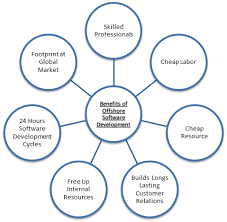
global software development

Unlocking Innovation: The Power of Global Software Development

Global Software Development

The Advantages of Global Software Development

In today’s interconnected world, global software development has become a common practice for many companies seeking to leverage talent and resources from around the globe. This approach involves collaborating with teams located in different countries to create high-quality software solutions. Here are some of the key advantages of global software development:

Access to Diverse Talent Pool

One of the primary benefits of global software development is access to a diverse talent pool. By working with developers and engineers from various regions, companies can tap into a wide range of skills and expertise that may not be readily available locally. This diversity often leads to innovative solutions and fresh perspectives on problem-solving.

Cost-Effectiveness

Global software development can also be cost-effective for companies looking to reduce expenses without compromising on quality. Outsourcing certain tasks or projects to countries with lower labor costs can result in significant savings while maintaining high standards of work.

Around-the-Clock Development

With teams distributed across different time zones, global software development allows for continuous progress on projects. Developers in one location can hand off work to team members in another region, ensuring that work is being done around the clock. This can lead to faster project completion and quicker time-to-market for products.

Cultural Exchange and Collaboration

Collaborating with teams from diverse cultural backgrounds fosters creativity and innovation. Different perspectives and approaches to problem-solving can result in more robust solutions that cater to a global audience. Additionally, working with international teams promotes cultural exchange and understanding among team members.

Challenges of Global Software Development

While there are numerous benefits to global software development, there are also challenges that companies may face. These include communication barriers due to language differences, varying work cultures, and potential security risks associated with sharing sensitive information across borders.

In Conclusion

Global software development offers many advantages for companies looking to expand their capabilities and reach a broader market. By leveraging talent from around the world, businesses can create innovative solutions, reduce costs, and accelerate project timelines. While challenges exist, proper planning and communication strategies can help overcome these obstacles and ensure successful collaboration across borders.


7 Essential Tips for Effective Global Software Development

  1. Establish clear communication channels among team members.
  2. Define and adhere to coding standards for consistency.
  3. Implement version control to track changes and collaborate efficiently.
  4. Schedule regular meetings to discuss progress, challenges, and goals.
  5. Consider time zone differences when planning meetings and deadlines.
  6. Encourage cultural sensitivity and awareness among team members.
  7. Use collaboration tools like project management software for better organization.

Establish clear communication channels among team members.

Establishing clear communication channels among team members is crucial in global software development. Effective communication ensures that all team members are on the same page regarding project goals, timelines, and tasks. By utilizing tools such as video conferencing, messaging platforms, and project management software, teams can overcome geographical barriers and collaborate seamlessly. Clear communication fosters transparency, reduces misunderstandings, and promotes a cohesive team dynamic essential for successful global software development projects.

Define and adhere to coding standards for consistency.

In global software development, it is crucial to define and adhere to coding standards to maintain consistency across teams and projects. Establishing clear guidelines for coding practices ensures that all developers follow the same set of rules, leading to uniformity in code structure, formatting, and documentation. Consistency in coding standards not only improves code readability but also facilitates collaboration among geographically dispersed teams by promoting a shared understanding of best practices. By adhering to coding standards, organizations can enhance code quality, streamline development processes, and ultimately deliver more reliable and maintainable software solutions on a global scale.

Implement version control to track changes and collaborate efficiently.

Implementing version control is a crucial tip in global software development to track changes and collaborate efficiently. By utilizing version control systems such as Git or SVN, teams can easily manage code modifications, track the history of changes, and work collaboratively on the same codebase without conflicts. Version control helps streamline the development process, improve team coordination, and ensure that everyone is working on the most up-to-date version of the software. This practice not only enhances productivity but also facilitates effective communication and transparency within distributed teams.

Schedule regular meetings to discuss progress, challenges, and goals.

To ensure effective collaboration and project management in global software development, it is crucial to schedule regular meetings to discuss progress, challenges, and goals. These meetings provide an opportunity for team members from different locations to align on project milestones, address any obstacles or bottlenecks, and reaffirm shared objectives. By fostering open communication through regular check-ins, teams can stay coordinated, motivated, and focused on achieving successful outcomes in the development process.

Consider time zone differences when planning meetings and deadlines.

When engaging in global software development, it is essential to consider time zone differences when scheduling meetings and setting deadlines. By being mindful of the varying working hours of team members across different regions, companies can ensure effective communication and collaboration. Planning meetings at times that accommodate all parties involved and setting realistic deadlines that account for potential delays due to time zone disparities can help streamline project progress and foster a more cohesive team dynamic.

Encourage cultural sensitivity and awareness among team members.

Encouraging cultural sensitivity and awareness among team members is crucial in global software development. By fostering an environment where team members respect and appreciate each other’s cultural differences, communication is enhanced, collaboration becomes more effective, and creativity flourishes. Understanding and valuing diverse perspectives can lead to more innovative solutions that cater to a broader audience. Embracing cultural sensitivity not only strengthens team dynamics but also promotes a harmonious and inclusive work environment where every individual feels valued and respected.

Use collaboration tools like project management software for better organization.

To enhance the efficiency and organization of global software development projects, it is highly recommended to utilize collaboration tools such as project management software. These tools provide a centralized platform for team members located across different regions to communicate, share updates, track progress, assign tasks, and manage deadlines effectively. By leveraging project management software, teams can streamline their workflows, improve coordination, and ensure that everyone is on the same page, ultimately leading to smoother project execution and successful outcomes.