
cfchris.com

Loading

artificial intelligence projects

Exploring Cutting-Edge Artificial Intelligence Projects: Innovations Shaping the Future

Exploring Artificial Intelligence Projects

Exploring Artificial Intelligence Projects

Artificial intelligence (AI) has rapidly evolved over the past decade, becoming a cornerstone of modern technology. From enhancing business operations to transforming everyday life, AI projects are at the forefront of innovation. This article delves into some fascinating AI projects that are shaping the future.

Healthcare Innovations

In the healthcare sector, AI projects are revolutionizing diagnostics and treatment plans. Machine learning algorithms can analyze medical images with remarkable accuracy, assisting radiologists in detecting abnormalities such as tumors or fractures. Projects like IBM Watson Health aim to provide personalized treatment recommendations by analyzing vast amounts of patient data.

Virtual Health Assistants

Virtual health assistants powered by AI are also gaining traction. These tools can handle routine inquiries, schedule appointments, and even monitor patient health metrics in real-time. By reducing the administrative burden on healthcare professionals, these projects allow for more efficient patient care.

Autonomous Vehicles

The development of autonomous vehicles is one of the most exciting AI projects today. Companies like Tesla and Waymo are leading the charge in creating self-driving cars that promise to make transportation safer and more efficient. These vehicles rely on complex neural networks to process data from sensors and cameras, enabling them to navigate roads with minimal human intervention.

Challenges and Progress

Despite significant progress, challenges remain in perfecting autonomous driving technology. Ensuring safety in diverse driving conditions and gaining public trust are critical hurdles that ongoing AI research aims to address.

NLP and Language Models

Natural Language Processing (NLP) is another field where AI projects have made substantial strides. Language models like OpenAI’s GPT series have demonstrated impressive capabilities in generating human-like text, translating languages, and even composing poetry.

Applications Across Industries

NLP applications extend across various industries—from customer service chatbots that provide instant support to tools that assist writers by suggesting content improvements or generating creative ideas.

Sustainability Efforts

Sustainability is a growing focus for many AI projects. Researchers are using machine learning models to optimize energy consumption in smart grids and develop climate change models that predict environmental impacts more accurately.

Agricultural Advancements

In agriculture, AI-driven solutions help farmers increase crop yields while minimizing resource usage through precision farming techniques. Drones equipped with AI can monitor crop health and suggest timely interventions.

The Future of AI Projects

The potential for artificial intelligence is vast and continually expanding as new technologies emerge. While ethical considerations must be addressed—such as data privacy concerns—AI projects hold immense promise for improving quality of life across the globe.

Conclusion:

As we continue to explore these innovative applications of artificial intelligence across different sectors, it becomes clear that this technology will play an increasingly integral role in shaping our world’s future landscape.

From enhancing efficiency within industries such as healthcare or transportation through autonomous vehicles; providing personalized assistance via virtual health aides; optimizing energy consumption towards sustainable goals – there seems no limit what could be achieved when harnessing power behind intelligent machines!

And yet despite all potential benefits offered up by cutting-edge advancements made possible thanks largely due ongoing research efforts worldwide today – important questions surrounding ethics remain paramount consideration moving forward if we’re truly going unlock full potential without compromising fundamental values society holds dear along way too!

So let us embrace exciting opportunities presented before us now whilst remaining mindful challenges ahead ensuring responsible development deployment practices guide path towards brighter tomorrow together!


“The best way predict future create it.” – Peter Drucker (American Management Consultant & Educator)


7 Essential Tips for Successfully Managing Artificial Intelligence Projects

  1. Define clear project objectives and goals.
  2. Collect and prepare high-quality data for training.
  3. Choose the right algorithms and models for your specific task.
  4. Regularly evaluate and iterate on your AI model’s performance.
  5. Ensure transparency and ethical considerations in your AI project.
  6. Consider scalability and deployment requirements from the beginning.
  7. Collaborate with domain experts to enhance the effectiveness of your AI solution.

Define clear project objectives and goals.

Defining clear project objectives and goals is crucial when embarking on artificial intelligence projects. These objectives serve as a roadmap, guiding the development process and ensuring that the project stays aligned with its intended purpose. By establishing specific, measurable, achievable, relevant, and time-bound (SMART) goals, teams can focus their efforts on delivering tangible outcomes. Clear objectives also facilitate effective communication among stakeholders, enabling everyone involved to understand the project’s direction and expected results. This clarity not only helps in resource allocation and risk management but also provides a benchmark for evaluating the project’s success upon completion. Ultimately, well-defined objectives are instrumental in maximizing the potential of AI technologies to meet organizational needs and drive innovation.

Collect and prepare high-quality data for training.

Collecting and preparing high-quality data for training is a crucial step in any artificial intelligence project. The accuracy and effectiveness of an AI model heavily depend on the quality of the data it learns from. High-quality data should be clean, relevant, and representative of the problem domain. This means removing any errors or inconsistencies, ensuring that the data covers all necessary aspects of the task, and adequately reflecting real-world scenarios. By investing time in curating a robust dataset, developers can significantly enhance the model’s ability to generalize and perform well in real-world applications. Furthermore, diverse datasets help in reducing biases, leading to more equitable AI solutions.

Choose the right algorithms and models for your specific task.

Selecting the right algorithms and models is crucial when embarking on an artificial intelligence project, as it directly impacts the effectiveness and efficiency of the solution. Different tasks require different approaches; for instance, a classification problem might benefit from decision trees or support vector machines, while a natural language processing task could be better served by recurrent neural networks or transformers. Understanding the strengths and limitations of various algorithms allows developers to tailor their approach to the specific requirements and constraints of their project. This not only enhances performance but also optimizes resource utilization, ensuring that the AI system delivers accurate and reliable results. Making informed choices about algorithms and models is fundamental to achieving success in AI endeavors.

Regularly evaluate and iterate on your AI model’s performance.

Regularly evaluating and iterating on an AI model’s performance is crucial for achieving optimal results and maintaining its effectiveness over time. As data patterns and external conditions change, an AI model’s initial parameters may no longer be suitable, potentially leading to reduced accuracy or relevance. By consistently monitoring the model’s outputs and comparing them against real-world outcomes, developers can identify areas for improvement. Iterative refinement allows for the adjustment of algorithms, retraining with updated datasets, and fine-tuning of parameters to better align with current needs. This ongoing process not only enhances the model’s precision but also ensures it remains adaptable to new challenges and opportunities in a dynamic environment.

Ensure transparency and ethical considerations in your AI project.

In any artificial intelligence project, ensuring transparency and adhering to ethical considerations are crucial components for success and public trust. Transparency involves clearly communicating how AI systems make decisions, what data they use, and the potential implications of their deployment. This openness helps stakeholders understand the technology and fosters trust among users. Ethical considerations require developers to address issues such as bias, privacy, and accountability to prevent harm and ensure fairness. By integrating these principles into the design and implementation of AI projects, developers can create systems that not only perform effectively but also align with societal values and promote responsible innovation.

Consider scalability and deployment requirements from the beginning.

When embarking on an artificial intelligence project, it’s crucial to consider scalability and deployment requirements from the outset. Planning for scalability ensures that the AI system can handle increased loads and expand its capabilities as demand grows, without requiring a complete redesign. This foresight helps in choosing the right architecture and technologies that can support future growth. Additionally, understanding deployment requirements early on allows for smoother integration into existing systems and environments, minimizing disruptions. By addressing these factors at the beginning, projects are better positioned for long-term success and adaptability in dynamic business landscapes.

Collaborate with domain experts to enhance the effectiveness of your AI solution.

Collaborating with domain experts is crucial for enhancing the effectiveness of AI solutions. These experts bring specialized knowledge and insights that are essential for understanding the nuances and complexities of a specific field. By working closely with them, AI developers can ensure that their models are not only technically sound but also contextually relevant and tailored to address real-world challenges. Domain experts can provide valuable feedback on data selection, feature engineering, and model interpretation, leading to more accurate and reliable outcomes. This collaboration fosters a multidisciplinary approach, combining technical prowess with industry-specific expertise to create AI solutions that are both innovative and practical.
artificial intelligence machine learning

Exploring the Intersection of Artificial Intelligence and Machine Learning: A Deep Dive into Cutting-Edge Technologies

Understanding Artificial Intelligence and Machine Learning

Understanding Artificial Intelligence and Machine Learning

In recent years, artificial intelligence (AI) and machine learning (ML) have become integral components of technological advancement. These technologies are transforming industries, enhancing efficiency, and driving innovation across various sectors.

What is Artificial Intelligence?

Artificial intelligence refers to the simulation of human intelligence in machines that are programmed to think and learn like humans. AI systems can perform tasks such as recognizing speech, solving problems, making decisions, and translating languages.

What is Machine Learning?

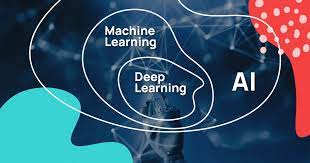
Machine learning is a subset of AI that focuses on the development of algorithms that allow computers to learn from and make predictions based on data. It involves training models using large datasets to identify patterns and make informed decisions without explicit programming.

The Relationship Between AI and ML

While AI encompasses a broad range of technologies aimed at mimicking human cognitive functions, machine learning is specifically concerned with the creation of algorithms that enable machines to learn from data. In essence, machine learning is one way to achieve artificial intelligence.

Applications of AI and ML

  • Healthcare: AI and ML are used for diagnosing diseases, predicting patient outcomes, and personalizing treatment plans.
  • Finance: These technologies help in fraud detection, risk management, algorithmic trading, and personalized banking services.
  • E-commerce: AI-driven recommendation systems enhance customer experience by suggesting products based on user behavior.
  • Autonomous Vehicles: Self-driving cars use machine learning algorithms to navigate roads safely by recognizing objects and making real-time decisions.

The Future of AI and ML

The future of artificial intelligence and machine learning holds immense potential. As these technologies continue to evolve, they will likely lead to more sophisticated applications in various fields such as healthcare diagnostics, climate modeling, smart cities development, and beyond. However, ethical considerations surrounding privacy, security, and the impact on employment must be addressed as these technologies advance.

Conclusion

The integration of artificial intelligence and machine learning into everyday life is reshaping how we interact with technology. By understanding their capabilities and implications, we can harness their power responsibly to create a better future for all.


Understanding AI and Machine Learning: Answers to 7 Common Questions

  1. What is the difference between machine learning and AI?
  2. What are the 4 types of AI machines?
  3. What is an example of AI and ML?
  4. What is AI but not ML?
  5. What is different between AI and ML?
  6. Is artificial intelligence a machine learning?
  7. What is machine learning in artificial intelligence?

What is the difference between machine learning and AI?

Artificial intelligence (AI) and machine learning (ML) are often used interchangeably, but they refer to different concepts within the realm of computer science. AI is a broader field that encompasses the creation of machines capable of performing tasks that typically require human intelligence, such as reasoning, problem-solving, and understanding language. Machine learning, on the other hand, is a subset of AI focused specifically on developing algorithms that enable computers to learn from data and improve their performance over time without being explicitly programmed for each task. In essence, while AI aims to simulate human cognitive functions broadly, machine learning provides the tools and techniques for achieving this by allowing systems to learn from experience and adapt to new information.

What are the 4 types of AI machines?

Artificial intelligence is often categorized into four types based on their capabilities and functionalities. The first type is *Reactive Machines*, which are the most basic form of AI systems designed to perform specific tasks without memory or past experiences, such as IBM’s Deep Blue chess program. The second type is *Limited Memory*, which can use past experiences to inform future decisions, commonly found in self-driving cars that analyze data from the environment to make real-time decisions. The third type is *Theory of Mind*, a more advanced AI that, in theory, would understand emotions and human thought processes; however, this level of AI remains largely theoretical at this point. Finally, *Self-aware AI* represents the most sophisticated form of artificial intelligence, capable of self-awareness and consciousness; this type remains purely conceptual as no such machines currently exist. Each type represents a step toward greater complexity and capability in AI systems.

What is an example of AI and ML?

An example that illustrates the capabilities of artificial intelligence (AI) and machine learning (ML) is the use of recommendation systems by online streaming platforms like Netflix. These platforms employ ML algorithms to analyze user behavior, preferences, and viewing history to suggest personalized movie or TV show recommendations. By continuously learning from user interactions and feedback, the AI-powered recommendation system enhances user experience by offering content tailored to individual tastes, ultimately increasing user engagement and satisfaction.

What is AI but not ML?

Artificial Intelligence (AI) encompasses a broad range of technologies designed to mimic human cognitive functions, such as reasoning, problem-solving, and understanding language. While machine learning (ML) is a subset of AI focused on algorithms that allow systems to learn from data and improve over time, not all AI involves machine learning. For instance, rule-based systems or expert systems are examples of AI that do not use ML. These systems rely on predefined rules and logic to make decisions or solve problems, rather than learning from data. Such AI applications can be effective in environments where the rules are well-defined and the variables are limited, demonstrating that AI can exist independently of machine learning techniques.

What is different between AI and ML?

Artificial intelligence (AI) and machine learning (ML) are closely related yet distinct concepts within the realm of computer science. AI refers to the broader concept of machines being able to carry out tasks in a way that we would consider “smart,” encompassing systems that can mimic human intelligence, including reasoning, problem-solving, and understanding language. Machine learning, on the other hand, is a subset of AI that specifically focuses on the ability of machines to learn from data. Rather than being explicitly programmed to perform a task, ML algorithms are designed to identify patterns and make decisions based on input data. In essence, while all machine learning is a form of AI, not all AI involves machine learning. AI can include rule-based systems and other techniques that do not rely on learning from data.

Is artificial intelligence a machine learning?

Artificial intelligence (AI) and machine learning (ML) are often mentioned together, but they are not the same thing. AI is a broad field that focuses on creating systems capable of performing tasks that would typically require human intelligence, such as understanding natural language, recognizing patterns, and making decisions. Machine learning, on the other hand, is a subset of AI that involves the development of algorithms and statistical models that enable machines to improve their performance on a specific task through experience and data analysis. In essence, while all machine learning is part of artificial intelligence, not all artificial intelligence involves machine learning. Machine learning provides one of the techniques through which AI can be realized by allowing systems to learn from data and improve over time without being explicitly programmed for each specific task.

What is machine learning in artificial intelligence?

Machine learning in artificial intelligence is a specialized area that focuses on developing algorithms and statistical models that enable computers to improve their performance on tasks through experience. Unlike traditional programming, where a computer follows explicit instructions, machine learning allows systems to learn from data patterns and make decisions with minimal human intervention. By training models on vast amounts of data, machine learning enables AI systems to recognize patterns, predict outcomes, and adapt to new information over time. This capability is fundamental in applications such as image recognition, natural language processing, and autonomous driving, where the ability to learn from data is crucial for success.

ai's

The Evolution of AI’s Impact: Shaping Our Future

The Rise of AI: Transforming the Future

The Rise of AI: Transforming the Future

Artificial Intelligence (AI) is no longer a concept confined to science fiction. It has become an integral part of our daily lives, influencing how we work, communicate, and even think. From virtual assistants like Siri and Alexa to advanced machine learning algorithms that predict consumer behavior, AI is reshaping industries and society as a whole.

Understanding Artificial Intelligence

AI refers to the simulation of human intelligence in machines that are programmed to think and learn like humans. These systems can perform tasks such as visual perception, speech recognition, decision-making, and language translation. The core idea is to enable machines to perform tasks that would normally require human intelligence.

Applications of AI

AI’s applications are vast and diverse:

  • Healthcare: AI is revolutionizing healthcare by enabling faster diagnosis through image analysis and personalized treatment plans based on patient data.
  • Finance: In finance, AI algorithms detect fraudulent activities and automate trading processes for better efficiency.
  • Transportation: Self-driving cars powered by AI are set to transform the way we commute by reducing accidents caused by human error.
  • Customer Service: Chatbots equipped with natural language processing provide instant customer support around the clock.

The Impact on Employment

The integration of AI into various sectors has sparked debates about its impact on employment. While some fear job loss due to automation, others argue that AI will create new opportunities in fields such as data analysis, machine learning engineering, and AI ethics consulting. The key lies in adapting to new technologies through education and training.

The Ethical Considerations

As AI continues to evolve, ethical considerations become increasingly important. Issues such as privacy concerns, algorithmic bias, and the potential for autonomous weapons need careful regulation. Ensuring transparency in AI systems is crucial for building trust among users.

The Future of AI

The future of AI holds immense potential for innovation across all sectors. As technology advances, it will be essential for policymakers, businesses, and individuals to collaborate in harnessing its benefits while addressing its challenges responsibly.

In conclusion, artificial intelligence is not just a technological advancement; it is a transformative force shaping our future. By understanding its capabilities and limitations, we can better prepare for a world where humans and machines work side by side toward shared goals.


6 Essential Tips for Effective and Ethical AI Deployment

  1. Understand the limitations of AI technology.
  2. Ensure data quality for better AI performance.
  3. Regularly update and maintain AI models.
  4. Consider ethical implications when developing AI systems.
  5. Provide proper training data to avoid bias in AI algorithms.
  6. Monitor and evaluate AI performance for continuous improvement.

Understand the limitations of AI technology.

Understanding the limitations of AI technology is crucial for effectively integrating it into various applications. While AI systems can process vast amounts of data and perform complex tasks with remarkable speed and accuracy, they are not infallible. AI relies heavily on the quality and quantity of the data it is trained on, which means biases or errors in the data can lead to flawed outcomes. Additionally, AI lacks human-like reasoning and creativity, often struggling with tasks that require common sense or emotional intelligence. Recognizing these limitations helps set realistic expectations and ensures that AI is used as a complementary tool rather than a complete replacement for human judgment and expertise.

Ensure data quality for better AI performance.

Ensuring data quality is crucial for achieving optimal AI performance. High-quality data serves as the foundation for effective machine learning models and AI systems, directly influencing their accuracy and reliability. Poor data quality—characterized by inaccuracies, inconsistencies, or incompleteness—can lead to flawed models that produce unreliable results. To enhance AI performance, it is essential to implement robust data collection and cleaning processes. This includes validating data sources, removing duplicates, filling in missing values, and ensuring consistency across datasets. By prioritizing data quality, organizations can build more precise and dependable AI systems that drive better decision-making and outcomes.

Regularly update and maintain AI models.

Regularly updating and maintaining AI models is crucial for ensuring their accuracy, efficiency, and relevance. As data evolves and new patterns emerge, AI models can become outdated if not consistently monitored and refined. Regular updates allow these models to adapt to changes in the data landscape, improving their predictive capabilities and reducing the risk of errors. Maintenance also involves checking for biases that might have developed over time, ensuring the model remains fair and unbiased. By investing in regular updates and maintenance, organizations can maximize the value of their AI systems while staying ahead of technological advancements and market trends.

Consider ethical implications when developing AI systems.

When developing AI systems, it is crucial to consider the ethical implications to ensure that these technologies are used responsibly and beneficially. Ethical considerations include addressing issues such as bias in algorithms, which can lead to unfair treatment of certain groups, and ensuring transparency in how AI systems make decisions. Additionally, safeguarding user privacy and data security is paramount to maintaining trust. Developers should also contemplate the societal impact of AI, such as potential job displacement and the need for new skill sets. By proactively addressing these ethical concerns, developers can create AI systems that are not only innovative but also equitable and aligned with societal values.

Provide proper training data to avoid bias in AI algorithms.

Ensuring that AI algorithms are free from bias is crucial for their effectiveness and fairness, and one of the most important steps in achieving this is providing proper training data. Bias in AI can occur when the data used to train algorithms is unrepresentative or skewed, leading to outcomes that unfairly favor certain groups over others. To avoid this, it’s essential to curate diverse and comprehensive datasets that reflect a wide range of scenarios and populations. By doing so, AI systems can learn from a balanced perspective, reducing the risk of biased decision-making. Additionally, ongoing evaluation and updating of training data are necessary to adapt to changes in society and ensure that AI remains equitable and accurate over time.

Monitor and evaluate AI performance for continuous improvement.

Monitoring and evaluating AI performance is crucial for continuous improvement and ensuring that AI systems operate effectively and efficiently. By regularly assessing the outcomes and processes of AI models, organizations can identify areas where the system excels and where it may fall short. This ongoing evaluation helps in recognizing potential biases, inaccuracies, or inefficiencies, allowing for timely adjustments and refinements. Moreover, as data inputs and business environments evolve, continuous monitoring ensures that AI systems remain relevant and aligned with organizational goals. Implementing feedback loops not only enhances the system’s accuracy but also builds trust among users by demonstrating a commitment to transparency and accountability in AI operations.