cfchris.com

Loading

java ee

Mastering Java EE: Building Enterprise Applications with Confidence

Exploring Java EE

The World of Java EE

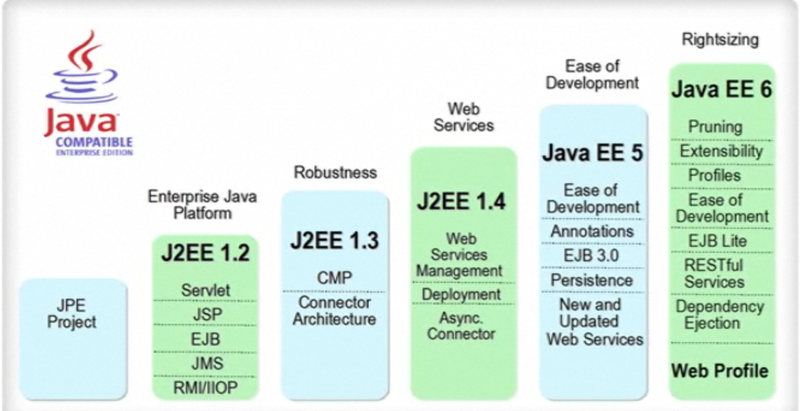
Java Platform, Enterprise Edition (Java EE), formerly known as J2EE, is a powerful platform for building enterprise-level applications. It provides a comprehensive set of APIs and services that simplify the development process and enable developers to create scalable, secure, and robust applications.

Key Features of Java EE

Java EE offers a range of features that make it a popular choice for developing enterprise applications:

  • Component-based architecture: Java EE applications are built using components such as EJBs (Enterprise JavaBeans) and servlets, making it easier to manage and maintain large-scale projects.
  • Enterprise services: Java EE provides essential services like transaction management, security, messaging, and more out of the box, saving developers time and effort in implementing these functionalities.
  • Scalability: Java EE applications can be easily scaled to accommodate increased load by leveraging features like clustering and load balancing.
  • Security: With built-in security mechanisms such as authentication and authorization, Java EE helps developers create secure applications that protect sensitive data.
  • JPA (Java Persistence API): Java EE includes JPA for simplifying database operations by providing an object-relational mapping framework.

Popular Technologies in Java EE

Some of the well-known technologies within the Java EE ecosystem include:

  • Servlets: Used for handling HTTP requests and responses in web applications.
  • JSP (JavaServer Pages): Enables the creation of dynamic web content using Java code embedded in HTML pages.
  • EJBs (Enterprise JavaBeans): Components that encapsulate business logic in enterprise applications.
  • JMS (Java Message Service): Facilitates messaging between distributed components in an application.

The Future of Java EE

In recent years, there has been a shift towards microservices architecture and cloud-native development. As a response to these trends, Jakarta EE has emerged as the successor to Java EE. Jakarta EE continues to evolve with new features and enhancements to meet the demands of modern enterprise application development.

In conclusion, Java EE remains a robust platform for building enterprise-grade applications. Its rich set of features, scalability options, and security mechanisms make it a preferred choice for developers working on complex projects. By staying updated with the latest advancements in the ecosystem, developers can leverage the power of Java EE to create innovative solutions for businesses worldwide.


9 Key Advantages of Java EE for Enterprise Application Development

  1. Comprehensive set of APIs for building enterprise applications
  2. Built-in support for essential services like transaction management and security
  3. Scalability features such as clustering and load balancing
  4. Component-based architecture simplifies application development
  5. JPA simplifies database operations with object-relational mapping
  6. Robust security mechanisms for protecting sensitive data
  7. Support for messaging services through JMS (Java Message Service)
  8. Enables creation of dynamic web content with JSP (JavaServer Pages)
  9. Continuously evolving to meet the demands of modern enterprise application development


Challenges of Java EE: Navigating Complexity, Resource Demands, and Overhead

  1. Steep learning curve
  2. Resource-intensive
  3. Overhead

Comprehensive set of APIs for building enterprise applications

Java EE’s comprehensive set of APIs for building enterprise applications is a significant advantage that simplifies and accelerates the development process. By providing a wide range of pre-built functionalities and services, developers can focus on implementing business logic rather than reinventing the wheel. These APIs cover essential aspects such as security, transaction management, messaging, and more, enabling developers to create robust and scalable enterprise solutions efficiently. The availability of these APIs in Java EE streamlines development efforts, enhances code quality, and ultimately contributes to the successful delivery of complex enterprise applications.

Built-in support for essential services like transaction management and security

Java EE’s built-in support for essential services, such as transaction management and security, significantly simplifies the development process for enterprise applications. By providing robust mechanisms for handling transactions and ensuring data security, Java EE empowers developers to focus on building core functionalities without having to implement these critical features from scratch. This inherent support enhances the reliability and integrity of applications, making them more resilient to potential risks and ensuring a smoother user experience.

Scalability features such as clustering and load balancing

One of the key advantages of Java EE is its robust scalability features, including clustering and load balancing. By utilizing clustering, Java EE applications can be distributed across multiple servers, allowing for increased performance and fault tolerance. Load balancing ensures that incoming requests are evenly distributed among servers, optimizing resource utilization and enhancing system reliability. These scalability features in Java EE empower developers to build applications that can seamlessly handle growing workloads and provide a consistent user experience even under high traffic conditions.

Component-based architecture simplifies application development

The component-based architecture of Java EE simplifies application development by breaking down complex systems into smaller, reusable components. Developers can focus on building individual components with specific functionalities, making it easier to manage and maintain the codebase. This approach promotes code reusability, modularity, and scalability, allowing developers to create robust enterprise applications efficiently. By leveraging the component-based architecture of Java EE, developers can streamline the development process and enhance the overall quality of their applications.

JPA simplifies database operations with object-relational mapping

Java EE’s Java Persistence API (JPA) stands out as a valuable asset by simplifying database operations through object-relational mapping. This feature streamlines the interaction between Java objects and relational databases, eliminating the need for developers to write complex SQL queries manually. By providing a straightforward way to map Java classes to database tables and manage data persistence, JPA enhances productivity and efficiency in application development, ultimately saving time and effort for developers.

Robust security mechanisms for protecting sensitive data

Java EE offers robust security mechanisms designed to safeguard sensitive data within enterprise applications. By incorporating features such as authentication, authorization, encryption, and secure communication protocols, Java EE empowers developers to create secure environments that protect critical information from unauthorized access or breaches. These built-in security capabilities not only ensure compliance with industry standards and regulations but also instill trust in users by maintaining the confidentiality and integrity of data throughout the application lifecycle.

Support for messaging services through JMS (Java Message Service)

Java EE’s support for messaging services through JMS (Java Message Service) is a significant advantage for developers building enterprise applications. JMS provides a reliable and asynchronous communication mechanism that allows different components of an application to exchange messages seamlessly. By leveraging JMS in Java EE, developers can design robust and scalable systems that facilitate efficient communication between distributed components, enhancing the overall performance and reliability of the application.

Enables creation of dynamic web content with JSP (JavaServer Pages)

One of the key advantages of Java EE is its ability to enable the creation of dynamic web content through JavaServer Pages (JSP). JSP allows developers to seamlessly integrate Java code within HTML pages, making it easier to generate dynamic content based on user input or system data. This feature not only enhances the user experience by providing interactive web applications but also simplifies the development process by allowing for efficient and flexible content generation.

Continuously evolving to meet the demands of modern enterprise application development

Java EE’s ability to continuously evolve to meet the demands of modern enterprise application development sets it apart as a dynamic and forward-thinking platform. By adapting to emerging technologies and trends, Java EE ensures that developers have access to the latest tools and features needed to create innovative solutions for complex business requirements. This proactive approach not only enhances the platform’s capabilities but also enables developers to stay ahead in a rapidly changing technological landscape, making Java EE a reliable choice for building scalable and future-proof enterprise applications.

Steep learning curve

One significant drawback of Java EE is its steep learning curve. The platform encompasses a complex ecosystem with a plethora of APIs and technologies, creating a daunting challenge for newcomers to fully comprehend all the intricate concepts. Navigating through the vast array of components and understanding how they interact can be overwhelming, requiring a considerable investment of time and effort to become proficient in Java EE development.

Resource-intensive

Java EE applications can pose a challenge in terms of resource consumption as they can be resource-intensive. This is primarily attributed to the overhead involved in managing components such as EJBs (Enterprise JavaBeans) and the complexities of the application server environment. The need for robust infrastructure and adequate resources to support these components may result in higher hardware requirements and operational costs, making it essential for developers to carefully optimize their Java EE applications to ensure efficient performance while balancing resource utilization.

Overhead

The comprehensive features and services offered by Java EE, while beneficial for complex enterprise applications, can introduce overhead that may be excessive for smaller or simpler projects. This additional complexity could potentially lead to performance issues as the system may be burdened with functionalities that are not essential for the project’s requirements. Careful consideration and optimization are necessary to strike a balance between leveraging the capabilities of Java EE and avoiding unnecessary overhead in order to ensure optimal performance in all types of projects.
java app

Mastering Java App Development: Building Powerful Applications with Java

The Power of Java Applications

The Power of Java Applications

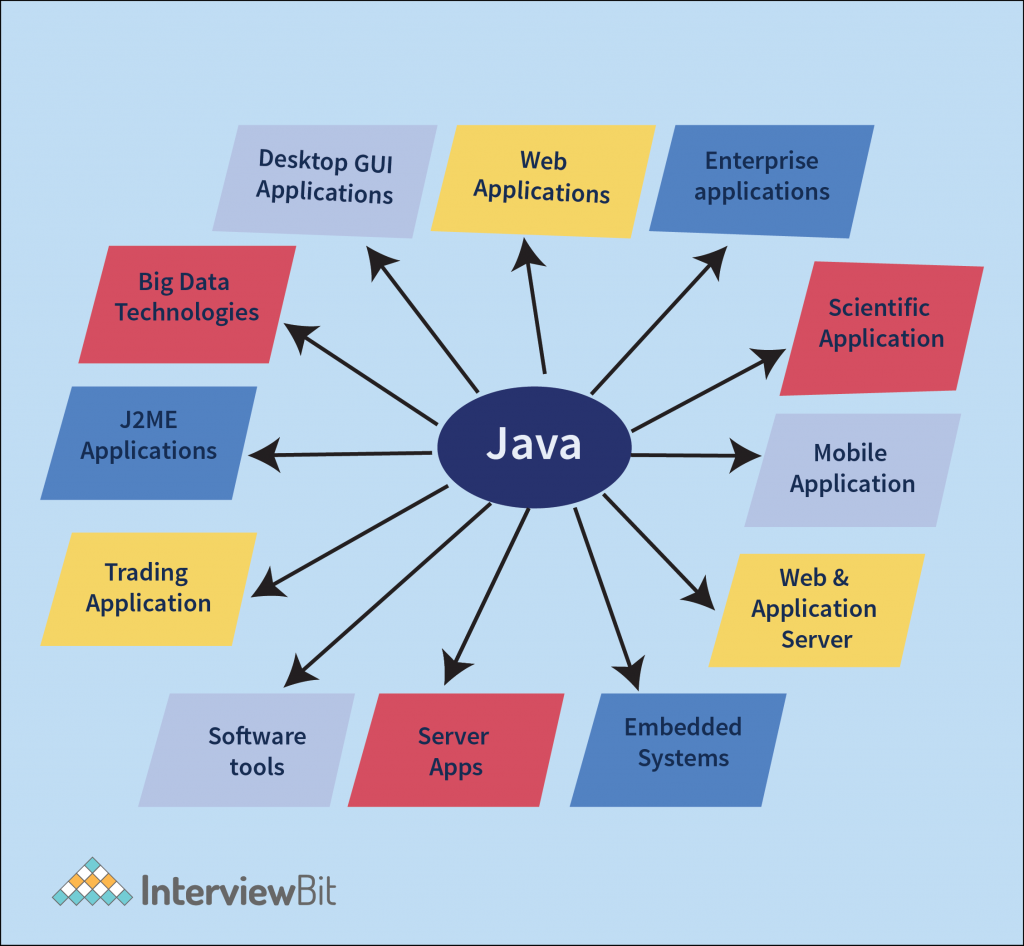
Java is a versatile programming language that has gained immense popularity for its ability to create robust and scalable applications. Java applications are used in a wide range of industries, from web development to mobile apps and enterprise software solutions.

One of the key strengths of Java applications is their platform independence. This means that a Java application can run on any device or operating system that has a Java Virtual Machine (JVM) installed. This portability makes Java an ideal choice for developing cross-platform applications that reach a larger audience.

Java’s rich set of libraries and frameworks provide developers with the tools they need to build complex and feature-rich applications efficiently. Whether you are developing a simple desktop application or a sophisticated web-based system, Java offers the flexibility and scalability required to meet your project’s demands.

Furthermore, Java’s strong emphasis on security makes it a popular choice for developing secure applications. With built-in features like automatic memory management and strong type checking, Java helps developers write code that is less prone to common vulnerabilities such as buffer overflows or memory leaks.

Java’s community support is another factor that contributes to its popularity. The vast community of Java developers worldwide ensures that there are plenty of resources, tutorials, and forums available for developers looking to enhance their skills or troubleshoot issues they encounter during development.

In conclusion, Java applications offer unparalleled versatility, portability, security, and community support. Whether you are a seasoned developer or just starting your programming journey, exploring the world of Java applications can open up a world of possibilities for creating innovative and powerful software solutions.


9 Essential Tips for Building Robust and Maintainable Java Applications

  1. 1. Write clean and readable code to improve maintainability.
  2. 2. Follow naming conventions to enhance code consistency.
  3. 3. Use meaningful comments to explain complex logic or algorithms.
  4. 4. Break down large functions into smaller, reusable methods for better organization.
  5. 5. Implement error handling to gracefully manage exceptions and prevent crashes.
  6. 6. Optimize performance by avoiding unnecessary loops or operations.
  7. 7. Utilize design patterns to solve common problems effectively.
  8. 8. Test your application thoroughly with unit tests and integration tests.
  9. 9. Keep learning and stay updated with the latest Java features and best practices.

1. Write clean and readable code to improve maintainability.

Writing clean and readable code is crucial when developing Java applications to enhance maintainability. By following best practices and adhering to coding standards, developers can ensure that their code is easy to understand and modify in the future. Clean code not only makes it simpler for other team members to collaborate on the project but also reduces the chances of introducing bugs during maintenance. Prioritizing readability in code can lead to more efficient debugging, faster updates, and overall smoother development processes for Java applications.

2. Follow naming conventions to enhance code consistency.

Following naming conventions is a crucial practice in Java application development as it enhances code consistency and readability. By adhering to established naming conventions, developers can create code that is easier to understand and maintain. Consistent naming of classes, methods, variables, and other elements not only improves the overall quality of the codebase but also promotes collaboration among team members. When everyone follows the same naming conventions, it becomes simpler to navigate through the code, identify functionalities, and make modifications without confusion. This simple tip can have a significant impact on the efficiency and effectiveness of Java application development projects.

3. Use meaningful comments to explain complex logic or algorithms.

When developing a Java application, it is crucial to utilize meaningful comments to elucidate intricate logic or algorithms. By incorporating clear and concise comments within the codebase, developers can enhance the readability and maintainability of the application. These comments serve as valuable documentation for understanding the purpose behind complex logic, facilitating collaboration among team members, and aiding in future troubleshooting and modifications. Embracing this practice not only promotes code clarity but also contributes to the overall efficiency and effectiveness of the Java application development process.

4. Break down large functions into smaller, reusable methods for better organization.

Breaking down large functions into smaller, reusable methods is a valuable tip in Java application development. By dividing complex tasks into smaller, more manageable chunks, developers can improve the organization and maintainability of their code. This practice not only enhances readability but also promotes code reusability, making it easier to maintain and update the application in the future. Additionally, breaking down functions into smaller methods allows for better testing and debugging, as issues can be isolated and addressed more effectively. Overall, adopting this approach leads to more efficient and structured Java applications.

5. Implement error handling to gracefully manage exceptions and prevent crashes.

Implementing error handling is a crucial aspect of developing Java applications to ensure smooth operation and prevent unexpected crashes. By gracefully managing exceptions, developers can anticipate potential errors and handle them appropriately, maintaining the application’s stability and enhancing the user experience. Proper error handling not only helps in identifying issues promptly but also allows for effective troubleshooting and debugging, leading to more robust and reliable Java applications.

6. Optimize performance by avoiding unnecessary loops or operations.

To optimize the performance of a Java application, it is crucial to avoid unnecessary loops or operations. By minimizing the number of loops and streamlining operations within the code, developers can significantly improve the efficiency and speed of their application. Unnecessary loops can lead to increased processing time and resource consumption, impacting the overall performance of the software. Therefore, by carefully assessing and optimizing the logic within loops and operations, developers can enhance the performance of their Java application and deliver a more responsive user experience.

7. Utilize design patterns to solve common problems effectively.

Utilizing design patterns in Java applications is a valuable strategy to solve common problems effectively. By leveraging established design patterns such as Singleton, Factory, or Observer, developers can streamline their code structure, improve maintainability, and enhance scalability. Design patterns provide proven solutions to recurring design challenges, allowing developers to write cleaner and more efficient code while promoting best practices in software development. Incorporating design patterns in Java applications not only enhances code quality but also fosters a deeper understanding of software architecture principles among developers.

8. Test your application thoroughly with unit tests and integration tests.

Testing your Java application thoroughly with unit tests and integration tests is crucial for ensuring its reliability and functionality. Unit tests allow you to test individual components of your code in isolation, verifying that each part works as intended. On the other hand, integration tests help you assess how different parts of your application work together as a whole. By conducting both types of tests diligently, you can identify and address any issues early in the development process, leading to a more robust and stable Java application in the end.

9. Keep learning and stay updated with the latest Java features and best practices.

To ensure the success of your Java applications, it is crucial to continuously expand your knowledge and stay informed about the latest Java features and best practices. By keeping up with advancements in the Java ecosystem, you can leverage new tools, techniques, and optimizations to enhance the performance, security, and scalability of your applications. Embracing a mindset of lifelong learning in Java development not only sharpens your skills but also empowers you to adapt to industry trends and deliver cutting-edge solutions that meet evolving user needs.

saas application

Unlocking Efficiency: The Power of SaaS Applications

The Power of SaaS Applications

The Power of SaaS Applications

Software as a Service (SaaS) applications have revolutionized the way businesses operate in the digital age. Unlike traditional software models that require installation and maintenance on individual devices, SaaS applications are hosted in the cloud and accessed through the internet.

One of the key advantages of SaaS applications is their accessibility. Users can access the software from any device with an internet connection, making it convenient for remote work and collaboration. This flexibility allows teams to work together seamlessly, regardless of their physical location.

Another benefit of SaaS applications is scalability. Businesses can easily adjust their subscription plans based on their needs, whether they need to add more users or upgrade to a higher tier for additional features. This scalability makes SaaS applications cost-effective for businesses of all sizes.

Security is a top priority for SaaS providers. With data stored in secure cloud environments and regular updates to address vulnerabilities, businesses can trust that their sensitive information is protected. This peace of mind allows organizations to focus on their core operations without worrying about data breaches or cyber threats.

SaaS applications also offer automatic updates and maintenance, eliminating the need for manual installations and upgrades. This ensures that users always have access to the latest features and improvements without any additional effort on their part.

In conclusion, SaaS applications have transformed the way businesses leverage technology to streamline operations, enhance collaboration, and drive growth. With their accessibility, scalability, security, and convenience, SaaS applications are a valuable asset for modern organizations looking to stay competitive in today’s fast-paced digital landscape.


8 Essential Tips for Building a Successful SaaS Application

  1. Ensure data security and privacy measures are robust.
  2. Provide regular software updates to enhance performance and security.
  3. Offer a user-friendly interface for easy navigation and adoption.
  4. Implement effective customer support channels for prompt assistance.
  5. Integrate analytics tools to track usage and gather insights for improvements.
  6. Enable seamless scalability to accommodate growing business needs.
  7. Define clear service level agreements (SLAs) to manage expectations.
  8. Regularly gather feedback from users to drive continuous improvement.

Ensure data security and privacy measures are robust.

When utilizing a Software as a Service (SaaS) application, it is crucial to ensure that data security and privacy measures are robust. Protecting sensitive information is paramount in today’s digital landscape, and implementing strong security protocols within the SaaS platform helps safeguard against potential threats and unauthorized access. By prioritizing data security and privacy, businesses can instill trust among users, maintain compliance with regulations, and mitigate the risks associated with cyber threats. Vigilance in maintaining robust security measures is essential for fostering a secure and reliable environment for data storage and processing within SaaS applications.

Provide regular software updates to enhance performance and security.

Regular software updates play a crucial role in optimizing the performance and security of SaaS applications. By providing timely updates, businesses can ensure that their software remains efficient, reliable, and protected against potential vulnerabilities. These updates not only enhance the user experience by introducing new features and improvements but also reinforce the overall security posture of the application. By staying proactive with software updates, organizations can mitigate risks, maintain compliance with industry standards, and demonstrate a commitment to delivering a high-quality product to their users.

Offer a user-friendly interface for easy navigation and adoption.

When developing a Software as a Service (SaaS) application, it is crucial to prioritize offering a user-friendly interface for easy navigation and adoption. A well-designed interface not only enhances the user experience but also accelerates the onboarding process for new users. By focusing on intuitive design elements, clear navigation pathways, and accessible features, SaaS providers can ensure that users can quickly familiarize themselves with the application and maximize its functionality efficiently. This approach promotes user satisfaction, boosts productivity, and ultimately contributes to the overall success of the SaaS application in meeting the needs of its users.

Implement effective customer support channels for prompt assistance.

To maximize the benefits of a SaaS application, it is crucial to implement effective customer support channels for prompt assistance. By providing users with easy access to knowledgeable support staff through various communication channels such as live chat, email, and phone support, businesses can ensure that any issues or queries are addressed promptly. This proactive approach not only enhances user experience but also builds trust and loyalty among customers, ultimately leading to increased satisfaction and retention rates. Effective customer support channels play a vital role in ensuring a smooth and successful user experience with SaaS applications.

Integrate analytics tools to track usage and gather insights for improvements.

By integrating analytics tools into your SaaS application, you can track user behavior, monitor usage patterns, and gather valuable insights to drive improvements. Analyzing data such as user engagement, feature adoption rates, and performance metrics allows you to make informed decisions on enhancing the user experience, optimizing functionalities, and identifying areas for growth. Leveraging analytics tools empowers you to continuously refine your SaaS application based on real-time data, ensuring that it remains relevant and valuable to your users.

Enable seamless scalability to accommodate growing business needs.

To maximize the benefits of a SaaS application, it is crucial to enable seamless scalability to accommodate growing business needs. By ensuring that the software can easily expand to meet increased demands, businesses can adapt to changing requirements without disruption. This flexibility allows organizations to scale their operations efficiently, add new users or features as needed, and stay agile in a dynamic business environment. Embracing seamless scalability in a SaaS application empowers businesses to grow sustainably and optimize their resources for long-term success.

Define clear service level agreements (SLAs) to manage expectations.

When implementing a Software as a Service (SaaS) application, it is crucial to define clear service level agreements (SLAs) to manage expectations effectively. SLAs outline the level of service that users can expect from the SaaS provider, including performance metrics, availability guarantees, and support response times. By establishing transparent SLAs, both parties have a mutual understanding of responsibilities and commitments, ensuring a smooth and reliable user experience. Clear SLAs help manage expectations, build trust between the provider and users, and provide a framework for resolving any issues that may arise during the use of the SaaS application.

Regularly gather feedback from users to drive continuous improvement.

Regularly gathering feedback from users is a crucial practice when it comes to optimizing SaaS applications. By listening to user input and understanding their needs and challenges, businesses can drive continuous improvement and ensure that the software meets evolving requirements. User feedback provides valuable insights that can guide developers in enhancing features, addressing usability issues, and prioritizing updates. This iterative process of feedback collection and implementation not only fosters user satisfaction but also helps SaaS providers stay competitive in the ever-changing tech landscape.

linux application development

Exploring the World of Linux Application Development

Linux Application Development

The World of Linux Application Development

Linux, an open-source operating system, has been a favorite among developers for its flexibility, security, and customization options. When it comes to application development on Linux, there are a plethora of tools and resources available to create robust and efficient software solutions.

Benefits of Linux for Application Development

Developers choose Linux for application development due to various reasons:

  • Open-Source Nature: Linux’s open-source nature allows developers to access the source code, modify it, and contribute to the community.
  • Stability and Security: Linux is known for its stability and security features, making it a reliable platform for developing secure applications.
  • Compatibility: Linux supports a wide range of programming languages and frameworks, making it versatile for developers with different preferences.
  • Cost-Effective: As an open-source platform, Linux is cost-effective compared to proprietary operating systems.

Tools for Linux Application Development

Several tools are popular among developers for creating applications on the Linux platform:

  1. GCC (GNU Compiler Collection): A powerful compiler that supports various programming languages like C, C++, and Fortran.
  2. Eclipse: An integrated development environment (IDE) that offers features for code editing, debugging, and version control integration.
  3. Vim: A highly configurable text editor favored by many developers for its efficiency and extensibility.
  4. Docker: A containerization platform that simplifies application deployment by packaging software into containers.

The Future of Linux Application Development

The future of Linux application development looks promising with continuous advancements in technology. With the rise of cloud computing, Internet of Things (IoT), artificial intelligence (AI), and machine learning (ML), developers have ample opportunities to innovate using Linux as their preferred development environment.

In conclusion, Linux provides a robust foundation for creating diverse applications across various industries. Its open nature fosters collaboration and innovation among developers worldwide. Whether you are a seasoned developer or just starting your journey in application development, exploring Linux as your platform can lead to exciting possibilities and rewarding outcomes.


8 Advantages of Linux Application Development: Customization, Stability, and More

  1. Open-source nature allows access to source code for customization.
  2. Stability and security features make Linux a reliable platform.
  3. Wide compatibility with various programming languages and frameworks.
  4. Cost-effective compared to proprietary operating systems.
  5. Vast community support for troubleshooting and collaboration.
  6. Efficient performance even on older hardware configurations.
  7. Extensive library of development tools and software packages.
  8. Seamless integration with cloud computing technologies.


7 Challenges of Linux Application Development: Overcoming Common Hurdles

  1. Limited Support for Commercial Software
  2. Fragmentation Across Different Distributions
  3. Hardware Compatibility Challenges
  4. Steep Learning Curve for Beginners
  5. Less User-Friendly Interface for Non-Tech Users
  6. Potential Dependency Management Issues
  7. Varied Documentation Quality

Open-source nature allows access to source code for customization.

One significant advantage of Linux application development is its open-source nature, which grants developers access to the source code for customization. This transparency enables developers to tailor software solutions to meet specific requirements, enhance functionality, and address unique challenges. By being able to modify and contribute to the source code, developers have the freedom to innovate and create tailored applications that align perfectly with their project goals. The open-source philosophy of Linux fosters collaboration and empowers developers to build efficient, secure, and personalized software solutions that cater to diverse needs in the ever-evolving tech landscape.

Stability and security features make Linux a reliable platform.

The inherent stability and robust security features of Linux make it a highly reliable platform for application development. Developers trust Linux for its ability to provide a secure environment that minimizes vulnerabilities and ensures the integrity of their software solutions. The consistent performance and resilience of Linux contribute to a dependable development environment, allowing developers to focus on creating innovative applications without compromising on stability or security.

Wide compatibility with various programming languages and frameworks.

One significant advantage of Linux application development is its wide compatibility with a diverse range of programming languages and frameworks. Developers have the flexibility to choose from popular languages like C, C++, Python, Java, and more, along with frameworks such as Qt, GTK, and Electron. This broad compatibility enables developers to work with their preferred tools and technologies, making Linux a versatile platform for creating software solutions tailored to specific needs and preferences.

Cost-effective compared to proprietary operating systems.

One significant advantage of Linux application development is its cost-effectiveness compared to proprietary operating systems. Since Linux is an open-source platform, developers can access and utilize it without incurring high licensing fees associated with proprietary operating systems. This cost-saving benefit enables developers to allocate resources more efficiently, invest in enhancing their applications, and reach a broader audience without financial constraints. Ultimately, the affordability of Linux as a development environment contributes to fostering innovation and creativity within the software development community.

Vast community support for troubleshooting and collaboration.

One significant advantage of Linux application development is the vast community support available for troubleshooting and collaboration. The active and diverse community of Linux users and developers worldwide offers a wealth of resources, forums, and online communities where individuals can seek help, share knowledge, and collaborate on projects. This extensive network not only facilitates quick resolution of technical issues but also promotes knowledge sharing and fosters a culture of innovation within the Linux development ecosystem. Developers can benefit greatly from this supportive community environment, making Linux an ideal platform for those looking to engage with like-minded individuals and enhance their skills through collective learning and problem-solving efforts.

Efficient performance even on older hardware configurations.

One significant advantage of Linux application development is its efficient performance, even on older hardware configurations. Linux’s lightweight design and optimized resource utilization allow it to run smoothly on older machines, maximizing their potential and extending their usability. This capability not only benefits users with older hardware but also contributes to reducing electronic waste by giving new life to aging devices. Developers can leverage Linux’s efficiency to create applications that deliver a seamless user experience across a wide range of hardware setups, making it a versatile choice for software development projects aimed at diverse audiences.

Extensive library of development tools and software packages.

One significant advantage of Linux application development is its extensive library of development tools and software packages. Developers have access to a wide range of resources that can streamline the development process, enhance productivity, and facilitate the creation of high-quality applications. Whether it’s compilers, debuggers, libraries, or other essential tools, the vast selection available on Linux ensures that developers can find the right solutions to meet their specific needs and requirements. This rich ecosystem of development tools and software packages contributes to the efficiency and effectiveness of Linux as a preferred platform for application development.

Seamless integration with cloud computing technologies.

Linux application development offers the significant advantage of seamless integration with cloud computing technologies. With Linux as the underlying operating system, developers can easily deploy and manage applications on cloud platforms like AWS, Google Cloud, and Azure. The compatibility of Linux with cloud services enables developers to leverage scalable resources, automate deployment processes, and build resilient applications that can adapt to dynamic cloud environments. This seamless integration empowers developers to take full advantage of the benefits of cloud computing while utilizing the robust capabilities of Linux for efficient and effective application development.

Limited Support for Commercial Software

One significant con of Linux application development is the limited support for commercial software. While Linux offers a vast array of open-source tools and applications, some proprietary software may not have native compatibility with the operating system. This can pose challenges for developers who rely on specific commercial software packages that are not readily available or optimized for Linux. As a result, developers may encounter difficulties in integrating certain third-party applications seamlessly into their Linux-based development environment, potentially impacting productivity and workflow efficiency.

Fragmentation Across Different Distributions

One notable con of Linux application development is the fragmentation that exists across different distributions. With numerous Linux distributions available, each with its own set of libraries, package managers, and system configurations, developers often face challenges in ensuring their applications run smoothly on all platforms. This fragmentation can lead to compatibility issues, requiring extra effort to optimize and test applications for various distributions, ultimately increasing development time and complexity. Developers must carefully consider compatibility factors and implement strategies to address fragmentation when targeting a wide range of Linux distributions for their applications.

Hardware Compatibility Challenges

One significant challenge in Linux application development is the issue of hardware compatibility. Due to the diverse range of hardware components available in the market, ensuring that an application developed on Linux runs smoothly across all devices can be a daunting task. Developers may encounter difficulties in optimizing their software to work seamlessly with various hardware configurations, leading to potential performance issues or functionality limitations. Addressing hardware compatibility challenges requires thorough testing, meticulous debugging, and continuous updates to ensure that the application can effectively interact with different hardware setups while maintaining optimal performance and user experience.

Steep Learning Curve for Beginners

One significant con of Linux application development is the steep learning curve it presents for beginners. Due to its highly customizable nature and command-line interface, newcomers to Linux development may find it challenging to grasp the intricacies of the operating system and the various tools and commands required for software development. The abundance of options and configurations available on Linux can be overwhelming for those unfamiliar with the environment, leading to a longer onboarding process and potentially hindering the initial progress of novice developers.

Less User-Friendly Interface for Non-Tech Users

One notable con of Linux application development is its less user-friendly interface for non-tech users. Unlike some other operating systems that prioritize simplicity and ease of use, Linux can be more challenging for individuals who are not familiar with technical terms and processes. Navigating the system settings, installing software, and troubleshooting issues may require a certain level of technical knowledge, which can be a barrier for those who prefer a more intuitive user experience. This complexity in the user interface aspect of Linux may deter some non-tech users from fully embracing the platform for application development.

Potential Dependency Management Issues

One significant challenge in Linux application development is the potential for dependency management issues. Due to the diverse range of libraries, packages, and versions available in the Linux ecosystem, developers may encounter difficulties in ensuring that all dependencies are correctly installed and compatible with their application. This can lead to compatibility issues, version conflicts, and time-consuming troubleshooting efforts to resolve dependency-related errors. Effective dependency management strategies and tools are essential to mitigate these challenges and streamline the development process on the Linux platform.

Varied Documentation Quality

One notable con of Linux application development is the varied quality of documentation available. While Linux offers a vast array of resources and documentation to support developers, the quality and consistency of these materials can vary widely. This inconsistency in documentation quality can pose a challenge for developers, especially those who rely heavily on clear and comprehensive guides to navigate the intricacies of the Linux environment. Navigating through disparate levels of documentation quality may lead to confusion, inefficiencies, and potential roadblocks in the development process, requiring developers to invest additional time and effort in seeking out reliable information and troubleshooting solutions.

cybersecurity services

Enhancing Security: The Vital Role of Cybersecurity Services

The Importance of Cybersecurity Services

The Importance of Cybersecurity Services

In today’s digital age, cybersecurity has become a critical aspect of protecting sensitive information and maintaining the integrity of businesses and individuals online. Cyber threats are constantly evolving, making it essential for organizations to invest in robust cybersecurity services to safeguard their data and systems.

Types of Cybersecurity Services

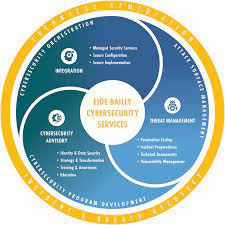
Cybersecurity services encompass a wide range of solutions designed to detect, prevent, and respond to cyber threats. Some common cybersecurity services include:

  • Network Security: Securing networks from unauthorized access and ensuring data confidentiality.
  • Endpoint Security: Protecting individual devices such as computers, laptops, and mobile devices from malware and other cyber threats.
  • Incident Response: Developing plans to address security incidents promptly and minimize their impact.
  • Security Audits: Evaluating existing security measures to identify vulnerabilities and areas for improvement.
  • Cloud Security: Ensuring data stored in cloud environments is protected from unauthorized access.

The Benefits of Cybersecurity Services

Investing in cybersecurity services offers numerous benefits, including:

  • Data Protection: Safeguarding sensitive information from theft or unauthorized access.
  • Breach Prevention: Proactively identifying and mitigating potential security risks before they result in a breach.
  • Compliance: Ensuring that organizations comply with industry regulations and standards related to data security.
  • Reputation Management: Building trust with customers by demonstrating a commitment to protecting their data.

The Future of Cybersecurity Services

As cyber threats continue to evolve, the demand for advanced cybersecurity services will only increase. Organizations must stay vigilant and adapt their security measures to combat emerging threats effectively. By partnering with reputable cybersecurity service providers, businesses can enhance their security posture and minimize the risk of cyber attacks.

In conclusion, cybersecurity services play a crucial role in safeguarding digital assets and maintaining trust in an increasingly interconnected world. By prioritizing cybersecurity measures, organizations can protect themselves against evolving cyber threats and ensure the resilience of their operations in the face of potential security breaches.


8 Essential Cybersecurity Tips to Protect Your Digital Life

  1. Regularly update your software and operating systems to patch security vulnerabilities.
  2. Use strong, unique passwords for each online account and consider using a password manager.
  3. Enable two-factor authentication whenever possible for an added layer of security.
  4. Be cautious of phishing emails and never click on suspicious links or download attachments from unknown sources.
  5. Secure your home network with a strong password and encryption to prevent unauthorized access.
  6. Backup your data regularly to protect against data loss in case of a cyber attack or system failure.
  7. Educate yourself and your employees about cybersecurity best practices to create a security-conscious culture.
  8. Consider investing in cybersecurity services such as antivirus software, firewall protection, and intrusion detection systems.

Regularly update your software and operating systems to patch security vulnerabilities.

Regularly updating your software and operating systems is a crucial step in maintaining strong cybersecurity defenses. By installing the latest patches and updates, you can address known security vulnerabilities that cyber attackers may exploit. These updates often include important security fixes that help protect your devices and data from potential threats. Making software updates a routine practice can significantly enhance the overall security posture of your systems and reduce the risk of falling victim to cyber attacks.

Use strong, unique passwords for each online account and consider using a password manager.

In the realm of cybersecurity services, a crucial tip is to utilize strong, unique passwords for every online account and contemplate employing a password manager. By creating complex and distinct passwords for each account, individuals can significantly enhance their overall online security. A password manager offers a convenient solution for securely storing and managing multiple passwords, reducing the risk of password reuse and enhancing protection against unauthorized access to sensitive information. Embracing this practice can fortify one’s digital defenses and mitigate the potential risks associated with compromised credentials in today’s interconnected digital landscape.

Enable two-factor authentication whenever possible for an added layer of security.

Enabling two-factor authentication whenever possible is a highly recommended practice in cybersecurity services. This additional layer of security provides an extra barrier against unauthorized access by requiring users to provide a second form of verification, such as a code sent to their mobile device or a biometric scan. By implementing two-factor authentication, individuals and organizations can significantly enhance their defense against cyber threats and reduce the risk of unauthorized account access or data breaches.

It is crucial to exercise caution when it comes to cybersecurity services, particularly in dealing with phishing emails. One essential tip is to be wary of suspicious emails and refrain from clicking on any links or downloading attachments from unknown sources. Phishing attacks often disguise themselves as legitimate communications to trick individuals into revealing sensitive information or installing malware on their devices. By staying vigilant and avoiding interactions with suspicious email content, individuals can significantly reduce the risk of falling victim to cyber threats and protect their personal and organizational data from potential breaches.

Secure your home network with a strong password and encryption to prevent unauthorized access.

To enhance the security of your home network, it is crucial to secure it with a strong password and encryption. By setting up a robust password that combines letters, numbers, and special characters, you can significantly reduce the risk of unauthorized access to your network. Additionally, enabling encryption protocols such as WPA2 or WPA3 adds an extra layer of protection by encoding data transmitted over the network, making it more challenging for cybercriminals to intercept sensitive information. Taking these simple yet effective steps can go a long way in safeguarding your home network from potential security threats.

Backup your data regularly to protect against data loss in case of a cyber attack or system failure.

Regularly backing up your data is a crucial tip in cybersecurity services to mitigate the risk of data loss due to cyber attacks or system failures. By maintaining up-to-date backups of your important information, you can ensure that even if your systems are compromised, you have a secure copy of your data that can be restored quickly, minimizing the impact of potential security incidents. Backup strategies are an essential component of a comprehensive cybersecurity plan, providing an added layer of protection against unforeseen events that could jeopardize the integrity and availability of your critical data.

Educate yourself and your employees about cybersecurity best practices to create a security-conscious culture.

Creating a security-conscious culture within your organization begins with education. By taking the time to educate yourself and your employees about cybersecurity best practices, you can empower everyone to play a proactive role in protecting sensitive information and preventing cyber threats. From recognizing phishing emails to implementing strong password policies, knowledge is key to building a resilient defense against potential security breaches. By fostering a culture of awareness and vigilance, you can strengthen your overall cybersecurity posture and mitigate risks effectively.

Consider investing in cybersecurity services such as antivirus software, firewall protection, and intrusion detection systems.

When it comes to safeguarding your digital assets, it is crucial to consider investing in cybersecurity services such as antivirus software, firewall protection, and intrusion detection systems. These tools form the backbone of a robust cybersecurity strategy by providing essential layers of defense against malware, unauthorized access, and suspicious activities. Antivirus software helps detect and remove malicious programs, while firewall protection acts as a barrier against unauthorized network traffic. Intrusion detection systems monitor network activity for signs of potential threats, enabling proactive responses to mitigate risks effectively. By incorporating these cybersecurity services into your security framework, you can enhance your overall defense posture and better protect your valuable data from cyber threats.