
cfchris.com

Loading

c3 ai

Empowering Industries with C3 AI’s Advanced Solutions

C3 AI: Transforming Industries with Artificial Intelligence

C3 AI: Transforming Industries with Artificial Intelligence

In today’s rapidly evolving technological landscape, artificial intelligence (AI) is at the forefront of innovation. C3 AI stands out as a leader in this space, offering robust solutions that empower businesses to harness the power of AI and drive digital transformation.

About C3 AI

C3 AI is a leading enterprise AI software provider that specializes in enabling organizations to develop, deploy, and operate large-scale AI applications. Founded by Thomas M. Siebel in 2009, the company has grown to become a pivotal player in the AI industry, serving a diverse range of sectors including manufacturing, energy, financial services, healthcare, and more.

The C3 AI Suite

The cornerstone of C3 AI’s offerings is the C3 AI Suite. This comprehensive platform provides the tools necessary for developing enterprise-scale AI applications quickly and efficiently. The suite includes pre-built applications for predictive maintenance, fraud detection, supply chain optimization, and more.

  • Data Integration: The platform seamlessly integrates data from disparate sources into a unified data image.
  • Model Development: Users can build machine learning models using various frameworks and languages.
  • Application Deployment: The suite allows for rapid deployment of applications across cloud environments or on-premises infrastructure.

Industries Served by C3 AI

C3 AI’s solutions are designed to meet the needs of various industries:

  1. Energy: Optimizing operations through predictive maintenance and energy management applications.
  2. Aerospace & Defense: Enhancing mission readiness with advanced logistics and supply chain insights.
  3. Healthcare: Improving patient outcomes through predictive analytics and operational efficiency tools.
  4. BFSI (Banking, Financial Services & Insurance): Strengthening fraud detection systems and risk management strategies.

The Impact of C3 AI

C3 AI is making significant strides in transforming how businesses operate by providing them with actionable insights derived from their data. By leveraging advanced machine learning algorithms and big data analytics, companies can enhance decision-making processes, reduce costs, increase efficiency, and ultimately gain a competitive edge in their respective markets.

The Future of C3 AI

The future looks promising for C3 AI as it continues to expand its capabilities and explore new frontiers in artificial intelligence. With ongoing investments in research and development as well as strategic partnerships with leading technology firms like Microsoft Azure and Google Cloud Platform, C3 AI is poised to remain at the cutting edge of innovation in enterprise-level artificial intelligence solutions.

C3 AI’s commitment to excellence ensures that it will continue playing an integral role in shaping the future of industries worldwide through its innovative use of artificial intelligence technologies.


Unlocking Business Potential: 8 Advantages of C3 AI’s Comprehensive Enterprise Solutions

  1. Empowers businesses to harness the power of artificial intelligence.
  2. Offers a comprehensive AI software suite for enterprise-scale applications.
  3. Provides pre-built applications for various use cases such as predictive maintenance and fraud detection.
  4. Enables seamless data integration from diverse sources into a unified data image.
  5. Supports rapid development and deployment of machine learning models.
  6. Serves a wide range of industries including energy, healthcare, and BFSI.
  7. Helps organizations make informed decisions through actionable insights derived from data analytics.
  8. Continuously innovates and collaborates with industry leaders like Microsoft Azure and Google Cloud Platform.


Challenges of Implementing C3 AI: Key Considerations for Businesses

  1. Steep learning curve for users unfamiliar with AI technologies
  2. High initial investment required for implementing C3 AI solutions
  3. Limited customization options may not meet the unique needs of all businesses
  4. Potential data privacy and security concerns due to the integration of diverse data sources
  5. Dependency on continuous updates and support from C3 AI for optimal performance

Empowers businesses to harness the power of artificial intelligence.

C3 AI empowers businesses to harness the power of artificial intelligence by providing a comprehensive platform that simplifies the development and deployment of AI applications. With its robust suite of tools, C3 AI enables organizations to integrate vast amounts of data from various sources, making it easier to extract valuable insights and drive informed decision-making. By leveraging machine learning models and advanced analytics, businesses can optimize operations, enhance customer experiences, and innovate more effectively. This empowerment allows companies to stay competitive in an increasingly digital world, transforming data into actionable strategies that lead to tangible business outcomes.

Offers a comprehensive AI software suite for enterprise-scale applications.

C3 AI offers a comprehensive AI software suite designed specifically for enterprise-scale applications, providing businesses with the tools they need to harness the full potential of artificial intelligence. This robust platform enables organizations to integrate vast amounts of data from various sources, develop sophisticated machine learning models, and deploy AI applications seamlessly across cloud or on-premises environments. By offering pre-built applications tailored for industries such as manufacturing, energy, and healthcare, C3 AI empowers companies to optimize operations, enhance decision-making processes, and drive digital transformation with greater efficiency and precision.

Provides pre-built applications for various use cases such as predictive maintenance and fraud detection.

C3 AI offers a significant advantage by providing pre-built applications tailored for various use cases, including predictive maintenance and fraud detection. These ready-to-use solutions allow businesses to quickly implement AI-driven insights without the need for extensive development time or resources. By leveraging these applications, organizations can enhance operational efficiency, reduce downtime through predictive maintenance, and strengthen security measures with advanced fraud detection capabilities. This approach not only accelerates the deployment of AI technologies but also ensures that companies can focus on strategic goals while relying on proven, industry-specific solutions.

Enables seamless data integration from diverse sources into a unified data image.

C3 AI excels in enabling seamless data integration from diverse sources into a unified data image, which is a significant advantage for enterprises dealing with vast amounts of data. This capability allows organizations to consolidate information from various systems, databases, and external feeds into a single cohesive view. By doing so, it eliminates data silos and ensures that decision-makers have access to comprehensive and up-to-date insights. This unified data image facilitates more accurate analytics and supports better decision-making processes across the organization, ultimately driving efficiency and innovation.

Supports rapid development and deployment of machine learning models.

C3 AI excels in supporting the rapid development and deployment of machine learning models, making it a standout choice for enterprises seeking to harness the power of AI efficiently. The platform’s comprehensive suite of tools streamlines the entire process, from data integration to model training and deployment. By offering a flexible and scalable environment, C3 AI enables data scientists and developers to quickly iterate on models, reducing time-to-market and accelerating innovation. This capability allows businesses to adapt swiftly to changing market conditions and derive actionable insights from their data, ultimately enhancing decision-making and maintaining a competitive edge.

Serves a wide range of industries including energy, healthcare, and BFSI.

C3 AI’s versatility in serving a wide range of industries, including energy, healthcare, and BFSI (Banking, Financial Services, and Insurance), highlights its robust capabilities and adaptability. In the energy sector, C3 AI provides solutions that optimize operations through predictive maintenance and efficient energy management. In healthcare, it enhances patient care by leveraging predictive analytics to improve operational efficiency and outcomes. For the BFSI industry, C3 AI strengthens fraud detection systems and enhances risk management strategies. This broad industry applicability demonstrates C3 AI’s ability to tailor its advanced AI solutions to meet the unique challenges and needs of various sectors, driving innovation and efficiency across different markets.

Helps organizations make informed decisions through actionable insights derived from data analytics.

C3 AI empowers organizations to make informed decisions by transforming raw data into actionable insights through advanced data analytics. By leveraging its robust AI platform, C3 AI enables businesses to integrate vast amounts of data from various sources, analyze it effectively, and uncover patterns and trends that might otherwise go unnoticed. This capability allows decision-makers to gain a deeper understanding of their operations, anticipate future challenges, and identify opportunities for growth and improvement. As a result, organizations can optimize processes, enhance efficiency, and maintain a competitive edge in their respective industries by making strategic decisions rooted in data-driven evidence.

Continuously innovates and collaborates with industry leaders like Microsoft Azure and Google Cloud Platform.

C3 AI is renowned for its continuous innovation and strategic collaborations with industry leaders such as Microsoft Azure and Google Cloud Platform. By partnering with these tech giants, C3 AI enhances its ability to deliver cutting-edge AI solutions that are scalable, secure, and efficient. These collaborations enable C3 AI to integrate the latest advancements in cloud technology and artificial intelligence, ensuring that its clients benefit from the most up-to-date tools and resources. This commitment to innovation not only strengthens C3 AI’s offerings but also empowers businesses across various sectors to leverage AI for improved operational efficiency and competitive advantage.

Steep learning curve for users unfamiliar with AI technologies

C3 AI, while offering powerful tools for enterprise-level artificial intelligence applications, presents a steep learning curve for users who are unfamiliar with AI technologies. For those without a background in data science or machine learning, navigating the complexities of the C3 AI Suite can be challenging. The platform requires a certain level of technical expertise to effectively integrate data, develop models, and deploy applications. This can lead to longer onboarding times and the need for extensive training sessions to ensure users are proficient in utilizing the platform’s full capabilities. As a result, organizations may need to invest additional resources in education and support to maximize their return on investment with C3 AI solutions.

High initial investment required for implementing C3 AI solutions

Implementing C3 AI solutions often requires a significant initial investment, which can be a considerable barrier for many organizations, particularly small to medium-sized enterprises. The high upfront costs are associated with the need for advanced infrastructure, integration of complex data systems, and customization of AI applications to meet specific business needs. Additionally, companies may need to invest in training personnel to effectively manage and operate these sophisticated systems. While the long-term benefits of increased efficiency and enhanced decision-making capabilities can outweigh these initial expenses, the substantial financial commitment required at the outset can be daunting for businesses with limited budgets.

Limited customization options may not meet the unique needs of all businesses

While C3 AI offers a powerful suite of tools for enterprise-level artificial intelligence applications, one potential drawback is its limited customization options. This can be a challenge for businesses with unique needs that require tailored solutions beyond the standard offerings. Companies seeking highly specific functionalities may find that the platform’s out-of-the-box capabilities do not fully align with their operational requirements, potentially necessitating additional development work or integration with other systems to achieve desired outcomes. As a result, organizations with distinct processes or niche demands might need to explore supplementary solutions to complement C3 AI’s offerings.

Potential data privacy and security concerns due to the integration of diverse data sources

Integrating diverse data sources is a key strength of C3 AI’s platform, enabling comprehensive insights and enhanced decision-making. However, this integration also raises potential data privacy and security concerns. When multiple data streams from various origins are combined, there is an increased risk of exposing sensitive information if robust security measures are not in place. Ensuring the protection of data across different jurisdictions and compliance with varying privacy regulations can be challenging. Organizations must prioritize implementing stringent security protocols and regular audits to safeguard against unauthorized access and data breaches, ensuring that the benefits of integration do not come at the cost of compromised privacy.

Dependency on continuous updates and support from C3 AI for optimal performance

While C3 AI offers powerful solutions for enterprise AI applications, one notable drawback is the dependency on continuous updates and support from the company to maintain optimal performance. This reliance can pose challenges for businesses, as they must ensure that their systems remain compatible with the latest software versions and enhancements provided by C3 AI. Additionally, any delays or issues in receiving timely updates or support could potentially disrupt operations and affect the efficiency of AI-driven processes. Consequently, organizations need to consider this dependency when integrating C3 AI into their infrastructure, planning accordingly to mitigate any potential risks associated with software maintenance and support.
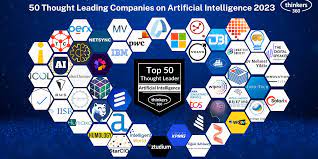
artificial intelligence companies

Exploring the Innovations of Artificial Intelligence Companies

Artificial Intelligence Companies: Shaping the Future

Artificial Intelligence Companies: Shaping the Future

The landscape of technology is rapidly evolving, and at the forefront of this transformation are artificial intelligence (AI) companies. These organizations are pioneering advancements that are not only reshaping industries but also redefining how we interact with technology in our daily lives.

Leading AI Companies Making an Impact

Several key players in the AI industry are pushing boundaries and setting new standards. Here are a few notable companies:

  • Google DeepMind: Known for its cutting-edge research, Google DeepMind has made significant strides in machine learning and neural networks. Their work on AlphaGo, which defeated a world champion Go player, demonstrated the potential of AI in mastering complex tasks.
  • OpenAI: OpenAI aims to ensure that artificial general intelligence benefits all of humanity. With projects like GPT-3, they have showcased remarkable capabilities in natural language processing and generation.
  • IBM Watson: IBM’s Watson has been instrumental in applying AI to healthcare, finance, and customer service. Its ability to analyze vast amounts of data quickly makes it a valuable tool for businesses seeking insights.
  • NVIDIA: While primarily known for its graphics processing units (GPUs), NVIDIA has become a leader in AI hardware. Their technology accelerates machine learning processes, making it possible to train complex models faster than ever before.

The Role of Startups in AI Innovation

Apart from established giants, numerous startups are contributing significantly to AI innovation. These smaller companies often bring fresh perspectives and agile methodologies that drive progress:

  • CognitiveScale: Specializing in augmented intelligence solutions for various sectors including healthcare and financial services, CognitiveScale leverages machine learning to deliver personalized experiences.
  • Sensetime: As one of the world’s most valuable AI startups, Sensetime focuses on facial recognition technology and computer vision applications used across security systems and smart cities.

The Impact on Industries

The influence of AI companies extends across multiple industries:

  1. Healthcare: From predictive diagnostics to personalized medicine, AI is enhancing patient care and operational efficiency.
  2. Finance: Algorithms can analyze market trends faster than humans ever could, leading to smarter investment strategies and fraud detection systems.
  3. Retail: Personalized recommendations powered by AI improve customer satisfaction while optimizing inventory management for retailers.

The Future of Artificial Intelligence Companies

The future looks promising as artificial intelligence continues its rapid advancement. As these companies develop more sophisticated algorithms and technologies become increasingly integrated into our lives; ethical considerations will play a crucial role ensuring responsible development practices prevail over time.

The collaboration between industry leaders academia governments will be essential harnessing full potential safely securely ultimately benefiting society whole paving way smarter more connected world tomorrow today!


9 Ways Artificial Intelligence Companies Are Transforming Industries and Enhancing Lives

  1. 1. Innovate industries with cutting-edge technology.
  2. 2. Enhance efficiency and productivity in various sectors.
  3. 3. Enable personalized user experiences through data analysis.
  4. 4. Improve decision-making processes with advanced algorithms.
  5. 5. Drive automation of repetitive tasks, saving time and resources.
  6. 6. Enhance customer service with chatbots and virtual assistants.
  7. 7. Revolutionize healthcare with predictive analytics and diagnostics.
  8. 8. Boost cybersecurity measures through AI-powered threat detection systems.
  9. 9. Foster continuous learning and adaptation for ongoing improvement.


Addressing the Challenges: Privacy, Employment, and Bias in AI Companies

  1. Privacy Concerns
  2. Job Displacement
  3. Bias in Algorithms

1. Innovate industries with cutting-edge technology.

Artificial intelligence companies are at the forefront of innovation, leveraging cutting-edge technology to revolutionize various industries. By developing advanced algorithms and machine learning models, these companies enable unprecedented levels of automation and efficiency. In healthcare, AI is transforming diagnostics and personalized medicine, allowing for more accurate predictions and tailored treatments. In finance, AI-driven analytics provide insights that lead to smarter investment decisions and improved risk management. Additionally, in manufacturing, AI optimizes production processes through predictive maintenance and quality control. By continuously pushing the boundaries of what’s possible, artificial intelligence companies are not only enhancing existing sectors but also paving the way for entirely new markets and opportunities.

2. Enhance efficiency and productivity in various sectors.

Artificial intelligence companies have proven to enhance efficiency and productivity across various sectors through the automation of tasks, data analysis, and predictive capabilities. By implementing AI-driven solutions, businesses can streamline operations, optimize resource allocation, and make data-driven decisions faster and more accurately. This increased efficiency not only saves time and reduces costs but also allows organizations to focus on innovation and strategic initiatives, ultimately leading to improved performance and competitiveness in the market.

3. Enable personalized user experiences through data analysis.

Artificial intelligence companies excel in enabling personalized user experiences by leveraging advanced data analysis techniques. By collecting and analyzing vast amounts of user data, AI systems can identify patterns and preferences that allow for tailored recommendations and interactions. This capability is particularly beneficial in industries like retail, entertainment, and online services, where understanding individual user behavior can significantly enhance customer satisfaction and engagement. For instance, streaming platforms use AI to suggest content based on viewing history, while e-commerce sites recommend products that align with past purchases or browsing habits. Through these personalized experiences, AI companies not only improve user satisfaction but also foster brand loyalty and drive business growth.

4. Improve decision-making processes with advanced algorithms.

Artificial intelligence companies are revolutionizing decision-making processes by leveraging advanced algorithms that can analyze vast amounts of data with unprecedented speed and accuracy. These algorithms enable businesses to identify patterns, predict outcomes, and make informed decisions more efficiently than ever before. By processing complex datasets and generating actionable insights, AI technology helps organizations optimize operations, reduce risks, and capitalize on opportunities. This enhanced decision-making capability not only drives business growth but also fosters innovation across various sectors, as companies can now rely on data-driven strategies to navigate an increasingly competitive landscape.

5. Drive automation of repetitive tasks, saving time and resources.

Artificial intelligence companies play a pivotal role in driving the automation of repetitive tasks, which significantly saves time and resources for businesses across various industries. By utilizing advanced algorithms and machine learning techniques, AI systems can efficiently handle tasks that were traditionally performed by humans, such as data entry, customer service inquiries, and routine maintenance operations. This automation not only boosts productivity by freeing up employees to focus on more strategic and creative endeavors but also reduces the likelihood of human error. As a result, companies can allocate their resources more effectively, leading to cost savings and improved operational efficiency. In essence, AI-driven automation empowers organizations to operate smarter and faster in an increasingly competitive landscape.

6. Enhance customer service with chatbots and virtual assistants.

Artificial intelligence companies are revolutionizing customer service by deploying chatbots and virtual assistants, which significantly enhance the customer experience. These AI-driven tools are available 24/7, providing immediate responses to customer inquiries and handling a wide range of tasks, from answering frequently asked questions to assisting with transactions. By automating routine interactions, chatbots free up human agents to focus on more complex issues that require a personal touch. This not only increases efficiency but also ensures that customers receive timely and accurate information. Additionally, AI-powered virtual assistants can learn from each interaction, continuously improving their ability to understand and respond to customer needs more effectively over time. As a result, businesses can offer a seamless and personalized service experience that boosts customer satisfaction and loyalty.

7. Revolutionize healthcare with predictive analytics and diagnostics.

Artificial intelligence companies are revolutionizing healthcare by leveraging predictive analytics and diagnostics. Through advanced algorithms and machine learning, these companies can analyze vast amounts of patient data to predict potential health issues, identify patterns, and provide early detection of diseases. This proactive approach not only improves patient outcomes but also enhances the efficiency of healthcare systems by enabling more accurate diagnoses and personalized treatment plans. By harnessing the power of AI, healthcare providers can deliver better care, save lives, and ultimately transform the way we approach healthcare.

8. Boost cybersecurity measures through AI-powered threat detection systems.

Artificial intelligence companies are revolutionizing cybersecurity by developing AI-powered threat detection systems that significantly enhance protective measures. These advanced systems can analyze vast amounts of data in real-time, identifying potential threats and vulnerabilities much faster than traditional methods. By leveraging machine learning algorithms, these systems continuously learn and adapt to new attack patterns, making them highly effective at detecting both known and emerging threats. This proactive approach not only helps in mitigating risks before they cause harm but also reduces the burden on human cybersecurity teams, allowing them to focus on more complex tasks. As cyber threats become increasingly sophisticated, AI-driven solutions provide a robust defense mechanism that is crucial for safeguarding sensitive information and maintaining the integrity of digital infrastructures.

9. Foster continuous learning and adaptation for ongoing improvement.

Artificial intelligence companies play a crucial role in fostering continuous learning and adaptation, which is essential for ongoing improvement. By leveraging machine learning algorithms and data analytics, these companies enable systems to learn from new data and experiences, leading to enhanced performance over time. This iterative process allows AI technologies to adapt to changing environments and user needs, ensuring they remain effective and relevant. As a result, businesses that integrate AI solutions can benefit from more efficient operations, improved decision-making processes, and the ability to stay ahead in competitive markets. This capacity for continuous learning not only drives innovation but also empowers organizations to respond swiftly to emerging challenges and opportunities.

Privacy Concerns

The rapid advancement of artificial intelligence technologies has brought about significant privacy concerns, as AI companies often collect and analyze vast amounts of data to enhance their algorithms and services. This data collection can include sensitive personal information, leading to potential risks of unauthorized access, misuse, or data breaches. As these companies gather more data to improve their AI models, questions arise about how securely this information is stored and who has access to it. Additionally, the lack of transparency in how data is used and shared can erode trust among consumers. As a result, there is growing pressure on AI companies to implement robust privacy measures and adhere to strict data protection regulations to safeguard user information and maintain public confidence.

Job Displacement

The rise of artificial intelligence technologies has brought about significant advancements in efficiency and productivity, but it also presents the challenge of job displacement. As AI systems become increasingly capable of automating tasks traditionally performed by humans, certain roles across various industries are at risk of becoming obsolete. This shift can lead to a reduction in employment opportunities for workers whose skills are replaced by machines, creating economic and social challenges. While AI has the potential to create new jobs in emerging fields, the transition may not be seamless for everyone, especially for those without access to retraining or upskilling programs. Addressing this issue requires proactive measures from both companies and policymakers to ensure that affected workers are supported and prepared for new opportunities in the evolving job market.

Bias in Algorithms

Artificial intelligence companies face a significant challenge in addressing bias in algorithms, which arises when AI systems are trained on data that reflects existing prejudices or inequalities. This bias can lead to discriminatory outcomes, particularly if the data used is not representative of diverse populations. For instance, facial recognition technology may perform poorly on certain demographic groups if the training data lacks sufficient diversity. As AI becomes increasingly integrated into decision-making processes across various sectors, such as hiring, law enforcement, and lending, biased algorithms can perpetuate and even exacerbate societal inequalities. It is crucial for AI companies to implement rigorous checks and balances during the development phase to ensure fairness and accuracy, actively seeking diverse datasets and continuously monitoring algorithmic performance to mitigate potential biases.