
cfchris.com

Loading

effective java

Unlocking the Secrets of Effective Java Programming

The Power of Effective Java Programming

The Power of Effective Java Programming

Java is a versatile and powerful programming language that is widely used in various applications and industries. To truly harness the full potential of Java, it is essential to understand and implement effective programming practices. This is where “Effective Java” comes into play.

What is Effective Java?

“Effective Java” is a renowned book written by Joshua Bloch, a distinguished software engineer who was formerly a chief architect at Google and a key contributor to the Java platform. The book offers invaluable insights and best practices for writing efficient, readable, and maintainable Java code.

Key Principles of Effective Java

Some key principles highlighted in “Effective Java” include:

  • Use of Design Patterns: The book emphasizes the importance of leveraging design patterns to solve common programming challenges effectively.
  • Effective Use of Generics: Understanding how to use generics in Java can lead to more type-safe and reusable code.
  • Error Handling: Proper error handling techniques are crucial for writing robust and reliable code.
  • Concurrency: Guidelines on writing concurrent programs that are efficient and free from race conditions are discussed in detail.
  • Performance Optimization: Tips on optimizing performance without sacrificing code clarity are provided to help developers create efficient applications.

The Impact of Effective Java

By following the recommendations outlined in “Effective Java,” developers can significantly enhance the quality of their codebase. Adopting these best practices not only results in cleaner and more maintainable code but also helps prevent common pitfalls that can lead to bugs and performance issues.

In Conclusion

“Effective Java” serves as a comprehensive guide for both novice and experienced Java developers looking to elevate their programming skills. By adhering to the principles laid out in this book, developers can write better code, improve productivity, and ultimately deliver high-quality software solutions.


6 Essential Tips for Writing Effective Java Code

  1. Follow naming conventions for classes, methods, and variables.
  2. Use meaningful and descriptive names for better code readability.
  3. Write small and focused methods to promote reusability and maintainability.
  4. Avoid using magic numbers in your code; define constants instead.
  5. Always handle exceptions properly to prevent unexpected program behavior.
  6. Regularly refactor your code to improve its design and performance.

Follow naming conventions for classes, methods, and variables.

Adhering to naming conventions for classes, methods, and variables is a fundamental aspect of writing effective Java code. Consistent and meaningful naming not only enhances code readability but also makes it easier for developers to understand the purpose and functionality of different components within the codebase. By following established naming conventions, such as using camelCase for method names and PascalCase for class names, developers can create code that is more intuitive, maintainable, and accessible to others working on the project.

Use meaningful and descriptive names for better code readability.

Using meaningful and descriptive names for variables, methods, and classes is a fundamental principle in effective Java programming. By choosing clear and expressive names that accurately reflect the purpose and functionality of each component, developers can greatly enhance code readability. Well-chosen names not only make the code easier to understand for others but also for the original developer when revisiting the code in the future. This practice promotes maintainability, reduces the risk of errors, and contributes to overall code quality.

Write small and focused methods to promote reusability and maintainability.

To enhance the reusability and maintainability of Java code, it is advisable to follow the tip of writing small and focused methods. By breaking down complex functionalities into smaller, more manageable units, developers can promote code reusability across different parts of the application. Additionally, having concise and focused methods makes it easier to understand, debug, and maintain the codebase in the long run. This practice not only improves the overall structure of the code but also contributes to better collaboration among team members working on the project.

Avoid using magic numbers in your code; define constants instead.

In effective Java programming, it is recommended to avoid using magic numbers in your code and instead define constants. Magic numbers are hard-coded numerical values scattered throughout the code, making it difficult to understand their significance. By defining constants with meaningful names, developers can improve code readability, maintainability, and reduce the risk of errors caused by unclear or arbitrary values. This practice enhances code quality and promotes better software design principles in Java development.

Always handle exceptions properly to prevent unexpected program behavior.

Properly handling exceptions in Java is a fundamental practice that can prevent unexpected program behavior and enhance the reliability of your code. By implementing exception handling mechanisms, developers can gracefully manage errors and failures, ensuring that their programs continue to function correctly even when unexpected issues arise. This proactive approach not only improves the robustness of the software but also facilitates troubleshooting and debugging processes, leading to more stable and predictable applications.

Regularly refactor your code to improve its design and performance.

Regularly refactoring your code is a crucial practice in effective Java programming. By continuously improving the design and performance of your code through refactoring, you ensure that it remains clean, maintainable, and efficient. Refactoring allows you to identify and eliminate redundant or poorly structured code, leading to enhanced readability and scalability. Embracing this tip not only results in a more robust codebase but also facilitates easier troubleshooting and future enhancements in your Java projects.

java app

Mastering Java App Development: Building Powerful Applications with Java

The Power of Java Applications

The Power of Java Applications

Java is a versatile programming language that has gained immense popularity for its ability to create robust and scalable applications. Java applications are used in a wide range of industries, from web development to mobile apps and enterprise software solutions.

One of the key strengths of Java applications is their platform independence. This means that a Java application can run on any device or operating system that has a Java Virtual Machine (JVM) installed. This portability makes Java an ideal choice for developing cross-platform applications that reach a larger audience.

Java’s rich set of libraries and frameworks provide developers with the tools they need to build complex and feature-rich applications efficiently. Whether you are developing a simple desktop application or a sophisticated web-based system, Java offers the flexibility and scalability required to meet your project’s demands.

Furthermore, Java’s strong emphasis on security makes it a popular choice for developing secure applications. With built-in features like automatic memory management and strong type checking, Java helps developers write code that is less prone to common vulnerabilities such as buffer overflows or memory leaks.

Java’s community support is another factor that contributes to its popularity. The vast community of Java developers worldwide ensures that there are plenty of resources, tutorials, and forums available for developers looking to enhance their skills or troubleshoot issues they encounter during development.

In conclusion, Java applications offer unparalleled versatility, portability, security, and community support. Whether you are a seasoned developer or just starting your programming journey, exploring the world of Java applications can open up a world of possibilities for creating innovative and powerful software solutions.


9 Essential Tips for Building Robust and Maintainable Java Applications

  1. 1. Write clean and readable code to improve maintainability.
  2. 2. Follow naming conventions to enhance code consistency.
  3. 3. Use meaningful comments to explain complex logic or algorithms.
  4. 4. Break down large functions into smaller, reusable methods for better organization.
  5. 5. Implement error handling to gracefully manage exceptions and prevent crashes.
  6. 6. Optimize performance by avoiding unnecessary loops or operations.
  7. 7. Utilize design patterns to solve common problems effectively.
  8. 8. Test your application thoroughly with unit tests and integration tests.
  9. 9. Keep learning and stay updated with the latest Java features and best practices.

1. Write clean and readable code to improve maintainability.

Writing clean and readable code is crucial when developing Java applications to enhance maintainability. By following best practices and adhering to coding standards, developers can ensure that their code is easy to understand and modify in the future. Clean code not only makes it simpler for other team members to collaborate on the project but also reduces the chances of introducing bugs during maintenance. Prioritizing readability in code can lead to more efficient debugging, faster updates, and overall smoother development processes for Java applications.

2. Follow naming conventions to enhance code consistency.

Following naming conventions is a crucial practice in Java application development as it enhances code consistency and readability. By adhering to established naming conventions, developers can create code that is easier to understand and maintain. Consistent naming of classes, methods, variables, and other elements not only improves the overall quality of the codebase but also promotes collaboration among team members. When everyone follows the same naming conventions, it becomes simpler to navigate through the code, identify functionalities, and make modifications without confusion. This simple tip can have a significant impact on the efficiency and effectiveness of Java application development projects.

3. Use meaningful comments to explain complex logic or algorithms.

When developing a Java application, it is crucial to utilize meaningful comments to elucidate intricate logic or algorithms. By incorporating clear and concise comments within the codebase, developers can enhance the readability and maintainability of the application. These comments serve as valuable documentation for understanding the purpose behind complex logic, facilitating collaboration among team members, and aiding in future troubleshooting and modifications. Embracing this practice not only promotes code clarity but also contributes to the overall efficiency and effectiveness of the Java application development process.

4. Break down large functions into smaller, reusable methods for better organization.

Breaking down large functions into smaller, reusable methods is a valuable tip in Java application development. By dividing complex tasks into smaller, more manageable chunks, developers can improve the organization and maintainability of their code. This practice not only enhances readability but also promotes code reusability, making it easier to maintain and update the application in the future. Additionally, breaking down functions into smaller methods allows for better testing and debugging, as issues can be isolated and addressed more effectively. Overall, adopting this approach leads to more efficient and structured Java applications.

5. Implement error handling to gracefully manage exceptions and prevent crashes.

Implementing error handling is a crucial aspect of developing Java applications to ensure smooth operation and prevent unexpected crashes. By gracefully managing exceptions, developers can anticipate potential errors and handle them appropriately, maintaining the application’s stability and enhancing the user experience. Proper error handling not only helps in identifying issues promptly but also allows for effective troubleshooting and debugging, leading to more robust and reliable Java applications.

6. Optimize performance by avoiding unnecessary loops or operations.

To optimize the performance of a Java application, it is crucial to avoid unnecessary loops or operations. By minimizing the number of loops and streamlining operations within the code, developers can significantly improve the efficiency and speed of their application. Unnecessary loops can lead to increased processing time and resource consumption, impacting the overall performance of the software. Therefore, by carefully assessing and optimizing the logic within loops and operations, developers can enhance the performance of their Java application and deliver a more responsive user experience.

7. Utilize design patterns to solve common problems effectively.

Utilizing design patterns in Java applications is a valuable strategy to solve common problems effectively. By leveraging established design patterns such as Singleton, Factory, or Observer, developers can streamline their code structure, improve maintainability, and enhance scalability. Design patterns provide proven solutions to recurring design challenges, allowing developers to write cleaner and more efficient code while promoting best practices in software development. Incorporating design patterns in Java applications not only enhances code quality but also fosters a deeper understanding of software architecture principles among developers.

8. Test your application thoroughly with unit tests and integration tests.

Testing your Java application thoroughly with unit tests and integration tests is crucial for ensuring its reliability and functionality. Unit tests allow you to test individual components of your code in isolation, verifying that each part works as intended. On the other hand, integration tests help you assess how different parts of your application work together as a whole. By conducting both types of tests diligently, you can identify and address any issues early in the development process, leading to a more robust and stable Java application in the end.

9. Keep learning and stay updated with the latest Java features and best practices.

To ensure the success of your Java applications, it is crucial to continuously expand your knowledge and stay informed about the latest Java features and best practices. By keeping up with advancements in the Java ecosystem, you can leverage new tools, techniques, and optimizations to enhance the performance, security, and scalability of your applications. Embracing a mindset of lifelong learning in Java development not only sharpens your skills but also empowers you to adapt to industry trends and deliver cutting-edge solutions that meet evolving user needs.

java api

Unlocking the Potential of Java API: A Developer’s Guide

The Power of Java API: Simplifying Development

The Power of Java API: Simplifying Development

Java API (Application Programming Interface) plays a crucial role in simplifying software development by providing a set of pre-written code and protocols for building applications. Java’s extensive API library offers a wide range of classes, methods, and interfaces that developers can leverage to streamline their coding process.

Benefits of Java API

One of the key benefits of using Java API is its reusability. Developers can tap into the vast collection of pre-built components within the API to perform common tasks without having to write code from scratch. This not only saves time and effort but also ensures consistency and reliability in application development.

Moreover, Java API promotes interoperability by allowing different software components to communicate with each other seamlessly. By adhering to established standards and protocols, developers can integrate various functionalities into their applications with ease.

Popular Java APIs

Some of the popular Java APIs include:

  • Java SE API: The core API for standard Java development, offering essential classes for data structures, input/output operations, networking, and more.
  • Java EE API: Designed for enterprise-level applications, providing features for web services, messaging, persistence, and security.
  • JavaFX API: Used for creating rich graphical user interfaces (GUIs) and multimedia applications with advanced visual effects.

Enhancing Development Efficiency

By leveraging Java API, developers can focus on implementing business logic and application-specific features rather than reinventing the wheel. The modular structure of the API allows for easy integration of new functionalities and updates without disrupting existing codebase.

In addition, the extensive documentation and community support surrounding Java API make it easier for developers to learn and explore new capabilities. This collaborative ecosystem fosters innovation and knowledge sharing among programmers worldwide.

In Conclusion

The versatility and robustness of Java API make it an indispensable tool for modern software development. Whether you are a seasoned developer or just starting out in programming, harnessing the power of Java’s rich library of APIs can greatly enhance your productivity and creativity in building innovative applications.


Mastering Java API: 6 Essential Tips for Effective Usage

  1. Read the official Java API documentation to understand available classes and methods.
  2. Follow naming conventions when using Java API to ensure consistency and readability.
  3. Use interfaces provided by Java API for implementing common functionalities in your applications.
  4. Handle exceptions properly when working with Java API to maintain code reliability.
  5. Regularly update your knowledge of Java API to leverage new features and improvements.
  6. Optimize performance by understanding the efficiency of different methods in the Java API.

Read the official Java API documentation to understand available classes and methods.

To maximize your efficiency and effectiveness in Java programming, it is highly recommended to delve into the official Java API documentation. By exploring this comprehensive resource, you can gain valuable insights into the wide array of classes and methods at your disposal. Understanding the functionality and usage of these components will not only expand your knowledge but also empower you to make informed decisions when designing and implementing your Java applications.

Follow naming conventions when using Java API to ensure consistency and readability.

When utilizing Java API, it is essential to adhere to naming conventions to maintain consistency and enhance readability in your code. By following established naming standards for classes, methods, variables, and packages, developers can create code that is easier to understand and maintain. Consistent naming practices not only improve collaboration among team members but also contribute to the overall quality of the software development process.

Use interfaces provided by Java API for implementing common functionalities in your applications.

When working with Java API, utilizing the interfaces provided can greatly simplify the implementation of common functionalities in your applications. By leveraging these pre-defined interfaces, developers can adhere to established standards and best practices, ensuring consistency and reliability in their code. This approach not only saves time and effort but also promotes code reusability and maintainability, making it easier to extend and modify the functionality of the application in the future.

Handle exceptions properly when working with Java API to maintain code reliability.

When utilizing the Java API, it is crucial to handle exceptions properly to uphold code reliability. By implementing robust exception handling mechanisms, developers can anticipate and address potential errors that may arise during the execution of API calls. Properly managing exceptions not only ensures the stability of the application but also enhances its resilience in handling unexpected scenarios, ultimately contributing to a more secure and dependable software system.

Regularly update your knowledge of Java API to leverage new features and improvements.

To make the most out of Java API, it is essential to stay updated with the latest advancements and enhancements. By regularly updating your knowledge of Java API, you can take advantage of new features and improvements that can streamline your development process and enhance the functionality of your applications. Keeping abreast of updates ensures that you are utilizing the full potential of Java API and staying competitive in the ever-evolving landscape of software development.

Optimize performance by understanding the efficiency of different methods in the Java API.

To optimize performance in Java development, it is essential to have a deep understanding of the efficiency of various methods available in the Java API. By carefully analyzing and selecting the most appropriate methods for specific tasks, developers can significantly improve the speed and resource utilization of their applications. Being aware of the performance implications of different API methods allows developers to make informed decisions that enhance overall application efficiency and responsiveness.

java programming

Unlocking the Potential of Java Programming: A Comprehensive Guide

The Power of Java Programming

The Power of Java Programming

Java is a versatile and powerful programming language that has been widely used in the software development industry for decades. Known for its platform independence, robustness, and versatility, Java continues to be a popular choice among developers for building a wide range of applications.

Why Choose Java?

One of the key reasons for Java’s popularity is its “write once, run anywhere” philosophy. This means that Java code can be written once and run on any platform that supports Java without the need for recompilation. This makes Java ideal for developing cross-platform applications.

Java is also known for its strong emphasis on security. With built-in features like automatic memory management and exception handling, Java helps developers write reliable and secure code. Additionally, Java’s extensive standard library provides developers with a wide range of tools and functions to streamline the development process.

Applications of Java

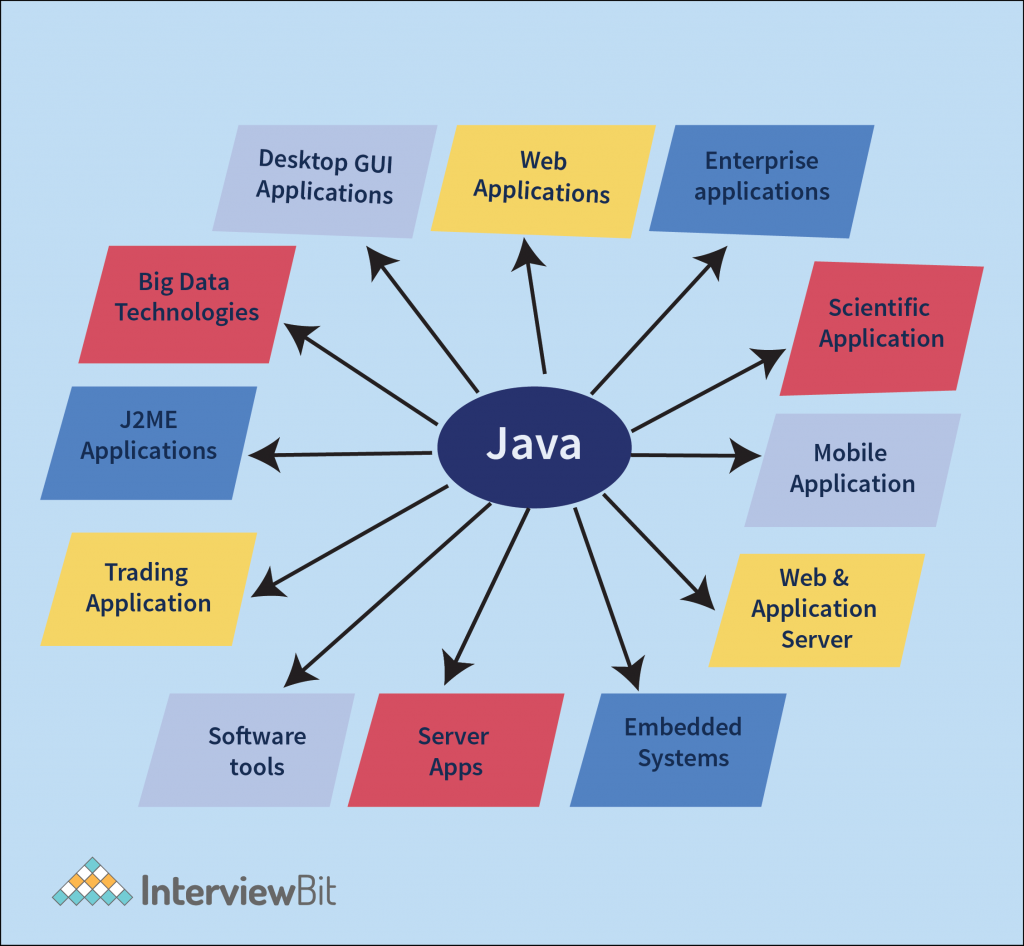
Java is used in a variety of applications, including:

  • Web development: With frameworks like Spring and Hibernate, Java is widely used for building dynamic web applications.
  • Mobile development: Android apps are primarily developed using Java, making it a popular choice for mobile application development.
  • Enterprise applications: Many large-scale enterprise systems are built using Java due to its scalability and reliability.
  • Data analysis: Tools like Apache Hadoop leverage Java for processing large datasets efficiently.
  • IoT (Internet of Things): With platforms like Raspberry Pi supporting Java, it is increasingly used in IoT projects.

Conclusion

In conclusion, Java programming offers developers a powerful and versatile tool for building a wide range of applications. Its platform independence, robustness, security features, and extensive library make it an excellent choice for both beginners and experienced developers alike. Whether you are developing web applications, mobile apps, enterprise systems, or exploring emerging technologies like IoT or data analysis, mastering Java can open up endless possibilities in the world of software development.


Top 5 Essential Tips for Mastering Java Programming

  1. Use meaningful variable names to improve code readability.
  2. Follow naming conventions, such as using camelCase for variables and methods.
  3. Break down complex problems into smaller tasks and implement them one at a time.
  4. Make use of comments to explain your code logic and make it easier for others to understand.
  5. Regularly practice coding to improve your skills and stay updated with the latest features of Java.

Use meaningful variable names to improve code readability.

When programming in Java, it is essential to use meaningful variable names to enhance code readability. By choosing descriptive names that accurately reflect the purpose of the variable, developers can make their code more understandable and maintainable. Meaningful variable names not only help others (or even your future self) comprehend the code quickly but also contribute to better documentation and overall code quality. This simple practice can significantly improve the clarity and efficiency of Java programs, making them easier to work with and debug in the long run.

Follow naming conventions, such as using camelCase for variables and methods.

When working on Java programming projects, it is essential to adhere to naming conventions for better code readability and consistency. One crucial tip is to follow conventions like using camelCase for variables and methods. By following this convention, where the first letter of each word is capitalized except for the first word, developers can make their code more organized and easier to understand. Consistent naming practices not only improve the clarity of the code but also contribute to maintaining a professional and standardized coding style throughout the project.

Break down complex problems into smaller tasks and implement them one at a time.

When tackling Java programming tasks, it is essential to break down complex problems into smaller, more manageable tasks. By dividing the problem into smaller components and implementing them one at a time, developers can approach the challenge systematically and effectively. This approach not only helps in better understanding the problem but also allows for more efficient debugging and testing of each individual task. Breaking down complex problems into smaller tasks is a fundamental strategy that can lead to clearer code structure and successful project completion in Java programming.

Make use of comments to explain your code logic and make it easier for others to understand.

When engaging in Java programming, it is essential to utilize comments effectively to elucidate the logic of your code. By incorporating comments strategically throughout your code, you not only clarify your thought process and intentions but also facilitate comprehension for other developers who may collaborate on or review your code. Comments serve as valuable documentation that can enhance the readability and maintainability of your Java programs, fostering a more efficient and collaborative coding environment.

Regularly practice coding to improve your skills and stay updated with the latest features of Java.

Regularly practicing coding is essential for improving your Java programming skills and staying abreast of the latest features in the language. By consistently working on coding challenges, projects, or exercises, you not only reinforce your existing knowledge but also discover new ways to solve problems efficiently. Additionally, keeping up with the latest updates and enhancements in Java ensures that you can leverage new functionalities and best practices in your coding endeavors, ultimately enhancing your proficiency and staying competitive in the ever-evolving field of software development.