
cfchris.com

Loading

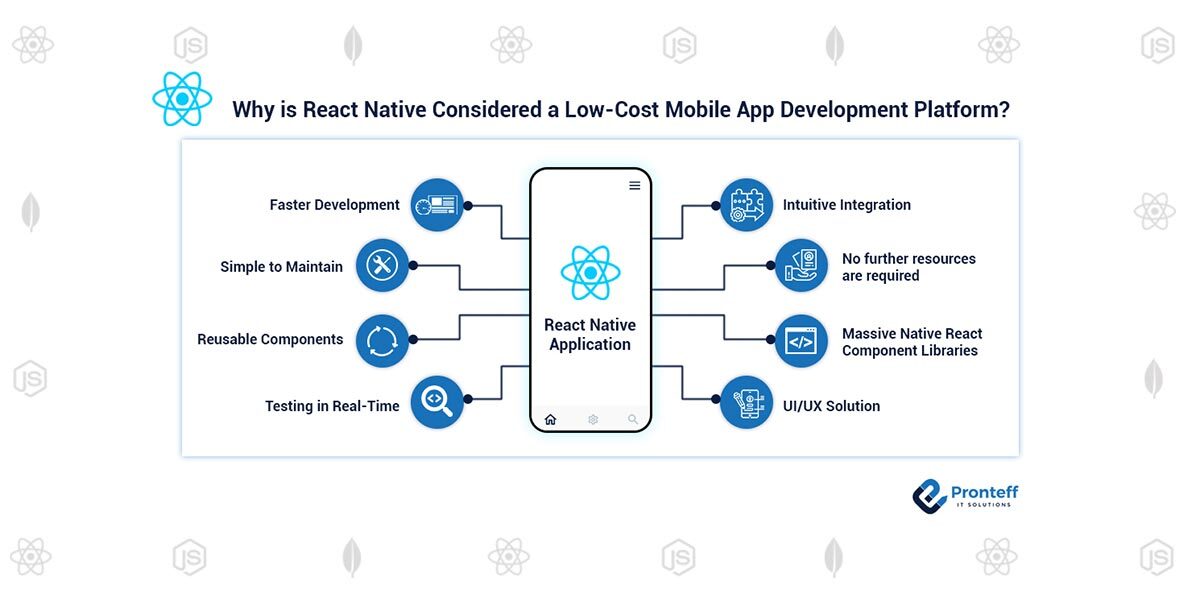
application development platform

Unlocking Innovation: The Evolution of Application Development Platforms

Article: Application Development Platform

The Power of Application Development Platforms

Application development platforms have revolutionized the way software is created and deployed in today’s fast-paced digital world. These platforms provide developers with a comprehensive set of tools and frameworks to streamline the development process and deliver high-quality applications efficiently.

Benefits of Using an Application Development Platform:

Rapid Development: With pre-built components and templates, developers can quickly prototype and build applications, reducing time-to-market.

Scalability: Application development platforms are designed to scale effortlessly as your user base grows, ensuring that your application can handle increased demand without compromising performance.

Cross-Platform Compatibility: Many development platforms support multiple operating systems and devices, allowing developers to create applications that can run seamlessly on various platforms.

Integration Capabilities: These platforms often come with built-in integrations for common services and APIs, simplifying the process of connecting your application to external systems.

Key Features of Application Development Platforms:

  • Drag-and-Drop Interface: Enables developers to visually design the user interface of their applications without writing extensive code.
  • Code Reusability: Developers can reuse components and modules across different projects, saving time and effort in development.
  • Data Management Tools: Built-in tools for managing data storage, retrieval, and manipulation within the application.
  • Analytics & Reporting: Provides insights into application performance, user behavior, and other metrics for optimization.
  • Security Features: Includes mechanisms for securing data transmission, authentication, and authorization within the application.

The Future of Application Development Platforms

As technology continues to evolve, application development platforms will play a crucial role in accelerating innovation and driving digital transformation across industries. With their robust features and capabilities, these platforms empower developers to create cutting-edge applications that meet the demands of today’s dynamic market landscape.


Understanding Application Development Platforms: Types, Best Options, and Definitions

  1. What are the different types of application platforms?
  2. Which platform is best for application development?
  3. What is an application development platform?
  4. What is a platform for an application?

What are the different types of application platforms?

When considering the different types of application platforms, it’s important to recognize the variety of options available to developers based on their specific needs and requirements. Common types of application platforms include mobile application development platforms (MADP), web application development platforms, low-code or no-code platforms, and enterprise application platforms. Each type offers distinct features and functionalities tailored to different use cases, allowing developers to choose the platform that best aligns with their project goals and technical expertise. Understanding the nuances of these various types of application platforms can help developers make informed decisions when selecting the most suitable platform for their development projects.

Which platform is best for application development?

When it comes to choosing the best platform for application development, the answer depends on various factors such as the specific requirements of the project, the expertise of the development team, scalability needs, budget constraints, and target platforms. Some popular application development platforms include Android Studio for Android app development, Xcode for iOS app development, Visual Studio for Windows app development, and cross-platform frameworks like React Native and Flutter. It is essential to evaluate each platform based on its features, community support, flexibility, and compatibility with your project goals to determine which one aligns best with your development needs.

What is an application development platform?

An application development platform is a comprehensive set of tools, frameworks, and resources that enable developers to design, build, test, and deploy software applications efficiently. It provides a structured environment for creating applications by offering features such as integrated development environments (IDEs), libraries, APIs, and deployment options. Essentially, an application development platform serves as a foundation that streamlines the development process and allows developers to focus on designing innovative solutions without getting bogged down in the complexities of infrastructure setup and configuration.

What is a platform for an application?

A platform for an application refers to the foundational software environment on which developers build, deploy, and run their applications. It provides a set of tools, frameworks, and services that streamline the development process and enable the creation of functional and user-friendly applications. Essentially, an application development platform serves as a comprehensive infrastructure that supports developers in designing, coding, testing, and maintaining software applications across various devices and operating systems. By leveraging a robust platform, developers can focus on creating innovative features and functionalities for their applications without getting bogged down by the complexities of infrastructure management.
system development software

Unlocking Efficiency and Innovation with System Development Software

The Importance of System Development Software

The Importance of System Development Software

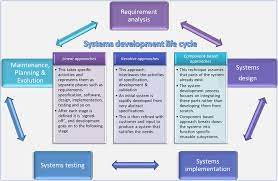
System development software plays a crucial role in the creation, maintenance, and enhancement of various software systems. It encompasses a range of tools and processes that facilitate the design, implementation, testing, and deployment of software applications.

Key Components of System Development Software

System development software typically includes integrated development environments (IDEs), version control systems, testing frameworks, and deployment tools. These components work together to streamline the software development lifecycle and ensure the delivery of high-quality products.

Benefits of Using System Development Software

By leveraging system development software, organizations can achieve several benefits:

  • Efficiency: System development software automates repetitive tasks and provides developers with tools to increase productivity.
  • Collaboration: Version control systems enable multiple developers to work on the same codebase simultaneously without conflicts.
  • Quality Assurance: Testing frameworks help identify bugs and errors early in the development process, ensuring a more robust final product.
  • Scalability: System development software supports the scalability of software systems by providing tools for modular design and efficient code management.
  • Speed to Market: By streamlining the development process, system development software helps organizations bring new products and features to market faster.

The Future of System Development Software

As technology continues to evolve rapidly, system development software is also advancing to meet the changing needs of developers and organizations. Emerging trends such as low-code platforms, artificial intelligence integration, and cloud-based development environments are shaping the future of system development software.

In conclusion, system development software is a critical enabler for organizations looking to innovate and stay competitive in today’s digital landscape. By investing in the right tools and processes, businesses can accelerate their software development initiatives and deliver value to their customers more effectively.


5 Essential Tips for Effective System Development Software

  1. Plan and document your system requirements thoroughly before starting development.
  2. Use version control to track changes and collaborate with team members effectively.
  3. Follow best practices for coding standards and design patterns to ensure maintainability.
  4. Perform regular testing, including unit tests, integration tests, and user acceptance tests.
  5. Consider scalability and security aspects while designing and developing the system.

Plan and document your system requirements thoroughly before starting development.

It is essential to plan and document your system requirements thoroughly before embarking on the development process. By clearly defining the objectives, functionalities, and constraints of the system upfront, you set a solid foundation for the development team to work from. Comprehensive documentation helps ensure that all stakeholders have a shared understanding of the project scope and expectations, reducing the risk of misunderstandings or misalignment later in the process. This proactive approach not only enhances communication and collaboration but also minimizes rework and delays by providing a roadmap for efficient development efforts.

Use version control to track changes and collaborate with team members effectively.

Using version control is essential in system development software as it allows developers to track changes, manage code revisions, and collaborate seamlessly with team members. By utilizing version control systems such as Git or SVN, developers can maintain a history of modifications made to the codebase, revert to previous versions if needed, and merge changes from multiple contributors without conflicts. This practice not only enhances transparency and accountability within the development process but also ensures that the team can work together efficiently towards achieving project goals.

Follow best practices for coding standards and design patterns to ensure maintainability.

Following best practices for coding standards and design patterns is essential in system development software to ensure maintainability. By adhering to established guidelines and principles, developers can create code that is easier to understand, modify, and debug in the future. Consistent coding standards promote readability and consistency across the codebase, making it more manageable for multiple team members to collaborate effectively. Design patterns provide proven solutions to common software design problems, improving the overall structure and scalability of the system. Ultimately, prioritizing best practices in coding standards and design patterns leads to more maintainable software that can adapt to changing requirements with minimal effort.

Perform regular testing, including unit tests, integration tests, and user acceptance tests.

Performing regular testing, which includes conducting unit tests to validate individual components, integration tests to ensure proper interaction between modules, and user acceptance tests to confirm that the software meets end-user requirements, is essential in system development software. Testing at each stage of the development process helps identify and rectify issues early on, resulting in a more robust and reliable final product. By incorporating a comprehensive testing strategy, developers can enhance the quality of their software, improve user satisfaction, and ultimately contribute to the success of the project.

Consider scalability and security aspects while designing and developing the system.

When designing and developing a system, it is crucial to consider scalability and security aspects. Scalability ensures that the system can handle increased workload or user demands without compromising performance. By planning for scalability from the outset, developers can future-proof the system and avoid costly rework later on. Additionally, prioritizing security during the design phase helps mitigate potential vulnerabilities and protect sensitive data from threats. A proactive approach to addressing scalability and security concerns not only enhances the system’s reliability but also instills trust among users and stakeholders.

rapid application development software

Unlocking Efficiency with Rapid Application Development Software

Rapid Application Development Software

The Power of Rapid Application Development Software

Rapid Application Development (RAD) software is revolutionizing the way applications are built and deployed in today’s fast-paced digital world. With RAD tools, developers can create functional prototypes and fully-featured applications in a fraction of the time it would take using traditional development methods.

Key Features of RAD Software:

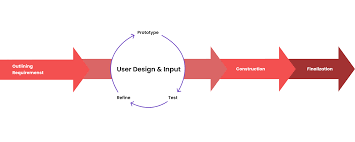
  • Rapid Prototyping: RAD tools allow developers to quickly create prototypes that can be tested and refined before final implementation.
  • Visual Development: Many RAD platforms offer visual interfaces and drag-and-drop functionality, making it easy for developers to design user interfaces without writing extensive code.
  • Iterative Development: RAD promotes an iterative approach to development, allowing for continuous feedback and improvement throughout the development process.
  • Collaboration: RAD tools often support collaboration among team members, enabling seamless communication and coordination on projects.
  • Rapid Deployment: Applications built with RAD software can be deployed quickly, allowing businesses to respond rapidly to changing market demands.

Benefits of Using RAD Software:

By leveraging RAD software, businesses can enjoy a range of benefits, including:

  • Reduced Time-to-Market: Rapid development cycles enable faster delivery of applications, giving businesses a competitive edge.
  • Cost-Efficiency: RAD tools streamline the development process, reducing overall costs associated with application development.
  • Faster Innovation: With quick prototyping and iteration cycles, businesses can innovate and adapt to market changes more effectively.
  • Better User Engagement: By quickly developing and deploying user-friendly applications, businesses can enhance user engagement and satisfaction.

In conclusion, Rapid Application Development software is a game-changer for modern businesses looking to stay ahead in today’s dynamic digital landscape. By embracing RAD tools, organizations can accelerate their application development processes, drive innovation, and achieve greater agility in responding to market demands.


5 Essential Tips for Accelerating Development with Rapid Application Software

  1. Start with a clear project scope and requirements to avoid scope creep.
  2. Use low-code or no-code platforms to speed up development process.
  3. Implement agile methodologies for quick iterations and feedback loops.
  4. Automate testing procedures to ensure rapid and reliable software delivery.
  5. Encourage collaboration between developers, designers, and stakeholders for efficient development.

Start with a clear project scope and requirements to avoid scope creep.

To ensure a successful rapid application development process, it is crucial to begin with a well-defined project scope and clear requirements. By establishing a solid foundation at the outset, teams can effectively manage expectations, prioritize tasks, and minimize the risk of scope creep. A clear project scope helps stakeholders stay aligned on the project’s objectives and deliverables, enabling a more streamlined development process and ensuring that the final product meets the intended goals within the specified timeline.

Use low-code or no-code platforms to speed up development process.

To expedite the development process, consider leveraging low-code or no-code platforms when utilizing rapid application development software. These platforms empower developers to create applications with minimal hand-coding, allowing for faster prototyping and deployment. By utilizing low-code or no-code tools, teams can streamline the development process, reduce time-to-market, and enhance collaboration among team members, ultimately accelerating the delivery of innovative solutions to meet evolving business needs.

Implement agile methodologies for quick iterations and feedback loops.

To maximize the benefits of rapid application development software, it is crucial to implement agile methodologies that emphasize quick iterations and feedback loops. By following agile principles, developers can continuously refine and improve their applications through iterative cycles, allowing for faster adaptation to changing requirements and market demands. This approach not only accelerates the development process but also ensures that the final product meets the evolving needs of users effectively.

Automate testing procedures to ensure rapid and reliable software delivery.

Automating testing procedures is a crucial tip for ensuring rapid and reliable software delivery when utilizing Rapid Application Development software. By automating testing, developers can quickly and efficiently run tests to identify bugs and issues early in the development process. This not only speeds up the testing phase but also ensures that the software meets quality standards before deployment, ultimately leading to faster and more reliable delivery of applications to end-users.

Encourage collaboration between developers, designers, and stakeholders for efficient development.

Encouraging collaboration between developers, designers, and stakeholders is a crucial tip when utilizing rapid application development software. By fostering open communication and teamwork among these key players, projects can benefit from diverse perspectives, streamlined processes, and improved decision-making. When developers, designers, and stakeholders work together efficiently, they can ensure that the final product meets both technical requirements and user expectations, leading to successful and timely project outcomes.