cfchris.com

Loading

java gui

Mastering Java GUI Development: A Comprehensive Guide

Exploring Java GUI Development

Exploring Java GUI Development

Graphical User Interfaces (GUIs) play a crucial role in making software applications user-friendly and visually appealing. In the world of Java programming, creating GUIs is a common task that developers often encounter. Let’s delve into the realm of Java GUI development and explore its key concepts and components.

What is Java GUI?

Java GUI refers to the Graphical User Interface components and frameworks available in the Java programming language. With Java’s rich set of libraries and tools, developers can create interactive and visually engaging user interfaces for their applications.

Swing vs. JavaFX

In Java, two main frameworks are commonly used for GUI development: Swing and JavaFX. Swing is an older toolkit that provides a wide range of components for building desktop applications. On the other hand, JavaFX is a newer framework that offers more modern features and capabilities, including support for multimedia and 3D graphics.

Key Components of a Java GUI

Some essential components of a Java GUI include:

  • Containers: Containers are used to hold other components, such as panels or frames.
  • Components: Components are the building blocks of a GUI, including buttons, text fields, labels, and more.
  • Layout Managers: Layout managers help organize the placement of components within a container.
  • Event Handling: Event handling allows developers to define actions in response to user interactions with the GUI components.

Creating a Simple Java GUI Application

To create a basic Java GUI application using Swing, developers typically follow these steps:

  1. Create a JFrame (main window) for the application.
  2. Add various components to the JFrame, such as buttons or text fields.
  3. Set up event listeners to handle user interactions with the components.
  4. Display the JFrame to show the GUI to users.

Conclusion

In conclusion, mastering Java GUI development opens up endless possibilities for creating intuitive and visually appealing applications. Whether you choose Swing or JavaFX, understanding the key components and best practices is essential for building successful GUIs in Java programming.


Top 5 Frequently Asked Questions About Java GUI: Tools, Components, and Best Practices

  1. Is Java good for GUI?
  2. How to make a GUI using Java?
  3. Which is better, JavaFX or Swing?
  4. What are the 6 GUI components in Java?
  5. Which GUI is best for Java?

Is Java good for GUI?

When it comes to creating Graphical User Interfaces (GUIs), Java is considered a solid choice by many developers. With its robust libraries like Swing and JavaFX, Java provides a comprehensive set of tools for building interactive and visually appealing user interfaces. While some may argue that other languages offer more modern GUI frameworks, Java’s stability, cross-platform compatibility, and extensive community support make it a reliable option for GUI development. Ultimately, the decision of whether Java is good for GUI depends on the specific requirements of the project and the developer’s familiarity with the language and its GUI frameworks.

How to make a GUI using Java?

Creating a GUI using Java involves several key steps. First, developers typically choose between frameworks like Swing or JavaFX to design the graphical interface. Next, they create a main window (JFrame) and add various components such as buttons, text fields, and labels to it. Layout managers are then used to organize the placement of these components within the window. Event handling is crucial for defining actions in response to user interactions with the GUI elements. Finally, developers display the JFrame to showcase the GUI to users. By following these steps and leveraging Java’s rich libraries and tools, developers can craft interactive and visually appealing GUIs for their Java applications.

Which is better, JavaFX or Swing?

When considering whether JavaFX or Swing is better for GUI development in Java, it ultimately depends on the specific requirements and goals of the project. JavaFX offers more modern features and capabilities, such as support for multimedia and 3D graphics, making it a preferred choice for applications that require advanced visual effects. On the other hand, Swing, being a more established toolkit, provides a wide range of components for building desktop applications and may be more suitable for projects where compatibility with older systems is a priority. Both frameworks have their strengths and weaknesses, so developers should evaluate their project needs carefully to determine which one aligns best with their objectives.

What are the 6 GUI components in Java?

In Java GUI programming, developers commonly work with six fundamental GUI components. These components include buttons, labels, text fields, checkboxes, radio buttons, and lists. Buttons enable users to trigger actions, labels display text or images, text fields allow user input, checkboxes provide options for selection, radio buttons offer mutually exclusive choices, and lists present selectable items in a list format. Understanding and effectively utilizing these essential GUI components are key to creating interactive and user-friendly Java applications with intuitive interfaces.

Which GUI is best for Java?

When it comes to choosing the best GUI framework for Java, developers often debate between Swing and JavaFX. Swing, being a mature and robust toolkit, offers a wide range of components for building desktop applications. On the other hand, JavaFX provides more modern features and capabilities, such as multimedia support and 3D graphics. The choice between Swing and JavaFX ultimately depends on the specific requirements of the project, with developers weighing factors like ease of use, performance, and desired user experience to determine which GUI framework is best suited for their Java application.
java language basics

Mastering Java Language Basics: A Comprehensive Guide

Java Language Basics

The Basics of Java Programming Language

Java is a widely-used programming language known for its versatility and platform independence. It was developed by Sun Microsystems in the mid-1990s and has since become one of the most popular languages in the world.

Key Features of Java:

  • Simplicity: Java was designed to be easy to learn and use, making it a great choice for beginners.
  • Object-Oriented: Java is an object-oriented language, which means it focuses on creating objects that interact with each other to perform tasks.
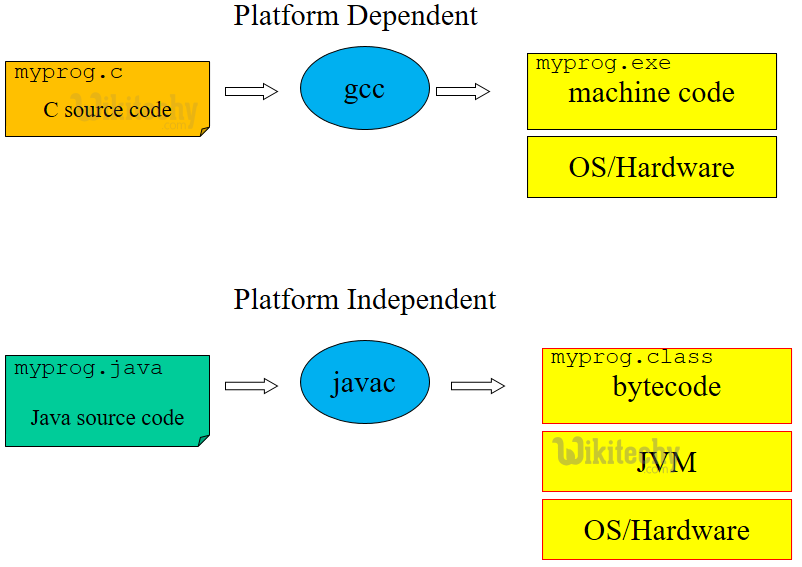
  • Platform-Independent: Java programs can run on any device that has a Java Virtual Machine (JVM), making it highly portable.
  • Security: Java has built-in security features to protect against viruses and other malicious attacks.
  • Multithreading: Java supports multithreading, allowing programs to execute multiple tasks simultaneously.

Hello World Program in Java:

To get started with Java, let’s look at a simple “Hello World” program:

“`java

public class HelloWorld {

public static void main(String[] args) {

System.out.println(“Hello, World!”);

}

}

“`

In this program, we define a class called `HelloWorld` with a `main` method that prints “Hello, World!” to the console. This is often the first program beginners write when learning a new language.

Data Types in Java:

Java supports various data types, including:

  • int: for integer values
  • double: for floating-point numbers
  • boolean: for true/false values
  • String: for text strings


Java Basics: Answers to 8 Frequently Asked Questions

  1. What is Java?
  2. Why is Java popular?
  3. What are the key features of Java?
  4. How do I write a simple ‘Hello World’ program in Java?
  5. What are data types in Java?
  6. How does Java handle memory management?
  7. What is object-oriented programming in Java?
  8. Can you explain the concept of inheritance in Java?

What is Java?

Java is a versatile and widely-used programming language that was developed by Sun Microsystems in the mid-1990s. Known for its simplicity, object-oriented approach, and platform independence, Java allows developers to create applications that can run on any device with a Java Virtual Machine (JVM). With built-in security features, support for multithreading, and a rich set of libraries, Java has become a popular choice for building a wide range of software applications across different industries.

Java is popular for several reasons. One key factor is its platform independence, allowing Java programs to run on any device with a Java Virtual Machine (JVM). This portability makes it an attractive choice for developers looking to reach a wide audience. Additionally, Java’s robust security features help protect against vulnerabilities and ensure safer programming practices. Its object-oriented nature promotes code reusability and maintainability, making it easier for developers to create scalable and efficient applications. Overall, Java’s simplicity, versatility, and strong community support contribute to its enduring popularity in the programming world.

What are the key features of Java?

Java, a widely-used programming language, boasts several key features that contribute to its popularity and versatility. One of its standout characteristics is its simplicity, designed to be beginner-friendly and easy to learn. Java’s object-oriented nature emphasizes the creation of objects that interact to perform tasks efficiently. Additionally, Java’s platform independence allows programs to run on any device with a Java Virtual Machine (JVM), ensuring high portability. Security is another crucial feature of Java, with built-in measures to safeguard against malicious attacks. Furthermore, Java supports multithreading, enabling programs to execute multiple tasks concurrently for enhanced performance. These key features collectively make Java a robust and reliable choice for developers across various domains.

How do I write a simple ‘Hello World’ program in Java?

To write a simple “Hello World” program in Java, you can start by creating a class named HelloWorld. Inside this class, include a main method with the following code: System.out.println(“Hello, World!”); This line of code will print “Hello, World!” to the console when the program is executed. It is a common first program for beginners learning Java as it introduces the basic structure of a Java program and how to output text to the screen.

What are data types in Java?

In Java, data types define the type of data that a variable can hold. There are several built-in data types in Java, including integer (int), floating-point (double), character (char), boolean, and more. Each data type has specific rules for storing and manipulating data. Understanding data types in Java is essential for writing efficient and error-free programs, as it helps ensure that variables are used appropriately and consistently throughout the code.

How does Java handle memory management?

Java utilizes an automatic memory management system known as garbage collection to handle memory management efficiently. When a Java program runs, the Java Virtual Machine (JVM) automatically allocates and deallocates memory for objects. The garbage collector periodically identifies and removes objects that are no longer needed, freeing up memory space for new objects. This process helps developers avoid memory leaks and manual memory management errors, making Java a reliable and robust programming language for handling memory allocation and deallocation seamlessly.

What is object-oriented programming in Java?

Object-oriented programming in Java is a fundamental concept that revolves around creating objects that interact with each other to accomplish tasks. In Java, everything is treated as an object, which allows for the organization of code into reusable components. This approach emphasizes concepts such as encapsulation, inheritance, and polymorphism. Encapsulation ensures data security by hiding implementation details, while inheritance enables the creation of new classes based on existing ones. Polymorphism allows objects to take on multiple forms, enhancing flexibility and code reusability in Java programming. Overall, object-oriented programming in Java provides a structured and efficient way to design and develop software applications.

Can you explain the concept of inheritance in Java?

In Java programming, inheritance is a fundamental concept that allows a class to inherit attributes and methods from another class. This promotes code reusability and helps in creating a hierarchical relationship between classes. Inheritance in Java is implemented using the “extends” keyword, where a subclass (child class) can inherit properties and behaviors from a superclass (parent class). The subclass can then add its own unique features or override existing methods from the superclass. This concept enables developers to build upon existing code structures, making their programs more efficient and easier to maintain.

java language

Exploring the Versatility of the Java Programming Language

The Power of Java Programming Language

The Power of Java Programming Language

Java is a versatile and widely-used programming language that has been shaping the digital world for decades. Developed by Sun Microsystems in the mid-1990s, Java has evolved into one of the most popular languages for building a variety of applications, from web and mobile apps to enterprise software and more.

Key Features of Java:

  • Platform-Independent: One of the key strengths of Java is its “write once, run anywhere” philosophy. Java programs can run on any device that has a Java Virtual Machine (JVM), making it platform-independent.
  • Object-Oriented: Java is an object-oriented language, which means it focuses on creating reusable code through objects and classes. This approach promotes code modularity, reusability, and maintainability.
  • Robust Standard Library: Java comes with a rich standard library that provides ready-to-use components for various tasks like networking, I/O operations, data structures, and more. This extensive library saves developers time and effort in building applications.
  • Security: Security is a top priority in Java development. The language includes features like bytecode verification and automatic memory management (garbage collection) to prevent common security vulnerabilities.
  • Multithreading Support: Java supports multithreading, allowing developers to create applications that can perform multiple tasks simultaneously. This feature enhances performance and responsiveness in complex applications.
  • Scalability: Java’s scalability makes it an ideal choice for developing large-scale enterprise applications. Its ability to handle heavy workloads efficiently makes it suitable for mission-critical systems.
  • Community Support: The vibrant Java community provides developers with access to resources, forums, libraries, and tools that facilitate learning and collaboration within the ecosystem.

In conclusion, Java’s versatility, reliability, performance, and extensive ecosystem make it a preferred choice for developers across industries. Whether you are a beginner learning programming or an experienced developer working on enterprise solutions, mastering Java opens up a world of opportunities in the ever-evolving tech landscape.


Understanding Java: Key Features, Differences, and Concepts Explained

  1. What is Java and why is it popular?
  2. How is Java different from other programming languages?
  3. What are the key features of Java?
  4. Is Java platform-independent? How does it achieve this?
  5. Can you explain the concept of object-oriented programming in Java?
  6. How does Java handle memory management and garbage collection?

Java is a versatile and widely-used programming language known for its platform independence, object-oriented approach, robust standard library, security features, multithreading support, scalability, and vibrant community. Its popularity stems from its ability to run on any device with a Java Virtual Machine (JVM), making it accessible across different platforms. Java’s emphasis on code reusability, modularity, and maintainability through objects and classes attracts developers seeking efficient and reliable solutions. Additionally, Java’s strong security measures, scalability for large-scale applications, and extensive community support contribute to its widespread adoption in various industries.

How is Java different from other programming languages?

Java stands out from other programming languages in several key aspects. One notable difference is Java’s platform independence, allowing code to be written once and run on any device with a Java Virtual Machine (JVM). Its robust standard library simplifies development by providing a wide range of pre-built components for various tasks. Additionally, Java’s focus on security features like bytecode verification and automatic memory management enhances application safety. The language’s support for multithreading enables concurrent task execution, improving performance in complex applications. With its scalability, community support, and object-oriented approach, Java continues to be a versatile and popular choice for developers seeking reliability and efficiency in their projects.

What are the key features of Java?

Java, a widely-used programming language, boasts several key features that make it a popular choice among developers. Some of the standout features of Java include its platform independence, object-oriented nature, robust standard library, emphasis on security, support for multithreading, scalability for enterprise applications, and the strong community support it offers. These features collectively contribute to Java’s versatility, reliability, performance, and suitability for a wide range of applications across different industries.

Is Java platform-independent? How does it achieve this?

Java is renowned for its platform independence, a feature that sets it apart from many other programming languages. The key to Java’s platform independence lies in its unique approach of compiling code into an intermediate representation known as bytecode. This bytecode is then executed by the Java Virtual Machine (JVM), which is specific to each platform. By abstracting the hardware dependencies and providing a consistent runtime environment through the JVM, Java ensures that a program written once can run on any device or operating system that has a compatible JVM installed. This “write once, run anywhere” capability has made Java a popular choice for developing cross-platform applications and has contributed to its widespread adoption in various domains.

Can you explain the concept of object-oriented programming in Java?

In Java, object-oriented programming (OOP) is a fundamental concept that revolves around the idea of organizing code into objects that interact with each other to accomplish tasks. In OOP, everything is treated as an object, which has attributes (data) and behaviors (methods). Classes serve as blueprints for creating objects, defining their structure and behavior. Encapsulation allows data hiding within objects, ensuring data integrity and security. Inheritance enables the creation of new classes based on existing ones, promoting code reuse and hierarchy. Polymorphism allows objects to take multiple forms based on their context, enhancing flexibility and extensibility in Java programming. Overall, object-oriented programming in Java provides a structured approach to software development, promoting modularity, reusability, and maintainability in applications.

How does Java handle memory management and garbage collection?

In Java, memory management and garbage collection are handled automatically by the Java Virtual Machine (JVM). Java uses a mechanism called garbage collection to automatically reclaim memory occupied by objects that are no longer in use. The JVM keeps track of object references and periodically identifies and removes unreferenced objects to free up memory. This automated process helps prevent memory leaks and simplifies memory management for developers, allowing them to focus on writing code without worrying about manual memory allocation and deallocation.

java certification

Unlock Your Potential with Java Certification

The Value of Java Certification

The Value of Java Certification

Java is one of the most popular programming languages in the world, known for its versatility and compatibility across different platforms. With the increasing demand for Java developers in various industries, obtaining a Java certification can significantly boost your career prospects.

Benefits of Java Certification

Enhanced Skills: Pursuing a Java certification allows you to deepen your understanding of the language and its advanced features. You will gain hands-on experience in developing applications using Java, making you a more competent and efficient developer.

Career Opportunities: Having a Java certification on your resume demonstrates to employers your commitment to professional development and expertise in the field. It opens up a wide range of job opportunities in software development, web application design, mobile app development, and more.

Industry Recognition: Java certifications are recognized globally as a benchmark of proficiency in the language. Employers value certified professionals for their proven skills and knowledge, giving you a competitive edge in the job market.

Types of Java Certifications

There are several reputable organizations that offer Java certifications tailored to different skill levels and specializations:

  • Oracle Certified Associate (OCA): Entry-level certification focusing on fundamental Java concepts and skills.
  • Oracle Certified Professional (OCP): Intermediate-level certification covering advanced topics such as database connectivity and GUI programming.
  • Oracle Certified Expert (OCE): Specialized certifications in areas like web services, enterprise architect, and more.
  • Certified Web Component Developer (SCWCD): Focuses on developing web applications using Servlets and JSP technologies.

Taking the Next Step

If you are considering pursuing a career as a Java developer or aiming to advance your existing skills, obtaining a Java certification is a valuable investment in your future. It not only validates your expertise but also equips you with the knowledge and confidence to excel in the dynamic world of software development.


Master Your Java Certification: 8 Essential Tips for Success

  1. Understand the exam objectives thoroughly.
  2. Practice coding regularly to improve your skills.
  3. Use study materials from reputable sources.
  4. Take mock exams to assess your readiness.
  5. Join online forums or study groups for support and guidance.
  6. Review Java documentation to deepen your knowledge.
  7. Seek feedback from experienced Java developers or certified professionals.
  8. Stay updated with the latest Java trends and updates.

Understand the exam objectives thoroughly.

To increase your chances of success in obtaining a Java certification, it is crucial to thoroughly understand the exam objectives. By familiarizing yourself with the specific areas of knowledge and skills that will be assessed, you can focus your study efforts effectively and ensure that you are adequately prepared to tackle the exam questions. Understanding the exam objectives allows you to tailor your study plan to address any potential gaps in your knowledge and build confidence in your ability to demonstrate proficiency in all required areas.

Practice coding regularly to improve your skills.

Regular practice is essential for enhancing your skills in Java certification. By consistently coding and working on projects, you can reinforce your understanding of Java concepts, improve your problem-solving abilities, and gain hands-on experience that is invaluable for success in the field. Practice not only helps you become more proficient in writing efficient and error-free code but also boosts your confidence in tackling complex programming challenges. Embrace the habit of regular coding practice to sharpen your skills and stay ahead in your Java certification journey.

Use study materials from reputable sources.

When preparing for a Java certification, it is essential to utilize study materials from reputable sources. Trusted study materials from established sources ensure that you are receiving accurate and up-to-date information relevant to the certification exam. By relying on reputable resources, you can effectively focus your study efforts on the key concepts and skills required to succeed in obtaining your Java certification.

Take mock exams to assess your readiness.

Taking mock exams is a crucial tip when preparing for a Java certification. Mock exams simulate the actual certification test environment, allowing you to assess your readiness and identify areas that need improvement. By practicing with mock exams, you can familiarize yourself with the exam format, time constraints, and types of questions you may encounter. This valuable experience not only helps build your confidence but also enables you to refine your knowledge and skills before taking the official certification exam.

Join online forums or study groups for support and guidance.

Joining online forums or study groups can be a valuable tip for individuals pursuing Java certification. These platforms provide a supportive community where you can seek guidance, share experiences, and collaborate with fellow learners. Engaging in discussions, asking questions, and exchanging knowledge with others can enhance your understanding of Java concepts and help you stay motivated throughout your certification journey. Additionally, interacting with peers who share similar goals can create a sense of camaraderie and accountability, making the learning process more engaging and rewarding.

Review Java documentation to deepen your knowledge.

Reviewing Java documentation is a crucial tip for those seeking Java certification as it allows you to deepen your knowledge and understanding of the language. The official Java documentation provides detailed information on various classes, methods, and functionalities within the Java programming language. By studying the documentation thoroughly, you can gain insights into best practices, explore advanced features, and improve your problem-solving skills. This hands-on approach not only enhances your proficiency in Java but also prepares you to tackle real-world programming challenges with confidence.

Seek feedback from experienced Java developers or certified professionals.

Seeking feedback from experienced Java developers or certified professionals is a valuable tip when pursuing Java certification. Their insights and advice can provide valuable guidance on the certification process, study materials, exam preparation strategies, and practical applications of Java in the industry. By leveraging the expertise of seasoned professionals, you can gain valuable perspectives that enhance your learning experience and increase your chances of success in obtaining Java certification.

Staying updated with the latest Java trends and updates is crucial for Java certification aspirants. The field of technology is constantly evolving, and being aware of the newest developments in the Java programming language ensures that candidates are well-prepared for certification exams and equipped to tackle real-world challenges in software development. By staying informed about emerging trends, best practices, and updates in Java, individuals can stay ahead of the curve and demonstrate their commitment to continuous learning and professional growth in the competitive IT industry.

java online

Mastering Java Online: Your Path to Programming Excellence

The World of Java Online

The World of Java Online

Java is a versatile and powerful programming language that has become a cornerstone in the world of software development. With the rise of online learning platforms, mastering Java has never been more accessible.

Why Learn Java Online?

Online Java courses offer flexibility and convenience for learners of all levels. Whether you are a beginner looking to grasp the basics or an experienced developer seeking to enhance your skills, there are numerous online resources available to cater to your needs.

Benefits of Learning Java Online

  1. Self-Paced Learning: Online Java courses allow you to learn at your own pace, making it ideal for those with busy schedules.
  2. Interactive Learning: Many online platforms offer interactive exercises and projects to help reinforce your understanding of Java concepts.
  3. Access to Expert Instructors: Learn from industry professionals and experts in the field who can provide valuable insights and guidance.
  4. Cost-Effective: Online courses are often more affordable than traditional classroom-based learning, making it a cost-effective option for many learners.

Popular Online Platforms for Learning Java

There are several reputable online platforms that offer high-quality Java courses, including:

Start Your Java Journey Today!

Whether you are looking to build web applications, mobile apps, or enterprise software, mastering Java is a valuable skill that can open up numerous opportunities in the tech industry. Take advantage of the wealth of online resources available and embark on your journey to becoming a proficient Java developer!

© 2023 The World of Java Online. All rights reserved.


Unlock Your Potential: The Top 6 Benefits of Learning Java Online

  1. Flexible self-paced learning
  2. Interactive exercises and projects
  3. Access to expert instructors
  4. Cost-effective compared to traditional classes
  5. Convenient accessibility from anywhere with internet
  6. Opportunity to enhance skills for various career paths


5 Drawbacks of Learning Java Online: Interaction, Distractions, and More

  1. Limited Interaction
  2. Potential Distractions
  3. Technical Issues
  4. Lack of Immediate Feedback
  5. Isolation

Flexible self-paced learning

Flexible self-paced learning is a key advantage of Java online courses, allowing learners to progress through the material at their own speed and convenience. This approach accommodates individuals with varying schedules and learning styles, empowering them to delve deeper into Java concepts without feeling rushed or constrained by traditional classroom settings. By offering the flexibility to study when and where it suits them best, learners can absorb the intricacies of Java programming effectively and enhance their skills at a comfortable pace.

Interactive exercises and projects

Interactive exercises and projects are a key advantage of learning Java online. These hands-on activities provide learners with practical experience in applying Java concepts, allowing them to deepen their understanding and enhance their programming skills. By engaging in interactive exercises and projects, students can actively participate in the learning process, troubleshoot errors, and experiment with different solutions, ultimately solidifying their grasp of Java programming principles in a dynamic and engaging way.

Access to expert instructors

Access to expert instructors is a significant advantage of learning Java online. These instructors bring valuable industry experience and insights to the virtual classroom, offering guidance and mentorship to learners at all levels. Their expertise not only helps students grasp complex Java concepts effectively but also provides real-world perspectives that can enhance their understanding of how Java is applied in professional settings. By learning from expert instructors online, students have the opportunity to benefit from their knowledge and stay updated on the latest trends and best practices in Java programming.

Cost-effective compared to traditional classes

Online Java courses offer a cost-effective alternative to traditional classroom-based learning. By opting for online learning, individuals can save money on commuting expenses, course materials, and potentially lower tuition fees. This affordability makes it easier for learners to access high-quality Java education without breaking the bank, making it a practical choice for those looking to enhance their programming skills in a budget-friendly manner.

Convenient accessibility from anywhere with internet

Convenient accessibility from anywhere with an internet connection is a significant advantage of learning Java online. This flexibility allows learners to study and practice Java programming at their convenience, whether they are at home, in a coffee shop, or on the go. With online Java courses, students can access learning materials, tutorials, and coding exercises anytime and anywhere, making it easier to fit learning into their busy schedules. The ability to learn Java from any location with internet access empowers individuals to take control of their learning journey and progress at their own pace.

Opportunity to enhance skills for various career paths

Java online courses provide individuals with the opportunity to enhance their skills for various career paths. Whether you are interested in web development, mobile app development, software engineering, or data analysis, mastering Java through online learning can equip you with the foundational knowledge and expertise needed to excel in a wide range of professional roles. By honing your Java skills online, you can position yourself for success in today’s competitive job market and pursue diverse career opportunities across different industries.

Limited Interaction

Online Java courses may have the con of limited interaction, as they often lack the face-to-face engagement and real-time collaboration that traditional classroom settings offer. Without in-person interactions with instructors and peers, students may miss out on immediate feedback, personalized guidance, and the opportunity to engage in group discussions or hands-on activities that can enhance their learning experience. However, some online platforms strive to mitigate this limitation by providing virtual forums, live chat support, and interactive sessions to foster a sense of community and facilitate communication among participants.

Potential Distractions

Studying Java online comes with the con of potential distractions, which can impede the learning process if not managed effectively. Maintaining focus and self-discipline is crucial when navigating online courses to prevent interruptions that may derail progress. It is essential for learners to create a conducive environment and establish a structured study routine to minimize distractions and maximize productivity while mastering Java concepts in the online realm.

Technical Issues

Technical issues can pose a significant challenge for learners studying Java online. Connectivity problems or platform issues may disrupt the learning experience, causing frustration and hindering progress. These interruptions can lead to delays in completing coursework, difficulty in accessing learning materials, and overall decreased productivity. Overcoming technical hurdles becomes essential to ensure a smooth and effective online learning experience in mastering Java.

Lack of Immediate Feedback

In certain online Java courses, a notable drawback is the lack of immediate feedback provided to learners on their assignments and projects. This delay in receiving feedback can hinder the learning process by potentially slowing down progress and hindering timely corrections or improvements. Students may find it challenging to gauge their understanding of Java concepts without prompt feedback, which could impact their overall learning experience and development as Java programmers.

Isolation

Learning Java online can sometimes lead to feelings of isolation due to the absence of physical classmates and instructors. Without face-to-face interactions, students may miss out on the collaborative learning experience and immediate feedback that traditional classroom settings provide. Overcoming this con requires proactive engagement in online forums, virtual study groups, and seeking out opportunities for networking to create a sense of community and support in the virtual learning environment.

ai engineer

Exploring the Impact and Opportunities of an AI Engineer

The Role of an AI Engineer

The Role of an AI Engineer

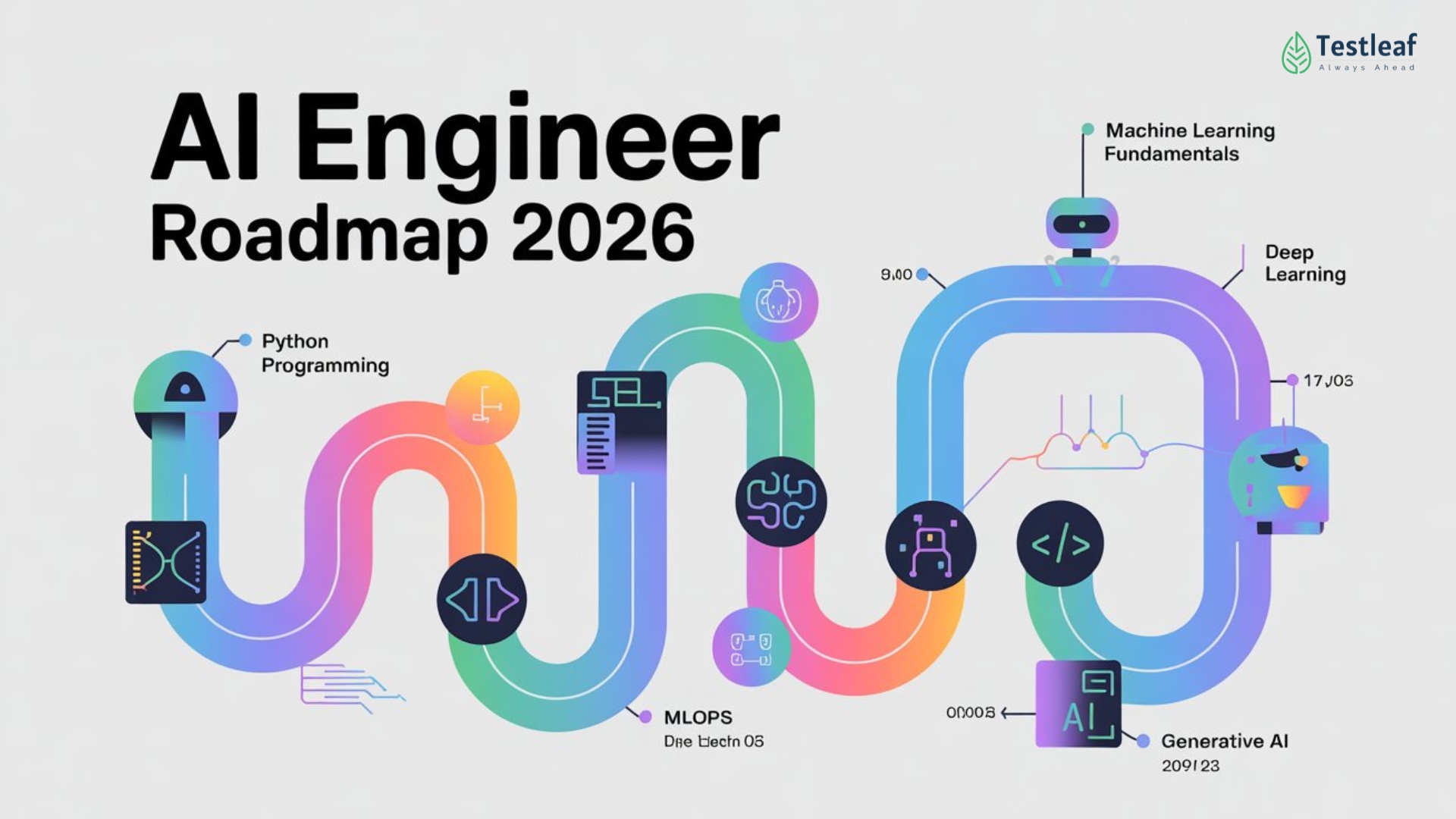
Artificial Intelligence (AI) is transforming industries across the globe, and at the heart of this transformation are AI engineers. These professionals are responsible for designing, developing, and implementing AI models that power everything from recommendation systems to autonomous vehicles.

What Does an AI Engineer Do?

An AI engineer’s primary role is to create intelligent algorithms capable of learning and making decisions. They work with vast amounts of data to train models that can perform specific tasks without explicit programming. This involves:

  • Data Collection and Preparation: Gathering and preparing data for training purposes.
  • Model Development: Designing algorithms that can learn from data.
  • Model Training: Using machine learning techniques to train models on large datasets.
  • Model Evaluation: Testing models to ensure they meet performance standards.
  • Deployment: Integrating models into applications or systems for real-world use.

Skills Required for an AI Engineer

A successful AI engineer needs a blend of technical skills and domain knowledge. Key skills include:

  • Programming Languages: Proficiency in languages such as Python, R, or Java is essential.
  • Mathematics and Statistics: A strong foundation in linear algebra, calculus, probability, and statistics is crucial for developing algorithms.
  • Machine Learning Frameworks: Familiarity with frameworks like TensorFlow, PyTorch, or Keras is important for building models efficiently.
  • Data Analysis: The ability to analyze large datasets and extract meaningful insights is vital for training effective models.

The Impact of AI Engineers

The work of AI engineers has a profound impact on various sectors. In healthcare, they develop predictive models that assist in early diagnosis and personalized treatment plans. In finance, they create algorithms that detect fraudulent activities or automate trading processes. In retail, they enhance customer experiences through personalized recommendations.

The demand for skilled AI engineers continues to grow as more organizations recognize the potential of artificial intelligence to drive innovation and efficiency. As technology evolves, so too will the opportunities within this exciting field.

The Future of AI Engineering

The future looks promising for those pursuing a career as an AI engineer. With advancements in areas such as deep learning and natural language processing, there are endless possibilities for innovation. As ethical considerations become increasingly important in technology development, AI engineers will also play a crucial role in ensuring responsible use of artificial intelligence.

If you’re interested in shaping the future through technology and have a passion for solving complex problems with innovative solutions, a career as an AI engineer might be the perfect fit for you!


8 Essential Tips for Aspiring AI Engineers

  1. Stay updated with the latest developments in AI technology.
  2. Build a strong foundation in mathematics and statistics.
  3. Develop proficiency in programming languages such as Python and R.
  4. Gain experience with machine learning algorithms and deep learning techniques.
  5. Work on real-world projects to showcase your skills and knowledge.
  6. Collaborate with other professionals in related fields to broaden your understanding of AI applications.
  7. Continuously improve your problem-solving skills and critical thinking abilities.
  8. Stay curious and be willing to learn new concepts and technologies in the rapidly evolving field of AI.

Stay updated with the latest developments in AI technology.

Staying updated with the latest developments in AI technology is crucial for any AI engineer aiming to remain relevant and effective in the field. The landscape of artificial intelligence is rapidly evolving, with new algorithms, tools, and techniques emerging regularly. By keeping abreast of these advancements, AI engineers can leverage cutting-edge technologies to enhance their projects and solve complex problems more efficiently. This continuous learning not only improves their skill set but also opens up opportunities for innovation and creativity in designing AI solutions. Engaging with research papers, attending conferences, participating in online forums, and taking advanced courses are excellent ways for AI engineers to stay informed about the latest trends and breakthroughs in the industry.

Build a strong foundation in mathematics and statistics.

Building a strong foundation in mathematics and statistics is crucial for anyone aspiring to become an AI engineer. Mathematics, particularly linear algebra and calculus, forms the backbone of many machine learning algorithms, enabling engineers to understand how models process data and make predictions. Statistics is equally important, as it provides the tools needed to analyze datasets, identify patterns, and assess the reliability of model outputs. A solid grasp of these subjects allows AI engineers to not only develop more effective algorithms but also troubleshoot issues and optimize performance. By mastering mathematics and statistics, aspiring AI engineers equip themselves with the essential skills needed to innovate and excel in this rapidly evolving field.

Develop proficiency in programming languages such as Python and R.

To excel as an AI engineer, it’s crucial to develop proficiency in programming languages like Python and R. These languages are fundamental tools in the field of artificial intelligence and machine learning due to their simplicity, versatility, and extensive libraries that facilitate complex computations and data analysis. Python, with its robust frameworks like TensorFlow and PyTorch, is particularly favored for building neural networks and deploying AI models. Meanwhile, R is renowned for its statistical computing capabilities, making it ideal for data manipulation and visualization tasks. Mastering these languages enables AI engineers to efficiently design algorithms, process large datasets, and implement sophisticated AI solutions across various applications.

Gain experience with machine learning algorithms and deep learning techniques.

Gaining experience with machine learning algorithms and deep learning techniques is crucial for anyone aspiring to become an AI engineer. These skills form the backbone of artificial intelligence, enabling systems to learn from data and improve over time without explicit programming. By working with various algorithms such as decision trees, support vector machines, and neural networks, aspiring AI engineers can understand how different models perform under various conditions. Deep learning techniques, which involve complex neural networks like convolutional neural networks (CNNs) and recurrent neural networks (RNNs), are particularly important for tasks involving image recognition, natural language processing, and more. Hands-on experience with these technologies not only enhances technical proficiency but also equips individuals with the problem-solving skills needed to tackle real-world challenges in AI development.

Work on real-world projects to showcase your skills and knowledge.

Gaining hands-on experience by working on real-world projects is essential for aspiring AI engineers to showcase their skills and knowledge effectively. By engaging in practical projects, individuals can apply theoretical concepts to solve tangible problems, demonstrating their ability to design, develop, and implement AI models in real scenarios. This experience not only enhances technical proficiency but also builds a portfolio that highlights one’s expertise to potential employers or clients. Additionally, tackling real-world challenges helps in understanding the complexities and nuances of AI applications, making one more adept at navigating the evolving landscape of artificial intelligence. Whether through internships, open-source contributions, or personal projects, these experiences are invaluable in establishing credibility and advancing one’s career in the field of AI engineering.

Collaborating with professionals in related fields is crucial for AI engineers aiming to broaden their understanding of AI applications. By working alongside experts in areas such as data science, software development, and domain-specific industries like healthcare or finance, AI engineers can gain valuable insights into how artificial intelligence can be applied effectively across different sectors. This interdisciplinary approach not only enhances the engineer’s technical skills but also fosters innovative solutions by integrating diverse perspectives. Such collaboration leads to the creation of more robust and versatile AI models that address real-world challenges, ultimately driving technological advancement and improving outcomes across various applications.

Continuously improve your problem-solving skills and critical thinking abilities.

In the rapidly evolving field of artificial intelligence, continuously improving your problem-solving skills and critical thinking abilities is crucial for success as an AI engineer. These skills enable you to tackle complex challenges and devise innovative solutions that may not be immediately obvious. By honing your ability to analyze situations from multiple perspectives, you can identify potential issues before they arise and develop more effective algorithms. Engaging in activities such as coding challenges, logic puzzles, and collaborative projects can enhance these skills, allowing you to adapt quickly to new technologies and methodologies. Ultimately, strong problem-solving and critical thinking capabilities are essential for driving advancements in AI and maintaining a competitive edge in the industry.

Stay curious and be willing to learn new concepts and technologies in the rapidly evolving field of AI.

In the rapidly evolving field of AI, staying curious and being willing to learn new concepts and technologies is essential for success as an AI engineer. The landscape of artificial intelligence is constantly changing, with breakthroughs and innovations emerging at a fast pace. By maintaining a curious mindset, AI engineers can stay ahead of the curve, exploring cutting-edge tools and methodologies that enhance their work. This openness to learning not only fosters personal growth but also enables engineers to adapt to new challenges and opportunities in the industry. Embracing continuous education ensures that they remain valuable contributors to their teams and organizations, driving forward the potential of AI in transformative ways.

entry level software engineer

Exploring the Path to Becoming an Entry Level Software Engineer

Article: Entry Level Software Engineer

The Role of an Entry Level Software Engineer

Software engineering is a dynamic and rapidly growing field that offers endless opportunities for individuals looking to kickstart their career in technology. As an entry level software engineer, you play a crucial role in developing, testing, and maintaining software applications that power our digital world.

Responsibilities of an Entry Level Software Engineer

As an entry level software engineer, your responsibilities may include:

  • Assisting in the design and development of software applications
  • Writing code following best practices and coding standards
  • Participating in code reviews and debugging sessions
  • Collaborating with senior developers and team members on projects
  • Testing and documenting software to ensure quality and reliability
  • Learning new technologies and tools to enhance your skills

Skills Required for Entry Level Software Engineers

To excel as an entry level software engineer, you should possess the following skills:

  • Proficiency in programming languages such as Java, Python, C++, or JavaScript
  • Understanding of software development principles and methodologies
  • Problem-solving abilities and attention to detail
  • Strong communication and teamwork skills
  • Ability to learn quickly and adapt to new technologies

Career Growth Opportunities for Entry Level Software Engineers

Starting as an entry level software engineer opens up a world of possibilities for career advancement. With dedication, continuous learning, and hands-on experience, you can progress to roles such as senior software engineer, technical lead, project manager, or even pursue specialization in areas like artificial intelligence, cybersecurity, or mobile app development.

If you are passionate about technology and eager to make a difference through innovative solutions, a career as an entry level software engineer could be the perfect starting point for your journey in the exciting world of software development.


7 Essential Tips for Aspiring Entry-Level Software Engineers

  1. Focus on building a strong foundation in programming languages like Java, Python, or C++.
  2. Practice problem-solving skills through coding challenges and projects.
  3. Seek internships or co-op opportunities to gain real-world experience.
  4. Stay updated with the latest industry trends and technologies.
  5. Build a portfolio showcasing your projects and contributions.
  6. Network with professionals in the field to expand your opportunities.
  7. Continuously learn and improve your skills to advance in your career.

Focus on building a strong foundation in programming languages like Java, Python, or C++.

To succeed as an entry level software engineer, it is essential to focus on building a solid foundation in programming languages such as Java, Python, or C++. These languages are widely used in the industry and mastering them will not only enhance your coding skills but also open up a myriad of opportunities for career growth. By dedicating time and effort to learning these fundamental languages, you can establish a strong technical base that will serve as a solid platform for your future success in the field of software engineering.

Practice problem-solving skills through coding challenges and projects.

To excel as an entry level software engineer, it is essential to hone your problem-solving skills through engaging in coding challenges and projects. By tackling real-world problems and implementing solutions through coding, you not only enhance your technical abilities but also develop a strategic mindset that is invaluable in the software development field. Practice not only sharpens your coding proficiency but also fosters creativity and critical thinking, preparing you for the diverse challenges you may encounter in your career as a software engineer.

Seek internships or co-op opportunities to gain real-world experience.

Seeking internships or co-op opportunities is a valuable tip for entry level software engineers looking to gain real-world experience. These hands-on experiences provide invaluable insights into the industry, allowing individuals to apply their knowledge in practical settings, collaborate with seasoned professionals, and build a strong foundation for their future careers. By participating in internships or co-op programs, entry level software engineers can enhance their skills, expand their networks, and increase their marketability in the competitive tech job market.

It is essential for entry level software engineers to stay updated with the latest industry trends and technologies. By keeping abreast of advancements in the field, such as new programming languages, development tools, and best practices, you can enhance your skills, remain competitive in the job market, and contribute effectively to innovative projects. Continuous learning and adaptation to emerging technologies are key factors in building a successful career as a software engineer.

Build a portfolio showcasing your projects and contributions.

Building a portfolio showcasing your projects and contributions is a valuable tip for entry level software engineers. A well-curated portfolio not only demonstrates your technical skills but also highlights your creativity, problem-solving abilities, and passion for software development. By showcasing real-world projects you have worked on, whether personal or during internships or academic projects, you provide potential employers with tangible evidence of your capabilities and dedication to the field. A strong portfolio can set you apart from other candidates and increase your chances of landing exciting opportunities in the competitive tech industry.

Network with professionals in the field to expand your opportunities.

Networking with professionals in the field is a valuable tip for entry level software engineers looking to expand their opportunities. Building connections with experienced individuals can provide insights, mentorship, and potential job leads that may not be advertised elsewhere. By engaging with professionals in the industry, entry level software engineers can gain valuable knowledge, stay updated on trends, and create a supportive network that can help propel their career forward.

Continuously learn and improve your skills to advance in your career.

To advance in your career as an entry level software engineer, it is crucial to continuously learn and improve your skills. Embracing a mindset of lifelong learning not only keeps you updated with the latest technologies and trends in the industry but also enhances your problem-solving abilities and adaptability. By seeking out opportunities for professional development, such as online courses, workshops, and mentorship programs, you can strengthen your expertise and position yourself for growth within the field of software engineering. Remember, investing in your skills today paves the way for a successful and fulfilling career tomorrow.

revature software engineer

Unlock Your Potential as a Revature Software Engineer: Building a Bright Future in Tech

Revature Software Engineer

The Role of a Revature Software Engineer

Revature is a leading technology talent development company that focuses on creating a pathway for individuals to start successful careers in software engineering. As a Revature software engineer, you are part of a dynamic team that is dedicated to learning, growth, and innovation.

Responsibilities of a Revature Software Engineer

As a software engineer at Revature, you will be responsible for:

  • Developing high-quality software applications
  • Collaborating with team members to design and implement solutions
  • Testing and debugging code to ensure functionality
  • Continuously learning and adapting to new technologies and tools
  • Participating in code reviews and providing constructive feedback
  • Communicating effectively with stakeholders to understand requirements and deliver results

Skills Required for Success

To excel as a Revature software engineer, you should possess the following skills:

  • Proficiency in programming languages such as Java, Python, or C++
  • Strong problem-solving abilities and analytical thinking
  • Understanding of software development principles and best practices
  • Ability to work well in a team environment and communicate effectively
  • Desire to learn and grow professionally in the field of software engineering

Career Development at Revature

Revature offers comprehensive training programs and mentorship opportunities to help software engineers enhance their skills and advance their careers. Through hands-on projects, workshops, and professional development resources, Revature empowers its engineers to reach their full potential.

Join the Revature Team Today!

If you are passionate about technology and eager to kickstart your career as a software engineer, consider joining the innovative team at Revature. With a focus on continuous learning and career growth, Revature provides an exciting environment for aspiring professionals to thrive.


Exploring a Career as a Software Engineer at Revature: Roles, Responsibilities, Skills, and Opportunities

  1. What is the role of a software engineer at Revature?
  2. What are the responsibilities of a software engineer at Revature?
  3. What skills are required to succeed as a software engineer at Revature?
  4. How does Revature support career development for software engineers?
  5. What training programs and mentorship opportunities does Revature offer to software engineers?
  6. How can I join the team of software engineers at Revature?

What is the role of a software engineer at Revature?

Inquiring about the role of a software engineer at Revature is a common query among individuals interested in pursuing a career in technology. As a software engineer at Revature, one plays a pivotal role in developing high-quality software applications, collaborating with team members to design and implement solutions, testing and debugging code for functionality, continuously learning and adapting to new technologies, participating in code reviews, and effectively communicating with stakeholders to deliver results. The position demands strong problem-solving skills, proficiency in programming languages like Java, Python, or C++, and a passion for growth and innovation in the field of software engineering.

What are the responsibilities of a software engineer at Revature?

At Revature, the responsibilities of a software engineer encompass a wide range of tasks essential to developing high-quality software applications. Software engineers collaborate with team members to design and implement solutions, test and debug code for functionality, and continuously learn and adapt to new technologies and tools. They play a key role in code reviews, providing constructive feedback, and effectively communicating with stakeholders to understand requirements and deliver results. Overall, software engineers at Revature are instrumental in driving innovation and excellence in software development.

What skills are required to succeed as a software engineer at Revature?

To succeed as a software engineer at Revature, a range of skills is essential. Proficiency in programming languages like Java, Python, or C++ is crucial. Strong problem-solving abilities and analytical thinking are also key attributes. Understanding software development principles and best practices is necessary for creating high-quality applications. Additionally, the ability to work collaboratively in a team environment and communicate effectively with stakeholders is vital. A desire for continuous learning and professional growth in the field of software engineering is highly valued at Revature.

How does Revature support career development for software engineers?

Revature is committed to supporting the career development of software engineers through a variety of initiatives and resources. They offer comprehensive training programs, mentorship opportunities, and hands-on projects to help engineers enhance their skills and stay current with the latest technologies. Additionally, Revature provides workshops and professional development resources to empower software engineers to grow both personally and professionally. By fostering a culture of continuous learning and advancement, Revature ensures that software engineers have the tools and support they need to succeed in their careers.

What training programs and mentorship opportunities does Revature offer to software engineers?

Revature offers a range of training programs and mentorship opportunities to software engineers to enhance their skills and support their career development. These programs include hands-on projects, workshops, and access to professional development resources. Through mentorship from experienced industry professionals, software engineers at Revature receive guidance and support to excel in their roles. The company’s focus on continuous learning ensures that engineers have the tools and knowledge they need to succeed in the ever-evolving field of software engineering.

How can I join the team of software engineers at Revature?

To join the team of software engineers at Revature, individuals can start by applying for the company’s training programs through their official website. Revature offers a structured pathway for aspiring software engineers to kickstart their careers through comprehensive training, mentorship, and hands-on projects. By demonstrating a passion for technology, a willingness to learn, and a strong work ethic, candidates can increase their chances of being selected to join the dynamic team of software engineers at Revature.

java development kit

Mastering Java Development Kit: Essential Tools for Java Programmers

The Java Development Kit (JDK): Everything You Need to Know

The Java Development Kit (JDK): Everything You Need to Know

Java is a popular programming language used for developing a wide range of applications, from simple desktop tools to complex enterprise systems. At the core of Java development is the Java Development Kit (JDK), a crucial set of tools that every Java developer needs to have.

What is the JDK?

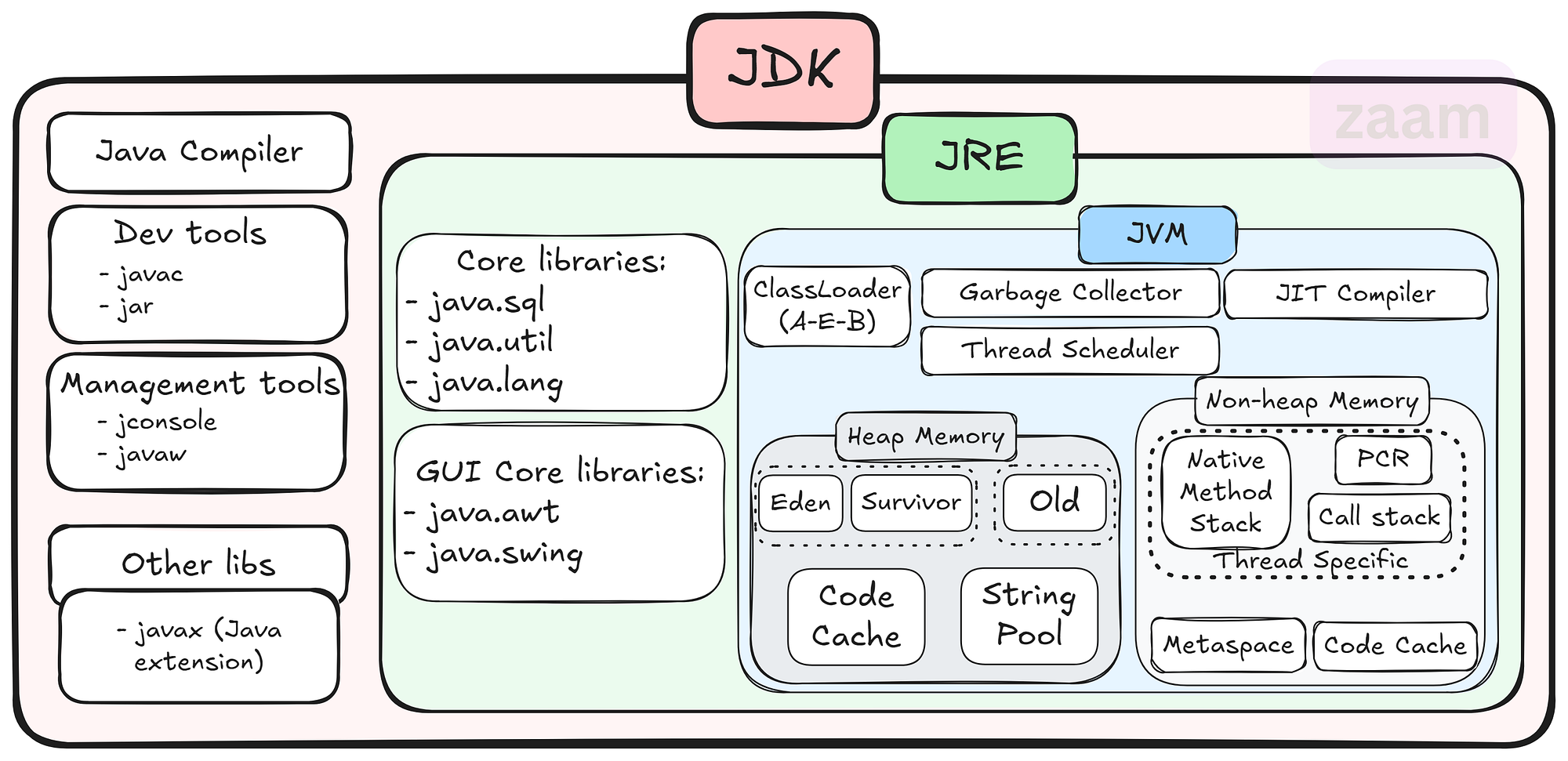
The JDK is a software development kit that provides all the necessary tools and libraries for developing Java applications. It includes the Java Runtime Environment (JRE), which is required for running Java programs, as well as development tools such as the Java compiler, debugger, and other utilities.

Key Components of the JDK

Some of the key components of the JDK include:

  • Java Compiler: The javac compiler converts Java source code into bytecode that can be executed by the JVM.
  • Java Virtual Machine (JVM): The JVM is responsible for executing Java bytecode on different platforms.
  • Java Class Library: A collection of pre-written classes and interfaces that provide core functionality for Java applications.
  • Development Tools: Tools like Javadoc for generating API documentation, JAR for packaging applications, and more.

Why Use the JDK?

The JDK is essential for Java developers because it provides everything needed to write, compile, debug, and run Java applications. By using the JDK, developers can ensure that their code is compatible with different platforms and environments thanks to the JVM’s portability.

Getting Started with the JDK

To start using the JDK, developers can download it from Oracle’s website or other authorized sources. Installation instructions are typically provided with the download package, making it easy to set up and start developing in Java.

Conclusion

The JDK plays a vital role in Java development by providing developers with all the necessary tools and libraries to create powerful and scalable applications. Whether you are a beginner or an experienced developer, having a solid understanding of the JDK is essential for success in Java programming.


8 Key Advantages of the Java Development Kit for Developers

  1. Comprehensive set of tools for Java development
  2. Includes the Java compiler for converting source code to bytecode
  3. Provides a rich collection of libraries for building robust applications
  4. Cross-platform compatibility with the Java Virtual Machine (JVM)
  5. Supports object-oriented programming principles
  6. Integrated development environment (IDE) support for coding convenience
  7. Regular updates and improvements from Oracle and the Java community
  8. Extensive documentation and resources available online for learning and troubleshooting


Challenges of the Java Development Kit: Size, Complexity, Resource Demands, and Compatibility Issues

  1. Large Size
  2. Complexity
  3. Resource Intensive
  4. Updates and Compatibility

Comprehensive set of tools for Java development

The Java Development Kit (JDK) stands out for its comprehensive set of tools tailored for Java development. From the Java compiler to debugging utilities and class libraries, the JDK equips developers with everything they need to efficiently write, compile, and debug Java applications. This extensive toolkit not only streamlines the development process but also ensures that developers have access to a wide array of resources to tackle various aspects of Java programming effectively.

Includes the Java compiler for converting source code to bytecode

The Java Development Kit (JDK) offers a significant advantage by including the Java compiler, a crucial tool for converting source code into bytecode. This feature simplifies the development process for Java programmers, allowing them to write code in a human-readable format and then compile it into bytecode that can be executed by the Java Virtual Machine (JVM). By bundling the compiler with the JDK, developers can seamlessly transition from writing code to testing and running their applications without the need for additional tools or configurations.

Provides a rich collection of libraries for building robust applications

The Java Development Kit (JDK) stands out for its ability to provide a rich collection of libraries that empower developers to build robust applications with ease. These libraries offer a wide range of pre-written classes and interfaces that cover various functionalities, saving developers time and effort in coding from scratch. By leveraging the extensive library support within the JDK, developers can enhance the functionality and performance of their applications while ensuring scalability and reliability in their software projects.

Cross-platform compatibility with the Java Virtual Machine (JVM)

The Java Development Kit (JDK) offers a significant advantage with its cross-platform compatibility through the Java Virtual Machine (JVM). This feature allows Java applications to run on various operating systems without the need for recompilation, ensuring seamless deployment across different platforms. By leveraging the JVM, developers can write code once and have it executed on Windows, macOS, Linux, and other supported environments, making Java a versatile choice for creating applications that reach a wide audience.

Supports object-oriented programming principles

Java Development Kit (JDK) offers a significant advantage by supporting object-oriented programming principles. Object-oriented programming allows developers to organize code into reusable and modular components, enhancing code readability, maintainability, and scalability. With the JDK’s support for object-oriented programming, developers can easily create complex applications by leveraging concepts such as classes, objects, inheritance, and polymorphism, leading to more efficient and robust software development processes.

Integrated development environment (IDE) support for coding convenience

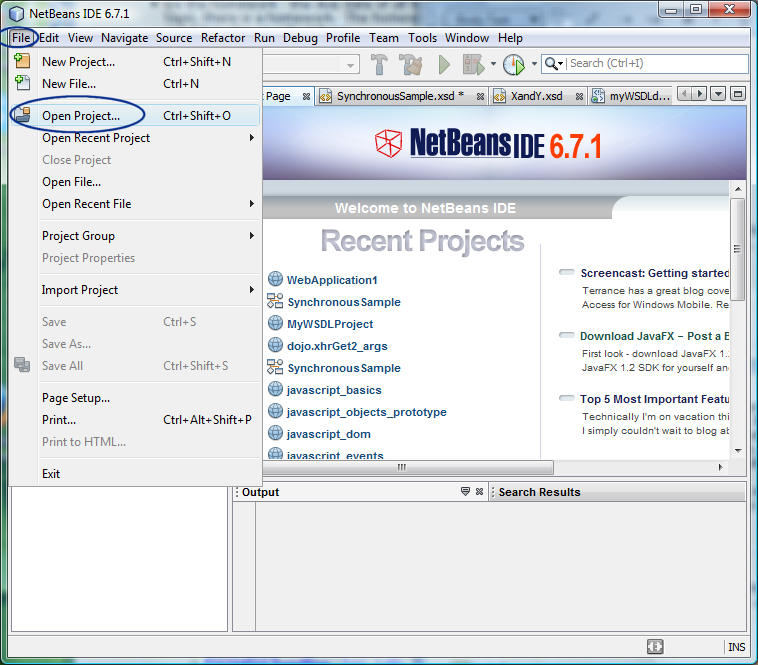
The Java Development Kit (JDK) offers integrated development environment (IDE) support, providing developers with a user-friendly platform for coding convenience. With IDE tools tailored for Java development, programmers can benefit from features like code completion, syntax highlighting, debugging capabilities, and project management tools. This support streamlines the coding process, enhances productivity, and helps developers write high-quality Java applications efficiently.

Regular updates and improvements from Oracle and the Java community

Regular updates and improvements from Oracle and the Java community ensure that the Java Development Kit (JDK) remains a cutting-edge tool for developers. By staying current with the latest advancements, developers can benefit from enhanced performance, security patches, and new features that help streamline their development process and keep their applications up-to-date with industry standards. This commitment to continuous improvement demonstrates the dedication of both Oracle and the Java community to support developers in creating robust and innovative Java applications.

Extensive documentation and resources available online for learning and troubleshooting

Java Development Kit (JDK) offers a significant advantage with its extensive documentation and abundant online resources available for learning and troubleshooting. Whether you are a novice Java developer looking to grasp the basics or an experienced programmer seeking solutions to complex issues, the wealth of online materials ensures that you have the support and guidance needed to enhance your Java development skills effectively. The comprehensive documentation and resources associated with JDK empower developers to overcome challenges, explore new features, and continuously improve their proficiency in Java programming.

Large Size

The Java Development Kit (JDK) has a notable downside in its large size, which can demand a considerable amount of storage space on your system. Due to its extensive collection of tools, libraries, and resources, the JDK’s size may pose a challenge for users with limited storage capacity, potentially impacting the availability of space for other applications or files on the system. This aspect of the JDK’s size underscores the importance of considering storage requirements when installing and using this development kit for Java programming projects.

Complexity

Java development using the JDK can present a significant challenge in terms of complexity, particularly for beginners. The extensive toolset provided by the JDK can be overwhelming for those new to Java programming, making it difficult to grasp all the functionalities and how they interact. Navigating through the various tools and libraries within the JDK may require a steep learning curve, potentially slowing down the development process and causing frustration for inexperienced developers.

Resource Intensive

One significant drawback of using the Java Development Kit (JDK) is its resource-intensive nature. Running Java applications developed with the JDK may demand higher system resources compared to applications built with other programming languages. This increased resource requirement can lead to higher memory consumption and slower performance on devices with limited capabilities, potentially affecting the overall efficiency and responsiveness of the application.

Updates and Compatibility

Keeping up with JDK updates and ensuring compatibility with different versions can be challenging for Java developers. As new updates are released regularly to enhance performance, security, and features, developers need to stay vigilant in updating their development environments and ensuring that their code remains compatible with the latest JDK versions. This process can be time-consuming and may require adjustments to existing codebases to avoid potential compatibility issues. Additionally, managing dependencies and third-party libraries to align with JDK updates adds another layer of complexity to the development process.

learn java

Master Java Programming: Learn Java Like a Pro

Learn Java: A Comprehensive Guide

Learn Java: A Comprehensive Guide

Java is a versatile and widely-used programming language that powers countless applications, from mobile apps to enterprise software. Whether you are a beginner or an experienced developer looking to expand your skills, learning Java can open up a world of opportunities for you.

Why Learn Java?

Java is known for its platform independence, meaning that once you write a Java program, it can run on any device that has a Java Virtual Machine (JVM). This makes Java a popular choice for developing cross-platform applications.

In addition, Java’s robust libraries and frameworks make it easier to build complex applications efficiently. Its strong community support and vast resources also make learning Java more accessible and enjoyable.

Getting Started with Java

If you are new to programming, don’t worry! Java’s syntax is relatively easy to learn compared to other languages. You can start by installing the Java Development Kit (JDK) on your computer and using an Integrated Development Environment (IDE) like Eclipse or IntelliJ IDEA to write and run your code.

Begin with the basics, such as variables, data types, loops, and conditional statements. As you progress, dive into object-oriented programming concepts like classes, objects, inheritance, and polymorphism.

Advanced Topics in Java

Once you have a solid understanding of the fundamentals, you can explore more advanced topics in Java like multithreading, exception handling, database connectivity using JDBC, GUI programming with Swing or JavaFX, and web development with frameworks like Spring or Hibernate.

Practice Makes Perfect

To truly master Java programming, practice is key. Challenge yourself with coding exercises on platforms like LeetCode or HackerRank. Build small projects to apply what you have learned and gain hands-on experience working with real-world problems.

Conclusion

Learning Java can be a rewarding journey that opens up endless possibilities in the world of software development. Whether you aspire to be a mobile app developer, web developer, or software engineer, mastering Java will equip you with the skills needed to succeed in today’s tech-driven world.


Top 8 FAQs About Learning Java: A Guide for Beginners

  1. What is Java and why should I learn it?
  2. Is Java difficult to learn for beginners?
  3. What are the basic concepts I need to understand in Java?
  4. How can I start learning Java programming?
  5. Are there any recommended resources or tutorials for learning Java?
  6. What are the key features of Java that make it a popular programming language?
  7. Can I become a successful programmer by learning Java?
  8. What career opportunities are available for those who know Java?

What is Java and why should I learn it?

Java is a versatile and powerful programming language that is widely used in various domains, from mobile app development to enterprise software solutions. Learning Java is beneficial for several reasons. Firstly, Java’s platform independence allows programs to run on any device with a Java Virtual Machine (JVM), making it ideal for cross-platform development. Additionally, Java’s extensive libraries and frameworks simplify the process of building complex applications. Its strong community support and vast resources also make it an accessible language for beginners and experienced developers alike. Overall, mastering Java opens up a world of opportunities in the tech industry and equips you with valuable skills that are in high demand.

Is Java difficult to learn for beginners?

For beginners, learning Java may seem challenging at first due to its syntax and object-oriented programming concepts. However, with dedication and practice, Java can become more manageable to grasp. Many resources, tutorials, and online courses are available to help beginners understand Java effectively. Breaking down the learning process into smaller steps and focusing on practical applications can make learning Java less intimidating for newcomers. Ultimately, while Java may present some initial hurdles, the rewards of mastering this versatile language are well worth the effort for aspiring programmers.

What are the basic concepts I need to understand in Java?

To effectively learn Java, it is essential to grasp the basic concepts that form the foundation of the language. Understanding fundamental concepts such as variables, data types, control structures (like loops and conditional statements), methods, classes, and objects is crucial. Object-oriented programming principles like inheritance, encapsulation, polymorphism, and abstraction are also key components to comprehend. By mastering these core concepts, learners can build a strong understanding of Java programming and pave the way for more advanced topics in software development.

How can I start learning Java programming?

To start learning Java programming, it is recommended to begin by installing the Java Development Kit (JDK) on your computer and selecting an Integrated Development Environment (IDE) such as Eclipse or IntelliJ IDEA. Familiarize yourself with basic concepts like variables, data types, loops, and conditional statements. Utilize online resources, tutorials, and practice exercises to reinforce your understanding. As you progress, delve into object-oriented programming principles and gradually explore more advanced topics in Java to enhance your skills and knowledge. Remember that consistent practice and hands-on experience are key to mastering Java programming effectively.

When it comes to learning Java, one of the most frequently asked questions is about recommended resources or tutorials. There are numerous high-quality resources available for beginners and experienced developers alike. Online platforms like Codecademy, Udemy, and Coursera offer comprehensive Java courses with interactive lessons and hands-on projects. Additionally, websites like Oracle’s Java Tutorials, Baeldung, and Java Code Geeks provide in-depth articles, tutorials, and code examples to help learners enhance their Java skills. Books such as “Head First Java” by Kathy Sierra and Bert Bates or “Effective Java” by Joshua Bloch are also highly recommended for those looking to deepen their understanding of the language. With a wealth of resources at your disposal, embarking on your journey to learn Java has never been more accessible and rewarding.

Java’s popularity as a programming language can be attributed to its key features that set it apart from others. One of the main reasons for Java’s widespread adoption is its platform independence, allowing developers to write code once and run it on any device with a Java Virtual Machine (JVM). Additionally, Java’s robust standard library and extensive ecosystem of frameworks simplify the development process, making it easier to build complex applications efficiently. Its strong emphasis on security, scalability, and performance further solidify Java’s position as a top choice for a wide range of applications across different industries.

Can I become a successful programmer by learning Java?

Many aspiring programmers wonder if learning Java can lead them to success in the field. The answer is a resounding yes. Java is a powerful and versatile programming language widely used in various domains, making it a valuable skill to possess. By mastering Java, you not only gain proficiency in a popular language but also develop problem-solving abilities and a strong foundation in object-oriented programming. With dedication, practice, and continuous learning, becoming a successful programmer through Java is not only achievable but also opens up numerous opportunities in the ever-evolving tech industry.

What career opportunities are available for those who know Java?

Java is a highly sought-after programming language in the tech industry, offering a wide range of career opportunities for those who master it. Professionals proficient in Java can explore roles such as Java developer, software engineer, web developer, mobile app developer, system architect, and more. With Java’s versatility and widespread use in various domains like finance, healthcare, e-commerce, and gaming, individuals skilled in Java have the advantage of pursuing diverse career paths and securing rewarding positions in the ever-evolving field of technology.