cfchris.com

Loading

java basics

Mastering Java Basics: A Comprehensive Guide to Understanding Java Programming

Java Basics

The Basics of Java Programming Language

Java is a popular and versatile programming language that is widely used for developing various types of applications, from simple desktop programs to complex enterprise systems. Understanding the basics of Java is essential for anyone looking to start a career in software development.

Key Concepts in Java:

  • Object-Oriented Programming: Java is an object-oriented programming language, which means it focuses on creating objects that contain both data and methods.
  • Platform-Independence: One of the key features of Java is its platform independence. Java programs can run on any device that has a Java Virtual Machine (JVM) installed.
  • Syntax: Java syntax is similar to C and C++, making it easier for programmers familiar with these languages to transition to Java.
  • Data Types: Java supports various data types, including primitive types like int, double, boolean, and reference types like classes and interfaces.
  • Control Structures: Java provides control structures such as loops (for, while) and conditional statements (if-else) to control the flow of a program.

Hello World Program in Java:

To get started with Java programming, let’s look at the classic “Hello World” program:

“`java

public class HelloWorld {

public static void main(String[] args) {

System.out.println(“Hello, World!”);

}

}

“`

In this program, we define a class named `HelloWorld` with a `main` method where the program execution starts. The `System.out.println()` statement prints “Hello, World!” to the console.

Learning Resources for Java Beginners:

If you are new to Java programming and want to learn more about it, there are plenty of resources available online. Some recommended resources include:

– Oracle’s official Java documentation

– Online tutorials and courses on platforms like Udemy and Coursera

– Books such as “Head First Java” by Kathy Sierra and Bert Bates


6 Key Advantages of Learning Java Basics: Platform Independence, Object-Oriented Design, and More

  1. Java is platform-independent, meaning Java programs can run on any device with a Java Virtual Machine (JVM).
  2. Object-oriented programming in Java promotes code reusability and modularity.
  3. Java has a rich standard library that provides ready-to-use components for common programming tasks.
  4. Java’s syntax is similar to C and C++, making it easier for programmers familiar with those languages to learn Java.
  5. Java supports multithreading, allowing programs to perform multiple tasks simultaneously.
  6. Java’s strong memory management helps prevent memory leaks and ensures efficient resource utilization.


Challenges of Learning Java Basics: Navigating Verbosity, Memory Management, Performance, and More

  1. Java can be verbose, requiring more lines of code compared to other languages.
  2. Memory management in Java can be complex and may lead to memory leaks if not handled properly.
  3. Java performance may not be as fast as some lower-level languages like C or C++.
  4. Learning Java basics may have a steeper learning curve for beginners due to its object-oriented nature.
  5. Java programs require the Java Virtual Machine (JVM) to run, which adds an extra layer of abstraction.
  6. Debugging Java programs can sometimes be challenging, especially when dealing with large codebases.

Java is platform-independent, meaning Java programs can run on any device with a Java Virtual Machine (JVM).

One significant advantage of Java basics is its platform independence. This feature allows Java programs to be executed on any device equipped with a Java Virtual Machine (JVM), regardless of the underlying operating system or hardware. This flexibility makes Java a versatile and widely adopted programming language in various computing environments.

Object-oriented programming in Java promotes code reusability and modularity.

In Java, the concept of object-oriented programming plays a crucial role in enhancing code reusability and modularity. By encapsulating data and behavior within objects, developers can create reusable components that can be easily integrated into different parts of a program. This approach not only simplifies the development process but also promotes efficient maintenance and scalability of Java applications.

Java has a rich standard library that provides ready-to-use components for common programming tasks.

Java’s strength lies in its rich standard library, offering a vast array of pre-built components that simplify common programming tasks. This extensive library saves developers time and effort by providing ready-to-use solutions for various functionalities, enhancing productivity and efficiency in Java programming projects.

Java’s syntax is similar to C and C++, making it easier for programmers familiar with those languages to learn Java.

Java’s syntax, which closely resembles that of C and C++, offers a significant advantage to programmers already familiar with these languages. This similarity makes transitioning to Java a smoother process, as programmers can leverage their existing knowledge and skills to quickly grasp the fundamentals of Java programming. By building upon the syntax structures they are already acquainted with, programmers can efficiently learn Java and start developing applications in a relatively short period.

Java supports multithreading, allowing programs to perform multiple tasks simultaneously.

Java’s support for multithreading is a significant advantage that allows programs to execute multiple tasks concurrently. By leveraging multithreading, Java applications can enhance performance, responsiveness, and efficiency by efficiently utilizing system resources and enabling parallel processing of tasks. This feature makes Java a powerful tool for developing responsive and scalable software solutions that can handle complex operations seamlessly.

Java’s strong memory management helps prevent memory leaks and ensures efficient resource utilization.

Java’s strong memory management is a key advantage that sets it apart from other programming languages. By automatically handling memory allocation and deallocation, Java helps prevent memory leaks, where unused memory is not released, leading to performance issues. This efficient resource utilization ensures that Java programs run smoothly and reliably, making it a preferred choice for developers working on projects where memory management is crucial.

Java can be verbose, requiring more lines of code compared to other languages.

One drawback of Java basics is its verbosity, which often leads to the need for writing more lines of code compared to some other programming languages. Due to its strict syntax and object-oriented nature, Java can sometimes require additional boilerplate code, making simple tasks appear more complex and time-consuming. Developers may find themselves spending more effort on writing and maintaining code in Java, potentially impacting productivity and readability.

Memory management in Java can be complex and may lead to memory leaks if not handled properly.

Memory management in Java can present a significant challenge for developers due to its complexity, potentially resulting in memory leaks if not carefully managed. Java’s automatic memory management system, while convenient, requires a thorough understanding of how objects are created and destroyed in memory. Improper handling of memory allocation and deallocation can lead to memory leaks, where unused memory is not released properly, causing performance issues and potentially crashing the application. It is crucial for Java programmers to be vigilant in managing memory resources to ensure the efficient and reliable operation of their applications.

Java performance may not be as fast as some lower-level languages like C or C++.

Java’s performance may not always match that of lower-level languages like C or C++. Due to its platform independence and automatic memory management, Java may introduce overhead that can impact its speed compared to these languages. While Java offers advantages in terms of portability and ease of development, developers working on performance-critical applications may need to consider the trade-offs and optimizations required to achieve desired speed and efficiency levels.

Learning Java basics may have a steeper learning curve for beginners due to its object-oriented nature.

Learning Java basics may present a challenge for beginners due to its object-oriented nature, which can result in a steeper learning curve. Understanding concepts such as classes, objects, and inheritance may require additional effort for those who are new to programming. However, once the fundamental principles of object-oriented programming in Java are grasped, learners can unlock the full potential of this versatile language and create robust and scalable applications.

Java programs require the Java Virtual Machine (JVM) to run, which adds an extra layer of abstraction.

Java programs require the Java Virtual Machine (JVM) to run, which adds an extra layer of abstraction. This dependency on the JVM can sometimes lead to performance issues and increased memory consumption compared to languages that compile directly to machine code. Additionally, the need for the JVM to interpret and execute Java bytecode may introduce some overhead, impacting the overall efficiency of Java programs, especially in resource-constrained environments.

Debugging Java programs can sometimes be challenging, especially when dealing with large codebases.

Debugging Java programs can sometimes be challenging, especially when dealing with large codebases. The complexity of large Java projects can make it difficult to pinpoint the root cause of a bug or error. With numerous classes, methods, and dependencies interacting within the codebase, identifying and fixing issues may require thorough analysis and debugging techniques. Effective debugging practices, such as using breakpoints, stepping through code, and utilizing debugging tools, are essential for developers to efficiently troubleshoot and resolve issues in Java programs.

java full stack development

Mastering Java Full Stack Development: A Comprehensive Guide

Article: Java Full Stack Development

The World of Java Full Stack Development

Java Full Stack Development is a popular and in-demand skill set in the tech industry. Full stack developers are proficient in both front-end and back-end technologies, allowing them to work on all aspects of web development.

What is Java Full Stack Development?

Java Full Stack Development refers to the ability to work with Java programming language for both front-end and back-end development. A Java full stack developer is capable of handling tasks ranging from creating user interfaces to managing databases and server-side logic.

Skills Required for Java Full Stack Development

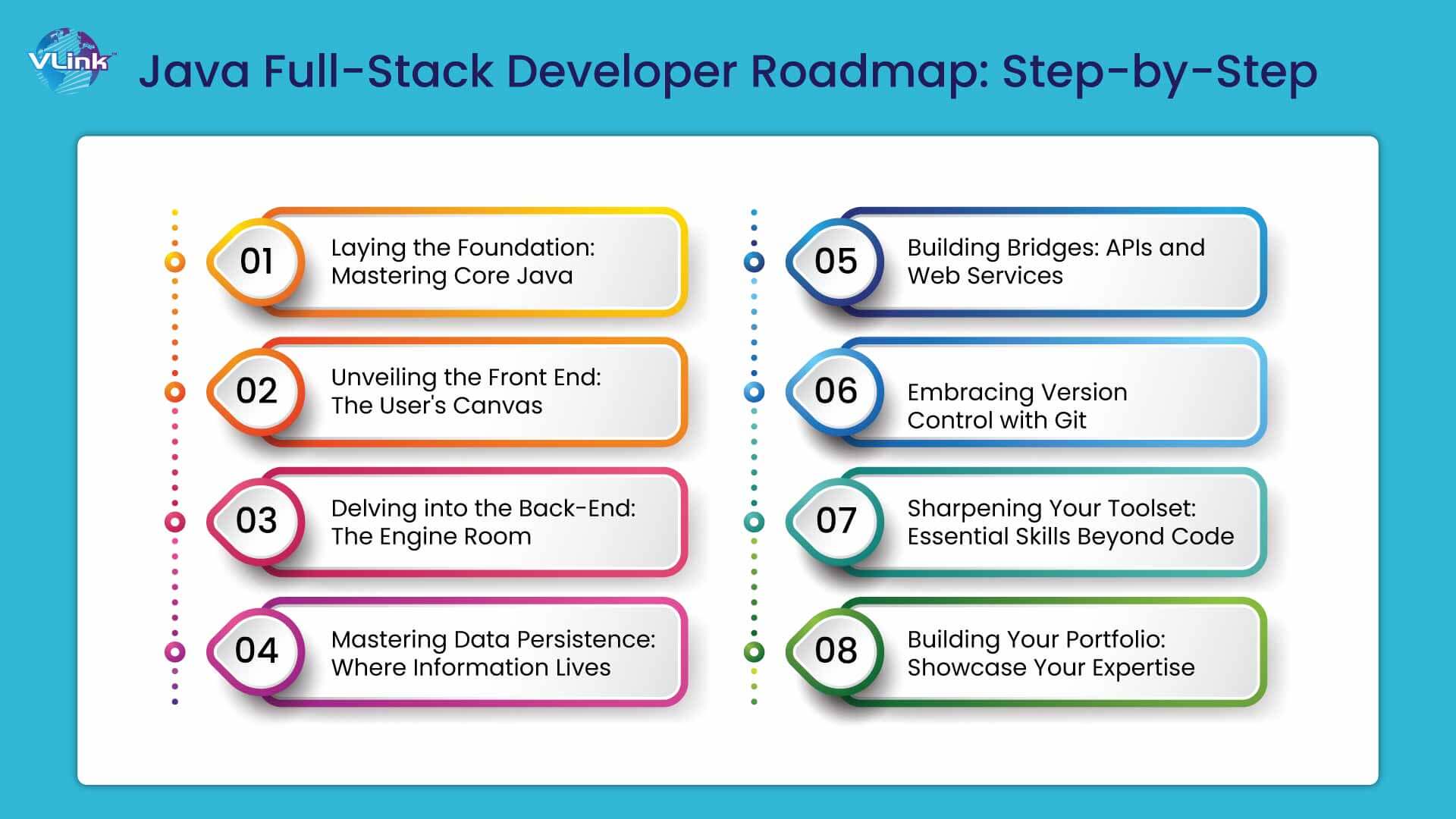
To excel in Java Full Stack Development, one needs a solid understanding of:

  • Java programming language
  • Front-end technologies like HTML, CSS, JavaScript
  • Back-end frameworks such as Spring or Hibernate
  • Database management with SQL or NoSQL databases
  • Version control systems like Git
  • Knowledge of web servers and deployment processes

Career Opportunities in Java Full Stack Development

Professionals with expertise in Java Full Stack Development are highly sought after by companies looking to build robust web applications. They can pursue roles such as:

  • Full Stack Developer
  • Web Application Developer
  • Software Engineer
  • System Architect

The Future of Java Full Stack Development

In a rapidly evolving tech landscape, Java Full Stack Development continues to be a valuable skill set. As businesses increasingly rely on web applications for their operations, the demand for skilled full stack developers is expected to grow.


7 Essential Tips for Excelling in Java Full Stack Development

  1. 1. Master the core Java programming language.
  2. 2. Learn popular front-end technologies like HTML, CSS, and JavaScript.
  3. 3. Get familiar with back-end frameworks such as Spring or Hibernate.
  4. 4. Practice building full-stack applications to integrate front-end and back-end components.
  5. 5. Understand databases and how to work with them using tools like SQL or NoSQL.
  6. 6. Stay updated with the latest trends and technologies in Java full stack development.
  7. 7. Collaborate with other developers through online communities or by contributing to open-source projects.

1. Master the core Java programming language.

To excel in Java Full Stack Development, it is crucial to master the core Java programming language. Understanding the fundamentals of Java, such as syntax, data types, control structures, and object-oriented programming principles, forms the foundation for building robust web applications. Proficiency in core Java allows developers to efficiently work on both front-end and back-end components, enabling them to create scalable and efficient solutions for various projects. By mastering the core Java programming language, developers can unleash their full potential in the dynamic field of Full Stack Development.

To excel in Java Full Stack Development, it is essential to prioritize learning popular front-end technologies such as HTML, CSS, and JavaScript. These foundational languages are crucial for creating dynamic and interactive user interfaces on the web. Proficiency in HTML for structuring content, CSS for styling elements, and JavaScript for adding functionality and interactivity will not only enhance your skills as a full stack developer but also enable you to build engaging and user-friendly web applications.

3. Get familiar with back-end frameworks such as Spring or Hibernate.

To excel in Java Full Stack Development, it is crucial to get familiar with back-end frameworks like Spring or Hibernate. These frameworks provide essential tools and features that streamline back-end development tasks, such as database management, transaction handling, and application configuration. By mastering these frameworks, developers can efficiently build robust and scalable web applications that meet industry standards and best practices in back-end development.

4. Practice building full-stack applications to integrate front-end and back-end components.

To enhance your skills in Java Full Stack Development, it is crucial to practice building full-stack applications that seamlessly integrate front-end and back-end components. By working on projects that involve both aspects of web development, you gain valuable experience in connecting user interfaces with server-side logic. This hands-on approach not only solidifies your understanding of how different components interact but also prepares you for real-world scenarios where comprehensive knowledge of both front-end and back-end technologies is essential for creating functional and efficient web applications.

5. Understand databases and how to work with them using tools like SQL or NoSQL.

To excel in Java Full Stack Development, it is crucial to understand databases and how to effectively work with them using tools like SQL or NoSQL. Proficiency in database management allows developers to store, retrieve, and manipulate data efficiently, ensuring that web applications function seamlessly. By mastering these essential skills, Java full stack developers can design robust and scalable systems that meet the demands of modern web development projects.

To excel in Java full stack development, it is crucial to stay updated with the latest trends and technologies in the field. Continuous learning and keeping abreast of new advancements ensure that developers remain competitive and can leverage cutting-edge tools to enhance their projects. By staying informed about emerging practices and technologies, Java full stack developers can adapt quickly to industry changes and deliver innovative solutions that meet the evolving needs of clients and users.

7. Collaborate with other developers through online communities or by contributing to open-source projects.

To enhance your skills in Java Full Stack Development, consider collaborating with other developers through online communities or contributing to open-source projects. Engaging with like-minded professionals in online forums, discussion groups, or by actively participating in open-source initiatives not only expands your knowledge but also provides valuable real-world experience. By working collaboratively, you can learn new techniques, receive feedback on your code, and contribute to the broader tech community while sharpening your Java Full Stack Development skills.

java software engineer

Mastering the Role of a Java Software Engineer: A Guide to Success

Article: Java Software Engineer

The Role of a Java Software Engineer

Java software engineers play a crucial role in the development of various software applications and systems. They are responsible for designing, implementing, and maintaining Java-based solutions that meet the specific needs of clients or organizations.

Key Responsibilities

As a Java software engineer, one must have a strong understanding of Java programming language and its frameworks. Some key responsibilities include:

  • Developing high-quality software solutions using Java technologies
  • Collaborating with cross-functional teams to design and implement new features
  • Testing and debugging code to ensure optimal performance
  • Optimizing applications for scalability and efficiency
  • Maintaining existing software systems by troubleshooting issues and implementing updates

Skills Required

To excel as a Java software engineer, one should possess the following skills:

  • Proficiency in Java programming language and related technologies (e.g., Spring, Hibernate)
  • Strong problem-solving abilities and attention to detail
  • Knowledge of software development best practices and design patterns
  • Experience with database management systems (e.g., SQL, Oracle)
  • Excellent communication skills for effective collaboration with team members

Career Outlook

The demand for skilled Java software engineers continues to grow as businesses rely on custom software solutions to streamline operations and enhance customer experiences. With the right expertise and experience, Java software engineers can pursue rewarding career opportunities in various industries.

Conclusion

In conclusion, being a Java software engineer requires a blend of technical proficiency, problem-solving skills, and collaboration abilities. By staying updated on industry trends and continuously honing their craft, Java software engineers can make significant contributions to the development of innovative software solutions.


5 Essential Tips for Excelling as a Java Software Engineer

  1. Focus on mastering core Java concepts and language features.
  2. Practice regularly by working on coding challenges and personal projects.
  3. Stay updated with the latest trends and technologies in the Java ecosystem.
  4. Collaborate with other developers to learn from their experiences and improve your skills.
  5. Develop strong problem-solving abilities to tackle complex software engineering tasks efficiently.

Focus on mastering core Java concepts and language features.

To excel as a Java software engineer, it is essential to focus on mastering core Java concepts and language features. Understanding the fundamentals of Java programming lays a solid foundation for building complex applications and solving challenging problems efficiently. By honing your skills in core Java concepts such as object-oriented programming, data structures, and algorithms, you can enhance your ability to write robust and efficient code. Continuous learning and practice in mastering these fundamental aspects of Java will not only make you a proficient software engineer but also enable you to adapt to new technologies and frameworks effectively.

Practice regularly by working on coding challenges and personal projects.

To excel as a Java software engineer, it is essential to practice regularly by engaging in coding challenges and personal projects. By tackling various coding problems and working on personal projects, Java software engineers can enhance their problem-solving skills, deepen their understanding of Java programming concepts, and stay abreast of industry trends. This hands-on experience not only helps in sharpening technical abilities but also fosters creativity and innovation in developing robust software solutions. Regular practice through coding challenges and personal projects is a valuable way for Java software engineers to continuously improve their skills and stay competitive in the ever-evolving tech landscape.

To excel as a Java software engineer, it is essential to stay updated with the latest trends and technologies in the Java ecosystem. By keeping abreast of advancements in Java programming language, frameworks, and tools, software engineers can enhance their skills, stay competitive in the job market, and deliver innovative solutions that meet evolving industry standards. Continuous learning and adaptation to new technologies not only broaden one’s knowledge base but also ensure the development of robust and efficient software applications that cater to the dynamic needs of clients and organizations.

Collaborate with other developers to learn from their experiences and improve your skills.

Collaborating with other developers is a valuable tip for Java software engineers looking to enhance their skills and knowledge. By working closely with peers, you can gain insights from their experiences, learn new techniques, and discover best practices in Java development. This collaborative approach not only fosters a sense of teamwork but also provides opportunities for personal growth and professional development. Sharing ideas and learning from others can help you expand your skill set and become a more proficient Java software engineer in the ever-evolving tech industry.

Develop strong problem-solving abilities to tackle complex software engineering tasks efficiently.

Developing strong problem-solving abilities is essential for Java software engineers to tackle complex software engineering tasks efficiently. By honing this skill, engineers can approach challenges methodically, analyze problems from different angles, and devise effective solutions. Whether debugging code, optimizing performance, or implementing new features, the ability to solve problems efficiently not only enhances productivity but also contributes to the overall quality of software development projects. Continuous practice and exposure to diverse scenarios can further sharpen a Java software engineer’s problem-solving skills and enable them to excel in their role.

java backend developer

Mastering the Art of Java Backend Development: A Guide for Aspiring Developers

Article: Java Backend Developer

The Role of a Java Backend Developer

Java backend developers play a crucial role in the development of web applications and software systems. They are responsible for creating the server-side logic that powers the functionality of an application, ensuring seamless communication between the front-end and the database.

Skills Required

To excel as a Java backend developer, one must have a strong understanding of Java programming language along with proficiency in frameworks such as Spring, Hibernate, or Apache Struts. Knowledge of database management systems like MySQL or Oracle is also essential.

Responsibilities

A Java backend developer is tasked with:

  • Designing and developing scalable backend systems
  • Creating APIs for seamless integration with front-end applications
  • Optimizing application performance and troubleshooting issues
  • Collaborating with front-end developers, designers, and project managers
  • Maintaining code quality through testing and code reviews

Career Outlook

The demand for skilled Java backend developers continues to grow as more businesses rely on web-based applications to streamline their operations. With opportunities in various industries ranging from finance to e-commerce, a career as a Java backend developer offers stability and room for growth.

Conclusion

In conclusion, Java backend developers are instrumental in building robust and efficient web applications. Their expertise in server-side programming and database management ensures that applications run smoothly and securely. As technology advances, the role of Java backend developers remains pivotal in shaping the digital landscape.


Top 7 FAQs About Becoming a Java Backend Developer

  1. What is Java backend developer do?
  2. What a Java backend developer should know?
  3. Is learning Java backend worth it?
  4. What is a Java backend developer?
  5. What is the salary of a Java backend developer?
  6. How much do Java backend developers make?
  7. What do I need to learn to become a Java backend developer?

What is Java backend developer do?

A Java backend developer is responsible for creating and maintaining the server-side logic of web applications and software systems. They design and develop scalable backend systems, create APIs for seamless communication between the front-end and database, optimize application performance, and collaborate with other team members to ensure the smooth functioning of the entire application. Java backend developers play a crucial role in ensuring that applications run efficiently, securely, and meet the requirements of users and businesses.

What a Java backend developer should know?

A Java backend developer should possess a strong command of the Java programming language and be proficient in popular frameworks like Spring, Hibernate, or Apache Struts. In addition, they should have a solid understanding of database management systems such as MySQL or Oracle to effectively interact with databases. Knowledge of creating and optimizing APIs for seamless communication between front-end and back-end systems is essential. Furthermore, Java backend developers should be skilled in troubleshooting and debugging to ensure the smooth functioning of applications. Continuous learning and staying updated on industry trends are also crucial for a Java backend developer to excel in their role.

Is learning Java backend worth it?

Many aspiring developers often wonder, “Is learning Java backend worth it?” The answer is a resounding yes. Java is a versatile and widely-used programming language in the backend development realm, known for its scalability, reliability, and security features. By mastering Java backend development, individuals open doors to a plethora of career opportunities in various industries. With the continuous demand for skilled Java backend developers in the job market, investing time and effort in learning Java can lead to a rewarding and fulfilling career path with ample room for growth and advancement.

What is a Java backend developer?

A Java backend developer is a professional with expertise in utilizing the Java programming language to create and maintain the server-side components of web applications and software systems. They are responsible for designing and implementing the logic that powers the functionality of an application, handling data processing, communication with databases, and ensuring seamless integration between the front-end interface and the backend infrastructure. Java backend developers play a crucial role in building scalable, efficient, and secure applications by leveraging their knowledge of Java frameworks, database management systems, and best practices in backend development.

What is the salary of a Java backend developer?

The salary of a Java backend developer can vary depending on factors such as experience, location, company size, and specific job responsibilities. On average, a Java backend developer in the United States can expect to earn a competitive salary ranging from $80,000 to $120,000 per year. However, highly skilled professionals with significant experience and expertise in specialized areas of backend development may command higher salaries, especially in tech hubs like Silicon Valley or New York City. It is important to note that salary ranges can fluctuate based on market demand and industry trends.

How much do Java backend developers make?

The salary range for Java backend developers can vary based on factors such as experience, location, and the specific industry they work in. On average, Java backend developers in the United States earn a competitive salary, with entry-level positions starting around $60,000 to $80,000 per year. As developers gain more experience and expertise in areas like system architecture and database management, their earning potential can increase significantly, with senior-level professionals often making upwards of $120,000 to $150,000 annually. Additionally, certifications and specialized skills in frameworks like Spring or Hibernate can also impact salary levels for Java backend developers.

What do I need to learn to become a Java backend developer?

To become a Java backend developer, aspiring individuals need to focus on mastering the Java programming language and its related frameworks such as Spring, Hibernate, or Apache Struts. Additionally, gaining proficiency in database management systems like MySQL or Oracle is crucial for handling data storage and retrieval efficiently. Understanding concepts like server-side logic, RESTful APIs, and object-oriented programming principles is essential for developing scalable backend systems. Continuous learning and practice in these areas will help individuals build a strong foundation to excel in the role of a Java backend developer.