
cfchris.com

Loading

learn java programming

Master Java Programming: Learn the Language of Versatility and Opportunity

Learn Java Programming

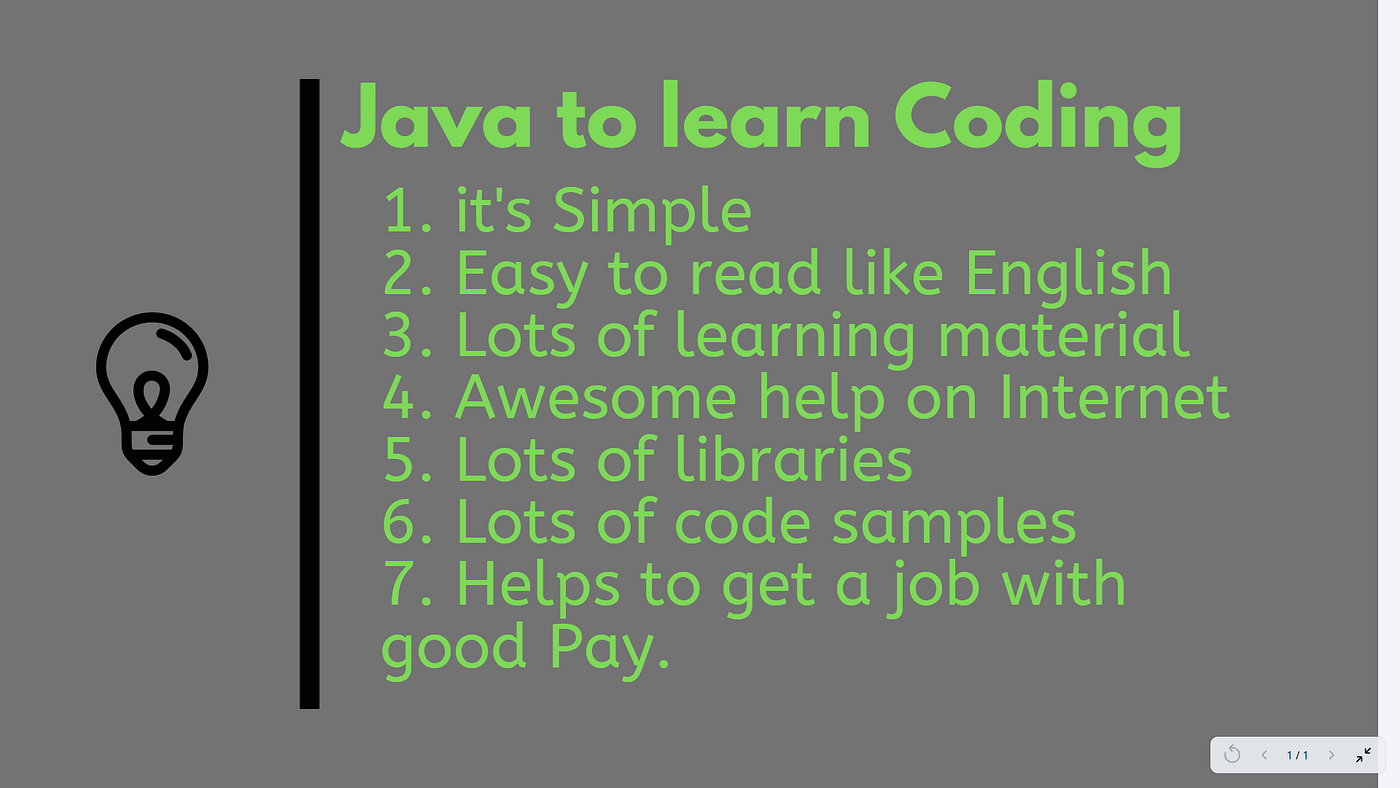
The Benefits of Learning Java Programming

Java is a widely-used programming language known for its versatility and robustness. Learning Java can open up a world of opportunities for aspiring programmers and professionals looking to enhance their skills. Here are some key benefits of learning Java programming:

Versatility

Java is used in a variety of applications, from web development to mobile app development and enterprise software. By learning Java, you can work on a wide range of projects and industries, making you a versatile and in-demand developer.

Object-Oriented Programming

Java is an object-oriented programming language, which means that it focuses on creating reusable code components called objects. This approach promotes code organization, reusability, and scalability, making it easier to manage complex projects.

Platform Independence

One of the key features of Java is its platform independence. Java programs can run on any device that has a Java Virtual Machine (JVM) installed, regardless of the underlying operating system. This makes Java applications highly portable and accessible across different platforms.

Strong Community Support

Java has a large and active community of developers who contribute to open-source projects, provide support through forums and tutorials, and collaborate on improving the language. By learning Java, you can tap into this vast knowledge base and network with like-minded professionals.

Career Opportunities

Proficiency in Java programming opens up numerous career opportunities in the tech industry. Many companies look for Java developers to work on their projects, offering competitive salaries and benefits to skilled professionals. Whether you are interested in software development, web design, or data analysis, knowing Java can give your career a significant boost.

In conclusion,

Learning Java programming is a valuable investment in your future as a programmer. With its versatility, object-oriented approach, platform independence, community support, and career prospects, mastering Java can set you on the path to success in the ever-evolving world of technology.


6 Essential Tips for Mastering Java Programming

  1. Start with the basics
  2. Practice regularly
  3. Utilize online resources
  4. Work on projects
  5. Collaborate with others
  6. Stay updated

Start with the basics

When embarking on the journey to learn Java programming, it is essential to start with the basics. Building a strong foundation in fundamental concepts such as variables, data types, control structures, and object-oriented programming principles is crucial for mastering Java effectively. By understanding the core concepts from the beginning, learners can progress confidently and tackle more complex topics with ease as they advance in their Java programming skills.

Practice regularly

Regular practice is essential when learning Java programming. By consistently working on coding exercises, projects, and challenges, you can reinforce your understanding of Java concepts, improve your problem-solving skills, and build confidence in your programming abilities. Practice helps solidify your knowledge and allows you to apply what you’ve learned in a practical setting, ultimately leading to mastery of Java programming. Make practice a routine part of your learning process to see significant progress and growth in your Java skills.

Utilize online resources

Utilizing online resources is a valuable tip for learning Java programming. The internet is a treasure trove of tutorials, forums, coding challenges, and courses that can provide you with additional support and guidance as you navigate the intricacies of Java. Online resources offer the flexibility to learn at your own pace, access a diverse range of learning materials, and engage with a global community of fellow learners and experienced developers. By taking advantage of these resources, you can enhance your understanding of Java concepts, stay updated on industry trends, and practice your coding skills in a dynamic and interactive environment.

Work on projects

Working on projects is a crucial tip for learning Java programming effectively. By applying your knowledge to real-world projects, you can gain hands-on experience, troubleshoot issues, and solidify your understanding of Java concepts. Projects allow you to practice problem-solving skills, enhance your creativity, and build a portfolio that showcases your skills to potential employers. Whether it’s developing a simple application or working on a complex software project, the practical experience gained from project work is invaluable in mastering Java programming.

Collaborate with others

Collaborating with others while learning Java programming can greatly enhance your understanding and skills. By working with peers, mentors, or online communities, you can gain valuable insights, receive feedback on your code, and learn new techniques and best practices. Collaboration not only fosters a sense of teamwork but also exposes you to different perspectives and approaches to problem-solving, ultimately helping you become a more well-rounded Java programmer.

Stay updated

To excel in learning Java programming, it is essential to stay updated with the latest developments and updates in the language. Java is a dynamic programming language that continuously evolves with new features, enhancements, and best practices. By staying informed about the latest trends, updates, and tools in Java programming, you can enhance your skills, adapt to industry changes, and ensure that your knowledge remains relevant and up-to-date. Embracing a mindset of continuous learning and staying updated will help you become a proficient Java programmer equipped to tackle new challenges and opportunities in the field.

java programming

Unlocking the Potential of Java Programming: A Comprehensive Guide

The Power of Java Programming

The Power of Java Programming

Java is a versatile and powerful programming language that has been widely used in the software development industry for decades. Known for its platform independence, robustness, and versatility, Java continues to be a popular choice among developers for building a wide range of applications.

Why Choose Java?

One of the key reasons for Java’s popularity is its “write once, run anywhere” philosophy. This means that Java code can be written once and run on any platform that supports Java without the need for recompilation. This makes Java ideal for developing cross-platform applications.

Java is also known for its strong emphasis on security. With built-in features like automatic memory management and exception handling, Java helps developers write reliable and secure code. Additionally, Java’s extensive standard library provides developers with a wide range of tools and functions to streamline the development process.

Applications of Java

Java is used in a variety of applications, including:

  • Web development: With frameworks like Spring and Hibernate, Java is widely used for building dynamic web applications.
  • Mobile development: Android apps are primarily developed using Java, making it a popular choice for mobile application development.
  • Enterprise applications: Many large-scale enterprise systems are built using Java due to its scalability and reliability.
  • Data analysis: Tools like Apache Hadoop leverage Java for processing large datasets efficiently.
  • IoT (Internet of Things): With platforms like Raspberry Pi supporting Java, it is increasingly used in IoT projects.

Conclusion

In conclusion, Java programming offers developers a powerful and versatile tool for building a wide range of applications. Its platform independence, robustness, security features, and extensive library make it an excellent choice for both beginners and experienced developers alike. Whether you are developing web applications, mobile apps, enterprise systems, or exploring emerging technologies like IoT or data analysis, mastering Java can open up endless possibilities in the world of software development.


Top 5 Essential Tips for Mastering Java Programming

  1. Use meaningful variable names to improve code readability.
  2. Follow naming conventions, such as using camelCase for variables and methods.
  3. Break down complex problems into smaller tasks and implement them one at a time.
  4. Make use of comments to explain your code logic and make it easier for others to understand.
  5. Regularly practice coding to improve your skills and stay updated with the latest features of Java.

Use meaningful variable names to improve code readability.

When programming in Java, it is essential to use meaningful variable names to enhance code readability. By choosing descriptive names that accurately reflect the purpose of the variable, developers can make their code more understandable and maintainable. Meaningful variable names not only help others (or even your future self) comprehend the code quickly but also contribute to better documentation and overall code quality. This simple practice can significantly improve the clarity and efficiency of Java programs, making them easier to work with and debug in the long run.

Follow naming conventions, such as using camelCase for variables and methods.

When working on Java programming projects, it is essential to adhere to naming conventions for better code readability and consistency. One crucial tip is to follow conventions like using camelCase for variables and methods. By following this convention, where the first letter of each word is capitalized except for the first word, developers can make their code more organized and easier to understand. Consistent naming practices not only improve the clarity of the code but also contribute to maintaining a professional and standardized coding style throughout the project.

Break down complex problems into smaller tasks and implement them one at a time.

When tackling Java programming tasks, it is essential to break down complex problems into smaller, more manageable tasks. By dividing the problem into smaller components and implementing them one at a time, developers can approach the challenge systematically and effectively. This approach not only helps in better understanding the problem but also allows for more efficient debugging and testing of each individual task. Breaking down complex problems into smaller tasks is a fundamental strategy that can lead to clearer code structure and successful project completion in Java programming.

Make use of comments to explain your code logic and make it easier for others to understand.

When engaging in Java programming, it is essential to utilize comments effectively to elucidate the logic of your code. By incorporating comments strategically throughout your code, you not only clarify your thought process and intentions but also facilitate comprehension for other developers who may collaborate on or review your code. Comments serve as valuable documentation that can enhance the readability and maintainability of your Java programs, fostering a more efficient and collaborative coding environment.

Regularly practice coding to improve your skills and stay updated with the latest features of Java.

Regularly practicing coding is essential for improving your Java programming skills and staying abreast of the latest features in the language. By consistently working on coding challenges, projects, or exercises, you not only reinforce your existing knowledge but also discover new ways to solve problems efficiently. Additionally, keeping up with the latest updates and enhancements in Java ensures that you can leverage new functionalities and best practices in your coding endeavors, ultimately enhancing your proficiency and staying competitive in the ever-evolving field of software development.