cfchris.com

Loading

Unlocking the Potential of Cognitive AI: A Glimpse into the Future

Cognitive AI: Transforming the Future

Cognitive AI: Transforming the Future

Cognitive AI is a revolutionary field that combines artificial intelligence with cognitive computing to create systems capable of simulating human thought processes. By mimicking the way humans think, learn, and solve problems, cognitive AI is transforming industries and paving the way for innovative solutions.

Understanding Cognitive AI

At its core, cognitive AI involves technologies that enable machines to perform tasks that typically require human intelligence. These tasks include understanding natural language, recognizing patterns, solving complex problems, and even perceiving emotions. The goal is to create systems that can think and learn like humans but with the speed and efficiency of computers.

Key Components of Cognitive AI

  • Natural Language Processing (NLP): This allows machines to understand and interact using human language. NLP is crucial for applications such as virtual assistants and chatbots.
  • Machine Learning: Cognitive AI systems use machine learning algorithms to improve their performance over time by learning from data.
  • Neural Networks: Inspired by the human brain, neural networks are used to recognize patterns and make decisions based on input data.
  • Computer Vision: This component enables machines to interpret and understand visual information from the world around them.

Applications of Cognitive AI

The potential applications of cognitive AI are vast and varied. Here are some areas where it is making a significant impact:

Healthcare

Cognitive AI is revolutionizing healthcare by assisting in diagnostics, personalized medicine, and patient care management. It can analyze medical images more quickly and accurately than humans, leading to earlier detection of diseases.

Finance

In finance, cognitive AI helps in fraud detection, risk management, and algorithmic trading. By analyzing large datasets in real-time, it provides insights that drive better decision-making processes.

Customer Service

Cognitive AI powers chatbots and virtual assistants that provide 24/7 customer support. These systems can handle inquiries efficiently while learning from interactions to improve future responses.

The Future of Cognitive AI

The future of cognitive AI holds immense promise as advancements continue at a rapid pace. As these systems become more sophisticated, they will likely play an integral role in augmenting human capabilities across various sectors.

The ethical considerations surrounding cognitive AI are also crucial as we move forward. Ensuring transparency in decision-making processes and addressing concerns about privacy will be essential for building trust among users.

Cognitive AI represents a significant leap forward in technology’s ability to emulate human thought processes. As research progresses further into this exciting field, it promises not only enhanced productivity but also new opportunities for innovation across multiple domains worldwide.

© 2023 – All rights reserved.


Understanding Cognitive AI: Key Questions and Insights

  1. What is cognitive AI?
  2. How does cognitive AI differ from traditional AI?
  3. What are the key components of cognitive AI?
  4. What are the applications of cognitive AI?
  5. How is cognitive AI used in healthcare?
  6. What are the ethical considerations surrounding cognitive AI?

What is cognitive AI?

Cognitive AI refers to a branch of artificial intelligence that aims to replicate human-like thought processes in machines. It combines elements of cognitive computing and AI technologies to create systems capable of understanding, reasoning, and learning from data in a manner similar to humans. By leveraging techniques such as natural language processing, machine learning, and neural networks, cognitive AI systems can analyze complex information, recognize patterns, and make decisions. These capabilities enable them to perform tasks like language translation, image recognition, and even emotional perception. The ultimate goal of cognitive AI is to enhance human decision-making by providing insights and solutions that are both efficient and intelligent.

How does cognitive AI differ from traditional AI?

Cognitive AI differs from traditional AI in its approach to mimicking human thought processes. While traditional AI focuses on executing specific tasks using predefined algorithms and rules, cognitive AI aims to simulate human-like reasoning, understanding, and learning. It leverages advanced technologies such as natural language processing, machine learning, and neural networks to interpret complex data and make decisions in a way that resembles human cognition. This enables cognitive AI systems to adapt and improve over time by learning from interactions and experiences, making them more flexible and capable of handling ambiguous or unstructured data compared to their traditional counterparts.

What are the key components of cognitive AI?

Cognitive AI is built on several key components that enable it to mimic human thought processes and enhance decision-making capabilities. At the forefront is Natural Language Processing (NLP), which allows machines to understand and interact using human language, making it essential for applications like virtual assistants and chatbots. Machine Learning is another critical component, enabling systems to learn from data and improve their performance over time without explicit programming. Neural Networks, inspired by the structure of the human brain, play a pivotal role in recognizing patterns and making informed decisions based on input data. Additionally, Computer Vision allows cognitive AI systems to interpret visual information from the world around them, facilitating tasks such as image recognition and analysis. Together, these components form the backbone of cognitive AI, driving its ability to perform complex tasks efficiently and effectively.

What are the applications of cognitive AI?

Cognitive AI has a wide range of applications across various industries, transforming how tasks are performed and decisions are made. In healthcare, it aids in diagnostics by analyzing medical images and patient data to provide accurate and early detection of diseases. In the financial sector, cognitive AI enhances fraud detection, risk assessment, and algorithmic trading by processing large volumes of data to identify patterns and anomalies. Retail businesses utilize cognitive AI for personalized marketing strategies and inventory management, improving customer experiences and operational efficiency. Additionally, in customer service, cognitive AI powers chatbots and virtual assistants that offer 24/7 support, handling inquiries efficiently while continuously learning from interactions to enhance future responses. These applications demonstrate cognitive AI’s ability to optimize processes, increase productivity, and drive innovation across diverse fields.

How is cognitive AI used in healthcare?

Cognitive AI is transforming healthcare by enhancing diagnostics, personalizing treatment plans, and improving patient care management. By leveraging technologies such as natural language processing and machine learning, cognitive AI systems can analyze vast amounts of medical data, including patient records and medical images, to identify patterns that may not be immediately apparent to human clinicians. This capability enables earlier and more accurate diagnoses, particularly in fields like radiology and pathology. Additionally, cognitive AI can assist in developing personalized treatment plans by considering the unique genetic makeup and health history of each patient. It also powers virtual health assistants that provide patients with timely information and support, improving overall healthcare outcomes and efficiency.

What are the ethical considerations surrounding cognitive AI?

The ethical considerations surrounding cognitive AI are multifaceted and crucial as this technology continues to evolve. One primary concern is privacy, as cognitive AI systems often require large amounts of personal data to function effectively, raising questions about how this data is collected, stored, and used. Additionally, there is the issue of bias; if the data used to train AI models contains biases, the AI can perpetuate or even amplify these biases in its decision-making processes. Transparency is another key consideration—users need to understand how AI systems make decisions that affect them. There are also concerns about accountability; when cognitive AI makes a mistake or causes harm, it can be challenging to determine who is responsible. Finally, as cognitive AI becomes more integrated into various aspects of life and work, there is an ongoing debate about the impact on employment and the potential need for new regulations to ensure ethical use. Addressing these ethical issues requires careful consideration and collaboration among technologists, ethicists, policymakers, and society at large.

AI Revolutionizing Finance: The Impact of Artificial Intelligence in the Financial Industry

AI in Finance: Transforming the Industry

AI in Finance: Transforming the Industry

The financial industry is undergoing a significant transformation, driven by the rapid advancement of artificial intelligence (AI). From enhancing customer service to optimizing trading strategies, AI is reshaping how financial institutions operate and deliver value.

Enhancing Customer Experience

One of the most visible impacts of AI in finance is the improvement of customer experience. Financial institutions are increasingly using AI-powered chatbots and virtual assistants to provide 24/7 support. These tools can handle a wide range of inquiries, from account balances to transaction histories, allowing human agents to focus on more complex issues.

Moreover, AI algorithms can analyze customer data to offer personalized financial advice and product recommendations. By understanding individual preferences and behaviors, banks can tailor their services to meet specific needs, enhancing customer satisfaction and loyalty.

Revolutionizing Risk Management

Risk management is a critical aspect of finance where AI plays a pivotal role. Machine learning models can process vast amounts of data to identify patterns and predict potential risks more accurately than traditional methods. This capability allows financial institutions to respond proactively to market changes and minimize potential losses.

AI also helps in fraud detection by analyzing transaction patterns in real-time. Unusual activities are flagged immediately, enabling quicker responses and reducing the likelihood of fraudulent transactions slipping through undetected.

Optimizing Trading Strategies

In the world of trading, speed and accuracy are paramount. AI-driven algorithms can analyze market data at unprecedented speeds, identifying trends and executing trades within milliseconds. These algorithms continuously learn from new data inputs, refining their strategies over time for improved performance.

This level of automation not only increases efficiency but also opens opportunities for traders to explore complex strategies that were previously unfeasible due to computational limitations.

The Future of AI in Finance

The integration of AI into finance is still in its early stages but shows immense promise for future developments. As technology evolves, we can expect even more sophisticated applications that will further revolutionize the industry.

However, with these advancements come challenges related to data privacy and security. Financial institutions must navigate these concerns carefully while leveraging AI’s potential benefits.

Conclusion

AI is undeniably transforming finance by enhancing customer experiences, improving risk management practices, and optimizing trading strategies. As financial institutions continue embracing this technology, they stand poised to unlock new levels of efficiency and innovation that will shape the future landscape of finance.


Exploring AI in Finance: Applications, Benefits, Risk Management, Trading Impact, and Implementation Challenges

  1. How is AI being used in finance?
  2. What are the benefits of AI in the financial industry?
  3. Can AI improve risk management in finance?
  4. How does AI impact trading strategies?
  5. What are the challenges of implementing AI in finance?

How is AI being used in finance?

AI is being utilized in finance across a variety of applications to enhance efficiency, accuracy, and customer satisfaction. Financial institutions employ AI algorithms for tasks such as fraud detection, where machine learning models analyze transaction patterns in real-time to identify and prevent suspicious activities. AI is also used in risk management by processing large volumes of data to predict potential market risks and mitigate them proactively. In customer service, AI-powered chatbots and virtual assistants provide 24/7 support, handling routine inquiries and freeing up human agents for more complex issues. Additionally, AI-driven trading algorithms analyze market trends at high speeds, enabling more informed and timely investment decisions. Overall, the integration of AI in finance is transforming the industry by streamlining operations and delivering personalized financial services.

What are the benefits of AI in the financial industry?

AI offers numerous benefits to the financial industry, significantly enhancing efficiency and decision-making processes. By automating routine tasks, AI reduces operational costs and allows financial professionals to focus on more strategic activities. It improves risk management by analyzing vast amounts of data to predict market trends and identify potential threats, thereby minimizing losses. AI also enhances customer service through personalized recommendations and 24/7 support via chatbots and virtual assistants, leading to increased customer satisfaction. Additionally, AI-driven algorithms optimize trading strategies by processing market data at high speeds, enabling quicker and more informed investment decisions. Overall, AI empowers financial institutions to deliver better services while maintaining a competitive edge in the rapidly evolving market landscape.

Can AI improve risk management in finance?

AI can significantly enhance risk management in finance by providing more accurate and timely insights. Through machine learning algorithms, AI can analyze vast datasets to identify patterns and predict potential risks that might not be evident through traditional analysis methods. This predictive capability allows financial institutions to anticipate market shifts and respond proactively, thereby minimizing potential losses. Additionally, AI can improve the detection of fraudulent activities by monitoring transactions in real time and flagging anomalies for further investigation. By incorporating AI into their risk management strategies, financial organizations can achieve greater precision and efficiency, ultimately leading to more robust decision-making processes.

How does AI impact trading strategies?

AI significantly impacts trading strategies by introducing advanced algorithms that can analyze vast amounts of market data at high speeds. These AI-driven systems are capable of identifying patterns and trends that human traders might overlook, enabling more informed decision-making. By processing real-time data and historical trends, AI can optimize entry and exit points for trades, potentially increasing profitability. Additionally, machine learning models continuously adapt to new information, refining their strategies over time to improve accuracy and efficiency. This automation not only enhances the speed of executing trades but also allows for the exploration of complex strategies that were previously impractical due to computational constraints. As a result, AI empowers traders with tools that enhance precision and responsiveness in dynamic market environments.

What are the challenges of implementing AI in finance?

Implementing AI in finance presents several challenges that institutions must navigate carefully. One of the primary concerns is data privacy and security, as financial organizations handle vast amounts of sensitive information that AI systems need to access and analyze. Ensuring compliance with regulations such as GDPR and other data protection laws is crucial to avoid legal repercussions. Additionally, integrating AI into existing systems can be complex and costly, requiring significant investment in both technology and skilled personnel. There is also the challenge of algorithmic bias, where AI models might inadvertently perpetuate or amplify biases present in training data, leading to unfair or discriminatory outcomes. Moreover, financial institutions must address the transparency and explainability of AI-driven decisions to maintain trust with customers and regulators. Balancing these challenges while leveraging the benefits of AI requires a strategic approach that prioritizes ethical considerations and robust governance frameworks.

Ethical AI: Shaping a Responsible and Fair Future

Understanding Ethical AI: Building a Responsible Future

The rapid advancement of artificial intelligence (AI) has brought about transformative changes across various sectors, from healthcare to finance. However, with these advancements come significant ethical considerations. Ensuring that AI operates within ethical boundaries is crucial for fostering trust and promoting societal well-being.

What is Ethical AI?

Ethical AI refers to the development and deployment of artificial intelligence systems in a manner that aligns with moral values and societal norms. It involves creating algorithms that are fair, transparent, and accountable, ensuring they do not perpetuate biases or cause harm.

Key Principles of Ethical AI

  • Fairness: AI systems should be designed to treat all individuals equitably, avoiding discrimination based on race, gender, age, or other characteristics.
  • Transparency: The decision-making processes of AI should be explainable and understandable to users. This transparency helps build trust and allows for accountability.
  • Accountability: Developers and organizations must take responsibility for the outcomes of their AI systems. This includes addressing any unintended consequences or biases that may arise.
  • Privacy: Protecting user data is paramount. Ethical AI prioritizes data security and ensures that personal information is handled with care.

The Importance of Ethical AI

The implementation of ethical principles in AI development is critical for several reasons:

  1. Avoiding Bias: Without careful oversight, AI systems can inadvertently perpetuate existing societal biases present in the data they are trained on. Ethical guidelines help mitigate this risk.
  2. Building Trust: As AI becomes more integrated into daily life, maintaining public trust through ethical practices is essential for widespread acceptance and use.
  3. Safeguarding Human Rights: By adhering to ethical standards, developers ensure that AI technologies respect fundamental human rights and freedoms.

The Challenges Ahead

The path to achieving truly ethical AI is fraught with challenges. One major hurdle is the lack of universal standards or regulations governing ethical practices in AI development. Additionally, balancing innovation with regulation requires careful consideration to avoid stifling technological progress while ensuring safety and fairness.

The interdisciplinary nature of ethics also means collaboration between technologists, ethicists, policymakers, and the public is necessary to address complex issues effectively.

The Way Forward

A concerted effort from all stakeholders involved in the development and deployment of AI technologies is essential for fostering an ethical future. This includes ongoing research into bias detection methods, creating comprehensive regulatory frameworks, and promoting education around responsible AI usage.

By prioritizing ethics in artificial intelligence today, society can harness its benefits while minimizing potential harms tomorrow. As we continue to innovate at an unprecedented pace, keeping ethics at the forefront will ensure a responsible path forward in our increasingly digital world.

Together, we can build an equitable future where technology serves humanity’s best interests without compromising our core values.


6 Essential Tips for Maintaining Ethical Standards in AI Development

  1. Ensure transparency in AI decision-making processes.
  2. Regularly assess and mitigate biases in AI algorithms.
  3. Respect privacy rights when collecting and using data for AI.
  4. Provide clear explanations for AI-generated outcomes to users.
  5. Promote accountability for the actions of AI systems and their creators.
  6. Continuously monitor and update AI systems to ensure ethical standards are maintained.

Ensure transparency in AI decision-making processes.

Ensuring transparency in AI decision-making processes is crucial for fostering trust and accountability in artificial intelligence systems. When AI algorithms make decisions, it’s important that users and stakeholders understand how these decisions are reached. Transparency involves making the inner workings of AI systems more understandable and accessible, allowing individuals to see the data inputs, logic, and criteria used in generating outcomes. This openness helps prevent unintended biases and errors while enabling users to challenge or question decisions when necessary. By prioritizing transparency, developers can create AI systems that not only perform effectively but also align with ethical standards, ultimately building confidence among users and promoting responsible use of technology.

Regularly assess and mitigate biases in AI algorithms.

Regularly assessing and mitigating biases in AI algorithms is crucial to ensuring fairness and equity in technology. AI systems often learn from large datasets that may contain historical biases, inadvertently leading to biased outcomes that can perpetuate or even amplify existing inequalities. By consistently evaluating these algorithms, developers can identify and address any embedded biases, making necessary adjustments to the data or the algorithm’s structure. This proactive approach not only enhances the accuracy and reliability of AI systems but also fosters trust among users by demonstrating a commitment to ethical practices. Ultimately, regular bias assessments help create AI technologies that are more inclusive and just, benefiting a diverse range of users across various demographics.

Respect privacy rights when collecting and using data for AI.

Respecting privacy rights when collecting and using data for AI is a fundamental aspect of ethical AI development. As AI systems often rely on vast amounts of personal data to function effectively, it is crucial to ensure that this data is handled with the utmost care and responsibility. Organizations must implement robust data protection measures, obtain informed consent from individuals, and be transparent about how their data will be used. By prioritizing privacy, developers can build trust with users, safeguard sensitive information, and comply with legal regulations such as GDPR. Ultimately, respecting privacy rights not only protects individuals but also enhances the credibility and acceptance of AI technologies in society.

Provide clear explanations for AI-generated outcomes to users.

In the realm of ethical AI, it is essential to provide clear explanations for AI-generated outcomes to users. Transparency in how decisions are made by artificial intelligence systems not only fosters trust but also empowers users to understand and potentially challenge the results they receive. By offering clear and accessible explanations, individuals can better comprehend the reasoning behind AI-generated outcomes, leading to increased accountability and fairness in the use of these technologies.

Promote accountability for the actions of AI systems and their creators.

Promoting accountability for the actions of AI systems and their creators is essential for ensuring responsible and ethical development. This involves establishing clear guidelines and frameworks that hold developers, organizations, and stakeholders responsible for the outcomes of AI technologies. By implementing mechanisms for oversight and review, it becomes possible to address any unintended consequences or biases that may emerge from AI systems. Moreover, fostering a culture of accountability encourages transparency in AI processes, allowing users to understand how decisions are made and who is responsible when things go wrong. This not only builds public trust but also drives continuous improvement in AI systems by encouraging creators to prioritize ethical considerations throughout the development lifecycle.

Continuously monitor and update AI systems to ensure ethical standards are maintained.

Continuously monitoring and updating AI systems is crucial to maintaining ethical standards in a rapidly evolving technological landscape. As AI algorithms interact with new data and environments, they can inadvertently develop biases or drift from their original ethical guidelines. Regular assessments and updates help identify and correct these issues, ensuring the AI operates fairly and transparently. This ongoing process not only helps mitigate potential harm but also builds trust with users by demonstrating a commitment to accountability and responsibility. By proactively addressing any deviations from ethical norms, organizations can ensure their AI systems remain aligned with societal values and expectations.

ai artificial intelligence

Unlocking the Potential of AI: Exploring the World of Artificial Intelligence

The Rise of Artificial Intelligence

The Rise of Artificial Intelligence

Artificial Intelligence (AI) has become one of the most transformative technologies of the 21st century. From its humble beginnings in academic research to its current widespread application across various industries, AI is reshaping how we live and work.

What is Artificial Intelligence?

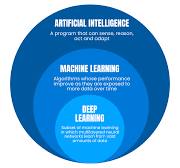
Artificial Intelligence refers to the simulation of human intelligence in machines that are programmed to think and learn like humans. These intelligent systems are designed to perform tasks such as recognizing speech, making decisions, and translating languages.

Key Components of AI

  • Machine Learning: A subset of AI that focuses on building systems that can learn from data and improve over time without being explicitly programmed.
  • Natural Language Processing (NLP): Enables machines to understand and respond to human language.
  • Robotics: Involves designing intelligent robots capable of performing tasks autonomously.
  • Computer Vision: Allows machines to interpret and make decisions based on visual data from the world around them.

The Impact of AI Across Industries

The impact of AI is evident across numerous sectors:

  • Healthcare: AI assists in diagnosing diseases, personalizing treatment plans, and managing patient care efficiently.
  • Finance: AI algorithms are used for fraud detection, risk management, and automated trading strategies.
  • Manufacturing: Robotics powered by AI streamline production processes and enhance quality control.
  • Agriculture: AI optimizes crop management through predictive analytics and automated machinery.

The Future of Artificial Intelligence

The future of AI holds immense potential. As technology continues to advance, we can expect more sophisticated applications that will further integrate into our daily lives. However, with these advancements come ethical considerations such as privacy concerns, job displacement, and the need for regulation to ensure responsible use.

The journey of artificial intelligence is just beginning. As researchers and developers continue to push the boundaries of what is possible, society must navigate both the opportunities and challenges presented by this powerful technology.


5 Essential Tips for Mastering Artificial Intelligence

  1. Understand the basics of AI algorithms and how they work.
  2. Stay updated with the latest trends and advancements in AI technology.
  3. Experiment with different AI tools and platforms to gain hands-on experience.
  4. Consider the ethical implications of AI development and usage.
  5. Collaborate with experts in the field to enhance your knowledge and skills in artificial intelligence.

Understand the basics of AI algorithms and how they work.

Understanding the basics of AI algorithms and how they work is crucial for anyone looking to harness the power of artificial intelligence effectively. AI algorithms are the building blocks that enable machines to process data, recognize patterns, and make decisions. By grasping fundamental concepts such as supervised learning, unsupervised learning, and reinforcement learning, individuals can better appreciate how AI systems operate and make informed decisions about implementing AI technologies. This foundational knowledge not only aids in selecting the right tools and approaches for specific tasks but also helps in troubleshooting issues and optimizing performance. As AI continues to evolve and permeate various sectors, a solid understanding of its core algorithms will empower users to leverage its capabilities responsibly and innovatively.

Staying updated with the latest trends and advancements in AI technology is crucial for anyone looking to leverage its potential effectively. As AI continues to evolve rapidly, new tools, techniques, and applications emerge regularly, transforming industries and creating new opportunities. By keeping abreast of these developments, individuals and businesses can make informed decisions about integrating AI into their operations, ensuring they remain competitive and innovative. Additionally, understanding the latest advancements helps in anticipating future challenges and preparing for changes that AI might bring to various sectors. Engaging with AI-focused publications, attending conferences, and participating in online forums are excellent ways to stay informed about this dynamic field.

Experiment with different AI tools and platforms to gain hands-on experience.

Experimenting with different AI tools and platforms is an excellent way to gain hands-on experience and deepen understanding of artificial intelligence. By exploring a variety of tools, such as machine learning frameworks, natural language processing libraries, and computer vision software, individuals can discover the unique features and capabilities each platform offers. This practical approach allows users to apply theoretical knowledge in real-world scenarios, fostering problem-solving skills and innovation. Additionally, experimenting with diverse tools helps identify the most suitable technologies for specific projects or tasks, enhancing efficiency and effectiveness in AI development. Whether it’s through open-source platforms or commercial software, hands-on experimentation is invaluable for anyone looking to excel in the rapidly evolving field of AI.

Consider the ethical implications of AI development and usage.

When developing and utilizing artificial intelligence, it’s crucial to consider the ethical implications that accompany this powerful technology. AI systems have the potential to significantly impact society, influencing everything from privacy and security to employment and decision-making processes. Developers must ensure that AI solutions are designed with fairness, transparency, and accountability in mind to prevent biases and discrimination. Additionally, there should be clear guidelines on data usage to protect individual privacy rights. As AI continues to evolve, ongoing dialogue among technologists, ethicists, policymakers, and the public is essential to navigate these challenges responsibly and ensure that AI benefits humanity as a whole without exacerbating existing inequalities or creating new ethical dilemmas.

Collaborate with experts in the field to enhance your knowledge and skills in artificial intelligence.

Collaborating with experts in the field of artificial intelligence is a valuable tip to enhance your knowledge and skills in this rapidly evolving technology. By working alongside seasoned professionals, you can gain insights, learn best practices, and stay updated on the latest trends and advancements in AI. This collaborative approach not only accelerates your learning curve but also provides opportunities for networking, mentorship, and potential collaborations on innovative projects that can further deepen your expertise in artificial intelligence.

artificial intelligence companies

Exploring the Innovations of Artificial Intelligence Companies

Artificial Intelligence Companies: Shaping the Future

Artificial Intelligence Companies: Shaping the Future

The landscape of technology is rapidly evolving, and at the forefront of this transformation are artificial intelligence (AI) companies. These organizations are pioneering advancements that are not only reshaping industries but also redefining how we interact with technology in our daily lives.

Leading AI Companies Making an Impact

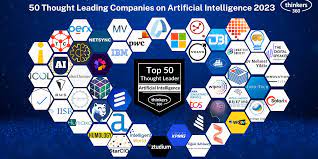
Several key players in the AI industry are pushing boundaries and setting new standards. Here are a few notable companies:

  • Google DeepMind: Known for its cutting-edge research, Google DeepMind has made significant strides in machine learning and neural networks. Their work on AlphaGo, which defeated a world champion Go player, demonstrated the potential of AI in mastering complex tasks.
  • OpenAI: OpenAI aims to ensure that artificial general intelligence benefits all of humanity. With projects like GPT-3, they have showcased remarkable capabilities in natural language processing and generation.
  • IBM Watson: IBM’s Watson has been instrumental in applying AI to healthcare, finance, and customer service. Its ability to analyze vast amounts of data quickly makes it a valuable tool for businesses seeking insights.
  • NVIDIA: While primarily known for its graphics processing units (GPUs), NVIDIA has become a leader in AI hardware. Their technology accelerates machine learning processes, making it possible to train complex models faster than ever before.

The Role of Startups in AI Innovation

Apart from established giants, numerous startups are contributing significantly to AI innovation. These smaller companies often bring fresh perspectives and agile methodologies that drive progress:

  • CognitiveScale: Specializing in augmented intelligence solutions for various sectors including healthcare and financial services, CognitiveScale leverages machine learning to deliver personalized experiences.
  • Sensetime: As one of the world’s most valuable AI startups, Sensetime focuses on facial recognition technology and computer vision applications used across security systems and smart cities.

The Impact on Industries

The influence of AI companies extends across multiple industries:

  1. Healthcare: From predictive diagnostics to personalized medicine, AI is enhancing patient care and operational efficiency.
  2. Finance: Algorithms can analyze market trends faster than humans ever could, leading to smarter investment strategies and fraud detection systems.
  3. Retail: Personalized recommendations powered by AI improve customer satisfaction while optimizing inventory management for retailers.

The Future of Artificial Intelligence Companies

The future looks promising as artificial intelligence continues its rapid advancement. As these companies develop more sophisticated algorithms and technologies become increasingly integrated into our lives; ethical considerations will play a crucial role ensuring responsible development practices prevail over time.

The collaboration between industry leaders academia governments will be essential harnessing full potential safely securely ultimately benefiting society whole paving way smarter more connected world tomorrow today!


9 Ways Artificial Intelligence Companies Are Transforming Industries and Enhancing Lives

  1. 1. Innovate industries with cutting-edge technology.
  2. 2. Enhance efficiency and productivity in various sectors.
  3. 3. Enable personalized user experiences through data analysis.
  4. 4. Improve decision-making processes with advanced algorithms.
  5. 5. Drive automation of repetitive tasks, saving time and resources.
  6. 6. Enhance customer service with chatbots and virtual assistants.
  7. 7. Revolutionize healthcare with predictive analytics and diagnostics.
  8. 8. Boost cybersecurity measures through AI-powered threat detection systems.
  9. 9. Foster continuous learning and adaptation for ongoing improvement.


Addressing the Challenges: Privacy, Employment, and Bias in AI Companies

  1. Privacy Concerns
  2. Job Displacement
  3. Bias in Algorithms

1. Innovate industries with cutting-edge technology.

Artificial intelligence companies are at the forefront of innovation, leveraging cutting-edge technology to revolutionize various industries. By developing advanced algorithms and machine learning models, these companies enable unprecedented levels of automation and efficiency. In healthcare, AI is transforming diagnostics and personalized medicine, allowing for more accurate predictions and tailored treatments. In finance, AI-driven analytics provide insights that lead to smarter investment decisions and improved risk management. Additionally, in manufacturing, AI optimizes production processes through predictive maintenance and quality control. By continuously pushing the boundaries of what’s possible, artificial intelligence companies are not only enhancing existing sectors but also paving the way for entirely new markets and opportunities.

2. Enhance efficiency and productivity in various sectors.

Artificial intelligence companies have proven to enhance efficiency and productivity across various sectors through the automation of tasks, data analysis, and predictive capabilities. By implementing AI-driven solutions, businesses can streamline operations, optimize resource allocation, and make data-driven decisions faster and more accurately. This increased efficiency not only saves time and reduces costs but also allows organizations to focus on innovation and strategic initiatives, ultimately leading to improved performance and competitiveness in the market.

3. Enable personalized user experiences through data analysis.

Artificial intelligence companies excel in enabling personalized user experiences by leveraging advanced data analysis techniques. By collecting and analyzing vast amounts of user data, AI systems can identify patterns and preferences that allow for tailored recommendations and interactions. This capability is particularly beneficial in industries like retail, entertainment, and online services, where understanding individual user behavior can significantly enhance customer satisfaction and engagement. For instance, streaming platforms use AI to suggest content based on viewing history, while e-commerce sites recommend products that align with past purchases or browsing habits. Through these personalized experiences, AI companies not only improve user satisfaction but also foster brand loyalty and drive business growth.

4. Improve decision-making processes with advanced algorithms.

Artificial intelligence companies are revolutionizing decision-making processes by leveraging advanced algorithms that can analyze vast amounts of data with unprecedented speed and accuracy. These algorithms enable businesses to identify patterns, predict outcomes, and make informed decisions more efficiently than ever before. By processing complex datasets and generating actionable insights, AI technology helps organizations optimize operations, reduce risks, and capitalize on opportunities. This enhanced decision-making capability not only drives business growth but also fosters innovation across various sectors, as companies can now rely on data-driven strategies to navigate an increasingly competitive landscape.

5. Drive automation of repetitive tasks, saving time and resources.

Artificial intelligence companies play a pivotal role in driving the automation of repetitive tasks, which significantly saves time and resources for businesses across various industries. By utilizing advanced algorithms and machine learning techniques, AI systems can efficiently handle tasks that were traditionally performed by humans, such as data entry, customer service inquiries, and routine maintenance operations. This automation not only boosts productivity by freeing up employees to focus on more strategic and creative endeavors but also reduces the likelihood of human error. As a result, companies can allocate their resources more effectively, leading to cost savings and improved operational efficiency. In essence, AI-driven automation empowers organizations to operate smarter and faster in an increasingly competitive landscape.

6. Enhance customer service with chatbots and virtual assistants.

Artificial intelligence companies are revolutionizing customer service by deploying chatbots and virtual assistants, which significantly enhance the customer experience. These AI-driven tools are available 24/7, providing immediate responses to customer inquiries and handling a wide range of tasks, from answering frequently asked questions to assisting with transactions. By automating routine interactions, chatbots free up human agents to focus on more complex issues that require a personal touch. This not only increases efficiency but also ensures that customers receive timely and accurate information. Additionally, AI-powered virtual assistants can learn from each interaction, continuously improving their ability to understand and respond to customer needs more effectively over time. As a result, businesses can offer a seamless and personalized service experience that boosts customer satisfaction and loyalty.

7. Revolutionize healthcare with predictive analytics and diagnostics.

Artificial intelligence companies are revolutionizing healthcare by leveraging predictive analytics and diagnostics. Through advanced algorithms and machine learning, these companies can analyze vast amounts of patient data to predict potential health issues, identify patterns, and provide early detection of diseases. This proactive approach not only improves patient outcomes but also enhances the efficiency of healthcare systems by enabling more accurate diagnoses and personalized treatment plans. By harnessing the power of AI, healthcare providers can deliver better care, save lives, and ultimately transform the way we approach healthcare.

8. Boost cybersecurity measures through AI-powered threat detection systems.

Artificial intelligence companies are revolutionizing cybersecurity by developing AI-powered threat detection systems that significantly enhance protective measures. These advanced systems can analyze vast amounts of data in real-time, identifying potential threats and vulnerabilities much faster than traditional methods. By leveraging machine learning algorithms, these systems continuously learn and adapt to new attack patterns, making them highly effective at detecting both known and emerging threats. This proactive approach not only helps in mitigating risks before they cause harm but also reduces the burden on human cybersecurity teams, allowing them to focus on more complex tasks. As cyber threats become increasingly sophisticated, AI-driven solutions provide a robust defense mechanism that is crucial for safeguarding sensitive information and maintaining the integrity of digital infrastructures.

9. Foster continuous learning and adaptation for ongoing improvement.

Artificial intelligence companies play a crucial role in fostering continuous learning and adaptation, which is essential for ongoing improvement. By leveraging machine learning algorithms and data analytics, these companies enable systems to learn from new data and experiences, leading to enhanced performance over time. This iterative process allows AI technologies to adapt to changing environments and user needs, ensuring they remain effective and relevant. As a result, businesses that integrate AI solutions can benefit from more efficient operations, improved decision-making processes, and the ability to stay ahead in competitive markets. This capacity for continuous learning not only drives innovation but also empowers organizations to respond swiftly to emerging challenges and opportunities.

Privacy Concerns

The rapid advancement of artificial intelligence technologies has brought about significant privacy concerns, as AI companies often collect and analyze vast amounts of data to enhance their algorithms and services. This data collection can include sensitive personal information, leading to potential risks of unauthorized access, misuse, or data breaches. As these companies gather more data to improve their AI models, questions arise about how securely this information is stored and who has access to it. Additionally, the lack of transparency in how data is used and shared can erode trust among consumers. As a result, there is growing pressure on AI companies to implement robust privacy measures and adhere to strict data protection regulations to safeguard user information and maintain public confidence.

Job Displacement

The rise of artificial intelligence technologies has brought about significant advancements in efficiency and productivity, but it also presents the challenge of job displacement. As AI systems become increasingly capable of automating tasks traditionally performed by humans, certain roles across various industries are at risk of becoming obsolete. This shift can lead to a reduction in employment opportunities for workers whose skills are replaced by machines, creating economic and social challenges. While AI has the potential to create new jobs in emerging fields, the transition may not be seamless for everyone, especially for those without access to retraining or upskilling programs. Addressing this issue requires proactive measures from both companies and policymakers to ensure that affected workers are supported and prepared for new opportunities in the evolving job market.

Bias in Algorithms

Artificial intelligence companies face a significant challenge in addressing bias in algorithms, which arises when AI systems are trained on data that reflects existing prejudices or inequalities. This bias can lead to discriminatory outcomes, particularly if the data used is not representative of diverse populations. For instance, facial recognition technology may perform poorly on certain demographic groups if the training data lacks sufficient diversity. As AI becomes increasingly integrated into decision-making processes across various sectors, such as hiring, law enforcement, and lending, biased algorithms can perpetuate and even exacerbate societal inequalities. It is crucial for AI companies to implement rigorous checks and balances during the development phase to ensure fairness and accuracy, actively seeking diverse datasets and continuously monitoring algorithmic performance to mitigate potential biases.

Exploring the Best AI Innovations Shaping Our Future

The Best AI Technologies Transforming Our World

The Best AI Technologies Transforming Our World

Artificial Intelligence (AI) is revolutionizing industries and changing the way we live, work, and interact with technology. From healthcare to finance, AI technologies are making significant impacts across various sectors. Here are some of the best AI technologies that are leading the charge in this transformative era.

Machine Learning

Machine learning is a subset of AI that focuses on building systems that can learn from data and improve their performance over time without being explicitly programmed. This technology powers many applications we use daily, such as recommendation engines on streaming platforms and personalized marketing strategies.

Natural Language Processing (NLP)

NLP enables machines to understand, interpret, and respond to human language in a way that is both meaningful and useful. It is the driving force behind virtual assistants like Siri and Alexa, as well as chatbots used in customer service environments.

Computer Vision

Computer vision allows machines to interpret and make decisions based on visual data from the world around them. This technology is essential for applications like facial recognition systems, autonomous vehicles, and medical imaging diagnostics.

Robotics

AI-powered robotics are transforming industries by automating tasks that were once considered too complex or dangerous for humans. From manufacturing floors to surgical rooms, robots are enhancing efficiency and precision.

Deep Learning

A more advanced form of machine learning, deep learning utilizes neural networks with many layers (deep neural networks) to analyze various factors of data inputs. This technology has been instrumental in breakthroughs such as AlphaGo defeating human champions in Go.

The Impact on Industries

The impact of these AI technologies extends across various fields:

  • Healthcare: AI assists in diagnosing diseases earlier with greater accuracy through predictive analytics and personalized medicine.
  • Finance: Fraud detection systems powered by AI help secure transactions while algorithmic trading optimizes investment strategies.
  • Retail: Personalized shopping experiences are enhanced through AI-driven recommendations and inventory management systems.
  • Agriculture: Precision farming techniques use AI for crop monitoring and yield prediction to increase efficiency.

The Future of AI

The future of AI holds immense potential as these technologies continue evolving at a rapid pace. Ethical considerations regarding privacy and job displacement remain crucial discussions as society integrates more deeply with intelligent systems.

The best AI technologies not only improve current processes but also open new possibilities for innovation across all aspects of life—making our world smarter every day.


Top 9 FAQs About the Best AI: Chatbots, Accuracy, and Popularity

  1. Which is the best AI chatbot?
  2. What is the best AI in the world?
  3. What is the current best AI?
  4. Is Grok 3 really the best AI?
  5. Which AI is better than ChatGPT?
  6. What is the most accurate AI?
  7. What is the most popular AI?
  8. Which is the best AI right now?
  9. Which is the smartest AI?

Which is the best AI chatbot?

When it comes to identifying the best AI chatbot, it largely depends on the specific needs and context of use. Some of the most popular and advanced AI chatbots include OpenAI’s ChatGPT, Google’s Bard, and Microsoft’s Bing Chat. These chatbots are known for their ability to understand context, generate human-like responses, and continuously learn from interactions to improve over time. For businesses, chatbots like Drift and Intercom are highly regarded for customer service and sales automation. Ultimately, the best AI chatbot is one that aligns with the intended use case—whether it’s for casual conversation, customer support, or specialized industry applications—and effectively meets user expectations in terms of accuracy, reliability, and ease of integration.

What is the best AI in the world?

Determining the “best” AI in the world depends on the context and specific application it is being evaluated for. In the realm of natural language processing, models like OpenAI’s GPT-3 have been recognized for their advanced capabilities in understanding and generating human-like text. For image recognition, Google’s DeepMind has made significant strides with its AlphaGo program, which famously defeated world champions in the game of Go. In autonomous driving, companies like Tesla and Waymo are leading with their sophisticated AI systems designed to navigate complex driving environments. Each of these represents a pinnacle of achievement in its respective field, showcasing how diverse and specialized AI technologies can be when addressing different challenges. Ultimately, the “best” AI is one that excels at its intended purpose and continues to push the boundaries of what’s possible within its domain.

What is the current best AI?

Determining the “best” AI can be challenging, as it largely depends on the specific application and criteria for evaluation. However, some of the most advanced AI models currently include OpenAI’s GPT-3 and its successor GPT-4, which excel in natural language processing tasks, offering human-like text generation capabilities. In the realm of image recognition and computer vision, models like Google’s Vision Transformer (ViT) have set new benchmarks for accuracy and performance. DeepMind’s AlphaFold has revolutionized protein structure prediction in biology, showcasing AI’s potential in scientific research. Each of these AI systems represents cutting-edge advancements in their respective fields, highlighting the diverse capabilities and applications of modern artificial intelligence technologies.

Is Grok 3 really the best AI?

Grok 3 has garnered significant attention in the AI community for its advanced capabilities and innovative features, leading many to question whether it is truly the best AI available. Developed with cutting-edge algorithms and a robust architecture, Grok 3 excels in natural language processing, machine learning, and data analysis tasks. Its versatility allows it to be applied across various industries, from healthcare to finance, making it a strong contender in the AI landscape. However, determining if it is the “best” AI depends on specific needs and criteria, as other AI models may outperform Grok 3 in certain specialized applications or environments. Ultimately, while Grok 3 is undeniably powerful and efficient, the “best” AI can vary depending on individual requirements and use cases.

Which AI is better than ChatGPT?

Determining which AI is better than ChatGPT depends on the specific needs and use cases. While ChatGPT excels in generating human-like text and engaging in natural language conversations, other AI models may outperform it in specialized areas. For instance, Google’s BERT is renowned for its capabilities in understanding the context of words in search queries, making it particularly useful for search engine optimization tasks. Meanwhile, OpenAI’s DALL-E specializes in generating images from textual descriptions, showcasing strengths in creative visual content generation. Ultimately, the “better” AI is contingent upon the task at hand and the specific requirements of the application.

What is the most accurate AI?

Determining the “most accurate” AI largely depends on the specific application or task it is designed to perform. For example, in the realm of natural language processing, models like OpenAI’s GPT-4 and Google’s BERT are renowned for their accuracy in understanding and generating human-like text. In image recognition, systems built on convolutional neural networks (CNNs), such as those used by Google’s DeepMind or Facebook’s AI Research, often lead the field in precision. Furthermore, specialized AI models excel in niche areas like medical diagnostics or financial forecasting due to their tailored data sets and algorithms. Ultimately, the accuracy of an AI system is contingent upon its training data quality, algorithm design, and intended use case.

When discussing the most popular AI, it often refers to technologies and platforms that have gained widespread recognition and adoption across various industries. Currently, machine learning models like OpenAI’s GPT series and Google’s BERT are among the most popular due to their advanced natural language processing capabilities. These models are widely used in applications ranging from chatbots and virtual assistants to content creation and data analysis. Additionally, AI platforms such as TensorFlow and PyTorch are highly popular among developers for building custom machine learning models. These tools have become integral in advancing AI research and application development, making them some of the most recognized names in the field today.

Which is the best AI right now?

Determining the “best” AI is challenging, as it largely depends on the specific application and context. However, some of the most advanced AI systems currently recognized for their capabilities include OpenAI’s GPT-4 for natural language processing, Google’s DeepMind for its breakthroughs in deep learning and reinforcement learning, and IBM’s Watson for its applications in data analysis and business solutions. These AI systems excel in different domains—GPT-4 is renowned for generating human-like text, DeepMind has demonstrated exceptional performance in strategic games like Go, and Watson offers robust analytics across various industries. Ultimately, the best AI is one that effectively meets the needs of a particular task or industry.

Which is the smartest AI?

Determining the “smartest” AI is challenging because intelligence can be measured in various ways depending on the context and application. Some of the most advanced AI systems include OpenAI’s GPT models, which excel in natural language understanding and generation, and DeepMind’s AlphaGo, which demonstrated remarkable strategic thinking by defeating human champions in the complex game of Go. Each of these systems showcases different aspects of AI capabilities, from language processing to strategic decision-making. However, it’s important to note that these AIs are highly specialized for their respective tasks and do not possess general intelligence akin to human cognition. As AI technology continues to evolve, new advancements may redefine what is considered the “smartest” AI in different domains.

ai's

The Evolution of AI’s Impact: Shaping Our Future

The Rise of AI: Transforming the Future

The Rise of AI: Transforming the Future

Artificial Intelligence (AI) is no longer a concept confined to science fiction. It has become an integral part of our daily lives, influencing how we work, communicate, and even think. From virtual assistants like Siri and Alexa to advanced machine learning algorithms that predict consumer behavior, AI is reshaping industries and society as a whole.

Understanding Artificial Intelligence

AI refers to the simulation of human intelligence in machines that are programmed to think and learn like humans. These systems can perform tasks such as visual perception, speech recognition, decision-making, and language translation. The core idea is to enable machines to perform tasks that would normally require human intelligence.

Applications of AI

AI’s applications are vast and diverse:

  • Healthcare: AI is revolutionizing healthcare by enabling faster diagnosis through image analysis and personalized treatment plans based on patient data.
  • Finance: In finance, AI algorithms detect fraudulent activities and automate trading processes for better efficiency.
  • Transportation: Self-driving cars powered by AI are set to transform the way we commute by reducing accidents caused by human error.
  • Customer Service: Chatbots equipped with natural language processing provide instant customer support around the clock.

The Impact on Employment

The integration of AI into various sectors has sparked debates about its impact on employment. While some fear job loss due to automation, others argue that AI will create new opportunities in fields such as data analysis, machine learning engineering, and AI ethics consulting. The key lies in adapting to new technologies through education and training.

The Ethical Considerations

As AI continues to evolve, ethical considerations become increasingly important. Issues such as privacy concerns, algorithmic bias, and the potential for autonomous weapons need careful regulation. Ensuring transparency in AI systems is crucial for building trust among users.

The Future of AI

The future of AI holds immense potential for innovation across all sectors. As technology advances, it will be essential for policymakers, businesses, and individuals to collaborate in harnessing its benefits while addressing its challenges responsibly.

In conclusion, artificial intelligence is not just a technological advancement; it is a transformative force shaping our future. By understanding its capabilities and limitations, we can better prepare for a world where humans and machines work side by side toward shared goals.


6 Essential Tips for Effective and Ethical AI Deployment

  1. Understand the limitations of AI technology.
  2. Ensure data quality for better AI performance.
  3. Regularly update and maintain AI models.
  4. Consider ethical implications when developing AI systems.
  5. Provide proper training data to avoid bias in AI algorithms.
  6. Monitor and evaluate AI performance for continuous improvement.

Understand the limitations of AI technology.

Understanding the limitations of AI technology is crucial for effectively integrating it into various applications. While AI systems can process vast amounts of data and perform complex tasks with remarkable speed and accuracy, they are not infallible. AI relies heavily on the quality and quantity of the data it is trained on, which means biases or errors in the data can lead to flawed outcomes. Additionally, AI lacks human-like reasoning and creativity, often struggling with tasks that require common sense or emotional intelligence. Recognizing these limitations helps set realistic expectations and ensures that AI is used as a complementary tool rather than a complete replacement for human judgment and expertise.

Ensure data quality for better AI performance.

Ensuring data quality is crucial for achieving optimal AI performance. High-quality data serves as the foundation for effective machine learning models and AI systems, directly influencing their accuracy and reliability. Poor data quality—characterized by inaccuracies, inconsistencies, or incompleteness—can lead to flawed models that produce unreliable results. To enhance AI performance, it is essential to implement robust data collection and cleaning processes. This includes validating data sources, removing duplicates, filling in missing values, and ensuring consistency across datasets. By prioritizing data quality, organizations can build more precise and dependable AI systems that drive better decision-making and outcomes.

Regularly update and maintain AI models.

Regularly updating and maintaining AI models is crucial for ensuring their accuracy, efficiency, and relevance. As data evolves and new patterns emerge, AI models can become outdated if not consistently monitored and refined. Regular updates allow these models to adapt to changes in the data landscape, improving their predictive capabilities and reducing the risk of errors. Maintenance also involves checking for biases that might have developed over time, ensuring the model remains fair and unbiased. By investing in regular updates and maintenance, organizations can maximize the value of their AI systems while staying ahead of technological advancements and market trends.

Consider ethical implications when developing AI systems.

When developing AI systems, it is crucial to consider the ethical implications to ensure that these technologies are used responsibly and beneficially. Ethical considerations include addressing issues such as bias in algorithms, which can lead to unfair treatment of certain groups, and ensuring transparency in how AI systems make decisions. Additionally, safeguarding user privacy and data security is paramount to maintaining trust. Developers should also contemplate the societal impact of AI, such as potential job displacement and the need for new skill sets. By proactively addressing these ethical concerns, developers can create AI systems that are not only innovative but also equitable and aligned with societal values.

Provide proper training data to avoid bias in AI algorithms.

Ensuring that AI algorithms are free from bias is crucial for their effectiveness and fairness, and one of the most important steps in achieving this is providing proper training data. Bias in AI can occur when the data used to train algorithms is unrepresentative or skewed, leading to outcomes that unfairly favor certain groups over others. To avoid this, it’s essential to curate diverse and comprehensive datasets that reflect a wide range of scenarios and populations. By doing so, AI systems can learn from a balanced perspective, reducing the risk of biased decision-making. Additionally, ongoing evaluation and updating of training data are necessary to adapt to changes in society and ensure that AI remains equitable and accurate over time.

Monitor and evaluate AI performance for continuous improvement.

Monitoring and evaluating AI performance is crucial for continuous improvement and ensuring that AI systems operate effectively and efficiently. By regularly assessing the outcomes and processes of AI models, organizations can identify areas where the system excels and where it may fall short. This ongoing evaluation helps in recognizing potential biases, inaccuracies, or inefficiencies, allowing for timely adjustments and refinements. Moreover, as data inputs and business environments evolve, continuous monitoring ensures that AI systems remain relevant and aligned with organizational goals. Implementing feedback loops not only enhances the system’s accuracy but also builds trust among users by demonstrating a commitment to transparency and accountability in AI operations.

Revolutionizing Industries with Innovative Tech Solutions

Innovative Tech: Shaping the Future

Innovative Tech: Shaping the Future

In today’s rapidly evolving world, innovative technology is at the forefront of transforming industries and enhancing everyday life. From artificial intelligence to blockchain, these advancements are paving the way for a future that was once only imaginable in science fiction.

The Rise of Artificial Intelligence

Artificial Intelligence (AI) has become a cornerstone of innovation in the tech industry. With its ability to process vast amounts of data and learn from it, AI is revolutionizing areas such as healthcare, finance, and transportation. In healthcare, AI algorithms can analyze medical images with precision, aiding doctors in diagnosing diseases earlier and more accurately.

Blockchain: Beyond Cryptocurrency

While blockchain technology is often associated with cryptocurrencies like Bitcoin, its potential extends far beyond digital currency. Blockchain offers a secure and transparent way to record transactions and manage data across various sectors. For instance, supply chain management can benefit from blockchain by ensuring transparency and traceability of products from origin to consumer.

The Internet of Things (IoT)

The Internet of Things (IoT) connects everyday objects to the internet, allowing them to send and receive data. This connectivity is creating smarter homes and cities. From smart thermostats that learn your temperature preferences to entire cities using IoT to monitor traffic patterns and reduce congestion, the possibilities are endless.

5G Connectivity

The rollout of 5G networks marks a significant leap forward in mobile connectivity. With faster speeds and lower latency than previous generations, 5G enables real-time communication between devices. This advancement supports innovations like autonomous vehicles and remote surgeries, where timing is critical.

Sustainable Technology

As concerns about climate change grow, sustainable technology is gaining momentum. Innovations such as renewable energy sources—solar panels, wind turbines—and electric vehicles are crucial in reducing carbon footprints globally. Moreover, tech companies are increasingly focusing on creating energy-efficient products that minimize environmental impact.

The Road Ahead

The future holds immense possibilities as these innovative technologies continue to develop. As they integrate further into our daily lives, they promise not only increased convenience but also solutions to some of society’s most pressing challenges.

In conclusion, innovative tech is more than just a trend; it is a transformative force shaping how we live and work. As we embrace these advancements responsibly, we can look forward to a future filled with unprecedented opportunities for growth and improvement.


Exploring Innovative Tech: Answers to 9 Key Questions on AI, Blockchain, IoT, and More

  1. What is artificial intelligence and how is it used in technology?
  2. How does blockchain technology work and what are its applications?
  3. What is the Internet of Things (IoT) and how does it impact daily life?
  4. What are the benefits of 5G connectivity compared to previous generations?
  5. How can innovative tech contribute to sustainability and environmental conservation?
  6. What security concerns arise with the adoption of innovative technologies?
  7. How are industries like healthcare, finance, and transportation leveraging AI for advancements?
  8. What role does augmented reality (AR) play in enhancing user experiences with tech products?
  9. How do emerging technologies like quantum computing promise to revolutionize computing power?

What is artificial intelligence and how is it used in technology?

Artificial intelligence (AI) refers to the simulation of human intelligence processes by machines, particularly computer systems. These processes include learning, reasoning, problem-solving, perception, and language understanding. AI is used in technology to enhance efficiency and decision-making across various industries. For example, in healthcare, AI algorithms can analyze medical data to assist in diagnosing diseases more accurately. In finance, AI systems can detect fraudulent activities by identifying unusual patterns in transactions. Additionally, AI powers virtual assistants like Siri and Alexa, providing users with personalized experiences by understanding and responding to voice commands. Through machine learning and deep learning techniques, AI continues to evolve, offering innovative solutions that transform how businesses operate and improve everyday life for individuals.

How does blockchain technology work and what are its applications?

Blockchain technology operates as a decentralized digital ledger that records transactions across a network of computers. Each transaction is added to a “block,” which is then linked to the previous blocks, forming a chain. This chain of blocks ensures transparency, security, and immutability of data. Blockchain’s applications extend beyond cryptocurrencies like Bitcoin; it can revolutionize various industries. For instance, in supply chain management, blockchain can enhance transparency and traceability of products. In healthcare, it can securely store patient records and enable seamless data sharing among healthcare providers. Overall, blockchain technology’s potential lies in its ability to streamline processes, reduce fraud, and increase trust in data transactions across multiple sectors.

What is the Internet of Things (IoT) and how does it impact daily life?

The Internet of Things (IoT) refers to the network of interconnected devices that can communicate and share data with each other over the internet. This technology enables everyday objects, such as smart home appliances, wearable devices, and even vehicles, to collect and exchange information to enhance efficiency and convenience. The impact of IoT on daily life is significant, as it allows for automation and remote control of various tasks, leading to streamlined processes and improved productivity. From smart thermostats that adjust temperature settings based on your preferences to fitness trackers that monitor your health in real-time, IoT has revolutionized how we interact with our surroundings, making our lives more interconnected and efficient.

What are the benefits of 5G connectivity compared to previous generations?

5G connectivity offers significant benefits compared to previous generations of wireless technology. One of the key advantages is its faster speeds, enabling quicker downloads and smoother streaming experiences. Additionally, 5G boasts lower latency, reducing the delay in data transmission and enabling real-time communication between devices. This low latency is crucial for applications like autonomous vehicles and remote surgeries where split-second decisions are vital. Furthermore, 5G networks can support a higher density of connected devices, paving the way for the Internet of Things (IoT) to flourish on a larger scale. Overall, 5G connectivity promises to revolutionize how we interact with technology, opening up new possibilities for innovation and efficiency in various industries.

How can innovative tech contribute to sustainability and environmental conservation?

Innovative technology plays a crucial role in promoting sustainability and environmental conservation by offering solutions that reduce resource consumption, minimize waste, and mitigate environmental impact. For instance, advancements in renewable energy technologies such as solar panels and wind turbines enable the generation of clean energy, reducing reliance on fossil fuels and lowering carbon emissions. Smart grid systems optimize energy distribution, leading to more efficient use of resources. Additionally, IoT devices can monitor and manage energy consumption in real-time, helping individuals and businesses make informed decisions to reduce their carbon footprint. By leveraging innovative tech solutions like these, we can work towards a more sustainable future for our planet.

What security concerns arise with the adoption of innovative technologies?

The adoption of innovative technologies, while offering numerous benefits, also brings a range of security concerns that must be addressed. As devices and systems become increasingly interconnected through the Internet of Things (IoT) and other networks, they become more vulnerable to cyberattacks. Hackers can exploit weaknesses in software or hardware to gain unauthorized access to sensitive data, leading to breaches that compromise personal information and corporate secrets. Additionally, the use of artificial intelligence raises ethical questions about data privacy, as AI systems often require vast amounts of personal information to function effectively. Blockchain technology, though secure by design, can still be susceptible to vulnerabilities if not implemented correctly. As these technologies continue to evolve, it is crucial for developers and users alike to prioritize robust security measures and stay informed about potential threats to safeguard against these risks.

How are industries like healthcare, finance, and transportation leveraging AI for advancements?

Industries such as healthcare, finance, and transportation are harnessing the power of artificial intelligence (AI) to drive significant advancements and improve efficiency. In healthcare, AI is being used to analyze medical data and images with remarkable accuracy, aiding in early diagnosis and personalized treatment plans. Financial institutions are leveraging AI for fraud detection, risk management, and automating customer service through chatbots. In the transportation sector, AI is optimizing logistics by predicting maintenance needs for vehicles and enhancing traffic management systems to reduce congestion. These applications of AI not only streamline operations but also create more personalized and safer experiences for consumers across these industries.

What role does augmented reality (AR) play in enhancing user experiences with tech products?

Augmented reality (AR) plays a pivotal role in revolutionizing user experiences with tech products by seamlessly blending digital elements into the real world. By overlaying virtual information onto the physical environment through AR technology, users can interact with products in more immersive and interactive ways. From trying on virtual clothing to visualizing furniture in a room before making a purchase, AR enhances user engagement and decision-making processes. This innovative technology not only bridges the gap between the digital and physical worlds but also opens up new possibilities for personalized and dynamic user experiences across various industries.

How do emerging technologies like quantum computing promise to revolutionize computing power?

Emerging technologies such as quantum computing hold the promise of revolutionizing computing power by leveraging the principles of quantum mechanics to perform computations at a scale and speed unimaginable with classical computers. Quantum computers have the potential to solve complex problems exponentially faster than traditional computers, thanks to their ability to process multiple calculations simultaneously through quantum bits or qubits. This advancement could lead to breakthroughs in fields like cryptography, drug discovery, and optimization, ushering in a new era of innovation and problem-solving capabilities that were previously out of reach.

google cloud platform

Unlocking Business Potential with Google Cloud Platform: A Gateway to Innovation and Efficiency

The Power of Google Cloud Platform: Empowering Businesses with Cutting-Edge Cloud Solutions

In today’s digital age, businesses are constantly seeking innovative ways to streamline their operations, enhance scalability, and improve overall efficiency. This is where cloud computing comes into play, offering a myriad of benefits for organizations looking to leverage the power of the cloud. One prominent player in the cloud computing space is Google Cloud Platform (GCP).

What is Google Cloud Platform?

Google Cloud Platform is a suite of cloud computing services offered by Google that runs on the same infrastructure that Google uses internally for its end-user products, such as Google Search and YouTube. GCP provides a wide range of cloud services, including computing power, storage solutions, database management, machine learning capabilities, and more.

Key Features and Benefits of Google Cloud Platform

Google Cloud Platform offers several key features and benefits that make it a popular choice among businesses:

  • Scalability: GCP allows businesses to easily scale their resources up or down based on demand, providing flexibility and cost-effectiveness.
  • Security: With robust security measures in place, including encryption at rest and in transit, GCP ensures that data remains secure and protected.
  • Machine Learning and AI: GCP offers powerful machine learning tools that enable businesses to extract valuable insights from their data and drive innovation.
  • Data Analytics: With tools like BigQuery, businesses can analyze large datasets quickly and derive actionable insights to make informed decisions.
  • Global Infrastructure: GCP has a vast network of data centers around the world, allowing businesses to deploy applications closer to their users for improved performance.

Real-World Applications of Google Cloud Platform

Businesses across various industries are leveraging Google Cloud Platform to drive digital transformation and achieve their goals. Some common use cases include:

  • E-commerce: Retailers use GCP for seamless online shopping experiences and personalized recommendations based on customer behavior.
  • Healthcare: Healthcare providers utilize GCP for secure storage of patient records and advanced analytics for medical research.
  • Finance: Financial institutions rely on GCP for real-time fraud detection, risk analysis, and compliance with regulatory requirements.
  • Media & Entertainment: Media companies leverage GCP for content delivery, video streaming services, and data analytics to understand viewer preferences.

In Conclusion

In conclusion, Google Cloud Platform stands out as a leading cloud computing solution that empowers businesses with cutting-edge technologies and tools to drive innovation, enhance efficiency, and stay competitive in today’s fast-paced digital landscape. With its comprehensive suite of services and global infrastructure, GCP continues to be a top choice for organizations looking to harness the full potential of the cloud.


Top 8 Frequently Asked Questions About Google Cloud Platform (GCP)

  1. What is Google Cloud Platform (GCP) and what services does it offer?
  2. How does Google Cloud Platform ensure data security and compliance?
  3. What are the pricing options for using Google Cloud Platform services?
  4. How can businesses benefit from using Google Cloud Platform for their operations?
  5. What is the difference between Google Cloud Platform and other cloud providers like AWS and Azure?
  6. Does Google Cloud Platform offer support and training resources for users?
  7. Can existing applications be migrated to Google Cloud Platform, and how seamless is the process?
  8. What are some successful use cases of businesses leveraging Google Cloud Platform?

What is Google Cloud Platform (GCP) and what services does it offer?

Google Cloud Platform (GCP) is a comprehensive suite of cloud computing services provided by Google, designed to help businesses and developers build, deploy, and scale applications with ease. GCP runs on the same robust infrastructure that powers Google’s own products, such as Google Search and YouTube. It offers a wide array of services including computing power through virtual machines and containers, scalable storage solutions like Cloud Storage and databases such as Cloud SQL and Firestore. Additionally, GCP provides advanced tools for data analytics with BigQuery, machine learning capabilities via AI Platform, and serverless computing options like Cloud Functions. Its extensive network of global data centers ensures high availability and low latency for users around the world.

How does Google Cloud Platform ensure data security and compliance?

Google Cloud Platform prioritizes data security and compliance through a combination of robust measures and industry-leading practices. To ensure data security, GCP implements encryption at rest and in transit, protecting data both when it is stored and when it is transmitted between servers. GCP also offers advanced identity and access management controls, allowing organizations to manage who has access to their data and resources. In terms of compliance, Google Cloud Platform adheres to various industry standards and certifications, such as ISO 27001, SOC 2, GDPR, HIPAA, and more. Regular audits and assessments are conducted to verify compliance with these standards, providing customers with the assurance that their data is handled in a secure and compliant manner.

What are the pricing options for using Google Cloud Platform services?

When exploring Google Cloud Platform services, understanding the pricing options is a common query for many users. Google Cloud Platform offers flexible pricing models tailored to meet the diverse needs of businesses and individuals. Users can choose from various pricing options, including pay-as-you-go, committed use discounts, sustained use discounts, and custom pricing plans based on specific requirements. This versatility allows users to optimize costs based on their usage patterns and budget constraints, making Google Cloud Platform an attractive choice for those seeking cost-effective cloud solutions without compromising on performance or scalability.

How can businesses benefit from using Google Cloud Platform for their operations?

Businesses can significantly benefit from using Google Cloud Platform (GCP) for their operations in numerous ways. GCP offers unparalleled scalability, allowing companies to adjust their computing resources on demand, which is especially useful during peak times or unexpected surges in activity. The platform’s robust security measures, including encryption and compliance certifications, ensure that sensitive data is well-protected. Additionally, GCP’s advanced analytics and machine learning tools enable businesses to extract valuable insights from their data, driving informed decision-making and innovation. With a global network of data centers, GCP also ensures optimal performance and reliability, making it easier for businesses to deliver seamless experiences to their customers worldwide. Overall, leveraging GCP can lead to reduced operational costs, enhanced efficiency, and greater agility in responding to market changes.

What is the difference between Google Cloud Platform and other cloud providers like AWS and Azure?

When comparing Google Cloud Platform to other major cloud providers like AWS and Azure, several key differences come to light. Google Cloud Platform is known for its strong focus on data analytics and machine learning capabilities, leveraging Google’s expertise in these areas. Additionally, GCP offers a global network of data centers that enables businesses to deploy applications closer to their users for improved performance. On the other hand, AWS boasts a vast array of services and a long-standing presence in the cloud market, while Azure stands out for its seamless integration with Microsoft products and services. Each cloud provider has its unique strengths and offerings, catering to different business needs and preferences in the ever-evolving cloud computing landscape.

Does Google Cloud Platform offer support and training resources for users?

Yes, Google Cloud Platform provides extensive support and training resources for its users. From documentation and tutorials to online courses and certifications, GCP offers a wealth of resources to help users navigate the platform effectively. Additionally, users can access technical support through various channels, including community forums, email support, and premium support options for enterprise customers. Whether you are a beginner looking to learn the basics or an experienced user seeking advanced training, Google Cloud Platform ensures that users have the necessary tools and assistance to make the most out of their cloud computing experience.

Can existing applications be migrated to Google Cloud Platform, and how seamless is the process?

Migrating existing applications to Google Cloud Platform is a common consideration for businesses looking to leverage the benefits of cloud computing. The process of migrating applications to GCP can vary depending on factors such as the complexity of the application, its dependencies, and the chosen migration strategy. Google Cloud Platform offers a range of tools and services to facilitate application migration, making the process as seamless as possible. With proper planning, assessment, and execution, businesses can successfully migrate their existing applications to GCP while minimizing disruptions and maximizing the benefits of cloud infrastructure.

What are some successful use cases of businesses leveraging Google Cloud Platform?

Businesses across various industries have successfully leveraged Google Cloud Platform (GCP) to achieve their strategic goals and drive digital transformation. One notable use case is in the e-commerce sector, where retailers utilize GCP to enhance online shopping experiences, personalize recommendations based on customer behavior, and optimize inventory management. In the healthcare industry, organizations leverage GCP for secure storage of patient records, advanced analytics for medical research, and telemedicine services. Financial institutions rely on GCP for real-time fraud detection, risk analysis, and compliance with regulatory requirements. Additionally, media and entertainment companies use GCP for content delivery, video streaming services, and data analytics to understand viewer preferences and optimize content offerings. These successful implementations highlight the diverse applications of Google Cloud Platform in enabling businesses to innovate, improve efficiency, and deliver value to their customers.