cfchris.com

Loading

software development services

Empowering Business Growth Through Software Development Services

Article: Software Development Services

The Importance of Software Development Services

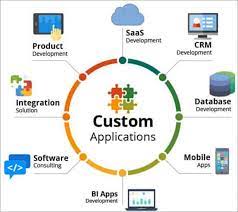
In today’s digital age, software development services play a crucial role in helping businesses stay competitive and meet the evolving needs of their customers. From custom applications to complex systems integration, software development services encompass a wide range of solutions tailored to enhance efficiency, productivity, and innovation.

Customized Solutions

One of the key benefits of software development services is the ability to create customized solutions that address specific business requirements. Whether it’s developing a mobile app for better customer engagement or implementing an enterprise resource planning (ERP) system for streamlined operations, custom software solutions can provide a competitive edge by aligning technology with business goals.

Enhanced Efficiency

By leveraging software development services, organizations can streamline processes, automate repetitive tasks, and improve overall efficiency. Custom software solutions can eliminate manual errors, reduce operational costs, and optimize workflows to ensure smooth business operations.

Scalability and Flexibility

Software development services enable businesses to scale their applications as they grow and adapt to changing market demands. Whether it’s adding new features, integrating third-party systems, or expanding user capabilities, custom software solutions offer scalability and flexibility to support business growth.

Competitive Advantage

In a competitive marketplace, having unique software solutions can set businesses apart from their competitors. Software development services allow organizations to innovate faster, deliver superior user experiences, and respond swiftly to market changes – all essential factors in gaining a competitive advantage.

Conclusion

Software development services are essential for modern businesses looking to harness the power of technology to drive growth and success. By investing in custom software solutions tailored to their specific needs, organizations can unlock new opportunities, improve operational efficiency, and achieve sustainable competitive advantage in today’s dynamic business landscape.


Top 7 Frequently Asked Questions About Software Development Services

  1. What is software development?
  2. Why are software development services important for businesses?
  3. What are the key benefits of custom software development?
  4. How can software development services enhance operational efficiency?
  5. What factors should businesses consider when choosing a software development service provider?
  6. How long does it take to develop custom software?
  7. What is the cost of hiring a software development service?

What is software development?

Software development is the process of designing, creating, testing, and maintaining software applications or systems to meet specific business or user requirements. It involves a systematic approach to building software solutions using programming languages, frameworks, and tools. Software development encompasses various stages, including planning, coding, testing, and deployment, with the goal of delivering high-quality and functional software products. This iterative process allows developers to collaborate with stakeholders, gather feedback, and make continuous improvements to ensure that the final software meets the desired objectives and provides value to its users.

Why are software development services important for businesses?

Software development services are crucial for businesses due to their ability to provide tailored solutions that address specific needs and challenges faced by organizations. By leveraging custom software solutions, businesses can enhance operational efficiency, streamline processes, and optimize workflows to achieve greater productivity and cost-effectiveness. Moreover, software development services enable businesses to stay competitive in a rapidly evolving digital landscape by fostering innovation, improving customer experiences, and adapting to changing market demands. Ultimately, investing in software development services empowers businesses to unlock new opportunities, drive growth, and maintain a strategic edge in today’s dynamic business environment.

What are the key benefits of custom software development?

Custom software development offers a myriad of key benefits that cater specifically to the unique requirements of businesses. One significant advantage is the ability to create tailored solutions that align perfectly with the organization’s goals and processes. Custom software enhances operational efficiency by streamlining workflows, automating tasks, and reducing errors. Moreover, it provides scalability and flexibility, allowing businesses to adapt and grow without limitations. By investing in custom software development, companies gain a competitive edge through innovation, improved user experiences, and rapid response to market changes.

How can software development services enhance operational efficiency?

Software development services can enhance operational efficiency by creating tailored software solutions that streamline processes, automate tasks, and optimize workflows. Custom software applications are designed to meet the specific needs of a business, eliminating manual errors and reducing time-consuming tasks. By implementing software solutions that integrate seamlessly with existing systems and technologies, organizations can improve data accuracy, enhance communication among departments, and increase overall productivity. Additionally, software development services enable businesses to scale their operations efficiently, adapt to changing requirements, and stay ahead of the competition in a rapidly evolving digital landscape.

What factors should businesses consider when choosing a software development service provider?

When selecting a software development service provider, businesses should carefully consider several key factors to ensure a successful partnership. Firstly, evaluating the provider’s expertise and experience in relevant technologies and industries is vital to guarantee that they can deliver tailored solutions that meet specific business requirements. Additionally, examining the provider’s track record, client testimonials, and case studies can offer insights into their past performance and reliability. Transparency in communication, adherence to deadlines, scalability of services, and data security measures are also crucial considerations for businesses seeking a software development partner. By thoroughly assessing these factors, businesses can make informed decisions and choose a service provider that aligns with their goals and values.

How long does it take to develop custom software?

The timeline for developing custom software can vary significantly depending on various factors such as project complexity, scope, requirements, and resources allocated. In general, the development of custom software typically involves several stages including planning, design, development, testing, and deployment. While simpler projects may take a few weeks to a couple of months to complete, more complex projects with advanced features or integrations could take several months or even a year to develop. It is crucial for businesses to work closely with their software development service provider to establish clear timelines and milestones to ensure timely delivery while maintaining quality and meeting project objectives.

What is the cost of hiring a software development service?

When considering the cost of hiring a software development service, it is important to understand that pricing can vary significantly based on various factors such as the complexity of the project, the scope of work involved, the level of customization required, and the expertise of the development team. Typically, software development services offer different pricing models including hourly rates, fixed project fees, or retainer agreements. It is advisable for businesses to discuss their specific requirements with potential service providers to get a detailed quote tailored to their needs and budget constraints. Ultimately, investing in a reputable software development service can yield long-term benefits by delivering high-quality solutions that align with business objectives and drive growth.


freelance software engineer

Exploring the World of a Freelance Software Engineer

The Role of a Freelance Software Engineer

The Role of a Freelance Software Engineer

In today’s digital age, the demand for skilled software engineers continues to rise. Many companies are turning to freelance software engineers to help them with their projects. So, what exactly does a freelance software engineer do?

Flexibility and Independence

One of the key benefits of being a freelance software engineer is the flexibility and independence it offers. Freelancers have the freedom to choose their projects, set their own schedules, and work from anywhere in the world. This flexibility allows them to balance work and personal life according to their preferences.

Varied Projects

Freelance software engineers often work on a variety of projects for different clients. This diversity in projects allows them to gain experience in various technologies and industries, keeping their skills sharp and adaptable. From developing mobile apps to creating web applications, freelance software engineers are versatile professionals.

Continuous Learning

Technology is constantly evolving, and freelance software engineers must stay updated with the latest trends and tools in the industry. They engage in continuous learning through online courses, workshops, and self-study to ensure they are equipped with the knowledge needed to tackle new challenges.

Client Communication

Effective communication is crucial for freelance software engineers. They need to understand client requirements, provide regular updates on project progress, and address any concerns or feedback promptly. Building strong relationships with clients is essential for repeat business and referrals.

Problem-Solving Skills

Freelance software engineers are problem solvers at heart. They analyze complex issues, identify efficient solutions, and implement them effectively. Their ability to think critically and creatively sets them apart as valuable assets in the tech industry.

Conclusion

In conclusion, freelance software engineers play a vital role in today’s tech-driven world. Their expertise, flexibility, continuous learning mindset, communication skills, and problem-solving abilities make them indispensable partners for businesses seeking innovative solutions. As technology continues to advance rapidly, the demand for freelance software engineers is expected to grow even further.


9 Essential Tips for Success as a Freelance Software Engineer

  1. Build a strong portfolio showcasing your best work.
  2. Network with other professionals in the industry to find potential clients or projects.
  3. Set clear goals and deadlines for each project to stay organized and efficient.
  4. Continuously update your skills and knowledge to stay competitive in the field.
  5. Communicate effectively with clients to ensure expectations are met.
  6. Consider creating a personal brand to stand out in the freelance market.
  7. Manage your finances wisely, including setting rates that reflect your expertise and experience.
  8. Stay disciplined with time management to balance multiple projects effectively.
  9. Seek feedback from clients to improve your services and reputation.

Build a strong portfolio showcasing your best work.

To succeed as a freelance software engineer, it is essential to build a strong portfolio showcasing your best work. Your portfolio is a reflection of your skills, expertise, and creativity, serving as a powerful tool to attract potential clients. By highlighting your successful projects, demonstrating your problem-solving abilities, and showcasing your technical proficiency, you can establish credibility and differentiate yourself in a competitive market. A well-curated portfolio not only showcases the quality of your work but also provides insight into your unique approach and style, ultimately helping you secure new opportunities and build lasting relationships with clients.

Network with other professionals in the industry to find potential clients or projects.

Networking with other professionals in the industry is a valuable tip for freelance software engineers looking to expand their client base and secure new projects. By building relationships with fellow professionals, freelancers can tap into a pool of potential clients and projects through referrals and collaborations. Networking provides opportunities to showcase skills, exchange knowledge, and stay informed about industry trends, ultimately helping freelance software engineers grow their business and establish a strong presence in the competitive tech market.

Set clear goals and deadlines for each project to stay organized and efficient.

Setting clear goals and deadlines for each project is essential for freelance software engineers to maintain organization and efficiency. By establishing specific objectives and timelines, freelancers can prioritize tasks, track progress effectively, and ensure timely delivery of high-quality work. Clear goals help focus efforts towards achieving desired outcomes, while deadlines create a sense of urgency and drive productivity. This structured approach not only enhances the freelancer’s performance but also fosters client satisfaction by demonstrating reliability and commitment to meeting project requirements in a timely manner.

Continuously update your skills and knowledge to stay competitive in the field.

To thrive as a freelance software engineer, it is essential to continuously update your skills and knowledge to remain competitive in the ever-evolving field of technology. By staying abreast of the latest trends, tools, and best practices, you not only enhance your expertise but also position yourself as a valuable asset to clients. Embracing lifelong learning ensures that you can tackle new challenges with confidence and deliver innovative solutions that meet the demands of today’s dynamic tech landscape.

Communicate effectively with clients to ensure expectations are met.

Effective communication with clients is crucial for freelance software engineers to ensure that project expectations are met successfully. By maintaining open and clear lines of communication, freelancers can understand client requirements accurately, provide regular updates on project progress, address any concerns promptly, and incorporate feedback effectively. Building strong relationships through communication helps establish trust and ensures that the final deliverables align with the client’s vision. Ultimately, effective communication plays a key role in the success of freelance software engineering projects.

Consider creating a personal brand to stand out in the freelance market.

To stand out in the competitive freelance market as a software engineer, it is essential to consider creating a strong personal brand. Building a personal brand involves showcasing your unique skills, experiences, and values to differentiate yourself from other freelancers. By establishing a distinct identity and reputation, you can attract potential clients who resonate with your brand and trust in your expertise. Consistent branding across your portfolio, online presence, and interactions can help you establish credibility and become a sought-after freelancer in the industry.

Manage your finances wisely, including setting rates that reflect your expertise and experience.

It is crucial for freelance software engineers to manage their finances wisely, which includes setting rates that accurately reflect their expertise and experience. By establishing competitive rates based on their skill level and the value they bring to clients, freelance software engineers can ensure fair compensation for their work. Setting appropriate rates not only helps in meeting financial goals but also positions freelancers as professionals who deliver high-quality services worth the investment. This strategic approach to pricing can contribute to long-term success and sustainability in the competitive freelance market.

Stay disciplined with time management to balance multiple projects effectively.

Staying disciplined with time management is crucial for freelance software engineers to effectively balance multiple projects. By prioritizing tasks, setting realistic deadlines, and allocating dedicated time slots for each project, freelancers can ensure that they meet client expectations and deliver high-quality work consistently. Effective time management not only helps in completing projects on time but also allows freelancers to maintain a healthy work-life balance, reducing stress and increasing productivity in the long run.

Seek feedback from clients to improve your services and reputation.

Seeking feedback from clients is a valuable practice for freelance software engineers looking to enhance their services and reputation. By actively soliciting feedback, freelancers demonstrate their commitment to continuous improvement and client satisfaction. Constructive feedback provides valuable insights into areas for growth and helps freelancers refine their skills and deliver better results. Additionally, incorporating client feedback into future projects can lead to stronger relationships, increased trust, and a positive reputation in the industry.

google platform

Unlocking the Potential of Google Platform: A Comprehensive Overview

The Power of Google Platform

The Power of Google Platform

Google Platform is a comprehensive suite of cloud computing services offered by Google. It provides a wide range of tools and resources for businesses and developers to build, deploy, and scale applications and websites with ease.

Key Features of Google Platform:

  • Google Cloud Storage: Secure and scalable object storage for storing data in the cloud.
  • Google Compute Engine: Virtual machines on Google’s infrastructure for running workloads.
  • Google App Engine: Platform as a Service (PaaS) offering for building and deploying applications.
  • Google Kubernetes Engine: Managed Kubernetes service for containerized applications.
  • BigQuery: Serverless, highly scalable, and cost-effective multi-cloud data warehouse.
  • Firebase: Backend as a Service (BaaS) platform for building mobile and web applications.

Benefits of Using Google Platform:

By leveraging Google Platform, businesses can enjoy the following benefits:

  • Scalability: Easily scale resources up or down based on demand.
  • Simplicity: Streamlined processes for development, deployment, and management.
  • Safety & Security: Robust security measures to protect data and applications.
  • Flexibility: Support for multiple programming languages and frameworks.
  • Cost-Effectiveness: Pay only for what you use with flexible pricing options.

In conclusion, Google Platform empowers businesses to innovate faster, reduce operational overhead, and scale globally. With its powerful tools and services, organizations can focus on creating exceptional digital experiences without worrying about infrastructure management.


Top 8 Advantages of Using the Google Platform for Your Business

  1. Scalability for handling varying workloads
  2. Robust security measures to protect data
  3. Cost-effective pricing options based on usage
  4. Easy integration with other Google services
  5. High availability and reliability of services
  6. Support for multiple programming languages and frameworks
  7. Streamlined processes for development and deployment
  8. Global reach with data centers in multiple regions


7 Drawbacks of Using Google Platform: Costs, Complexity, and More

  1. Potential for high costs if resources are not managed efficiently
  2. Complex pricing structure may be confusing for some users
  3. Limited support for certain programming languages and frameworks
  4. Dependency on Google’s infrastructure and services
  5. Data privacy concerns due to the scale of Google’s operations
  6. Integration challenges with existing on-premises systems
  7. Possible downtime or service disruptions impacting business operations

Scalability for handling varying workloads

Google Platform’s scalability feature allows businesses to effortlessly manage fluctuating workloads by dynamically adjusting resources based on demand. This flexibility ensures that applications can seamlessly handle spikes in traffic or increased computational needs without any downtime or performance issues. With Google Platform, organizations can efficiently scale their operations up or down as needed, optimizing efficiency and cost-effectiveness while maintaining a seamless user experience.

Robust security measures to protect data

Google Platform offers robust security measures to protect data, ensuring that businesses can trust their valuable information is safe and secure. With features such as encryption, access controls, monitoring tools, and compliance certifications, Google Platform provides a strong defense against potential threats and unauthorized access. This proactive approach to security gives organizations peace of mind knowing that their data is well-protected in the cloud environment.

Cost-effective pricing options based on usage

Google Platform offers a significant advantage with its cost-effective pricing options that are based on actual usage. This pay-as-you-go model allows businesses to optimize their expenses by only paying for the resources they consume. By eliminating upfront costs and providing flexible pricing structures, Google Platform enables organizations to scale efficiently while keeping their operational costs in check. This approach not only promotes financial transparency but also ensures that businesses can adapt to changing demands without overspending on unnecessary infrastructure.

Easy integration with other Google services

Google Platform offers the significant advantage of easy integration with other Google services. This seamless connectivity allows businesses to leverage a wide range of tools and resources within the Google ecosystem, enhancing productivity and efficiency. By effortlessly combining Google Platform with services such as Gmail, Google Drive, and Google Analytics, organizations can create cohesive workflows, streamline processes, and access valuable insights to drive informed decision-making. The interoperability of Google services ensures a unified experience for users and enables businesses to maximize the benefits of a comprehensive suite of solutions tailored to their specific needs.

High availability and reliability of services

Google Platform’s high availability and reliability of services ensure that businesses can operate smoothly without worrying about downtime or disruptions. With redundant systems and data centers across the globe, Google Platform minimizes the risk of service interruptions, providing a dependable infrastructure for critical applications and workloads. This pro of Google Platform gives businesses the confidence to focus on their core operations and innovation, knowing that their services will be consistently available to users.

Support for multiple programming languages and frameworks

Google Platform’s support for multiple programming languages and frameworks is a significant advantage for developers and businesses. This flexibility allows users to choose the tools that best fit their needs and expertise, enabling them to work with familiar languages and frameworks to build applications efficiently. Whether developers prefer Java, Python, Node.js, or other languages, Google Platform offers a diverse ecosystem that caters to a wide range of development preferences, making it easier to create robust and scalable solutions tailored to specific requirements.

Streamlined processes for development and deployment

Google Platform offers a significant advantage with its streamlined processes for development and deployment. By providing efficient tools and resources, Google Platform enables businesses to accelerate their development cycles and deploy applications seamlessly. This streamlined approach not only saves time but also enhances productivity, allowing teams to focus more on innovation and less on managing complex deployment processes. Ultimately, this pro of Google Platform contributes to faster time-to-market for products and services, giving businesses a competitive edge in today’s fast-paced digital landscape.

Global reach with data centers in multiple regions

Google Platform’s global reach with data centers in multiple regions is a significant advantage for businesses looking to expand their operations worldwide. By leveraging Google’s extensive network of data centers, companies can ensure low latency and high performance for their applications and services across different geographic locations. This distributed infrastructure also enhances reliability and resilience, allowing businesses to deliver a seamless experience to users regardless of their location. Additionally, having data centers in multiple regions enables organizations to comply with data sovereignty requirements and regulations specific to certain countries or regions, ensuring data privacy and security on a global scale.

Potential for high costs if resources are not managed efficiently

The potential for high costs on Google Platform arises when resources are not managed efficiently. Without careful monitoring and optimization, businesses may inadvertently overspend on cloud services due to unused or underutilized resources. Inefficient resource allocation, failure to scale down when not needed, or lack of cost-control measures can lead to unexpected expenses. It is crucial for organizations utilizing Google Platform to implement proper resource management strategies to mitigate the risk of incurring unnecessary costs and ensure cost-effectiveness in their cloud operations.

Complex pricing structure may be confusing for some users

The complex pricing structure of Google Platform may pose a challenge for some users, as navigating through the various pricing tiers, options, and usage calculations can be confusing. This complexity could lead to difficulties in accurately estimating costs and optimizing resource allocation, potentially resulting in unexpected charges for users who are not well-versed in the intricacies of the pricing model. Clear communication and education on pricing details are essential to help users make informed decisions and effectively manage their expenses when utilizing Google Platform services.

Limited support for certain programming languages and frameworks

One notable drawback of Google Platform is its limited support for certain programming languages and frameworks. While the platform offers a wide range of tools and services, developers may face challenges if they prefer programming languages or frameworks that are not fully supported by Google. This limitation can restrict the flexibility and choice available to developers, potentially leading to compatibility issues and additional workarounds when building applications on the platform.

Dependency on Google’s infrastructure and services

One significant drawback of Google Platform is the dependency it creates on Google’s infrastructure and services. Relying heavily on a single provider for cloud computing needs can pose risks in terms of vendor lock-in and potential service disruptions. If Google experiences downtime or makes changes to its offerings, users of Google Platform may face challenges in maintaining continuity and flexibility in their operations. This dependency limits the freedom to easily migrate to alternative platforms or integrate with other cloud services, potentially hindering scalability and adaptability in the long run.

Data privacy concerns due to the scale of Google’s operations

Data privacy concerns arise due to the vast scale of Google’s operations within its platform. With a multitude of users and extensive data collection practices, there is a heightened risk of potential privacy breaches and unauthorized access to sensitive information. The sheer volume of data stored and processed by Google raises questions about how effectively user data is protected and whether individual privacy rights are adequately safeguarded within such a massive ecosystem. Addressing these concerns is crucial to maintaining trust and transparency in Google’s platform and ensuring the privacy and security of user data remains a top priority.

Integration challenges with existing on-premises systems

One significant challenge of using Google Platform is the integration difficulties it poses with existing on-premises systems. Organizations that have invested in on-premises infrastructure may face complexities when trying to seamlessly connect their legacy systems with Google’s cloud services. This can lead to compatibility issues, data migration challenges, and potential disruptions in business operations. Addressing these integration challenges requires careful planning, expertise, and resources to ensure a smooth transition to the cloud while maintaining the functionality and security of existing on-premises systems.

Possible downtime or service disruptions impacting business operations

One significant drawback of Google Platform is the potential for downtime or service disruptions that can impact business operations. Despite Google’s robust infrastructure and redundancy measures, unforeseen technical issues or maintenance activities can lead to temporary outages, causing inconvenience and potentially affecting productivity. Businesses relying heavily on Google Platform services need to have contingency plans in place to mitigate the risks associated with possible downtime and ensure continuity of operations during such instances.

software

Unlocking the Potential: Harnessing the Power of Software for Innovation

The Power of Software: Revolutionizing the Digital World

The Power of Software: Revolutionizing the Digital World

Software is the driving force behind the digital revolution that has transformed our world in unprecedented ways. From simplifying everyday tasks to enabling groundbreaking innovations, software plays a crucial role in shaping our lives.

Enhancing Efficiency and Productivity

One of the key benefits of software is its ability to enhance efficiency and productivity. With the right software tools, businesses can streamline their operations, automate repetitive tasks, and optimize workflows. This not only saves time and resources but also allows organizations to focus on strategic initiatives and innovation.

Empowering Creativity and Innovation

Software empowers individuals and organizations to unleash their creativity and drive innovation. Whether it’s developing new applications, designing cutting-edge solutions, or exploring uncharted territories in virtual reality, software provides the platform for endless possibilities.

Connecting People Across the Globe

Software has revolutionized communication by connecting people across the globe in real-time. From social media platforms to video conferencing tools, software enables seamless interaction and collaboration regardless of geographical boundaries. This interconnectedness has transformed how we communicate, share information, and build relationships.

Adapting to Changing Needs

One of the most remarkable aspects of software is its adaptability. With continuous updates and advancements, software can evolve to meet changing needs and address emerging challenges. This flexibility ensures that users always have access to cutting-edge features and functionalities that enhance their experience.

Conclusion

In conclusion, software is a powerful tool that drives innovation, efficiency, connectivity, and adaptability in our increasingly digital world. As technology continues to evolve at a rapid pace, software will remain at the forefront of shaping our future and unlocking new possibilities beyond imagination.


Top 7 Essential Tips for Maintaining and Optimizing Your Software

  1. Regularly update your software to ensure you have the latest features and security patches.
  2. Back up your data regularly to prevent loss in case of software malfunctions or crashes.
  3. Use strong and unique passwords for all your software accounts to enhance security.
  4. Avoid downloading software from untrusted sources to minimize the risk of malware infections.
  5. Take the time to learn keyboard shortcuts for commonly used functions in your software to increase efficiency.
  6. Close unused programs and applications running in the background to optimize system performance.
  7. Consider investing in reputable antivirus software to protect your system from online threats.

Regularly update your software to ensure you have the latest features and security patches.

Regularly updating your software is essential to ensure that you have access to the latest features and security patches. By staying up-to-date with software updates, you not only benefit from improved functionality and performance but also protect your system from potential vulnerabilities and cyber threats. Updating your software regularly helps to enhance the overall user experience and maintain a secure digital environment for optimal productivity and peace of mind.

Back up your data regularly to prevent loss in case of software malfunctions or crashes.

It is essential to back up your data regularly to safeguard against potential loss in the event of software malfunctions or crashes. By maintaining up-to-date backups of your important files and information, you can ensure that you have a secure copy available to restore and recover from any unexpected incidents. Taking proactive measures to back up your data not only provides peace of mind but also helps mitigate the impact of unforeseen software issues on your valuable digital assets.

Use strong and unique passwords for all your software accounts to enhance security.

Using strong and unique passwords for all your software accounts is essential to enhance security and protect your sensitive information. By creating complex passwords that combine letters, numbers, and special characters, you can significantly reduce the risk of unauthorized access to your accounts. Additionally, using different passwords for each account ensures that a security breach in one account does not compromise the security of all your other accounts. Prioritizing password strength and uniqueness is a simple yet effective way to bolster your online security and safeguard your digital assets.

Avoid downloading software from untrusted sources to minimize the risk of malware infections.

To minimize the risk of malware infections, it is crucial to avoid downloading software from untrusted sources. By sticking to reputable sources and official websites for software downloads, users can significantly reduce the likelihood of inadvertently installing malicious programs that could compromise their system security and data privacy. Always exercise caution and verify the legitimacy of software sources to safeguard your devices and ensure a safe digital experience.

Take the time to learn keyboard shortcuts for commonly used functions in your software to increase efficiency.

Taking the time to learn keyboard shortcuts for commonly used functions in your software can significantly boost your efficiency and productivity. By mastering these shortcuts, you can perform tasks more quickly and seamlessly, saving valuable time and streamlining your workflow. Incorporating keyboard shortcuts into your daily routine not only enhances your proficiency with the software but also allows you to focus more on the task at hand rather than navigating through menus and options. Embracing these time-saving techniques can make a notable difference in how efficiently you work with your software applications.

Close unused programs and applications running in the background to optimize system performance.

To optimize system performance, it is essential to close unused programs and applications running in the background. By doing so, you can free up valuable system resources and memory, allowing your computer to operate more efficiently. This simple tip can significantly improve the speed and responsiveness of your system, ensuring a smoother user experience while minimizing unnecessary strain on your hardware.

Consider investing in reputable antivirus software to protect your system from online threats.

When it comes to safeguarding your system from online threats, investing in reputable antivirus software is a crucial step. By choosing reliable antivirus protection, you can create a strong defense against malware, viruses, and other cyber threats that could compromise your data and privacy. With regular updates and real-time scanning capabilities, reputable antivirus software provides peace of mind knowing that your system is well-protected against potential security risks lurking in the digital landscape.

coldfusion development

Mastering ColdFusion Development: Building Dynamic Web Applications with Ease

The Power of ColdFusion Development

The Power of ColdFusion Development

ColdFusion is a powerful and versatile programming language that has been used for web development since its inception in the late 1990s. Developed by Adobe, ColdFusion allows developers to create dynamic and interactive web applications with ease.

One of the key advantages of ColdFusion is its simplicity and ease of use. Developers can quickly build robust web applications using its intuitive tag-based syntax, making it an ideal choice for rapid application development.

Another strength of ColdFusion is its seamless integration with other technologies. Whether you need to connect to databases, interact with web services, or work with various file formats, ColdFusion provides built-in functionalities that simplify these tasks.

Moreover, ColdFusion offers a wide range of features that enhance productivity and efficiency in development. From session management and form validation to charting and reporting capabilities, ColdFusion equips developers with tools to streamline the development process.

With its scalability and performance optimization features, ColdFusion is well-suited for building enterprise-level applications that can handle high traffic loads and complex functionalities. Its robust security features also ensure that sensitive data remains protected from potential threats.

In conclusion, ColdFusion development continues to be a popular choice for businesses looking to create dynamic and feature-rich web applications. Its versatility, ease of use, and powerful capabilities make it a valuable tool for developers seeking efficient solutions for their projects.


Top 5 Tips for Effective ColdFusion Development

  1. Use ColdFusion components (CFCs) to organize your code and promote reusability.
  2. Take advantage of built-in functions and tags in ColdFusion to streamline development.
  3. Optimize database queries for better performance by using CFQuery parameters and caching.
  4. Follow best practices for security, such as validating user input and protecting against SQL injection attacks.
  5. Stay updated with the latest versions of ColdFusion to leverage new features and improvements.

Use ColdFusion components (CFCs) to organize your code and promote reusability.

Using ColdFusion components (CFCs) is a highly effective tip in ColdFusion development to organize your code and encourage reusability. By structuring your code into CFCs, you can modularize your application logic, making it easier to manage and maintain. CFCs allow you to encapsulate related functions and data, promoting a more structured and scalable approach to development. Additionally, leveraging CFCs enables you to reuse code across different parts of your application, saving time and effort while maintaining consistency throughout your project.

Take advantage of built-in functions and tags in ColdFusion to streamline development.

To optimize your ColdFusion development process, it is highly recommended to leverage the built-in functions and tags available within the language. By utilizing these pre-existing tools, developers can streamline their workflow, reduce coding time, and enhance the overall efficiency of their projects. ColdFusion’s extensive library of functions and tags simplifies common tasks such as data manipulation, form validation, and session management, allowing developers to focus more on building robust and feature-rich web applications rather than reinventing the wheel. Embracing these built-in functionalities not only accelerates development but also ensures code consistency and reliability throughout the project.

Optimize database queries for better performance by using CFQuery parameters and caching.

To optimize database queries for improved performance in ColdFusion development, it is essential to leverage CFQuery parameters and caching effectively. By utilizing CFQuery parameters, developers can enhance query execution efficiency and mitigate the risk of SQL injection attacks. Additionally, implementing caching mechanisms helps reduce database load by storing query results temporarily, thereby speeding up subsequent data retrieval processes. Incorporating these practices not only boosts application performance but also contributes to a more secure and responsive user experience.

Follow best practices for security, such as validating user input and protecting against SQL injection attacks.

It is crucial to follow best practices for security in ColdFusion development, such as validating user input and safeguarding against SQL injection attacks. By implementing proper input validation techniques, developers can ensure that data entered by users is sanitized and free from malicious code that could compromise the integrity of the application. Additionally, protecting against SQL injection attacks involves using parameterized queries and stored procedures to prevent unauthorized access to the database. Adhering to these security measures enhances the overall robustness and reliability of ColdFusion applications, safeguarding sensitive information and maintaining a secure environment for users.

Stay updated with the latest versions of ColdFusion to leverage new features and improvements.

Staying updated with the latest versions of ColdFusion is crucial for developers looking to maximize the benefits of this powerful programming language. By keeping abreast of new releases, developers can leverage the enhanced features and improvements that come with each update. Whether it’s improved performance, new functionalities, or security enhancements, staying current with ColdFusion versions ensures that developers can take full advantage of the latest tools and capabilities to enhance their development projects.

c development

Mastering C Development: Harnessing the Power of a Timeless Language

The Power of C Development

The Power of C Development

C is a powerful and versatile programming language that has stood the test of time. Developed in the early 1970s, C has become one of the most widely used languages in the world, influencing many other popular languages like C++, Java, and Python.

One of the key strengths of C is its efficiency and speed. C allows developers to write highly optimized code that can run close to the hardware, making it ideal for system programming and embedded applications. Its low-level features give developers fine-grained control over memory management and hardware interactions.

Another advantage of C is its portability. Code written in C can be easily adapted to different platforms with minimal changes, making it a popular choice for developing operating systems, compilers, and other software that needs to run on multiple systems.

Despite being a low-level language, C offers high-level constructs like functions and data structures that enable developers to write complex programs with ease. Its simplicity and flexibility make it a great language for both beginners learning programming fundamentals and experienced developers working on large-scale projects.

C development requires attention to detail and a good understanding of computer architecture. Developers need to manage memory manually and handle pointers carefully to avoid common pitfalls like memory leaks or segmentation faults. However, mastering these concepts can lead to writing efficient and reliable code.

In conclusion, C development remains a valuable skill in today’s technology landscape. Whether you are building an operating system, writing device drivers, or optimizing performance-critical applications, knowing C can give you a competitive edge as a developer.


Understanding C Development: Basics, Comparisons, History, and Applications

  1. What is C development?
  2. What is C vs C++ development?
  3. In which year was C invented?
  4. What is C used to develop?

What is C development?

C development refers to the process of writing, compiling, and debugging programs using the C programming language. C is a powerful and versatile language known for its efficiency, speed, and portability. Developers use C to create a wide range of software applications, from operating systems and device drivers to high-performance applications and embedded systems. In C development, programmers work with low-level features such as memory management and hardware interactions, requiring a strong understanding of computer architecture. Mastering C development allows developers to build robust and optimized software solutions that can run on various platforms with minimal modifications.

What is C vs C++ development?

When comparing C vs C++ development, it’s essential to understand the fundamental differences between these two programming languages. C is a procedural programming language known for its simplicity and efficiency, making it ideal for system-level programming and embedded applications. On the other hand, C++ is an object-oriented extension of C that introduces features like classes, inheritance, and polymorphism, allowing for more complex and structured code organization. While C focuses on procedural programming paradigms and offers low-level control over hardware, C++ emphasizes object-oriented design principles and supports features like templates and exception handling. Choosing between C and C++ depends on the specific requirements of a project, with each language offering unique advantages based on the nature of the development task at hand.

In which year was C invented?

The programming language C was invented in the early 1970s. Developed by Dennis Ritchie at Bell Labs, C quickly gained popularity for its efficiency, versatility, and portability. Its creation marked a significant milestone in the history of computing, influencing the development of numerous other languages and becoming a fundamental tool for software developers worldwide.

What is C used to develop?

C is used to develop a wide range of software applications and systems, including operating systems, device drivers, embedded systems, compilers, and high-performance applications. Its versatility and efficiency make it a popular choice for projects where direct hardware interaction, memory management control, and portability across different platforms are essential. Additionally, C is often utilized in industries such as telecommunications, gaming, finance, and aerospace due to its ability to handle low-level programming tasks effectively.

technology optimization

Maximizing Business Success Through Technology Optimization

Article: Technology Optimization

The Importance of Technology Optimization in Today’s Business Landscape

Technology plays a crucial role in the success of modern businesses. From streamlining operations to enhancing customer experiences, the right technology solutions can make a significant impact on an organization’s bottom line. However, simply adopting the latest technologies is not enough. To truly harness the power of technology, businesses must focus on optimization.

What is Technology Optimization?

Technology optimization involves fine-tuning and maximizing the efficiency and effectiveness of IT systems and infrastructure within an organization. It goes beyond just implementing new technologies; it’s about ensuring that these technologies are utilized to their full potential to drive business growth and innovation.

The Benefits of Technology Optimization

Optimizing technology offers numerous benefits to businesses, including:

  • Improved Performance: By optimizing IT systems, businesses can enhance performance levels, reduce downtime, and increase productivity.
  • Cost Savings: Efficiently managed technology resources lead to cost savings through reduced operational expenses and better resource utilization.
  • Enhanced Security: Optimized technology systems are more secure, helping to protect sensitive data and mitigate cybersecurity risks.
  • Better Decision-Making: Access to accurate data and analytics from optimized systems enables informed decision-making at all levels of the organization.
  • Competitive Advantage: Businesses that optimize their technology gain a competitive edge by being agile, innovative, and responsive to market changes.

Strategies for Technology Optimization

To successfully optimize technology within an organization, consider implementing the following strategies:

  1. Regular Assessments: Conduct regular assessments of existing technology infrastructure to identify areas for improvement.
  2. Training and Development: Invest in training programs to ensure that employees have the necessary skills to leverage technology effectively.
  3. Data Management: Implement robust data management practices to ensure data accuracy, accessibility, and security.
  4. Automation: Embrace automation tools to streamline repetitive tasks and improve operational efficiency.
  5. Collaboration: Foster collaboration between IT teams and other departments to align technology initiatives with business goals.

In Conclusion

In today’s rapidly evolving business landscape, technology optimization is not just a choice but a necessity. By focusing on maximizing the potential of IT systems and infrastructure through strategic planning, continuous improvement, and innovation, businesses can stay ahead of the curve and achieve long-term success in an increasingly digital world.


7 Key Benefits of Technology Optimization for Modern Businesses

  1. Improved performance and efficiency of IT systems
  2. Cost savings through better resource utilization
  3. Enhanced cybersecurity measures and data protection
  4. Access to accurate data for informed decision-making
  5. Competitive advantage by being agile and innovative
  6. Increased productivity and reduced downtime
  7. Better alignment of technology initiatives with business goals


Challenges of Technology Optimization: Initial Costs, Disruption, and Resistance to Change

  1. Initial Costs
  2. Disruption
  3. Resistance to Change

Improved performance and efficiency of IT systems

Improved performance and efficiency of IT systems is a key benefit of technology optimization. By fine-tuning and maximizing the capabilities of IT infrastructure, businesses can experience enhanced operational productivity, reduced downtime, and smoother workflow processes. This optimization allows organizations to leverage their technology resources more effectively, leading to increased overall performance levels and better utilization of IT investments. In a competitive business environment where speed and reliability are paramount, optimizing IT systems plays a crucial role in driving success and achieving strategic objectives.

Cost savings through better resource utilization

Cost savings through better resource utilization is a significant advantage of technology optimization for businesses. By efficiently managing technology resources and ensuring their optimal usage, organizations can reduce operational expenses and maximize the value derived from their investments. Through strategic planning and implementation of technologies that streamline processes and enhance productivity, businesses can achieve cost savings while maintaining or even improving the quality of their products or services. This proactive approach not only contributes to financial savings but also positions the company for long-term sustainability and growth in a competitive market environment.

Enhanced cybersecurity measures and data protection

Enhanced cybersecurity measures and data protection are key benefits of technology optimization. By fine-tuning IT systems and infrastructure, businesses can strengthen their defense mechanisms against cyber threats, safeguard sensitive information, and mitigate the risk of data breaches. Implementing robust security protocols, regular system updates, encryption techniques, and access controls are essential components of technology optimization that contribute to a more secure digital environment. Prioritizing cybersecurity through optimization not only protects valuable data assets but also fosters trust with customers and partners, ultimately ensuring business continuity and reputation management in an increasingly interconnected world.

Access to accurate data for informed decision-making

Access to accurate data for informed decision-making is a key benefit of technology optimization. By ensuring that IT systems are fine-tuned to collect, process, and analyze data effectively, organizations can make decisions based on real-time insights and trends. This allows businesses to respond swiftly to market changes, identify opportunities for growth, and mitigate risks proactively. With accurate data at their fingertips, decision-makers can have the confidence to steer their organizations in the right direction, driving success and staying ahead of the competition.

Competitive advantage by being agile and innovative

Technology optimization provides businesses with a significant competitive advantage by enabling them to be agile and innovative in today’s fast-paced market environment. By fine-tuning their IT systems and infrastructure, organizations can adapt quickly to changing market conditions, customer demands, and industry trends. This agility allows businesses to seize new opportunities, respond promptly to challenges, and stay ahead of competitors. Furthermore, optimized technology empowers companies to drive innovation, develop cutting-edge solutions, and deliver enhanced products and services that meet the evolving needs of their customers. Ultimately, by leveraging technology optimization to foster agility and innovation, businesses can position themselves as industry leaders and achieve sustainable growth in the digital age.

Increased productivity and reduced downtime

One significant benefit of technology optimization is the increase in productivity and reduction in downtime within an organization. By fine-tuning IT systems and infrastructure, businesses can streamline processes, automate repetitive tasks, and improve overall efficiency. This leads to employees being able to work more effectively and make better use of their time, ultimately boosting productivity levels. Additionally, optimized technology systems are less prone to failures and downtime, ensuring that operations run smoothly without interruptions, allowing employees to focus on their tasks without disruptions.

Better alignment of technology initiatives with business goals

One significant benefit of technology optimization is the improved alignment of technology initiatives with business goals. By fine-tuning IT systems and infrastructure to better support and complement the overarching objectives of the organization, businesses can ensure that their technological investments directly contribute to driving growth, efficiency, and innovation. This alignment fosters a more strategic approach to technology implementation, enabling companies to maximize the impact of their IT resources on achieving key business objectives and staying competitive in today’s dynamic market landscape.

Initial Costs

One significant con of technology optimization is the initial costs associated with implementing strategies to enhance IT systems. Businesses may face a substantial upfront investment in acquiring new hardware, software, or training programs to optimize their technology infrastructure. This financial burden can pose a challenge for organizations, especially smaller ones with limited budgets, as they weigh the potential long-term benefits of technology optimization against the immediate costs involved. Balancing the need for modernization with budget constraints is a crucial consideration when embarking on technology optimization initiatives.

Disruption

During the implementation of technology optimization initiatives, organizations may encounter disruptions in their regular operations and workflows. The transition to new systems or processes can lead to temporary challenges such as downtime, learning curves for employees, and potential errors during the adjustment period. These disruptions can impact productivity and efficiency in the short term, requiring careful planning and communication to minimize any negative effects on business continuity.

Resistance to Change

Resistance to change is a significant con of technology optimization that organizations often face. Employees may be hesitant to adopt new technologies or modify established processes, fearing disruptions or uncertainties in their roles. This resistance can impede the smooth implementation of technology optimization initiatives and hinder the overall success of such efforts. Overcoming this challenge requires effective communication, training, and change management strategies to help employees understand the benefits of embracing change and to facilitate a smooth transition towards optimized technology solutions.

professional it services

Unlocking Business Potential with Professional IT Services

Professional IT Services

The Importance of Professional IT Services for Your Business

In today’s digital age, having reliable and efficient IT services is crucial for the success of any business. Professional IT services encompass a wide range of solutions that help organizations optimize their technology infrastructure, enhance cybersecurity, and streamline operations.

Benefits of Professional IT Services:

Improved Efficiency: Professional IT services can help businesses streamline their processes, automate tasks, and improve overall efficiency. This allows employees to focus on core business activities without being bogged down by technical issues.

Enhanced Security: Cybersecurity is a major concern for businesses of all sizes. Professional IT services provide robust security measures to protect sensitive data, prevent cyber attacks, and ensure compliance with regulations.

Scalability: As businesses grow, their IT needs evolve. Professional IT services offer scalable solutions that can adapt to changing requirements, whether it’s expanding infrastructure or adding new software applications.

Expertise and Support: By partnering with professional IT service providers, businesses gain access to a team of experts who have in-depth knowledge of the latest technologies and best practices. This ensures that technical issues are resolved promptly and effectively.

Types of Professional IT Services:

Managed IT Services: Outsourcing day-to-day IT management tasks to a third-party provider can help businesses reduce costs and improve operational efficiency.

Cybersecurity Services: Protecting against cyber threats requires proactive monitoring, threat detection, and incident response capabilities provided by professional cybersecurity services.

Cloud Computing Services: Leveraging cloud technology allows businesses to access scalable resources, enhance collaboration, and improve data accessibility with the support of professional cloud computing services.

Hiring the Right Professional IT Service Provider

When selecting a professional IT service provider for your business, consider factors such as experience, expertise in your industry, service offerings, reliability, and customer support. A trusted partner in IT services can help your business stay competitive in today’s digital landscape.

In conclusion, investing in professional IT services is essential for businesses looking to optimize their technology infrastructure, enhance security measures, and achieve operational excellence. By leveraging the expertise of professional service providers, organizations can focus on their core objectives while staying ahead in an increasingly digital world.


Top 5 Frequently Asked Questions About Professional IT Services

  1. What does professional services do in software?
  2. What is professional services in tech industry?
  3. What is an example of a professional services firm?
  4. Are IT services considered professional services?
  5. What are professional services in IT?

What does professional services do in software?

Professional services in software play a crucial role in ensuring the successful implementation, customization, and optimization of software solutions for businesses. These services encompass a range of activities such as software installation, configuration, training, and ongoing support. Professional service providers work closely with clients to understand their unique requirements and tailor the software to meet specific needs. They also offer expertise in integrating the software with existing systems, troubleshooting issues, and providing guidance on best practices. Ultimately, professional services in software help organizations maximize the value of their investment by delivering tailored solutions that drive efficiency, productivity, and growth.

What is professional services in tech industry?

In the tech industry, professional services refer to specialized solutions and expertise offered by IT service providers to assist businesses in optimizing their technology infrastructure, implementing software applications, managing cybersecurity, and addressing specific technical challenges. These services are tailored to meet the unique needs of each organization, providing strategic guidance, technical support, and ongoing maintenance to ensure smooth operations and maximize the benefits of technology investments. Professional services in the tech industry play a crucial role in helping businesses leverage the latest innovations and stay competitive in a rapidly evolving digital landscape.

What is an example of a professional services firm?

A professional services firm is a company that offers specialized expertise and knowledge to clients in various industries. One example of a professional services firm is a management consulting firm like McKinsey & Company. These firms provide strategic advice, management solutions, and industry insights to help businesses improve performance, optimize operations, and achieve their goals. Professional services firms typically employ highly skilled professionals with expertise in areas such as consulting, technology, finance, law, or accounting to deliver tailored solutions to their clients’ specific needs.

Are IT services considered professional services?

In the realm of business and technology, IT services are indeed classified as professional services. Professional IT services encompass a wide range of specialized solutions provided by knowledgeable experts in the field of information technology. These services are designed to optimize IT infrastructure, enhance cybersecurity, streamline operations, and support businesses in achieving their technological goals. By engaging with professional IT service providers, organizations can benefit from tailored solutions, expert guidance, and reliable support to meet their specific IT needs effectively and efficiently.

What are professional services in IT?

Professional services in IT refer to specialized solutions and expertise offered by skilled professionals to help businesses optimize their technology infrastructure, enhance cybersecurity measures, and streamline IT operations. These services encompass a wide range of offerings such as IT consultancy, network management, cybersecurity solutions, cloud computing services, software development, and more. Professional IT services are tailored to meet the unique needs of each organization, providing expert guidance, support, and implementation of cutting-edge technologies to drive business growth and success in today’s digital landscape.

it strategy consulting

Maximizing Business Success Through IT Strategy Consulting Services

Article: IT Strategy Consulting

The Importance of IT Strategy Consulting in Today’s Business Environment

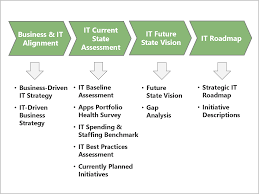
In the fast-paced and ever-evolving world of technology, businesses need to stay ahead of the curve to remain competitive. This is where IT strategy consulting plays a crucial role. IT strategy consulting involves working with experts to develop a comprehensive plan that aligns technology with business goals and objectives.

Benefits of IT Strategy Consulting

Alignment with Business Objectives: IT strategy consulting ensures that technology initiatives are in line with the overall business strategy. This alignment helps maximize efficiency and productivity.

Risk Management: By identifying potential risks and vulnerabilities in the IT infrastructure, consultants can help businesses mitigate these risks and enhance security measures.

Cost Optimization: Consultants analyze existing systems and processes to identify areas where cost savings can be achieved through optimization or consolidation of resources.

Key Components of IT Strategy Consulting

Assessment: Consultants conduct a thorough assessment of the current IT infrastructure, processes, and systems to identify strengths, weaknesses, opportunities, and threats.

Planning: Based on the assessment, consultants develop a strategic plan that outlines goals, objectives, timelines, and resource requirements for implementing new technologies or improving existing ones.

Implementation: Consultants work closely with businesses to implement the strategic plan, ensuring a smooth transition and minimal disruption to operations.

The Future of IT Strategy Consulting

In an increasingly digital world, the demand for IT strategy consulting services is only expected to grow. Businesses that invest in developing robust IT strategies will have a competitive edge and be better positioned to adapt to changing market dynamics.

Contact us today to learn more about how our IT strategy consulting services can help your business thrive in the digital age.


9 Essential Tips for Effective IT Strategy Consulting

  1. Understand the client’s business goals and objectives thoroughly before proposing any IT strategy.
  2. Stay updated with the latest trends and technologies in the IT industry to provide innovative solutions.
  3. Collaborate closely with key stakeholders to ensure alignment between IT strategy and overall business strategy.
  4. Consider scalability and flexibility when designing IT strategies to accommodate future growth and changes.
  5. Evaluate risks associated with implementing new IT strategies and develop mitigation plans accordingly.
  6. Communicate complex technical concepts in a clear and concise manner to non-technical stakeholders.
  7. Regularly review and adjust IT strategies based on feedback, performance metrics, and market dynamics.
  8. Ensure that proposed IT strategies are cost-effective and provide measurable value to the client’s business.
  9. Encourage a culture of continuous learning within the organization to adapt to evolving technology landscapes.

Understand the client’s business goals and objectives thoroughly before proposing any IT strategy.

It is essential in IT strategy consulting to thoroughly understand the client’s business goals and objectives before proposing any IT strategy. By gaining a deep understanding of the client’s specific needs and desired outcomes, consultants can tailor their recommendations to align technology solutions with the overarching business objectives. This approach ensures that the proposed IT strategy is not only technically sound but also directly contributes to the client’s success and long-term growth.

To excel in IT strategy consulting, it is essential to stay updated with the latest trends and technologies in the industry. By keeping abreast of emerging innovations, consultants can offer cutting-edge solutions that address clients’ evolving needs and challenges. Embracing new technologies allows for the development of innovative strategies that drive business growth and competitive advantage.

Collaborate closely with key stakeholders to ensure alignment between IT strategy and overall business strategy.

Collaborating closely with key stakeholders is a crucial tip in IT strategy consulting to ensure alignment between IT strategy and overall business strategy. By engaging with stakeholders from various departments and levels of the organization, IT consultants can gain valuable insights into the business’s goals, challenges, and priorities. This collaboration helps in developing an IT strategy that not only meets the technological needs of the organization but also directly contributes to achieving its broader business objectives. Effective communication and collaboration with key stakeholders foster a unified vision and ensure that technology initiatives are strategically aligned with the company’s long-term success.

Consider scalability and flexibility when designing IT strategies to accommodate future growth and changes.

When engaging in IT strategy consulting, it is essential to consider scalability and flexibility in the design of strategies to accommodate future growth and changes. By incorporating scalability, businesses can ensure that their IT infrastructure can expand seamlessly as the organization grows. Flexibility allows for adjustments and adaptations to meet evolving technology trends and business requirements. This proactive approach not only prepares businesses for future challenges but also enables them to leverage opportunities for innovation and efficiency.

Evaluate risks associated with implementing new IT strategies and develop mitigation plans accordingly.

When embarking on new IT strategies, it is crucial to evaluate the potential risks that come with implementation. By identifying and understanding these risks, businesses can proactively develop mitigation plans to address them effectively. This proactive approach not only helps in minimizing potential disruptions but also ensures a smoother transition to the new IT strategies, ultimately leading to successful outcomes and improved business performance.

Communicate complex technical concepts in a clear and concise manner to non-technical stakeholders.

When engaging in IT strategy consulting, it is essential to effectively communicate complex technical concepts to non-technical stakeholders in a clear and concise manner. By translating intricate IT jargon into easily understandable language, consultants can ensure that all stakeholders, regardless of their technical expertise, grasp the significance and implications of proposed strategies. This streamlined communication approach fosters better collaboration, alignment of goals, and informed decision-making within the organization.

Regularly review and adjust IT strategies based on feedback, performance metrics, and market dynamics.

Regularly reviewing and adjusting IT strategies based on feedback, performance metrics, and market dynamics is essential for ensuring the continued relevance and effectiveness of the technology initiatives within a business. By staying attuned to feedback from stakeholders, monitoring key performance metrics, and staying informed about market trends, organizations can proactively adapt their IT strategies to meet evolving needs and seize new opportunities. This iterative approach not only fosters agility and innovation but also helps align technology investments with overall business objectives for sustained success in today’s dynamic business environment.

Ensure that proposed IT strategies are cost-effective and provide measurable value to the client’s business.

It is essential in IT strategy consulting to ensure that any proposed IT strategies are not only cost-effective but also deliver measurable value to the client’s business. By focusing on cost-effectiveness, businesses can optimize their resources and investments, maximizing the return on their IT initiatives. Additionally, emphasizing measurable value ensures that the impact of the proposed strategies can be quantified and aligned with the client’s business objectives, ultimately leading to tangible benefits and a more successful IT implementation.

Encourage a culture of continuous learning within the organization to adapt to evolving technology landscapes.

To thrive in today’s rapidly changing technology landscape, it is essential for organizations to foster a culture of continuous learning. By encouraging employees to stay updated on the latest technological advancements and trends, businesses can adapt more effectively to the evolving IT environment. This proactive approach not only enhances the organization’s competitiveness but also empowers individuals to contribute meaningfully to innovation and growth.

it infrastructure

Optimizing Your Business with a Robust IT Infrastructure Strategy

The Importance of IT Infrastructure in Today’s Business Environment

The Importance of IT Infrastructure in Today’s Business Environment

In the digital age, a robust and efficient IT infrastructure is essential for the success of any business. IT infrastructure encompasses all the components necessary to operate and manage information technology within an organization.

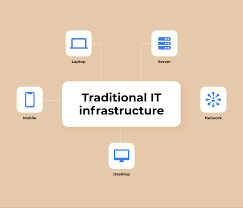
From hardware such as servers, computers, and networking equipment to software applications and databases, a well-designed IT infrastructure provides the foundation for seamless communication, data management, and operational efficiency.

Key Components of IT Infrastructure

Key components of IT infrastructure include:

  • Hardware: Servers, workstations, routers, switches, and other physical devices that support IT operations.
  • Software: Operating systems, applications, databases, and other software tools that enable business processes.
  • Networking: Infrastructure such as routers, switches, firewalls, and network cables that facilitate communication between devices.
  • Data Storage: Systems for storing and managing data securely and efficiently.
  • Security Measures: Tools and protocols to protect data from unauthorized access or cyber threats.

The Benefits of a Strong IT Infrastructure

A well-designed IT infrastructure offers numerous benefits to businesses:

  • Improved Efficiency: Streamlined processes and automated tasks lead to increased productivity.
  • Enhanced Communication: Seamless communication channels enable collaboration among employees and departments.
  • Data Security: Robust security measures protect sensitive information from cyber threats.
  • Better Decision-Making: Access to real-time data allows for informed decision-making at all levels of the organization.

The Future of IT Infrastructure

As technology continues to evolve rapidly, businesses must adapt their IT infrastructure to meet changing demands. Cloud computing, artificial intelligence (AI), Internet of Things (IoT), and other emerging technologies are reshaping the way organizations operate.

In conclusion, investing in a reliable and scalable IT infrastructure is crucial for businesses looking to stay competitive in today’s fast-paced digital landscape. By leveraging the power of technology effectively, organizations can drive innovation, improve operational efficiency, and achieve sustainable growth in the long run.


6 Essential Tips for Maintaining a Secure and Efficient IT Infrastructure

  1. Regularly update software and firmware to ensure security patches are in place.
  2. Implement strong password policies and consider multi-factor authentication for added security.
  3. Backup data regularly and store it securely offsite to protect against data loss.
  4. Monitor network traffic for any unusual activity that may indicate a security breach.
  5. Document your IT infrastructure setup and procedures to facilitate troubleshooting and maintenance.
  6. Consider implementing virtualization technology to optimize resource utilization and scalability.

Regularly update software and firmware to ensure security patches are in place.

Regularly updating software and firmware is a critical aspect of maintaining a secure IT infrastructure. By staying current with updates, organizations can ensure that security patches are promptly applied to address vulnerabilities and protect against potential cyber threats. These updates not only enhance the overall security posture of the system but also help in safeguarding sensitive data and maintaining the integrity of operations. Prioritizing software and firmware updates demonstrates a proactive approach to cybersecurity and minimizes the risk of exploitation by malicious actors.

Implement strong password policies and consider multi-factor authentication for added security.

Implementing strong password policies and considering multi-factor authentication are crucial steps in enhancing IT infrastructure security. By enforcing complex password requirements, such as length, complexity, and regular changes, organizations can significantly reduce the risk of unauthorized access to sensitive data. Additionally, implementing multi-factor authentication adds an extra layer of security by requiring users to provide multiple forms of verification before accessing systems or applications. These measures help safeguard against potential cyber threats and ensure that critical business information remains protected.

Backup data regularly and store it securely offsite to protect against data loss.

Regularly backing up data and securely storing it offsite is a crucial tip for maintaining a robust IT infrastructure. In the event of data loss due to hardware failure, cyber attacks, or natural disasters, having secure offsite backups ensures that critical information can be recovered swiftly and effectively. By implementing a reliable backup strategy, businesses can safeguard their valuable data assets and minimize the risk of disruptions that could impact operations and productivity.

Monitor network traffic for any unusual activity that may indicate a security breach.

Monitoring network traffic for any unusual activity is a critical aspect of maintaining a secure IT infrastructure. By keeping a close eye on data flow and communication patterns within the network, IT professionals can quickly identify potential security breaches or unauthorized access attempts. Unusual spikes in traffic, unfamiliar IP addresses, or suspicious data transfers could be early signs of a cyber threat. Proactive monitoring allows organizations to respond promptly to any security incidents, minimizing the risk of data breaches and protecting sensitive information from malicious actors.

Document your IT infrastructure setup and procedures to facilitate troubleshooting and maintenance.

Documenting your IT infrastructure setup and procedures is a critical step in ensuring smooth troubleshooting and maintenance processes. By maintaining detailed documentation, including network configurations, hardware specifications, software installations, and operational procedures, IT teams can quickly identify issues, implement solutions efficiently, and minimize downtime. Clear documentation also helps new team members familiarize themselves with the infrastructure and promotes consistency in system management practices. Overall, thorough documentation plays a vital role in enhancing the reliability and effectiveness of IT operations within an organization.

Consider implementing virtualization technology to optimize resource utilization and scalability.

Consider implementing virtualization technology to optimize resource utilization and scalability in your IT infrastructure. Virtualization allows you to create virtual instances of servers, storage, and networks, enabling more efficient use of hardware resources and easier scalability as your business grows. By consolidating multiple virtual machines on a single physical server, you can reduce costs, improve flexibility, and enhance overall performance. Virtualization technology is a powerful tool that can help streamline operations and adapt quickly to changing business needs in a dynamic digital environment.