cfchris.com

Loading

land development software

Transforming Urban Planning with Advanced Land Development Software Solutions

The Role of Land Development Software in Modern Urban Planning

The Role of Land Development Software in Modern Urban Planning

In today’s rapidly evolving world, urban planning plays a crucial role in shaping sustainable and efficient cities. With the increasing need for smart development solutions, land development software has become an indispensable tool for urban planners, architects, and developers.

Land development software offers a wide range of functionalities that streamline the planning and design process. From site analysis to conceptual design and project management, these tools provide comprehensive support throughout the entire development lifecycle.

Key Features of Land Development Software:

  • Site Analysis: Utilizing GIS data and mapping tools to assess site characteristics such as topography, soil composition, and environmental constraints.
  • Conceptual Design: Creating 2D and 3D models to visualize proposed developments and analyze their impact on the surrounding environment.
  • Zoning Compliance: Ensuring that proposed projects comply with local zoning regulations and land use ordinances.
  • Infrastructure Planning: Designing transportation networks, utilities, and other essential infrastructure elements to support future developments.
  • Environmental Impact Assessment: Evaluating the environmental implications of proposed projects to minimize negative effects on ecosystems and natural resources.

The Benefits of Using Land Development Software:

By leveraging land development software, urban planners can achieve the following benefits:

  • Efficiency: Streamlining the planning process and reducing time spent on manual tasks.
  • Accuracy: Enhancing data accuracy through advanced mapping and analysis tools.
  • Sustainability: Promoting sustainable development practices by optimizing resource utilization and minimizing environmental impact.
  • Collaboration: Facilitating collaboration among stakeholders by providing a centralized platform for sharing project information.

In conclusion, land development software plays a pivotal role in modern urban planning by enabling professionals to create smarter, more sustainable cities. As technology continues to advance, these tools will become increasingly essential for shaping the future of our urban environments.


Understanding Land Development Software: Key Features, Benefits, and Integration for Sustainable Urban Planning

  1. What is land development software and what does it do?
  2. How can land development software help streamline the urban planning process?
  3. What are the key features and functionalities of land development software?
  4. Is land development software compatible with other planning and design tools?
  5. How does land development software contribute to sustainable and efficient city planning?

What is land development software and what does it do?

Land development software is a specialized tool designed to assist urban planners, architects, and developers in the planning and design of land development projects. This software encompasses a range of features that enable users to analyze site characteristics, create conceptual designs, ensure compliance with zoning regulations, plan infrastructure elements, and assess environmental impacts. By providing a comprehensive suite of functionalities, land development software streamlines the development process, enhances efficiency, promotes sustainability, and facilitates collaboration among stakeholders. Ultimately, this software plays a vital role in shaping sustainable and efficient urban environments by leveraging advanced technology to optimize the planning and design of land development projects.

How can land development software help streamline the urban planning process?

Land development software plays a crucial role in streamlining the urban planning process by providing tools and functionalities that enhance efficiency and accuracy. By utilizing features such as site analysis, conceptual design, zoning compliance checks, infrastructure planning, and environmental impact assessments, urban planners can make informed decisions and visualize proposed developments effectively. This software enables professionals to optimize resource utilization, minimize errors, and collaborate seamlessly with stakeholders, ultimately leading to more sustainable and well-planned urban environments.

What are the key features and functionalities of land development software?

Land development software offers a comprehensive set of key features and functionalities essential for efficient urban planning and development. These tools typically include site analysis capabilities that leverage GIS data for assessing site characteristics, conceptual design modules for creating visual representations of proposed projects, zoning compliance checks to ensure adherence to local regulations, infrastructure planning tools for designing essential utilities and transportation networks, and environmental impact assessment functionalities to evaluate the ecological implications of developments. By integrating these features, land development software empowers planners and developers to make informed decisions, streamline processes, and create sustainable urban environments.

Is land development software compatible with other planning and design tools?

Land development software is designed to be compatible with a variety of planning and design tools commonly used in the industry. Integration capabilities allow users to seamlessly transfer data between different software platforms, ensuring continuity and efficiency in the planning process. By enabling interoperability with other tools, land development software enhances collaboration among stakeholders and promotes a more holistic approach to urban planning and design projects.

How does land development software contribute to sustainable and efficient city planning?

Land development software significantly contributes to sustainable and efficient city planning by providing urban planners with powerful tools to analyze, design, and manage development projects. These software solutions enable planners to conduct in-depth site analysis, assess environmental impacts, and optimize resource allocation. By leveraging data-driven insights and advanced modeling capabilities, land development software helps identify opportunities for sustainable growth while minimizing negative effects on the environment. This technology facilitates collaboration among stakeholders, streamlines decision-making processes, and ensures that urban developments align with long-term sustainability goals. Ultimately, land development software plays a crucial role in creating resilient cities that are environmentally conscious, economically viable, and socially inclusive.

learn software development

Mastering Software Development: A Guide to Learning and Growing in the Tech World

Article: Learn Software Development

The Importance of Learning Software Development

Software development is a crucial skill in today’s digital age. As technology continues to advance rapidly, the demand for skilled software developers is higher than ever. Whether you are a beginner looking to start a career in tech or an experienced professional seeking to enhance your skills, learning software development can open up a world of opportunities.

Benefits of Learning Software Development

**High Demand**: Companies across various industries are constantly seeking talented software developers to create applications, websites, and other digital solutions.

**Lucrative Career**: Software developers often enjoy competitive salaries and numerous job prospects. The tech industry offers great potential for career growth and advancement.

**Creativity**: Software development allows you to unleash your creativity by building innovative solutions that solve real-world problems.

How to Get Started

If you are interested in learning software development, there are several paths you can take:

  • **Online Courses**: Platforms like Coursera, Udemy, and Codecademy offer a wide range of courses on programming languages and software development concepts.
  • **Bootcamps**: Coding bootcamps provide intensive training programs that can help you quickly gain the skills needed to start a career in software development.
  • **Self-Study**: There are plenty of resources available online, including tutorials, documentation, and forums where you can learn at your own pace.

Tips for Success

To succeed in software development, consider the following tips:

  1. **Practice Regularly**: The more you code, the better you will become. Practice coding daily to improve your skills.
  2. **Build Projects**: Create your own projects to apply what you have learned and showcase your abilities to potential employers.

Conclusion

Learning software development is a rewarding journey that can lead to a fulfilling and successful career. By acquiring programming skills and staying updated on industry trends, you can position yourself as a valuable asset in the tech world. Start learning today and unlock endless possibilities in the field of software development!


Top 8 FAQs About Learning Software Development: Skills, Time, and Self-Study

  1. How can I learn to develop software?
  2. How hard is it to learn software development?
  3. How long does it take to learn to be a software developer?
  4. Can I teach myself software development?
  5. Can I learn software development in 6 months?
  6. What are 3 skills you need to be a software developer?
  7. Is C++ enough for software development?
  8. How much time does it take to learn software development?

How can I learn to develop software?

Learning to develop software is a common goal for many individuals seeking to enter the tech industry or enhance their skill set. To learn software development effectively, one can start by exploring online courses on platforms like Coursera or Udemy, enrolling in coding bootcamps for intensive training, or engaging in self-study using resources such as tutorials and forums. It is crucial to practice coding regularly and build projects to apply theoretical knowledge practically. By immersing oneself in coding exercises and real-world projects, aspiring software developers can gradually master the skills needed to succeed in this dynamic field.

How hard is it to learn software development?

Learning software development can vary in difficulty depending on individual aptitude, dedication, and the complexity of the programming languages and concepts being studied. While some may find it challenging to grasp coding principles and algorithms initially, consistent practice, problem-solving skills, and a growth mindset can significantly aid in overcoming hurdles. Breaking down complex concepts into manageable parts and seeking guidance from experienced developers or online resources can also make the learning process more accessible. Ultimately, with persistence and a willingness to learn, mastering software development is achievable for anyone willing to put in the effort.

How long does it take to learn to be a software developer?

Learning to be a software developer is a journey that varies in duration depending on individual factors such as prior experience, dedication, and learning pace. While some people may acquire the necessary skills to become a proficient software developer in a few months through intensive study and practice, others may take several years to reach the same level. Consistent effort, hands-on experience, and continuous learning are key elements in the process of mastering software development. It’s important to remember that becoming a skilled software developer is not just about the time it takes but also about the quality of learning and practical application of knowledge.

Can I teach myself software development?

Many aspiring developers wonder, “Can I teach myself software development?” The answer is a resounding yes. With the abundance of online resources, tutorials, and practice platforms available today, self-learning software development is not only possible but also increasingly common. By dedicating time and effort to studying programming languages, practicing coding exercises, and building projects, individuals can acquire the skills needed to become proficient software developers. Self-taught developers often demonstrate strong problem-solving abilities and a passion for continuous learning, making self-teaching a viable path to success in the field of software development.

Can I learn software development in 6 months?

Learning software development in 6 months is a common goal for many aspiring developers. While it is possible to acquire a solid foundation in programming concepts and languages within this timeframe, becoming proficient and job-ready may require continued practice and learning beyond the initial 6 months. The key factors that contribute to success in learning software development include dedication, consistency, and the willingness to tackle challenges. Setting realistic expectations and staying committed to continuous improvement can help individuals make significant progress in their software development journey within the 6-month timeframe.

What are 3 skills you need to be a software developer?

To become a successful software developer, there are three essential skills you need to master. Firstly, proficiency in programming languages such as Java, Python, or C++ is crucial for writing efficient and functional code. Secondly, problem-solving skills are vital as software developers often encounter complex issues that require logical thinking and analytical problem-solving abilities. Lastly, strong communication skills are key for collaborating with team members, understanding project requirements, and effectively conveying technical concepts to non-technical stakeholders. By honing these three skills, aspiring software developers can pave the way for a rewarding career in the tech industry.

Is C++ enough for software development?

Whether C++ is enough for software development is a common question among aspiring developers. While C++ is a powerful and versatile programming language with a wide range of applications, the answer depends on the specific requirements of the project or industry. C++ is commonly used in areas such as game development, system programming, and high-performance applications. However, modern software development often involves multiple languages and technologies to meet diverse needs. It is beneficial for developers to have a strong foundation in C++ but also be open to learning other languages and frameworks to stay competitive in the ever-evolving tech landscape.

How much time does it take to learn software development?

Learning software development is a process that varies greatly depending on individual circumstances, such as prior experience, dedication, and the specific areas of software development one aims to master. While some may acquire basic coding skills in a matter of weeks through intensive study, becoming proficient in software development typically requires months to years of consistent learning and practice. Continuous learning is crucial in this field due to its ever-evolving nature, with new technologies and methodologies emerging regularly. Ultimately, the time it takes to learn software development is subjective and depends on the individual’s goals and commitment to mastering this valuable skill set.

programming development

Exploring the Exciting World of Programming Development

The World of Programming Development

The World of Programming Development

Programming development is a dynamic and ever-evolving field that plays a crucial role in shaping the digital world we live in today. From creating websites and mobile applications to developing complex software systems, programming development encompasses a wide range of activities that require creativity, problem-solving skills, and attention to detail.

The Importance of Programming Development

In today’s technology-driven era, programming development is essential for businesses and individuals looking to stay competitive and relevant. Whether it’s automating repetitive tasks, analyzing data to make informed decisions, or enhancing user experiences through intuitive interfaces, programming development empowers us to leverage the power of technology to achieve our goals.

The Evolution of Programming Languages

Over the years, programming languages have evolved to meet the changing needs of developers and users. From classic languages like C and Java to modern languages such as Python and JavaScript, each language has its strengths and weaknesses that make it suitable for different types of projects. The choice of programming language often depends on factors like project requirements, scalability, performance, and developer preferences.

The Role of Developers in Programming Development

Developers are the architects behind every software application and digital solution. Their expertise in coding, debugging, testing, and deploying applications is instrumental in bringing ideas to life and delivering value to users. Skilled developers possess a deep understanding of algorithms, data structures, design patterns, and best practices that enable them to write efficient and maintainable code.

The Future of Programming Development

As technology continues to advance at a rapid pace, the future of programming development holds exciting possibilities. Emerging trends like artificial intelligence, machine learning, blockchain technology, and Internet of Things (IoT) are reshaping the way we interact with software systems and devices. Developers who embrace these technologies and adapt to changing industry trends will be well-positioned to drive innovation and create impactful solutions for tomorrow’s challenges.

Programming development is not just about writing code; it’s about transforming ideas into reality through innovation and collaboration. Whether you’re a seasoned developer or just starting your journey in programming, the world of programming development offers endless opportunities for learning, growth, and creativity.


Understanding Programming and Development: Key Differences and Processes

  1. What is programming vs coding?
  2. What are the 7 steps in program development?
  3. What is programming and development?
  4. What is development in programming?
  5. What is the difference between programming and software development?

What is programming vs coding?

In the realm of programming development, a common question that often arises is the distinction between programming and coding. While coding typically refers to the act of writing specific instructions in a programming language to create a software application or script, programming encompasses a broader scope of activities. Programming involves not only writing code but also designing algorithms, planning the structure of a program, debugging errors, and optimizing performance. In essence, coding is a part of programming, with programming encompassing a more comprehensive approach to developing software solutions that meet specific requirements and solve complex problems effectively.

What are the 7 steps in program development?

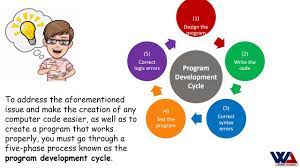
In programming development, the process typically involves several key steps to ensure the successful creation and implementation of software solutions. The 7 steps in program development commonly include: 1) Understanding the problem or requirements, 2) Planning and designing the solution, 3) Writing code to implement the solution, 4) Testing the code for errors and bugs, 5) Debugging and fixing issues, 6) Documenting the code and system for future reference, and 7) Deploying the final product. Each step plays a crucial role in the development lifecycle, guiding developers through a structured approach to deliver efficient and reliable software applications.

What is programming and development?

Programming and development refer to the process of creating software applications, websites, and digital solutions using programming languages and tools. Programming involves writing code that instructs computers to perform specific tasks, while development encompasses the entire lifecycle of a software project, including planning, designing, coding, testing, and deploying the final product. In essence, programming and development are essential disciplines that enable us to harness the power of technology to solve problems, automate processes, and innovate in today’s digital age.

What is development in programming?

Development in programming refers to the process of creating, designing, implementing, and maintaining software applications or systems using programming languages and tools. It involves translating a concept or idea into a functional and executable program that can perform specific tasks or solve particular problems. Development in programming encompasses various stages, including planning, coding, testing, debugging, and deployment. Developers play a crucial role in the development process by writing code, building algorithms, integrating components, and ensuring that the software meets the desired requirements and objectives. Overall, development in programming is a systematic and iterative approach to building software solutions that drive innovation and enhance user experiences in the digital landscape.

What is the difference between programming and software development?

The key distinction between programming and software development lies in their scope and focus. Programming primarily involves writing code to create specific functionalities within a software application or system. It focuses on the technical aspects of implementing algorithms, logic, and instructions to achieve desired outcomes. On the other hand, software development encompasses a broader process that includes not only programming but also planning, designing, testing, and maintaining software products or systems. Software development involves a more comprehensive approach that considers the entire lifecycle of a software project, from conceptualization to deployment and ongoing support. In essence, while programming is a fundamental component of software development, the latter involves a more holistic view that incorporates various disciplines and stages beyond just writing code.

developer

Mastering the Art of Becoming a Skilled Developer

The World of Developers

The World of Developers

In today’s digital age, developers play a crucial role in shaping the technological landscape. A developer is a creative problem solver who uses programming languages to build software, websites, applications, and more. They are the architects behind the digital innovations that drive our modern world.

Types of Developers

Developers come in various specialties, each focusing on different aspects of technology:

  • Front-End Developers: These developers specialize in creating the user interface and experience of websites and applications.
  • Back-End Developers: Back-end developers work on the server-side of applications, managing databases and ensuring smooth functionality.
  • Full-Stack Developers: Full-stack developers have expertise in both front-end and back-end development, allowing them to work on all aspects of a project.
  • Mobile App Developers: These developers focus on creating applications specifically for mobile devices, such as smartphones and tablets.
  • Software Engineers: Software engineers design and develop complex software systems, often working on large-scale projects.

The Skills of a Developer

To excel as a developer, one must possess a combination of technical skills and soft skills:

  • Programming Languages: Developers are proficient in languages such as JavaScript, Python, Java, C++, and more.
  • Problem-Solving: Developers are adept at analyzing problems and finding efficient solutions through code.
  • Creativity: Creativity is essential for designing engaging user interfaces and innovative solutions.
  • Collaboration: Developers often work in teams, requiring strong communication and collaboration skills.
  • Continuous Learning: Technology evolves rapidly, so developers must stay updated with the latest trends and tools.

The Future of Development

The demand for skilled developers continues to grow as technology becomes increasingly integrated into every aspect of our lives. From artificial intelligence to blockchain to augmented reality, developers will drive the next wave of innovation that shapes our future. Aspiring developers have a world of opportunities ahead as they embark on their journey to create the technologies that will define tomorrow.


5 Essential Tips for Developers to Enhance Skills and Collaborate Effectively

  1. Stay updated with the latest technologies and trends in the industry.
  2. Practice coding regularly to improve your skills and problem-solving abilities.
  3. Collaborate with other developers to learn from each other and work on projects together.
  4. Document your code properly to make it easier for yourself and others to understand and maintain in the future.
  5. Don’t be afraid to ask for help when you encounter challenges or need guidance.

Staying updated with the latest technologies and trends in the industry is essential for developers to remain competitive and relevant in today’s fast-paced digital landscape. By keeping abreast of new tools, programming languages, and innovations, developers can enhance their skills, stay ahead of the curve, and deliver cutting-edge solutions to meet the ever-evolving needs of clients and users. Continuous learning and adaptation to industry trends not only ensure professional growth but also enable developers to contribute effectively to the advancement of technology.

Practice coding regularly to improve your skills and problem-solving abilities.

To enhance your skills and problem-solving capabilities as a developer, it is essential to practice coding regularly. By consistently engaging in coding exercises and projects, you not only reinforce your understanding of programming concepts but also sharpen your ability to tackle complex problems efficiently. Regular practice not only hones your technical proficiency but also cultivates a mindset of continuous learning and improvement, enabling you to stay ahead in the dynamic field of software development.

Collaborate with other developers to learn from each other and work on projects together.

Collaborating with other developers is a valuable tip that can greatly enhance your skills and knowledge in the field. By working together on projects and sharing insights, you have the opportunity to learn from each other’s experiences, techniques, and perspectives. This collaborative approach not only fosters a sense of community within the developer community but also opens doors to new ideas and innovative solutions that you may not have discovered on your own. Embracing collaboration with fellow developers can lead to personal growth, improved problem-solving abilities, and the creation of more robust and successful projects.

Document your code properly to make it easier for yourself and others to understand and maintain in the future.

Properly documenting your code is a crucial practice for developers to enhance the readability and maintainability of their work. By providing clear and concise comments and explanations within the code, developers not only make it easier for themselves to revisit and understand their own work in the future but also facilitate collaboration with team members or other developers who may need to work on the same codebase. Documentation serves as a roadmap that guides readers through the logic and functionality of the code, ensuring that its purpose and implementation are transparent and comprehensible.

Don’t be afraid to ask for help when you encounter challenges or need guidance.

When navigating the complex world of development, it is essential to remember that asking for help is not a sign of weakness, but rather a demonstration of strength and a commitment to growth. Seeking guidance when faced with challenges can lead to valuable insights, innovative solutions, and personal development. Embracing the opportunity to learn from others in the developer community fosters collaboration, enhances skills, and ultimately contributes to success in overcoming obstacles.

software development projects

Exploring the Impact of Agile Methodologies in Software Development Projects

Article: Software Development Projects

The Importance of Software Development Projects

Software development projects play a crucial role in today’s digital world. From creating mobile applications to building enterprise software systems, these projects drive innovation and enable businesses to stay competitive in a rapidly evolving market.

Key Phases of Software Development Projects

Software development projects typically go through several key phases:

  1. Planning: This phase involves defining project goals, scope, and requirements. It sets the foundation for the entire project.
  2. Design: In this phase, developers create a blueprint of the software solution, including architecture, user interface design, and data structures.
  3. Development: The actual coding and implementation of the software take place in this phase. Developers bring the design to life through programming.
  4. Testing: Quality assurance is critical to ensure that the software functions as intended. Testing helps identify and fix bugs and issues before deployment.
  5. Deployment: Once the software is tested and approved, it is deployed to production environments for end-users to access and utilize.
  6. Maintenance: Post-deployment, ongoing maintenance and updates are necessary to keep the software running smoothly and address any new requirements or issues that arise.

The Role of Project Management in Software Development

Effective project management is essential for the success of software development projects. Project managers oversee scheduling, resource allocation, risk management, and communication among team members to ensure timely delivery within budget constraints.

The Impact of Agile Methodologies

In recent years, agile methodologies have gained popularity in software development projects due to their iterative approach that emphasizes flexibility and collaboration. Agile allows teams to adapt to changing requirements and deliver incremental improvements throughout the project lifecycle.

In Conclusion

Software development projects are dynamic endeavors that require careful planning, skilled execution, and continuous adaptation. By embracing best practices in project management and leveraging innovative technologies, organizations can successfully deliver high-quality software solutions that meet user needs and drive business growth.


Essential FAQs About Software Development Projects: Phases, Challenges, and Best Practices

  1. What is a software development project?
  2. What are the key phases of a software development project?
  3. How important is project planning in software development projects?
  4. What role does testing play in software development projects?
  5. How do agile methodologies impact software development projects?
  6. What are the common challenges faced in software development projects?
  7. How can project management tools help streamline software development projects?
  8. What are the best practices for successful completion of software development projects?

What is a software development project?

A software development project refers to a structured endeavor aimed at creating, designing, and implementing software solutions to address specific needs or requirements. It involves a series of planned activities, such as defining project goals, gathering requirements, coding, testing, and deployment. Software development projects require collaboration among developers, designers, testers, and project managers to ensure the successful delivery of high-quality software products that meet user expectations and business objectives. Effective project management practices play a crucial role in overseeing the project’s progress, resource allocation, risk mitigation, and timely completion within budget constraints.

What are the key phases of a software development project?

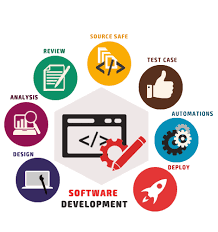
In software development projects, the key phases typically include planning, design, development, testing, deployment, and maintenance. During the planning phase, project goals, scope, and requirements are defined to establish a solid foundation. The design phase involves creating a blueprint of the software solution, encompassing architecture and user interface design. Development is where the actual coding and implementation take place. Testing is crucial for quality assurance to identify and rectify any issues before deployment. Once tested and approved, the software is deployed for end-users to access. Maintenance follows post-deployment to ensure ongoing functionality and address any new requirements or challenges that may arise. These phases are essential for a successful software development project from inception to maintenance.

How important is project planning in software development projects?

Project planning is a critical aspect of software development projects as it sets the foundation for success. Proper project planning helps define project goals, scope, timelines, and resource requirements, ensuring that all stakeholders are aligned and aware of the project’s objectives. By creating a detailed project plan, teams can effectively manage risks, allocate resources efficiently, and establish a roadmap for the development process. Effective project planning in software development projects enhances communication, minimizes delays, and increases the likelihood of delivering high-quality software solutions that meet user expectations.

What role does testing play in software development projects?

Testing plays a crucial role in software development projects as it ensures the quality, reliability, and functionality of the software being developed. By systematically evaluating the software against predefined requirements and use cases, testing helps identify defects, bugs, and potential issues early in the development process. This proactive approach not only improves the overall quality of the software but also reduces the likelihood of costly errors in production. Testing also provides valuable feedback to developers, enabling them to make necessary improvements and enhancements before final deployment. In essence, testing is an integral part of software development projects that ultimately contributes to delivering a successful and user-friendly product.

How do agile methodologies impact software development projects?

Agile methodologies have a significant impact on software development projects by promoting a collaborative and iterative approach to project management. Unlike traditional waterfall methods, agile allows for flexibility and adaptability throughout the development process. By breaking down the project into smaller, manageable tasks called sprints, agile teams can deliver incremental improvements and respond quickly to changing requirements. This results in enhanced communication, increased transparency, and higher levels of stakeholder engagement, ultimately leading to more efficient project delivery and higher-quality software products.

What are the common challenges faced in software development projects?

In software development projects, several common challenges are frequently encountered. These challenges may include scope creep, where project requirements expand beyond the initial plan, leading to delays and increased costs. Communication gaps among team members or stakeholders can also hinder progress and result in misunderstandings. Tight deadlines and unrealistic expectations can put pressure on the team, affecting the quality of deliverables. Additionally, changing technology landscapes and evolving user needs may require constant adaptation, making it crucial to stay agile and responsive throughout the project lifecycle. Addressing these challenges proactively with effective planning, communication strategies, and risk management can help mitigate their impact on software development projects.

How can project management tools help streamline software development projects?

Project management tools play a crucial role in streamlining software development projects by providing teams with centralized platforms to plan, track, and collaborate effectively. These tools offer features such as task assignment, progress monitoring, resource allocation, and communication channels that enhance productivity and coordination among team members. By utilizing project management tools, teams can establish clear timelines, identify dependencies, manage risks, and ensure that project milestones are met efficiently. Additionally, these tools facilitate transparency and accountability throughout the project lifecycle, enabling stakeholders to stay informed and make data-driven decisions to optimize project outcomes.

What are the best practices for successful completion of software development projects?

When it comes to ensuring the successful completion of software development projects, following best practices is essential. Key strategies include thorough project planning to define clear goals and requirements, effective communication among team members and stakeholders, regular testing to identify and address issues early on, prioritizing collaboration and flexibility through agile methodologies, and diligent project management to track progress, allocate resources efficiently, and mitigate risks. By adhering to these best practices, software development projects are more likely to achieve their objectives within the specified time frame and budget while delivering high-quality solutions that meet user needs.

custom application development

Unlocking Business Potential with Custom Application Development

Custom Application Development

The Power of Custom Application Development

In today’s fast-paced digital world, businesses are constantly seeking ways to stay ahead of the competition. Custom application development has emerged as a powerful tool for companies looking to streamline processes, enhance productivity, and deliver unique user experiences.

Benefits of Custom Applications

Custom applications are tailored to meet the specific needs of a business. Unlike off-the-shelf solutions, custom applications are designed from the ground up to align with the company’s goals and requirements. This customization offers several key benefits:

  • Enhanced Efficiency: Custom applications are built to automate tasks and workflows, reducing manual effort and improving operational efficiency.
  • Scalability: Custom applications can easily scale with your business as it grows, ensuring that your software remains relevant and effective.
  • Competitive Advantage: By developing unique software solutions, businesses can differentiate themselves in the market and gain a competitive edge.
  • Bespoke User Experience: Custom applications can be designed with the end-user in mind, providing a seamless and intuitive experience that boosts user satisfaction.
  • Data Security: With custom applications, businesses have greater control over data security measures, reducing the risk of breaches and ensuring compliance with industry regulations.

The Development Process

The process of custom application development typically involves several stages, including:

  1. Requirements Gathering: Understanding the business needs and objectives that the application will address.
  2. Design: Creating wireframes and mockups to visualize the application’s layout and features.
  3. Development: Writing code to build the application according to the design specifications.
  4. Testing: Conducting thorough testing to identify and fix any bugs or issues before deployment.
  5. Deployment: Rolling out the application for users to access and interact with.

In Conclusion

Custom application development offers businesses a tailored approach to software solutions that can drive growth, improve efficiency, and enhance competitiveness. By investing in custom applications, companies can unlock new opportunities for innovation and success in today’s digital landscape.


9 Essential Tips for Successful Custom Application Development

  1. Clearly define the project requirements before starting development.
  2. Use a version control system to track changes and collaborate with team members.
  3. Follow coding best practices and maintain clean, well-documented code.
  4. Regularly test the application for bugs and performance issues throughout the development process.
  5. Consider scalability and future expansion when designing the application architecture.
  6. Prioritize security measures to protect user data and prevent vulnerabilities.
  7. Incorporate user feedback during development to ensure the application meets their needs.
  8. Optimize the application for speed and responsiveness to enhance user experience.
  9. Plan for regular maintenance and updates post-launch to keep the application running smoothly.

Clearly define the project requirements before starting development.

It is crucial to clearly define the project requirements before embarking on custom application development. By establishing a comprehensive understanding of the business needs, goals, and desired functionalities at the outset, developers can ensure that the final product aligns perfectly with the client’s expectations. This initial step sets a solid foundation for the development process, helping to streamline workflow, minimize revisions, and ultimately deliver a custom application that meets all specifications effectively and efficiently.

Use a version control system to track changes and collaborate with team members.

Utilizing a version control system is a crucial tip in custom application development. By implementing a version control system, developers can effectively track changes made to the codebase, maintain a history of revisions, and collaborate seamlessly with team members. This practice not only ensures better organization and documentation of the development process but also facilitates teamwork by enabling multiple developers to work on the same codebase concurrently without the risk of conflicts. Overall, incorporating a version control system enhances efficiency, transparency, and coordination within the development team, leading to smoother project management and higher-quality custom applications.

Follow coding best practices and maintain clean, well-documented code.

Following coding best practices and maintaining clean, well-documented code is essential in custom application development. By adhering to established coding standards and keeping the codebase organized and well-documented, developers can ensure better readability, maintainability, and scalability of the application. Clean code not only makes it easier for team members to collaborate and troubleshoot issues but also reduces the risk of errors and technical debt in the long run. Embracing these practices from the outset of a project can lead to more efficient development processes and higher-quality software solutions.

Regularly test the application for bugs and performance issues throughout the development process.

Regularly testing the application for bugs and performance issues throughout the development process is crucial for ensuring the quality and reliability of the custom software. By conducting thorough and systematic testing at each stage of development, developers can identify and address any issues early on, preventing them from escalating into more significant problems later. This proactive approach not only helps in delivering a robust and error-free application but also enhances user satisfaction by providing a smooth and seamless experience.

Consider scalability and future expansion when designing the application architecture.

When embarking on custom application development, it is crucial to consider scalability and future expansion when designing the application architecture. By anticipating potential growth and changes in user requirements, developers can create a flexible and robust framework that can easily accommodate future needs. Building a scalable architecture ensures that the application can adapt to increasing data volumes, user traffic, and new features without requiring a complete overhaul. This proactive approach not only future-proofs the application but also saves time and resources in the long run by minimizing the need for extensive rework or redevelopment.

Prioritize security measures to protect user data and prevent vulnerabilities.

In custom application development, it is crucial to prioritize security measures to safeguard user data and prevent vulnerabilities. By implementing robust security protocols and staying vigilant against potential threats, businesses can instill trust among users and ensure the confidentiality and integrity of sensitive information. Prioritizing security not only protects the organization from data breaches but also demonstrates a commitment to maintaining a secure and reliable application environment for users.

Incorporate user feedback during development to ensure the application meets their needs.

Incorporating user feedback during the development process of a custom application is crucial to ensuring that the final product meets the specific needs and expectations of its intended users. By actively engaging with users and soliciting their input throughout the development cycle, developers can gain valuable insights that help refine features, enhance usability, and address any pain points early on. This iterative approach not only fosters a deeper understanding of user requirements but also increases the likelihood of delivering a successful and user-centric application that resonates with its target audience.

Optimize the application for speed and responsiveness to enhance user experience.

To ensure a superior user experience, it is crucial to optimize the custom application for speed and responsiveness. By focusing on performance enhancements, such as minimizing loading times and ensuring smooth interactions, users can enjoy a seamless and efficient experience while using the application. Prioritizing speed and responsiveness not only improves user satisfaction but also reflects positively on the overall usability and effectiveness of the custom application.

Plan for regular maintenance and updates post-launch to keep the application running smoothly.

It is crucial to plan for regular maintenance and updates post-launch when developing custom applications. By implementing a structured maintenance schedule, businesses can ensure that their application continues to run smoothly and efficiently over time. Regular updates not only address any potential issues or bugs but also allow for the integration of new features, enhancements, and security patches to keep the application up-to-date and aligned with evolving business needs. This proactive approach to maintenance helps maximize the longevity and performance of the custom application, ultimately contributing to its long-term success.

computer software development

Exploring the Evolution of Computer Software Development

Computer Software Development

The World of Computer Software Development

Computer software development is a dynamic and ever-evolving field that plays a crucial role in shaping the digital landscape of today’s world. It involves the creation, design, testing, and maintenance of software applications that run on various devices, from computers to smartphones and beyond.

The Process of Software Development

Software development typically follows a structured process that includes several key stages:

  1. Planning: This stage involves defining the project scope, requirements, and objectives.
  2. Design: Developers create a blueprint for the software based on the requirements gathered during the planning phase.
  3. Implementation: The actual coding of the software takes place during this phase, where developers bring the design to life.
  4. Testing: Rigorous testing is conducted to ensure that the software functions as intended and is free of bugs or errors.
  5. Deployment: The software is released to users after successful testing and approval.
  6. Maintenance: Ongoing updates, bug fixes, and improvements are made to ensure that the software remains functional and up-to-date.

The Role of Developers

Software developers are at the heart of the software development process. They possess expertise in programming languages such as Java, C++, Python, and more, allowing them to write code that powers applications across various platforms.

In addition to technical skills, developers must also have problem-solving abilities, creativity, and attention to detail to create efficient and user-friendly software solutions.

The Future of Software Development

As technology continues to advance at a rapid pace, the field of computer software development shows no signs of slowing down. Emerging trends such as artificial intelligence, machine learning, cloud computing, and Internet of Things (IoT) are reshaping how software is created and utilized.

In this fast-paced industry, staying current with new technologies and best practices is essential for developers to remain competitive and deliver cutting-edge solutions that meet the evolving needs of businesses and consumers alike.

© 2023 Computer Software Development Insights. All rights reserved.


8 Essential Tips for Effective Computer Software Development

  1. Write clean and readable code for better maintainability.
  2. Use version control systems like Git to track changes in your codebase.
  3. Document your code to make it easier for others to understand and use.
  4. Test your code thoroughly to catch bugs early in the development process.
  5. Follow coding standards and best practices to ensure consistency across the project.
  6. Regularly update dependencies and libraries to keep your software secure and up-to-date.
  7. Optimize performance by profiling and refactoring inefficient code sections.
  8. Collaborate with team members through effective communication and regular code reviews.

Write clean and readable code for better maintainability.

Writing clean and readable code is a fundamental tip in computer software development that significantly enhances the maintainability of a project. By adhering to coding best practices and conventions, developers can create code that is easy to understand, modify, and debug. Clean code reduces the likelihood of introducing errors during maintenance tasks and allows for smoother collaboration among team members. Prioritizing readability not only improves the efficiency of future development efforts but also contributes to overall code quality and long-term project success.

Use version control systems like Git to track changes in your codebase.

Utilizing version control systems like Git is crucial in computer software development to efficiently track changes in your codebase. By using Git, developers can easily manage different versions of their code, collaborate with team members seamlessly, and revert to previous versions if needed. This practice not only enhances code organization and collaboration but also ensures the integrity and stability of the software development process.

Document your code to make it easier for others to understand and use.

Documenting your code is a crucial tip in computer software development as it significantly enhances the readability and usability of the codebase for others. By providing clear and concise comments and explanations within the code, developers can effectively communicate the purpose, functionality, and logic behind each component. This practice not only facilitates collaboration among team members but also ensures that future developers can easily grasp the code structure, make necessary modifications, and troubleshoot issues efficiently. Ultimately, thorough documentation serves as a valuable resource that contributes to the overall quality and maintainability of software projects.

Test your code thoroughly to catch bugs early in the development process.

Testing your code thoroughly is a crucial tip in computer software development to catch bugs early in the development process. By conducting rigorous testing, developers can identify and address potential issues before they escalate, ensuring that the software functions as intended and delivers a seamless user experience. Early bug detection not only saves time and resources but also enhances the overall quality and reliability of the final product, ultimately leading to greater customer satisfaction.

Follow coding standards and best practices to ensure consistency across the project.

Following coding standards and best practices is essential in computer software development to maintain consistency and quality throughout the project. By adhering to established guidelines, developers can write code that is more readable, maintainable, and scalable. Consistent coding practices also facilitate collaboration among team members, improve code review processes, and ultimately lead to a more efficient development workflow. Embracing coding standards helps create a solid foundation for the project and promotes a higher level of professionalism in software development endeavors.

Regularly update dependencies and libraries to keep your software secure and up-to-date.

Ensuring the security and efficiency of your software is paramount in computer software development. One crucial tip is to regularly update dependencies and libraries to keep your software secure and up-to-date. By staying current with the latest versions of libraries and dependencies, developers can address vulnerabilities, improve performance, and leverage new features that enhance the overall functionality of the software. This proactive approach not only helps mitigate security risks but also ensures that your software remains competitive in an ever-evolving technological landscape.

Optimize performance by profiling and refactoring inefficient code sections.

To optimize performance in computer software development, it is essential to identify and improve inefficient code sections through profiling and refactoring. Profiling helps developers pinpoint areas of the code that are causing bottlenecks or consuming excessive resources, allowing them to prioritize optimization efforts effectively. Refactoring involves restructuring the code to make it more efficient, readable, and maintainable without changing its external behavior. By regularly profiling and refactoring inefficient code sections, developers can enhance the overall performance and scalability of their software applications.

Collaborate with team members through effective communication and regular code reviews.

Effective collaboration among team members is essential in computer software development. By fostering open communication channels and conducting regular code reviews, developers can ensure that everyone is on the same page and working towards a common goal. Code reviews not only help identify errors and optimize code quality but also provide valuable learning opportunities for team members. Through collaboration and constructive feedback, teams can enhance their productivity, creativity, and overall success in delivering high-quality software solutions.

google android app development

Exploring the World of Google Android App Development

Google Android App Development

The World of Google Android App Development

Google’s Android operating system has become one of the most popular platforms for mobile app development. With its wide user base and powerful capabilities, creating apps for Android devices offers developers a vast opportunity to reach a global audience.

Why Develop for Android?

There are several reasons why developers choose to create apps for the Android platform:

  • Market Share: Android holds a significant market share in the mobile industry, making it an attractive platform for reaching a large number of users.
  • Customization: Android offers extensive customization options, allowing developers to create unique and innovative apps tailored to specific user needs.
  • Open Source: The open-source nature of Android provides developers with flexibility and freedom in app development.
  • Google Ecosystem: Integration with Google services like Maps, Gmail, and Play Store enhances the functionality and reach of Android apps.

The Tools of the Trade

To develop high-quality Android apps, developers typically use tools like:

  • Android Studio: The official IDE for Android app development, offering a range of features and tools to streamline the development process.
  • Java/Kotlin: Programming languages commonly used for building Android apps, providing robust performance and versatility.
  • Android SDK: Software Development Kit containing essential libraries, documentation, and APIs for building Android applications.

The Development Process

The process of developing an Android app typically involves several key stages:

  1. Idea Generation: Defining the app concept, target audience, and key features.
  2. Design & Prototyping: Creating wireframes and mockups to visualize the app’s interface and user experience.
  3. Development: Writing code, implementing features, and testing the app on different devices.
  4. Testing & Debugging: Conducting thorough testing to identify and fix any issues or bugs in the app.
  5. Publishing: Uploading the app to the Google Play Store for distribution to users worldwide.

In Conclusion

In conclusion, Google Android app development offers developers a dynamic platform with vast potential for innovation and growth. By leveraging the tools and resources available within the Android ecosystem, developers can create engaging and impactful apps that resonate with users around the world.


8 Essential Tips for Successful Google Android App Development

  1. Understand the Android app lifecycle
  2. Follow Material Design guidelines for a better user experience
  3. Optimize app performance by reducing memory usage and battery consumption
  4. Use Android Jetpack components to simplify development tasks
  5. Test your app on various devices and screen sizes to ensure compatibility
  6. Implement proper security measures to protect user data
  7. Regularly update your app to fix bugs and introduce new features
  8. Engage with the Android developer community for support and knowledge sharing

Understand the Android app lifecycle

Understanding the Android app lifecycle is crucial for developers aiming to create robust and efficient applications. By comprehending how an Android app transitions through various states such as onCreate, onStart, onResume, onPause, onStop, onDestroy, developers can effectively manage resources, handle user interactions, and ensure a seamless user experience. Being aware of the intricacies of the Android app lifecycle empowers developers to optimize performance, respond to system events appropriately, and design apps that deliver consistent functionality across different devices and operating system versions.

Follow Material Design guidelines for a better user experience

Following Material Design guidelines is essential for creating a better user experience in Google Android app development. By adhering to these guidelines, developers can ensure consistency, usability, and visual appeal in their apps. Material Design principles focus on intuitive interactions, meaningful animations, and a cohesive design language that enhances user engagement. By following these guidelines, developers can create apps that not only look great but also provide a seamless and enjoyable experience for users across different Android devices.

Optimize app performance by reducing memory usage and battery consumption

To enhance the performance of your Google Android app, it is crucial to focus on optimizing memory usage and minimizing battery consumption. By reducing unnecessary memory overhead and implementing efficient coding practices, you can ensure that your app runs smoothly and consumes minimal resources. This optimization not only improves the user experience but also extends the device’s battery life, making your app more sustainable and user-friendly in the long run.

Use Android Jetpack components to simplify development tasks

By utilizing Android Jetpack components, developers can streamline and simplify various development tasks when creating Android apps. Jetpack offers a set of libraries, tools, and guidance to help developers build high-quality apps with less boilerplate code. By leveraging Jetpack components such as LiveData, ViewModel, Room, and Navigation, developers can enhance app performance, maintainability, and scalability while focusing more on creating innovative features and improving user experience.

Test your app on various devices and screen sizes to ensure compatibility

It is crucial to test your app on a variety of devices and screen sizes to guarantee compatibility. By conducting thorough testing across different devices, you can identify any potential issues related to display, functionality, or performance. This practice helps ensure that your app delivers a consistent and seamless user experience regardless of the device it is accessed on, ultimately enhancing user satisfaction and engagement.

Implement proper security measures to protect user data

When developing Google Android apps, it is crucial to implement proper security measures to safeguard user data. By prioritizing data protection, developers can ensure the confidentiality and integrity of sensitive information collected by their apps. This includes utilizing encryption techniques, implementing secure authentication processes, and adhering to best practices for data storage and transmission. By proactively addressing security concerns, developers not only protect their users’ privacy but also build trust and credibility in their app offerings.

Regularly update your app to fix bugs and introduce new features

Ensuring the success and longevity of your Android app requires a commitment to regular updates. By consistently addressing bugs and introducing new features, you not only enhance the user experience but also demonstrate your dedication to providing a polished and reliable product. Regular updates not only help in maintaining user satisfaction but also contribute to the overall growth and success of your app in the competitive market.

Engage with the Android developer community for support and knowledge sharing

Engaging with the Android developer community is a valuable tip for those involved in Google Android app development. By actively participating in forums, attending meetups, and connecting with fellow developers, individuals can access a wealth of support and knowledge sharing opportunities. This collaborative environment not only provides assistance in overcoming challenges but also fosters creativity and innovation through the exchange of ideas and best practices within the community. Embracing this tip can enhance one’s skills, expand their network, and contribute to their overall success in the dynamic field of Android app development.

java software development company

Empowering Businesses: The Role of a Java Software Development Company in Today’s Tech Landscape

Article: Java Software Development Company

The Role of a Java Software Development Company in Today’s Tech World

In the fast-paced world of technology, Java remains a popular programming language for software development. Java’s versatility, platform independence, and robustness make it a top choice for building various applications. This is where a Java software development company plays a crucial role.

What Does a Java Software Development Company Do?

A Java software development company specializes in creating custom software solutions using the Java programming language. These companies have a team of experienced developers who are well-versed in Java and its frameworks. They work closely with clients to understand their requirements and develop tailored solutions that meet their needs.

Benefits of Hiring a Java Software Development Company

There are several benefits to partnering with a Java software development company:

  • Expertise: These companies have skilled developers who have extensive experience in working with Java. They can leverage their expertise to create high-quality software solutions.
  • Customization: A Java software development company can tailor the software to fit the specific needs of the client. This customization ensures that the final product aligns perfectly with the client’s requirements.
  • Support and Maintenance: After delivering the software, these companies provide support and maintenance services to ensure that the application runs smoothly and efficiently.
  • Scalability: The solutions developed by a Java software development company are designed to be scalable, allowing for future growth and expansion without major rework.

The Future of Java Software Development Companies

As technology continues to evolve, the demand for custom software solutions will only increase. Java software development companies will play a vital role in meeting this demand by delivering innovative and efficient applications that drive business success.

In conclusion, partnering with a reputable Java software development company can help businesses stay competitive in today’s digital landscape. Their expertise, customization capabilities, and ongoing support make them valuable allies in achieving technological excellence.


Top FAQs About Java Software Development Companies

  1. Which company develop Java?
  2. Are Java developers in demand?
  3. Who is the best Java programmer in the world?
  4. Is Java developed by Microsoft?

Which company develop Java?

When it comes to Java software development, there are numerous companies that specialize in creating custom solutions using the Java programming language. These companies range from large IT corporations to small boutique firms, each with its own expertise and focus areas. Some well-known companies that develop Java software include Oracle, IBM, Accenture, Infosys, and many more. Clients looking for Java development services have a wide array of options to choose from based on their specific requirements and project scope.

Are Java developers in demand?

In the ever-evolving tech industry, the demand for Java developers remains consistently high. Java’s versatility, reliability, and widespread use in various applications make Java developers sought after by companies across different sectors. With the continuous growth of web and mobile applications, as well as the rise of technologies like cloud computing and big data, the need for skilled Java developers is expected to continue increasing. As businesses strive to stay competitive and innovate, Java developers play a crucial role in developing robust software solutions that meet modern technological demands.

Who is the best Java programmer in the world?

When it comes to determining who the best Java programmer in the world is, it is a subjective question that can vary depending on individual perspectives and criteria. There are many talented Java programmers globally who have made significant contributions to the field, showcasing exceptional skills and expertise. Identifying a single “best” Java programmer may not be feasible due to the diverse talents and accomplishments within the Java programming community. It is essential to recognize and appreciate the collective efforts of all skilled Java programmers who continuously push the boundaries of innovation and excellence in software development.

Is Java developed by Microsoft?

No, Java is not developed by Microsoft. Java is a programming language originally developed by Sun Microsystems in 1995. It is now owned and maintained by Oracle Corporation. Microsoft has its own programming languages, such as C# and Visual Basic, which are part of the .NET framework. While Microsoft has developed tools and technologies that work with Java, Java itself is not a product of Microsoft.

mobile application development software

Exploring the Latest Innovations in Mobile Application Development Software

Mobile Application Development Software

The World of Mobile Application Development Software

In today’s digital age, mobile applications have become an integral part of our daily lives. From social networking to e-commerce, entertainment to productivity, mobile apps cater to a wide range of needs and interests. Behind the scenes of these innovative and user-friendly apps lies the realm of mobile application development software.

What is Mobile Application Development Software?

Mobile application development software refers to a set of tools and technologies used by developers to create, test, and deploy mobile applications for various platforms such as iOS and Android. These software solutions provide developers with the necessary resources to design, code, and optimize mobile apps efficiently.

Key Features of Mobile App Development Software:

  • Integrated Development Environment (IDE): IDEs offer a comprehensive environment for coding, debugging, and testing mobile applications in one place.
  • User Interface Design Tools: Tools that assist in creating visually appealing and user-friendly interfaces for mobile apps.
  • Backend Services Integration: Seamless integration with backend services such as databases, APIs, and cloud storage.
  • Testing and Debugging Capabilities: Features that help developers identify and fix bugs in the app during the development process.
  • Cross-Platform Compatibility: Support for developing apps that can run on multiple platforms without extensive modifications.
  • Analytics and Performance Monitoring: Tools that track app performance metrics and user behavior for optimization.

The Evolution of Mobile App Development Software

Over the years, mobile application development software has evolved significantly to keep pace with changing technology trends. Modern tools now offer advanced features such as artificial intelligence integration, augmented reality support, and enhanced security protocols to meet the demands of today’s app development landscape.

The Future of Mobile App Development

As mobile technology continues to advance rapidly, the future of mobile application development software looks promising. Developers can expect more sophisticated tools that streamline the app creation process further while empowering them to build innovative and engaging mobile experiences for users worldwide.


Top 6 FAQs About Mobile Application Development Software

  1. What is mobile application development software?
  2. What are the key features of mobile app development software?
  3. How has mobile app development software evolved over time?
  4. What are the latest trends in mobile application development software?
  5. Which programming languages are commonly used in mobile app development?
  6. How can businesses benefit from investing in mobile application development software?

What is mobile application development software?

Mobile application development software is a specialized set of tools and technologies that enable developers to create, test, and deploy mobile applications for various platforms like iOS and Android. This software provides developers with essential resources to design, code, and optimize mobile apps efficiently. It encompasses features such as integrated development environments (IDEs) for coding and debugging, user interface design tools for creating engaging interfaces, backend services integration for seamless connectivity, testing capabilities for bug identification, cross-platform compatibility for wider reach, and analytics tools for performance monitoring. In essence, mobile application development software serves as the backbone of the app development process, facilitating the creation of innovative and user-friendly mobile applications that cater to diverse needs and interests in today’s digital landscape.

What are the key features of mobile app development software?

When exploring mobile application development software, it is essential to understand its key features that facilitate the creation of innovative and functional mobile apps. These features typically include an Integrated Development Environment (IDE) for coding and testing, user interface design tools for creating engaging interfaces, backend services integration for seamless connectivity, testing and debugging capabilities for ensuring app quality, cross-platform compatibility to reach a broader audience, and analytics tools for monitoring performance and user behavior. These features collectively empower developers to build robust mobile applications that meet the evolving needs of users in today’s digital landscape.

How has mobile app development software evolved over time?

Mobile application development software has undergone significant evolution over time to adapt to the changing landscape of mobile technology. Initially, developers relied on basic tools and frameworks to create simple apps with limited functionality. However, as smartphones became more powerful and versatile, the demand for sophisticated mobile applications grew. This led to the development of advanced integrated development environments (IDEs) that offer a wide range of features such as drag-and-drop interfaces, real-time testing capabilities, and seamless backend integration. Furthermore, the rise of cross-platform development tools has enabled developers to build apps that can run seamlessly on multiple operating systems without the need for extensive rewrites. With each technological advancement, mobile app development software continues to evolve, empowering developers to create innovative and user-centric mobile experiences.

Inquiring about the latest trends in mobile application development software is a common query among developers and tech enthusiasts. Keeping up with the rapidly evolving landscape of mobile technology, developers are keen to explore emerging trends that shape the future of app development. Some of the current trends include the rise of low-code and no-code platforms, enabling faster app development without extensive coding knowledge. Additionally, technologies like Artificial Intelligence (AI) and Machine Learning (ML) are being integrated into mobile app development software to enhance user experiences through personalized recommendations and predictive analytics. Moreover, the adoption of cross-platform development tools and frameworks allows developers to create apps that run seamlessly across multiple devices and operating systems, optimizing efficiency and reach. Stay updated on these trends to leverage the latest innovations in mobile application development software for creating cutting-edge mobile experiences.

Which programming languages are commonly used in mobile app development?

In the realm of mobile application development software, various programming languages are commonly utilized to create innovative and functional mobile apps. Some of the popular programming languages in mobile app development include Java, Swift, Kotlin, and JavaScript. Java is widely used for Android app development, while Swift and Objective-C are preferred for iOS app development. Kotlin has gained popularity as a modern alternative for Android development due to its conciseness and interoperability with Java. JavaScript is commonly used for building cross-platform mobile apps using frameworks like React Native and Ionic. Each programming language offers unique features and capabilities that cater to different aspects of mobile app development, allowing developers to choose the best language suited for their project requirements.

How can businesses benefit from investing in mobile application development software?

Investing in mobile application development software can offer numerous benefits to businesses in today’s digital landscape. By creating custom mobile apps tailored to their specific needs, businesses can enhance customer engagement, improve brand visibility, and increase customer loyalty. Mobile apps provide a convenient platform for users to access products or services on the go, leading to enhanced user experience and satisfaction. Additionally, mobile apps can streamline internal processes, boost operational efficiency, and provide valuable insights through analytics data. Overall, investing in mobile application development software enables businesses to stay competitive, reach a wider audience, and adapt to the evolving demands of the market effectively.