Unlocking Business Potential with Google Cloud Platform: A Gateway to Innovation and Efficiency
The Power of Google Cloud Platform: Empowering Businesses with Cutting-Edge Cloud Solutions
In today’s digital age, businesses are constantly seeking innovative ways to streamline their operations, enhance scalability, and improve overall efficiency. This is where cloud computing comes into play, offering a myriad of benefits for organizations looking to leverage the power of the cloud. One prominent player in the cloud computing space is Google Cloud Platform (GCP).
What is Google Cloud Platform?
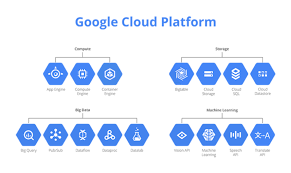
Google Cloud Platform is a suite of cloud computing services offered by Google that runs on the same infrastructure that Google uses internally for its end-user products, such as Google Search and YouTube. GCP provides a wide range of cloud services, including computing power, storage solutions, database management, machine learning capabilities, and more.
Key Features and Benefits of Google Cloud Platform
Google Cloud Platform offers several key features and benefits that make it a popular choice among businesses:
- Scalability: GCP allows businesses to easily scale their resources up or down based on demand, providing flexibility and cost-effectiveness.
- Security: With robust security measures in place, including encryption at rest and in transit, GCP ensures that data remains secure and protected.
- Machine Learning and AI: GCP offers powerful machine learning tools that enable businesses to extract valuable insights from their data and drive innovation.
- Data Analytics: With tools like BigQuery, businesses can analyze large datasets quickly and derive actionable insights to make informed decisions.
- Global Infrastructure: GCP has a vast network of data centers around the world, allowing businesses to deploy applications closer to their users for improved performance.
Real-World Applications of Google Cloud Platform
Businesses across various industries are leveraging Google Cloud Platform to drive digital transformation and achieve their goals. Some common use cases include:
- E-commerce: Retailers use GCP for seamless online shopping experiences and personalized recommendations based on customer behavior.
- Healthcare: Healthcare providers utilize GCP for secure storage of patient records and advanced analytics for medical research.
- Finance: Financial institutions rely on GCP for real-time fraud detection, risk analysis, and compliance with regulatory requirements.
- Media & Entertainment: Media companies leverage GCP for content delivery, video streaming services, and data analytics to understand viewer preferences.
In Conclusion
In conclusion, Google Cloud Platform stands out as a leading cloud computing solution that empowers businesses with cutting-edge technologies and tools to drive innovation, enhance efficiency, and stay competitive in today’s fast-paced digital landscape. With its comprehensive suite of services and global infrastructure, GCP continues to be a top choice for organizations looking to harness the full potential of the cloud.
Top 8 Frequently Asked Questions About Google Cloud Platform (GCP)
- What is Google Cloud Platform (GCP) and what services does it offer?
- How does Google Cloud Platform ensure data security and compliance?
- What are the pricing options for using Google Cloud Platform services?
- How can businesses benefit from using Google Cloud Platform for their operations?
- What is the difference between Google Cloud Platform and other cloud providers like AWS and Azure?
- Does Google Cloud Platform offer support and training resources for users?
- Can existing applications be migrated to Google Cloud Platform, and how seamless is the process?
- What are some successful use cases of businesses leveraging Google Cloud Platform?
What is Google Cloud Platform (GCP) and what services does it offer?
Google Cloud Platform (GCP) is a comprehensive suite of cloud computing services provided by Google, designed to help businesses and developers build, deploy, and scale applications with ease. GCP runs on the same robust infrastructure that powers Google’s own products, such as Google Search and YouTube. It offers a wide array of services including computing power through virtual machines and containers, scalable storage solutions like Cloud Storage and databases such as Cloud SQL and Firestore. Additionally, GCP provides advanced tools for data analytics with BigQuery, machine learning capabilities via AI Platform, and serverless computing options like Cloud Functions. Its extensive network of global data centers ensures high availability and low latency for users around the world.
How does Google Cloud Platform ensure data security and compliance?
Google Cloud Platform prioritizes data security and compliance through a combination of robust measures and industry-leading practices. To ensure data security, GCP implements encryption at rest and in transit, protecting data both when it is stored and when it is transmitted between servers. GCP also offers advanced identity and access management controls, allowing organizations to manage who has access to their data and resources. In terms of compliance, Google Cloud Platform adheres to various industry standards and certifications, such as ISO 27001, SOC 2, GDPR, HIPAA, and more. Regular audits and assessments are conducted to verify compliance with these standards, providing customers with the assurance that their data is handled in a secure and compliant manner.
What are the pricing options for using Google Cloud Platform services?
When exploring Google Cloud Platform services, understanding the pricing options is a common query for many users. Google Cloud Platform offers flexible pricing models tailored to meet the diverse needs of businesses and individuals. Users can choose from various pricing options, including pay-as-you-go, committed use discounts, sustained use discounts, and custom pricing plans based on specific requirements. This versatility allows users to optimize costs based on their usage patterns and budget constraints, making Google Cloud Platform an attractive choice for those seeking cost-effective cloud solutions without compromising on performance or scalability.
How can businesses benefit from using Google Cloud Platform for their operations?
Businesses can significantly benefit from using Google Cloud Platform (GCP) for their operations in numerous ways. GCP offers unparalleled scalability, allowing companies to adjust their computing resources on demand, which is especially useful during peak times or unexpected surges in activity. The platform’s robust security measures, including encryption and compliance certifications, ensure that sensitive data is well-protected. Additionally, GCP’s advanced analytics and machine learning tools enable businesses to extract valuable insights from their data, driving informed decision-making and innovation. With a global network of data centers, GCP also ensures optimal performance and reliability, making it easier for businesses to deliver seamless experiences to their customers worldwide. Overall, leveraging GCP can lead to reduced operational costs, enhanced efficiency, and greater agility in responding to market changes.
What is the difference between Google Cloud Platform and other cloud providers like AWS and Azure?
When comparing Google Cloud Platform to other major cloud providers like AWS and Azure, several key differences come to light. Google Cloud Platform is known for its strong focus on data analytics and machine learning capabilities, leveraging Google’s expertise in these areas. Additionally, GCP offers a global network of data centers that enables businesses to deploy applications closer to their users for improved performance. On the other hand, AWS boasts a vast array of services and a long-standing presence in the cloud market, while Azure stands out for its seamless integration with Microsoft products and services. Each cloud provider has its unique strengths and offerings, catering to different business needs and preferences in the ever-evolving cloud computing landscape.
Does Google Cloud Platform offer support and training resources for users?
Yes, Google Cloud Platform provides extensive support and training resources for its users. From documentation and tutorials to online courses and certifications, GCP offers a wealth of resources to help users navigate the platform effectively. Additionally, users can access technical support through various channels, including community forums, email support, and premium support options for enterprise customers. Whether you are a beginner looking to learn the basics or an experienced user seeking advanced training, Google Cloud Platform ensures that users have the necessary tools and assistance to make the most out of their cloud computing experience.
Can existing applications be migrated to Google Cloud Platform, and how seamless is the process?
Migrating existing applications to Google Cloud Platform is a common consideration for businesses looking to leverage the benefits of cloud computing. The process of migrating applications to GCP can vary depending on factors such as the complexity of the application, its dependencies, and the chosen migration strategy. Google Cloud Platform offers a range of tools and services to facilitate application migration, making the process as seamless as possible. With proper planning, assessment, and execution, businesses can successfully migrate their existing applications to GCP while minimizing disruptions and maximizing the benefits of cloud infrastructure.
What are some successful use cases of businesses leveraging Google Cloud Platform?
Businesses across various industries have successfully leveraged Google Cloud Platform (GCP) to achieve their strategic goals and drive digital transformation. One notable use case is in the e-commerce sector, where retailers utilize GCP to enhance online shopping experiences, personalize recommendations based on customer behavior, and optimize inventory management. In the healthcare industry, organizations leverage GCP for secure storage of patient records, advanced analytics for medical research, and telemedicine services. Financial institutions rely on GCP for real-time fraud detection, risk analysis, and compliance with regulatory requirements. Additionally, media and entertainment companies use GCP for content delivery, video streaming services, and data analytics to understand viewer preferences and optimize content offerings. These successful implementations highlight the diverse applications of Google Cloud Platform in enabling businesses to innovate, improve efficiency, and deliver value to their customers.