
cfchris.com

Loading

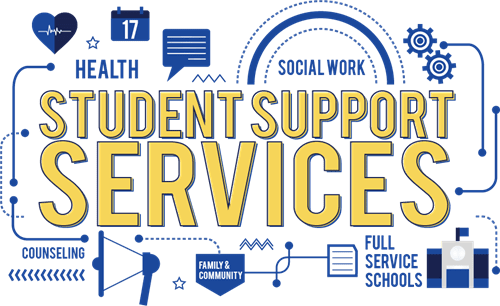
support services

Maximizing Business Success Through Effective Support Services

The Importance of Support Services

The Importance of Support Services

Support services play a crucial role in ensuring the smooth operation of businesses and organizations across various industries. Whether it’s technical support for IT systems, customer support for products and services, or emotional support for individuals in need, these services are essential for maintaining efficiency and fostering positive relationships.

Types of Support Services

Support services come in many forms to address different needs:

  • Technical Support: This type of support assists users with technical issues related to software, hardware, or IT infrastructure.
  • Customer Support: Customer support helps address inquiries, complaints, and feedback from customers to ensure their satisfaction with products or services.
  • Emotional Support: Emotional support services provide individuals with empathy, understanding, and guidance during challenging times.
  • Administrative Support: Administrative support helps with tasks such as scheduling appointments, managing documents, and organizing information.

The Benefits of Support Services

Effective support services offer numerous benefits to both businesses and individuals:

  • Enhanced Customer Satisfaction: Prompt and reliable customer support can lead to increased customer loyalty and positive word-of-mouth referrals.
  • Improved Efficiency: Technical support can resolve IT issues quickly, minimizing downtime and maximizing productivity.
  • Mental Well-being: Emotional support services provide comfort and reassurance to individuals facing challenges or hardships.
  • Better Organization: Administrative support streamlines tasks and processes, allowing businesses to operate more smoothly.

In Conclusion

Support services are indispensable in today’s fast-paced world. By investing in quality support services, businesses can build stronger relationships with customers, improve operational efficiency, and create a positive work environment. Whether it’s technical assistance, customer care, emotional guidance, or administrative help, the value of support services cannot be overstated.


9 Essential Tips for Providing Effective Support Services

  1. Listen actively to understand the needs of the person seeking support.
  2. Be empathetic and show understanding towards the individual’s situation.
  3. Communicate clearly and effectively to provide information or guidance.
  4. Offer practical solutions or resources to address the person’s concerns.
  5. Maintain confidentiality and respect the privacy of those seeking support.
  6. Follow up to ensure that the support provided was helpful and sufficient.
  7. Stay patient and remain calm, especially in challenging situations.
  8. Continuously seek feedback to improve the quality of support services offered.
  9. Collaborate with other professionals or organizations when necessary for comprehensive support.

Listen actively to understand the needs of the person seeking support.

Active listening is a fundamental aspect of providing effective support services. By attentively listening to the person seeking support, one can gain a deeper understanding of their needs, concerns, and emotions. This practice not only helps in identifying the root cause of the issue but also demonstrates empathy and respect towards the individual. Active listening fosters trust and rapport, paving the way for meaningful interactions and successful resolution of problems.

Be empathetic and show understanding towards the individual’s situation.

In the realm of support services, it is crucial to embody empathy and demonstrate genuine understanding towards the individual’s circumstances. By acknowledging and empathizing with their situation, support providers can establish a sense of trust and connection with those seeking assistance. This approach not only helps in addressing their needs effectively but also fosters a supportive environment where individuals feel valued and heard. Being empathetic goes a long way in building rapport and providing meaningful support that resonates on a personal level.

Communicate clearly and effectively to provide information or guidance.

Clear and effective communication is a fundamental aspect of providing support services. When offering information or guidance, it is essential to convey messages in a way that is easily understood by the recipient. By communicating clearly, support service providers can ensure that clients or individuals receive the necessary information to address their needs promptly and accurately. Clarity in communication fosters trust, minimizes misunderstandings, and enhances the overall quality of support services provided.

Offer practical solutions or resources to address the person’s concerns.

When providing support services, it is essential to offer practical solutions or resources to address the person’s concerns effectively. By presenting actionable steps or directing individuals to relevant resources, you empower them to navigate and resolve their issues proactively. This approach not only demonstrates your commitment to helping but also equips individuals with the tools they need to overcome challenges and achieve positive outcomes.

Maintain confidentiality and respect the privacy of those seeking support.

It is crucial to maintain confidentiality and respect the privacy of individuals seeking support services. By upholding strict confidentiality standards, support providers create a safe and trusting environment where individuals feel comfortable sharing their concerns and seeking assistance. Respecting privacy not only protects sensitive information but also demonstrates a commitment to ethical practices and fosters a sense of security for those reaching out for help. Prioritizing confidentiality and privacy in support services is essential for building strong relationships based on trust and integrity.

Follow up to ensure that the support provided was helpful and sufficient.

It is essential to follow up after providing support services to ensure that the assistance offered was effective and met the recipient’s needs adequately. By checking in with individuals or clients post-support, organizations can demonstrate their commitment to customer satisfaction and address any lingering issues promptly. This proactive approach not only fosters trust and loyalty but also allows for continuous improvement in delivering high-quality support services tailored to each individual’s requirements.

Stay patient and remain calm, especially in challenging situations.

In the realm of support services, it is crucial to remember the importance of staying patient and maintaining a calm demeanor, particularly when faced with challenging situations. By demonstrating patience and composure, support professionals can effectively navigate complex issues, address customer concerns with empathy, and work towards constructive solutions. This approach not only helps in resolving problems more efficiently but also fosters trust and confidence in the support provider’s ability to assist effectively.

Continuously seek feedback to improve the quality of support services offered.

Continuously seeking feedback is a vital practice to enhance the quality of support services provided. By actively listening to customers’ input and suggestions, organizations can identify areas for improvement, address issues promptly, and adapt their services to better meet the needs and expectations of their clients. Feedback serves as a valuable tool for refining processes, refining customer interactions, and ultimately delivering a more personalized and effective support experience.

Collaborate with other professionals or organizations when necessary for comprehensive support.

Collaborating with other professionals or organizations when necessary is a valuable tip for ensuring comprehensive support services. By leveraging the expertise and resources of external partners, businesses can enhance the quality and scope of their support offerings. Whether seeking specialized technical assistance, expanding service capabilities, or tapping into additional networks, collaboration fosters a more robust support ecosystem that benefits both providers and recipients. Embracing partnerships with other professionals or organizations can lead to innovative solutions, improved customer satisfaction, and a stronger support infrastructure overall.

Unlocking the Potential of Artificial Intelligence Websites: A Guide to Enhanced User Experiences

The Rise of Artificial Intelligence Websites

The Rise of Artificial Intelligence Websites

In recent years, artificial intelligence (AI) has become an integral part of various industries, transforming how businesses operate and interact with their customers. One area where AI is making a significant impact is in the development and functionality of websites.

What Are AI-Powered Websites?

AI-powered websites utilize artificial intelligence technologies to enhance user experience, streamline operations, and provide personalized content. These websites can analyze user behavior, predict preferences, and adapt in real-time to meet the needs of their visitors.

Key Features of AI Websites

  • Personalization: AI algorithms analyze user data to deliver tailored content and recommendations.
  • Chatbots: AI-driven chatbots provide instant customer support and answer common queries 24/7.
  • Predictive Analysis: By analyzing trends and patterns, AI can forecast future behaviors and outcomes.
  • Voice Search Optimization: With the rise of voice-activated devices, AI helps optimize websites for voice search queries.
  • Content Creation: Some advanced AI systems can generate content based on specific criteria or topics.

The Benefits of Using AI on Websites

The integration of AI into websites offers numerous advantages for businesses looking to enhance their digital presence. Some key benefits include:

  1. Improved User Engagement: Personalized experiences keep users engaged longer and increase conversion rates.
  2. Enhanced Customer Support: Chatbots provide quick responses, improving customer satisfaction without requiring human intervention.
  3. Data-Driven Decisions: With access to vast amounts of data, businesses can make informed decisions based on real insights rather than assumptions.
  4. Cognitive Automation: Routine tasks are automated, allowing human resources to focus on more strategic activities.

The Future of AI in Web Development

The future looks promising for the integration of artificial intelligence in web development. As technology continues to evolve, we can expect even more sophisticated applications that will further revolutionize how we interact with digital platforms. From augmented reality experiences to hyper-personalized content delivery, the possibilities are endless.

The challenge lies in ensuring ethical use and maintaining transparency when deploying these technologies. As developers harness the power of AI, they must also consider privacy concerns and strive for responsible implementation that benefits both businesses and consumers alike.

© 2023 The Tech Journal


9 Essential Tips for Optimizing Your Website for AI Compatibility and Engagement

  1. Ensure your website is mobile-friendly for AI assistants to access information easily.
  2. Optimize your website’s loading speed to provide a seamless experience for AI algorithms.
  3. Include structured data markup to help search engines better understand your content.
  4. Create high-quality, relevant content that appeals to both human visitors and AI crawlers.
  5. Implement natural language processing techniques for better interaction with voice-based AI systems.
  6. Use alt text for images to make them understandable by screen readers and image recognition AI.
  7. Regularly update and maintain your website to stay relevant in the ever-evolving field of AI.
  8. Incorporate chatbots or virtual assistants on your site for enhanced user engagement and support.
  9. Protect user data and privacy by following best practices in AI ethics and security.

Ensure your website is mobile-friendly for AI assistants to access information easily.

In today’s digital age, ensuring that your website is mobile-friendly is crucial, especially for AI assistants that access and deliver information to users. With the increasing reliance on smartphones and voice-activated devices, AI assistants like Siri, Google Assistant, and Alexa often retrieve data from websites to answer user queries. A mobile-friendly design ensures that these AI tools can efficiently navigate and extract relevant information from your site. This not only enhances the user experience by providing quick and accurate responses but also improves your website’s visibility and accessibility in search results. By optimizing for mobile, you ensure that both human users and AI systems can interact seamlessly with your content, ultimately driving more traffic and engagement.

Optimize your website’s loading speed to provide a seamless experience for AI algorithms.

Optimizing your website’s loading speed is crucial for providing a seamless experience not only for users but also for AI algorithms that interact with your site. Fast-loading pages ensure that AI-driven features, such as chatbots and personalized content recommendations, can operate efficiently and without delay. A slow website can hinder the performance of these AI tools, leading to a less effective user experience and potentially driving visitors away. By prioritizing speed optimization techniques—such as compressing images, leveraging browser caching, and minimizing server response times—you create an environment where both human users and AI systems can function optimally, ultimately enhancing engagement and satisfaction.

Include structured data markup to help search engines better understand your content.

Including structured data markup on your artificial intelligence website is a crucial tip to enhance its visibility and relevance in search engine results. By incorporating structured data, you provide search engines with additional context about your content, making it easier for them to interpret and display relevant information to users. This markup not only improves the understanding of your website’s content but also increases the likelihood of appearing in rich snippets and other prominent search features, ultimately driving more traffic to your site.

Create high-quality, relevant content that appeals to both human visitors and AI crawlers.

Creating high-quality, relevant content is crucial for the success of an artificial intelligence website. This approach ensures that human visitors find the information engaging and valuable, keeping them on the site longer and encouraging return visits. At the same time, well-crafted content is essential for AI crawlers, which index websites for search engines. By using clear language, appropriate keywords, and structured data, a website can improve its search engine ranking, making it easier for potential visitors to discover. Balancing content that appeals to both humans and AI requires understanding user intent and search algorithms, ultimately enhancing user experience and visibility.

Implement natural language processing techniques for better interaction with voice-based AI systems.

Implementing natural language processing (NLP) techniques on an artificial intelligence website can significantly enhance interaction with voice-based AI systems. NLP allows these systems to understand, interpret, and respond to human language in a way that feels natural and intuitive. By leveraging NLP, websites can offer more accurate voice recognition, better context understanding, and more relevant responses to user queries. This not only improves the overall user experience but also increases accessibility for users who prefer or require voice interactions. As a result, businesses can engage a broader audience and provide seamless communication between users and AI-driven services.

Use alt text for images to make them understandable by screen readers and image recognition AI.

In the realm of artificial intelligence websites, a crucial tip is to utilize alt text for images to ensure accessibility for users relying on screen readers and image recognition AI. By incorporating descriptive alt text, website creators can make visual content understandable to those with visual impairments, enabling them to comprehend the context and significance of the images. This practice not only enhances inclusivity but also optimizes the overall user experience by providing valuable information through alternative means.

Regularly update and maintain your website to stay relevant in the ever-evolving field of AI.

In the rapidly advancing field of artificial intelligence, it’s crucial to regularly update and maintain your website to stay relevant and competitive. AI technologies are constantly evolving, with new advancements and breakthroughs emerging frequently. By keeping your website up-to-date, you ensure that it reflects the latest trends and innovations in AI, providing users with current information and insights. Regular maintenance also helps improve website performance, security, and user experience, making it more appealing to visitors. Staying proactive in updating content and features not only enhances credibility but also positions your website as a leader in the dynamic world of AI technology.

Incorporate chatbots or virtual assistants on your site for enhanced user engagement and support.

By incorporating chatbots or virtual assistants on your website, you can significantly enhance user engagement and provide valuable support to your visitors. These AI-powered tools offer instant responses to queries, guide users through the site, and personalize interactions based on individual preferences. By integrating chatbots or virtual assistants, you create a seamless and interactive experience for users, leading to improved satisfaction and increased retention rates on your website.

Protect user data and privacy by following best practices in AI ethics and security.

Protecting user data and privacy is paramount when developing and managing an artificial intelligence website. By adhering to best practices in AI ethics and security, developers can ensure that sensitive information is safeguarded against unauthorized access and misuse. This involves implementing robust encryption methods, regularly updating security protocols, and being transparent with users about data collection practices. Additionally, obtaining explicit consent before gathering personal information and providing users with control over their data are essential steps in building trust. By prioritizing these measures, AI websites can foster a secure environment that respects user privacy while leveraging the power of artificial intelligence.