

cfchris.com

Loading

aws software engineer

Exploring the Role of an AWS Software Engineer in Modern Technology

The Role of an AWS Software Engineer

The Role of an AWS Software Engineer

As technology continues to evolve, the demand for skilled AWS software engineers is on the rise. These professionals play a crucial role in designing, developing, and maintaining applications that run on Amazon Web Services (AWS) cloud infrastructure.

Responsibilities of an AWS Software Engineer

An AWS software engineer is responsible for:

  • Architecting and implementing scalable, secure, and reliable applications on the AWS platform.
  • Collaborating with cross-functional teams to understand project requirements and deliver solutions that meet business objectives.
  • Optimizing application performance and ensuring high availability through effective use of AWS services.
  • Monitoring and troubleshooting application issues to maintain system health and performance.
  • Staying up-to-date with AWS best practices and emerging technologies to continuously improve the development process.

Skills Required for an AWS Software Engineer

To excel in this role, an AWS software engineer should possess a combination of technical skills and soft skills. Some key skills include:

  • Proficiency in programming languages such as Python, Java, or Node.js.
  • Experience with cloud computing concepts and services offered by AWS, such as EC2, S3, Lambda, and RDS.
  • Knowledge of DevOps practices for automated deployment and continuous integration/continuous delivery (CI/CD).
  • Strong problem-solving abilities and attention to detail.
  • Excellent communication skills for effective collaboration with team members and stakeholders.

Career Outlook for AWS Software Engineers

The demand for AWS software engineers is expected to continue growing as more businesses migrate their applications to the cloud. Companies across various industries are seeking professionals who can leverage the power of AWS to drive innovation and efficiency in their IT operations.

With the right skills and experience, an AWS software engineer can pursue career opportunities in roles such as cloud architect, solutions architect, or cloud developer. Continuous learning and staying current with industry trends are essential for success in this dynamic field.

In conclusion, becoming an AWS software engineer offers a rewarding career path for individuals passionate about cloud technology and software development. By mastering the necessary skills and staying updated on the latest advancements in the field, professionals can build a successful career in this fast-paced industry.


Top 6 FAQs About Becoming an AWS Software Engineer

  1. What is the role of an AWS software engineer?
  2. What skills are required to become an AWS software engineer?
  3. How does an AWS software engineer collaborate with cross-functional teams?
  4. What are the key responsibilities of an AWS software engineer in application development?
  5. How can one stay up-to-date with AWS best practices as a software engineer?
  6. What career opportunities are available for AWS software engineers?

What is the role of an AWS software engineer?

The role of an AWS software engineer is pivotal in designing, developing, and maintaining applications that operate on Amazon Web Services (AWS) cloud infrastructure. These professionals are tasked with architecting scalable and secure solutions on the AWS platform, collaborating with diverse teams to align technical solutions with business objectives, optimizing application performance for high availability using AWS services, monitoring system health, and resolving issues efficiently. By staying abreast of AWS best practices and emerging technologies, AWS software engineers ensure continuous improvement in application development processes to meet the evolving demands of cloud-based environments effectively.

What skills are required to become an AWS software engineer?

To become an AWS software engineer, a combination of technical expertise and soft skills is essential. Proficiency in programming languages like Python, Java, or Node.js is crucial for developing applications on the AWS platform. Familiarity with cloud computing concepts and AWS services such as EC2, S3, Lambda, and RDS is also necessary. Knowledge of DevOps practices for automated deployment and CI/CD pipelines is valuable for streamlining the development process. Strong problem-solving abilities, attention to detail, and effective communication skills are key attributes that help AWS software engineers succeed in designing scalable and reliable applications on the cloud infrastructure.

How does an AWS software engineer collaborate with cross-functional teams?

Collaboration with cross-functional teams is a key aspect of an AWS software engineer’s role. These professionals work closely with team members from different disciplines, such as developers, system administrators, and business analysts, to understand project requirements and deliver solutions that align with business objectives. AWS software engineers engage in effective communication to ensure that all stakeholders are on the same page regarding project goals and timelines. They contribute their expertise in AWS services and cloud architecture to design scalable and secure applications that meet the needs of the organization. By fostering collaboration and sharing knowledge across teams, AWS software engineers play a vital role in driving successful project outcomes and achieving collective success.

What are the key responsibilities of an AWS software engineer in application development?

In application development, an AWS software engineer holds key responsibilities that include architecting and implementing scalable, secure, and reliable applications on the Amazon Web Services (AWS) platform. They collaborate with cross-functional teams to understand project requirements and deliver solutions that align with business objectives. Additionally, AWS software engineers optimize application performance, ensure high availability through effective use of AWS services, monitor and troubleshoot application issues to maintain system health and performance, and stay updated with AWS best practices and emerging technologies to enhance the development process continually. These responsibilities are crucial in ensuring the successful design and deployment of applications on the AWS cloud infrastructure.

How can one stay up-to-date with AWS best practices as a software engineer?

Staying up-to-date with AWS best practices as a software engineer is essential for maintaining relevance and proficiency in the rapidly evolving cloud computing landscape. To stay current, one can leverage resources such as the official AWS website, which provides documentation, whitepapers, and online training courses. Additionally, joining AWS user groups, attending webinars, and participating in industry conferences can offer valuable insights into the latest trends and best practices. Engaging with the AWS community through forums and social media platforms allows software engineers to exchange knowledge and learn from peers’ experiences. Continuous learning and hands-on practice with AWS services are key to mastering best practices and enhancing skills in cloud application development.

What career opportunities are available for AWS software engineers?

When considering career opportunities for AWS software engineers, a wide range of paths await those with expertise in Amazon Web Services. AWS software engineers can explore roles such as cloud architect, solutions architect, cloud developer, or DevOps engineer. These professionals play a vital role in designing, implementing, and optimizing cloud-based solutions for businesses across various industries. With the increasing adoption of cloud technologies, the demand for skilled AWS software engineers continues to grow. By staying current with AWS best practices and expanding their skill set, individuals in this field can unlock exciting opportunities for career advancement and professional growth.
saas software development

Unlocking Innovation: The Evolution of SaaS Software Development

The Evolution of SaaS Software Development

The Evolution of SaaS Software Development

Software as a Service (SaaS) has revolutionized the way businesses and individuals access and use software applications. SaaS software development has seen significant growth and evolution over the years, shaping the digital landscape in profound ways.

What is SaaS?

SaaS is a cloud-based software delivery model where applications are hosted by a third-party provider and made available to users over the internet. This eliminates the need for users to install and maintain software on their own devices, offering greater convenience and scalability.

The Benefits of SaaS Software Development

SaaS software development offers numerous benefits, including:

  • Accessibility: Users can access SaaS applications from any device with an internet connection, enhancing flexibility and productivity.
  • Cost-Effectiveness: SaaS eliminates the need for upfront hardware and software investments, making it a more affordable option for businesses of all sizes.
  • Scalability: SaaS applications can easily scale up or down based on user demand, allowing businesses to adapt to changing needs quickly.
  • Automatic Updates: Providers handle maintenance and updates, ensuring that users always have access to the latest features and security enhancements.

The Evolution of SaaS Development

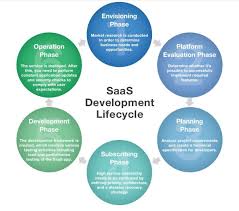
SaaS software development has evolved significantly since its inception. Early SaaS applications were often limited in functionality and customization options. However, advancements in technology have led to more sophisticated and feature-rich SaaS solutions.

Modern SaaS development practices emphasize agile methodologies, continuous integration, and deployment to deliver high-quality software efficiently. Developers leverage cloud infrastructure, microservices architecture, and containerization to build scalable and resilient applications that meet the demands of today’s dynamic business environment.

The Future of SaaS Software Development

The future of SaaS software development looks promising, with continued innovation driving new possibilities. Emerging technologies such as artificial intelligence, machine learning, and blockchain are being integrated into SaaS applications to enhance functionality and provide more personalized user experiences.

As businesses increasingly rely on cloud-based solutions for their operations, the demand for secure, reliable, and user-friendly SaaS applications will continue to grow. Developers will play a crucial role in shaping the future of SaaS by embracing new technologies and best practices to deliver cutting-edge solutions that meet evolving customer needs.


Top 6 Benefits of SaaS Software Development: Accessibility, Cost Savings, Scalability, and More

  1. Accessibility from any device with an internet connection
  2. Cost-effectiveness by eliminating upfront hardware and software investments
  3. Scalability to easily adjust resources based on user demand
  4. Automatic updates for the latest features and security enhancements
  5. Simplified maintenance as providers handle infrastructure management
  6. Global accessibility enabling users to access applications from anywhere


7 Drawbacks of SaaS Software Development: From Internet Dependency to Vendor Lock-In

  1. Dependency on Internet Connection
  2. Data Security Concerns
  3. Limited Customization
  4. Vendor Lock-In
  5. Cost Over Time
  6. Compliance Challenges
  7. Performance Dependency

Accessibility from any device with an internet connection

One of the key advantages of SaaS software development is its unparalleled accessibility, allowing users to access applications from any device with an internet connection. This flexibility empowers individuals and businesses to work seamlessly across various platforms, enhancing productivity and collaboration. Whether in the office, at home, or on the go, users can conveniently access SaaS applications without being tied to a specific device or location, making work more efficient and convenient.

Cost-effectiveness by eliminating upfront hardware and software investments

One of the key advantages of SaaS software development is its cost-effectiveness, achieved by eliminating the need for upfront hardware and software investments. Businesses can access and use SaaS applications without the burden of purchasing and maintaining expensive infrastructure, making it a more affordable option for organizations of all sizes. This cost-saving benefit allows businesses to allocate resources more efficiently, invest in other areas of their operations, and scale their software usage based on actual needs without incurring unnecessary expenses upfront.

Scalability to easily adjust resources based on user demand

One of the key advantages of SaaS software development is its scalability, allowing businesses to adjust resources based on user demand effortlessly. This flexibility enables organizations to efficiently scale their operations up or down in response to fluctuating needs, ensuring optimal performance and cost-effectiveness. By dynamically allocating resources as needed, SaaS applications can seamlessly accommodate varying levels of user activity, providing a responsive and adaptable solution for businesses of all sizes.

Automatic updates for the latest features and security enhancements

One of the key advantages of SaaS software development is the provision of automatic updates, ensuring that users always have access to the latest features and security enhancements. This feature eliminates the need for manual updates and maintenance, saving time and effort for both users and IT teams. By automatically delivering updates, SaaS applications can continuously improve functionality, performance, and security without causing disruptions to users’ workflow. This proactive approach to software maintenance enhances user experience and helps businesses stay competitive in a rapidly evolving digital landscape.

Simplified maintenance as providers handle infrastructure management

SaaS software development offers the advantage of simplified maintenance, as providers take on the responsibility of infrastructure management. This means that users can focus on utilizing the software without having to worry about maintaining servers, updating software, or handling technical issues related to the underlying infrastructure. By offloading these tasks to the provider, organizations can streamline their operations and ensure that their SaaS applications are always running smoothly and securely.

Global accessibility enabling users to access applications from anywhere

One key advantage of SaaS software development is its global accessibility, allowing users to access applications from anywhere with an internet connection. This feature enhances flexibility and convenience for individuals and businesses, enabling seamless collaboration and productivity across different locations. Whether working from home, traveling, or in a different time zone, users can easily access SaaS applications on various devices, ensuring continuous connectivity and efficient workflow management.

Dependency on Internet Connection

One significant drawback of SaaS software development is the heavy reliance on a stable internet connection for accessing applications. This dependency can pose challenges, especially in regions with poor connectivity or unreliable network infrastructure. Users may experience disruptions in service, slower performance, or even complete inability to access critical software functions when faced with internet outages or low bandwidth. The need for consistent and robust internet connectivity can hinder productivity and create frustration for users who rely on SaaS applications for their daily tasks.

Data Security Concerns

Data Security Concerns: Storing sensitive data on third-party servers raises security and privacy risks, especially if the provider experiences breaches. When businesses entrust their valuable information to SaaS providers, they run the risk of potential data leaks or unauthorized access, which could have severe consequences such as financial loss, reputational damage, and regulatory non-compliance. Maintaining control over data security becomes challenging when it is stored off-site, making it essential for organizations to carefully assess the security measures implemented by SaaS vendors to mitigate these risks effectively.

Limited Customization

SaaS software development faces the challenge of limited customization, which can be a significant drawback for some users. Unlike on-premises software that allows extensive customization to meet specific business needs, SaaS applications may offer limited flexibility in tailoring solutions. This restriction can hinder organizations that require highly customized software to align with their unique processes and requirements. The lack of customization options in SaaS applications may force users to adapt their workflows to fit the predefined features of the software, potentially impacting efficiency and overall user satisfaction.

Vendor Lock-In

Vendor lock-in is a significant drawback of SaaS software development, as it can hinder businesses from easily switching between providers. The process of migrating data from one SaaS platform to another can be complex and time-consuming, often resulting in compatibility issues and data loss. This lack of flexibility and interoperability can trap organizations into long-term contracts with a particular vendor, limiting their ability to adapt to changing needs or explore alternative solutions. The risk of vendor lock-in underscores the importance of carefully evaluating the terms and conditions of SaaS agreements to mitigate potential challenges in the future.

Cost Over Time

One significant con of SaaS software development is the cost over time. While SaaS solutions may offer lower initial costs compared to traditional software licenses, the cumulative effect of long-term subscription fees can result in higher expenses. Over time, these recurring costs can add up and potentially surpass the total cost of purchasing and owning traditional software outright. This ongoing financial commitment may pose challenges for businesses, especially if they do not fully anticipate or budget for the long-term expenses associated with SaaS subscriptions.

Compliance Challenges

Compliance Challenges: Meeting industry-specific compliance requirements can be complex when using SaaS solutions that may not offer customizable compliance features. Organizations operating in regulated industries such as healthcare or finance face the challenge of ensuring that their SaaS applications adhere to strict data security and privacy standards. Without the ability to customize compliance features within the SaaS software, businesses may struggle to meet all necessary regulatory requirements, potentially exposing themselves to legal risks and penalties. This con highlights the importance of carefully evaluating SaaS providers’ compliance capabilities to ensure alignment with industry-specific regulations and standards.

Performance Dependency

Performance Dependency is a significant con of SaaS software development as it introduces a reliance on the provider’s infrastructure and server capabilities, directly affecting the performance of the applications. Any limitations or issues with the provider’s servers can lead to slowdowns, downtime, or other performance-related issues that impact the overall user experience. This lack of control over the underlying infrastructure can be a concern for businesses that require consistent high performance from their software applications.