Maximizing Efficiency: Strategic Java Development Outsourcing
Java Development Outsourcing: A Strategic Approach to Software Development
In today’s fast-paced digital landscape, businesses are constantly seeking ways to stay ahead of the competition. Java development outsourcing has emerged as a strategic approach for companies looking to efficiently build robust software applications while focusing on their core business activities.
The Benefits of Java Development Outsourcing
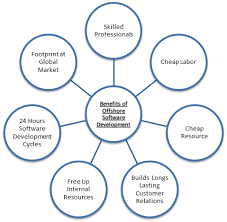
Outsourcing Java development offers several advantages, including:
- Cost-Effectiveness: By outsourcing Java development, companies can reduce operational costs associated with hiring and training in-house developers.
- Access to Expertise: Outsourcing firms often have a team of experienced Java developers who possess the skills and knowledge needed to deliver high-quality software solutions.
- Faster Time-to-Market: Outsourcing Java development allows companies to accelerate the software development process and bring products to market more quickly.
- Scalability: Outsourcing firms can easily scale resources up or down based on project requirements, providing flexibility and agility in software development.
Challenges of Java Development Outsourcing
While there are many benefits to outsourcing Java development, there are also challenges that companies may face, such as:
- Communication Barriers: Working with remote teams can sometimes lead to communication challenges that may impact project delivery.
- Cultural Differences: Cultural nuances between outsourcing partners and clients can affect collaboration and project outcomes.
- Data Security Concerns: Ensuring the security of sensitive data when working with external partners is crucial for protecting intellectual property.
Best Practices for Successful Java Development Outsourcing
To maximize the benefits of outsourcing Java development and overcome potential challenges, companies should consider implementing the following best practices:
- Selecting the Right Partner: Choose an outsourcing firm with a proven track record in Java development and a reputation for delivering quality solutions.
- Clear Communication Channels: Establish clear communication channels and set expectations from the outset to ensure alignment between all stakeholders.
- Data Security Protocols: Implement robust data security protocols and agreements to protect sensitive information throughout the development process.
- A Collaborative Approach: Foster a collaborative working relationship with your outsourcing partner by encouraging open dialogue and feedback exchange.
In conclusion, Java development outsourcing can be a strategic approach for businesses looking to leverage external expertise, reduce costs, and accelerate software development. By understanding the benefits, challenges, and best practices associated with outsourcing, companies can make informed decisions that drive success in their software projects.
9 Essential Tips for Successful Java Development Outsourcing
- Define clear project requirements and objectives from the start.
- Choose an outsourcing partner with a proven track record in Java development.
- Set up effective communication channels to ensure regular updates and feedback.
- Consider time zone differences when scheduling meetings and deadlines.
- Evaluate the technical expertise of the outsourced team through interviews or test projects.
- Ensure proper documentation is maintained throughout the project lifecycle.
- Establish a detailed contract that outlines deliverables, timelines, and payment terms.
- Use version control systems like Git to manage code collaboration efficiently.
- Plan for post-launch support and maintenance as part of your outsourcing agreement.
Define clear project requirements and objectives from the start.
To ensure the success of Java development outsourcing, it is crucial to define clear project requirements and objectives from the start. By clearly outlining the scope of work, expected deliverables, and project timelines, both the outsourcing firm and the client can align their efforts towards a common goal. Clear project requirements help mitigate misunderstandings, reduce rework, and ensure that the final software product meets the client’s expectations. Setting precise objectives also provides a roadmap for progress tracking and allows for effective communication throughout the development process.
Choose an outsourcing partner with a proven track record in Java development.
When considering Java development outsourcing, it is crucial to choose an outsourcing partner with a proven track record in Java development. Selecting a partner with extensive experience and expertise in Java programming ensures that your project will be handled by professionals who are well-versed in the language’s intricacies and best practices. By opting for a reputable outsourcing firm with a strong history of successful Java projects, you can have confidence in the quality and efficiency of the software solutions they deliver.
Set up effective communication channels to ensure regular updates and feedback.
Setting up effective communication channels is crucial when outsourcing Java development to ensure regular updates and feedback. By establishing clear lines of communication between the client and the outsourcing partner, stakeholders can stay informed about project progress, address any issues promptly, and provide feedback in a timely manner. This proactive approach fosters collaboration, transparency, and alignment between all parties involved, ultimately leading to a more successful and efficient Java development process.
Consider time zone differences when scheduling meetings and deadlines.
When engaging in Java development outsourcing, it is crucial to consider time zone differences when scheduling meetings and setting deadlines. Being mindful of the time variations between your team and the outsourced developers can help ensure effective communication and timely project delivery. By accommodating different time zones in your planning, you can facilitate smoother collaboration, avoid delays, and maintain productivity throughout the development process.
Evaluate the technical expertise of the outsourced team through interviews or test projects.
When considering outsourcing Java development, it is crucial to evaluate the technical expertise of the outsourced team. One effective way to assess their capabilities is through interviews or test projects. By engaging in interviews, you can gain insights into the team’s knowledge, experience, and problem-solving skills. Test projects allow you to evaluate their practical application of Java development concepts and their ability to deliver quality results. Ensuring that the outsourced team possesses the necessary technical expertise will help guarantee a successful collaboration and the development of high-quality software solutions.
Ensure proper documentation is maintained throughout the project lifecycle.
To ensure the success of a Java development outsourcing project, it is crucial to maintain proper documentation throughout the project lifecycle. Clear and comprehensive documentation serves as a roadmap for all stakeholders involved, helping to streamline communication, track progress, and ensure consistency in development processes. By documenting requirements, design decisions, code changes, and testing results, teams can enhance transparency, mitigate risks, and facilitate seamless collaboration between the client and the outsourcing partner. Effective documentation not only aids in project management but also acts as a valuable resource for future maintenance and scalability efforts.
Establish a detailed contract that outlines deliverables, timelines, and payment terms.
When engaging in Java development outsourcing, it is crucial to establish a detailed contract that clearly outlines the deliverables, timelines, and payment terms. A comprehensive contract helps ensure that both parties have a shared understanding of project expectations and responsibilities. By defining specific deliverables and setting clear timelines for completion, potential delays and misunderstandings can be minimized. Additionally, outlining payment terms in the contract helps maintain transparency and accountability throughout the outsourcing partnership. Overall, a well-defined contract serves as a foundational document that sets the framework for a successful collaboration in Java development outsourcing.
Use version control systems like Git to manage code collaboration efficiently.
To enhance efficiency and streamline code collaboration in Java development outsourcing projects, it is highly recommended to utilize version control systems like Git. By implementing Git, teams can effectively manage code changes, track revisions, and facilitate seamless collaboration among developers working on the same project. This approach not only ensures code integrity but also promotes better coordination and transparency throughout the development process, ultimately leading to improved productivity and code quality.
Plan for post-launch support and maintenance as part of your outsourcing agreement.
When considering Java development outsourcing, it is crucial to include post-launch support and maintenance in your outsourcing agreement. Planning for ongoing support ensures that any issues or updates that arise after the software launch can be addressed promptly and effectively. By including this aspect in the agreement, you can establish clear expectations for post-launch responsibilities and ensure a smooth transition from development to maintenance phase, ultimately enhancing the long-term success of your software project.