cfchris.com

Loading

learning software development

Mastering the Art of Learning Software Development

The Journey of Learning Software Development

The Journey of Learning Software Development

Software development is a dynamic and rewarding field that offers endless opportunities for growth and innovation. Whether you are a beginner or an experienced coder, the journey of learning software development is both challenging and fulfilling.

Starting Your Journey

For beginners, diving into the world of software development can seem daunting. However, with dedication and perseverance, anyone can learn to code. There are numerous online resources, tutorials, and courses available that cater to all skill levels.

Building a Strong Foundation

Understanding the fundamentals of programming languages such as HTML, CSS, and JavaScript is essential for aspiring developers. These languages form the building blocks of web development and provide a solid foundation for more advanced concepts.

Exploring Specializations

As you progress in your learning journey, you may choose to specialize in a specific area of software development such as mobile app development, data science, or cybersecurity. Each specialization offers unique challenges and opportunities for growth.

Continuous Learning and Adaptation

The field of software development is constantly evolving with new technologies and trends emerging regularly. As a developer, it is crucial to stay updated with the latest advancements and continuously improve your skills through practice and experimentation.

Joining the Community

One of the most valuable aspects of learning software development is being part of a vibrant community of developers who are passionate about technology. Engaging with this community through forums, meetups, and conferences can provide valuable insights and support on your journey.

Embracing Challenges

Throughout your learning process, you will encounter challenges and setbacks that may seem insurmountable at times. However, overcoming these obstacles will only make you a stronger developer in the long run. Embrace challenges as opportunities for growth.

Celebrating Achievements

As you reach milestones in your learning journey – whether it’s completing your first project or landing your dream job – take time to celebrate your achievements. Acknowledge how far you have come and use these successes as motivation to keep pushing forward.

The Never-Ending Journey

Learning software development is not just about acquiring technical skills; it’s also about fostering creativity, problem-solving abilities, and a lifelong love for learning. Embrace the journey with an open mind and a willingness to explore new possibilities.

© 2023 The Journey of Learning Software Development | All rights reserved


Top 5 Benefits of Learning Software Development

  1. High demand for software developers in the job market
  2. Opportunity to work on innovative projects and cutting-edge technologies
  3. Potential for high salaries and career advancement
  4. Flexibility to work remotely or as a freelancer
  5. Continuous learning and skill development to stay competitive in the industry


7 Challenges of Learning Software Development: What to Expect

  1. Steep learning curve for beginners
  2. Requires continuous learning to keep up with evolving technologies
  3. Can be time-consuming and require long hours of coding
  4. Debugging and troubleshooting can be frustrating and time-consuming
  5. Sitting for prolonged periods can lead to physical health issues
  6. May face imposter syndrome due to high expectations in the industry
  7. Job market competition can be intense, especially for entry-level positions

High demand for software developers in the job market

The high demand for software developers in the job market presents a significant advantage for individuals pursuing a career in software development. With the rapid digital transformation across industries, companies are increasingly relying on technology to drive their operations and innovation. As a result, skilled software developers are sought after to create, maintain, and enhance software solutions that meet the evolving needs of businesses. This demand not only offers ample job opportunities but also provides developers with the potential for career growth and competitive salaries in a thriving industry.

Opportunity to work on innovative projects and cutting-edge technologies

One of the key advantages of learning software development is the opportunity to work on innovative projects and cutting-edge technologies. As a software developer, you have the chance to be at the forefront of technological advancements, exploring new ideas, and creating solutions that push the boundaries of what is possible. This allows you to constantly challenge yourself, stay updated with the latest trends, and contribute to groundbreaking developments that shape the future of technology. The dynamic nature of the field ensures that there is always something new to learn and explore, making software development a truly exciting and rewarding career path for those who are passionate about innovation.

Potential for high salaries and career advancement

The field of software development offers a significant pro in the form of potential for high salaries and career advancement. Skilled software developers are in high demand, and companies are willing to offer competitive salaries to attract top talent. Additionally, with experience and expertise, developers have the opportunity for rapid career advancement, moving into leadership roles or specialized positions that come with increased responsibilities and rewards. This aspect of the industry makes software development an attractive career choice for those looking to secure financial stability and professional growth.

Flexibility to work remotely or as a freelancer

One significant advantage of learning software development is the flexibility it offers in terms of work arrangements. With a strong foundation in coding and programming, individuals have the opportunity to work remotely or as freelancers. This flexibility allows developers to choose their own schedules, work from anywhere in the world, and take on projects that align with their interests and skills. Remote work and freelancing in software development provide a sense of independence and autonomy, enabling professionals to balance their personal lives while pursuing their passion for technology.

Continuous learning and skill development to stay competitive in the industry

Continuous learning and skill development in software development is a crucial pro that ensures professionals remain competitive in the ever-evolving industry. By staying updated with the latest technologies, trends, and best practices, developers can enhance their expertise, adapt to changing market demands, and deliver innovative solutions. Embracing a mindset of lifelong learning not only allows individuals to stay ahead of the curve but also opens up more opportunities for career advancement and personal growth within the dynamic field of software development.

Steep learning curve for beginners

For beginners, one significant con of learning software development is the steep learning curve that often accompanies diving into the field. The vast array of programming languages, frameworks, and tools can be overwhelming, making it challenging for newcomers to grasp the fundamental concepts and techniques. The complex nature of coding requires patience, persistence, and a willingness to overcome obstacles along the way. However, with dedication and consistent practice, beginners can gradually navigate through the initial hurdles and build a solid foundation in software development.

Requires continuous learning to keep up with evolving technologies

One significant challenge of learning software development is the constant need for ongoing education to stay abreast of rapidly evolving technologies. As new programming languages, frameworks, and tools emerge regularly, developers must dedicate time and effort to continuously update their skills and knowledge. This perpetual learning curve can be demanding and overwhelming, requiring individuals to adapt quickly to remain competitive in the ever-changing tech industry.

Can be time-consuming and require long hours of coding

One significant drawback of learning software development is the time commitment it demands and the requirement for long hours of coding. Mastering programming languages and developing proficiency in coding techniques can be a time-consuming process that necessitates dedication and persistence. Aspiring developers often find themselves investing substantial hours in writing, debugging, and refining code to achieve desired outcomes. The intensive nature of coding can lead to mental fatigue and burnout if not managed effectively, highlighting the importance of balancing work with adequate rest and self-care practices.

Debugging and troubleshooting can be frustrating and time-consuming

Debugging and troubleshooting in software development can be a challenging aspect that often leads to frustration and consumes a significant amount of time. Identifying and fixing errors in code requires patience, attention to detail, and problem-solving skills. The process of tracing bugs, testing solutions, and ensuring that the software functions correctly can be a tedious task that may sometimes feel like searching for a needle in a haystack. Despite its difficulties, mastering the art of debugging is essential for developers to create robust and reliable software applications.

Sitting for prolonged periods can lead to physical health issues

One significant drawback of learning software development is the sedentary nature of the work, which often requires individuals to sit for prolonged periods in front of a computer screen. This sedentary lifestyle can lead to various physical health issues such as back pain, neck strain, eye strain, and poor posture. Lack of movement and prolonged sitting can also increase the risk of obesity, cardiovascular problems, and other chronic conditions. It is essential for software developers to be mindful of their physical health and incorporate regular breaks, stretching exercises, and ergonomic workstation setups to mitigate the negative effects of prolonged sitting.

May face imposter syndrome due to high expectations in the industry

One significant challenge that individuals may encounter when learning software development is the phenomenon known as imposter syndrome. This psychological pattern arises when individuals doubt their abilities and accomplishments, feeling like they do not deserve their success. In the competitive and rapidly evolving tech industry, there are often high expectations placed on developers to continuously innovate and deliver exceptional results. As a result, learners may feel overwhelmed by self-imposed pressure to meet these standards, leading to feelings of inadequacy and fear of being exposed as a fraud in their coding skills. Overcoming imposter syndrome requires self-awareness, seeking support from peers and mentors, and acknowledging that making mistakes is a natural part of the learning process in software development.

Job market competition can be intense, especially for entry-level positions

In the realm of software development, one significant challenge is the intense competition in the job market, particularly for entry-level positions. Aspiring developers often face a crowded field of candidates vying for limited opportunities, making it a daunting task to secure a foothold in the industry. The high demand for technical skills coupled with the ever-evolving nature of technology necessitates continuous learning and upskilling to stay competitive in this fast-paced environment. Navigating through this fierce competition requires persistence, dedication, and a proactive approach to stand out among peers and land coveted positions in the software development field.

software development firm

Empowering Innovation: The Role of a Software Development Firm in Today’s Tech Landscape

Article: Software Development Firm

The Role of a Software Development Firm in Today’s Tech Landscape

In today’s digital age, software development firms play a crucial role in shaping the technological landscape. These firms are responsible for creating innovative software solutions that drive businesses forward and enhance user experiences.

What Does a Software Development Firm Do?

A software development firm specializes in designing, developing, and maintaining software applications tailored to meet the specific needs of their clients. These firms employ skilled developers, designers, project managers, and quality assurance professionals who work together to deliver high-quality software products.

Key Services Offered by Software Development Firms

Software development firms offer a wide range of services to cater to diverse client requirements. Some of the key services include:

  • Custom Software Development: Developing bespoke software solutions tailored to meet the unique needs of each client.
  • Mobile App Development: Creating mobile applications for iOS and Android platforms to reach a wider audience.
  • Web Development: Designing and developing websites that are visually appealing and functionally robust.
  • Software Maintenance and Support: Providing ongoing maintenance and support services to ensure smooth operation of software applications.
  • Quality Assurance Testing: Conducting rigorous testing to identify and fix bugs or issues in software products before deployment.

The Impact of Software Development Firms on Businesses

Software development firms empower businesses by providing them with cutting-edge technology solutions that streamline operations, improve efficiency, and enhance customer engagement. By leveraging the expertise of these firms, businesses can stay ahead of the competition and adapt to rapidly evolving market trends.

The Future of Software Development Firms

As technology continues to advance at a rapid pace, the role of software development firms will become even more critical. These firms will need to stay abreast of emerging technologies such as artificial intelligence, blockchain, and Internet of Things (IoT) to deliver innovative solutions that meet the evolving needs of their clients.

In conclusion, software development firms serve as catalysts for digital transformation and innovation across various industries. Their expertise and commitment to excellence make them indispensable partners for businesses looking to thrive in today’s tech-driven world.


6 Essential Tips for Building a Successful Software Development Firm

  1. Focus on building a strong and talented team with diverse skills and expertise.
  2. Prioritize clear communication among team members to ensure smooth collaboration.
  3. Adopt agile methodologies to improve flexibility and responsiveness in project development.
  4. Invest in continuous learning and development for employees to stay updated with the latest technologies.
  5. Maintain high coding standards and conduct regular code reviews to ensure quality of software products.
  6. Listen to client feedback actively and incorporate it into your software development processes for better outcomes.

Focus on building a strong and talented team with diverse skills and expertise.

To thrive in the competitive landscape of software development, it is crucial for a software development firm to prioritize the cultivation of a robust and skilled team with diverse talents and expertise. By assembling a team with varied skill sets and backgrounds, the firm can leverage a wide range of perspectives and innovative ideas to tackle complex challenges and deliver exceptional solutions. A diverse team not only fosters creativity and collaboration but also ensures that the firm is equipped to adapt to evolving technologies and meet the dynamic needs of clients effectively.

Prioritize clear communication among team members to ensure smooth collaboration.

Effective communication is essential for the success of a software development firm. Prioritizing clear communication among team members is key to ensuring smooth collaboration and project execution. By fostering open and transparent communication channels, team members can share ideas, address challenges, and align on project goals more effectively. This practice not only enhances teamwork but also helps in mitigating misunderstandings and streamlining the development process, ultimately leading to successful outcomes for the firm and its clients.

Adopt agile methodologies to improve flexibility and responsiveness in project development.

Adopting agile methodologies is crucial for software development firms seeking to enhance flexibility and responsiveness in project development. By embracing agile practices such as iterative development, frequent collaboration with stakeholders, and adaptive planning, firms can quickly respond to changing requirements and market dynamics. This approach not only improves the quality of deliverables but also fosters a more efficient and transparent project management process, ultimately leading to greater client satisfaction and successful project outcomes.

Invest in continuous learning and development for employees to stay updated with the latest technologies.

To ensure the success and relevance of a software development firm in today’s fast-paced industry, it is crucial to invest in continuous learning and development for employees. By providing opportunities for ongoing training and upskilling, employees can stay updated with the latest technologies, trends, and best practices in software development. This commitment to learning not only enhances the skills and knowledge of the team but also enables the firm to deliver innovative solutions that meet the evolving needs of clients and stay competitive in the dynamic tech landscape.

Maintain high coding standards and conduct regular code reviews to ensure quality of software products.

To maintain the quality of software products, it is essential for a software development firm to uphold high coding standards and conduct regular code reviews. By adhering to established coding guidelines and practices, developers can ensure consistency, readability, and maintainability of the codebase. Code reviews provide an opportunity for team members to collaborate, identify potential issues early on, share knowledge, and ultimately enhance the overall quality of the software being developed.

Listen to client feedback actively and incorporate it into your software development processes for better outcomes.

Listening to client feedback actively and integrating it into your software development processes is paramount for achieving successful outcomes. By valuing and implementing client input, software development firms can ensure that their solutions align closely with the needs and expectations of their customers. This approach not only enhances the quality of the final product but also fosters stronger client relationships built on trust, collaboration, and a shared commitment to delivering tailored and effective software solutions.

mobile software development

Exploring the Evolution of Mobile Software Development

Mobile Software Development

The World of Mobile Software Development

In today’s digital age, mobile devices have become an integral part of our daily lives. From smartphones to tablets, we rely on these devices for communication, entertainment, productivity, and more. Behind the scenes of every mobile application lies the world of mobile software development.

What is Mobile Software Development?

Mobile software development refers to the process of creating applications that are specifically designed to run on mobile devices. This includes developing applications for platforms such as iOS and Android, which are the two dominant operating systems in the mobile market.

The Importance of Mobile Software Development

With the increasing popularity of mobile devices, businesses and individuals alike recognize the importance of having a strong presence in the mobile app market. Mobile applications allow companies to reach a wider audience, improve customer engagement, and enhance overall user experience.

Challenges in Mobile Software Development

Developing mobile applications comes with its own set of challenges. Developers need to consider factors such as device compatibility, screen sizes, performance optimization, security measures, and user interface design. Additionally, staying updated with the latest trends and technologies is crucial in this fast-evolving industry.

The Process of Mobile Software Development

The process of mobile software development typically involves several stages, including:

  • Requirement analysis
  • Designing user interface
  • Development and coding
  • Testing and quality assurance
  • Deployment and maintenance

The Future of Mobile Software Development

As technology continues to advance, the future of mobile software development looks promising. With innovations such as artificial intelligence, augmented reality, and Internet of Things (IoT) shaping the landscape of mobile apps, developers have endless possibilities to explore and create impactful solutions for users worldwide.


7 Essential Tips for Successful Mobile Software Development

  1. Follow best practices for mobile UI/UX design.
  2. Optimize app performance for speed and efficiency.
  3. Ensure compatibility with various mobile devices and screen sizes.
  4. Implement robust security measures to protect user data.
  5. Regularly test the app for bugs and issues on different platforms.
  6. Utilize analytics to gather insights on user behavior and improve the app.
  7. Stay updated with the latest trends and technologies in mobile development.

Follow best practices for mobile UI/UX design.

When it comes to mobile software development, following best practices for mobile UI/UX design is crucial for creating successful and user-friendly applications. By prioritizing intuitive navigation, consistent branding, responsive layouts, and accessibility features, developers can enhance the overall user experience and increase user engagement. Adhering to best practices in UI/UX design not only improves the usability of the app but also contributes to higher user satisfaction and retention rates.

Optimize app performance for speed and efficiency.

To ensure a seamless user experience, it is crucial to optimize app performance for speed and efficiency in mobile software development. By prioritizing performance optimization techniques such as minimizing loading times, reducing app size, optimizing code, and implementing efficient algorithms, developers can enhance the responsiveness and overall efficiency of the application. A well-optimized app not only improves user satisfaction but also conserves device resources, ultimately leading to better user retention and engagement.

Ensure compatibility with various mobile devices and screen sizes.

In mobile software development, it is crucial to ensure compatibility with various mobile devices and screen sizes. With the wide range of smartphones and tablets available in the market, developers must optimize their applications to work seamlessly across different devices. By implementing responsive design techniques and thorough testing on multiple screen sizes, developers can provide users with a consistent and user-friendly experience, regardless of the device they are using. This attention to compatibility helps enhance usability and accessibility, ultimately leading to higher user satisfaction and engagement.

Implement robust security measures to protect user data.

In mobile software development, it is crucial to implement robust security measures to protect user data. With the increasing number of cyber threats and data breaches, ensuring the security and privacy of user information is paramount. By incorporating encryption, secure authentication methods, and regular security updates, developers can safeguard sensitive data from unauthorized access and maintain user trust in their applications. Prioritizing data protection not only enhances the overall security of the app but also fosters a positive user experience by demonstrating a commitment to safeguarding user privacy.

Regularly test the app for bugs and issues on different platforms.

Regularly testing the app for bugs and issues on different platforms is a crucial tip in mobile software development. By conducting thorough testing across various devices and operating systems, developers can ensure that the application functions smoothly and consistently for all users. Identifying and addressing bugs early in the development process helps improve the overall quality of the app, enhances user experience, and ultimately leads to higher user satisfaction and retention rates.

Utilize analytics to gather insights on user behavior and improve the app.

Utilizing analytics in mobile software development is crucial for gathering valuable insights into user behavior and enhancing the app’s performance. By analyzing user interactions, preferences, and patterns within the application, developers can make informed decisions to optimize features, enhance user experience, and tailor the app to meet the specific needs of its target audience. Through data-driven strategies derived from analytics, developers can continuously improve the app’s functionality and overall success in the competitive mobile market.

To excel in mobile software development, it is crucial to stay updated with the latest trends and technologies in the ever-evolving landscape of mobile development. By keeping abreast of emerging technologies, best practices, and industry trends, developers can enhance their skills, create innovative solutions, and deliver high-quality mobile applications that meet the evolving needs and expectations of users. Continuous learning and adaptation to new advancements play a vital role in staying competitive and relevant in the dynamic field of mobile software development.

embedded software development

Mastering the Art of Embedded Software Development: Building the Future of Technology

Article: Embedded Software Development

The World of Embedded Software Development

Embedded software development is a specialized field that plays a crucial role in powering a wide range of devices we use every day. From smartphones and smart appliances to automotive systems and medical devices, embedded software is at the heart of modern technology.

What is Embedded Software?

Embedded software refers to the computer programs that are written to control embedded systems. These systems are designed to perform specific functions within a larger device or machine. Unlike general-purpose computers, embedded systems have dedicated tasks and are often optimized for performance, power consumption, and real-time operation.

The Challenges of Embedded Software Development

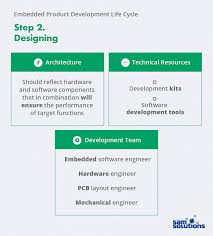
Developing embedded software presents unique challenges compared to traditional software development. Engineers working in this field must consider factors such as limited hardware resources, real-time constraints, power efficiency, and reliability. Debugging and testing embedded software can also be more complex due to the inability to easily access the hardware.

Tools and Technologies

To build reliable and efficient embedded software, developers rely on a variety of tools and technologies. Integrated development environments (IDEs), cross-compilers, debuggers, and simulation tools are commonly used in the development process. Programming languages like C, C++, and assembly language are popular choices for writing code for embedded systems.

The Future of Embedded Software Development

As technology continues to advance, the demand for embedded software developers is expected to grow. The Internet of Things (IoT) is driving the proliferation of connected devices that rely on embedded systems. Innovations in fields such as artificial intelligence, machine learning, and autonomous vehicles are also shaping the future of embedded software development.

Conclusion

Embedded software development is a dynamic and challenging field that requires specialized knowledge and skills. As our reliance on technology grows, so does the importance of skilled professionals who can design robust and efficient embedded systems. By staying abreast of emerging trends and technologies, developers in this field can continue to drive innovation across various industries.


Top 5 Frequently Asked Questions About Embedded Software Development

  1. What is embedded software development?
  2. What are the challenges of developing embedded software?
  3. What tools and technologies are commonly used in embedded software development?
  4. How does embedded software differ from traditional software development?
  5. What are the future trends in embedded software development?

What is embedded software development?

Embedded software development is the process of creating computer programs specifically designed to control embedded systems. Embedded systems are specialized computing devices that have dedicated functions within larger machines or devices. Embedded software is tailored to meet the unique requirements of these systems, such as real-time operation, limited hardware resources, and power efficiency. Engineers working in embedded software development use a variety of tools and programming languages to write code that enables embedded systems to perform their intended tasks effectively and reliably.

What are the challenges of developing embedded software?

Developing embedded software poses a myriad of challenges that require careful consideration and expertise. One significant challenge is the optimization of code to operate efficiently within the constraints of limited hardware resources. Real-time requirements add another layer of complexity, demanding precise timing and responsiveness. Ensuring the reliability and security of embedded systems is paramount, as any software failures can have serious consequences. Debugging and testing embedded software can be challenging due to the intricacies of interfacing with hardware components. Overcoming these obstacles requires a deep understanding of both software and hardware interactions, as well as proficiency in specialized tools and techniques specific to embedded systems development.

What tools and technologies are commonly used in embedded software development?

In embedded software development, a variety of tools and technologies are commonly used to facilitate the creation of efficient and reliable systems. Integrated development environments (IDEs) such as Eclipse, Visual Studio, and Keil provide developers with comprehensive platforms for writing, compiling, and debugging code. Cross-compilers are essential for translating source code into machine code that can run on the target hardware. Debugging tools like JTAG debuggers help identify and resolve issues in real-time. Additionally, simulation tools enable developers to test their software without the need for physical hardware. Programming languages like C, C++, and assembly language are prevalent in embedded development due to their efficiency and low-level control capabilities. These tools and technologies play a critical role in the success of embedded software projects by streamlining the development process and ensuring optimal performance of the final product.

How does embedded software differ from traditional software development?

Embedded software development differs from traditional software development in several key ways. Unlike traditional software that runs on general-purpose computers, embedded software is specifically designed to control embedded systems with dedicated functions. Embedded software operates within the constraints of limited hardware resources, real-time requirements, and often requires high reliability. Developers working on embedded systems must consider factors such as power efficiency, performance optimization, and the ability to interact directly with hardware components. Debugging and testing embedded software can be more challenging due to the specialized nature of the systems and the difficulty in accessing hardware for troubleshooting. Overall, embedded software development requires a unique skill set and understanding of the intricacies of designing software for specialized devices and applications.

One frequently asked question in the realm of embedded software development is, “What are the future trends in embedded software development?” As technology continues to evolve at a rapid pace, several key trends are shaping the future of embedded software development. These trends include the increasing integration of artificial intelligence and machine learning algorithms into embedded systems, the rise of edge computing for faster data processing and reduced latency, the growing adoption of open-source tools and platforms for greater flexibility and collaboration, and the emphasis on security measures to protect embedded devices from cyber threats. By staying informed about these emerging trends and adapting to new technologies, developers in the field of embedded software can effectively navigate the evolving landscape and drive innovation in various industries.

waterfall software development

Exploring the Waterfall Model in Software Development: A Traditional Approach

The Waterfall Model in Software Development

The Waterfall Model in Software Development

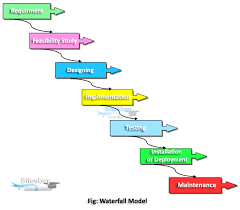
The waterfall model is a traditional approach to software development that follows a linear and sequential process. In this model, each phase must be completed before the next phase can begin, resembling a waterfall cascading down in one direction.

Phases of the Waterfall Model:

  1. Requirements Gathering: The initial phase where project requirements are gathered and documented.
  2. System Design: Based on the requirements, the system architecture and design are created.
  3. Implementation: The actual coding and programming of the software take place in this phase.
  4. Testing: Once the implementation is done, testing is performed to ensure the software meets the specified requirements.
  5. Deployment: The final product is deployed to users after successful testing and approval.
  6. Maintenance: Post-deployment phase where any issues or enhancements are addressed as needed.

Advantages of the Waterfall Model:

  • Predictable and easy to understand process flow.
  • Clear documentation at each stage facilitates better understanding and maintenance.
  • Suitable for projects with well-defined requirements and stable technology.

Disadvantages of the Waterfall Model:

  • Rigid structure makes it challenging to accommodate changes once a phase is completed.
  • No working software until late in the development cycle, potentially leading to surprises or mismatches with user expectations.
  • Risk of customer dissatisfaction due to limited opportunities for feedback during development.

In conclusion, while the waterfall model has its strengths in providing a structured approach to software development, its rigidity can be a limitation in today’s dynamic and fast-paced environment. It is essential for organizations to evaluate their project requirements carefully before choosing this model for their software development endeavors.


8 Essential Tips for Successful Waterfall Software Development

  1. Clearly define requirements at the beginning of the project.
  2. Create a detailed project plan outlining all stages of development.
  3. Stick to the planned schedule to ensure timely delivery.
  4. Implement thorough testing at each stage to catch issues early.
  5. Avoid making major changes once development has begun.
  6. Ensure clear communication among team members and stakeholders throughout the process.
  7. Document each phase of development for future reference and maintenance purposes.
  8. Conduct a comprehensive review after project completion to identify areas for improvement in future projects.

Clearly define requirements at the beginning of the project.

In the context of waterfall software development, it is crucial to clearly define requirements at the beginning of the project. By establishing a comprehensive understanding of what needs to be achieved upfront, teams can effectively plan and execute each phase in a sequential manner. Clear requirements help mitigate risks of scope creep and ensure that the final product aligns with stakeholders’ expectations. This proactive approach sets a solid foundation for success by providing a roadmap that guides development efforts towards meeting project goals efficiently and effectively.

Create a detailed project plan outlining all stages of development.

Creating a detailed project plan outlining all stages of development is crucial in the waterfall software development model. By clearly defining each phase, from requirements gathering to deployment, teams can establish a roadmap for the project, ensuring that tasks are completed in a sequential and orderly manner. This comprehensive plan helps in setting expectations, managing resources effectively, and maintaining clarity throughout the development process. Additionally, having a well-defined project plan allows stakeholders to track progress, identify potential bottlenecks early on, and make informed decisions to keep the project on track towards successful completion.

Stick to the planned schedule to ensure timely delivery.

Adhering to the planned schedule is crucial in waterfall software development to ensure timely delivery of the project. By sticking to the defined timeline for each phase, teams can maintain momentum and progress smoothly from one stage to the next. This discipline helps in meeting deadlines, managing resources efficiently, and ultimately delivering the final product on time. Deviating from the schedule can lead to delays, cost overruns, and potential disruptions in the project timeline. Therefore, staying committed to the planned schedule is key to successful execution and timely completion of software development projects following the waterfall model.

Implement thorough testing at each stage to catch issues early.

Implementing thorough testing at each stage of the waterfall software development process is crucial to catch issues early and ensure a high-quality end product. By conducting comprehensive testing throughout each phase, potential problems can be identified and rectified promptly, reducing the risk of costly rework or delays later in the project. This proactive approach not only helps maintain the project timeline but also enhances the overall reliability and performance of the software being developed.

Avoid making major changes once development has begun.

It is crucial to adhere to the advice of avoiding major changes once development has commenced in a waterfall software development project. The waterfall model’s sequential nature means that each phase builds upon the previous one, making it challenging to accommodate significant alterations once a stage is completed. Introducing major changes mid-development can disrupt the entire process, leading to delays, increased costs, and potential rework. By carefully defining and finalizing requirements upfront, stakeholders can minimize the need for modifications later on, ensuring a smoother and more efficient software development cycle.

Ensure clear communication among team members and stakeholders throughout the process.

Clear communication among team members and stakeholders is crucial in ensuring the success of a waterfall software development project. From the initial requirements gathering stage to the final deployment and maintenance phases, maintaining open and transparent communication channels helps in aligning everyone’s expectations, addressing any issues promptly, and fostering collaboration. Regular updates, progress reports, and feedback sessions enable team members to stay on the same page, identify potential roadblocks early on, and make informed decisions to deliver a high-quality product that meets stakeholders’ needs effectively.

Document each phase of development for future reference and maintenance purposes.

It is crucial to document each phase of development in the waterfall model for future reference and maintenance purposes. Comprehensive documentation provides a clear record of the project’s progress, decisions made, and the rationale behind them. This documentation serves as a valuable resource for understanding the software system, making updates or enhancements, and troubleshooting issues that may arise during maintenance. By documenting each phase meticulously, developers and stakeholders can ensure continuity and efficiency in managing the software throughout its lifecycle.

Conduct a comprehensive review after project completion to identify areas for improvement in future projects.

Conducting a comprehensive review after project completion in the waterfall software development process is crucial for identifying areas that can be improved in future projects. By analyzing the entire project lifecycle, including requirements gathering, design, implementation, testing, deployment, and maintenance phases, teams can pinpoint strengths and weaknesses in their processes. This review enables organizations to learn from past experiences, refine their methodologies, and enhance efficiency and effectiveness in subsequent projects.

software development outsourcing companies

Unlocking Success: The Role of Software Development Outsourcing Companies

Article: Software Development Outsourcing Companies

The Rise of Software Development Outsourcing Companies

In today’s fast-paced digital world, software development outsourcing companies have become a popular choice for businesses looking to enhance their technological capabilities without the need for in-house expertise. These companies offer a range of services, from custom software development to application maintenance and support.

Benefits of Software Development Outsourcing

One of the key benefits of outsourcing software development is cost savings. By partnering with an outsourcing company, businesses can access a global talent pool at a fraction of the cost compared to hiring full-time employees locally. This cost-effectiveness allows companies to allocate their resources more efficiently and invest in other areas of their business.

Another advantage of outsourcing is the ability to tap into specialized skills and expertise. Software development outsourcing companies often have teams of experienced professionals who are well-versed in the latest technologies and best practices. This expertise can help businesses accelerate their project timelines and deliver high-quality solutions.

Challenges and Considerations

While software development outsourcing offers many benefits, there are also challenges that businesses need to consider. Communication can sometimes be a hurdle when working with remote teams, especially across different time zones. It is essential for companies to establish clear communication channels and set expectations early on to ensure successful collaboration.

Data security is another concern when outsourcing software development. Businesses must carefully vet potential outsourcing partners to ensure they have robust security measures in place to protect sensitive information and intellectual property.

Choosing the Right Partner

When selecting a software development outsourcing company, it is crucial for businesses to conduct thorough research and due diligence. Look for companies with a proven track record of delivering successful projects within budget and on time. Consider factors such as industry experience, technical expertise, and client testimonials when making your decision.

In conclusion, software development outsourcing companies play a vital role in helping businesses stay competitive in today’s digital landscape. By leveraging the benefits of outsourcing while addressing potential challenges, businesses can unlock new opportunities for growth and innovation.


6 Essential Tips for Successfully Working with Software Development Outsourcing Companies

  1. Clearly define your project requirements and goals before engaging with an outsourcing company.
  2. Research and thoroughly vet potential outsourcing partners to ensure they have the necessary expertise and experience.
  3. Establish open communication channels to maintain transparency throughout the development process.
  4. Set clear expectations regarding timelines, deliverables, and project scope to avoid misunderstandings later on.
  5. Consider cultural differences when working with offshore teams to foster a positive working relationship.
  6. Regularly monitor progress, provide feedback, and address any issues promptly to keep the project on track.

Clearly define your project requirements and goals before engaging with an outsourcing company.

It is crucial to clearly define your project requirements and goals before engaging with a software development outsourcing company. By having a comprehensive understanding of what you aim to achieve and the specific features you need in your software, you can effectively communicate your expectations to the outsourcing partner. This clarity helps ensure that the outsourcing company delivers a solution that aligns with your objectives and meets your business needs efficiently. Additionally, defining project requirements upfront can streamline the development process, minimize misunderstandings, and ultimately lead to a successful collaboration between your business and the outsourcing company.

Research and thoroughly vet potential outsourcing partners to ensure they have the necessary expertise and experience.

To maximize the benefits of software development outsourcing, it is crucial to conduct comprehensive research and diligently evaluate potential outsourcing partners. By thoroughly vetting these companies, businesses can verify that they possess the required expertise and experience to successfully deliver on project requirements. This proactive approach helps mitigate risks and ensures a more productive and successful collaboration, ultimately leading to high-quality outcomes and enhanced business results.

Establish open communication channels to maintain transparency throughout the development process.

Establishing open communication channels is crucial when working with software development outsourcing companies to maintain transparency throughout the development process. Clear and consistent communication helps ensure that all stakeholders are on the same page regarding project requirements, progress, and any potential challenges that may arise. By fostering transparency through open communication, businesses can build trust with their outsourcing partners, mitigate risks, and ultimately achieve successful project outcomes.

Set clear expectations regarding timelines, deliverables, and project scope to avoid misunderstandings later on.

Setting clear expectations regarding timelines, deliverables, and project scope is crucial when working with software development outsourcing companies. By establishing these parameters upfront, businesses can ensure that both parties are aligned on project goals and requirements, ultimately avoiding misunderstandings and potential delays down the line. Clear communication from the outset helps to create a solid foundation for successful collaboration and sets the stage for a smooth and efficient project execution.

Consider cultural differences when working with offshore teams to foster a positive working relationship.

When engaging with offshore teams for software development outsourcing, it is essential to consider cultural differences to cultivate a harmonious and productive working relationship. By acknowledging and respecting cultural nuances, such as communication styles, work ethics, and business practices, businesses can bridge the gap between diverse teams and foster a collaborative environment. Embracing cultural diversity not only enhances communication and teamwork but also promotes mutual understanding and appreciation among team members, ultimately leading to successful project outcomes.

Regularly monitor progress, provide feedback, and address any issues promptly to keep the project on track.

To ensure the success of a software development outsourcing project, it is essential to maintain regular monitoring of progress, offer constructive feedback, and promptly address any issues that may arise. By staying actively involved in the project and fostering open communication with the outsourcing team, businesses can effectively keep the project on track and ensure that it meets its objectives within the specified timeline and budget. This proactive approach helps to identify and resolve potential roadblocks early on, ultimately leading to a smoother and more successful project outcome.

agile software

Unlocking Success: The Agile Software Revolution

The Power of Agile Software Development

The Power of Agile Software Development

Agile software development has revolutionized the way software projects are managed and executed. Unlike traditional waterfall methods, agile focuses on flexibility, collaboration, and continuous improvement. This approach allows teams to adapt to changing requirements and deliver high-quality products efficiently.

Key Principles of Agile

Agile is based on several key principles that guide its implementation:

  • Iterative Development: Projects are broken down into small iterations or sprints, allowing for incremental progress and regular feedback.
  • Collaboration: Team members work closely together, sharing knowledge and expertise to achieve common goals.
  • Customer Involvement: Customers are involved throughout the development process, providing feedback and guidance to ensure the end product meets their needs.
  • Adaptability: Agile teams embrace change and are able to adjust their plans quickly in response to new information or requirements.

Benefits of Agile

The agile approach offers numerous benefits for both teams and customers:

  • Faster Time-to-Market: By delivering working software in short iterations, agile teams can respond quickly to market demands and release products faster.
  • Better Quality: Continuous testing and feedback help identify issues early, leading to higher-quality products.
  • Improved Customer Satisfaction: Involving customers throughout the development process ensures that the final product meets their expectations and needs.
  • Increased Flexibility: Agile allows teams to adapt to changing requirements, technology trends, or business priorities without significant disruption.

Challenges of Agile

While agile offers many advantages, it also comes with its own set of challenges:

  • Cultural Shift: Adopting an agile mindset may require a cultural shift within organizations used to traditional project management methods.
  • Resource Allocation: Balancing competing priorities and managing resources effectively can be challenging in an agile environment.
  • Risk Management: Embracing change can introduce risks that need to be carefully managed to ensure project success.

In Conclusion

Agile software development has transformed the way software projects are approached, emphasizing collaboration, adaptability, and customer satisfaction. By embracing agility, teams can deliver high-quality products faster and more efficiently than ever before. While challenges exist, the benefits of agile far outweigh the obstacles, making it a powerful methodology for modern software development projects.


7 Essential Tips for Mastering Agile Software Development

  1. Break down tasks into smaller chunks for better manageability.
  2. Regularly communicate and collaborate with team members to ensure progress.
  3. Prioritize tasks based on importance and impact to the project.
  4. Embrace change and be flexible in adapting to new requirements.
  5. Iterate quickly and frequently to gather feedback for continuous improvement.
  6. Empower team members by encouraging autonomy and decision-making.
  7. Reflect on past sprints to identify areas for optimization and growth.

Break down tasks into smaller chunks for better manageability.

Breaking down tasks into smaller chunks is a fundamental tip in agile software development that enhances manageability and efficiency. By dividing complex tasks into more manageable pieces, teams can focus on completing one task at a time, leading to better organization and progress tracking. This approach also allows for quicker feedback loops, enabling teams to adapt and make necessary adjustments easily. Ultimately, breaking down tasks into smaller chunks promotes a smoother workflow and ensures that project goals are achieved in a timely manner.

Regularly communicate and collaborate with team members to ensure progress.

Regular communication and collaboration with team members are essential aspects of successful agile software development. By maintaining open lines of communication and working closely together, team members can ensure that progress is consistent and aligned with project goals. Regular updates, feedback sessions, and collaborative problem-solving help to address any issues promptly and keep the project on track. This emphasis on communication and collaboration fosters a sense of unity within the team and promotes a shared understanding of the project’s objectives, leading to more efficient and effective outcomes.

Prioritize tasks based on importance and impact to the project.

In agile software development, it is crucial to prioritize tasks based on their importance and impact on the project’s success. By focusing on high-priority tasks that have a significant impact on achieving project goals, teams can ensure that they are allocating their resources effectively and delivering value to customers in a timely manner. Prioritization helps teams stay focused, make informed decisions, and maximize the overall efficiency of the development process.

Embrace change and be flexible in adapting to new requirements.

Embracing change and fostering flexibility in adapting to new requirements are fundamental principles of agile software development. By maintaining an open mindset and being willing to adjust plans as needed, agile teams can respond effectively to evolving project needs and customer expectations. This approach not only enhances collaboration and innovation within the team but also ensures that the final product aligns closely with the dynamic demands of the market.

Iterate quickly and frequently to gather feedback for continuous improvement.

Iterating quickly and frequently in agile software development is essential for gathering valuable feedback that drives continuous improvement. By breaking down projects into small iterations or sprints, teams can deliver working software at a rapid pace, allowing stakeholders to provide feedback early in the process. This feedback loop enables teams to make necessary adjustments, address issues promptly, and enhance the quality of the final product. Embracing a culture of continuous iteration and feedback not only fosters collaboration but also ensures that the end result meets customer expectations and evolves with changing requirements effectively.

Empower team members by encouraging autonomy and decision-making.

Empowering team members by encouraging autonomy and decision-making is a key tip in agile software development. By granting individuals the freedom to make decisions within their areas of expertise, teams can foster creativity, ownership, and accountability. This approach not only boosts morale and motivation but also leads to more innovative solutions and efficient problem-solving. Trusting team members to take ownership of their work ultimately results in a more collaborative and productive agile environment where individuals feel valued and empowered to contribute their best to the project’s success.

Reflect on past sprints to identify areas for optimization and growth.

Reflecting on past sprints is a crucial practice in agile software development as it allows teams to identify areas for optimization and growth. By reviewing what worked well and what could be improved from previous iterations, teams can make informed decisions on how to enhance their processes, increase efficiency, and deliver even better results in future sprints. This reflective practice fosters a culture of continuous improvement and learning within the team, ultimately leading to better outcomes and increased success in software development projects.

software developer

Empowering Innovation: The Role of a Software Developer in Today’s Tech Landscape

Article: Software Developer

The Role of a Software Developer in Today’s Digital World

In the rapidly evolving landscape of technology, software developers play a crucial role in shaping the digital world we live in. These skilled professionals are responsible for designing, creating, and maintaining the software applications that power our daily lives.

Software developers utilize their expertise in programming languages such as Java, C++, Python, and more to write code that enables various software systems to function efficiently. They work closely with designers, project managers, and other stakeholders to understand requirements and deliver solutions that meet user needs.

From developing mobile apps to designing complex enterprise software systems, software developers are versatile problem-solvers who thrive on challenges. Their ability to think logically, troubleshoot issues, and adapt to new technologies make them invaluable assets in any tech-driven organization.

Continuous learning is a hallmark of the software development field. Developers must stay updated on emerging trends, tools, and best practices to remain competitive in the industry. Whether it’s mastering a new programming language or exploring innovative development methodologies, staying ahead of the curve is essential for success.

Collaboration is another key aspect of being a software developer. Working in teams allows developers to leverage collective expertise and creativity to tackle complex projects efficiently. Effective communication skills are vital for sharing ideas, providing feedback, and ensuring project milestones are met.

As technology continues to advance at a rapid pace, the demand for skilled software developers shows no signs of slowing down. Organizations across industries rely on these professionals to drive innovation, enhance user experiences, and streamline business operations through custom software solutions.

In conclusion, software developers play a pivotal role in shaping the digital landscape we inhabit today. Their technical prowess, problem-solving abilities, and collaborative mindset make them indispensable contributors to the ever-evolving world of technology.


Top 9 Benefits of Being a Software Developer

  1. High earning potential
  2. Opportunities for remote work
  3. Continuous learning and skill development
  4. Creative problem-solving challenges
  5. Variety of industries to work in
  6. Ability to make a tangible impact through software solutions
  7. Collaborative team environments
  8. Flexibility in work hours and projects
  9. Growing demand for skilled professionals


6 Challenges Faced by Software Developers: From High Stress to Limited Work-Life Balance

  1. High stress levels due to tight deadlines and project demands
  2. Sedentary lifestyle with long hours of sitting in front of a computer
  3. Continuous need for learning and staying updated on evolving technologies
  4. Potential for burnout from working on complex and challenging projects
  5. Limited work-life balance, especially during crunch times or project deadlines
  6. Possibility of encountering coding errors or bugs that require extensive troubleshooting

High earning potential

Software developers enjoy a high earning potential due to their in-demand skills and expertise in the tech industry. With the rapid growth of technology-driven businesses and the increasing reliance on software solutions, companies are willing to offer competitive salaries and benefits to attract top talent in the field. Additionally, software developers who specialize in niche areas or possess advanced certifications often command even higher compensation packages, making it a lucrative career choice for those looking to maximize their earning potential.

Opportunities for remote work

Software developers enjoy the significant advantage of abundant opportunities for remote work. With the rise of digital communication tools and cloud-based collaboration platforms, developers can effectively perform their tasks from anywhere in the world. This flexibility not only promotes a better work-life balance but also opens up doors to a diverse range of projects and clients beyond geographical boundaries. Remote work empowers software developers to choose their preferred environment, leading to increased productivity and job satisfaction.

Continuous learning and skill development

Continuous learning and skill development are fundamental aspects of being a software developer. In the fast-paced and ever-evolving field of technology, staying current with the latest trends, tools, and programming languages is essential for professional growth. By actively seeking out opportunities to expand their knowledge and expertise, software developers not only enhance their problem-solving abilities but also remain competitive in the industry. Embracing a mindset of lifelong learning allows developers to adapt to changing demands, explore new possibilities, and contribute effectively to innovative software solutions that meet the needs of today’s digital world.

Creative problem-solving challenges

Software developers excel in creative problem-solving challenges, where their ingenuity and analytical skills are put to the test. Faced with complex issues and constraints, developers leverage their innovative thinking to devise elegant solutions that address the root cause of the problem. This ability to approach challenges from different angles and think outside the box not only enhances their problem-solving capabilities but also leads to the development of efficient and effective software solutions that meet user needs effectively.

Variety of industries to work in

Software developers enjoy the advantage of having a wide range of industries to choose from when it comes to their career path. Whether it’s healthcare, finance, entertainment, or manufacturing, software developers can apply their skills and expertise across diverse sectors. This versatility not only offers developers the opportunity to explore different domains and expand their knowledge but also allows them to make a significant impact in various fields by creating innovative solutions tailored to specific industry needs. The abundance of industries seeking software development talent ensures that developers can find a rewarding and fulfilling career path that aligns with their interests and aspirations.

Ability to make a tangible impact through software solutions

Software developers possess the remarkable ability to make a tangible impact through their innovative software solutions. By leveraging their technical expertise and problem-solving skills, software developers have the power to create applications and systems that address real-world challenges, streamline processes, enhance user experiences, and drive business growth. Their capacity to transform ideas into functional software solutions not only improves efficiency and productivity but also opens up new possibilities for organizations and individuals alike. The tangible outcomes of their work serve as a testament to the invaluable contributions that software developers make in shaping a more connected and technologically advanced world.

Collaborative team environments

In collaborative team environments, software developers thrive by leveraging their collective expertise and creativity to tackle complex projects efficiently. By working closely with designers, project managers, and other stakeholders, developers can effectively share ideas, provide valuable feedback, and ensure that project milestones are met. Effective communication skills are essential in fostering a cohesive team dynamic where individuals can contribute their unique perspectives towards a common goal. This collaborative approach not only enhances the quality of software development but also promotes a culture of innovation and continuous improvement within the team.

Flexibility in work hours and projects

Software developers enjoy the benefit of flexibility in both their work hours and the projects they undertake. This freedom allows them to structure their schedules in a way that suits their productivity levels and personal commitments. Additionally, being able to choose from a variety of projects enables developers to work on tasks that align with their interests and expertise, fostering creativity and job satisfaction. The ability to adapt their working hours and project choices not only enhances work-life balance but also contributes to increased motivation and overall job performance.

Growing demand for skilled professionals

The growing demand for skilled software developers reflects the pivotal role they play in driving technological innovation across industries. As businesses increasingly rely on custom software solutions to enhance efficiency and competitiveness, the need for talented professionals who can design, develop, and maintain these applications continues to rise. Skilled software developers are sought after for their ability to create cutting-edge solutions that meet evolving user needs and business requirements, making them invaluable assets in today’s digital economy.

High stress levels due to tight deadlines and project demands

Software developers often face high stress levels attributed to tight deadlines and demanding project requirements. The pressure to deliver quality code within strict timelines can lead to heightened levels of stress and anxiety. Balancing multiple projects simultaneously while ensuring accuracy and efficiency adds to the challenges faced by software developers. The need to constantly meet client expectations and adapt to changing project scopes can contribute to a stressful work environment, impacting both productivity and overall well-being. Finding effective ways to manage stress and maintain a healthy work-life balance is essential for software developers in navigating the demanding nature of their profession.

Sedentary lifestyle with long hours of sitting in front of a computer

A significant drawback faced by software developers is the sedentary lifestyle that comes with long hours of sitting in front of a computer. This prolonged period of inactivity can lead to various health issues, including musculoskeletal problems, obesity, and increased risk of cardiovascular diseases. The lack of physical activity and constant exposure to screens can also contribute to eye strain, back pain, and mental fatigue. Balancing the demands of coding and development work with maintaining a healthy lifestyle becomes a challenge for many software developers, highlighting the importance of incorporating regular breaks, ergonomic workstations, and physical exercise into their daily routine to mitigate these adverse effects.

Continuous need for learning and staying updated on evolving technologies

One significant challenge faced by software developers is the continuous need for learning and staying updated on evolving technologies. The fast-paced nature of the tech industry means that developers must constantly acquire new skills, adapt to emerging trends, and master innovative tools to remain competitive. This ongoing process of self-education can be time-consuming and demanding, requiring developers to invest significant effort in staying abreast of the latest advancements in programming languages, frameworks, and methodologies. Failure to keep up with the rapid pace of change in technology can lead to obsolescence and hinder career growth in this dynamic field.

Potential for burnout from working on complex and challenging projects

The demanding nature of working on complex and challenging projects as a software developer can lead to a significant risk of burnout. Constantly pushing boundaries, solving intricate problems, and meeting tight deadlines can take a toll on developers’ mental and physical well-being. The pressure to deliver flawless code while navigating intricate technical requirements may result in long hours, high stress levels, and limited work-life balance. Without proper support systems in place, the potential for burnout among software developers facing such intense project demands is a real concern that organizations must address proactively to ensure the health and productivity of their development teams.

Limited work-life balance, especially during crunch times or project deadlines

Software developers often face the con of limited work-life balance, particularly during crunch times or project deadlines. The nature of their work, which can involve long hours of coding, debugging, and problem-solving, sometimes leads to intense periods of focus and productivity. This may result in developers having to sacrifice personal time and leisure activities to meet project milestones or address urgent issues. Balancing work commitments with personal well-being can be challenging in such high-pressure situations, impacting their overall quality of life and mental health. Employers and developers alike need to prioritize strategies that promote a healthier work-life balance to ensure sustainable productivity and job satisfaction in the long run.

Possibility of encountering coding errors or bugs that require extensive troubleshooting

Software developers face the significant challenge of encountering coding errors or bugs that demand extensive troubleshooting. Despite their expertise and meticulous coding practices, the complexity of software systems can lead to unexpected issues that require thorough investigation and problem-solving skills. Identifying the root cause of a bug, fixing it without introducing new errors, and ensuring the overall stability of the software can be time-consuming and demanding tasks for developers. This process not only tests their technical abilities but also requires patience and persistence to resolve issues effectively.

innovative technology

Exploring the Impact of Innovative Technology on Modern Society

The Impact of Innovative Technology on Society

The Impact of Innovative Technology on Society

Technology has always been a driving force behind societal progress. In today’s fast-paced world, innovative technologies are revolutionizing the way we live, work, and interact with one another.

Enhancing Efficiency and Productivity

One of the key benefits of innovative technology is its ability to enhance efficiency and productivity across various industries. Automation, artificial intelligence, and data analytics are transforming traditional processes, allowing businesses to streamline operations and achieve higher levels of output.

Improving Quality of Life

Advancements in healthcare technology have led to improved diagnoses, treatments, and patient care. From telemedicine services to wearable health monitoring devices, innovative technologies are enhancing the quality of life for people around the globe.

Empowering Communication and Connectivity

The rise of social media platforms, video conferencing tools, and instant messaging apps has revolutionized the way we communicate and connect with others. Innovative technology has bridged geographical barriers, allowing people to stay connected in real-time regardless of their location.

Fostering Sustainability and Environmental Conservation

Innovative technologies are playing a crucial role in promoting sustainability and environmental conservation. From renewable energy solutions to smart waste management systems, technology is enabling us to reduce our carbon footprint and preserve our planet for future generations.

Challenges and Considerations

While innovative technology brings about numerous benefits, it also presents challenges such as cybersecurity threats, privacy concerns, and digital divide issues. It is essential for society to address these challenges proactively to ensure that the benefits of technology can be enjoyed by all.

The Future of Innovation

As we look towards the future, it is clear that innovative technology will continue to shape our world in profound ways. By embracing new ideas, fostering creativity, and prioritizing ethical considerations, we can harness the power of technology to create a more inclusive, sustainable, and interconnected society.


Understanding Innovative Technology: Key Questions and Answers

  1. What is innovation examples?
  2. What is the purpose of innovative technology?
  3. What do you mean by innovative technologies?
  4. How do you innovate technology?

What is innovation examples?

Innovation examples encompass a wide range of groundbreaking technologies and creative solutions that have transformed industries and daily life. From the development of self-driving cars and virtual reality experiences to the integration of artificial intelligence in healthcare diagnostics and smart home devices, innovation examples showcase the power of human ingenuity to drive progress and shape the future. These advancements not only improve efficiency and convenience but also have the potential to address pressing societal challenges and enhance overall well-being.

What is the purpose of innovative technology?

The purpose of innovative technology is to drive progress, improve efficiency, and enhance the quality of life for individuals and societies. By pushing the boundaries of what is possible, innovative technologies aim to solve complex problems, streamline processes, and create new opportunities for growth and development. Whether it’s in healthcare, communication, sustainability, or any other field, the ultimate goal of innovative technology is to bring about positive change and make a meaningful impact on the world around us.

What do you mean by innovative technologies?

Innovative technologies refer to new and advanced solutions, tools, or approaches that introduce novel ideas or methods to address existing challenges or improve upon existing processes. These technologies often involve cutting-edge developments in fields such as artificial intelligence, automation, data analytics, and biotechnology. They are characterized by their ability to transform industries, enhance efficiency, drive progress, and create new opportunities for growth and development. Embracing innovative technologies can lead to disruptive changes that have the potential to revolutionize how we live, work, communicate, and interact with the world around us.

How do you innovate technology?

Innovating technology involves a combination of creativity, problem-solving, and strategic thinking. To innovate technology effectively, individuals and organizations must stay abreast of the latest trends, conduct thorough research, and identify areas where improvement or disruption is needed. This process often includes brainstorming new ideas, prototyping solutions, testing them in real-world scenarios, and iterating based on feedback. Collaboration with experts from diverse backgrounds and industries can also spark innovative ideas and lead to breakthrough advancements in technology. By fostering a culture of innovation, embracing risk-taking, and being open to change, individuals and organizations can drive technological progress and make a meaningful impact on society.