


Unlocking Innovation: The Evolution of Application Development Platforms
The Power of Application Development Platforms
Application development platforms have revolutionized the way software is created and deployed in today’s fast-paced digital world. These platforms provide developers with a comprehensive set of tools and frameworks to streamline the development process and deliver high-quality applications efficiently.
Benefits of Using an Application Development Platform:
Rapid Development: With pre-built components and templates, developers can quickly prototype and build applications, reducing time-to-market.
Scalability: Application development platforms are designed to scale effortlessly as your user base grows, ensuring that your application can handle increased demand without compromising performance.
Cross-Platform Compatibility: Many development platforms support multiple operating systems and devices, allowing developers to create applications that can run seamlessly on various platforms.
Integration Capabilities: These platforms often come with built-in integrations for common services and APIs, simplifying the process of connecting your application to external systems.
Key Features of Application Development Platforms:
- Drag-and-Drop Interface: Enables developers to visually design the user interface of their applications without writing extensive code.
- Code Reusability: Developers can reuse components and modules across different projects, saving time and effort in development.
- Data Management Tools: Built-in tools for managing data storage, retrieval, and manipulation within the application.
- Analytics & Reporting: Provides insights into application performance, user behavior, and other metrics for optimization.
- Security Features: Includes mechanisms for securing data transmission, authentication, and authorization within the application.
The Future of Application Development Platforms
As technology continues to evolve, application development platforms will play a crucial role in accelerating innovation and driving digital transformation across industries. With their robust features and capabilities, these platforms empower developers to create cutting-edge applications that meet the demands of today’s dynamic market landscape.
Understanding Application Development Platforms: Types, Best Options, and Definitions
- What are the different types of application platforms?
- Which platform is best for application development?
- What is an application development platform?
- What is a platform for an application?
What are the different types of application platforms?
When considering the different types of application platforms, it’s important to recognize the variety of options available to developers based on their specific needs and requirements. Common types of application platforms include mobile application development platforms (MADP), web application development platforms, low-code or no-code platforms, and enterprise application platforms. Each type offers distinct features and functionalities tailored to different use cases, allowing developers to choose the platform that best aligns with their project goals and technical expertise. Understanding the nuances of these various types of application platforms can help developers make informed decisions when selecting the most suitable platform for their development projects.
Which platform is best for application development?
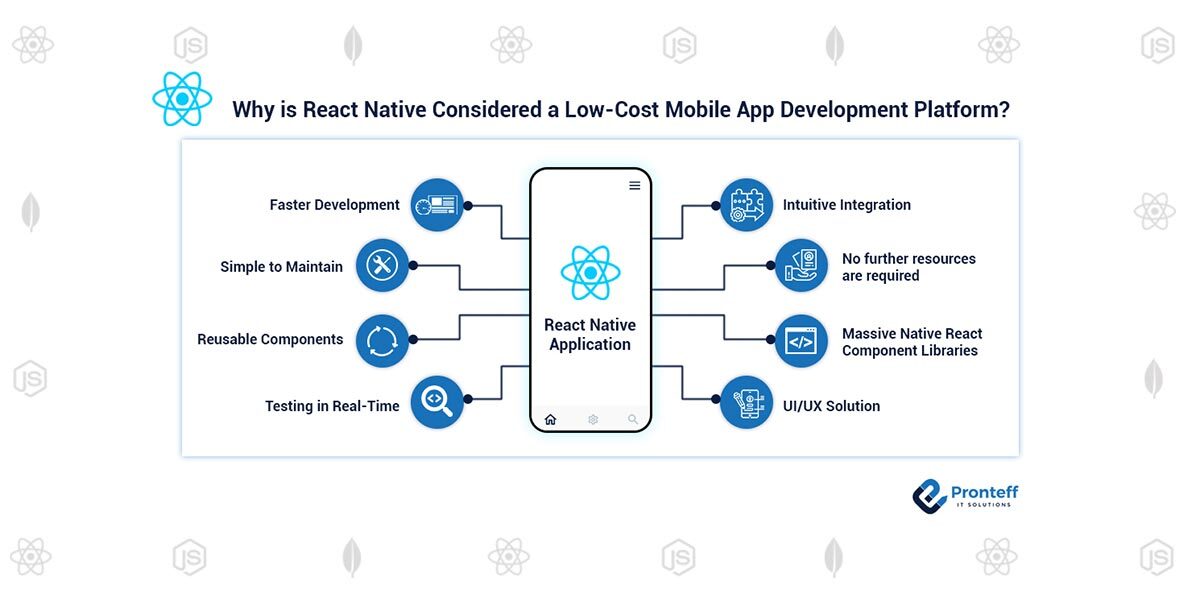
When it comes to choosing the best platform for application development, the answer depends on various factors such as the specific requirements of the project, the expertise of the development team, scalability needs, budget constraints, and target platforms. Some popular application development platforms include Android Studio for Android app development, Xcode for iOS app development, Visual Studio for Windows app development, and cross-platform frameworks like React Native and Flutter. It is essential to evaluate each platform based on its features, community support, flexibility, and compatibility with your project goals to determine which one aligns best with your development needs.
What is an application development platform?
An application development platform is a comprehensive set of tools, frameworks, and resources that enable developers to design, build, test, and deploy software applications efficiently. It provides a structured environment for creating applications by offering features such as integrated development environments (IDEs), libraries, APIs, and deployment options. Essentially, an application development platform serves as a foundation that streamlines the development process and allows developers to focus on designing innovative solutions without getting bogged down in the complexities of infrastructure setup and configuration.
What is a platform for an application?
A platform for an application refers to the foundational software environment on which developers build, deploy, and run their applications. It provides a set of tools, frameworks, and services that streamline the development process and enable the creation of functional and user-friendly applications. Essentially, an application development platform serves as a comprehensive infrastructure that supports developers in designing, coding, testing, and maintaining software applications across various devices and operating systems. By leveraging a robust platform, developers can focus on creating innovative features and functionalities for their applications without getting bogged down by the complexities of infrastructure management.