cfchris.com

Loading

artificial intelligence machine learning

Exploring the Intersection of Artificial Intelligence and Machine Learning: A Deep Dive into Cutting-Edge Technologies

Understanding Artificial Intelligence and Machine Learning

Understanding Artificial Intelligence and Machine Learning

In recent years, artificial intelligence (AI) and machine learning (ML) have become integral components of technological advancement. These technologies are transforming industries, enhancing efficiency, and driving innovation across various sectors.

What is Artificial Intelligence?

Artificial intelligence refers to the simulation of human intelligence in machines that are programmed to think and learn like humans. AI systems can perform tasks such as recognizing speech, solving problems, making decisions, and translating languages.

What is Machine Learning?

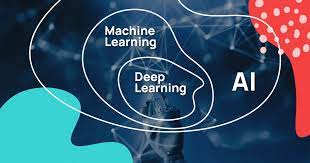
Machine learning is a subset of AI that focuses on the development of algorithms that allow computers to learn from and make predictions based on data. It involves training models using large datasets to identify patterns and make informed decisions without explicit programming.

The Relationship Between AI and ML

While AI encompasses a broad range of technologies aimed at mimicking human cognitive functions, machine learning is specifically concerned with the creation of algorithms that enable machines to learn from data. In essence, machine learning is one way to achieve artificial intelligence.

Applications of AI and ML

  • Healthcare: AI and ML are used for diagnosing diseases, predicting patient outcomes, and personalizing treatment plans.
  • Finance: These technologies help in fraud detection, risk management, algorithmic trading, and personalized banking services.
  • E-commerce: AI-driven recommendation systems enhance customer experience by suggesting products based on user behavior.
  • Autonomous Vehicles: Self-driving cars use machine learning algorithms to navigate roads safely by recognizing objects and making real-time decisions.

The Future of AI and ML

The future of artificial intelligence and machine learning holds immense potential. As these technologies continue to evolve, they will likely lead to more sophisticated applications in various fields such as healthcare diagnostics, climate modeling, smart cities development, and beyond. However, ethical considerations surrounding privacy, security, and the impact on employment must be addressed as these technologies advance.

Conclusion

The integration of artificial intelligence and machine learning into everyday life is reshaping how we interact with technology. By understanding their capabilities and implications, we can harness their power responsibly to create a better future for all.


Understanding AI and Machine Learning: Answers to 7 Common Questions

  1. What is the difference between machine learning and AI?
  2. What are the 4 types of AI machines?
  3. What is an example of AI and ML?
  4. What is AI but not ML?
  5. What is different between AI and ML?
  6. Is artificial intelligence a machine learning?
  7. What is machine learning in artificial intelligence?

What is the difference between machine learning and AI?

Artificial intelligence (AI) and machine learning (ML) are often used interchangeably, but they refer to different concepts within the realm of computer science. AI is a broader field that encompasses the creation of machines capable of performing tasks that typically require human intelligence, such as reasoning, problem-solving, and understanding language. Machine learning, on the other hand, is a subset of AI focused specifically on developing algorithms that enable computers to learn from data and improve their performance over time without being explicitly programmed for each task. In essence, while AI aims to simulate human cognitive functions broadly, machine learning provides the tools and techniques for achieving this by allowing systems to learn from experience and adapt to new information.

What are the 4 types of AI machines?

Artificial intelligence is often categorized into four types based on their capabilities and functionalities. The first type is *Reactive Machines*, which are the most basic form of AI systems designed to perform specific tasks without memory or past experiences, such as IBM’s Deep Blue chess program. The second type is *Limited Memory*, which can use past experiences to inform future decisions, commonly found in self-driving cars that analyze data from the environment to make real-time decisions. The third type is *Theory of Mind*, a more advanced AI that, in theory, would understand emotions and human thought processes; however, this level of AI remains largely theoretical at this point. Finally, *Self-aware AI* represents the most sophisticated form of artificial intelligence, capable of self-awareness and consciousness; this type remains purely conceptual as no such machines currently exist. Each type represents a step toward greater complexity and capability in AI systems.

What is an example of AI and ML?

An example that illustrates the capabilities of artificial intelligence (AI) and machine learning (ML) is the use of recommendation systems by online streaming platforms like Netflix. These platforms employ ML algorithms to analyze user behavior, preferences, and viewing history to suggest personalized movie or TV show recommendations. By continuously learning from user interactions and feedback, the AI-powered recommendation system enhances user experience by offering content tailored to individual tastes, ultimately increasing user engagement and satisfaction.

What is AI but not ML?

Artificial Intelligence (AI) encompasses a broad range of technologies designed to mimic human cognitive functions, such as reasoning, problem-solving, and understanding language. While machine learning (ML) is a subset of AI focused on algorithms that allow systems to learn from data and improve over time, not all AI involves machine learning. For instance, rule-based systems or expert systems are examples of AI that do not use ML. These systems rely on predefined rules and logic to make decisions or solve problems, rather than learning from data. Such AI applications can be effective in environments where the rules are well-defined and the variables are limited, demonstrating that AI can exist independently of machine learning techniques.

What is different between AI and ML?

Artificial intelligence (AI) and machine learning (ML) are closely related yet distinct concepts within the realm of computer science. AI refers to the broader concept of machines being able to carry out tasks in a way that we would consider “smart,” encompassing systems that can mimic human intelligence, including reasoning, problem-solving, and understanding language. Machine learning, on the other hand, is a subset of AI that specifically focuses on the ability of machines to learn from data. Rather than being explicitly programmed to perform a task, ML algorithms are designed to identify patterns and make decisions based on input data. In essence, while all machine learning is a form of AI, not all AI involves machine learning. AI can include rule-based systems and other techniques that do not rely on learning from data.

Is artificial intelligence a machine learning?

Artificial intelligence (AI) and machine learning (ML) are often mentioned together, but they are not the same thing. AI is a broad field that focuses on creating systems capable of performing tasks that would typically require human intelligence, such as understanding natural language, recognizing patterns, and making decisions. Machine learning, on the other hand, is a subset of AI that involves the development of algorithms and statistical models that enable machines to improve their performance on a specific task through experience and data analysis. In essence, while all machine learning is part of artificial intelligence, not all artificial intelligence involves machine learning. Machine learning provides one of the techniques through which AI can be realized by allowing systems to learn from data and improve over time without being explicitly programmed for each specific task.

What is machine learning in artificial intelligence?

Machine learning in artificial intelligence is a specialized area that focuses on developing algorithms and statistical models that enable computers to improve their performance on tasks through experience. Unlike traditional programming, where a computer follows explicit instructions, machine learning allows systems to learn from data patterns and make decisions with minimal human intervention. By training models on vast amounts of data, machine learning enables AI systems to recognize patterns, predict outcomes, and adapt to new information over time. This capability is fundamental in applications such as image recognition, natural language processing, and autonomous driving, where the ability to learn from data is crucial for success.

Ethical AI: Shaping a Responsible and Fair Future

Understanding Ethical AI: Building a Responsible Future

The rapid advancement of artificial intelligence (AI) has brought about transformative changes across various sectors, from healthcare to finance. However, with these advancements come significant ethical considerations. Ensuring that AI operates within ethical boundaries is crucial for fostering trust and promoting societal well-being.

What is Ethical AI?

Ethical AI refers to the development and deployment of artificial intelligence systems in a manner that aligns with moral values and societal norms. It involves creating algorithms that are fair, transparent, and accountable, ensuring they do not perpetuate biases or cause harm.

Key Principles of Ethical AI

  • Fairness: AI systems should be designed to treat all individuals equitably, avoiding discrimination based on race, gender, age, or other characteristics.
  • Transparency: The decision-making processes of AI should be explainable and understandable to users. This transparency helps build trust and allows for accountability.
  • Accountability: Developers and organizations must take responsibility for the outcomes of their AI systems. This includes addressing any unintended consequences or biases that may arise.
  • Privacy: Protecting user data is paramount. Ethical AI prioritizes data security and ensures that personal information is handled with care.

The Importance of Ethical AI

The implementation of ethical principles in AI development is critical for several reasons:

  1. Avoiding Bias: Without careful oversight, AI systems can inadvertently perpetuate existing societal biases present in the data they are trained on. Ethical guidelines help mitigate this risk.
  2. Building Trust: As AI becomes more integrated into daily life, maintaining public trust through ethical practices is essential for widespread acceptance and use.
  3. Safeguarding Human Rights: By adhering to ethical standards, developers ensure that AI technologies respect fundamental human rights and freedoms.

The Challenges Ahead

The path to achieving truly ethical AI is fraught with challenges. One major hurdle is the lack of universal standards or regulations governing ethical practices in AI development. Additionally, balancing innovation with regulation requires careful consideration to avoid stifling technological progress while ensuring safety and fairness.

The interdisciplinary nature of ethics also means collaboration between technologists, ethicists, policymakers, and the public is necessary to address complex issues effectively.

The Way Forward

A concerted effort from all stakeholders involved in the development and deployment of AI technologies is essential for fostering an ethical future. This includes ongoing research into bias detection methods, creating comprehensive regulatory frameworks, and promoting education around responsible AI usage.

By prioritizing ethics in artificial intelligence today, society can harness its benefits while minimizing potential harms tomorrow. As we continue to innovate at an unprecedented pace, keeping ethics at the forefront will ensure a responsible path forward in our increasingly digital world.

Together, we can build an equitable future where technology serves humanity’s best interests without compromising our core values.


6 Essential Tips for Maintaining Ethical Standards in AI Development

  1. Ensure transparency in AI decision-making processes.
  2. Regularly assess and mitigate biases in AI algorithms.
  3. Respect privacy rights when collecting and using data for AI.
  4. Provide clear explanations for AI-generated outcomes to users.
  5. Promote accountability for the actions of AI systems and their creators.
  6. Continuously monitor and update AI systems to ensure ethical standards are maintained.

Ensure transparency in AI decision-making processes.

Ensuring transparency in AI decision-making processes is crucial for fostering trust and accountability in artificial intelligence systems. When AI algorithms make decisions, it’s important that users and stakeholders understand how these decisions are reached. Transparency involves making the inner workings of AI systems more understandable and accessible, allowing individuals to see the data inputs, logic, and criteria used in generating outcomes. This openness helps prevent unintended biases and errors while enabling users to challenge or question decisions when necessary. By prioritizing transparency, developers can create AI systems that not only perform effectively but also align with ethical standards, ultimately building confidence among users and promoting responsible use of technology.

Regularly assess and mitigate biases in AI algorithms.

Regularly assessing and mitigating biases in AI algorithms is crucial to ensuring fairness and equity in technology. AI systems often learn from large datasets that may contain historical biases, inadvertently leading to biased outcomes that can perpetuate or even amplify existing inequalities. By consistently evaluating these algorithms, developers can identify and address any embedded biases, making necessary adjustments to the data or the algorithm’s structure. This proactive approach not only enhances the accuracy and reliability of AI systems but also fosters trust among users by demonstrating a commitment to ethical practices. Ultimately, regular bias assessments help create AI technologies that are more inclusive and just, benefiting a diverse range of users across various demographics.

Respect privacy rights when collecting and using data for AI.

Respecting privacy rights when collecting and using data for AI is a fundamental aspect of ethical AI development. As AI systems often rely on vast amounts of personal data to function effectively, it is crucial to ensure that this data is handled with the utmost care and responsibility. Organizations must implement robust data protection measures, obtain informed consent from individuals, and be transparent about how their data will be used. By prioritizing privacy, developers can build trust with users, safeguard sensitive information, and comply with legal regulations such as GDPR. Ultimately, respecting privacy rights not only protects individuals but also enhances the credibility and acceptance of AI technologies in society.

Provide clear explanations for AI-generated outcomes to users.

In the realm of ethical AI, it is essential to provide clear explanations for AI-generated outcomes to users. Transparency in how decisions are made by artificial intelligence systems not only fosters trust but also empowers users to understand and potentially challenge the results they receive. By offering clear and accessible explanations, individuals can better comprehend the reasoning behind AI-generated outcomes, leading to increased accountability and fairness in the use of these technologies.

Promote accountability for the actions of AI systems and their creators.

Promoting accountability for the actions of AI systems and their creators is essential for ensuring responsible and ethical development. This involves establishing clear guidelines and frameworks that hold developers, organizations, and stakeholders responsible for the outcomes of AI technologies. By implementing mechanisms for oversight and review, it becomes possible to address any unintended consequences or biases that may emerge from AI systems. Moreover, fostering a culture of accountability encourages transparency in AI processes, allowing users to understand how decisions are made and who is responsible when things go wrong. This not only builds public trust but also drives continuous improvement in AI systems by encouraging creators to prioritize ethical considerations throughout the development lifecycle.

Continuously monitor and update AI systems to ensure ethical standards are maintained.

Continuously monitoring and updating AI systems is crucial to maintaining ethical standards in a rapidly evolving technological landscape. As AI algorithms interact with new data and environments, they can inadvertently develop biases or drift from their original ethical guidelines. Regular assessments and updates help identify and correct these issues, ensuring the AI operates fairly and transparently. This ongoing process not only helps mitigate potential harm but also builds trust with users by demonstrating a commitment to accountability and responsibility. By proactively addressing any deviations from ethical norms, organizations can ensure their AI systems remain aligned with societal values and expectations.

artificial intelligence companies

Exploring the Innovations of Artificial Intelligence Companies

Artificial Intelligence Companies: Shaping the Future

Artificial Intelligence Companies: Shaping the Future

The landscape of technology is rapidly evolving, and at the forefront of this transformation are artificial intelligence (AI) companies. These organizations are pioneering advancements that are not only reshaping industries but also redefining how we interact with technology in our daily lives.

Leading AI Companies Making an Impact

Several key players in the AI industry are pushing boundaries and setting new standards. Here are a few notable companies:

  • Google DeepMind: Known for its cutting-edge research, Google DeepMind has made significant strides in machine learning and neural networks. Their work on AlphaGo, which defeated a world champion Go player, demonstrated the potential of AI in mastering complex tasks.
  • OpenAI: OpenAI aims to ensure that artificial general intelligence benefits all of humanity. With projects like GPT-3, they have showcased remarkable capabilities in natural language processing and generation.
  • IBM Watson: IBM’s Watson has been instrumental in applying AI to healthcare, finance, and customer service. Its ability to analyze vast amounts of data quickly makes it a valuable tool for businesses seeking insights.
  • NVIDIA: While primarily known for its graphics processing units (GPUs), NVIDIA has become a leader in AI hardware. Their technology accelerates machine learning processes, making it possible to train complex models faster than ever before.

The Role of Startups in AI Innovation

Apart from established giants, numerous startups are contributing significantly to AI innovation. These smaller companies often bring fresh perspectives and agile methodologies that drive progress:

  • CognitiveScale: Specializing in augmented intelligence solutions for various sectors including healthcare and financial services, CognitiveScale leverages machine learning to deliver personalized experiences.
  • Sensetime: As one of the world’s most valuable AI startups, Sensetime focuses on facial recognition technology and computer vision applications used across security systems and smart cities.

The Impact on Industries

The influence of AI companies extends across multiple industries:

  1. Healthcare: From predictive diagnostics to personalized medicine, AI is enhancing patient care and operational efficiency.
  2. Finance: Algorithms can analyze market trends faster than humans ever could, leading to smarter investment strategies and fraud detection systems.
  3. Retail: Personalized recommendations powered by AI improve customer satisfaction while optimizing inventory management for retailers.

The Future of Artificial Intelligence Companies

The future looks promising as artificial intelligence continues its rapid advancement. As these companies develop more sophisticated algorithms and technologies become increasingly integrated into our lives; ethical considerations will play a crucial role ensuring responsible development practices prevail over time.

The collaboration between industry leaders academia governments will be essential harnessing full potential safely securely ultimately benefiting society whole paving way smarter more connected world tomorrow today!


9 Ways Artificial Intelligence Companies Are Transforming Industries and Enhancing Lives

  1. 1. Innovate industries with cutting-edge technology.
  2. 2. Enhance efficiency and productivity in various sectors.
  3. 3. Enable personalized user experiences through data analysis.
  4. 4. Improve decision-making processes with advanced algorithms.
  5. 5. Drive automation of repetitive tasks, saving time and resources.
  6. 6. Enhance customer service with chatbots and virtual assistants.
  7. 7. Revolutionize healthcare with predictive analytics and diagnostics.
  8. 8. Boost cybersecurity measures through AI-powered threat detection systems.
  9. 9. Foster continuous learning and adaptation for ongoing improvement.


Addressing the Challenges: Privacy, Employment, and Bias in AI Companies

  1. Privacy Concerns
  2. Job Displacement
  3. Bias in Algorithms

1. Innovate industries with cutting-edge technology.

Artificial intelligence companies are at the forefront of innovation, leveraging cutting-edge technology to revolutionize various industries. By developing advanced algorithms and machine learning models, these companies enable unprecedented levels of automation and efficiency. In healthcare, AI is transforming diagnostics and personalized medicine, allowing for more accurate predictions and tailored treatments. In finance, AI-driven analytics provide insights that lead to smarter investment decisions and improved risk management. Additionally, in manufacturing, AI optimizes production processes through predictive maintenance and quality control. By continuously pushing the boundaries of what’s possible, artificial intelligence companies are not only enhancing existing sectors but also paving the way for entirely new markets and opportunities.

2. Enhance efficiency and productivity in various sectors.

Artificial intelligence companies have proven to enhance efficiency and productivity across various sectors through the automation of tasks, data analysis, and predictive capabilities. By implementing AI-driven solutions, businesses can streamline operations, optimize resource allocation, and make data-driven decisions faster and more accurately. This increased efficiency not only saves time and reduces costs but also allows organizations to focus on innovation and strategic initiatives, ultimately leading to improved performance and competitiveness in the market.

3. Enable personalized user experiences through data analysis.

Artificial intelligence companies excel in enabling personalized user experiences by leveraging advanced data analysis techniques. By collecting and analyzing vast amounts of user data, AI systems can identify patterns and preferences that allow for tailored recommendations and interactions. This capability is particularly beneficial in industries like retail, entertainment, and online services, where understanding individual user behavior can significantly enhance customer satisfaction and engagement. For instance, streaming platforms use AI to suggest content based on viewing history, while e-commerce sites recommend products that align with past purchases or browsing habits. Through these personalized experiences, AI companies not only improve user satisfaction but also foster brand loyalty and drive business growth.

4. Improve decision-making processes with advanced algorithms.

Artificial intelligence companies are revolutionizing decision-making processes by leveraging advanced algorithms that can analyze vast amounts of data with unprecedented speed and accuracy. These algorithms enable businesses to identify patterns, predict outcomes, and make informed decisions more efficiently than ever before. By processing complex datasets and generating actionable insights, AI technology helps organizations optimize operations, reduce risks, and capitalize on opportunities. This enhanced decision-making capability not only drives business growth but also fosters innovation across various sectors, as companies can now rely on data-driven strategies to navigate an increasingly competitive landscape.

5. Drive automation of repetitive tasks, saving time and resources.

Artificial intelligence companies play a pivotal role in driving the automation of repetitive tasks, which significantly saves time and resources for businesses across various industries. By utilizing advanced algorithms and machine learning techniques, AI systems can efficiently handle tasks that were traditionally performed by humans, such as data entry, customer service inquiries, and routine maintenance operations. This automation not only boosts productivity by freeing up employees to focus on more strategic and creative endeavors but also reduces the likelihood of human error. As a result, companies can allocate their resources more effectively, leading to cost savings and improved operational efficiency. In essence, AI-driven automation empowers organizations to operate smarter and faster in an increasingly competitive landscape.

6. Enhance customer service with chatbots and virtual assistants.

Artificial intelligence companies are revolutionizing customer service by deploying chatbots and virtual assistants, which significantly enhance the customer experience. These AI-driven tools are available 24/7, providing immediate responses to customer inquiries and handling a wide range of tasks, from answering frequently asked questions to assisting with transactions. By automating routine interactions, chatbots free up human agents to focus on more complex issues that require a personal touch. This not only increases efficiency but also ensures that customers receive timely and accurate information. Additionally, AI-powered virtual assistants can learn from each interaction, continuously improving their ability to understand and respond to customer needs more effectively over time. As a result, businesses can offer a seamless and personalized service experience that boosts customer satisfaction and loyalty.

7. Revolutionize healthcare with predictive analytics and diagnostics.

Artificial intelligence companies are revolutionizing healthcare by leveraging predictive analytics and diagnostics. Through advanced algorithms and machine learning, these companies can analyze vast amounts of patient data to predict potential health issues, identify patterns, and provide early detection of diseases. This proactive approach not only improves patient outcomes but also enhances the efficiency of healthcare systems by enabling more accurate diagnoses and personalized treatment plans. By harnessing the power of AI, healthcare providers can deliver better care, save lives, and ultimately transform the way we approach healthcare.

8. Boost cybersecurity measures through AI-powered threat detection systems.

Artificial intelligence companies are revolutionizing cybersecurity by developing AI-powered threat detection systems that significantly enhance protective measures. These advanced systems can analyze vast amounts of data in real-time, identifying potential threats and vulnerabilities much faster than traditional methods. By leveraging machine learning algorithms, these systems continuously learn and adapt to new attack patterns, making them highly effective at detecting both known and emerging threats. This proactive approach not only helps in mitigating risks before they cause harm but also reduces the burden on human cybersecurity teams, allowing them to focus on more complex tasks. As cyber threats become increasingly sophisticated, AI-driven solutions provide a robust defense mechanism that is crucial for safeguarding sensitive information and maintaining the integrity of digital infrastructures.

9. Foster continuous learning and adaptation for ongoing improvement.

Artificial intelligence companies play a crucial role in fostering continuous learning and adaptation, which is essential for ongoing improvement. By leveraging machine learning algorithms and data analytics, these companies enable systems to learn from new data and experiences, leading to enhanced performance over time. This iterative process allows AI technologies to adapt to changing environments and user needs, ensuring they remain effective and relevant. As a result, businesses that integrate AI solutions can benefit from more efficient operations, improved decision-making processes, and the ability to stay ahead in competitive markets. This capacity for continuous learning not only drives innovation but also empowers organizations to respond swiftly to emerging challenges and opportunities.

Privacy Concerns

The rapid advancement of artificial intelligence technologies has brought about significant privacy concerns, as AI companies often collect and analyze vast amounts of data to enhance their algorithms and services. This data collection can include sensitive personal information, leading to potential risks of unauthorized access, misuse, or data breaches. As these companies gather more data to improve their AI models, questions arise about how securely this information is stored and who has access to it. Additionally, the lack of transparency in how data is used and shared can erode trust among consumers. As a result, there is growing pressure on AI companies to implement robust privacy measures and adhere to strict data protection regulations to safeguard user information and maintain public confidence.

Job Displacement

The rise of artificial intelligence technologies has brought about significant advancements in efficiency and productivity, but it also presents the challenge of job displacement. As AI systems become increasingly capable of automating tasks traditionally performed by humans, certain roles across various industries are at risk of becoming obsolete. This shift can lead to a reduction in employment opportunities for workers whose skills are replaced by machines, creating economic and social challenges. While AI has the potential to create new jobs in emerging fields, the transition may not be seamless for everyone, especially for those without access to retraining or upskilling programs. Addressing this issue requires proactive measures from both companies and policymakers to ensure that affected workers are supported and prepared for new opportunities in the evolving job market.

Bias in Algorithms

Artificial intelligence companies face a significant challenge in addressing bias in algorithms, which arises when AI systems are trained on data that reflects existing prejudices or inequalities. This bias can lead to discriminatory outcomes, particularly if the data used is not representative of diverse populations. For instance, facial recognition technology may perform poorly on certain demographic groups if the training data lacks sufficient diversity. As AI becomes increasingly integrated into decision-making processes across various sectors, such as hiring, law enforcement, and lending, biased algorithms can perpetuate and even exacerbate societal inequalities. It is crucial for AI companies to implement rigorous checks and balances during the development phase to ensure fairness and accuracy, actively seeking diverse datasets and continuously monitoring algorithmic performance to mitigate potential biases.

Revolutionizing Industries with Innovative Tech Solutions

Innovative Tech: Shaping the Future

Innovative Tech: Shaping the Future

In today’s rapidly evolving world, innovative technology is at the forefront of transforming industries and enhancing everyday life. From artificial intelligence to blockchain, these advancements are paving the way for a future that was once only imaginable in science fiction.

The Rise of Artificial Intelligence

Artificial Intelligence (AI) has become a cornerstone of innovation in the tech industry. With its ability to process vast amounts of data and learn from it, AI is revolutionizing areas such as healthcare, finance, and transportation. In healthcare, AI algorithms can analyze medical images with precision, aiding doctors in diagnosing diseases earlier and more accurately.

Blockchain: Beyond Cryptocurrency

While blockchain technology is often associated with cryptocurrencies like Bitcoin, its potential extends far beyond digital currency. Blockchain offers a secure and transparent way to record transactions and manage data across various sectors. For instance, supply chain management can benefit from blockchain by ensuring transparency and traceability of products from origin to consumer.

The Internet of Things (IoT)

The Internet of Things (IoT) connects everyday objects to the internet, allowing them to send and receive data. This connectivity is creating smarter homes and cities. From smart thermostats that learn your temperature preferences to entire cities using IoT to monitor traffic patterns and reduce congestion, the possibilities are endless.

5G Connectivity

The rollout of 5G networks marks a significant leap forward in mobile connectivity. With faster speeds and lower latency than previous generations, 5G enables real-time communication between devices. This advancement supports innovations like autonomous vehicles and remote surgeries, where timing is critical.

Sustainable Technology

As concerns about climate change grow, sustainable technology is gaining momentum. Innovations such as renewable energy sources—solar panels, wind turbines—and electric vehicles are crucial in reducing carbon footprints globally. Moreover, tech companies are increasingly focusing on creating energy-efficient products that minimize environmental impact.

The Road Ahead

The future holds immense possibilities as these innovative technologies continue to develop. As they integrate further into our daily lives, they promise not only increased convenience but also solutions to some of society’s most pressing challenges.

In conclusion, innovative tech is more than just a trend; it is a transformative force shaping how we live and work. As we embrace these advancements responsibly, we can look forward to a future filled with unprecedented opportunities for growth and improvement.


Exploring Innovative Tech: Answers to 9 Key Questions on AI, Blockchain, IoT, and More

  1. What is artificial intelligence and how is it used in technology?
  2. How does blockchain technology work and what are its applications?
  3. What is the Internet of Things (IoT) and how does it impact daily life?
  4. What are the benefits of 5G connectivity compared to previous generations?
  5. How can innovative tech contribute to sustainability and environmental conservation?
  6. What security concerns arise with the adoption of innovative technologies?
  7. How are industries like healthcare, finance, and transportation leveraging AI for advancements?
  8. What role does augmented reality (AR) play in enhancing user experiences with tech products?
  9. How do emerging technologies like quantum computing promise to revolutionize computing power?

What is artificial intelligence and how is it used in technology?

Artificial intelligence (AI) refers to the simulation of human intelligence processes by machines, particularly computer systems. These processes include learning, reasoning, problem-solving, perception, and language understanding. AI is used in technology to enhance efficiency and decision-making across various industries. For example, in healthcare, AI algorithms can analyze medical data to assist in diagnosing diseases more accurately. In finance, AI systems can detect fraudulent activities by identifying unusual patterns in transactions. Additionally, AI powers virtual assistants like Siri and Alexa, providing users with personalized experiences by understanding and responding to voice commands. Through machine learning and deep learning techniques, AI continues to evolve, offering innovative solutions that transform how businesses operate and improve everyday life for individuals.

How does blockchain technology work and what are its applications?

Blockchain technology operates as a decentralized digital ledger that records transactions across a network of computers. Each transaction is added to a “block,” which is then linked to the previous blocks, forming a chain. This chain of blocks ensures transparency, security, and immutability of data. Blockchain’s applications extend beyond cryptocurrencies like Bitcoin; it can revolutionize various industries. For instance, in supply chain management, blockchain can enhance transparency and traceability of products. In healthcare, it can securely store patient records and enable seamless data sharing among healthcare providers. Overall, blockchain technology’s potential lies in its ability to streamline processes, reduce fraud, and increase trust in data transactions across multiple sectors.

What is the Internet of Things (IoT) and how does it impact daily life?

The Internet of Things (IoT) refers to the network of interconnected devices that can communicate and share data with each other over the internet. This technology enables everyday objects, such as smart home appliances, wearable devices, and even vehicles, to collect and exchange information to enhance efficiency and convenience. The impact of IoT on daily life is significant, as it allows for automation and remote control of various tasks, leading to streamlined processes and improved productivity. From smart thermostats that adjust temperature settings based on your preferences to fitness trackers that monitor your health in real-time, IoT has revolutionized how we interact with our surroundings, making our lives more interconnected and efficient.

What are the benefits of 5G connectivity compared to previous generations?

5G connectivity offers significant benefits compared to previous generations of wireless technology. One of the key advantages is its faster speeds, enabling quicker downloads and smoother streaming experiences. Additionally, 5G boasts lower latency, reducing the delay in data transmission and enabling real-time communication between devices. This low latency is crucial for applications like autonomous vehicles and remote surgeries where split-second decisions are vital. Furthermore, 5G networks can support a higher density of connected devices, paving the way for the Internet of Things (IoT) to flourish on a larger scale. Overall, 5G connectivity promises to revolutionize how we interact with technology, opening up new possibilities for innovation and efficiency in various industries.

How can innovative tech contribute to sustainability and environmental conservation?

Innovative technology plays a crucial role in promoting sustainability and environmental conservation by offering solutions that reduce resource consumption, minimize waste, and mitigate environmental impact. For instance, advancements in renewable energy technologies such as solar panels and wind turbines enable the generation of clean energy, reducing reliance on fossil fuels and lowering carbon emissions. Smart grid systems optimize energy distribution, leading to more efficient use of resources. Additionally, IoT devices can monitor and manage energy consumption in real-time, helping individuals and businesses make informed decisions to reduce their carbon footprint. By leveraging innovative tech solutions like these, we can work towards a more sustainable future for our planet.

What security concerns arise with the adoption of innovative technologies?

The adoption of innovative technologies, while offering numerous benefits, also brings a range of security concerns that must be addressed. As devices and systems become increasingly interconnected through the Internet of Things (IoT) and other networks, they become more vulnerable to cyberattacks. Hackers can exploit weaknesses in software or hardware to gain unauthorized access to sensitive data, leading to breaches that compromise personal information and corporate secrets. Additionally, the use of artificial intelligence raises ethical questions about data privacy, as AI systems often require vast amounts of personal information to function effectively. Blockchain technology, though secure by design, can still be susceptible to vulnerabilities if not implemented correctly. As these technologies continue to evolve, it is crucial for developers and users alike to prioritize robust security measures and stay informed about potential threats to safeguard against these risks.

How are industries like healthcare, finance, and transportation leveraging AI for advancements?

Industries such as healthcare, finance, and transportation are harnessing the power of artificial intelligence (AI) to drive significant advancements and improve efficiency. In healthcare, AI is being used to analyze medical data and images with remarkable accuracy, aiding in early diagnosis and personalized treatment plans. Financial institutions are leveraging AI for fraud detection, risk management, and automating customer service through chatbots. In the transportation sector, AI is optimizing logistics by predicting maintenance needs for vehicles and enhancing traffic management systems to reduce congestion. These applications of AI not only streamline operations but also create more personalized and safer experiences for consumers across these industries.

What role does augmented reality (AR) play in enhancing user experiences with tech products?

Augmented reality (AR) plays a pivotal role in revolutionizing user experiences with tech products by seamlessly blending digital elements into the real world. By overlaying virtual information onto the physical environment through AR technology, users can interact with products in more immersive and interactive ways. From trying on virtual clothing to visualizing furniture in a room before making a purchase, AR enhances user engagement and decision-making processes. This innovative technology not only bridges the gap between the digital and physical worlds but also opens up new possibilities for personalized and dynamic user experiences across various industries.

How do emerging technologies like quantum computing promise to revolutionize computing power?

Emerging technologies such as quantum computing hold the promise of revolutionizing computing power by leveraging the principles of quantum mechanics to perform computations at a scale and speed unimaginable with classical computers. Quantum computers have the potential to solve complex problems exponentially faster than traditional computers, thanks to their ability to process multiple calculations simultaneously through quantum bits or qubits. This advancement could lead to breakthroughs in fields like cryptography, drug discovery, and optimization, ushering in a new era of innovation and problem-solving capabilities that were previously out of reach.

ai tech

Exploring the Future of AI Tech Innovations

The Rise of AI Technology

The Rise of AI Technology

Artificial Intelligence (AI) technology has been transforming industries and reshaping the way we live and work. From personal assistants like Siri and Alexa to complex algorithms driving autonomous vehicles, AI is at the forefront of technological innovation.

What is AI Technology?

AI technology refers to the simulation of human intelligence in machines that are programmed to think and learn like humans. It encompasses various subfields such as machine learning, natural language processing, robotics, and computer vision. These technologies enable machines to perform tasks that typically require human intelligence.

Applications of AI

The applications of AI are vast and varied, impacting numerous sectors:

  • Healthcare: AI is revolutionizing healthcare with predictive analytics for patient diagnosis, personalized medicine, and robotic surgery assistance.
  • Finance: In finance, AI algorithms are used for fraud detection, risk management, and automated trading systems.
  • Transportation: Self-driving cars are becoming a reality thanks to advancements in AI technology.
  • Retail: Retailers leverage AI for personalized shopping experiences through recommendation engines and inventory management systems.

The Benefits of AI Technology

The integration of AI technology offers numerous benefits:

  • Efficiency: Automation of repetitive tasks increases efficiency and allows humans to focus on more complex problems.
  • Accuracy: Machine learning models can analyze large datasets with precision, reducing errors in decision-making processes.
  • Innovation: AI fosters innovation by enabling new products and services that were previously unimaginable.

The Challenges Ahead

Despite its advantages, the rise of AI technology presents several challenges:

  • Ethical Concerns: Issues such as privacy invasion, job displacement due to automation, and algorithmic bias need careful consideration.
  • Lack of Transparency: Many AI systems operate as “black boxes,” making it difficult to understand how decisions are made.
  • Security Risks: As with any technology, there are potential security risks associated with the misuse or hacking of AI systems.

The Future of AI Technology

The future of AI technology holds immense potential. As research continues to advance at a rapid pace, we can expect even more sophisticated applications across various domains. The key will be balancing innovation with ethical considerations to ensure that this powerful tool benefits society as a whole.

The journey into the world of artificial intelligence is just beginning. With continued collaboration between technologists, policymakers, and ethicists, the possibilities for improving our lives through intelligent machines are endless.


Understanding AI Technology: Key Questions and Insights

  1. What is artificial intelligence (AI) technology?
  2. How is AI technology being used in healthcare?
  3. What are the ethical concerns surrounding AI technology?
  4. Are there security risks associated with AI systems?
  5. How is AI impacting job markets and employment?
  6. What are the future trends and advancements expected in AI technology?

What is artificial intelligence (AI) technology?

Artificial Intelligence (AI) technology refers to the development of computer systems that can perform tasks typically requiring human intelligence. These tasks include understanding natural language, recognizing patterns, solving problems, and making decisions. AI encompasses a variety of subfields such as machine learning, where systems improve through experience; natural language processing, which enables machines to understand and respond to human language; and computer vision, allowing machines to interpret visual information. By simulating cognitive processes, AI technology aims to enhance efficiency and accuracy across numerous applications, from personal assistants like Siri and Alexa to autonomous vehicles and advanced data analytics in various industries.

How is AI technology being used in healthcare?

AI technology is revolutionizing healthcare by enhancing diagnostic accuracy, personalizing treatment plans, and improving patient outcomes. Machine learning algorithms analyze vast amounts of medical data to identify patterns and predict diseases at an early stage, allowing for timely intervention. AI-powered imaging tools assist radiologists in detecting anomalies in X-rays, MRIs, and CT scans with greater precision. Additionally, AI-driven virtual health assistants provide patients with 24/7 support, answering questions and managing appointments. In drug discovery, AI accelerates the process by identifying potential compounds faster than traditional methods. Overall, AI technology is making healthcare more efficient and accessible while paving the way for innovations that improve patient care.

What are the ethical concerns surrounding AI technology?

AI technology raises several ethical concerns that are crucial to address as its influence grows. One major issue is privacy, as AI systems often require vast amounts of data, leading to potential misuse or unauthorized access to personal information. Additionally, there is the risk of bias in AI algorithms, which can result in unfair treatment or discrimination if not properly managed. Job displacement due to automation is another concern, as AI can perform tasks traditionally done by humans, potentially leading to unemployment in certain sectors. Moreover, the lack of transparency in how AI systems make decisions creates challenges in accountability and trust. As AI continues to evolve, it is essential for developers and policymakers to consider these ethical implications and work towards solutions that promote fairness, transparency, and respect for individual rights.

Are there security risks associated with AI systems?

Yes, there are security risks associated with AI systems, and these concerns are becoming increasingly significant as AI technology continues to evolve. One major risk is the potential for adversarial attacks, where malicious actors manipulate input data to deceive AI models, leading to incorrect outputs or decisions. Additionally, AI systems can be vulnerable to data breaches, exposing sensitive information used in training datasets. There’s also the risk of AI being used for harmful purposes, such as automating cyber-attacks or creating deepfakes that spread misinformation. Ensuring robust security measures and ethical guidelines are in place is crucial to mitigating these risks and protecting both individuals and organizations from potential harm caused by compromised AI systems.

How is AI impacting job markets and employment?

AI is significantly impacting job markets and employment by automating routine tasks, leading to increased efficiency and productivity across various industries. While this automation can result in the displacement of certain jobs, particularly those involving repetitive or manual tasks, it also creates new opportunities in tech-driven roles such as data analysis, AI system development, and machine learning engineering. The demand for skills related to AI technology is rising, prompting a shift in workforce requirements toward more specialized expertise. As businesses adapt to these changes, there is a growing emphasis on reskilling and upskilling programs to equip workers with the necessary skills to thrive in an AI-enhanced economy. Ultimately, AI’s influence on employment will depend on how effectively industries manage this transition and support workers through educational initiatives and policy adjustments.

The future of AI technology is poised for remarkable advancements and trends that promise to transform various aspects of society. One significant trend is the development of more sophisticated machine learning models, which will enhance AI’s ability to understand and process complex data. This will lead to more accurate predictive analytics and decision-making capabilities across industries such as healthcare, finance, and transportation. Additionally, the integration of AI with other emerging technologies like the Internet of Things (IoT) and 5G networks will enable smarter cities and more efficient infrastructures. Another anticipated advancement is in the realm of natural language processing, where AI systems will become even better at understanding and generating human-like text, facilitating improved communication between humans and machines. Furthermore, ethical AI development will gain importance as researchers focus on creating transparent and unbiased algorithms. Overall, these trends indicate a future where AI continues to drive innovation while addressing societal challenges responsibly.

ai programming

AI Programming: Unlocking the Future of Technology

AI Programming: Transforming the Future

AI Programming: Transforming the Future

Artificial Intelligence (AI) programming is revolutionizing the way we interact with technology. From smart assistants to autonomous vehicles, AI is at the forefront of innovation, driving significant changes across various industries.

What is AI Programming?

AI programming involves creating algorithms and models that enable machines to mimic human intelligence. This includes learning from data, recognizing patterns, making decisions, and even understanding natural language. The goal is to develop systems that can perform tasks typically requiring human cognition.

Key Components of AI Programming

  • Machine Learning: A subset of AI focused on building systems that learn from data and improve over time without being explicitly programmed.
  • Deep Learning: A more advanced form of machine learning using neural networks with many layers to analyze complex patterns in large datasets.
  • Natural Language Processing (NLP): Enables machines to understand and respond to human language in a meaningful way.
  • Computer Vision: Allows machines to interpret and make decisions based on visual data from the world around them.

The Role of Programming Languages in AI

A variety of programming languages are used in AI development, each offering unique features suited for different aspects of AI:

  • Python: Known for its simplicity and readability, Python is widely used due to its extensive libraries such as TensorFlow and PyTorch that facilitate machine learning and deep learning projects.
  • R: Popular among statisticians and data miners for its strong data analysis capabilities.
  • LISP: One of the oldest languages used in AI development, known for its excellent support for symbolic reasoning and rapid prototyping.
  • Java: Valued for its portability, scalability, and extensive community support in building large-scale AI applications.

The Impact of AI Programming on Industries

The influence of AI programming extends across numerous sectors:

  • Healthcare: AI assists in diagnosing diseases, personalizing treatment plans, and managing patient records efficiently.
  • Finance: Algorithms predict market trends, assess risks, and detect fraudulent activities with high accuracy.
  • Agriculture: Smart systems optimize crop yields through predictive analytics and automated farming techniques.
  • E-commerce: Personalized recommendations enhance customer experiences while optimizing supply chain management.

The Future of AI Programming

The future of AI programming holds immense potential as research continues to push boundaries. With advancements in quantum computing, improved algorithms, and ethical considerations guiding development practices, the next generation of intelligent systems promises even greater societal benefits. As technology evolves rapidly, staying informed about trends in AI programming is crucial for those looking to harness its transformative power effectively.

The journey into the world of artificial intelligence is just beginning. With continued innovation and collaboration across disciplines globally shaping our collective future together – one line at a time!


6 Essential Tips for Mastering AI Programming

  1. Understand the basics of machine learning algorithms
  2. Stay updated with the latest advancements in AI technology
  3. Practice coding regularly to improve your programming skills
  4. Experiment with different AI frameworks and tools to find what works best for you
  5. Collaborate with other AI programmers to learn from each other and share knowledge
  6. Always test and validate your AI models thoroughly before deploying them

Understand the basics of machine learning algorithms

Understanding the basics of machine learning algorithms is crucial for anyone venturing into AI programming. These algorithms form the foundation of how machines learn from data, identify patterns, and make decisions with minimal human intervention. By grasping fundamental concepts such as supervised and unsupervised learning, decision trees, neural networks, and clustering techniques, programmers can better design and implement models that effectively solve real-world problems. A solid comprehension of these algorithms also enables developers to select the most appropriate methods for their specific tasks, optimize performance, and troubleshoot issues more efficiently. Ultimately, mastering the basics of machine learning algorithms empowers programmers to create more intelligent and adaptive AI systems.

Stay updated with the latest advancements in AI technology

Staying updated with the latest advancements in AI technology is crucial for anyone involved in AI programming. The field of artificial intelligence is rapidly evolving, with new algorithms, tools, and techniques emerging regularly. Keeping abreast of these developments ensures that programmers can leverage cutting-edge solutions to build more efficient and effective AI systems. By following industry news, attending conferences, participating in webinars, and engaging with online communities, developers can gain insights into the latest trends and innovations. This continuous learning process not only enhances one’s skills but also opens up opportunities to implement state-of-the-art technologies that can drive significant improvements in various applications and industries.

Practice coding regularly to improve your programming skills

Practicing coding regularly is essential for anyone looking to enhance their skills in AI programming. Consistent practice not only helps solidify fundamental concepts but also allows programmers to experiment with new techniques and algorithms. By dedicating time each day or week to coding, individuals can stay up-to-date with the latest advancements in the field and gain hands-on experience with various tools and libraries. This continuous engagement with code fosters problem-solving abilities and boosts confidence when tackling complex AI challenges. Furthermore, regular practice enables programmers to build a robust portfolio of projects, showcasing their growing expertise and making them more attractive to potential employers or collaborators in the ever-evolving tech industry.

Experiment with different AI frameworks and tools to find what works best for you

Experimenting with different AI frameworks and tools is essential for anyone looking to excel in AI programming. Each framework offers unique features and capabilities, catering to various aspects of artificial intelligence development. For instance, TensorFlow and PyTorch are popular for deep learning due to their robust libraries and community support. Meanwhile, frameworks like Scikit-learn are ideal for simpler machine learning tasks. By trying out multiple tools, developers can identify which ones align best with their specific project requirements and personal preferences in terms of usability and functionality. This hands-on exploration not only enhances one’s skill set but also fosters a deeper understanding of the strengths and limitations of each tool, ultimately leading to more efficient and innovative AI solutions.

Collaborate with other AI programmers to learn from each other and share knowledge

Collaboration among AI programmers is a powerful way to accelerate learning and innovation. By working together, individuals can share diverse perspectives and expertise, leading to more robust solutions and creative problem-solving. Engaging with a community of peers allows programmers to exchange knowledge about the latest tools, techniques, and best practices in AI development. This collaborative environment fosters continuous learning and can help identify potential pitfalls early in the development process. Additionally, collaborating with others provides opportunities for mentorship, networking, and building relationships that can enhance both personal and professional growth in the rapidly evolving field of artificial intelligence.

Always test and validate your AI models thoroughly before deploying them

Thorough testing and validation of AI models are crucial steps before deployment to ensure their reliability and effectiveness in real-world scenarios. By rigorously evaluating the model’s performance, developers can identify potential weaknesses or biases that might not be evident during initial development. This process involves using a diverse set of data to simulate various conditions the model may encounter, which helps in assessing its accuracy, robustness, and fairness. Additionally, thorough testing can reveal any unintended consequences or ethical concerns that need addressing. Ultimately, investing time in comprehensive testing and validation not only enhances the model’s performance but also builds trust with users by ensuring that the AI behaves as expected once deployed.

Mastering the Art of Embedded Software Design: Innovations and Challenges

Article: Embedded Software Design

The Art of Embedded Software Design

Embedded software design is a specialized field that plays a crucial role in the functionality of electronic devices. From smart appliances to automotive systems, embedded software powers a wide range of products we use daily.

At its core, embedded software design involves creating programs that are built into hardware devices to control their functions. Unlike traditional software applications that run on general-purpose computers, embedded software is tailored to specific hardware and often operates in real-time environments.

Key Aspects of Embedded Software Design

Efficiency: Embedded systems typically have limited resources in terms of memory and processing power. Therefore, efficiency is paramount in designing embedded software to ensure optimal performance within these constraints.

Reliability: Embedded systems are often used in critical applications where system failures can have serious consequences. Designing reliable software with robust error-handling mechanisms is essential to ensure the smooth operation of embedded devices.

Real-Time Operation: Many embedded systems require real-time responsiveness to external stimuli. Designing software that can meet strict timing requirements is crucial for applications such as industrial automation and medical devices.

Challenges and Innovations

Embedded software designers face unique challenges due to the diversity of hardware platforms and the need for seamless integration with the underlying system. However, advancements in tools and technologies have enabled designers to overcome these challenges and create more sophisticated embedded systems.

The Future of Embedded Software Design

As technology continues to evolve, the demand for embedded systems with enhanced capabilities will only grow. From IoT devices to autonomous vehicles, embedded software design will play a pivotal role in shaping the future of connected technologies.

In conclusion, embedded software design is a complex yet rewarding discipline that drives innovation across various industries. By mastering the art of designing efficient, reliable, and real-time software, engineers can create cutting-edge embedded systems that power the devices we rely on every day.


9 Advantages of Embedded Software Design: Optimized Performance, Real-Time Responsiveness, and More

  1. Optimized performance for specific hardware
  2. Efficient utilization of limited resources
  3. Real-time responsiveness in critical applications
  4. Seamless integration with embedded systems
  5. Enhanced reliability through robust error-handling mechanisms
  6. Customization to meet unique requirements of devices
  7. Low power consumption for battery-operated devices
  8. Increased security features for data protection
  9. Support for diverse hardware platforms and architectures


7 Key Challenges in Embedded Software Design: Navigating Constraints, Compatibility, and Complexity

  1. Limited resources often constrain the capabilities of embedded software.
  2. Debugging and testing embedded software can be challenging due to the interaction with hardware components.
  3. Compatibility issues may arise when integrating embedded software with different hardware platforms.
  4. Updating or upgrading embedded software in deployed devices can be complex and expensive.
  5. Security vulnerabilities in embedded systems pose significant risks, especially in connected devices.
  6. Maintaining legacy embedded software over time can become increasingly difficult as technology advances.
  7. Designing real-time embedded systems requires precise timing considerations, adding complexity to development.

Optimized performance for specific hardware

One significant advantage of embedded software design is its ability to optimize performance for specific hardware configurations. By tailoring the software to work seamlessly with the unique characteristics of a particular hardware platform, developers can achieve maximum efficiency and functionality. This optimization ensures that the embedded system operates at its best, leveraging the strengths of the hardware while minimizing resource usage. Ultimately, this results in enhanced performance, reliability, and overall user experience for embedded devices across various applications and industries.

Efficient utilization of limited resources

One significant advantage of embedded software design is its ability to efficiently utilize limited resources. Embedded systems often operate with constraints such as restricted memory and processing power. By optimizing code and implementing resource-efficient algorithms, embedded software designers can maximize the performance of devices while minimizing resource consumption. This efficiency not only enhances the functionality of embedded systems but also contributes to cost-effectiveness and longevity, making embedded software design a valuable asset in creating high-performing and sustainable technology solutions.

Real-time responsiveness in critical applications

Real-time responsiveness in critical applications is a key advantage of embedded software design. Embedded systems operating in real-time environments can quickly and accurately respond to external stimuli, making them ideal for applications where timing is crucial, such as industrial automation, medical devices, and automotive safety systems. By ensuring that embedded software can meet strict timing requirements, designers can enhance the reliability and performance of these critical applications, ultimately improving efficiency and safety in various industries.

Seamless integration with embedded systems

Seamless integration with embedded systems is a significant advantage of embedded software design. By developing software that seamlessly integrates with the underlying hardware, engineers can optimize system performance and ensure efficient operation. This tight integration allows for better control and communication between software and hardware components, leading to enhanced functionality and reliability of embedded systems. Ultimately, seamless integration enables a cohesive and harmonious interaction between the software and hardware, resulting in a more robust and effective solution for various applications.

Enhanced reliability through robust error-handling mechanisms

Enhanced reliability through robust error-handling mechanisms is a key advantage of embedded software design. By implementing sophisticated error detection and recovery strategies, embedded systems can effectively identify and address potential issues, ensuring smooth operation even in challenging environments. This proactive approach to handling errors not only enhances the overall reliability of the system but also minimizes downtime and improves user experience. In critical applications where system failures are not an option, robust error-handling mechanisms play a vital role in maintaining the integrity and performance of embedded devices.

Customization to meet unique requirements of devices

Embedded software design offers the significant advantage of customization to meet the unique requirements of devices. By tailoring software specifically to the hardware it operates on, developers can optimize performance and functionality to align perfectly with the device’s intended purpose. This level of customization allows for enhanced efficiency, improved user experience, and the ability to address specific challenges or constraints that a standard software solution may not accommodate. Ultimately, the ability to customize embedded software enables engineers to create innovative solutions that precisely meet the individual needs of diverse devices and applications.

Low power consumption for battery-operated devices

One significant advantage of embedded software design is its ability to achieve low power consumption, making it ideal for battery-operated devices. By optimizing the software to efficiently manage resources and minimize unnecessary operations, embedded systems can prolong the battery life of devices such as smartphones, wearables, and IoT sensors. This pro not only enhances user experience by reducing the frequency of recharging but also contributes to environmental sustainability by promoting energy efficiency in portable electronics.

Increased security features for data protection

Embedded software design offers a significant advantage in the form of increased security features for data protection. By integrating robust security measures directly into the hardware devices, embedded systems can better safeguard sensitive information from potential threats and breaches. This proactive approach to security not only enhances data protection but also provides peace of mind to users and organizations relying on embedded systems for critical operations.

Support for diverse hardware platforms and architectures

One significant advantage of embedded software design is its ability to support a wide range of hardware platforms and architectures. This flexibility allows developers to create tailored solutions for various devices, from small microcontrollers to complex systems. By adapting the software to different hardware configurations, engineers can optimize performance and functionality, ensuring seamless integration and compatibility across diverse environments. This versatility in supporting multiple platforms enhances the scalability and adaptability of embedded systems, making them suitable for a broad spectrum of applications in industries such as automotive, healthcare, and IoT.

Limited resources often constrain the capabilities of embedded software.

One significant drawback of embedded software design is the inherent constraint imposed by limited resources, which frequently restrict the capabilities of the software. Due to factors such as restricted memory and processing power in embedded systems, designers often face challenges in implementing complex functionalities or accommodating extensive features. This limitation can hinder the performance and flexibility of embedded software, making it difficult to achieve the desired level of sophistication or responsiveness in certain applications. As a result, developers must carefully prioritize and optimize resources to ensure that the embedded software meets the necessary requirements while operating within the confines of the available hardware resources.

Debugging and testing embedded software can be challenging due to the interaction with hardware components.

Debugging and testing embedded software can be particularly challenging due to the intricate interaction with hardware components. Unlike traditional software development where debugging is mainly focused on code logic, embedded systems require thorough testing to ensure seamless integration with specific hardware functionalities. Identifying and isolating bugs that stem from this hardware-software interaction can be time-consuming and complex, requiring specialized tools and expertise to effectively troubleshoot issues. The need for real-time responsiveness adds another layer of complexity to the debugging process, making it essential for embedded software designers to have a deep understanding of both software programming and hardware configurations in order to address these challenges effectively.

Compatibility issues may arise when integrating embedded software with different hardware platforms.

Compatibility issues can present a significant challenge in embedded software design, particularly when integrating the software with diverse hardware platforms. The variation in hardware specifications, interfaces, and communication protocols across different devices can lead to compatibility issues that hinder seamless integration. Engineers must carefully consider these factors during the design phase to ensure that the embedded software functions effectively across various hardware platforms. Addressing compatibility challenges requires thorough testing, robust validation processes, and close collaboration between software and hardware teams to achieve optimal system performance and interoperability.

Updating or upgrading embedded software in deployed devices can be complex and expensive.

Updating or upgrading embedded software in deployed devices can be a significant challenge in embedded software design. The process can be complex and costly, especially when dealing with a large number of devices spread across different locations. Ensuring seamless updates without disrupting device functionality requires meticulous planning and coordination. Additionally, the expenses associated with updating embedded software, including development costs, testing, and deployment, can pose financial constraints for organizations. As technology advances rapidly, finding efficient and cost-effective strategies to update embedded software in deployed devices remains a critical concern for embedded system designers.

Security vulnerabilities in embedded systems pose significant risks, especially in connected devices.

Security vulnerabilities in embedded systems pose significant risks, especially in connected devices. The interconnected nature of modern embedded systems opens up avenues for potential cyber attacks and data breaches, putting sensitive information and critical infrastructure at risk. Hackers can exploit weaknesses in embedded software to gain unauthorized access, manipulate device functionality, or launch large-scale attacks. As the number of connected devices continues to rise, addressing security vulnerabilities in embedded systems becomes increasingly crucial to safeguarding privacy and maintaining the integrity of digital ecosystems.

Maintaining legacy embedded software over time can become increasingly difficult as technology advances.

One significant challenge in embedded software design is the maintenance of legacy systems as technology progresses. Over time, keeping older embedded software up-to-date and compatible with modern hardware and software environments can become a daunting task. As new technologies emerge and standards evolve, legacy systems may face compatibility issues, security vulnerabilities, and performance limitations. This con underscores the importance of strategic planning and proactive measures to ensure the long-term viability of embedded software solutions in an ever-changing technological landscape.

Designing real-time embedded systems requires precise timing considerations, adding complexity to development.

Designing real-time embedded systems poses a significant challenge due to the need for precise timing considerations, which introduces complexity to the development process. In real-time environments, tasks must be executed within strict time constraints to ensure timely responses to external events. This requirement demands meticulous planning and synchronization of operations, making it essential for developers to carefully manage the timing aspects of the system. Failure to meet these timing requirements can lead to performance issues or even system failures, highlighting the critical nature of addressing timing challenges in real-time embedded software design.

spotify software engineer

Exploring the Role of a Spotify Software Engineer in Music Technology

Article: Spotify Software Engineer

The Role of a Spotify Software Engineer

Software engineers play a crucial role in the success of companies like Spotify, one of the leading music streaming platforms in the world. A Spotify software engineer is responsible for developing and maintaining the software systems that power the platform, ensuring a seamless and enjoyable user experience for millions of music lovers.

Responsibilities of a Spotify Software Engineer

As a software engineer at Spotify, one must possess strong technical skills and a deep understanding of software development principles. Some key responsibilities include:

  • Designing and implementing scalable and reliable software solutions.
  • Collaborating with cross-functional teams to deliver new features and enhancements.
  • Optimizing performance and efficiency of existing systems.
  • Ensuring code quality through testing and code reviews.
  • Staying updated on industry trends and best practices in software engineering.

Skills Required

To excel as a Spotify software engineer, individuals need to have a strong foundation in computer science and programming. Some essential skills include:

  • Proficiency in programming languages like Java, Python, or JavaScript.
  • Experience with web development frameworks such as React or Angular.
  • Knowledge of cloud computing platforms like AWS or Google Cloud.
  • Problem-solving abilities and attention to detail.
  • Excellent communication and teamwork skills.

Career Growth Opportunities

A career as a Spotify software engineer offers numerous opportunities for growth and advancement. Engineers have the chance to work on cutting-edge technologies, collaborate with talented colleagues from diverse backgrounds, and make a real impact on the music streaming industry.

If you are passionate about music, technology, and innovation, pursuing a career as a Spotify software engineer could be an exciting and rewarding path to follow.


9 Essential Tips to Succeed as a Spotify Software Engineer

  1. Develop strong programming skills in languages like Java, Python, or C++.
  2. Gain experience with software development tools and technologies commonly used at Spotify.
  3. Understand algorithms and data structures to solve complex problems efficiently.
  4. Collaborate effectively with team members on projects and code reviews.
  5. Stay updated on industry trends and best practices in software engineering.
  6. Practice good software design principles for scalable and maintainable code.
  7. Learn about backend systems, databases, and cloud computing for a well-rounded skill set.
  8. Communicate clearly and professionally with stakeholders to gather requirements and provide updates.
  9. Continuously improve your skills through learning opportunities like online courses or workshops.

Develop strong programming skills in languages like Java, Python, or C++.

To excel as a Spotify software engineer, it is essential to develop strong programming skills in languages like Java, Python, or C++. These languages are widely used in software development and are fundamental for building robust and efficient systems. By mastering these programming languages, engineers can effectively design and implement scalable solutions, collaborate with cross-functional teams, and stay at the forefront of innovation in the music streaming industry.

Gain experience with software development tools and technologies commonly used at Spotify.

To excel as a Spotify software engineer, it is essential to gain experience with software development tools and technologies commonly used at the company. Familiarity with tools such as Java, Python, React, and cloud computing platforms like AWS or Google Cloud can greatly enhance your capabilities as a software engineer at Spotify. By mastering these tools and technologies, you can effectively contribute to the development of innovative features and solutions that drive the success of the music streaming platform.

Understand algorithms and data structures to solve complex problems efficiently.

To excel as a Spotify software engineer, it is crucial to understand algorithms and data structures to solve complex problems efficiently. By having a strong grasp of these fundamental concepts, engineers can design optimized solutions that enhance the performance and scalability of Spotify’s software systems. Proficiency in algorithms and data structures enables engineers to tackle challenges effectively, streamline processes, and deliver innovative features that elevate the user experience on the platform.

Collaborate effectively with team members on projects and code reviews.

Collaborating effectively with team members on projects and code reviews is essential for a Spotify software engineer to ensure the development of high-quality software solutions. By working closely with colleagues, sharing ideas, providing constructive feedback, and reviewing each other’s code, engineers can improve the overall quality of the codebase and enhance the efficiency of the development process. Effective collaboration fosters creativity, encourages knowledge sharing, and promotes a culture of continuous learning and improvement within the team.

Staying updated on industry trends and best practices in software engineering is crucial for Spotify software engineers to remain competitive and deliver top-notch solutions. By keeping abreast of the latest developments, such as emerging technologies and innovative methodologies, engineers can enhance their skills, stay relevant in a rapidly evolving field, and contribute to the continuous improvement of Spotify’s software systems. This proactive approach not only fosters professional growth but also ensures that engineers are well-equipped to tackle challenges effectively and deliver high-quality results for the platform’s users.

Practice good software design principles for scalable and maintainable code.

When working as a Spotify software engineer, it is crucial to practice good software design principles to ensure the development of scalable and maintainable code. By adhering to these principles, engineers can create code that can easily accommodate growth and changes over time. Scalable and maintainable code not only improves the performance of the platform but also enhances collaboration among team members and facilitates future updates and enhancements. Emphasizing sound software design principles is key to delivering high-quality solutions that meet the evolving needs of Spotify’s users.

Learn about backend systems, databases, and cloud computing for a well-rounded skill set.

To excel as a Spotify software engineer, it is essential to broaden your knowledge beyond just coding. By delving into backend systems, databases, and cloud computing, you can develop a well-rounded skill set that is crucial for designing and maintaining robust software solutions. Understanding how these components interact and impact each other will not only enhance your technical proficiency but also enable you to contribute effectively to the development and optimization of Spotify’s platform.

Communicate clearly and professionally with stakeholders to gather requirements and provide updates.

Effective communication is a vital aspect of being a successful Spotify software engineer. It is crucial to communicate clearly and professionally with stakeholders to gather requirements accurately and provide regular updates on project progress. By maintaining open lines of communication, software engineers can ensure that they are meeting stakeholders’ expectations, addressing any concerns promptly, and fostering a collaborative working environment that leads to successful project outcomes. Clear and transparent communication helps build trust and confidence among team members and stakeholders, ultimately contributing to the overall success of the software development process.

Continuously improve your skills through learning opportunities like online courses or workshops.

To excel as a Spotify software engineer, it is essential to continuously improve your skills through learning opportunities such as online courses or workshops. By staying updated on the latest technologies and industry trends, you can enhance your expertise and stay competitive in the fast-paced world of software development. Embracing lifelong learning not only expands your knowledge but also equips you with the tools needed to tackle new challenges and contribute meaningfully to the innovative work at Spotify.

software development courses

Unlock Your Potential with Software Development Courses: Master New Skills Today!

Article: Software Development Courses

The Importance of Software Development Courses

Software development is a rapidly growing field with a high demand for skilled professionals. Whether you are looking to start a career in software development or enhance your existing skills, taking software development courses can be highly beneficial.

Benefits of Software Development Courses

**Skill Enhancement**: Software development courses provide you with the opportunity to enhance your programming skills and stay updated with the latest technologies and trends in the industry.

**Career Advancement**: By acquiring new skills and knowledge through software development courses, you can improve your career prospects and unlock new opportunities for growth and advancement.

**Hands-On Experience**: Many software development courses offer hands-on projects and real-world applications, allowing you to gain practical experience and build a strong portfolio of work.

Popular Topics Covered in Software Development Courses

**Programming Languages**: Courses cover popular programming languages such as Java, Python, C++, and JavaScript, among others.

**Web Development**: Learn how to create dynamic websites and web applications using HTML, CSS, and various web development frameworks.

**Mobile App Development**: Explore mobile app development for iOS and Android platforms, including app design, user interface development, and testing.

Conclusion

Whether you are a beginner or an experienced developer, enrolling in software development courses can help you stay competitive in the ever-evolving tech industry. Invest in your education today and take your software development skills to the next level!


7 Benefits of Software Development Courses: Boost Your Skills, Career, and Portfolio

  1. Enhance programming skills
  2. Stay updated with industry trends
  3. Improve career prospects
  4. Gain hands-on experience
  5. Build a strong portfolio
  6. Learn popular programming languages
  7. Explore web and mobile app development


Challenges of Software Development Courses: High Costs, Time Investment, and Keeping Up with Rapid Technological Changes

  1. Costly
  2. Time-Consuming
  3. Rapid Technological Changes

Enhance programming skills

Enrolling in software development courses offers a valuable opportunity to enhance programming skills. These courses provide a structured learning environment where individuals can deepen their understanding of coding principles, algorithms, and best practices. By practicing coding exercises, working on real-world projects, and receiving feedback from experienced instructors, students can sharpen their programming abilities and become more proficient in writing efficient and robust code. Ultimately, enhancing programming skills through software development courses equips individuals with the expertise needed to tackle complex challenges and excel in the competitive field of software development.

Staying updated with industry trends is a key advantage of enrolling in software development courses. These courses provide valuable insights into the latest technologies, tools, and best practices that are shaping the software development landscape. By staying current with industry trends, students can ensure that their skills remain relevant and in-demand, positioning themselves as competitive professionals in the ever-evolving field of software development.

Improve career prospects

Taking software development courses can significantly improve your career prospects by equipping you with valuable skills and knowledge that are in high demand in the tech industry. Employers are constantly seeking professionals with up-to-date expertise in programming languages, development tools, and best practices. By investing in software development courses, you demonstrate your commitment to continuous learning and skill enhancement, making yourself a more attractive candidate for job opportunities and career advancement.

Gain hands-on experience

One significant advantage of enrolling in software development courses is the opportunity to gain hands-on experience. These courses often include practical projects and real-world applications that allow students to apply their theoretical knowledge in a practical setting. By working on these hands-on projects, learners can develop essential skills, build a strong portfolio, and enhance their problem-solving abilities. This experiential learning approach not only deepens understanding but also prepares individuals for the challenges they may face in the field of software development.

Build a strong portfolio

Building a strong portfolio is a significant advantage of taking software development courses. Through hands-on projects and real-world applications offered in these courses, individuals can showcase their skills and expertise to potential employers or clients. A robust portfolio not only demonstrates proficiency in various programming languages and technologies but also highlights the ability to solve complex problems and deliver high-quality solutions. Having a diverse portfolio can set individuals apart in the competitive tech industry and open doors to exciting career opportunities.

One significant advantage of enrolling in software development courses is the opportunity to learn popular programming languages. These courses provide a structured environment where individuals can gain proficiency in languages such as Java, Python, C++, and JavaScript. By mastering these widely-used languages, students can enhance their coding skills, broaden their understanding of software development principles, and increase their employability in the competitive tech industry.

Explore web and mobile app development

Exploring web and mobile app development is a key advantage of software development courses. These courses provide valuable insights and hands-on experience in creating dynamic websites, user-friendly web applications, and innovative mobile apps for various platforms. By delving into web and mobile app development through these courses, individuals can acquire the skills needed to design responsive interfaces, implement functionality, and optimize user experiences, preparing them for exciting opportunities in the ever-expanding digital landscape.

Costly

Software development courses can be costly, particularly when provided by reputable institutions or focusing on advanced topics. The expense involved in enrolling in such courses can be a significant barrier for individuals looking to enhance their skills or pursue a career in software development. Despite the high cost, many learners find the investment worthwhile due to the quality of education and the potential career opportunities that advanced software development knowledge can unlock.

Time-Consuming

Completing a software development course can be time-consuming, posing a challenge for individuals with packed schedules. The significant time commitment needed to grasp complex programming concepts and complete hands-on projects may deter some from pursuing such courses. Balancing work, personal commitments, and dedicating ample time to learning new skills can be daunting. Time management becomes crucial when considering enrolling in software development courses to ensure successful completion while juggling other responsibilities.

Rapid Technological Changes

The rapid technological changes in the field of software development pose a significant challenge for course materials to remain up-to-date. As new technologies emerge and existing ones evolve, there is a risk that some software development courses may become outdated, potentially creating gaps in knowledge for learners. Staying current with the latest trends and advancements in the industry is crucial to ensure that students receive relevant and practical training that prepares them for the ever-changing landscape of software development.

google software engineer

Exploring the Role of a Google Software Engineer in Driving Innovation

Google Software Engineer: Building the Future with Innovation

Google Software Engineer: Building the Future with Innovation

Google, one of the world’s leading technology companies, is known for its innovative products and services that shape the way we interact with information. Behind these groundbreaking technologies are Google software engineers, the masterminds who design and develop the software that powers Google’s ecosystem.

What Does a Google Software Engineer Do?

A Google software engineer plays a crucial role in creating and maintaining software systems that drive various Google products, such as Search, Maps, Gmail, and Android. These engineers are responsible for writing code, designing algorithms, testing software components, and optimizing performance to ensure a seamless user experience.

Skills and Qualifications

To excel as a Google software engineer, one must possess strong programming skills in languages like Java, C++, Python, or JavaScript. Problem-solving abilities, critical thinking, and attention to detail are essential traits for tackling complex technical challenges.

Culture of Innovation

Google fosters a culture of innovation that empowers software engineers to think creatively and push boundaries. Engineers have access to cutting-edge tools and resources to experiment with new ideas and develop groundbreaking solutions that impact millions of users worldwide.

Career Growth Opportunities

Working as a Google software engineer opens up exciting career growth opportunities. Engineers have the chance to work on diverse projects, collaborate with top talent in the industry, and contribute to open-source initiatives that drive technological advancements.

Conclusion

A career as a Google software engineer offers a unique opportunity to be at the forefront of innovation and shape the future of technology. With a focus on creativity, collaboration, and continuous learning, Google empowers its engineers to build products that make a difference in people’s lives.


9 Compelling Reasons to Pursue a Career as a Google Software Engineer

  1. Opportunity to work on cutting-edge technologies
  2. Access to top talent in the tech industry
  3. Chance to impact millions of users worldwide
  4. Innovative and collaborative work environment
  5. Exciting career growth and development opportunities
  6. Competitive compensation and benefits package
  7. Engagement in open-source initiatives
  8. Diverse range of projects to work on
  9. Prestigious reputation of working for Google


Challenges Faced by Google Software Engineers: Navigating Intense Workloads and High Expectations

  1. Intense Workload
  2. Competitive Environment
  3. Limited Work-Life Balance
  4. Constant Learning Curve
  5. High Expectations

Opportunity to work on cutting-edge technologies

Google software engineers at Google have the exciting opportunity to work on cutting-edge technologies that drive innovation and shape the future of technology. From artificial intelligence and machine learning to cloud computing and quantum computing, engineers have access to the latest tools and resources to explore new frontiers in technology. This exposure not only allows engineers to stay at the forefront of technological advancements but also empowers them to contribute to groundbreaking projects that have a global impact. The dynamic environment at Google encourages continuous learning and experimentation, making it an ideal place for software engineers seeking to push boundaries and drive innovation in the tech industry.

Access to top talent in the tech industry

Google software engineers enjoy the significant advantage of having access to top talent in the tech industry. Working alongside some of the brightest minds in technology allows engineers to collaborate, learn, and be inspired by innovative ideas and approaches. This exposure not only fosters professional growth but also creates a dynamic environment where knowledge sharing and mentorship thrive, ultimately leading to the development of cutting-edge solutions that drive Google’s success in the ever-evolving tech landscape.

Chance to impact millions of users worldwide

Google software engineers have the incredible opportunity to impact millions of users worldwide through their work. By developing innovative software solutions that power Google’s products and services, these engineers play a vital role in shaping the digital experiences of a global audience. Whether it’s improving search algorithms, enhancing user interfaces, or optimizing performance, Google software engineers have the chance to make a meaningful difference in the lives of countless individuals who rely on Google’s technology every day.

Innovative and collaborative work environment

Google software engineers at Google benefit from an innovative and collaborative work environment that fuels creativity and fosters teamwork. By encouraging open communication, idea-sharing, and cross-functional collaboration, Google empowers its engineers to explore new solutions, push boundaries, and drive innovation. This dynamic setting not only cultivates a culture of continuous learning but also enables engineers to leverage diverse perspectives and expertise to tackle complex challenges effectively. The innovative and collaborative work environment at Google inspires software engineers to think outside the box, experiment with cutting-edge technologies, and collectively contribute to shaping the future of technology.

Exciting career growth and development opportunities

Google software engineers at Google are presented with exciting career growth and development opportunities that allow them to continuously expand their skills and expertise. With access to diverse projects, collaboration with top industry talent, and involvement in open-source initiatives, Google software engineers have the chance to advance their careers and make significant contributions to cutting-edge technological advancements. This environment of continuous learning and innovation ensures that Google software engineers are constantly challenged and empowered to reach new heights in their professional development.

Competitive compensation and benefits package

Google software engineers enjoy a competitive compensation and benefits package that reflects the company’s commitment to attracting and retaining top talent. In addition to a generous salary, Google offers comprehensive health insurance, retirement plans, stock options, and various perks such as free meals, on-site wellness programs, and opportunities for professional development. This robust benefits package not only rewards engineers for their hard work but also ensures their overall well-being and satisfaction in their roles at Google.

Engagement in open-source initiatives

Google software engineers benefit from the opportunity to engage in open-source initiatives, allowing them to contribute to the global tech community and drive innovation collaboratively. By participating in open-source projects, Google engineers can share their expertise, learn from others, and make a meaningful impact beyond the confines of their day-to-day work. This involvement not only enhances their skills and knowledge but also reinforces Google’s commitment to fostering a culture of transparency, collaboration, and giving back to the broader software development community.

Diverse range of projects to work on

Google software engineers at Google have the opportunity to work on a diverse range of projects, allowing them to explore various technologies and domains. This diversity not only keeps their work engaging and challenging but also provides valuable opportunities for learning and growth. By collaborating on different projects, Google software engineers can expand their skill set, gain new perspectives, and contribute to innovative solutions that have a meaningful impact on users worldwide.

Prestigious reputation of working for Google

The prestigious reputation of working for Google as a software engineer is a testament to the company’s status as a global technology leader. Being part of Google’s esteemed engineering team not only offers unparalleled opportunities for professional growth and development but also grants access to cutting-edge projects and resources that shape the future of technology. The brand recognition and innovative culture at Google attract top talent in the industry, creating a dynamic environment where software engineers can thrive and make a meaningful impact on a global scale.

Intense Workload

Google software engineers encounter a significant challenge in the form of an intense workload. The pressure of tight deadlines and high-stakes projects can result in long working hours and a risk of burnout. The demanding nature of the job can lead to stress and exhaustion, impacting the well-being and work-life balance of Google software engineers. Managing workload expectations and prioritizing self-care are crucial aspects for navigating the demanding environment of software engineering at Google.

Competitive Environment

In the realm of Google software engineering, one notable con is the competitive environment that permeates the tech industry. Google software engineers often find themselves in a high-pressure setting where the expectation to consistently surpass their colleagues can be daunting. The intense competition within the company may create a sense of stress and urgency, potentially leading to burnout or feelings of inadequacy among engineers striving to excel in this demanding environment.

Limited Work-Life Balance

Limited Work-Life Balance: Google software engineers often face challenges in achieving a healthy work-life balance due to the fast-paced and demanding nature of the tech industry. The high expectations for productivity and innovation can lead to long working hours and intense workloads, making it difficult for engineers to disconnect from their professional responsibilities and prioritize personal well-being. Striking a harmonious balance between work demands and personal life commitments can be a constant struggle for Google software engineers, impacting their overall quality of life and mental well-being.

Constant Learning Curve

Adapting to a constant learning curve is a significant challenge for Google software engineers. The fast-paced evolution of technology demands that engineers regularly update their skills and knowledge to keep pace with emerging trends and advancements. This continuous learning process can be demanding, requiring engineers to stay proactive in their professional development and remain adaptable to new technologies and methodologies.

High Expectations

One significant drawback for Google software engineers is the high expectations set by the company. Google demands top-notch performance and continuous innovation from its engineers, creating a challenging and sometimes stressful work environment. The pressure to meet and exceed these high standards can lead to burnout and feelings of inadequacy among software engineers striving to maintain Google’s reputation for excellence in technology development.