
cfchris.com

Loading

Unlocking the Potential of Good AI: Enhancing Lives Through Responsible Innovation

The Benefits of Good AI

The Benefits of Good AI

Artificial Intelligence (AI) has become an integral part of modern technology, transforming industries and enhancing everyday life. When implemented responsibly, good AI can offer numerous benefits that improve efficiency, productivity, and quality of life.

Enhancing Efficiency and Productivity

One of the primary advantages of good AI is its ability to automate repetitive tasks, allowing humans to focus on more complex and creative endeavors. In industries such as manufacturing, AI-powered robots can perform tasks with precision and speed that surpass human capabilities. This leads to increased productivity and reduced operational costs.

Improving Decision-Making

Good AI systems can process vast amounts of data quickly and accurately, providing valuable insights that aid in decision-making. In healthcare, for example, AI algorithms can analyze medical records to identify patterns and predict patient outcomes. This assists doctors in making informed decisions about treatment plans.

Enhancing Customer Experiences

In the realm of customer service, AI-driven chatbots provide instant support and assistance around the clock. These virtual assistants are capable of understanding customer queries and providing relevant information or solutions efficiently. This not only improves customer satisfaction but also frees up human agents to handle more complex issues.

Promoting Safety and Security

AI technologies play a vital role in enhancing safety and security across various sectors. In cybersecurity, AI systems can detect anomalies and potential threats in real-time, enabling swift responses to prevent breaches. Similarly, in autonomous vehicles, AI ensures safe navigation by processing sensor data to make split-second decisions.

Facilitating Innovation

The use of good AI fosters innovation by opening new avenues for research and development. In fields like pharmaceuticals, AI accelerates drug discovery by predicting molecular interactions much faster than traditional methods. This not only speeds up the development process but also reduces costs significantly.

The Ethical Considerations

While the benefits of good AI are substantial, it is essential to address ethical considerations surrounding its use. Ensuring transparency, accountability, and fairness in AI systems is crucial to prevent biases and maintain public trust.

Conclusion

Good AI has the potential to revolutionize various aspects of our lives positively when developed with ethical guidelines in mind. By focusing on responsible implementation, society can harness the power of artificial intelligence to drive progress while safeguarding human values.


9 Essential Tips for Developing Responsible and Effective AI Systems

  1. Ensure transparency in AI decision-making processes.
  2. Regularly update and maintain AI systems to ensure optimal performance.
  3. Respect user privacy and data protection when collecting and utilizing data for AI.
  4. Promote diversity and inclusivity in AI development teams to mitigate bias.
  5. Conduct thorough testing and validation of AI algorithms before deployment.
  6. Provide clear explanations for AI recommendations or decisions to enhance trust.
  7. Monitor AI systems for potential ethical implications and intervene if necessary.
  8. Encourage continuous learning and skill development in the field of AI.
  9. Collaborate with experts from various disciplines to leverage diverse perspectives in AI development.

Ensure transparency in AI decision-making processes.

Ensuring transparency in AI decision-making processes is crucial for building trust and accountability in technology. Transparency involves providing clear and understandable explanations of how AI systems reach their conclusions, allowing users to comprehend the factors influencing decisions. This openness not only helps demystify complex algorithms but also enables stakeholders to identify potential biases or errors in the system. By making AI processes transparent, developers and organizations can foster greater confidence among users, encourage ethical practices, and facilitate regulatory compliance. Ultimately, transparency empowers individuals to make informed decisions about their interactions with AI technologies, promoting a more equitable and trustworthy digital environment.

Regularly update and maintain AI systems to ensure optimal performance.

Regularly updating and maintaining AI systems is crucial for ensuring optimal performance and reliability. As technology evolves, new algorithms and data sets become available, which can significantly enhance the capabilities of existing AI systems. Regular updates allow these systems to incorporate the latest advancements, improving accuracy and efficiency. Maintenance also involves monitoring for any potential issues, such as biases in data or algorithmic errors, which can be addressed promptly to prevent negative outcomes. By keeping AI systems up-to-date, organizations can ensure they are making the most of their investment while maintaining high standards of performance and ethical responsibility.

Respect user privacy and data protection when collecting and utilizing data for AI.

Respecting user privacy and data protection is crucial when collecting and utilizing data for AI, as it builds trust and ensures compliance with legal standards. By implementing robust security measures and transparent data handling practices, organizations can safeguard sensitive information and prevent unauthorized access. It is essential to anonymize personal data whenever possible and provide users with clear information about how their data will be used. Additionally, obtaining explicit consent from users before collecting their information reinforces ethical practices in AI development. Prioritizing privacy not only protects individuals but also enhances the credibility of AI systems, fostering a positive relationship between technology providers and users.

Promote diversity and inclusivity in AI development teams to mitigate bias.

Promoting diversity and inclusivity in AI development teams is crucial to mitigating bias and ensuring that AI systems serve a broad spectrum of users effectively. A diverse team brings a variety of perspectives, experiences, and cultural insights that can help identify and address potential biases in AI algorithms. When developers come from different backgrounds, they are more likely to recognize blind spots that might otherwise go unnoticed in homogeneous groups. This inclusive approach not only enhances the fairness and accuracy of AI systems but also fosters innovation by encouraging creative problem-solving. By prioritizing diversity, organizations can build AI technologies that are more equitable and reflective of the diverse world they aim to serve.

Conduct thorough testing and validation of AI algorithms before deployment.

Conducting thorough testing and validation of AI algorithms before deployment is crucial to ensure their reliability, accuracy, and fairness. This process involves rigorously evaluating the algorithms under various scenarios to identify potential biases, errors, or unintended consequences. By simulating real-world conditions and analyzing the algorithm’s performance across diverse data sets, developers can fine-tune the AI to perform optimally and ethically. This step not only helps in minimizing risks associated with incorrect or biased outcomes but also builds trust among users by demonstrating a commitment to quality and accountability. Proper testing and validation are essential for deploying AI systems that are safe, effective, and aligned with ethical standards.

Provide clear explanations for AI recommendations or decisions to enhance trust.

Providing clear explanations for AI recommendations or decisions is crucial in building and maintaining trust between users and AI systems. When users understand the rationale behind an AI’s suggestion or action, they are more likely to feel confident in its reliability and effectiveness. This transparency helps demystify the decision-making process, reducing skepticism or anxiety about relying on technology. Clear explanations also empower users to make informed decisions by allowing them to assess whether the AI’s logic aligns with their own knowledge or expectations. In sectors like healthcare, finance, and law enforcement, where decisions can significantly impact individuals’ lives, such clarity is not just beneficial but essential for ethical and responsible AI deployment.

Monitor AI systems for potential ethical implications and intervene if necessary.

Monitoring AI systems for potential ethical implications is crucial to ensure that these technologies operate in a manner that aligns with societal values and norms. As AI systems become more integrated into daily life and decision-making processes, it’s important to regularly assess their impact on issues such as privacy, fairness, and bias. By keeping a vigilant eye on how AI interacts with different segments of the population, stakeholders can identify unintended consequences or discriminatory practices early on. Intervening when necessary not only helps in mitigating harm but also builds public trust in AI technologies. This proactive approach ensures that AI continues to serve as a beneficial tool while upholding ethical standards.

Encourage continuous learning and skill development in the field of AI.

Encouraging continuous learning and skill development in the field of AI is essential for staying ahead in an ever-evolving technological landscape. As AI technologies rapidly advance, professionals must regularly update their knowledge and skills to remain competitive and innovative. This involves engaging with the latest research, attending workshops and conferences, and pursuing additional training or certifications. By fostering a culture of lifelong learning, individuals can better understand emerging trends, tools, and methodologies in AI. This not only enhances personal growth but also drives organizational success by ensuring that teams are equipped with the expertise needed to implement cutting-edge solutions effectively.

Collaborate with experts from various disciplines to leverage diverse perspectives in AI development.

Collaborating with experts from various disciplines is crucial in AI development, as it brings together diverse perspectives that can enhance the overall effectiveness and fairness of AI systems. By involving professionals from fields such as ethics, sociology, psychology, and domain-specific areas like healthcare or finance, developers can gain a more comprehensive understanding of the potential impacts and applications of AI technologies. This interdisciplinary approach helps identify potential biases, ensures that AI solutions are aligned with human values, and fosters innovation by integrating different viewpoints. Ultimately, such collaboration leads to the creation of more robust and socially responsible AI systems that better serve the needs of all users.

java tutor

Master Java Programming with a Skilled Java Tutor

The Benefits of Hiring a Java Tutor

The Benefits of Hiring a Java Tutor

Learning Java programming language can be a challenging task, especially for beginners. That’s where a Java tutor can make a significant difference in your learning journey. Whether you are a student looking to excel in your computer science courses or a professional aiming to enhance your programming skills, here are some benefits of hiring a Java tutor:

Personalized Learning Experience

One of the primary advantages of working with a Java tutor is the personalized attention you receive. A tutor can tailor the lessons to match your learning style and pace, ensuring that you grasp the concepts effectively.

Expert Guidance

A Java tutor is an expert in the field with extensive knowledge and experience in programming. They can provide valuable insights, tips, and tricks that textbooks or online resources may not offer. With their guidance, you can gain a deeper understanding of Java programming principles.

Hands-On Practice

Practice makes perfect, and a Java tutor can help you apply theoretical knowledge into practical coding exercises. By working on real-world projects under the guidance of a tutor, you can strengthen your programming skills and build confidence in writing Java code.

Clarification of Doubts

It’s common to encounter doubts and questions while learning complex subjects like Java programming. A Java tutor is there to address your queries promptly, clarify concepts that seem confusing, and provide detailed explanations to ensure that you have a solid grasp on the material.

Motivation and Accountability

Staying motivated throughout your learning journey is crucial for success. A Java tutor can inspire and encourage you to stay focused on your goals. Additionally, having regular tutoring sessions creates accountability, keeping you on track with your learning schedule.

In conclusion, hiring a Java tutor offers numerous benefits that can accelerate your learning progress and boost your confidence in mastering the Java programming language. Whether you are just starting or looking to advance your skills further, investing in a Java tutor is a wise decision that can lead to rewarding outcomes in your programming career.


Top FAQs About Learning Java: Costs, Easy Methods, Free Resources, and Self-Teaching

  1. How much does a Java tutor cost?
  2. How to learn Java easily?
  3. Can I learn Java for free?
  4. Can Java be self taught?

How much does a Java tutor cost?

When it comes to the cost of hiring a Java tutor, the fees can vary depending on several factors such as the tutor’s experience, qualifications, location, and the level of expertise required. Generally, Java tutors may charge hourly rates or offer package deals for multiple sessions. It’s important to consider the value that a skilled Java tutor can bring to your learning experience and career advancement. Investing in a Java tutor who can provide personalized guidance and support may prove to be a worthwhile investment in mastering the intricacies of Java programming.

How to learn Java easily?

Learning Java easily requires a structured approach and dedication to mastering the fundamentals of the programming language. One effective method is to seek guidance from a Java tutor who can provide personalized lessons tailored to your learning style. Additionally, practicing regularly, working on coding exercises, and building projects can help reinforce your understanding of Java concepts. Utilizing online resources, such as tutorials, forums, and documentation, can also supplement your learning process. By staying motivated, setting realistic goals, and seeking support when needed, you can make learning Java an accessible and rewarding experience.

Can I learn Java for free?

Many individuals wonder if they can learn Java for free. The answer is yes! There are numerous resources available online that offer free tutorials, courses, and documentation to help beginners grasp the fundamentals of Java programming. Platforms like Codecademy, Coursera, and YouTube provide a wealth of educational content at no cost. While paid options may offer more comprehensive learning experiences, aspiring Java learners can certainly take advantage of the many free resources available to kickstart their journey into the world of Java programming.

Can Java be self taught?

Learning Java on your own is definitely possible through self-teaching. With the abundance of online resources, tutorials, and practice exercises available, individuals can acquire a solid understanding of Java programming without formal instruction. However, while self-teaching can be effective for some, it may lack the personalized guidance and feedback that a Java tutor can provide. Working with a Java tutor offers the advantage of expert guidance, tailored learning experiences, and immediate clarification of doubts, ultimately enhancing your proficiency in Java programming and accelerating your learning journey.

agile software development with scrum

Mastering Agile Software Development with Scrum: A Guide to Success

Agile Software Development with Scrum

The Power of Agile Software Development with Scrum

Agile software development with Scrum has revolutionized the way teams approach and execute software projects. By embracing the principles of agility and collaboration, organizations can deliver high-quality products efficiently and adapt to changing requirements seamlessly.

Understanding Agile Software Development

Agile software development is a methodology that values flexibility, customer collaboration, and iterative development. It focuses on delivering working software in short iterations, allowing teams to quickly respond to feedback and changes in priorities.

The Role of Scrum in Agile Development

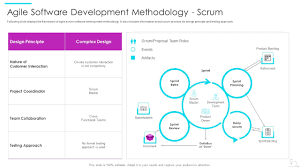
Scrum is a popular framework within the agile methodology that provides structure and guidance to teams. It emphasizes teamwork, accountability, and continuous improvement. In Scrum, work is organized into short iterations called sprints, typically lasting 2-4 weeks.

Key Components of Scrum

  • Sprint Planning: At the beginning of each sprint, the team plans the work to be done and commits to delivering a set of features or user stories.
  • Daily Stand-ups: Daily stand-up meetings keep the team aligned on progress, impediments, and upcoming work.
  • Sprint Review: At the end of each sprint, the team demonstrates completed work to stakeholders for feedback.
  • Retro…

Benefits of Agile Software Development with Scrum

The agile approach offers numerous benefits for software development teams:

  • Rapid Adaptation: Teams can respond quickly to changing requirements and market conditions.
  • Increased Collaboration: Close collaboration between team members fosters creativity and innovation.
  • Early Delivery: Working software is delivered in short increments, providing value to customers sooner.
  • Continuous Improvement: Regular retrospectives allow teams to reflect on their process and make adjustments for better efficiency.

In Conclusion

Agile software development with Scrum empowers teams to deliver high-quality products efficiently while adapting to change. By embracing agility and collaboration, organizations can stay competitive in today’s fast-paced market landscape.


6 Essential Tips for Mastering Agile Software Development with Scrum

  1. Ensure clear communication and collaboration among team members to promote transparency and efficiency.
  2. Prioritize tasks based on business value to deliver working software incrementally and frequently.
  3. Hold regular sprint planning, review, and retrospective meetings to evaluate progress and adapt accordingly.
  4. Empower the Scrum Master to remove impediments and facilitate a self-organizing team environment.
  5. Use visual boards like Kanban or Scrum boards to track progress and keep everyone informed about the project status.
  6. Encourage continuous improvement by fostering a culture of learning, feedback, and adaptation within the team.

Ensure clear communication and collaboration among team members to promote transparency and efficiency.

Ensuring clear communication and fostering collaboration among team members is a crucial tip in agile software development with Scrum. By promoting transparency and efficiency through effective communication, team members can align on project goals, share knowledge, and address any challenges promptly. Transparent communication helps build trust within the team and ensures that everyone is on the same page, leading to smoother workflow and improved productivity throughout the development process.

Prioritize tasks based on business value to deliver working software incrementally and frequently.

In agile software development with Scrum, prioritizing tasks based on business value is crucial for delivering working software incrementally and frequently. By focusing on the most valuable features first, teams can ensure that the product delivers maximum benefit to the business and end-users. This approach allows for early delivery of key functionalities, enabling stakeholders to provide feedback and make informed decisions throughout the development process. Prioritizing tasks based on business value not only accelerates time-to-market but also ensures that resources are allocated efficiently to deliver a product that aligns with the organization’s strategic objectives.

Hold regular sprint planning, review, and retrospective meetings to evaluate progress and adapt accordingly.

Regular sprint planning, review, and retrospective meetings are essential components of agile software development with Scrum. These meetings provide teams with the opportunity to evaluate their progress, gather feedback, and make necessary adjustments to enhance efficiency and productivity. Sprint planning sets the direction for the upcoming work, ensuring that the team is aligned on goals and priorities. Sprint review allows stakeholders to provide valuable input on the delivered work, fostering collaboration and transparency. The retrospective meeting enables teams to reflect on their processes, identify areas for improvement, and implement changes for continuous growth. By holding these meetings consistently, teams can adapt quickly to changes, optimize their workflow, and deliver high-quality products effectively.

Empower the Scrum Master to remove impediments and facilitate a self-organizing team environment.

To optimize agile software development with Scrum, it is crucial to empower the Scrum Master to proactively address impediments and foster a self-organizing team culture. By entrusting the Scrum Master with the authority to remove obstacles hindering progress and facilitating an environment where team members can collaborate autonomously, efficiency and innovation are enhanced. This empowerment not only streamlines workflow but also promotes a sense of ownership and accountability within the team, ultimately leading to successful project outcomes.

Use visual boards like Kanban or Scrum boards to track progress and keep everyone informed about the project status.

Utilizing visual boards such as Kanban or Scrum boards is a valuable tip in agile software development with Scrum. These visual tools provide a clear and transparent way to track progress, visualize tasks, and keep everyone informed about the project status. By having a centralized place where team members can see what tasks are in progress, what’s completed, and what’s upcoming, communication is enhanced, and potential bottlenecks can be identified and addressed promptly. Visual boards promote collaboration, accountability, and efficiency within the team, ultimately contributing to the successful delivery of high-quality software products.

Encourage continuous improvement by fostering a culture of learning, feedback, and adaptation within the team.

Encouraging continuous improvement in agile software development with Scrum involves fostering a culture of learning, feedback, and adaptation within the team. By creating an environment where team members are encouraged to seek knowledge, share insights, and provide constructive feedback, organizations can drive innovation and enhance productivity. Embracing a mindset of continuous learning and adaptation not only leads to better outcomes in software development projects but also cultivates a sense of collaboration and growth within the team.