
cfchris.com

Loading

artificial intelligence machine learning

Exploring the Intersection of Artificial Intelligence and Machine Learning: A Deep Dive into Cutting-Edge Technologies

Understanding Artificial Intelligence and Machine Learning

Understanding Artificial Intelligence and Machine Learning

In recent years, artificial intelligence (AI) and machine learning (ML) have become integral components of technological advancement. These technologies are transforming industries, enhancing efficiency, and driving innovation across various sectors.

What is Artificial Intelligence?

Artificial intelligence refers to the simulation of human intelligence in machines that are programmed to think and learn like humans. AI systems can perform tasks such as recognizing speech, solving problems, making decisions, and translating languages.

What is Machine Learning?

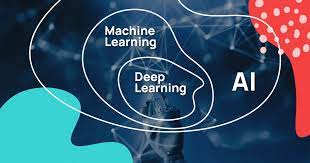
Machine learning is a subset of AI that focuses on the development of algorithms that allow computers to learn from and make predictions based on data. It involves training models using large datasets to identify patterns and make informed decisions without explicit programming.

The Relationship Between AI and ML

While AI encompasses a broad range of technologies aimed at mimicking human cognitive functions, machine learning is specifically concerned with the creation of algorithms that enable machines to learn from data. In essence, machine learning is one way to achieve artificial intelligence.

Applications of AI and ML

  • Healthcare: AI and ML are used for diagnosing diseases, predicting patient outcomes, and personalizing treatment plans.
  • Finance: These technologies help in fraud detection, risk management, algorithmic trading, and personalized banking services.
  • E-commerce: AI-driven recommendation systems enhance customer experience by suggesting products based on user behavior.
  • Autonomous Vehicles: Self-driving cars use machine learning algorithms to navigate roads safely by recognizing objects and making real-time decisions.

The Future of AI and ML

The future of artificial intelligence and machine learning holds immense potential. As these technologies continue to evolve, they will likely lead to more sophisticated applications in various fields such as healthcare diagnostics, climate modeling, smart cities development, and beyond. However, ethical considerations surrounding privacy, security, and the impact on employment must be addressed as these technologies advance.

Conclusion

The integration of artificial intelligence and machine learning into everyday life is reshaping how we interact with technology. By understanding their capabilities and implications, we can harness their power responsibly to create a better future for all.


Understanding AI and Machine Learning: Answers to 7 Common Questions

  1. What is the difference between machine learning and AI?
  2. What are the 4 types of AI machines?
  3. What is an example of AI and ML?
  4. What is AI but not ML?
  5. What is different between AI and ML?
  6. Is artificial intelligence a machine learning?
  7. What is machine learning in artificial intelligence?

What is the difference between machine learning and AI?

Artificial intelligence (AI) and machine learning (ML) are often used interchangeably, but they refer to different concepts within the realm of computer science. AI is a broader field that encompasses the creation of machines capable of performing tasks that typically require human intelligence, such as reasoning, problem-solving, and understanding language. Machine learning, on the other hand, is a subset of AI focused specifically on developing algorithms that enable computers to learn from data and improve their performance over time without being explicitly programmed for each task. In essence, while AI aims to simulate human cognitive functions broadly, machine learning provides the tools and techniques for achieving this by allowing systems to learn from experience and adapt to new information.

What are the 4 types of AI machines?

Artificial intelligence is often categorized into four types based on their capabilities and functionalities. The first type is *Reactive Machines*, which are the most basic form of AI systems designed to perform specific tasks without memory or past experiences, such as IBM’s Deep Blue chess program. The second type is *Limited Memory*, which can use past experiences to inform future decisions, commonly found in self-driving cars that analyze data from the environment to make real-time decisions. The third type is *Theory of Mind*, a more advanced AI that, in theory, would understand emotions and human thought processes; however, this level of AI remains largely theoretical at this point. Finally, *Self-aware AI* represents the most sophisticated form of artificial intelligence, capable of self-awareness and consciousness; this type remains purely conceptual as no such machines currently exist. Each type represents a step toward greater complexity and capability in AI systems.

What is an example of AI and ML?

An example that illustrates the capabilities of artificial intelligence (AI) and machine learning (ML) is the use of recommendation systems by online streaming platforms like Netflix. These platforms employ ML algorithms to analyze user behavior, preferences, and viewing history to suggest personalized movie or TV show recommendations. By continuously learning from user interactions and feedback, the AI-powered recommendation system enhances user experience by offering content tailored to individual tastes, ultimately increasing user engagement and satisfaction.

What is AI but not ML?

Artificial Intelligence (AI) encompasses a broad range of technologies designed to mimic human cognitive functions, such as reasoning, problem-solving, and understanding language. While machine learning (ML) is a subset of AI focused on algorithms that allow systems to learn from data and improve over time, not all AI involves machine learning. For instance, rule-based systems or expert systems are examples of AI that do not use ML. These systems rely on predefined rules and logic to make decisions or solve problems, rather than learning from data. Such AI applications can be effective in environments where the rules are well-defined and the variables are limited, demonstrating that AI can exist independently of machine learning techniques.

What is different between AI and ML?

Artificial intelligence (AI) and machine learning (ML) are closely related yet distinct concepts within the realm of computer science. AI refers to the broader concept of machines being able to carry out tasks in a way that we would consider “smart,” encompassing systems that can mimic human intelligence, including reasoning, problem-solving, and understanding language. Machine learning, on the other hand, is a subset of AI that specifically focuses on the ability of machines to learn from data. Rather than being explicitly programmed to perform a task, ML algorithms are designed to identify patterns and make decisions based on input data. In essence, while all machine learning is a form of AI, not all AI involves machine learning. AI can include rule-based systems and other techniques that do not rely on learning from data.

Is artificial intelligence a machine learning?

Artificial intelligence (AI) and machine learning (ML) are often mentioned together, but they are not the same thing. AI is a broad field that focuses on creating systems capable of performing tasks that would typically require human intelligence, such as understanding natural language, recognizing patterns, and making decisions. Machine learning, on the other hand, is a subset of AI that involves the development of algorithms and statistical models that enable machines to improve their performance on a specific task through experience and data analysis. In essence, while all machine learning is part of artificial intelligence, not all artificial intelligence involves machine learning. Machine learning provides one of the techniques through which AI can be realized by allowing systems to learn from data and improve over time without being explicitly programmed for each specific task.

What is machine learning in artificial intelligence?

Machine learning in artificial intelligence is a specialized area that focuses on developing algorithms and statistical models that enable computers to improve their performance on tasks through experience. Unlike traditional programming, where a computer follows explicit instructions, machine learning allows systems to learn from data patterns and make decisions with minimal human intervention. By training models on vast amounts of data, machine learning enables AI systems to recognize patterns, predict outcomes, and adapt to new information over time. This capability is fundamental in applications such as image recognition, natural language processing, and autonomous driving, where the ability to learn from data is crucial for success.

Revolutionizing Industries with Innovative Tech Solutions

Innovative Tech: Shaping the Future

Innovative Tech: Shaping the Future

In today’s rapidly evolving world, innovative technology is at the forefront of transforming industries and enhancing everyday life. From artificial intelligence to blockchain, these advancements are paving the way for a future that was once only imaginable in science fiction.

The Rise of Artificial Intelligence

Artificial Intelligence (AI) has become a cornerstone of innovation in the tech industry. With its ability to process vast amounts of data and learn from it, AI is revolutionizing areas such as healthcare, finance, and transportation. In healthcare, AI algorithms can analyze medical images with precision, aiding doctors in diagnosing diseases earlier and more accurately.

Blockchain: Beyond Cryptocurrency

While blockchain technology is often associated with cryptocurrencies like Bitcoin, its potential extends far beyond digital currency. Blockchain offers a secure and transparent way to record transactions and manage data across various sectors. For instance, supply chain management can benefit from blockchain by ensuring transparency and traceability of products from origin to consumer.

The Internet of Things (IoT)

The Internet of Things (IoT) connects everyday objects to the internet, allowing them to send and receive data. This connectivity is creating smarter homes and cities. From smart thermostats that learn your temperature preferences to entire cities using IoT to monitor traffic patterns and reduce congestion, the possibilities are endless.

5G Connectivity

The rollout of 5G networks marks a significant leap forward in mobile connectivity. With faster speeds and lower latency than previous generations, 5G enables real-time communication between devices. This advancement supports innovations like autonomous vehicles and remote surgeries, where timing is critical.

Sustainable Technology

As concerns about climate change grow, sustainable technology is gaining momentum. Innovations such as renewable energy sources—solar panels, wind turbines—and electric vehicles are crucial in reducing carbon footprints globally. Moreover, tech companies are increasingly focusing on creating energy-efficient products that minimize environmental impact.

The Road Ahead

The future holds immense possibilities as these innovative technologies continue to develop. As they integrate further into our daily lives, they promise not only increased convenience but also solutions to some of society’s most pressing challenges.

In conclusion, innovative tech is more than just a trend; it is a transformative force shaping how we live and work. As we embrace these advancements responsibly, we can look forward to a future filled with unprecedented opportunities for growth and improvement.


Exploring Innovative Tech: Answers to 9 Key Questions on AI, Blockchain, IoT, and More

  1. What is artificial intelligence and how is it used in technology?
  2. How does blockchain technology work and what are its applications?
  3. What is the Internet of Things (IoT) and how does it impact daily life?
  4. What are the benefits of 5G connectivity compared to previous generations?
  5. How can innovative tech contribute to sustainability and environmental conservation?
  6. What security concerns arise with the adoption of innovative technologies?
  7. How are industries like healthcare, finance, and transportation leveraging AI for advancements?
  8. What role does augmented reality (AR) play in enhancing user experiences with tech products?
  9. How do emerging technologies like quantum computing promise to revolutionize computing power?

What is artificial intelligence and how is it used in technology?

Artificial intelligence (AI) refers to the simulation of human intelligence processes by machines, particularly computer systems. These processes include learning, reasoning, problem-solving, perception, and language understanding. AI is used in technology to enhance efficiency and decision-making across various industries. For example, in healthcare, AI algorithms can analyze medical data to assist in diagnosing diseases more accurately. In finance, AI systems can detect fraudulent activities by identifying unusual patterns in transactions. Additionally, AI powers virtual assistants like Siri and Alexa, providing users with personalized experiences by understanding and responding to voice commands. Through machine learning and deep learning techniques, AI continues to evolve, offering innovative solutions that transform how businesses operate and improve everyday life for individuals.

How does blockchain technology work and what are its applications?

Blockchain technology operates as a decentralized digital ledger that records transactions across a network of computers. Each transaction is added to a “block,” which is then linked to the previous blocks, forming a chain. This chain of blocks ensures transparency, security, and immutability of data. Blockchain’s applications extend beyond cryptocurrencies like Bitcoin; it can revolutionize various industries. For instance, in supply chain management, blockchain can enhance transparency and traceability of products. In healthcare, it can securely store patient records and enable seamless data sharing among healthcare providers. Overall, blockchain technology’s potential lies in its ability to streamline processes, reduce fraud, and increase trust in data transactions across multiple sectors.

What is the Internet of Things (IoT) and how does it impact daily life?

The Internet of Things (IoT) refers to the network of interconnected devices that can communicate and share data with each other over the internet. This technology enables everyday objects, such as smart home appliances, wearable devices, and even vehicles, to collect and exchange information to enhance efficiency and convenience. The impact of IoT on daily life is significant, as it allows for automation and remote control of various tasks, leading to streamlined processes and improved productivity. From smart thermostats that adjust temperature settings based on your preferences to fitness trackers that monitor your health in real-time, IoT has revolutionized how we interact with our surroundings, making our lives more interconnected and efficient.

What are the benefits of 5G connectivity compared to previous generations?

5G connectivity offers significant benefits compared to previous generations of wireless technology. One of the key advantages is its faster speeds, enabling quicker downloads and smoother streaming experiences. Additionally, 5G boasts lower latency, reducing the delay in data transmission and enabling real-time communication between devices. This low latency is crucial for applications like autonomous vehicles and remote surgeries where split-second decisions are vital. Furthermore, 5G networks can support a higher density of connected devices, paving the way for the Internet of Things (IoT) to flourish on a larger scale. Overall, 5G connectivity promises to revolutionize how we interact with technology, opening up new possibilities for innovation and efficiency in various industries.

How can innovative tech contribute to sustainability and environmental conservation?

Innovative technology plays a crucial role in promoting sustainability and environmental conservation by offering solutions that reduce resource consumption, minimize waste, and mitigate environmental impact. For instance, advancements in renewable energy technologies such as solar panels and wind turbines enable the generation of clean energy, reducing reliance on fossil fuels and lowering carbon emissions. Smart grid systems optimize energy distribution, leading to more efficient use of resources. Additionally, IoT devices can monitor and manage energy consumption in real-time, helping individuals and businesses make informed decisions to reduce their carbon footprint. By leveraging innovative tech solutions like these, we can work towards a more sustainable future for our planet.

What security concerns arise with the adoption of innovative technologies?

The adoption of innovative technologies, while offering numerous benefits, also brings a range of security concerns that must be addressed. As devices and systems become increasingly interconnected through the Internet of Things (IoT) and other networks, they become more vulnerable to cyberattacks. Hackers can exploit weaknesses in software or hardware to gain unauthorized access to sensitive data, leading to breaches that compromise personal information and corporate secrets. Additionally, the use of artificial intelligence raises ethical questions about data privacy, as AI systems often require vast amounts of personal information to function effectively. Blockchain technology, though secure by design, can still be susceptible to vulnerabilities if not implemented correctly. As these technologies continue to evolve, it is crucial for developers and users alike to prioritize robust security measures and stay informed about potential threats to safeguard against these risks.

How are industries like healthcare, finance, and transportation leveraging AI for advancements?

Industries such as healthcare, finance, and transportation are harnessing the power of artificial intelligence (AI) to drive significant advancements and improve efficiency. In healthcare, AI is being used to analyze medical data and images with remarkable accuracy, aiding in early diagnosis and personalized treatment plans. Financial institutions are leveraging AI for fraud detection, risk management, and automating customer service through chatbots. In the transportation sector, AI is optimizing logistics by predicting maintenance needs for vehicles and enhancing traffic management systems to reduce congestion. These applications of AI not only streamline operations but also create more personalized and safer experiences for consumers across these industries.

What role does augmented reality (AR) play in enhancing user experiences with tech products?

Augmented reality (AR) plays a pivotal role in revolutionizing user experiences with tech products by seamlessly blending digital elements into the real world. By overlaying virtual information onto the physical environment through AR technology, users can interact with products in more immersive and interactive ways. From trying on virtual clothing to visualizing furniture in a room before making a purchase, AR enhances user engagement and decision-making processes. This innovative technology not only bridges the gap between the digital and physical worlds but also opens up new possibilities for personalized and dynamic user experiences across various industries.

How do emerging technologies like quantum computing promise to revolutionize computing power?

Emerging technologies such as quantum computing hold the promise of revolutionizing computing power by leveraging the principles of quantum mechanics to perform computations at a scale and speed unimaginable with classical computers. Quantum computers have the potential to solve complex problems exponentially faster than traditional computers, thanks to their ability to process multiple calculations simultaneously through quantum bits or qubits. This advancement could lead to breakthroughs in fields like cryptography, drug discovery, and optimization, ushering in a new era of innovation and problem-solving capabilities that were previously out of reach.

ai tech

Exploring the Future of AI Tech Innovations

The Rise of AI Technology

The Rise of AI Technology

Artificial Intelligence (AI) technology has been transforming industries and reshaping the way we live and work. From personal assistants like Siri and Alexa to complex algorithms driving autonomous vehicles, AI is at the forefront of technological innovation.

What is AI Technology?

AI technology refers to the simulation of human intelligence in machines that are programmed to think and learn like humans. It encompasses various subfields such as machine learning, natural language processing, robotics, and computer vision. These technologies enable machines to perform tasks that typically require human intelligence.

Applications of AI

The applications of AI are vast and varied, impacting numerous sectors:

  • Healthcare: AI is revolutionizing healthcare with predictive analytics for patient diagnosis, personalized medicine, and robotic surgery assistance.
  • Finance: In finance, AI algorithms are used for fraud detection, risk management, and automated trading systems.
  • Transportation: Self-driving cars are becoming a reality thanks to advancements in AI technology.
  • Retail: Retailers leverage AI for personalized shopping experiences through recommendation engines and inventory management systems.

The Benefits of AI Technology

The integration of AI technology offers numerous benefits:

  • Efficiency: Automation of repetitive tasks increases efficiency and allows humans to focus on more complex problems.
  • Accuracy: Machine learning models can analyze large datasets with precision, reducing errors in decision-making processes.
  • Innovation: AI fosters innovation by enabling new products and services that were previously unimaginable.

The Challenges Ahead

Despite its advantages, the rise of AI technology presents several challenges:

  • Ethical Concerns: Issues such as privacy invasion, job displacement due to automation, and algorithmic bias need careful consideration.
  • Lack of Transparency: Many AI systems operate as “black boxes,” making it difficult to understand how decisions are made.
  • Security Risks: As with any technology, there are potential security risks associated with the misuse or hacking of AI systems.

The Future of AI Technology

The future of AI technology holds immense potential. As research continues to advance at a rapid pace, we can expect even more sophisticated applications across various domains. The key will be balancing innovation with ethical considerations to ensure that this powerful tool benefits society as a whole.

The journey into the world of artificial intelligence is just beginning. With continued collaboration between technologists, policymakers, and ethicists, the possibilities for improving our lives through intelligent machines are endless.


Understanding AI Technology: Key Questions and Insights

  1. What is artificial intelligence (AI) technology?
  2. How is AI technology being used in healthcare?
  3. What are the ethical concerns surrounding AI technology?
  4. Are there security risks associated with AI systems?
  5. How is AI impacting job markets and employment?
  6. What are the future trends and advancements expected in AI technology?

What is artificial intelligence (AI) technology?

Artificial Intelligence (AI) technology refers to the development of computer systems that can perform tasks typically requiring human intelligence. These tasks include understanding natural language, recognizing patterns, solving problems, and making decisions. AI encompasses a variety of subfields such as machine learning, where systems improve through experience; natural language processing, which enables machines to understand and respond to human language; and computer vision, allowing machines to interpret visual information. By simulating cognitive processes, AI technology aims to enhance efficiency and accuracy across numerous applications, from personal assistants like Siri and Alexa to autonomous vehicles and advanced data analytics in various industries.

How is AI technology being used in healthcare?

AI technology is revolutionizing healthcare by enhancing diagnostic accuracy, personalizing treatment plans, and improving patient outcomes. Machine learning algorithms analyze vast amounts of medical data to identify patterns and predict diseases at an early stage, allowing for timely intervention. AI-powered imaging tools assist radiologists in detecting anomalies in X-rays, MRIs, and CT scans with greater precision. Additionally, AI-driven virtual health assistants provide patients with 24/7 support, answering questions and managing appointments. In drug discovery, AI accelerates the process by identifying potential compounds faster than traditional methods. Overall, AI technology is making healthcare more efficient and accessible while paving the way for innovations that improve patient care.

What are the ethical concerns surrounding AI technology?

AI technology raises several ethical concerns that are crucial to address as its influence grows. One major issue is privacy, as AI systems often require vast amounts of data, leading to potential misuse or unauthorized access to personal information. Additionally, there is the risk of bias in AI algorithms, which can result in unfair treatment or discrimination if not properly managed. Job displacement due to automation is another concern, as AI can perform tasks traditionally done by humans, potentially leading to unemployment in certain sectors. Moreover, the lack of transparency in how AI systems make decisions creates challenges in accountability and trust. As AI continues to evolve, it is essential for developers and policymakers to consider these ethical implications and work towards solutions that promote fairness, transparency, and respect for individual rights.

Are there security risks associated with AI systems?

Yes, there are security risks associated with AI systems, and these concerns are becoming increasingly significant as AI technology continues to evolve. One major risk is the potential for adversarial attacks, where malicious actors manipulate input data to deceive AI models, leading to incorrect outputs or decisions. Additionally, AI systems can be vulnerable to data breaches, exposing sensitive information used in training datasets. There’s also the risk of AI being used for harmful purposes, such as automating cyber-attacks or creating deepfakes that spread misinformation. Ensuring robust security measures and ethical guidelines are in place is crucial to mitigating these risks and protecting both individuals and organizations from potential harm caused by compromised AI systems.

How is AI impacting job markets and employment?

AI is significantly impacting job markets and employment by automating routine tasks, leading to increased efficiency and productivity across various industries. While this automation can result in the displacement of certain jobs, particularly those involving repetitive or manual tasks, it also creates new opportunities in tech-driven roles such as data analysis, AI system development, and machine learning engineering. The demand for skills related to AI technology is rising, prompting a shift in workforce requirements toward more specialized expertise. As businesses adapt to these changes, there is a growing emphasis on reskilling and upskilling programs to equip workers with the necessary skills to thrive in an AI-enhanced economy. Ultimately, AI’s influence on employment will depend on how effectively industries manage this transition and support workers through educational initiatives and policy adjustments.

The future of AI technology is poised for remarkable advancements and trends that promise to transform various aspects of society. One significant trend is the development of more sophisticated machine learning models, which will enhance AI’s ability to understand and process complex data. This will lead to more accurate predictive analytics and decision-making capabilities across industries such as healthcare, finance, and transportation. Additionally, the integration of AI with other emerging technologies like the Internet of Things (IoT) and 5G networks will enable smarter cities and more efficient infrastructures. Another anticipated advancement is in the realm of natural language processing, where AI systems will become even better at understanding and generating human-like text, facilitating improved communication between humans and machines. Furthermore, ethical AI development will gain importance as researchers focus on creating transparent and unbiased algorithms. Overall, these trends indicate a future where AI continues to drive innovation while addressing societal challenges responsibly.

artificial intelligence

Unleashing the Power of Artificial Intelligence: Transforming Industries and Innovating Solutions

The Fascinating World of Artificial Intelligence

The Fascinating World of Artificial Intelligence

Artificial Intelligence (AI) has become one of the most transformative technologies of the 21st century. From healthcare to finance, AI is revolutionizing industries and changing the way we live and work. But what exactly is AI, and how does it impact our daily lives?

What is Artificial Intelligence?

Artificial Intelligence refers to the simulation of human intelligence in machines that are programmed to think and learn like humans. These intelligent systems can perform tasks that typically require human intelligence, such as visual perception, speech recognition, decision-making, and language translation.

Types of AI

AI can be broadly classified into three types:

  • Narrow AI: Also known as Weak AI, this type specializes in one task. Examples include virtual personal assistants like Siri or Alexa.
  • General AI: Also known as Strong AI or AGI (Artificial General Intelligence), this type possesses the ability to perform any intellectual task that a human can do.
  • Superintelligent AI: This hypothetical form surpasses human intelligence in all aspects – from creativity to problem-solving.

Applications of Artificial Intelligence

The applications of AI are vast and varied. Some notable examples include:

Healthcare

AI is being used to develop advanced diagnostic tools and personalized treatment plans. Machine learning algorithms can analyze medical data faster and more accurately than humans, leading to better patient outcomes.

Finance

In the financial sector, AI helps detect fraudulent activities, automate trading processes, and provide personalized financial advice through robo-advisors. It enhances efficiency and security in financial transactions.

Transportation

The development of autonomous vehicles is one of the most exciting applications of AI in transportation. Self-driving cars use complex algorithms to navigate roads safely without human intervention.

The Future of Artificial Intelligence

The future potential of AI is immense. As technology continues to advance rapidly, we can expect even more innovative applications that will further integrate AI into our daily lives.

Ethical Considerations

While the benefits are significant, it’s essential to address ethical concerns surrounding AI. Issues such as data privacy, job displacement due to automation, and ensuring unbiased decision-making need thoughtful consideration and regulation.

A Collaborative Future

The future will likely see increased collaboration between humans and machines. By leveraging the strengths of both human creativity and machine efficiency, we can solve complex global challenges more effectively.

The world of artificial intelligence holds endless possibilities. As we continue exploring its potential responsibly, we pave the way for a smarter, more efficient future.


Top 9 Frequently Asked Questions About Artificial Intelligence

  1. Can you explain artificial intelligence?
  2. How does AI affect our daily lives?
  3. What are the 4 types of AI?
  4. How do I use Google AI?
  5. What is artificial intelligence and its importance?
  6. What are the 5 types of AI?
  7. What does AI intelligence do?
  8. What are the 4 types of artificial intelligence?
  9. What is artificial intelligence with example?

Can you explain artificial intelligence?

Artificial Intelligence (AI) refers to the development of computer systems that can perform tasks typically requiring human intelligence. These tasks include learning from experience, understanding natural language, recognizing patterns, solving problems, and making decisions. AI encompasses a wide range of technologies, from machine learning algorithms that identify trends in data to neural networks that mimic the human brain’s structure. By enabling machines to process information and respond in ways that are increasingly sophisticated, AI is transforming industries such as healthcare, finance, transportation, and customer service. Ultimately, AI aims to enhance efficiency and innovation by augmenting human capabilities with powerful computational tools.

How does AI affect our daily lives?

Artificial Intelligence (AI) significantly impacts our daily lives in numerous ways, often without us even realizing it. From personalized recommendations on streaming platforms and e-commerce websites to voice-activated virtual assistants like Siri and Alexa, AI enhances convenience and efficiency in everyday tasks. It powers navigation apps that provide real-time traffic updates and route suggestions, making commutes smoother. In healthcare, AI-driven tools assist in early diagnosis and personalized treatment plans, improving patient outcomes. Moreover, AI automates routine tasks in various industries, allowing professionals to focus on more complex and creative aspects of their work. Overall, AI seamlessly integrates into our routines, making life more efficient, informed, and connected.

What are the 4 types of AI?

Artificial Intelligence (AI) is commonly categorized into four types based on its capabilities and functionalities. The first type is Reactive Machines, which can perform specific tasks but lack memory and the ability to use past experiences to influence future decisions; an example is IBM’s Deep Blue chess-playing computer. The second type is Limited Memory AI, which can use past experiences to inform current decisions, such as self-driving cars that analyze traffic patterns and obstacles. The third type is Theory of Mind AI, which is still theoretical and aims to understand human emotions, beliefs, and intentions to interact more naturally with people. The fourth and most advanced type is Self-aware AI, a hypothetical form that possesses consciousness and self-awareness, enabling it to understand its existence in the world; this level of AI remains a concept rather than a reality at present.

How do I use Google AI?

Google AI offers a wide range of tools and platforms that can be utilized by developers, businesses, and individuals to integrate artificial intelligence into their projects. To use Google AI, you can start by exploring Google Cloud’s AI and machine learning products, such as TensorFlow for building machine learning models, AutoML for creating custom models without extensive coding knowledge, and the AI Platform for deploying and managing ML models. Additionally, Google provides pre-trained APIs like the Vision API for image recognition, the Natural Language API for text analysis, and the Speech-to-Text API for converting spoken language into written text. By leveraging these resources, you can harness the power of Google’s advanced AI technologies to enhance your applications and workflows.

What is artificial intelligence and its importance?

Artificial intelligence (AI) refers to the development of computer systems that can perform tasks typically requiring human intelligence, such as learning, reasoning, problem-solving, perception, and language understanding. AI is important because it has the potential to revolutionize various industries by automating processes, enhancing decision-making, and improving efficiency. In healthcare, AI can assist in diagnosing diseases and personalizing treatment plans; in finance, it can detect fraud and optimize trading strategies; and in transportation, it powers autonomous vehicles that promise safer and more efficient travel. By augmenting human capabilities and handling complex tasks at scale, AI drives innovation and opens new possibilities for solving some of the world’s most pressing challenges.

What are the 5 types of AI?

Artificial Intelligence (AI) can be categorized into five distinct types based on their capabilities and functionalities. The first type is *Reactive Machines*, which are the most basic form of AI, designed to perform specific tasks without memory or past experience, such as IBM’s Deep Blue chess computer. The second type is *Limited Memory AI*, which can use past experiences to inform future decisions, commonly seen in self-driving cars. The third type is *Theory of Mind AI*, which is still theoretical and aims to understand human emotions and intentions to better interact with people. The fourth type is *Self-Aware AI*, an advanced concept where machines possess consciousness and self-awareness, allowing them to understand their own existence. Finally, there is *Artificial General Intelligence (AGI)*, also known as Strong AI, which has the ability to perform any intellectual task that a human can do, demonstrating flexibility and adaptability across various domains.

What does AI intelligence do?

Artificial Intelligence (AI) intelligence enables machines to perform tasks that typically require human cognitive functions. These tasks include learning from data, recognizing patterns, making decisions, and understanding natural language. By leveraging algorithms and computational power, AI systems can analyze vast amounts of information quickly and accurately, providing insights and solutions across various fields such as healthcare, finance, transportation, and customer service. Ultimately, AI intelligence aims to enhance efficiency, improve decision-making processes, and create innovative solutions that benefit society.

What are the 4 types of artificial intelligence?

Artificial Intelligence (AI) can be categorized into four distinct types based on their capabilities and functionalities. The first type is Reactive Machines, which are the most basic form of AI, designed to perform specific tasks without memory or past experiences influencing their actions; examples include chess-playing computers. The second type is Limited Memory, which can use past experiences to inform current decisions, such as self-driving cars that observe other vehicles’ speeds and directions. The third type is Theory of Mind, an advanced form of AI still in development, which aims to understand human emotions and social interactions to better predict behavior. Finally, the most sophisticated type is Self-Aware AI, a theoretical concept where machines possess consciousness and self-awareness, enabling them to understand their own existence and potentially surpass human intelligence.

What is artificial intelligence with example?

Artificial Intelligence (AI) refers to the simulation of human intelligence in machines that are designed to think and learn like humans. These intelligent systems can perform tasks that typically require human cognition, such as understanding natural language, recognizing patterns, and making decisions. For example, AI is used in virtual personal assistants like Apple’s Siri or Amazon’s Alexa. These assistants use natural language processing to understand voice commands and provide relevant responses or actions, such as setting reminders, playing music, or answering questions about the weather.