cfchris.com

Loading

ai artificial intelligence

Unlocking the Potential of AI: Exploring the World of Artificial Intelligence

The Rise of Artificial Intelligence

The Rise of Artificial Intelligence

Artificial Intelligence (AI) has become one of the most transformative technologies of the 21st century. From its humble beginnings in academic research to its current widespread application across various industries, AI is reshaping how we live and work.

What is Artificial Intelligence?

Artificial Intelligence refers to the simulation of human intelligence in machines that are programmed to think and learn like humans. These intelligent systems are designed to perform tasks such as recognizing speech, making decisions, and translating languages.

Key Components of AI

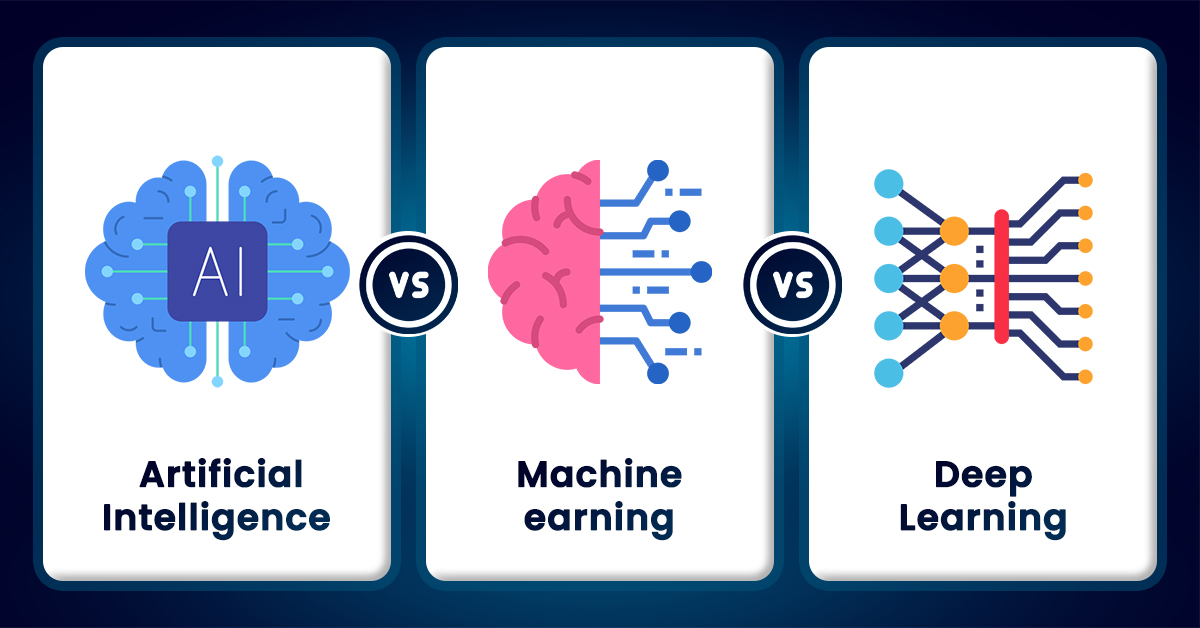
  • Machine Learning: A subset of AI that focuses on building systems that can learn from data and improve over time without being explicitly programmed.
  • Natural Language Processing (NLP): Enables machines to understand and respond to human language.
  • Robotics: Involves designing intelligent robots capable of performing tasks autonomously.
  • Computer Vision: Allows machines to interpret and make decisions based on visual data from the world around them.

The Impact of AI Across Industries

The impact of AI is evident across numerous sectors:

  • Healthcare: AI assists in diagnosing diseases, personalizing treatment plans, and managing patient care efficiently.
  • Finance: AI algorithms are used for fraud detection, risk management, and automated trading strategies.
  • Manufacturing: Robotics powered by AI streamline production processes and enhance quality control.
  • Agriculture: AI optimizes crop management through predictive analytics and automated machinery.

The Future of Artificial Intelligence

The future of AI holds immense potential. As technology continues to advance, we can expect more sophisticated applications that will further integrate into our daily lives. However, with these advancements come ethical considerations such as privacy concerns, job displacement, and the need for regulation to ensure responsible use.

The journey of artificial intelligence is just beginning. As researchers and developers continue to push the boundaries of what is possible, society must navigate both the opportunities and challenges presented by this powerful technology.


5 Essential Tips for Mastering Artificial Intelligence

  1. Understand the basics of AI algorithms and how they work.
  2. Stay updated with the latest trends and advancements in AI technology.
  3. Experiment with different AI tools and platforms to gain hands-on experience.
  4. Consider the ethical implications of AI development and usage.
  5. Collaborate with experts in the field to enhance your knowledge and skills in artificial intelligence.

Understand the basics of AI algorithms and how they work.

Understanding the basics of AI algorithms and how they work is crucial for anyone looking to harness the power of artificial intelligence effectively. AI algorithms are the building blocks that enable machines to process data, recognize patterns, and make decisions. By grasping fundamental concepts such as supervised learning, unsupervised learning, and reinforcement learning, individuals can better appreciate how AI systems operate and make informed decisions about implementing AI technologies. This foundational knowledge not only aids in selecting the right tools and approaches for specific tasks but also helps in troubleshooting issues and optimizing performance. As AI continues to evolve and permeate various sectors, a solid understanding of its core algorithms will empower users to leverage its capabilities responsibly and innovatively.

Staying updated with the latest trends and advancements in AI technology is crucial for anyone looking to leverage its potential effectively. As AI continues to evolve rapidly, new tools, techniques, and applications emerge regularly, transforming industries and creating new opportunities. By keeping abreast of these developments, individuals and businesses can make informed decisions about integrating AI into their operations, ensuring they remain competitive and innovative. Additionally, understanding the latest advancements helps in anticipating future challenges and preparing for changes that AI might bring to various sectors. Engaging with AI-focused publications, attending conferences, and participating in online forums are excellent ways to stay informed about this dynamic field.

Experiment with different AI tools and platforms to gain hands-on experience.

Experimenting with different AI tools and platforms is an excellent way to gain hands-on experience and deepen understanding of artificial intelligence. By exploring a variety of tools, such as machine learning frameworks, natural language processing libraries, and computer vision software, individuals can discover the unique features and capabilities each platform offers. This practical approach allows users to apply theoretical knowledge in real-world scenarios, fostering problem-solving skills and innovation. Additionally, experimenting with diverse tools helps identify the most suitable technologies for specific projects or tasks, enhancing efficiency and effectiveness in AI development. Whether it’s through open-source platforms or commercial software, hands-on experimentation is invaluable for anyone looking to excel in the rapidly evolving field of AI.

Consider the ethical implications of AI development and usage.

When developing and utilizing artificial intelligence, it’s crucial to consider the ethical implications that accompany this powerful technology. AI systems have the potential to significantly impact society, influencing everything from privacy and security to employment and decision-making processes. Developers must ensure that AI solutions are designed with fairness, transparency, and accountability in mind to prevent biases and discrimination. Additionally, there should be clear guidelines on data usage to protect individual privacy rights. As AI continues to evolve, ongoing dialogue among technologists, ethicists, policymakers, and the public is essential to navigate these challenges responsibly and ensure that AI benefits humanity as a whole without exacerbating existing inequalities or creating new ethical dilemmas.

Collaborate with experts in the field to enhance your knowledge and skills in artificial intelligence.

Collaborating with experts in the field of artificial intelligence is a valuable tip to enhance your knowledge and skills in this rapidly evolving technology. By working alongside seasoned professionals, you can gain insights, learn best practices, and stay updated on the latest trends and advancements in AI. This collaborative approach not only accelerates your learning curve but also provides opportunities for networking, mentorship, and potential collaborations on innovative projects that can further deepen your expertise in artificial intelligence.

general ai

Exploring the Potential and Challenges of General AI

Understanding General AI: The Future of Artificial Intelligence

Understanding General AI: The Future of Artificial Intelligence

Artificial Intelligence (AI) has become a buzzword in technology discussions around the globe. While narrow AI, which is designed to perform specific tasks, is already integrated into our daily lives, the concept of General AI presents an exciting yet challenging frontier.

What is General AI?

General AI, also known as Artificial General Intelligence (AGI), refers to a machine’s ability to understand, learn, and apply intelligence across a wide range of tasks at a level comparable to human cognitive abilities. Unlike narrow AI systems that are designed for particular applications such as facial recognition or language translation, AGI aims to replicate the versatile and adaptive nature of human intelligence.

The Potential of General AI

The development of AGI holds immense potential across various sectors:

  • Healthcare: AGI could revolutionize diagnostics and personalized medicine by analyzing complex data sets beyond human capabilities.
  • Education: Personalized learning experiences could be enhanced through adaptive teaching methods powered by AGI.
  • Agriculture: Optimizing resource use and improving crop yields could be achieved with intelligent systems managing agricultural processes.
  • Transportation: Autonomous vehicles with AGI capabilities could significantly improve safety and efficiency on roads.

The Challenges Ahead

The journey toward achieving AGI is fraught with challenges. One major hurdle is understanding consciousness and replicating it in machines. Additionally, ethical considerations must be addressed to ensure that AGI systems operate safely and fairly without unintended consequences or biases.

Ethical Considerations

The potential power of AGI necessitates careful consideration of ethical implications. Ensuring transparency in decision-making processes, safeguarding data privacy, and preventing misuse are critical aspects that researchers and policymakers must address as they work towards developing AGI technologies.

The Roadmap to General AI

Achieving general artificial intelligence requires interdisciplinary collaboration among computer scientists, neuroscientists, ethicists, and other experts. Research initiatives are exploring various approaches such as neural networks inspired by the human brain, reinforcement learning techniques, and hybrid models combining symbolic reasoning with machine learning.

Conclusion

The pursuit of general AI represents one of the most ambitious endeavors in modern science and technology. While significant progress has been made in narrow AI applications, reaching the level where machines can truly mimic human-like understanding remains a formidable challenge. As research continues to evolve rapidly in this field, it is crucial for society to engage in ongoing dialogue about how best to harness this transformative technology for the benefit of all humankind.


Understanding General AI: Answers to 8 Common Questions

  1. Is ChatGPT a general AI?
  2. How close are we to general AI?
  3. What is general AI with example?
  4. Is a general AI possible?
  5. Are there any examples of general AI?
  6. Does general AI exist yet?
  7. What is a good example of general AI?
  8. What is meant by general AI?

Is ChatGPT a general AI?

ChatGPT is not considered a General AI (AGI). It is an example of narrow AI, which means it is designed to perform specific tasks rather than exhibit the broad, adaptable intelligence characteristic of AGI. ChatGPT excels at generating human-like text based on the input it receives, drawing from patterns in the vast amount of data on which it was trained. However, it does not possess the ability to understand or learn new tasks beyond its programming in a way that mirrors human cognitive abilities. While ChatGPT can simulate conversation and provide information on a wide range of topics, its capabilities are limited to the scope defined by its training data and algorithms.

How close are we to general AI?

The quest for General AI, or Artificial General Intelligence (AGI), remains one of the most ambitious goals in the field of artificial intelligence. While significant advancements have been made in narrow AI, which excels at specific tasks like image recognition and language processing, AGI aims to replicate human-like cognitive abilities across a wide array of activities. As of now, experts believe we are still several decades away from achieving true AGI. The challenges are immense, involving not only technological hurdles but also deep questions about consciousness and ethics. Current research is focused on developing more sophisticated machine learning models and neural networks that can mimic the versatility and adaptability of human thought processes. However, despite rapid progress in AI technologies, creating a machine with general intelligence comparable to humans remains a distant goal.

What is general AI with example?

General AI, also known as Artificial General Intelligence (AGI), refers to a type of artificial intelligence that possesses the ability to understand, learn, and apply knowledge across a wide range of tasks at a level comparable to human cognitive capabilities. Unlike narrow AI systems designed for specific tasks like voice recognition or playing chess, AGI would be capable of performing any intellectual task that a human can do. An example of what AGI might look like is a machine that can engage in conversation on diverse topics, solve complex mathematical problems, create art, and even learn new skills without being specifically programmed for each task. This kind of intelligence would allow machines to adapt to new environments and challenges autonomously, much like humans do. However, it’s important to note that while AGI remains a theoretical concept today and has not yet been realized, it represents the ultimate goal for many researchers in the field of artificial intelligence.

Is a general AI possible?

The question of whether a general AI is possible remains a topic of intense debate among experts in the field. General AI, or Artificial General Intelligence (AGI), refers to a machine’s ability to understand, learn, and apply intelligence across a wide range of tasks at a level comparable to human cognitive abilities. While significant advancements have been made in narrow AI, which excels at specific tasks like language translation or image recognition, replicating the versatile and adaptive nature of human intelligence is an entirely different challenge. Some researchers are optimistic, believing that with continued technological advancements and interdisciplinary collaboration, AGI could eventually be realized. Others are more skeptical, pointing out the complexities of human cognition and consciousness that may prove difficult to replicate in machines. Despite differing opinions, the pursuit of AGI continues to drive innovative research and discussion within the scientific community.

Are there any examples of general AI?

As of now, there are no fully realized examples of general AI, or Artificial General Intelligence (AGI), in existence. AGI refers to an AI system that possesses the ability to understand, learn, and apply intelligence across a wide range of tasks at a human-like level. While narrow AI systems excel at specific tasks, such as language translation or image recognition, they lack the broad adaptability and cognitive versatility that characterize AGI. Research in this area is ongoing, with scientists exploring various approaches to develop machines that can perform any intellectual task that a human can do. However, achieving true AGI remains a significant challenge and is still largely theoretical at this stage.

Does general AI exist yet?

As of now, general AI, also known as artificial general intelligence (AGI), does not exist. While significant advancements have been made in the field of artificial intelligence, these developments primarily pertain to narrow AI, which is designed to perform specific tasks. AGI refers to a level of machine intelligence that can understand, learn, and apply knowledge across a wide range of tasks at a human-like level. Researchers are actively exploring various approaches to achieve AGI, but it remains a theoretical concept. The complexities involved in replicating human cognitive abilities and understanding consciousness present substantial challenges that scientists and engineers are still working to overcome.

What is a good example of general AI?

A good example of general AI, though still theoretical at this point, would be a machine that can perform any intellectual task that a human can do. Unlike narrow AI systems, which are designed for specific tasks like playing chess or recognizing images, general AI would have the ability to understand and learn from diverse experiences and apply its knowledge across different domains. Imagine an AI assistant that not only manages your calendar and answers questions but also learns new skills, adapts to new environments, and understands complex human emotions and social cues. This level of versatility and adaptability is what sets general AI apart from the specialized systems we have today. However, it is important to note that such an example remains hypothetical as researchers continue to explore the vast potential of achieving true general intelligence in machines.

What is meant by general AI?

General AI, also known as Artificial General Intelligence (AGI), refers to a type of artificial intelligence that possesses the ability to understand, learn, and apply knowledge across a wide range of tasks at a level comparable to human cognitive abilities. Unlike narrow AI systems, which are designed to perform specific tasks such as language translation or image recognition, general AI aims to replicate the versatility and adaptability of human intelligence. This means that an AGI system would be capable of performing any intellectual task that a human can do, including reasoning, problem-solving, and understanding complex concepts. The development of general AI is considered one of the ultimate goals in the field of artificial intelligence, promising transformative impacts across various sectors but also presenting significant technical and ethical challenges.