cfchris.com

Loading

mobile app programming

Mastering Mobile App Programming: A Guide to Developing Innovative Apps

The World of Mobile App Programming

The World of Mobile App Programming

Mobile app programming has revolutionized the way we interact with technology. With the rise of smartphones and tablets, mobile applications have become an integral part of our daily lives. From social media platforms to productivity tools, there seems to be an app for everything.

What is Mobile App Programming?

Mobile app programming involves the development of applications specifically designed to run on mobile devices. This includes smartphones, tablets, and other portable gadgets. Developers use various programming languages and tools to create these apps, catering to different operating systems like iOS and Android.

The Importance of Mobile App Programming

In today’s digital age, mobile apps play a crucial role in enhancing user experience and providing convenient solutions for various needs. Businesses leverage mobile apps to reach a wider audience, increase customer engagement, and boost brand visibility. Individuals rely on mobile apps for entertainment, communication, shopping, and more.

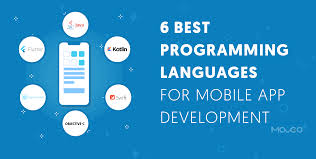
Popular Programming Languages for Mobile App Development

There are several programming languages commonly used in mobile app development:

  • Java: Primarily used for Android app development.
  • Swift: The preferred language for iOS app development.
  • Kotlin: A modern language compatible with Android development.
  • JavaScript: Widely used for cross-platform app development with frameworks like React Native.

The Future of Mobile App Programming

As technology continues to advance, the field of mobile app programming is evolving rapidly. Developers are exploring new trends such as artificial intelligence, augmented reality, and Internet of Things (IoT) integration in mobile apps. The future promises even more innovative and immersive experiences for users worldwide.

In Conclusion

Mobile app programming is a dynamic and exciting field that drives innovation in the digital landscape. Whether you’re a developer creating cutting-edge applications or a user enjoying the benefits of mobile apps, this technology has undoubtedly transformed how we interact with our devices and the world around us.


6 Essential Tips for Successful Mobile App Programming

  1. Follow platform-specific design guidelines for a consistent user experience.
  2. Optimize your app’s performance by minimizing resource usage and enhancing code efficiency.
  3. Regularly test your app on different devices to ensure compatibility and responsiveness.
  4. Implement robust security measures to protect user data and prevent unauthorized access.
  5. Utilize analytics tools to gather insights on user behavior and improve app functionality.
  6. Stay updated with the latest mobile app development trends and technologies to enhance your skills.

Follow platform-specific design guidelines for a consistent user experience.

When delving into mobile app programming, it is crucial to adhere to platform-specific design guidelines to ensure a consistent user experience. By following these guidelines set by operating systems like iOS and Android, developers can create apps that seamlessly integrate with the native look and feel of each platform. This approach not only enhances usability but also helps in establishing familiarity for users, ultimately leading to a more intuitive and engaging interaction with the app.

Optimize your app’s performance by minimizing resource usage and enhancing code efficiency.

To optimize your mobile app’s performance, it is crucial to focus on minimizing resource usage and enhancing code efficiency. By carefully managing resources such as memory, CPU, and network bandwidth, you can ensure that your app runs smoothly and responds quickly to user interactions. Additionally, writing efficient code that follows best practices and avoids unnecessary operations can significantly improve the overall performance of your app. Prioritizing these aspects during the development process will result in a more responsive and user-friendly mobile application.

Regularly test your app on different devices to ensure compatibility and responsiveness.

Regularly testing your mobile app on various devices is crucial to guarantee its compatibility and responsiveness across different platforms. By conducting thorough testing, developers can identify and address any potential issues or inconsistencies that may arise on specific devices. This proactive approach not only enhances the user experience but also helps maintain the app’s functionality and performance standards. Prioritizing device testing ensures that your app delivers a seamless experience to a diverse range of users, ultimately contributing to its success in the competitive app market.

Implement robust security measures to protect user data and prevent unauthorized access.

Implementing robust security measures is paramount in mobile app programming to safeguard user data and mitigate the risk of unauthorized access. By prioritizing security protocols such as encryption, authentication mechanisms, and secure data storage practices, developers can instill trust and confidence in their app users. Protecting sensitive information not only upholds user privacy but also fosters a secure digital environment where data breaches and cyber threats are minimized. By proactively addressing security concerns, developers demonstrate their commitment to ensuring the integrity and confidentiality of user data within their mobile applications.

Utilize analytics tools to gather insights on user behavior and improve app functionality.

To enhance the performance and user experience of your mobile app, it is essential to leverage analytics tools that provide valuable data on user behavior. By analyzing metrics such as user engagement, retention rates, and in-app interactions, developers can gain insights into how users interact with the app and identify areas for improvement. Utilizing analytics tools not only helps in understanding user preferences but also enables developers to make data-driven decisions to enhance app functionality and optimize overall performance.

Staying updated with the latest mobile app development trends and technologies is essential for enhancing your skills in this dynamic field. By keeping abreast of new advancements, you can expand your knowledge, stay competitive, and adapt to the ever-changing demands of the industry. Embracing innovation and learning about emerging technologies will not only sharpen your expertise but also enable you to create cutting-edge mobile applications that resonate with modern users.

mobile applications development

Exploring the Evolution of Mobile Applications Development

Mobile Applications Development

Understanding Mobile Applications Development

In today’s digital age, mobile applications have become an integral part of daily life. From social networking to e-commerce, mobile apps provide users with seamless access to a variety of services right at their fingertips. But what goes into developing these applications? This article explores the key aspects of mobile application development.

The Importance of Mobile Apps

Mobile applications are essential for businesses looking to enhance customer engagement and improve operational efficiency. With the increasing number of smartphone users worldwide, having a well-designed app can significantly boost a company’s visibility and accessibility.

The Development Process

The development of a mobile application typically involves several stages:

  1. Planning: This initial phase involves defining the app’s purpose, target audience, and core features. It sets the foundation for the entire project.
  2. Design: In this stage, developers create wireframes and prototypes to visualize the user interface and experience. A well-thought-out design is crucial for user satisfaction.
  3. Development: During development, programmers write code using languages such as Swift for iOS or Kotlin for Android. This phase also includes integrating APIs and other necessary functionalities.
  4. Testing: Rigorous testing ensures that the app functions correctly across different devices and operating systems. Developers address any bugs or issues that arise during this stage.
  5. Deployment: Once testing is complete, the app is ready for launch on platforms like Apple’s App Store or Google Play Store.

Key Technologies in Mobile App Development

A variety of technologies are used in mobile app development to enhance functionality and performance:

  • Coding Languages: Popular languages include Java, Swift, Kotlin, and JavaScript frameworks like React Native.
  • IDEs: Integrated Development Environments (IDEs) such as Android Studio and Xcode facilitate efficient coding and debugging.
  • Cloud Services: Cloud-based tools help manage data storage, authentication, and backend processes seamlessly.

The Future of Mobile Applications

The future of mobile apps looks promising with advancements in technologies such as artificial intelligence (AI), augmented reality (AR), and 5G connectivity. These innovations will enable more sophisticated features and faster performance, enhancing user experiences even further.

The demand for skilled developers continues to grow as businesses seek to leverage these technologies to stay competitive in a rapidly evolving market.

Conclusion

The world of mobile application development is dynamic and ever-changing. As technology advances, developers must stay informed about new tools and trends to create innovative apps that meet user demands. Whether you’re a business looking to develop an app or an aspiring developer seeking knowledge in this field, understanding these fundamentals is essential for success in today’s digital landscape.


Understanding Mobile App Development: Getting Started, Developer Roles, Definitions, and Types

  1. How do I start a mobile app development?
  2. What does a mobile application developer do?
  3. What is meant by mobile application development?
  4. What are the three 3 types of mobile application?

How do I start a mobile app development?

To start mobile app development, it is essential to begin with a clear plan and understanding of your app’s purpose and target audience. Conduct thorough market research to identify user needs and preferences. Next, choose the right platform (iOS, Android, or both) based on your target audience and budget. Familiarize yourself with coding languages such as Swift for iOS or Java for Android, and consider using frameworks like React Native for cross-platform development. Collaborate with experienced developers or enroll in online courses to enhance your skills. Lastly, prioritize user experience and testing throughout the development process to ensure a successful mobile app launch.

What does a mobile application developer do?

A mobile application developer is responsible for designing, building, and maintaining mobile applications for various platforms such as iOS and Android. They work closely with clients or stakeholders to understand their requirements and develop customized solutions that meet specific needs. Mobile app developers utilize programming languages like Java, Swift, or Kotlin to create functional and user-friendly applications. Additionally, they conduct thorough testing to ensure the app performs seamlessly across different devices and operating systems. Continuous learning and staying updated on the latest technologies are essential for mobile application developers to deliver innovative solutions that enhance user experiences.

What is meant by mobile application development?

Mobile application development refers to the process of creating software applications specifically designed to run on mobile devices such as smartphones and tablets. This intricate process involves designing, coding, testing, and deploying applications that cater to the unique features and requirements of mobile platforms. Developers utilize various programming languages, frameworks, and tools to build functional and user-friendly mobile apps that offer a seamless experience to users. Mobile application development plays a crucial role in enabling businesses to reach their target audience effectively and enhance customer engagement in today’s mobile-centric world.

What are the three 3 types of mobile application?

When it comes to mobile application development, there are generally three main types of mobile applications: native apps, web apps, and hybrid apps. Native apps are specifically designed for a particular platform (iOS or Android) and offer high performance and excellent user experience. Web apps are accessed through a web browser and do not require installation, making them versatile across different devices. Hybrid apps combine elements of both native and web apps, allowing developers to write code once and deploy it across multiple platforms. Each type has its own advantages and considerations, depending on the project requirements and target audience.

mobile app development platform

Exploring the Latest Innovations in Mobile App Development Platforms

Article: Mobile App Development Platform

The Power of Mobile App Development Platforms

In today’s digital age, mobile applications have become an essential part of our daily lives. From social networking to productivity tools, mobile apps cater to a wide range of needs and interests. However, developing a mobile app from scratch can be a daunting task, requiring expertise in various programming languages and frameworks.

This is where mobile app development platforms come into play. These platforms provide developers with the tools and resources they need to create high-quality mobile applications efficiently. By leveraging pre-built components, templates, and integrated development environments (IDEs), developers can streamline the app development process and focus on creating innovative features and functionalities.

Key Benefits of Using a Mobile App Development Platform:

  • Rapid Prototyping: With drag-and-drop interfaces and ready-made templates, developers can quickly create prototypes and iterate on their app designs.
  • Cross-Platform Compatibility: Many development platforms support cross-platform app development, allowing developers to build apps that run seamlessly on multiple operating systems like iOS and Android.
  • Cost-Effective Solutions: By reducing development time and resources, mobile app development platforms offer cost-effective solutions for businesses looking to launch their apps efficiently.
  • Integration with Third-Party Services: These platforms often provide integrations with popular third-party services like analytics tools, payment gateways, and cloud storage services, simplifying the app development process.
  • Scalability: As businesses grow and evolve, mobile app development platforms offer scalability options to accommodate increasing user demands and feature enhancements.

Popular Mobile App Development Platforms:

Some of the well-known mobile app development platforms in the market include:

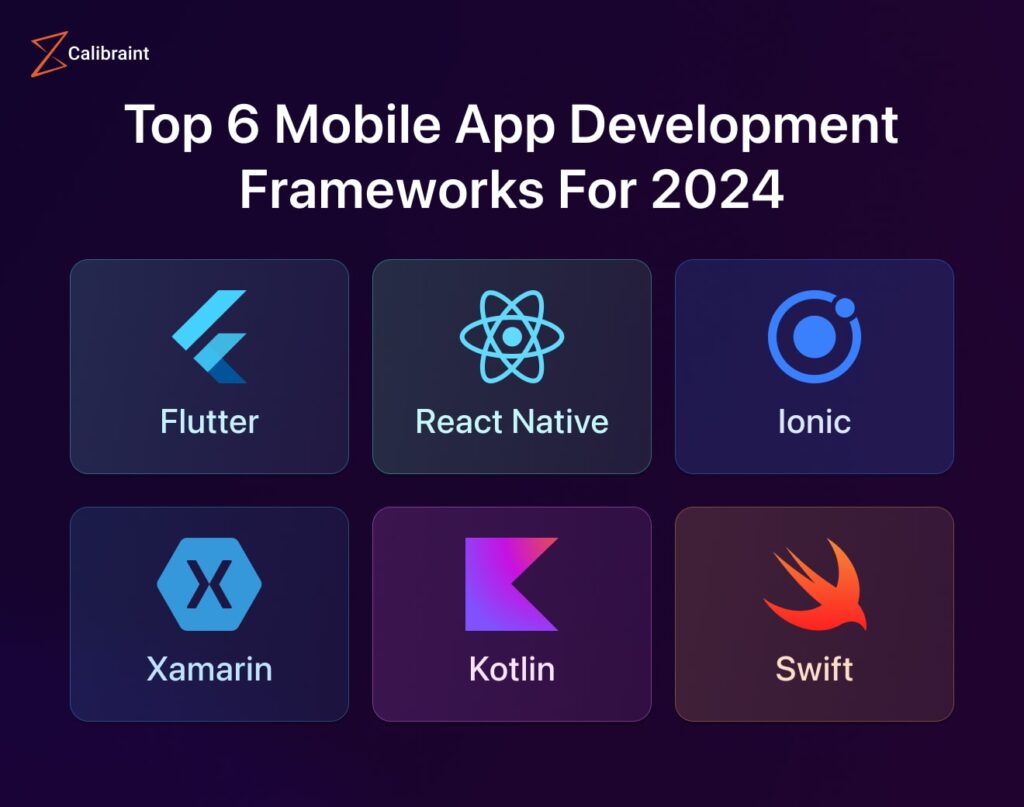
  1. Flutter: Google’s UI toolkit for building natively compiled applications for mobile, web, and desktop from a single codebase.
  2. Xamarin: A Microsoft-owned platform for building cross-platform apps using C# programming language.
  3. React Native: A JavaScript framework for building native applications for iOS and Android using React.
  4. Appgyver: A low-code platform that allows rapid prototyping and deployment of mobile applications without extensive coding knowledge.

In conclusion, mobile app development platforms play a crucial role in simplifying the app creation process while offering scalability, cost-effectiveness, and cross-platform compatibility. Whether you are a seasoned developer or new to app development, utilizing these platforms can help you bring your ideas to life in the fast-paced world of mobile technology.


8 Advantages of Using a Mobile App Development Platform for Efficient and Scalable Solutions

  1. Streamlines app development process
  2. Offers pre-built components and templates
  3. Supports rapid prototyping
  4. Enables cross-platform compatibility
  5. Reduces development time and cost
  6. Provides integration with third-party services
  7. Allows for scalability as business grows
  8. Simplifies app deployment and management


6 Drawbacks of Mobile App Development Platforms: Challenges and Limitations

  1. Limited Customization
  2. Learning Curve
  3. Dependency on Platform Updates
  4. Performance Issues
  5. Vendor Lock-In
  6. Lack of Full Control

Streamlines app development process

By streamlining the app development process, mobile app development platforms significantly enhance efficiency and productivity for developers. These platforms offer pre-built components, templates, and integrated tools that simplify coding tasks and accelerate the overall development timeline. By eliminating the need to start from scratch and providing a structured framework for app creation, developers can focus more on implementing innovative features and functionalities, ultimately speeding up the time-to-market for mobile applications.

Offers pre-built components and templates

One significant advantage of mobile app development platforms is their provision of pre-built components and templates. These ready-made resources streamline the app development process by offering developers a foundation to work from, saving time and effort in creating basic functionalities from scratch. By leveraging these pre-built elements, developers can focus more on customizing and enhancing the app’s unique features, ultimately accelerating the overall development timeline and ensuring a more efficient and consistent end product.

Supports rapid prototyping

Supporting rapid prototyping is a key advantage of mobile app development platforms. By offering drag-and-drop interfaces, pre-built templates, and easy-to-use tools, these platforms enable developers to quickly create prototypes of their mobile applications. This capability allows developers to iterate on their app designs efficiently, test different features, and gather valuable feedback early in the development process. Rapid prototyping not only speeds up the app development cycle but also helps ensure that the final product meets user expectations and market demands.

Enables cross-platform compatibility

One significant advantage of using a mobile app development platform is its ability to enable cross-platform compatibility. This feature allows developers to create mobile applications that can run seamlessly on multiple operating systems, such as iOS and Android, without the need to develop separate codebases for each platform. By leveraging cross-platform compatibility, developers can reach a broader audience and ensure a consistent user experience across different devices, ultimately saving time and resources in the app development process.

Reduces development time and cost

By leveraging a mobile app development platform, businesses can significantly reduce both development time and costs associated with creating a mobile application. These platforms offer pre-built components, templates, and integrated tools that streamline the development process, allowing developers to focus on implementing innovative features rather than starting from scratch. This efficiency not only accelerates the time-to-market for the app but also minimizes the resources required, making mobile app development more cost-effective for businesses of all sizes.

Provides integration with third-party services

One significant advantage of mobile app development platforms is their ability to seamlessly integrate with various third-party services. By offering built-in connections to popular tools such as analytics platforms, payment gateways, and cloud storage services, developers can enhance their apps’ functionality without having to build these features from scratch. This integration simplifies the development process, saves time, and allows developers to leverage the capabilities of external services to create robust and feature-rich mobile applications.

Allows for scalability as business grows

Mobile app development platforms offer the significant advantage of scalability, allowing businesses to expand and evolve seamlessly as they grow. By providing the flexibility to accommodate increasing user demands, feature enhancements, and changes in the business landscape, these platforms empower organizations to scale their mobile applications efficiently. This scalability feature ensures that businesses can adapt to evolving market trends and customer needs without facing limitations in app performance or functionality.

Simplifies app deployment and management

Mobile app development platforms offer the significant advantage of simplifying app deployment and management processes. By providing built-in tools for deployment automation and centralized management features, these platforms streamline the process of releasing apps to various app stores and managing updates efficiently. This pro not only saves time and resources for developers but also ensures a smoother and more organized app deployment cycle, ultimately leading to a better user experience for app users.

Limited Customization

Some mobile app development platforms may restrict the level of customization that developers can achieve, leading to limitations in design and functionality. While these platforms offer convenience and efficiency in app development, developers may find themselves constrained by pre-set templates and restricted customization options. This limitation can hinder the ability to create unique and tailored user experiences, potentially impacting the overall quality and innovation of the mobile app. Developers seeking extensive customization may need to consider alternative approaches or platforms that offer more flexibility in design and functionality customization.

Learning Curve

Navigating the learning curve can be a significant challenge when working with mobile app development platforms. Some platforms present a steep learning curve, demanding developers to dedicate time and effort to grasp the intricacies of the platform’s features and tools. This learning curve can potentially slow down the development process, impacting productivity and efficiency as developers strive to become proficient in utilizing the platform effectively.

Dependency on Platform Updates

One significant con of mobile app development platforms is the dependency on platform updates. Developers may encounter challenges when platform updates introduce changes that necessitate modifications to existing apps built on the platform. These updates can lead to compatibility issues, requiring developers to invest time and resources in updating their apps to ensure they remain functional and optimized for the latest version of the platform. This dependency on external updates can disrupt workflow continuity and may result in delays in delivering app enhancements or new features to users.

Performance Issues

When utilizing a mobile app development platform, one notable drawback to consider is the potential for performance issues. In certain scenarios, the use of these platforms may lead to slower app responsiveness or performance issues when compared to apps developed natively. This can be attributed to the additional layers of abstraction and overhead introduced by the platform, which may impact the overall efficiency and speed of the app. Developers should carefully evaluate the trade-offs between convenience and performance when deciding whether to leverage a mobile app development platform for their projects.

Vendor Lock-In

Vendor lock-in is a significant drawback of mobile app development platforms. When developers opt for proprietary platforms, they run the risk of becoming tied to a particular vendor’s ecosystem. This can restrict their flexibility in choosing alternative solutions and may lead to increased long-term costs. The dependency on a single vendor for tools, services, and updates can hinder the ability to adapt to changing technology trends or migrate to different platforms in the future. Developers need to carefully weigh the trade-offs between convenience and the potential downsides of vendor lock-in when selecting a mobile app development platform.

Lack of Full Control

When utilizing a mobile app development platform, developers may encounter the con of lack of full control over every aspect of their app. This limitation can impact the implementation of certain advanced functionalities that require custom coding or intricate configurations. Developers may find themselves restricted by the platform’s predefined features and templates, hindering their ability to tailor the app precisely to their unique requirements. This lack of complete control can be a significant drawback for developers seeking to implement highly specialized or complex functionalities in their mobile applications.

ios and android app development

Exploring the Dynamic World of iOS and Android App Development

iOS and Android App Development

The World of iOS and Android App Development

Mobile applications have become an integral part of our daily lives, offering convenience, entertainment, and functionality at our fingertips. Two major platforms dominate the app market – iOS and Android. Let’s delve into the world of iOS and Android app development.

iOS App Development

iOS is Apple’s mobile operating system known for its sleek design, security features, and seamless user experience. Developing apps for iOS requires using Apple’s proprietary programming language, Swift, or Objective-C. The development process involves adhering to strict guidelines set by Apple to ensure app quality and performance.

iOS developers have access to a wide range of tools and resources provided by Apple, including Xcode IDE, UIKit framework, and TestFlight for beta testing. The App Store serves as the distribution platform for iOS apps, where developers can publish their creations for millions of users to discover and download.

Android App Development

Android, developed by Google, is the most widely used mobile operating system globally. Android app development is characterized by its open-source nature, allowing developers to customize and innovate with flexibility. Java and Kotlin are the primary programming languages used for Android app development.

Android Studio is the official IDE for building Android apps, offering a robust set of tools such as layouts editor, APK analyzer, and Firebase integration. The Google Play Store serves as the primary marketplace for distributing Android apps to users worldwide.

Key Considerations in App Development

When developing apps for both platforms, it’s essential to consider factors such as user experience design, performance optimization, security measures, and compatibility across various devices and screen sizes. Testing plays a crucial role in ensuring that the app functions seamlessly on different devices.

Cross-platform development frameworks like React Native and Flutter have gained popularity for building apps that run on both iOS and Android with a single codebase. These frameworks streamline the development process while maintaining native-like performance.

Conclusion

iOS and Android app development offer unique opportunities for developers to create innovative solutions that cater to diverse user needs. By understanding the intricacies of each platform and leveraging the right tools and technologies, developers can craft engaging mobile experiences that resonate with users worldwide.


Top 5 FAQs About iOS and Android App Development

  1. Can you be both Android and iOS developer?
  2. Which is better Android or iOS app development?
  3. How can I develop an app for both Android and iOS?
  4. What programming language is used for Android and iOS apps?
  5. What is the difference between iOS and Android app development?

Can you be both Android and iOS developer?

One frequently asked question in the realm of iOS and Android app development is whether one can be proficient in both platforms as a developer. The answer is yes, it is possible to be skilled in developing apps for both Android and iOS. While each platform has its unique programming languages, tools, and guidelines, developers can acquire the necessary knowledge and expertise to work on both platforms effectively. By learning languages like Java, Kotlin, Swift, and Objective-C, as well as familiarizing themselves with the respective IDEs (Android Studio for Android and Xcode for iOS), developers can expand their skill set and cater to a broader range of projects and opportunities in the mobile app development industry.

Which is better Android or iOS app development?

The question of whether Android or iOS app development is better often arises in the realm of mobile app development. Both platforms have their strengths and considerations that developers need to weigh. Android, with its open-source nature and wider global market share, offers flexibility and reach. On the other hand, iOS, known for its premium user experience and strong security features, appeals to a more affluent user base. Ultimately, the choice between Android and iOS app development depends on factors such as target audience, budget, project requirements, and long-term goals. Each platform has its advantages, and the decision should be based on what aligns best with the specific needs of the project at hand.

How can I develop an app for both Android and iOS?

Developing an app for both Android and iOS platforms can be achieved through cross-platform development frameworks such as React Native and Flutter. These frameworks allow developers to write code once and deploy it on multiple platforms, saving time and effort. By using a single codebase, developers can create apps that offer a consistent user experience across both Android and iOS devices. Additionally, cross-platform development frameworks provide access to native features and performance optimizations, ensuring that the app functions seamlessly on different devices while reducing development costs.

What programming language is used for Android and iOS apps?

When it comes to developing apps for Android and iOS platforms, the choice of programming language is crucial. For Android app development, developers primarily use Java and Kotlin, which are officially supported by Google. Java has been a longstanding favorite for building Android apps, while Kotlin offers modern features and enhanced productivity. On the other hand, iOS app development is typically done using Swift and Objective-C. Swift, introduced by Apple, has gained popularity for its readability and performance, while Objective-C remains a viable option for legacy codebases. Understanding these programming languages is essential for developers looking to create successful and efficient applications for both Android and iOS ecosystems.

What is the difference between iOS and Android app development?

When comparing iOS and Android app development, one of the key differences lies in the programming languages used. iOS app development primarily involves Swift or Objective-C, Apple’s proprietary languages, while Android app development utilizes Java or Kotlin. Another notable distinction is the development environment – Xcode for iOS and Android Studio for Android. Each platform has its own set of guidelines and design principles that developers must adhere to, leading to unique user experiences on iOS and Android devices. Additionally, the distribution channels differ with the App Store for iOS apps and Google Play Store for Android apps. Understanding these variances is crucial for developers aiming to create successful applications tailored to each platform’s specifications and requirements.

best app making software

Discover the Best App Making Software for Your Next Project

Article: Best App Making Software

The Best App Making Software to Bring Your Ideas to Life

In today’s digital age, creating a mobile app has become more accessible than ever. Whether you’re a seasoned developer or a beginner looking to turn your innovative idea into reality, choosing the right app making software is crucial for success.

Key Features to Look for in App Making Software:

  • User-Friendly Interface: The software should have an intuitive interface that allows users of all skill levels to navigate and build apps easily.
  • Customization Options: Look for software that offers a wide range of customization options for design elements, functionalities, and user experience.
  • Multi-Platform Support: Opt for software that allows you to create apps for both iOS and Android platforms without extensive rework.
  • Integration Capabilities: Choose software that supports seamless integration with third-party services and APIs to enhance your app’s functionality.
  • Testing and Debugging Tools: Ensure the software provides robust testing and debugging tools to identify and fix issues during the development process.
  • Scalability: Select software that can accommodate the growth of your app and handle increased user traffic without compromising performance.

The Top App Making Software in 2022:

Flutter: A popular open-source framework by Google that allows developers to build natively compiled applications for mobile, web, and desktop from a single codebase.

Xcode: Apple’s integrated development environment (IDE) for creating apps exclusively for iOS and macOS platforms, offering powerful tools and resources for developers.

Android Studio: Google’s official IDE for Android app development, providing a comprehensive suite of tools to design, build, and test Android applications.

Mendix:A low-code platform that enables users to visually develop cross-platform mobile applications with minimal coding required, ideal for rapid prototyping and deployment.

No matter which app making software you choose, remember that innovation and creativity are key ingredients in crafting successful mobile applications that resonate with users worldwide. Embrace the power of technology and bring your app ideas to life!


Top Questions About the Best App-Making Software: Finding the Right Tools and Resources

  1. What is the best software to build an app?
  2. Which programming is best for app?
  3. Can I build my own app for free?
  4. Which app maker is the best?

What is the best software to build an app?

When it comes to selecting the best software for building an app, the answer largely depends on your specific needs and preferences. There are several top contenders in the market, each offering unique features and capabilities. Some popular choices include Flutter, Xcode, Android Studio, and Mendix. Flutter is favored for its versatility in creating natively compiled applications across multiple platforms from a single codebase. Xcode is renowned for its robust tools tailored for iOS and macOS app development. Android Studio stands out as Google’s official IDE for building Android applications with comprehensive resources. Mendix, on the other hand, offers a low-code platform ideal for rapid prototyping and deployment of cross-platform mobile apps with minimal coding required. Ultimately, the best software for building an app is one that aligns with your project goals, technical expertise, and desired outcomes.

Which programming is best for app?

When considering the best programming language for app development, it’s essential to assess various factors such as the specific requirements of the app, target platforms, developer expertise, and scalability needs. Different programming languages offer unique advantages and are suitable for different types of applications. For example, Java is commonly used for Android app development, while Swift is preferred for iOS apps. JavaScript frameworks like React Native and Flutter provide cross-platform compatibility. Ultimately, the best programming language for an app depends on the project’s objectives and constraints, with no one-size-fits-all answer. It’s crucial to evaluate each language’s strengths and weaknesses in relation to the app’s goals to make an informed decision.

Can I build my own app for free?

When it comes to building your own app for free, there are several options available that offer varying degrees of functionality and customization. Many app making software platforms provide free versions with limited features, making it possible for individuals with basic app development needs to create simple applications without incurring costs. However, for more advanced features and customization options, upgrading to a paid plan or investing in premium app development tools may be necessary. It’s essential to assess your requirements and budget carefully to determine the most suitable approach for building your app while considering the trade-offs between cost, functionality, and ease of use.

Which app maker is the best?

When it comes to determining the best app maker, it ultimately depends on your specific needs and preferences. Different app making software options offer varying features, customization capabilities, ease of use, and compatibility with different platforms. Some popular choices include Flutter, Xcode, Android Studio, and Mendix, each catering to different development requirements. It’s essential to evaluate factors such as user interface intuitiveness, customization options, multi-platform support, integration capabilities, testing tools, and scalability before selecting the app maker that best aligns with your project goals. Conducting thorough research and considering your project’s unique requirements will help you identify the best app maker for your development endeavors.

best app development software

Discover the Top Picks: Best App Development Software for Creating Stellar Applications

Best App Development Software

The Best App Development Software for Creating Innovative Applications

App development software plays a crucial role in bringing creative ideas to life and reaching a wide audience through mobile applications. With the increasing demand for mobile apps across various industries, it’s essential to choose the right tools to streamline the development process and deliver exceptional user experiences.

Android Studio

Android Studio is the official integrated development environment (IDE) for Android app development. It offers a comprehensive set of tools for designing, coding, and testing Android apps. With features like code templates, virtual device emulation, and real-time profilers, Android Studio simplifies the development of high-quality Android applications.

Xcode

Xcode is the IDE for building apps on Apple platforms, including iOS, macOS, watchOS, and tvOS. It provides a user-friendly interface and powerful tools like Interface Builder for designing interfaces visually and Instruments for performance analysis. Xcode also supports Swift programming language, making it a preferred choice for iOS app developers.

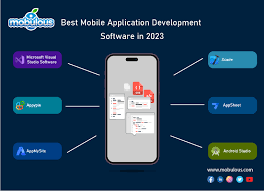
Visual Studio

Visual Studio is a popular IDE developed by Microsoft that supports app development for Windows, Android, iOS, and web platforms. It offers a rich set of features such as code editing, debugging, and collaboration tools. Visual Studio’s extensibility allows developers to customize their workflow with plugins and extensions.

Flutter

Flutter is Google’s open-source UI toolkit for building natively compiled applications for mobile, web, and desktop from a single codebase. With Flutter’s hot reload feature, developers can quickly see changes in real-time without restarting the app. Flutter’s expressive UI components enable developers to create visually appealing interfaces across different platforms.

React Native

React Native is a JavaScript framework for building cross-platform mobile applications using React.js library. By sharing code between iOS and Android platforms, React Native accelerates the app development process while maintaining native performance and user experience standards. Its modular architecture allows developers to reuse components efficiently.

In conclusion, choosing the right app development software is essential for creating innovative and successful applications that meet users’ expectations. Whether you’re developing apps for Android or iOS platforms or targeting multiple platforms simultaneously, these top app development tools provide the necessary features and capabilities to bring your ideas to life effectively.


Top FAQs About Choosing the Best App Development Software

  1. What is the best app development software for Android?
  2. Which app development software is recommended for iOS?
  3. What are the key features to look for in app development software?
  4. Is there app development software that supports cross-platform development?
  5. How can I choose the right app development software for my project?
  6. Are there any free or open-source options available for app development software?

What is the best app development software for Android?

When it comes to developing apps for Android, one of the most highly recommended software is Android Studio. As the official integrated development environment (IDE) for Android app development, Android Studio offers a comprehensive suite of tools tailored specifically for creating high-quality Android applications. With features like code templates, virtual device emulation, and real-time profilers, Android Studio simplifies the development process and helps developers design and test their apps efficiently. Its robust set of features and seamless integration with the Android platform make it a top choice for building innovative and user-friendly apps for the vast Android user base.

When it comes to app development software for iOS, Xcode is highly recommended as the preferred choice. Xcode is the official integrated development environment (IDE) for building apps on Apple platforms, offering a comprehensive set of tools and features tailored specifically for iOS app development. With its user-friendly interface, powerful tools like Interface Builder, and support for the Swift programming language, Xcode enables developers to create high-quality iOS applications efficiently and effectively. Its seamless integration with Apple’s ecosystem and robust debugging capabilities make it a top choice for developers looking to build innovative and successful apps for iOS devices.

What are the key features to look for in app development software?

When considering the best app development software, it’s important to look for key features that can streamline the development process and enhance the quality of the final product. Some essential features to consider include an intuitive user interface for easy navigation, robust debugging tools for identifying and fixing errors efficiently, support for multiple platforms to reach a broader audience, integration with third-party APIs for added functionality, real-time collaboration tools for team projects, and regular updates and support from the software provider to stay current with industry trends and technologies. By prioritizing these key features, developers can choose app development software that meets their specific needs and enables them to create innovative and successful applications.

Is there app development software that supports cross-platform development?

Many app development software options support cross-platform development, allowing developers to create applications that can run on multiple operating systems and devices with a single codebase. Tools like Flutter, React Native, Xamarin, and PhoneGap enable developers to streamline the app development process by writing code once and deploying it across various platforms such as iOS, Android, and web. These cross-platform development solutions offer cost-effective and efficient ways to reach a broader audience while maintaining consistent user experiences across different devices.

How can I choose the right app development software for my project?

When selecting the right app development software for your project, it is essential to consider several factors to ensure a successful outcome. Firstly, assess the specific requirements of your project, such as target platforms (iOS, Android, web), desired features, and expected user experience. Evaluate the scalability and flexibility of the software to accommodate future updates and enhancements. Consider the learning curve and support resources available for the chosen software to streamline the development process. Additionally, look for tools that offer robust testing capabilities to ensure the quality and performance of your app. By carefully weighing these considerations and aligning them with your project goals, you can choose app development software that best suits your needs and maximizes your chances of creating a successful application.

Are there any free or open-source options available for app development software?

When it comes to app development software, there are several free and open-source options available that cater to developers looking for cost-effective solutions. Platforms like Android Studio, Visual Studio Code, and Flutter provide robust tools and features without requiring a hefty investment. Open-source frameworks like React Native and Apache Cordova offer flexibility and customization options for building cross-platform applications. These free or open-source options empower developers to create high-quality apps while minimizing expenses, making them popular choices in the app development community.

best android development software

The Best Android Development Software: Tools for Building Exceptional Mobile Apps

Best Android Development Software

The Best Android Development Software for Building Mobile Apps

Android development software plays a crucial role in creating innovative and user-friendly mobile applications for the vast Android user base. Whether you are a beginner or an experienced developer, choosing the right tools can significantly impact your app development process. Here are some of the best Android development software options available:

Android Studio

Android Studio is the official integrated development environment (IDE) for Android app development, provided by Google. It offers a comprehensive set of tools for designing, building, and testing Android apps. With features like code editing, debugging, and performance profiling, Android Studio is a favorite among developers.

IntelliJ IDEA

IntelliJ IDEA is a powerful IDE that supports Android app development through plugins like Android Development Tools (ADT). It provides advanced coding assistance and productivity tools to streamline the development process. Developers appreciate its intelligent code completion and refactoring capabilities.

Xamarin

Xamarin is a popular cross-platform development tool that allows developers to build native Android apps using C#. It provides a single codebase for multiple platforms, enabling faster app development and easier maintenance. Xamarin’s integration with Visual Studio makes it a preferred choice for many developers.

React Native

React Native is an open-source framework developed by Facebook for building native mobile apps using JavaScript and React. It enables developers to create high-performance apps with a rich user interface. React Native’s hot reloading feature allows real-time updates during the development process.

Flutter

Flutter is Google’s UI toolkit for building natively compiled applications across mobile, web, and desktop from a single codebase. With Flutter’s expressive and flexible design system, developers can create visually stunning apps that run smoothly on various devices. Its hot reload feature enhances productivity during app development.

Choosing the right Android development software depends on your project requirements, programming skills, and personal preferences. Each tool offers unique features and benefits that cater to different developer needs.

Whether you opt for the official Android Studio or explore cross-platform solutions like Xamarin or React Native, investing in quality development software is essential for creating successful Android applications that engage users and deliver exceptional experiences.


Top FAQs About Choosing the Best Android Development Software

  1. What is the best Android development software for beginners?
  2. Which Android development software offers the most advanced features for experienced developers?
  3. Is there a cross-platform development tool recommended for building Android apps?
  4. What are the key factors to consider when choosing Android development software?
  5. How does pricing vary among different Android development software options?
  6. Are there any community-supported or open-source Android development tools available?

What is the best Android development software for beginners?

When it comes to beginners in Android app development, a popular choice for the best Android development software is Android Studio. As the official integrated development environment (IDE) for Android app creation by Google, Android Studio offers a user-friendly interface and a wide range of tools tailored to support newcomers in the field. Its intuitive design, comprehensive documentation, and vast community support make it an ideal starting point for beginners looking to dive into Android app development. With features like code templates, visual layout editor, and instant run functionality, Android Studio simplifies the learning curve and enables beginners to create their first mobile applications with ease.

Which Android development software offers the most advanced features for experienced developers?

For experienced developers seeking advanced features in Android development software, Android Studio stands out as the top choice. As the official integrated development environment (IDE) for Android app development by Google, Android Studio provides a comprehensive set of tools and functionalities that cater to the needs of seasoned developers. With advanced features such as code editing, debugging, performance profiling, and seamless integration with other Google services, Android Studio offers a robust platform for experienced developers to create sophisticated and high-performance Android applications efficiently.

When it comes to building Android apps efficiently across multiple platforms, one of the highly recommended cross-platform development tools is Xamarin. Xamarin allows developers to create native Android apps using C# and a single codebase, which can significantly reduce development time and effort. Its seamless integration with Visual Studio and robust features make it a popular choice for those looking to streamline their app development process while maintaining high-quality performance and user experience on Android devices.

What are the key factors to consider when choosing Android development software?

When selecting Android development software, several key factors should be considered to ensure a smooth and efficient app development process. Firstly, compatibility with your project requirements is crucial. Evaluate whether the software supports the features and functionalities you need for your app. Secondly, consider the learning curve and ease of use of the tool, especially if you are a beginner developer. A user-friendly interface and comprehensive documentation can significantly impact your productivity. Additionally, look into the community support and updates provided by the software developer to stay current with industry trends and best practices. Lastly, consider factors such as cost, scalability, performance optimization tools, and integration capabilities when making your decision on the best Android development software for your project.

How does pricing vary among different Android development software options?

The pricing of Android development software varies significantly among different options available in the market. Some tools, like Android Studio and IntelliJ IDEA, are free to use as they are provided by Google and JetBrains, respectively. On the other hand, platforms like Xamarin and Flutter may offer free versions with limited features but require a paid subscription for full functionality or enterprise-level support. The cost structure can also depend on factors such as licensing models, additional plugins or integrations, and support services offered by the software providers. Developers should carefully evaluate their budget, project requirements, and long-term goals to choose an Android development software that aligns with their needs while considering the associated pricing implications.

Are there any community-supported or open-source Android development tools available?

When it comes to Android development tools, there are several community-supported and open-source options available for developers. These tools not only provide cost-effective solutions but also foster collaboration and innovation within the developer community. Platforms like Apache Cordova, PhoneGap, and React Native offer open-source frameworks that empower developers to create cross-platform mobile applications efficiently. Additionally, tools like Android Asset Studio and Genymotion provide valuable resources for app design and testing, supported by active user communities that contribute to their continuous improvement. Embracing community-supported and open-source Android development tools can enhance creativity, flexibility, and accessibility in the app development process.

best android app development software

Discover the Best Android App Development Software for Building Innovative Apps

Best Android App Development Software

The Best Android App Development Software for Building Innovative Apps

Android app development has become increasingly popular as more businesses and individuals seek to create innovative mobile applications. To streamline the app development process and ensure high-quality results, choosing the right software is crucial. Here are some of the best Android app development software options available:

Android Studio

Android Studio is the official integrated development environment (IDE) for Android app development, provided by Google. It offers a comprehensive set of tools for designing, coding, testing, and debugging Android apps. With features like code completion, visual layout editor, and emulator support, Android Studio is a preferred choice for many developers.

Xamarin

Xamarin is a popular cross-platform development tool that allows developers to build native Android apps using C#. It provides a single codebase that can be shared across multiple platforms, saving time and effort in app development. Xamarin also offers excellent performance and native user interface design capabilities.

Flutter

Flutter is an open-source UI software development kit created by Google for building natively compiled applications for mobile, web, and desktop from a single codebase. With its hot reload feature and expressive UI components, Flutter enables developers to create visually appealing and responsive Android apps quickly.

React Native

React Native is another popular cross-platform framework that allows developers to build native Android apps using JavaScript and React. It offers a fast development cycle and live reload feature, making it easy to see changes in real-time. React Native’s extensive library of pre-built components simplifies the app development process.

IntelliJ IDEA

IntelliJ IDEA is a powerful IDE that supports Android app development with its robust set of features like intelligent code completion, refactoring tools, and version control integration. Developers can customize their workflow with plugins and extensions to enhance productivity while building feature-rich Android applications.

Choosing the right Android app development software can significantly impact the success of your mobile application project. Consider your project requirements, team expertise, and budget when selecting the most suitable tool for your needs.

© 2023 All rights reserved – YourWebsiteName


Top FAQs on Choosing the Best Software for Android App Development

  1. Which operating system is best for Android app development?
  2. What software is used to develop Android apps?
  3. What is the best software for Android development?
  4. What is the best way to develop an Android app?

Which operating system is best for Android app development?

When it comes to Android app development, the choice of operating system plays a crucial role in determining the efficiency and productivity of developers. While Android Studio, the official IDE for Android app development, is compatible with multiple operating systems such as Windows, macOS, and Linux, each has its own advantages. Windows is widely used and offers extensive software support, while macOS is favored for its seamless integration with other Apple devices and robust performance. Linux, known for its stability and customization options, is preferred by developers seeking a more flexible environment. Ultimately, the best operating system for Android app development depends on individual preferences, familiarity with the platform, and specific project requirements.

What software is used to develop Android apps?

When it comes to developing Android apps, developers often rely on a variety of software tools to streamline the process and ensure high-quality results. Some of the commonly used software for Android app development includes Android Studio, Xamarin, Flutter, React Native, and IntelliJ IDEA. Each of these tools offers unique features and capabilities that cater to different development needs, such as code editing, debugging, testing, and user interface design. By choosing the right software based on project requirements and developer expertise, creators can build innovative and functional Android applications efficiently.

What is the best software for Android development?

When it comes to Android app development, one of the frequently asked questions is, “What is the best software for Android development?” The answer to this question often depends on various factors such as the developer’s experience, project requirements, and personal preferences. Some popular choices for Android app development software include Android Studio, Xamarin, Flutter, React Native, and IntelliJ IDEA. Each of these tools offers unique features and capabilities to streamline the app development process and create high-quality Android applications. Ultimately, the best software for Android development is one that aligns with the developer’s needs and enables them to efficiently build innovative and user-friendly mobile apps.

What is the best way to develop an Android app?

When it comes to developing an Android app, choosing the best way depends on various factors such as your project requirements, budget, and expertise. One popular approach is to use Android app development software like Android Studio, Xamarin, Flutter, React Native, or IntelliJ IDEA. These tools offer a range of features and capabilities to streamline the development process and create high-quality apps. It’s essential to evaluate each option based on your specific needs and preferences to determine the most suitable way to develop your Android app efficiently and effectively.

android app development software

Exploring Top Android App Development Software Tools for Innovative Apps

The Best Android App Development Software for Creating Innovative Apps

The Best Android App Development Software for Creating Innovative Apps

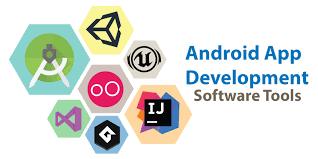
Android app development has become a crucial aspect of the digital world, with millions of apps available on the Google Play Store. To create innovative and user-friendly apps, developers rely on various software tools that streamline the development process. Here are some of the best Android app development software tools that can help you bring your app ideas to life:

Android Studio

Android Studio is the official Integrated Development Environment (IDE) for Android app development. It offers a comprehensive set of tools for designing, coding, testing, and debugging Android apps. With features like code completion, visual layout editor, and built-in emulators, Android Studio is a favorite among developers.

Xamarin

Xamarin is a cross-platform development tool that allows developers to create native Android apps using C# and .NET. It provides a single codebase that can be shared across multiple platforms, saving time and effort in app development. Xamarin also offers excellent performance and native user interface design.

Unity

Unity is a popular game development platform that can also be used to create interactive 3D and 2D apps for Android. With its easy-to-use interface and powerful graphics engine, Unity is ideal for developing visually appealing and engaging apps. It supports multiple programming languages like C# and JavaScript.

IntelliJ IDEA

IntelliJ IDEA is another powerful IDE that supports Android app development through plugins like Android Studio Plugin. It offers advanced code analysis tools, intelligent code completion, and seamless integration with version control systems. IntelliJ IDEA is known for its high performance and developer-friendly features.

React Native

React Native is a JavaScript framework for building cross-platform mobile apps, including Android apps. Developers can write code once and deploy it on both iOS and Android platforms, reducing development time significantly. React Native provides a rich set of components and libraries for creating dynamic mobile applications.

These are just a few examples of the best Android app development software available in the market today. Each tool has its unique features and advantages, catering to different needs and preferences of developers. By choosing the right software tool based on your project requirements, you can create innovative and successful Android apps that stand out in the competitive app market.


Top 6 Advantages of Android App Development Software

  1. 1. Wide Variety of Tools
  2. 2. Cross-Platform Compatibility
  3. 3. Rich Libraries and Frameworks
  4. 4. Robust Testing Capabilities
  5. 5. Community Support
  6. 6. Regular Updates and Improvements


Challenges in Android App Development: Navigating Learning Curves, Fragmentation, and Performance Optimization

  1. Steep Learning Curve
  2. Fragmentation
  3. Performance Optimization

1. Wide Variety of Tools

Android app development software stands out for its wide variety of tools that cater to developers’ diverse needs. From design to testing, these tools are designed to streamline the development process and boost productivity. Whether developers are looking for code editors, emulators, debugging tools, or performance optimization utilities, the vast array of tools available ensures that every aspect of app development is covered. This abundance of resources empowers developers to create high-quality Android apps efficiently and effectively.

2. Cross-Platform Compatibility

One significant advantage of Android app development software is its cross-platform compatibility feature. With many Android app development tools supporting cross-platform development, developers can create apps that run on multiple operating systems, expanding their reach and user base. This capability not only saves time and effort by enabling the reuse of code across different platforms but also ensures a consistent user experience across various devices, making it a valuable asset for developers looking to maximize the impact of their apps.

3. Rich Libraries and Frameworks

One significant advantage of Android app development software is the availability of rich libraries and frameworks. These tools offer developers access to a wide range of pre-built components and functionalities that can simplify coding tasks and accelerate the app development process. By leveraging these libraries and frameworks, developers can focus more on implementing unique features and user experiences, rather than reinventing the wheel with repetitive coding tasks. This not only enhances productivity but also enables developers to create high-quality apps efficiently.

4. Robust Testing Capabilities

One significant advantage of Android app development software is its robust testing capabilities. These features enable developers to thoroughly test their apps for quality and performance before deploying them to users. By utilizing these testing tools, developers can identify and fix any potential issues or bugs, resulting in a smoother and more reliable user experience. This proactive approach to testing ultimately leads to higher-quality apps that meet user expectations and contribute to the overall success of the application.

5. Community Support

Developers utilizing Android app development software enjoy the advantage of robust community support. These tools foster active online communities where developers can seek assistance, exchange knowledge, and engage in collaborative efforts with like-minded individuals in the industry. This communal environment not only provides valuable resources for troubleshooting and problem-solving but also promotes continuous learning and networking opportunities, enhancing the overall development experience for app creators.

6. Regular Updates and Improvements

Android app development software offers the benefit of regular updates and improvements, ensuring that developers have access to the latest features, enhancements, and bug fixes. By staying current with evolving technologies, developers can create cutting-edge apps that meet the demands of users and stay competitive in the dynamic app market. The continuous updates also help in enhancing the overall performance and functionality of the development tools, making the app development process smoother and more efficient.

Steep Learning Curve

Some Android app development software tools present a significant con in the form of a steep learning curve. Developers using these tools may find themselves needing to dedicate considerable time and effort to fully grasp and master the platform. The complexity of the software can pose challenges for beginners or those transitioning from other development environments, potentially slowing down the app development process and requiring additional resources for training and skill-building.

Fragmentation

Fragmentation in the Android ecosystem poses a significant challenge for developers due to the diverse range of devices running different versions of the operating system. This variation can result in compatibility issues during app development, as developers need to ensure that their apps function seamlessly across multiple devices with varying specifications and OS versions. Managing fragmentation requires extra effort and resources to test and optimize apps for a wide array of devices, impacting the overall development process and potentially affecting user experience.

Performance Optimization

Performance optimization in Android app development poses a significant challenge due to the need to ensure optimal performance on a diverse array of Android devices. Developers face the task of testing and optimizing their apps for various hardware configurations, which can vary greatly in terms of processing power, memory, and screen size. This variability makes it complex to deliver consistent performance across all devices, requiring developers to invest additional time and effort in fine-tuning their apps to provide a seamless user experience regardless of the device being used.

best mobile app development software

Discover the Top Picks: Best Mobile App Development Software for Innovative Apps

Best Mobile App Development Software

The Best Mobile App Development Software for Building Innovative Apps

Mobile app development has become a crucial aspect of businesses and individuals looking to reach a wider audience and enhance user engagement. With the increasing demand for mobile apps, choosing the right app development software is essential for creating successful and innovative applications.

Top Mobile App Development Software:

  1. Flutter: Flutter, developed by Google, is an open-source UI software development kit used for building natively compiled applications for mobile, web, and desktop from a single codebase.
  2. Xamarin: Xamarin, owned by Microsoft, allows developers to create cross-platform mobile applications using C# and .NET. It provides a rich set of tools and libraries for building high-performance apps.
  3. React Native: React Native, maintained by Facebook, enables developers to build native mobile apps using JavaScript and React. It offers a fast development cycle and allows code reusability across different platforms.
  4. Appy Pie: Appy Pie is a no-code app development platform that enables users to create custom mobile apps without any programming skills. It offers drag-and-drop functionality and various templates for quick app creation.
  5. PhoneGap: PhoneGap is an open-source framework owned by Adobe that allows developers to build cross-platform mobile applications using web technologies such as HTML5, CSS3, and JavaScript.

Each of these mobile app development software tools comes with its unique features and capabilities to cater to different project requirements. Whether you are a beginner or an experienced developer, choosing the right software can streamline your app development process and help you create cutting-edge mobile applications.

Selecting the best mobile app development software depends on factors such as project complexity, target platforms, budget constraints, and developer expertise. By evaluating these criteria against the features offered by each software tool, you can make an informed decision on which platform suits your needs best.

With the right mobile app development software at your disposal, you can unleash your creativity and bring your app ideas to life in today’s competitive digital landscape.


Top FAQs About Choosing the Best Mobile App Development Software

  1. What is the best mobile app development software for beginners?
  2. Which mobile app development software offers the most features for advanced developers?
  3. Is there a free mobile app development software that is highly recommended?
  4. What are the key factors to consider when choosing mobile app development software?
  5. Can mobile app development software be used to create apps for both iOS and Android platforms?
  6. How important is cross-platform compatibility in selecting mobile app development software?
  7. Are there any specific tools or plugins that enhance the functionality of mobile app development software?
  8. What are the differences between native and hybrid app development using various software options?
  9. How can I find tutorials or resources to learn how to use different mobile app development software effectively?

What is the best mobile app development software for beginners?

When it comes to beginners in mobile app development, choosing the right software can make a significant difference in their learning curve and project success. Among the various options available, platforms like Flutter and React Native are often recommended for beginners due to their user-friendly interfaces, extensive documentation, and active community support. These tools provide a smooth entry point into app development with features that simplify the coding process and offer real-time previews of app designs. Additionally, no-code platforms like Appy Pie can be ideal for absolute beginners looking to create basic apps without having to write any code. Ultimately, the best mobile app development software for beginners depends on individual preferences, project goals, and desired learning outcomes.

Which mobile app development software offers the most features for advanced developers?

When it comes to advanced developers seeking a mobile app development software with a comprehensive set of features, Flutter stands out as a top choice. Developed by Google, Flutter provides advanced developers with a rich toolkit and robust capabilities for building high-performance, natively compiled applications across multiple platforms. Its flexibility, extensive customization options, and hot reload feature make it an ideal choice for those looking to create complex and innovative mobile apps efficiently. With Flutter, advanced developers can leverage its advanced features to push the boundaries of mobile app development and deliver cutting-edge solutions to meet their project requirements.

When it comes to free mobile app development software, one highly recommended option is Flutter. Developed by Google, Flutter is an open-source UI software development kit that allows developers to create natively compiled applications for mobile, web, and desktop from a single codebase. Its flexibility, performance, and extensive community support make it a popular choice for those looking to build innovative apps without incurring additional costs. With Flutter, developers can leverage its rich set of features and tools to create high-quality mobile applications efficiently.

What are the key factors to consider when choosing mobile app development software?

When selecting mobile app development software, several key factors should be considered to ensure the success of your app project. Firstly, it is essential to assess the compatibility of the software with your target platforms, such as iOS and Android. Additionally, evaluating the scalability and flexibility of the software to accommodate future updates and expansions is crucial. The ease of use, available features, integration capabilities, community support, and cost of the software are also significant factors to weigh when making your decision. By carefully considering these aspects, you can choose mobile app development software that aligns with your project requirements and goals.

Can mobile app development software be used to create apps for both iOS and Android platforms?

Mobile app development software can indeed be used to create apps for both iOS and Android platforms. Cross-platform development tools such as Flutter, Xamarin, and React Native allow developers to write code once and deploy it on multiple platforms, including iOS and Android. These tools offer a cost-effective and time-efficient solution for building apps that can reach a broader audience across different operating systems without the need to develop separate codebases for each platform. By leveraging mobile app development software that supports cross-platform compatibility, developers can streamline the app development process and ensure consistent user experience across various devices and operating systems.

How important is cross-platform compatibility in selecting mobile app development software?

Cross-platform compatibility plays a crucial role in selecting mobile app development software. In today’s diverse mobile landscape, where users access applications on various devices and operating systems, ensuring that your app functions seamlessly across different platforms is essential for reaching a broader audience and maximizing user engagement. By choosing software that supports cross-platform development, developers can write code once and deploy it across multiple platforms, saving time and resources. This approach not only simplifies the development process but also allows for consistent user experiences across different devices, ultimately enhancing the app’s usability and success in the competitive app market.

Are there any specific tools or plugins that enhance the functionality of mobile app development software?

Many mobile app development software offer a range of tools and plugins to enhance functionality and streamline the app development process. These tools can include integrated development environments (IDEs), code editors, debugging tools, testing frameworks, analytics plugins, and more. IDEs like Android Studio and Xcode provide comprehensive features for designing, coding, and testing mobile apps. Code editors such as Visual Studio Code offer customization options and support for various programming languages. Additionally, plugins like Firebase for real-time database integration or Fabric for crash reporting can further enhance the capabilities of mobile app development software by providing additional functionalities that cater to specific needs in app development.

What are the differences between native and hybrid app development using various software options?

When comparing native and hybrid app development using various software options, it’s essential to understand the fundamental differences between the two approaches. Native app development involves creating applications specifically for a single platform, such as iOS or Android, using platform-specific languages like Swift or Java. On the other hand, hybrid app development allows developers to build applications that can run on multiple platforms using web technologies like HTML, CSS, and JavaScript. Software options like Flutter and React Native support hybrid app development by enabling code reusability across different platforms, while tools like Xamarin focus on native app development with cross-platform capabilities using C# and .NET. The choice between native and hybrid app development depends on factors like performance requirements, target audience, and developer expertise, ultimately influencing the selection of the best mobile app development software for a particular project.

How can I find tutorials or resources to learn how to use different mobile app development software effectively?

For those seeking tutorials or resources to learn how to use various mobile app development software effectively, there are several avenues to explore. Online platforms like YouTube, Udemy, and Coursera offer a wide range of courses and tutorials tailored to different skill levels. Additionally, official documentation and community forums provided by the software developers themselves can be valuable sources of information. Engaging with developer communities, attending webinars, and participating in coding bootcamps are also effective ways to enhance your understanding and proficiency in using mobile app development software. By actively seeking out these resources and continuously learning and practicing, aspiring developers can master the intricacies of different app development tools and create innovative mobile applications.