
cfchris.com

Loading

Revolutionizing Finance: The Power of Fintech Software

The Rise of Fintech Software in Modern Finance

The Rise of Fintech Software in Modern Finance

In recent years, the financial industry has witnessed a significant transformation with the emergence of fintech software. Fintech, short for financial technology, refers to innovative solutions that leverage technology to enhance and automate financial services.

Traditional financial institutions are facing increasing competition from fintech companies that offer more agile and customer-centric services. Fintech software is revolutionizing the way people manage their finances, make payments, invest, and access credit.

Key Features of Fintech Software

Fintech software encompasses a wide range of applications and services, including:

  • Mobile Banking Apps: Allow users to manage their accounts, transfer funds, pay bills, and track expenses on-the-go.
  • Payment Gateways: Enable secure online transactions for businesses and consumers.
  • Robo-Advisors: Use algorithms to provide automated investment advice based on individual financial goals and risk tolerance.
  • P2P Lending Platforms: Connect borrowers directly with lenders, bypassing traditional financial institutions.
  • Cryptocurrency Exchanges: Facilitate the buying, selling, and trading of digital currencies like Bitcoin and Ethereum.

The Benefits of Fintech Software

The adoption of fintech software offers several advantages for both consumers and businesses:

  • Convenience: Users can access financial services anytime, anywhere through digital platforms.
  • Cost-Effectiveness: Fintech solutions often have lower fees compared to traditional banking services.
  • Financial Inclusion: Fintech software can reach underserved populations who have limited access to traditional banking services.
  • Innovation: Continuous technological advancements drive the development of new features and products in the fintech industry.

The Future of Fintech Software

The future of fintech software looks promising as technology continues to evolve rapidly. We can expect further integration of artificial intelligence (AI), blockchain technology, and machine learning in fintech solutions. These advancements will enhance security measures, improve data analysis capabilities, and personalize user experiences even further.

As fintech software becomes more mainstream, it is essential for financial institutions to embrace innovation and adapt to changing consumer preferences. By leveraging fintech solutions effectively, businesses can stay competitive in a rapidly evolving digital landscape.

© 2023 The Rise of Fintech Software in Modern Finance – All Rights Reserved


Understanding Fintech Software: Key Questions and Insights

  1. What is fintech software?
  2. How does fintech software differ from traditional financial services?
  3. What are the key features of fintech software?
  4. How secure is fintech software in handling financial transactions?
  5. What are the benefits of using fintech software for personal finance management?
  6. Can fintech software help businesses streamline their financial operations?
  7. Are there regulatory considerations for using fintech software?
  8. What trends are shaping the future of fintech software development?
  9. How can individuals and businesses choose the right fintech software solution for their needs?

What is fintech software?

Fintech software, short for financial technology software, refers to innovative digital tools and applications that leverage technology to revolutionize the way financial services are delivered and accessed. These solutions encompass a wide range of offerings, including mobile banking apps, payment gateways, robo-advisors, peer-to-peer lending platforms, and cryptocurrency exchanges. Fintech software aims to enhance convenience, accessibility, and efficiency in managing finances, making transactions, investing, and accessing credit. By integrating cutting-edge technologies with traditional financial services, fintech software plays a pivotal role in shaping the future of modern finance.

How does fintech software differ from traditional financial services?

Fintech software differs from traditional financial services in its approach to delivering financial solutions. Unlike traditional institutions, fintech companies leverage technology to provide more accessible, efficient, and personalized services to users. Fintech software often offers streamlined processes, lower fees, and innovative features that cater to the evolving needs of modern consumers. Additionally, fintech solutions prioritize user experience by offering convenient digital platforms that enable users to manage their finances seamlessly from anywhere. This shift towards digitalization and innovation sets fintech software apart from the more traditional and rigid structures of traditional financial services.

What are the key features of fintech software?

Fintech software encompasses a diverse set of key features that revolutionize the way individuals and businesses interact with financial services. These features include mobile banking apps that provide convenient account management and transaction capabilities on smartphones, payment gateways that ensure secure online transactions, robo-advisors offering automated investment advice tailored to individual financial goals, peer-to-peer lending platforms connecting borrowers directly with lenders, and cryptocurrency exchanges facilitating the buying, selling, and trading of digital currencies. These innovative features collectively empower users to access financial services efficiently and securely in today’s digital age.

How secure is fintech software in handling financial transactions?

Ensuring the security of fintech software in handling financial transactions is a top priority for both providers and users. Fintech companies implement robust security measures, such as encryption protocols, multi-factor authentication, and regular security audits, to safeguard sensitive data and prevent unauthorized access. Additionally, regulatory bodies often oversee fintech operations to ensure compliance with industry standards and protect consumers from fraud or data breaches. While no system is entirely immune to risks, the continuous advancements in cybersecurity technologies and practices contribute to enhancing the overall security of fintech software in managing financial transactions.

What are the benefits of using fintech software for personal finance management?

Utilizing fintech software for personal finance management offers a multitude of benefits. These innovative tools provide users with convenient access to their financial information anytime, anywhere, empowering them to track expenses, set budgets, and monitor investments seamlessly. Fintech software often comes with user-friendly interfaces and features that simplify complex financial tasks, helping individuals make informed decisions about their money. Additionally, these solutions typically offer cost-effective alternatives to traditional banking services, allowing users to save on fees and optimize their financial resources efficiently. By leveraging fintech software for personal finance management, individuals can achieve greater control over their financial well-being and enhance their overall financial literacy.

Can fintech software help businesses streamline their financial operations?

Fintech software has proven to be a valuable tool for businesses looking to streamline their financial operations. By leveraging fintech solutions, businesses can automate repetitive tasks, improve efficiency in processes such as invoicing and payment processing, enhance data accuracy, and gain real-time insights into their financial performance. With features like advanced analytics, budgeting tools, and seamless integration with existing systems, fintech software empowers businesses to make informed decisions and optimize their financial workflows for greater productivity and profitability.

Are there regulatory considerations for using fintech software?

When considering the use of fintech software, it is crucial to take into account regulatory considerations that may apply. Due to the nature of financial services and transactions involved, fintech software often falls under various regulatory frameworks established by governmental authorities. Compliance with regulations such as data protection laws, anti-money laundering (AML) regulations, know your customer (KYC) requirements, and financial licensing obligations is essential to ensure the legality and security of using fintech software. Understanding and adhering to these regulatory considerations are vital for both fintech companies and users to maintain trust, transparency, and compliance within the financial industry.

The future of fintech software development is being shaped by several key trends that are driving innovation in the industry. One significant trend is the increasing adoption of artificial intelligence (AI) and machine learning algorithms to enhance data analysis, improve decision-making processes, and personalize user experiences. Additionally, blockchain technology is revolutionizing security measures and enabling faster and more secure transactions in fintech applications. The rise of open banking initiatives and API-driven ecosystems is fostering collaboration among financial institutions and fintech companies, leading to the development of integrated and seamless financial services. These trends are paving the way for a more efficient, inclusive, and customer-centric future in fintech software development.

How can individuals and businesses choose the right fintech software solution for their needs?

When selecting the most suitable fintech software solution for their requirements, individuals and businesses should consider several key factors. Firstly, it is essential to assess their specific financial needs and goals to determine which features and functionalities are crucial. Conducting thorough research on different fintech software providers, comparing their offerings, reputation, and customer reviews can help in making an informed decision. Additionally, evaluating the scalability, security measures, integration capabilities with existing systems, and cost-effectiveness of the fintech software solution are vital aspects to consider. Collaborating with industry experts or seeking recommendations from peers can also provide valuable insights into choosing the right fintech software solution that aligns best with their unique financial objectives.
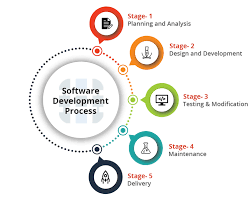

mlm software development company

Empowering MLM Businesses: Leading MLM Software Development Company Delivers Custom Solutions

MLM Software Development Company

Welcome to MLM Software Development Company

MLM (Multi-Level Marketing) software plays a crucial role in managing and automating the operations of MLM businesses. A reliable MLM software development company can provide customized solutions tailored to the specific needs of MLM companies.

What Does an MLM Software Development Company Offer?

An MLM software development company specializes in creating software solutions that facilitate various aspects of multi-level marketing businesses. These companies offer a range of services, including:

  • Custom MLM software development
  • MLM website design and development
  • Integration of payment gateways
  • MLM plan consultation and customization
  • Support and maintenance services

Benefits of Choosing a Professional MLM Software Development Company

Working with a professional MLM software development company offers several benefits, such as:

  • Customized Solutions: Tailored software solutions that align with the unique requirements of your MLM business.
  • Scalability: The ability to scale the software as your business grows and evolves.
  • Technical Expertise: Access to experienced developers who understand the intricacies of MLM software development.
  • Support and Maintenance: Ongoing support and maintenance services to ensure the smooth functioning of your MLM software.
  • Innovative Features: Incorporation of innovative features and functionalities to enhance the efficiency and performance of your MLM operations.

Conclusion

A reliable MLM software development company can be a valuable partner for your multi-level marketing business. By leveraging their expertise and customized solutions, you can streamline your operations, improve efficiency, and achieve greater success in the competitive world of MLM.


6 Essential Tips for Developing Effective MLM Software

  1. Understand the MLM business model thoroughly before starting development.
  2. Ensure compliance with legal regulations related to MLM operations.
  3. Focus on creating a user-friendly interface for both administrators and network members.
  4. Implement robust security measures to protect sensitive data and transactions.
  5. Provide comprehensive training and support for users to maximize adoption and satisfaction.
  6. Regularly update and improve the software based on user feedback and industry trends.

Understand the MLM business model thoroughly before starting development.

Before embarking on the development of MLM software, it is crucial to have a deep understanding of the MLM business model. By comprehensively grasping the intricacies and dynamics of multi-level marketing, developers can tailor the software to effectively support and enhance the unique structure and requirements of MLM businesses. This foundational knowledge ensures that the software aligns seamlessly with the operational needs and goals of the MLM company, ultimately leading to a more successful and efficient implementation of the software solution.

It is crucial for MLM software development companies to ensure compliance with legal regulations related to MLM operations. Adhering to laws and regulations governing multi-level marketing not only helps protect the business from potential legal risks but also builds trust with clients and stakeholders. By staying abreast of the latest legal requirements and incorporating them into the software solutions they develop, MLM software development companies can help their clients operate ethically and within the boundaries of the law.

Focus on creating a user-friendly interface for both administrators and network members.

When developing MLM software, it is essential to prioritize the creation of a user-friendly interface that caters to the needs of both administrators and network members. A well-designed interface not only enhances user experience but also improves efficiency and productivity. By focusing on simplicity, intuitiveness, and functionality, MLM software development companies can ensure that users, whether administrators managing the system or network members using it daily, can navigate the platform seamlessly and perform their tasks with ease.

Implement robust security measures to protect sensitive data and transactions.

It is crucial for MLM software development companies to implement robust security measures to safeguard sensitive data and transactions. By prioritizing security, companies can protect confidential information, financial transactions, and user privacy from potential threats and cyberattacks. Implementing encryption protocols, secure authentication methods, regular security audits, and compliance with data protection regulations are essential steps to ensure the integrity and trustworthiness of the MLM software system. By investing in strong security measures, MLM businesses can build a secure environment for their users and maintain a reputation for reliability and trust.

Provide comprehensive training and support for users to maximize adoption and satisfaction.

To maximize adoption and satisfaction, it is essential for an MLM software development company to provide comprehensive training and support for users. By offering thorough training sessions and ongoing support, users can better understand the software’s features and functionalities, leading to increased adoption rates. Additionally, prompt and effective support services can address any issues or concerns that users may encounter, enhancing overall satisfaction with the MLM software solution. Investing in user training and support demonstrates a commitment to customer success and can ultimately contribute to the long-term success of the MLM business.

To ensure the success and relevance of an MLM software development company, it is essential to prioritize regular updates and improvements based on user feedback and industry trends. By actively listening to user suggestions and staying informed about the latest developments in the MLM industry, the company can enhance its software to meet evolving needs and stay competitive in the market. Continuous improvement not only enhances user satisfaction but also demonstrates a commitment to innovation and excellence in providing cutting-edge solutions for MLM businesses.

ecommerce software development

Empowering Your Online Business: The Impact of Ecommerce Software Development

Ecommerce Software Development

The Importance of Ecommerce Software Development in Today’s Digital Economy

In the fast-paced world of online retail, having a robust ecommerce platform is crucial for businesses to succeed. Ecommerce software development plays a key role in creating and maintaining these platforms, providing the necessary tools and features to facilitate seamless online transactions.

One of the primary benefits of investing in ecommerce software development is the ability to customize your online store to meet the unique needs of your business. Whether you are a small boutique or a large enterprise, tailored ecommerce solutions can help you stand out in a crowded marketplace and provide a superior shopping experience for your customers.

Furthermore, ecommerce software development enables businesses to integrate various payment gateways, shipping options, and inventory management systems into their online stores. This integration streamlines the purchasing process for customers and enhances operational efficiency for merchants.

Security is another critical aspect of ecommerce software development. With the increasing threat of cyber attacks and data breaches, it is essential for online retailers to prioritize the protection of sensitive customer information. By implementing robust security measures such as encryption protocols and secure payment gateways, businesses can build trust with their customers and safeguard their digital assets.

As consumer preferences continue to evolve, ecommerce software development must also adapt to meet changing demands. Features such as mobile responsiveness, personalized recommendations, and omnichannel integration are becoming increasingly important in providing a seamless shopping experience across multiple devices and touchpoints.

In conclusion, ecommerce software development is an indispensable component of modern retail operations. By investing in tailored solutions that prioritize customization, security, and innovation, businesses can stay ahead of the competition and thrive in today’s digital economy.


9 Essential Tips for Successful Ecommerce Software Development

  1. Choose a reliable ecommerce platform that aligns with your business needs.
  2. Focus on creating a user-friendly interface for seamless customer experience.
  3. Implement secure payment gateways to ensure safe transactions.
  4. Optimize your website for mobile devices to reach a wider audience.
  5. Utilize data analytics to make informed decisions and improve performance.
  6. Integrate social media platforms for effective marketing and customer engagement.
  7. Regularly update and maintain your ecommerce software to enhance security and functionality.
  8. Provide multiple shipping options to accommodate different customer preferences.
  9. Offer responsive customer support to address inquiries and issues promptly.

Choose a reliable ecommerce platform that aligns with your business needs.

When embarking on ecommerce software development, it is essential to select a dependable ecommerce platform that aligns seamlessly with your business requirements. By choosing a reliable platform tailored to your specific needs, you can ensure a smooth and efficient online shopping experience for your customers. A well-suited ecommerce platform not only enhances user satisfaction but also simplifies backend operations, ultimately contributing to the success and growth of your online business.

Focus on creating a user-friendly interface for seamless customer experience.

When delving into ecommerce software development, it is crucial to prioritize the creation of a user-friendly interface to ensure a seamless customer experience. By focusing on intuitive design and easy navigation, businesses can enhance user engagement and drive conversions. A well-crafted interface that simplifies the shopping process, provides clear product information, and offers convenient checkout options can significantly impact customer satisfaction and loyalty. Investing in user-centric design principles not only improves usability but also sets the foundation for building long-lasting relationships with customers in the competitive online retail landscape.

Implement secure payment gateways to ensure safe transactions.

Implementing secure payment gateways is a crucial step in ecommerce software development to guarantee safe and protected transactions for both businesses and customers. By integrating encryption protocols and robust security measures, online retailers can instill trust and confidence in their payment processes, safeguarding sensitive financial information from potential threats. Prioritizing secure payment gateways not only enhances data protection but also establishes a solid foundation for a reliable and secure online shopping experience, ultimately contributing to customer loyalty and satisfaction.

Optimize your website for mobile devices to reach a wider audience.

To maximize your online presence and engage a broader customer base, it is crucial to optimize your ecommerce website for mobile devices. In today’s mobile-centric world, a significant portion of online shopping occurs on smartphones and tablets. By ensuring that your website is responsive and user-friendly on mobile devices, you can provide a seamless shopping experience for on-the-go customers, enhance accessibility, and ultimately reach a wider audience. Prioritizing mobile optimization in your ecommerce software development strategy can lead to increased traffic, improved conversions, and greater customer satisfaction.

Utilize data analytics to make informed decisions and improve performance.

Utilizing data analytics in ecommerce software development is essential for making informed decisions and enhancing performance. By analyzing customer behavior, sales trends, and website metrics, businesses can gain valuable insights that drive strategic decision-making. Data-driven approaches enable companies to optimize marketing strategies, personalize customer experiences, and identify areas for improvement. With the power of data analytics, businesses can stay competitive in the ever-evolving ecommerce landscape by continuously refining their online platforms to meet the changing needs and preferences of their target audience.

Integrate social media platforms for effective marketing and customer engagement.

Integrating social media platforms into your ecommerce software development strategy is a powerful way to enhance marketing efforts and engage with customers on a more personal level. By seamlessly connecting your online store with popular social networks, you can leverage the vast reach and targeting capabilities of platforms like Facebook, Instagram, and Twitter to promote your products, drive traffic to your website, and interact with your audience in real-time. This integration not only expands your brand’s online presence but also fosters a sense of community and trust among customers, ultimately leading to increased sales and customer loyalty.

Regularly update and maintain your ecommerce software to enhance security and functionality.

Regularly updating and maintaining your ecommerce software is essential to enhance both security and functionality. By staying current with software updates, you can ensure that your online store is protected against potential security vulnerabilities and cyber threats. Additionally, keeping your ecommerce platform up-to-date allows you to take advantage of new features and improvements that can enhance the user experience for your customers. Prioritizing regular maintenance not only helps safeguard sensitive customer data but also ensures that your online business operates smoothly and efficiently.

Provide multiple shipping options to accommodate different customer preferences.

In ecommerce software development, it is essential to provide multiple shipping options to accommodate different customer preferences. Offering a range of shipping choices, such as standard, expedited, and same-day delivery, allows customers to select the option that best suits their needs in terms of speed and cost. By providing flexibility in shipping methods, businesses can enhance the overall shopping experience for customers and increase satisfaction levels, ultimately leading to improved customer loyalty and retention.

Offer responsive customer support to address inquiries and issues promptly.

To enhance the effectiveness of ecommerce software development, it is essential to offer responsive customer support to address inquiries and issues promptly. By providing timely assistance to customers, businesses can build trust and loyalty, leading to improved customer satisfaction and retention rates. Responsive customer support not only resolves concerns efficiently but also demonstrates a commitment to delivering exceptional service, ultimately contributing to the success of an ecommerce platform.