Mastering Java Language Basics: A Comprehensive Guide
The Basics of Java Programming Language
Java is a widely-used programming language known for its versatility and platform independence. It was developed by Sun Microsystems in the mid-1990s and has since become one of the most popular languages in the world.
Key Features of Java:
- Simplicity: Java was designed to be easy to learn and use, making it a great choice for beginners.
- Object-Oriented: Java is an object-oriented language, which means it focuses on creating objects that interact with each other to perform tasks.
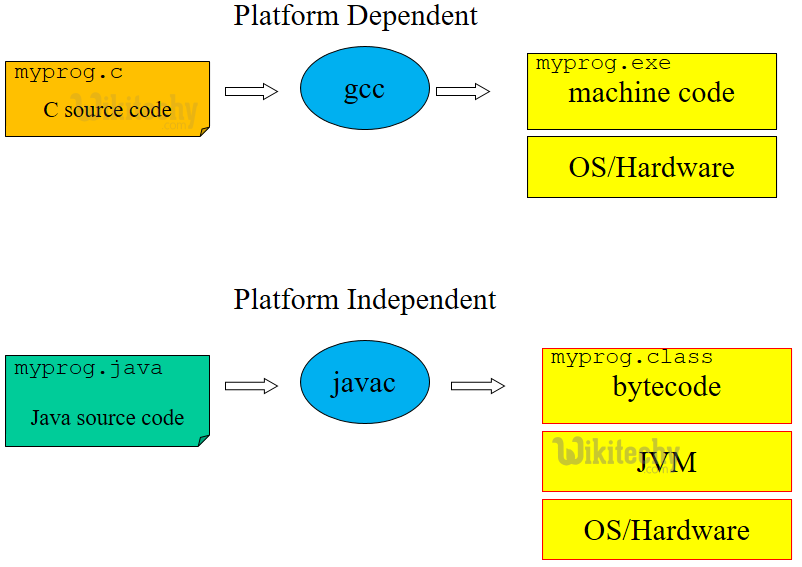
- Platform-Independent: Java programs can run on any device that has a Java Virtual Machine (JVM), making it highly portable.
- Security: Java has built-in security features to protect against viruses and other malicious attacks.
- Multithreading: Java supports multithreading, allowing programs to execute multiple tasks simultaneously.
Hello World Program in Java:
To get started with Java, let’s look at a simple “Hello World” program:
“`java
public class HelloWorld {
public static void main(String[] args) {
System.out.println(“Hello, World!”);
}
}
“`
In this program, we define a class called `HelloWorld` with a `main` method that prints “Hello, World!” to the console. This is often the first program beginners write when learning a new language.
Data Types in Java:
Java supports various data types, including:
int: for integer valuesdouble: for floating-point numbersboolean: for true/false valuesString: for text strings
Java Basics: Answers to 8 Frequently Asked Questions
- What is Java?
- Why is Java popular?
- What are the key features of Java?
- How do I write a simple ‘Hello World’ program in Java?
- What are data types in Java?
- How does Java handle memory management?
- What is object-oriented programming in Java?
- Can you explain the concept of inheritance in Java?
What is Java?
Java is a versatile and widely-used programming language that was developed by Sun Microsystems in the mid-1990s. Known for its simplicity, object-oriented approach, and platform independence, Java allows developers to create applications that can run on any device with a Java Virtual Machine (JVM). With built-in security features, support for multithreading, and a rich set of libraries, Java has become a popular choice for building a wide range of software applications across different industries.
Why is Java popular?
Java is popular for several reasons. One key factor is its platform independence, allowing Java programs to run on any device with a Java Virtual Machine (JVM). This portability makes it an attractive choice for developers looking to reach a wide audience. Additionally, Java’s robust security features help protect against vulnerabilities and ensure safer programming practices. Its object-oriented nature promotes code reusability and maintainability, making it easier for developers to create scalable and efficient applications. Overall, Java’s simplicity, versatility, and strong community support contribute to its enduring popularity in the programming world.
What are the key features of Java?
Java, a widely-used programming language, boasts several key features that contribute to its popularity and versatility. One of its standout characteristics is its simplicity, designed to be beginner-friendly and easy to learn. Java’s object-oriented nature emphasizes the creation of objects that interact to perform tasks efficiently. Additionally, Java’s platform independence allows programs to run on any device with a Java Virtual Machine (JVM), ensuring high portability. Security is another crucial feature of Java, with built-in measures to safeguard against malicious attacks. Furthermore, Java supports multithreading, enabling programs to execute multiple tasks concurrently for enhanced performance. These key features collectively make Java a robust and reliable choice for developers across various domains.
How do I write a simple ‘Hello World’ program in Java?
To write a simple “Hello World” program in Java, you can start by creating a class named HelloWorld. Inside this class, include a main method with the following code: System.out.println(“Hello, World!”); This line of code will print “Hello, World!” to the console when the program is executed. It is a common first program for beginners learning Java as it introduces the basic structure of a Java program and how to output text to the screen.
What are data types in Java?
In Java, data types define the type of data that a variable can hold. There are several built-in data types in Java, including integer (int), floating-point (double), character (char), boolean, and more. Each data type has specific rules for storing and manipulating data. Understanding data types in Java is essential for writing efficient and error-free programs, as it helps ensure that variables are used appropriately and consistently throughout the code.
How does Java handle memory management?
Java utilizes an automatic memory management system known as garbage collection to handle memory management efficiently. When a Java program runs, the Java Virtual Machine (JVM) automatically allocates and deallocates memory for objects. The garbage collector periodically identifies and removes objects that are no longer needed, freeing up memory space for new objects. This process helps developers avoid memory leaks and manual memory management errors, making Java a reliable and robust programming language for handling memory allocation and deallocation seamlessly.
What is object-oriented programming in Java?
Object-oriented programming in Java is a fundamental concept that revolves around creating objects that interact with each other to accomplish tasks. In Java, everything is treated as an object, which allows for the organization of code into reusable components. This approach emphasizes concepts such as encapsulation, inheritance, and polymorphism. Encapsulation ensures data security by hiding implementation details, while inheritance enables the creation of new classes based on existing ones. Polymorphism allows objects to take on multiple forms, enhancing flexibility and code reusability in Java programming. Overall, object-oriented programming in Java provides a structured and efficient way to design and develop software applications.
Can you explain the concept of inheritance in Java?
In Java programming, inheritance is a fundamental concept that allows a class to inherit attributes and methods from another class. This promotes code reusability and helps in creating a hierarchical relationship between classes. Inheritance in Java is implemented using the “extends” keyword, where a subclass (child class) can inherit properties and behaviors from a superclass (parent class). The subclass can then add its own unique features or override existing methods from the superclass. This concept enables developers to build upon existing code structures, making their programs more efficient and easier to maintain.