cfchris.com

Loading

ai ml

Exploring the Transformative Power of AI and ML

The Impact of AI and Machine Learning

The Impact of AI and Machine Learning

Artificial Intelligence (AI) and Machine Learning (ML) are two of the most transformative technologies of our time. They have revolutionized industries, reshaped business models, and are continuously pushing the boundaries of what machines can achieve.

What is Artificial Intelligence?

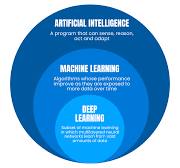
AI refers to the simulation of human intelligence in machines that are programmed to think and learn like humans. These systems can perform tasks such as problem-solving, understanding language, recognizing patterns, and making decisions.

What is Machine Learning?

Machine Learning is a subset of AI that focuses on the development of algorithms that allow computers to learn from and make predictions or decisions based on data. It involves training models using large datasets to recognize patterns and improve over time without being explicitly programmed.

Applications of AI and ML

  • Healthcare: AI-powered systems assist in diagnosing diseases, personalizing treatment plans, and predicting patient outcomes.
  • Finance: ML algorithms detect fraudulent transactions, automate trading strategies, and provide personalized financial advice.
  • Retail: Retailers use AI for inventory management, customer service chatbots, personalized shopping experiences, and demand forecasting.
  • Transportation: Autonomous vehicles rely on AI to navigate roads safely. Traffic management systems use ML to optimize flow in busy cities.

The Future of AI and ML

The potential for AI and ML is vast. As technology advances, these tools will become even more integrated into daily life. Future developments could lead to breakthroughs in areas like natural language processing, robotics, and predictive analytics.

However, with great power comes great responsibility. Ethical considerations such as data privacy, bias in algorithms, and job displacement must be addressed as these technologies evolve.

Conclusion

The impact of AI and Machine Learning is profound across various sectors. By harnessing their potential responsibly, society can benefit from increased efficiency, innovation, and improved quality of life. As we continue exploring these technologies’ capabilities, they promise to unlock new opportunities for growth and development worldwide.


5 Essential Tips for Mastering AI and Machine Learning

  1. Start with a solid understanding of the fundamentals of AI and ML.
  2. Utilize high-quality datasets for training your machine learning models.
  3. Experiment with different algorithms to find the best fit for your problem.
  4. Regularly evaluate and fine-tune your models to improve performance.
  5. Stay updated on the latest trends and advancements in AI and ML.

Start with a solid understanding of the fundamentals of AI and ML.

Starting with a solid understanding of the fundamentals of AI and ML is crucial for anyone looking to delve into these transformative fields. Grasping the basic concepts, such as algorithms, data structures, and statistical models, provides a strong foundation upon which more complex ideas can be built. This foundational knowledge enables individuals to comprehend how machines learn from data and make predictions or decisions. It also aids in understanding the various applications and implications of AI and ML across different industries. By mastering the basics, one is better equipped to innovate, solve problems effectively, and adapt to the rapidly evolving landscape of technology driven by AI and ML advancements.

Utilize high-quality datasets for training your machine learning models.

To maximize the effectiveness of your machine learning models, it is crucial to utilize high-quality datasets during the training process. High-quality datasets ensure that your models are trained on accurate and diverse information, allowing them to make more informed predictions and decisions. By using reliable data sources and ensuring data integrity, you can enhance the performance and reliability of your machine learning algorithms, ultimately leading to more successful outcomes in various applications across industries.

Experiment with different algorithms to find the best fit for your problem.

Experimenting with different algorithms is crucial when working with AI and machine learning, as it helps identify the most effective solution for a given problem. Each algorithm has its strengths and weaknesses, and their performance can vary significantly depending on the dataset and specific task at hand. By testing a variety of algorithms, such as decision trees, support vector machines, or neural networks, one can compare their accuracy, efficiency, and scalability. This process not only enhances the understanding of how different models operate but also aids in fine-tuning parameters to optimize performance. Ultimately, this experimentation leads to selecting the best-fit model that delivers reliable predictions or insights tailored to the unique challenges of the problem being addressed.

Regularly evaluate and fine-tune your models to improve performance.

Regularly evaluating and fine-tuning machine learning models is crucial for maintaining and improving their performance over time. As data evolves and new patterns emerge, a model that was once accurate may become less effective if not updated. By consistently assessing the model’s performance using validation datasets and performance metrics, one can identify areas where the model may be lacking. Fine-tuning involves adjusting hyperparameters, retraining with new data, or even selecting different algorithms to enhance accuracy and efficiency. This ongoing process ensures that the model remains relevant and continues to deliver reliable results in dynamic environments, ultimately leading to better decision-making and outcomes.

Staying updated on the latest trends and advancements in AI and ML is crucial for anyone involved in the tech industry or related fields. These technologies are rapidly evolving, with new breakthroughs and applications emerging regularly. By keeping abreast of the latest developments, individuals and businesses can harness cutting-edge tools to enhance their operations, gain competitive advantages, and drive innovation. Following reputable sources, participating in webinars, attending conferences, and joining professional networks are effective ways to stay informed. This proactive approach not only ensures that one remains knowledgeable but also opens up opportunities for collaboration and growth in this dynamic landscape.

artificial intelligence machine learning

Exploring the Intersection of Artificial Intelligence and Machine Learning: A Deep Dive into Cutting-Edge Technologies

Understanding Artificial Intelligence and Machine Learning

Understanding Artificial Intelligence and Machine Learning

In recent years, artificial intelligence (AI) and machine learning (ML) have become integral components of technological advancement. These technologies are transforming industries, enhancing efficiency, and driving innovation across various sectors.

What is Artificial Intelligence?

Artificial intelligence refers to the simulation of human intelligence in machines that are programmed to think and learn like humans. AI systems can perform tasks such as recognizing speech, solving problems, making decisions, and translating languages.

What is Machine Learning?

Machine learning is a subset of AI that focuses on the development of algorithms that allow computers to learn from and make predictions based on data. It involves training models using large datasets to identify patterns and make informed decisions without explicit programming.

The Relationship Between AI and ML

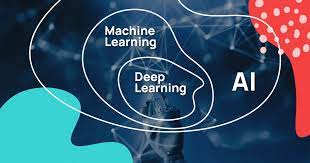
While AI encompasses a broad range of technologies aimed at mimicking human cognitive functions, machine learning is specifically concerned with the creation of algorithms that enable machines to learn from data. In essence, machine learning is one way to achieve artificial intelligence.

Applications of AI and ML

  • Healthcare: AI and ML are used for diagnosing diseases, predicting patient outcomes, and personalizing treatment plans.
  • Finance: These technologies help in fraud detection, risk management, algorithmic trading, and personalized banking services.
  • E-commerce: AI-driven recommendation systems enhance customer experience by suggesting products based on user behavior.
  • Autonomous Vehicles: Self-driving cars use machine learning algorithms to navigate roads safely by recognizing objects and making real-time decisions.

The Future of AI and ML

The future of artificial intelligence and machine learning holds immense potential. As these technologies continue to evolve, they will likely lead to more sophisticated applications in various fields such as healthcare diagnostics, climate modeling, smart cities development, and beyond. However, ethical considerations surrounding privacy, security, and the impact on employment must be addressed as these technologies advance.

Conclusion

The integration of artificial intelligence and machine learning into everyday life is reshaping how we interact with technology. By understanding their capabilities and implications, we can harness their power responsibly to create a better future for all.


Understanding AI and Machine Learning: Answers to 7 Common Questions

  1. What is the difference between machine learning and AI?
  2. What are the 4 types of AI machines?
  3. What is an example of AI and ML?
  4. What is AI but not ML?
  5. What is different between AI and ML?
  6. Is artificial intelligence a machine learning?
  7. What is machine learning in artificial intelligence?

What is the difference between machine learning and AI?

Artificial intelligence (AI) and machine learning (ML) are often used interchangeably, but they refer to different concepts within the realm of computer science. AI is a broader field that encompasses the creation of machines capable of performing tasks that typically require human intelligence, such as reasoning, problem-solving, and understanding language. Machine learning, on the other hand, is a subset of AI focused specifically on developing algorithms that enable computers to learn from data and improve their performance over time without being explicitly programmed for each task. In essence, while AI aims to simulate human cognitive functions broadly, machine learning provides the tools and techniques for achieving this by allowing systems to learn from experience and adapt to new information.

What are the 4 types of AI machines?

Artificial intelligence is often categorized into four types based on their capabilities and functionalities. The first type is *Reactive Machines*, which are the most basic form of AI systems designed to perform specific tasks without memory or past experiences, such as IBM’s Deep Blue chess program. The second type is *Limited Memory*, which can use past experiences to inform future decisions, commonly found in self-driving cars that analyze data from the environment to make real-time decisions. The third type is *Theory of Mind*, a more advanced AI that, in theory, would understand emotions and human thought processes; however, this level of AI remains largely theoretical at this point. Finally, *Self-aware AI* represents the most sophisticated form of artificial intelligence, capable of self-awareness and consciousness; this type remains purely conceptual as no such machines currently exist. Each type represents a step toward greater complexity and capability in AI systems.

What is an example of AI and ML?

An example that illustrates the capabilities of artificial intelligence (AI) and machine learning (ML) is the use of recommendation systems by online streaming platforms like Netflix. These platforms employ ML algorithms to analyze user behavior, preferences, and viewing history to suggest personalized movie or TV show recommendations. By continuously learning from user interactions and feedback, the AI-powered recommendation system enhances user experience by offering content tailored to individual tastes, ultimately increasing user engagement and satisfaction.

What is AI but not ML?

Artificial Intelligence (AI) encompasses a broad range of technologies designed to mimic human cognitive functions, such as reasoning, problem-solving, and understanding language. While machine learning (ML) is a subset of AI focused on algorithms that allow systems to learn from data and improve over time, not all AI involves machine learning. For instance, rule-based systems or expert systems are examples of AI that do not use ML. These systems rely on predefined rules and logic to make decisions or solve problems, rather than learning from data. Such AI applications can be effective in environments where the rules are well-defined and the variables are limited, demonstrating that AI can exist independently of machine learning techniques.

What is different between AI and ML?

Artificial intelligence (AI) and machine learning (ML) are closely related yet distinct concepts within the realm of computer science. AI refers to the broader concept of machines being able to carry out tasks in a way that we would consider “smart,” encompassing systems that can mimic human intelligence, including reasoning, problem-solving, and understanding language. Machine learning, on the other hand, is a subset of AI that specifically focuses on the ability of machines to learn from data. Rather than being explicitly programmed to perform a task, ML algorithms are designed to identify patterns and make decisions based on input data. In essence, while all machine learning is a form of AI, not all AI involves machine learning. AI can include rule-based systems and other techniques that do not rely on learning from data.

Is artificial intelligence a machine learning?

Artificial intelligence (AI) and machine learning (ML) are often mentioned together, but they are not the same thing. AI is a broad field that focuses on creating systems capable of performing tasks that would typically require human intelligence, such as understanding natural language, recognizing patterns, and making decisions. Machine learning, on the other hand, is a subset of AI that involves the development of algorithms and statistical models that enable machines to improve their performance on a specific task through experience and data analysis. In essence, while all machine learning is part of artificial intelligence, not all artificial intelligence involves machine learning. Machine learning provides one of the techniques through which AI can be realized by allowing systems to learn from data and improve over time without being explicitly programmed for each specific task.

What is machine learning in artificial intelligence?

Machine learning in artificial intelligence is a specialized area that focuses on developing algorithms and statistical models that enable computers to improve their performance on tasks through experience. Unlike traditional programming, where a computer follows explicit instructions, machine learning allows systems to learn from data patterns and make decisions with minimal human intervention. By training models on vast amounts of data, machine learning enables AI systems to recognize patterns, predict outcomes, and adapt to new information over time. This capability is fundamental in applications such as image recognition, natural language processing, and autonomous driving, where the ability to learn from data is crucial for success.

artificial intelligence software development

Exploring the Future: Artificial Intelligence Software Development Innovations

Artificial Intelligence Software Development

Artificial Intelligence Software Development: Transforming the Future

The realm of artificial intelligence (AI) has rapidly evolved, becoming a cornerstone of modern technology. AI software development is revolutionizing industries by automating processes, enhancing decision-making, and providing innovative solutions to complex problems.

What is Artificial Intelligence?

Artificial intelligence refers to the simulation of human intelligence in machines programmed to think and learn like humans. These systems can perform tasks such as recognizing speech, making decisions, and translating languages. AI encompasses various subfields including machine learning (ML), natural language processing (NLP), and computer vision.

The Importance of AI in Software Development

AI is transforming software development in several significant ways:

  • Automation: AI can automate repetitive tasks such as code generation, testing, and debugging, thereby increasing efficiency and reducing human error.
  • Enhanced Decision-Making: AI algorithms analyze vast amounts of data to provide insights that help developers make informed decisions.
  • Personalization: AI enables the creation of personalized user experiences by analyzing user behavior and preferences.
  • Predictive Analytics: Machine learning models can predict future trends and outcomes based on historical data.

The Process of Developing AI Software

The development of AI software involves several key steps:

  1. Problem Definition: Identify the problem that needs solving and determine how AI can provide a solution.
  2. Data Collection:
  3. Model Training:Model Deployment:
    • /P At Cfchris we committed leveraging power Ai deliver cutting-edge solutions tailored meet unique needs clients Contact us today learn more about how our expertise help harness full potential artificial intelligence /P

      /BODY

      /HTML


      9 Key Benefits of Artificial Intelligence in Software Development

      1. Automation of repetitive tasks leads to increased efficiency.
      2. Enhanced decision-making through data analysis.
      3. Personalization of user experiences based on behavior and preferences.
      4. Predictive analytics for forecasting trends and outcomes.
      5. Improved accuracy and reduced human error in processes.
      6. Cost savings by streamlining operations with AI solutions.
      7. Scalability to handle large volumes of data and complex problems.
      8. Innovation in developing intelligent applications for various industries.
      9. Competitive advantage by staying ahead with AI-driven technologies.


      Challenges in Artificial Intelligence Software Development: Data Privacy, Ethics, Complexity, and Data Dependency

      1. Data Privacy Concerns
      2. Ethical Dilemmas
      3. Complexity and Cost
      4. Dependency on Data Quality

      Automation of repetitive tasks leads to increased efficiency.

      Automation of repetitive tasks through artificial intelligence software development significantly boosts efficiency by reducing the time and effort required for mundane activities. Tasks such as data entry, code generation, and routine maintenance can be handled swiftly and accurately by AI systems, freeing up human resources to focus on more complex and creative aspects of projects. This not only accelerates project timelines but also minimizes the risk of human error, resulting in higher quality outputs. Consequently, businesses can achieve greater productivity and cost savings while maintaining a competitive edge in their respective industries.

      Enhanced decision-making through data analysis.

      Artificial intelligence software development significantly enhances decision-making processes through advanced data analysis. By leveraging AI algorithms, vast amounts of data can be processed and analyzed at unprecedented speeds, uncovering patterns and insights that would be nearly impossible for humans to detect. This capability allows businesses to make more informed decisions based on real-time data, leading to improved efficiency, reduced risks, and optimized strategies. Whether it’s predicting market trends, identifying customer preferences, or optimizing supply chains, AI-driven data analysis empowers organizations to stay ahead of the competition and adapt swiftly to changing environments.

      Personalization of user experiences based on behavior and preferences.

      Artificial intelligence software development significantly enhances the personalization of user experiences by analyzing individual behavior and preferences. By leveraging advanced algorithms and data analytics, AI systems can tailor content, recommendations, and interactions to align with each user’s unique needs and interests. This level of customization not only improves user satisfaction but also increases engagement and loyalty. For instance, AI-driven platforms can suggest products based on past purchases or recommend content that aligns with a user’s viewing history, creating a more intuitive and enjoyable experience. This personalized approach helps businesses build stronger connections with their customers, ultimately driving growth and success.

      Predictive analytics, powered by artificial intelligence, is revolutionizing the way businesses forecast trends and outcomes. By analyzing vast amounts of historical data, AI algorithms can identify patterns and make accurate predictions about future events. This capability enables companies to make informed decisions, optimize operations, and anticipate market changes. For instance, in retail, predictive analytics can forecast consumer demand, helping businesses manage inventory more effectively. In finance, it can predict stock market trends or credit risks, allowing for better investment strategies and risk management. Overall, the integration of predictive analytics in AI software development provides a competitive edge by transforming raw data into actionable insights.

      Improved accuracy and reduced human error in processes.

      Artificial intelligence software development significantly improves accuracy and reduces human error in various processes. By leveraging advanced algorithms and machine learning models, AI systems can analyze vast amounts of data with precision, identifying patterns and making decisions based on empirical evidence rather than human intuition. This leads to more reliable outcomes, especially in tasks that require meticulous attention to detail, such as medical diagnoses, financial forecasting, and quality control in manufacturing. By minimizing the likelihood of errors that can arise from fatigue or oversight, AI enhances efficiency and ensures higher standards of performance across diverse industries.

      Cost savings by streamlining operations with AI solutions.

      Implementing artificial intelligence (AI) solutions in software development can lead to significant cost savings by streamlining operations. AI automates repetitive and time-consuming tasks such as data entry, testing, and debugging, which reduces the need for extensive human intervention. This not only speeds up the development process but also minimizes errors, leading to higher-quality outputs with fewer resources. Additionally, AI-driven predictive analytics can optimize resource allocation and reduce downtime by anticipating maintenance needs and potential issues before they arise. By enhancing efficiency and productivity, AI enables companies to cut operational costs while maintaining or even improving their service quality.

      Scalability to handle large volumes of data and complex problems.

      Artificial intelligence software development offers remarkable scalability, enabling systems to efficiently handle large volumes of data and tackle complex problems. With AI, businesses can process and analyze massive datasets in real-time, extracting valuable insights that would be impossible to achieve manually. This scalability ensures that as data grows, the AI systems can continue to perform optimally without a significant increase in resource consumption. Moreover, AI algorithms excel at solving intricate problems by identifying patterns and correlations within the data, providing solutions that are both accurate and robust. This capability makes AI an indispensable tool for industries ranging from healthcare to finance, where managing extensive data and solving sophisticated challenges are essential for success.

      Innovation in developing intelligent applications for various industries.

      Artificial intelligence software development has brought about a remarkable pro through its innovation in creating intelligent applications tailored for diverse industries. By harnessing the power of AI, developers can design solutions that optimize processes, enhance decision-making, and drive efficiency across sectors such as healthcare, finance, manufacturing, and more. These intelligent applications leverage advanced algorithms to analyze data, predict trends, and automate tasks, ultimately revolutionizing how businesses operate and deliver value to their customers.

      Competitive advantage by staying ahead with AI-driven technologies.

      One of the significant advantages of artificial intelligence software development is the competitive edge it provides businesses by keeping them at the forefront of technological innovation. By integrating AI-driven technologies, companies can streamline operations, enhance customer experiences, and make data-driven decisions more efficiently than their competitors. This proactive approach not only improves productivity and reduces costs but also enables businesses to anticipate market trends and adapt quickly to changing conditions. Consequently, organizations that leverage AI are better positioned to outperform their rivals, capture new market opportunities, and sustain long-term growth in an increasingly digital landscape.

      Data Privacy Concerns

      Data Privacy Concerns: In the realm of artificial intelligence software development, a significant con revolves around data privacy. The process frequently entails the collection and analysis of extensive datasets, giving rise to concerns about how sensitive information is utilized and safeguarded. This issue underscores the importance of implementing robust data protection measures and ethical guidelines to mitigate potential risks associated with privacy breaches and unauthorized access to personal data.

      Ethical Dilemmas

      The use of AI algorithms in software development presents significant ethical dilemmas that need careful consideration. One major concern is the potential for bias in decision-making, as AI systems can inadvertently perpetuate or even amplify existing prejudices present in the training data. Additionally, the lack of transparency in how AI systems operate makes it difficult for users to understand and trust the decisions made by these technologies. This opacity can lead to accountability issues when errors occur. Furthermore, the widespread adoption of AI has the potential to displace jobs, raising concerns about economic inequality and the need for workforce retraining programs. Addressing these ethical challenges is crucial to ensuring that AI development benefits society as a whole without exacerbating existing inequalities or creating new ones.

      Complexity and Cost

      Developing artificial intelligence software is a complex and costly endeavor for many organizations due to the specialized skills and resources required. Creating effective AI solutions demands expertise in fields such as machine learning, data science, and software engineering. Additionally, substantial investments in high-quality data collection, advanced computational infrastructure, and ongoing maintenance are necessary to ensure optimal performance. These factors can place a significant financial burden on companies, particularly smaller enterprises or those without dedicated AI teams. As a result, the complexity and cost associated with AI development can be a considerable barrier to entry for many businesses looking to leverage this transformative technology.

      Dependency on Data Quality

      The effectiveness of AI models is intrinsically tied to the quality and quantity of data used for training, making data dependency a significant challenge in artificial intelligence software development. Incomplete or biased datasets can lead to inaccurate predictions and unreliable outcomes, undermining the potential benefits of AI solutions. This dependency necessitates rigorous data collection, cleaning, and validation processes to ensure that the models are trained on representative and high-quality data. Addressing these issues is crucial for developing robust AI systems that deliver reliable and fair results across diverse applications.