cfchris.com

Loading

learn java

Master Java Programming: Learn Java Like a Pro

Learn Java: A Comprehensive Guide

Learn Java: A Comprehensive Guide

Java is a versatile and widely-used programming language that powers countless applications, from mobile apps to enterprise software. Whether you are a beginner or an experienced developer looking to expand your skills, learning Java can open up a world of opportunities for you.

Why Learn Java?

Java is known for its platform independence, meaning that once you write a Java program, it can run on any device that has a Java Virtual Machine (JVM). This makes Java a popular choice for developing cross-platform applications.

In addition, Java’s robust libraries and frameworks make it easier to build complex applications efficiently. Its strong community support and vast resources also make learning Java more accessible and enjoyable.

Getting Started with Java

If you are new to programming, don’t worry! Java’s syntax is relatively easy to learn compared to other languages. You can start by installing the Java Development Kit (JDK) on your computer and using an Integrated Development Environment (IDE) like Eclipse or IntelliJ IDEA to write and run your code.

Begin with the basics, such as variables, data types, loops, and conditional statements. As you progress, dive into object-oriented programming concepts like classes, objects, inheritance, and polymorphism.

Advanced Topics in Java

Once you have a solid understanding of the fundamentals, you can explore more advanced topics in Java like multithreading, exception handling, database connectivity using JDBC, GUI programming with Swing or JavaFX, and web development with frameworks like Spring or Hibernate.

Practice Makes Perfect

To truly master Java programming, practice is key. Challenge yourself with coding exercises on platforms like LeetCode or HackerRank. Build small projects to apply what you have learned and gain hands-on experience working with real-world problems.

Conclusion

Learning Java can be a rewarding journey that opens up endless possibilities in the world of software development. Whether you aspire to be a mobile app developer, web developer, or software engineer, mastering Java will equip you with the skills needed to succeed in today’s tech-driven world.


Top 8 FAQs About Learning Java: A Guide for Beginners

  1. What is Java and why should I learn it?
  2. Is Java difficult to learn for beginners?
  3. What are the basic concepts I need to understand in Java?
  4. How can I start learning Java programming?
  5. Are there any recommended resources or tutorials for learning Java?
  6. What are the key features of Java that make it a popular programming language?
  7. Can I become a successful programmer by learning Java?
  8. What career opportunities are available for those who know Java?

What is Java and why should I learn it?

Java is a versatile and powerful programming language that is widely used in various domains, from mobile app development to enterprise software solutions. Learning Java is beneficial for several reasons. Firstly, Java’s platform independence allows programs to run on any device with a Java Virtual Machine (JVM), making it ideal for cross-platform development. Additionally, Java’s extensive libraries and frameworks simplify the process of building complex applications. Its strong community support and vast resources also make it an accessible language for beginners and experienced developers alike. Overall, mastering Java opens up a world of opportunities in the tech industry and equips you with valuable skills that are in high demand.

Is Java difficult to learn for beginners?

For beginners, learning Java may seem challenging at first due to its syntax and object-oriented programming concepts. However, with dedication and practice, Java can become more manageable to grasp. Many resources, tutorials, and online courses are available to help beginners understand Java effectively. Breaking down the learning process into smaller steps and focusing on practical applications can make learning Java less intimidating for newcomers. Ultimately, while Java may present some initial hurdles, the rewards of mastering this versatile language are well worth the effort for aspiring programmers.

What are the basic concepts I need to understand in Java?

To effectively learn Java, it is essential to grasp the basic concepts that form the foundation of the language. Understanding fundamental concepts such as variables, data types, control structures (like loops and conditional statements), methods, classes, and objects is crucial. Object-oriented programming principles like inheritance, encapsulation, polymorphism, and abstraction are also key components to comprehend. By mastering these core concepts, learners can build a strong understanding of Java programming and pave the way for more advanced topics in software development.

How can I start learning Java programming?

To start learning Java programming, it is recommended to begin by installing the Java Development Kit (JDK) on your computer and selecting an Integrated Development Environment (IDE) such as Eclipse or IntelliJ IDEA. Familiarize yourself with basic concepts like variables, data types, loops, and conditional statements. Utilize online resources, tutorials, and practice exercises to reinforce your understanding. As you progress, delve into object-oriented programming principles and gradually explore more advanced topics in Java to enhance your skills and knowledge. Remember that consistent practice and hands-on experience are key to mastering Java programming effectively.

When it comes to learning Java, one of the most frequently asked questions is about recommended resources or tutorials. There are numerous high-quality resources available for beginners and experienced developers alike. Online platforms like Codecademy, Udemy, and Coursera offer comprehensive Java courses with interactive lessons and hands-on projects. Additionally, websites like Oracle’s Java Tutorials, Baeldung, and Java Code Geeks provide in-depth articles, tutorials, and code examples to help learners enhance their Java skills. Books such as “Head First Java” by Kathy Sierra and Bert Bates or “Effective Java” by Joshua Bloch are also highly recommended for those looking to deepen their understanding of the language. With a wealth of resources at your disposal, embarking on your journey to learn Java has never been more accessible and rewarding.

Java’s popularity as a programming language can be attributed to its key features that set it apart from others. One of the main reasons for Java’s widespread adoption is its platform independence, allowing developers to write code once and run it on any device with a Java Virtual Machine (JVM). Additionally, Java’s robust standard library and extensive ecosystem of frameworks simplify the development process, making it easier to build complex applications efficiently. Its strong emphasis on security, scalability, and performance further solidify Java’s position as a top choice for a wide range of applications across different industries.

Can I become a successful programmer by learning Java?

Many aspiring programmers wonder if learning Java can lead them to success in the field. The answer is a resounding yes. Java is a powerful and versatile programming language widely used in various domains, making it a valuable skill to possess. By mastering Java, you not only gain proficiency in a popular language but also develop problem-solving abilities and a strong foundation in object-oriented programming. With dedication, practice, and continuous learning, becoming a successful programmer through Java is not only achievable but also opens up numerous opportunities in the ever-evolving tech industry.

What career opportunities are available for those who know Java?

Java is a highly sought-after programming language in the tech industry, offering a wide range of career opportunities for those who master it. Professionals proficient in Java can explore roles such as Java developer, software engineer, web developer, mobile app developer, system architect, and more. With Java’s versatility and widespread use in various domains like finance, healthcare, e-commerce, and gaming, individuals skilled in Java have the advantage of pursuing diverse career paths and securing rewarding positions in the ever-evolving field of technology.
java jdk download

Streamline Your Development Process with Java JDK Download

Article: Java JDK Download

The Importance of Java JDK Download

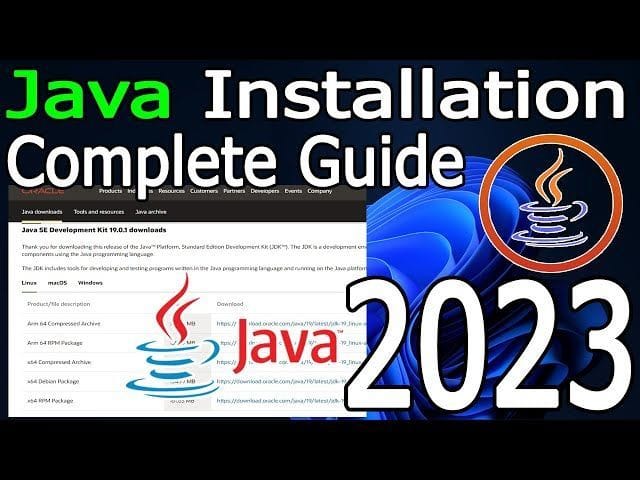
Java Development Kit (JDK) is a crucial tool for Java developers as it provides the necessary components to develop, compile, and run Java applications. Whether you are a beginner or an experienced developer, having the JDK installed on your system is essential for Java programming.

Downloading the Java JDK

To download the latest version of Java JDK, visit the official Oracle website or use a trusted source like OpenJDK. Make sure to select the appropriate version based on your operating system (Windows, macOS, Linux) and architecture (32-bit or 64-bit).

Installation Process

Once you have downloaded the JDK installer, follow the installation instructions provided by Oracle or OpenJDK. The installation process typically involves setting up environment variables and configuring your IDE (Integrated Development Environment) to recognize the JDK.

Benefits of Using Java JDK

  • Development Tools: JDK includes tools like javac (Java Compiler), java (Java Runtime Environment), and javadoc (Java Documentation Generator) that are essential for Java development.
  • Compatibility: By using the official Java JDK, you ensure compatibility with various Java libraries, frameworks, and tools.
  • Security Updates: Oracle regularly releases security updates and patches for the JDK to protect against vulnerabilities and ensure a secure development environment.
  • Performance Optimization: The JDK is optimized for performance, providing efficient execution of Java code and improved runtime performance.

In Conclusion

Downloading and installing the Java Development Kit is a fundamental step for anyone looking to develop Java applications. By having access to the tools and libraries provided by the JDK, developers can create robust and efficient software solutions that leverage the power of Java programming language.


8 Essential Tips for Downloading and Installing Java JDK Safely and Effectively

  1. Ensure you download the JDK from the official Oracle website to avoid potential security risks.
  2. Check your system requirements before downloading to ensure compatibility with your operating system.
  3. Select the appropriate JDK version based on your project requirements and Java development needs.
  4. Consider downloading the JDK bundled with an Integrated Development Environment (IDE) for a more streamlined development experience.
  5. Verify the integrity of the downloaded JDK file by comparing its checksum with the one provided on the official website.
  6. Follow installation instructions carefully to ensure a successful setup of the JDK on your system.
  7. Keep track of JDK updates and consider setting up automatic updates to stay current with security patches and new features.
  8. Explore additional resources such as tutorials and documentation to maximize your usage of the Java Development Kit.

Ensure you download the JDK from the official Oracle website to avoid potential security risks.

When downloading the Java JDK, it is crucial to ensure that you obtain it from the official Oracle website to mitigate potential security risks. By obtaining the JDK from a trusted and verified source like Oracle, you can be confident that you are getting a genuine and secure version of the software. This precaution helps safeguard your system against any malicious threats or vulnerabilities that may be present in unauthorized or counterfeit versions of the JDK. Prioritizing security when downloading software is essential for maintaining a safe and reliable development environment.

Check your system requirements before downloading to ensure compatibility with your operating system.

Before downloading the Java JDK, it is essential to check your system requirements to ensure compatibility with your operating system. By verifying that your system meets the necessary specifications, you can avoid installation issues and ensure a smooth setup process. Taking this precautionary step will help you download the correct version of the JDK that is compatible with your operating system, enabling you to start developing Java applications without any compatibility-related obstacles.

Select the appropriate JDK version based on your project requirements and Java development needs.

When downloading the Java JDK, it is crucial to select the appropriate version that aligns with your project requirements and Java development needs. Choosing the right JDK version ensures compatibility with your development environment and allows you to leverage the features and enhancements that best suit your programming goals. Whether you are working on a specific project or exploring new Java functionalities, selecting the right JDK version sets the foundation for successful and efficient Java development practices.

Consider downloading the JDK bundled with an Integrated Development Environment (IDE) for a more streamlined development experience.

When downloading the Java Development Kit (JDK), it is advisable to consider opting for a version bundled with an Integrated Development Environment (IDE) for a more streamlined development experience. By choosing a JDK package that includes an IDE, developers can benefit from having all the necessary tools in one integrated platform, facilitating coding, debugging, and testing processes within a cohesive environment. This approach can enhance productivity and efficiency in Java application development by providing a seamless workflow for software creation and deployment.

Verify the integrity of the downloaded JDK file by comparing its checksum with the one provided on the official website.

It is highly recommended to verify the integrity of the downloaded Java JDK file by comparing its checksum with the one provided on the official website. This additional step ensures that the file has not been tampered with or corrupted during the download process. By confirming the checksum, you can have peace of mind knowing that you have obtained a genuine and secure copy of the JDK, reducing the risk of potential issues during installation and development.

Follow installation instructions carefully to ensure a successful setup of the JDK on your system.

It is crucial to follow the installation instructions carefully when downloading the Java JDK to guarantee a successful setup on your system. By adhering to the provided guidelines, you can avoid potential errors and ensure that the JDK is properly configured for your development environment. Paying attention to each step of the installation process will help you leverage the full capabilities of the JDK and streamline your Java development workflow effectively.

Keep track of JDK updates and consider setting up automatic updates to stay current with security patches and new features.

It is crucial to stay informed about Java JDK updates to ensure your development environment remains secure and up-to-date. Consider enabling automatic updates for the JDK to receive timely security patches and access new features as they become available. By actively managing JDK updates, you can enhance the performance, stability, and security of your Java applications while staying aligned with the latest advancements in the Java ecosystem.

Explore additional resources such as tutorials and documentation to maximize your usage of the Java Development Kit.

To maximize your usage of the Java Development Kit, it is highly recommended to explore additional resources such as tutorials and documentation. By delving into these supplementary materials, developers can gain a deeper understanding of the JDK’s features and functionalities, enabling them to harness its full potential in their Java development projects. Tutorials can provide practical guidance on using specific tools within the JDK, while documentation offers comprehensive insights into various aspects of Java programming. Embracing these resources not only enhances proficiency but also empowers developers to create more robust and efficient Java applications.

best app development software

Discover the Top Picks: Best App Development Software for Creating Stellar Applications

Best App Development Software

The Best App Development Software for Creating Innovative Applications

App development software plays a crucial role in bringing creative ideas to life and reaching a wide audience through mobile applications. With the increasing demand for mobile apps across various industries, it’s essential to choose the right tools to streamline the development process and deliver exceptional user experiences.

Android Studio

Android Studio is the official integrated development environment (IDE) for Android app development. It offers a comprehensive set of tools for designing, coding, and testing Android apps. With features like code templates, virtual device emulation, and real-time profilers, Android Studio simplifies the development of high-quality Android applications.

Xcode

Xcode is the IDE for building apps on Apple platforms, including iOS, macOS, watchOS, and tvOS. It provides a user-friendly interface and powerful tools like Interface Builder for designing interfaces visually and Instruments for performance analysis. Xcode also supports Swift programming language, making it a preferred choice for iOS app developers.

Visual Studio

Visual Studio is a popular IDE developed by Microsoft that supports app development for Windows, Android, iOS, and web platforms. It offers a rich set of features such as code editing, debugging, and collaboration tools. Visual Studio’s extensibility allows developers to customize their workflow with plugins and extensions.

Flutter

Flutter is Google’s open-source UI toolkit for building natively compiled applications for mobile, web, and desktop from a single codebase. With Flutter’s hot reload feature, developers can quickly see changes in real-time without restarting the app. Flutter’s expressive UI components enable developers to create visually appealing interfaces across different platforms.

React Native

React Native is a JavaScript framework for building cross-platform mobile applications using React.js library. By sharing code between iOS and Android platforms, React Native accelerates the app development process while maintaining native performance and user experience standards. Its modular architecture allows developers to reuse components efficiently.

In conclusion, choosing the right app development software is essential for creating innovative and successful applications that meet users’ expectations. Whether you’re developing apps for Android or iOS platforms or targeting multiple platforms simultaneously, these top app development tools provide the necessary features and capabilities to bring your ideas to life effectively.


Top FAQs About Choosing the Best App Development Software

  1. What is the best app development software for Android?
  2. Which app development software is recommended for iOS?
  3. What are the key features to look for in app development software?
  4. Is there app development software that supports cross-platform development?
  5. How can I choose the right app development software for my project?
  6. Are there any free or open-source options available for app development software?

What is the best app development software for Android?

When it comes to developing apps for Android, one of the most highly recommended software is Android Studio. As the official integrated development environment (IDE) for Android app development, Android Studio offers a comprehensive suite of tools tailored specifically for creating high-quality Android applications. With features like code templates, virtual device emulation, and real-time profilers, Android Studio simplifies the development process and helps developers design and test their apps efficiently. Its robust set of features and seamless integration with the Android platform make it a top choice for building innovative and user-friendly apps for the vast Android user base.

When it comes to app development software for iOS, Xcode is highly recommended as the preferred choice. Xcode is the official integrated development environment (IDE) for building apps on Apple platforms, offering a comprehensive set of tools and features tailored specifically for iOS app development. With its user-friendly interface, powerful tools like Interface Builder, and support for the Swift programming language, Xcode enables developers to create high-quality iOS applications efficiently and effectively. Its seamless integration with Apple’s ecosystem and robust debugging capabilities make it a top choice for developers looking to build innovative and successful apps for iOS devices.

What are the key features to look for in app development software?

When considering the best app development software, it’s important to look for key features that can streamline the development process and enhance the quality of the final product. Some essential features to consider include an intuitive user interface for easy navigation, robust debugging tools for identifying and fixing errors efficiently, support for multiple platforms to reach a broader audience, integration with third-party APIs for added functionality, real-time collaboration tools for team projects, and regular updates and support from the software provider to stay current with industry trends and technologies. By prioritizing these key features, developers can choose app development software that meets their specific needs and enables them to create innovative and successful applications.

Is there app development software that supports cross-platform development?

Many app development software options support cross-platform development, allowing developers to create applications that can run on multiple operating systems and devices with a single codebase. Tools like Flutter, React Native, Xamarin, and PhoneGap enable developers to streamline the app development process by writing code once and deploying it across various platforms such as iOS, Android, and web. These cross-platform development solutions offer cost-effective and efficient ways to reach a broader audience while maintaining consistent user experiences across different devices.

How can I choose the right app development software for my project?

When selecting the right app development software for your project, it is essential to consider several factors to ensure a successful outcome. Firstly, assess the specific requirements of your project, such as target platforms (iOS, Android, web), desired features, and expected user experience. Evaluate the scalability and flexibility of the software to accommodate future updates and enhancements. Consider the learning curve and support resources available for the chosen software to streamline the development process. Additionally, look for tools that offer robust testing capabilities to ensure the quality and performance of your app. By carefully weighing these considerations and aligning them with your project goals, you can choose app development software that best suits your needs and maximizes your chances of creating a successful application.

Are there any free or open-source options available for app development software?

When it comes to app development software, there are several free and open-source options available that cater to developers looking for cost-effective solutions. Platforms like Android Studio, Visual Studio Code, and Flutter provide robust tools and features without requiring a hefty investment. Open-source frameworks like React Native and Apache Cordova offer flexibility and customization options for building cross-platform applications. These free or open-source options empower developers to create high-quality apps while minimizing expenses, making them popular choices in the app development community.

software for developers

Essential Software Tools for Developers: Streamline Your Workflow Today

Software for Developers

The Essential Software Every Developer Needs

As a developer, having the right tools can make a significant difference in your productivity and efficiency. Whether you are a beginner or an experienced coder, investing in the right software can streamline your workflow and help you create better applications. Here are some essential software that every developer should consider:

Integrated Development Environment (IDE)

An IDE is a must-have tool for developers as it provides a comprehensive environment for writing, testing, and debugging code. Popular IDEs like Visual Studio Code, IntelliJ IDEA, and Eclipse offer features such as syntax highlighting, code completion, and version control integration.

Version Control System

Version control systems like Git are essential for managing code changes and collaborating with other developers. Git allows you to track changes, revert to previous versions, and work on different branches simultaneously.

Code Editor

A reliable code editor is crucial for writing clean and efficient code. Editors like Sublime Text, Atom, and Notepad++ provide customizable interfaces, support for multiple programming languages, and plugins for extending functionality.

Virtualization Software

Virtualization software such as VirtualBox or VMware allows developers to create virtual environments for testing applications on different operating systems without affecting their main system.

Database Management Tools

Developers often work with databases to store and retrieve data. Tools like MySQL Workbench, pgAdmin, or MongoDB Compass provide graphical interfaces for managing databases efficiently.

Collaboration Tools

Collaboration tools like Slack, Microsoft Teams, or Jira facilitate communication and project management among team members. These tools help developers stay organized and coordinate tasks effectively.

Conclusion

Having the right software is essential for developers to enhance their coding experience and deliver high-quality applications. By investing in these essential tools, developers can optimize their workflow, collaborate effectively with others, and stay ahead in the rapidly evolving tech industry.


Top FAQs on Developer Software: IDEs, Version Control, Collaboration Tools, and More

  1. What is the best Integrated Development Environment (IDE) for developers?
  2. How can I effectively use version control systems like Git?
  3. Which code editor offers the most features and customization options?
  4. What are the benefits of using virtualization software in development?
  5. How can database management tools improve my efficiency as a developer?
  6. Which collaboration tools are recommended for team-based development projects?
  7. Are there any free or open-source software options available for developers?
  8. What are some best practices for optimizing workflow with developer software?

What is the best Integrated Development Environment (IDE) for developers?

When it comes to choosing the best Integrated Development Environment (IDE) for developers, the answer can vary depending on individual preferences and specific project requirements. Popular IDEs like Visual Studio Code, IntelliJ IDEA, and Eclipse are often recommended for their robust features, extensive plugin support, and user-friendly interfaces. Developers may prioritize factors such as language support, debugging capabilities, version control integration, and community support when selecting an IDE that best suits their needs. Ultimately, the best IDE for developers is one that enhances productivity, streamlines the coding process, and aligns with their coding style and workflow.

How can I effectively use version control systems like Git?

To effectively use version control systems like Git, developers should start by understanding the basic concepts of Git, such as repositories, branches, commits, and merges. It is essential to familiarize oneself with common Git commands for tasks like cloning a repository, staging changes, committing code, and pushing changes to a remote repository. Additionally, utilizing features like branching and merging can help manage code changes efficiently and collaborate with team members seamlessly. Regularly updating the local repository with changes from the remote repository and resolving conflicts promptly are also key practices for effective Git usage. Lastly, leveraging Git tools and platforms like GitHub or Bitbucket can enhance collaboration and streamline the development process further.

Which code editor offers the most features and customization options?

When it comes to code editors with extensive features and customization options, Visual Studio Code often stands out as a popular choice among developers. Visual Studio Code offers a wide range of functionalities, including syntax highlighting for various languages, integrated terminal, Git integration, debugging support, and a vast library of extensions that allow users to tailor the editor to their specific needs. Its user-friendly interface, robust performance, and active community support make it a top contender for developers seeking a highly customizable coding environment.

What are the benefits of using virtualization software in development?

Using virtualization software in development offers various benefits to developers. One key advantage is the ability to create isolated virtual environments, allowing developers to test applications on different operating systems without affecting their main system. This helps in ensuring compatibility and stability across various platforms. Additionally, virtualization software enables developers to replicate complex network configurations and simulate real-world scenarios for testing purposes. By utilizing virtual environments, developers can streamline their development process, improve efficiency, and minimize potential risks associated with software development.

How can database management tools improve my efficiency as a developer?

Database management tools play a crucial role in enhancing the efficiency of developers by providing user-friendly interfaces for managing databases effectively. These tools offer features such as visual query builders, schema design tools, and data visualization capabilities, allowing developers to streamline database-related tasks. By using database management tools, developers can easily create, modify, and optimize database structures, execute queries efficiently, and troubleshoot performance issues quickly. Additionally, these tools enable collaboration among team members by facilitating the sharing of database schemas and data models. Overall, integrating database management tools into the development workflow can significantly improve productivity and accuracy in handling data-related tasks for developers.

When it comes to team-based development projects, choosing the right collaboration tools is crucial for seamless communication and efficient project management. Some recommended collaboration tools for developers include Slack, Microsoft Teams, and Jira. These platforms offer features such as real-time messaging, file sharing, task assignment, and integration with other development tools. By utilizing these tools, teams can enhance their collaboration, streamline workflows, and ensure that everyone stays on the same page throughout the project lifecycle.

Are there any free or open-source software options available for developers?

Many developers often wonder if there are free or open-source software options available to support their coding needs. The good news is that there is a wide range of free and open-source software tools tailored for developers. From popular Integrated Development Environments (IDEs) like Visual Studio Code and Eclipse to version control systems like Git and code editors such as Sublime Text and Atom, developers have access to high-quality tools without the need for a hefty investment. These free and open-source options not only help developers save costs but also foster collaboration and innovation within the developer community.

What are some best practices for optimizing workflow with developer software?

Optimizing workflow with developer software involves implementing best practices to enhance productivity and efficiency. One key practice is to customize your Integrated Development Environment (IDE) settings to suit your coding style and preferences, enabling faster code writing and debugging. Utilizing version control systems effectively, such as committing changes frequently and creating meaningful commit messages, ensures seamless collaboration and easy tracking of code modifications. Additionally, organizing project files into logical structures, utilizing keyboard shortcuts for common tasks, and regularly updating software tools contribute to a streamlined workflow for developers. By adhering to these best practices and continuously seeking ways to improve processes, developers can optimize their workflow and deliver high-quality solutions effectively.

best android development software

The Best Android Development Software: Tools for Building Exceptional Mobile Apps

Best Android Development Software

The Best Android Development Software for Building Mobile Apps

Android development software plays a crucial role in creating innovative and user-friendly mobile applications for the vast Android user base. Whether you are a beginner or an experienced developer, choosing the right tools can significantly impact your app development process. Here are some of the best Android development software options available:

Android Studio

Android Studio is the official integrated development environment (IDE) for Android app development, provided by Google. It offers a comprehensive set of tools for designing, building, and testing Android apps. With features like code editing, debugging, and performance profiling, Android Studio is a favorite among developers.

IntelliJ IDEA

IntelliJ IDEA is a powerful IDE that supports Android app development through plugins like Android Development Tools (ADT). It provides advanced coding assistance and productivity tools to streamline the development process. Developers appreciate its intelligent code completion and refactoring capabilities.

Xamarin

Xamarin is a popular cross-platform development tool that allows developers to build native Android apps using C#. It provides a single codebase for multiple platforms, enabling faster app development and easier maintenance. Xamarin’s integration with Visual Studio makes it a preferred choice for many developers.

React Native

React Native is an open-source framework developed by Facebook for building native mobile apps using JavaScript and React. It enables developers to create high-performance apps with a rich user interface. React Native’s hot reloading feature allows real-time updates during the development process.

Flutter

Flutter is Google’s UI toolkit for building natively compiled applications across mobile, web, and desktop from a single codebase. With Flutter’s expressive and flexible design system, developers can create visually stunning apps that run smoothly on various devices. Its hot reload feature enhances productivity during app development.

Choosing the right Android development software depends on your project requirements, programming skills, and personal preferences. Each tool offers unique features and benefits that cater to different developer needs.

Whether you opt for the official Android Studio or explore cross-platform solutions like Xamarin or React Native, investing in quality development software is essential for creating successful Android applications that engage users and deliver exceptional experiences.


Top FAQs About Choosing the Best Android Development Software

  1. What is the best Android development software for beginners?
  2. Which Android development software offers the most advanced features for experienced developers?
  3. Is there a cross-platform development tool recommended for building Android apps?
  4. What are the key factors to consider when choosing Android development software?
  5. How does pricing vary among different Android development software options?
  6. Are there any community-supported or open-source Android development tools available?

What is the best Android development software for beginners?

When it comes to beginners in Android app development, a popular choice for the best Android development software is Android Studio. As the official integrated development environment (IDE) for Android app creation by Google, Android Studio offers a user-friendly interface and a wide range of tools tailored to support newcomers in the field. Its intuitive design, comprehensive documentation, and vast community support make it an ideal starting point for beginners looking to dive into Android app development. With features like code templates, visual layout editor, and instant run functionality, Android Studio simplifies the learning curve and enables beginners to create their first mobile applications with ease.

Which Android development software offers the most advanced features for experienced developers?

For experienced developers seeking advanced features in Android development software, Android Studio stands out as the top choice. As the official integrated development environment (IDE) for Android app development by Google, Android Studio provides a comprehensive set of tools and functionalities that cater to the needs of seasoned developers. With advanced features such as code editing, debugging, performance profiling, and seamless integration with other Google services, Android Studio offers a robust platform for experienced developers to create sophisticated and high-performance Android applications efficiently.

When it comes to building Android apps efficiently across multiple platforms, one of the highly recommended cross-platform development tools is Xamarin. Xamarin allows developers to create native Android apps using C# and a single codebase, which can significantly reduce development time and effort. Its seamless integration with Visual Studio and robust features make it a popular choice for those looking to streamline their app development process while maintaining high-quality performance and user experience on Android devices.

What are the key factors to consider when choosing Android development software?

When selecting Android development software, several key factors should be considered to ensure a smooth and efficient app development process. Firstly, compatibility with your project requirements is crucial. Evaluate whether the software supports the features and functionalities you need for your app. Secondly, consider the learning curve and ease of use of the tool, especially if you are a beginner developer. A user-friendly interface and comprehensive documentation can significantly impact your productivity. Additionally, look into the community support and updates provided by the software developer to stay current with industry trends and best practices. Lastly, consider factors such as cost, scalability, performance optimization tools, and integration capabilities when making your decision on the best Android development software for your project.

How does pricing vary among different Android development software options?

The pricing of Android development software varies significantly among different options available in the market. Some tools, like Android Studio and IntelliJ IDEA, are free to use as they are provided by Google and JetBrains, respectively. On the other hand, platforms like Xamarin and Flutter may offer free versions with limited features but require a paid subscription for full functionality or enterprise-level support. The cost structure can also depend on factors such as licensing models, additional plugins or integrations, and support services offered by the software providers. Developers should carefully evaluate their budget, project requirements, and long-term goals to choose an Android development software that aligns with their needs while considering the associated pricing implications.

Are there any community-supported or open-source Android development tools available?

When it comes to Android development tools, there are several community-supported and open-source options available for developers. These tools not only provide cost-effective solutions but also foster collaboration and innovation within the developer community. Platforms like Apache Cordova, PhoneGap, and React Native offer open-source frameworks that empower developers to create cross-platform mobile applications efficiently. Additionally, tools like Android Asset Studio and Genymotion provide valuable resources for app design and testing, supported by active user communities that contribute to their continuous improvement. Embracing community-supported and open-source Android development tools can enhance creativity, flexibility, and accessibility in the app development process.

android app development software

Exploring Top Android App Development Software Tools for Innovative Apps

The Best Android App Development Software for Creating Innovative Apps

The Best Android App Development Software for Creating Innovative Apps

Android app development has become a crucial aspect of the digital world, with millions of apps available on the Google Play Store. To create innovative and user-friendly apps, developers rely on various software tools that streamline the development process. Here are some of the best Android app development software tools that can help you bring your app ideas to life:

Android Studio

Android Studio is the official Integrated Development Environment (IDE) for Android app development. It offers a comprehensive set of tools for designing, coding, testing, and debugging Android apps. With features like code completion, visual layout editor, and built-in emulators, Android Studio is a favorite among developers.

Xamarin

Xamarin is a cross-platform development tool that allows developers to create native Android apps using C# and .NET. It provides a single codebase that can be shared across multiple platforms, saving time and effort in app development. Xamarin also offers excellent performance and native user interface design.

Unity

Unity is a popular game development platform that can also be used to create interactive 3D and 2D apps for Android. With its easy-to-use interface and powerful graphics engine, Unity is ideal for developing visually appealing and engaging apps. It supports multiple programming languages like C# and JavaScript.

IntelliJ IDEA

IntelliJ IDEA is another powerful IDE that supports Android app development through plugins like Android Studio Plugin. It offers advanced code analysis tools, intelligent code completion, and seamless integration with version control systems. IntelliJ IDEA is known for its high performance and developer-friendly features.

React Native

React Native is a JavaScript framework for building cross-platform mobile apps, including Android apps. Developers can write code once and deploy it on both iOS and Android platforms, reducing development time significantly. React Native provides a rich set of components and libraries for creating dynamic mobile applications.

These are just a few examples of the best Android app development software available in the market today. Each tool has its unique features and advantages, catering to different needs and preferences of developers. By choosing the right software tool based on your project requirements, you can create innovative and successful Android apps that stand out in the competitive app market.


Top 6 Advantages of Android App Development Software

  1. 1. Wide Variety of Tools
  2. 2. Cross-Platform Compatibility
  3. 3. Rich Libraries and Frameworks
  4. 4. Robust Testing Capabilities
  5. 5. Community Support
  6. 6. Regular Updates and Improvements


Challenges in Android App Development: Navigating Learning Curves, Fragmentation, and Performance Optimization

  1. Steep Learning Curve
  2. Fragmentation
  3. Performance Optimization

1. Wide Variety of Tools

Android app development software stands out for its wide variety of tools that cater to developers’ diverse needs. From design to testing, these tools are designed to streamline the development process and boost productivity. Whether developers are looking for code editors, emulators, debugging tools, or performance optimization utilities, the vast array of tools available ensures that every aspect of app development is covered. This abundance of resources empowers developers to create high-quality Android apps efficiently and effectively.

2. Cross-Platform Compatibility

One significant advantage of Android app development software is its cross-platform compatibility feature. With many Android app development tools supporting cross-platform development, developers can create apps that run on multiple operating systems, expanding their reach and user base. This capability not only saves time and effort by enabling the reuse of code across different platforms but also ensures a consistent user experience across various devices, making it a valuable asset for developers looking to maximize the impact of their apps.

3. Rich Libraries and Frameworks

One significant advantage of Android app development software is the availability of rich libraries and frameworks. These tools offer developers access to a wide range of pre-built components and functionalities that can simplify coding tasks and accelerate the app development process. By leveraging these libraries and frameworks, developers can focus more on implementing unique features and user experiences, rather than reinventing the wheel with repetitive coding tasks. This not only enhances productivity but also enables developers to create high-quality apps efficiently.

4. Robust Testing Capabilities

One significant advantage of Android app development software is its robust testing capabilities. These features enable developers to thoroughly test their apps for quality and performance before deploying them to users. By utilizing these testing tools, developers can identify and fix any potential issues or bugs, resulting in a smoother and more reliable user experience. This proactive approach to testing ultimately leads to higher-quality apps that meet user expectations and contribute to the overall success of the application.

5. Community Support

Developers utilizing Android app development software enjoy the advantage of robust community support. These tools foster active online communities where developers can seek assistance, exchange knowledge, and engage in collaborative efforts with like-minded individuals in the industry. This communal environment not only provides valuable resources for troubleshooting and problem-solving but also promotes continuous learning and networking opportunities, enhancing the overall development experience for app creators.

6. Regular Updates and Improvements

Android app development software offers the benefit of regular updates and improvements, ensuring that developers have access to the latest features, enhancements, and bug fixes. By staying current with evolving technologies, developers can create cutting-edge apps that meet the demands of users and stay competitive in the dynamic app market. The continuous updates also help in enhancing the overall performance and functionality of the development tools, making the app development process smoother and more efficient.

Steep Learning Curve

Some Android app development software tools present a significant con in the form of a steep learning curve. Developers using these tools may find themselves needing to dedicate considerable time and effort to fully grasp and master the platform. The complexity of the software can pose challenges for beginners or those transitioning from other development environments, potentially slowing down the app development process and requiring additional resources for training and skill-building.

Fragmentation

Fragmentation in the Android ecosystem poses a significant challenge for developers due to the diverse range of devices running different versions of the operating system. This variation can result in compatibility issues during app development, as developers need to ensure that their apps function seamlessly across multiple devices with varying specifications and OS versions. Managing fragmentation requires extra effort and resources to test and optimize apps for a wide array of devices, impacting the overall development process and potentially affecting user experience.

Performance Optimization

Performance optimization in Android app development poses a significant challenge due to the need to ensure optimal performance on a diverse array of Android devices. Developers face the task of testing and optimizing their apps for various hardware configurations, which can vary greatly in terms of processing power, memory, and screen size. This variability makes it complex to deliver consistent performance across all devices, requiring developers to invest additional time and effort in fine-tuning their apps to provide a seamless user experience regardless of the device being used.

best application development software

The Best Application Development Software for Building Powerful Apps: A Comprehensive Guide

Best Application Development Software

The Best Application Development Software for Building Powerful Apps

Choosing the right application development software is crucial for creating efficient and user-friendly apps. With a plethora of options available in the market, it can be overwhelming to select the best one for your needs. Here, we highlight some of the top application development software that can help you build powerful and innovative applications:

Microsoft Visual Studio

Microsoft Visual Studio is a popular integrated development environment (IDE) that offers a comprehensive set of tools for building various types of applications. It supports multiple programming languages and provides excellent debugging and testing capabilities.

Xcode

Xcode is an IDE specifically designed for developing apps for Apple devices. It comes with a range of features such as Interface Builder, XCTest framework, and Instruments for performance analysis, making it a preferred choice for iOS and macOS app development.

Android Studio

Android Studio is the official IDE for Android app development. It offers tools like layout editor, APK analyzer, and virtual device manager to streamline the app development process. With support for Kotlin programming language, Android Studio enhances productivity and code quality.

Adobe Dreamweaver

Adobe Dreamweaver is a versatile web development tool that enables developers to create responsive websites and web applications with ease. Its visual design features coupled with robust coding capabilities make it an ideal choice for front-end developers.

Unity

Unity is a powerful game development platform that allows developers to create immersive 2D and 3D games across multiple platforms. With its intuitive interface, extensive asset store, and strong community support, Unity simplifies the game development process.

When choosing application development software, consider factors such as your project requirements, budget constraints, programming language preferences, and platform compatibility. By selecting the right tool that aligns with your needs, you can accelerate the app development process and deliver exceptional results.


Top 7 Frequently Asked Questions About the Best Application Development Software

  1. What is the best platform to create an app?
  2. Which software is used to build apps?
  3. Which software is best for application development?
  4. Which technology is best for application development?
  5. What is the most popular app development platform?
  6. Which software is best for app development?
  7. Which software is best for Web application?

What is the best platform to create an app?

When it comes to choosing the best platform to create an app, the answer can vary depending on your specific needs and goals. Some popular platforms for app development include Microsoft Visual Studio, Xcode, Android Studio, Adobe Dreamweaver, and Unity. Each platform offers unique features and tools tailored for different types of applications. Factors to consider when selecting a platform include the target audience, desired functionalities, ease of use, programming language support, and compatibility with the intended operating systems. By evaluating these aspects carefully, you can determine the best platform that aligns with your project requirements and helps you create a successful app.

Which software is used to build apps?

When it comes to building apps, there are several software options available to developers. Some popular choices include Microsoft Visual Studio, Xcode, Android Studio, Adobe Dreamweaver, and Unity. These tools offer a range of features and capabilities tailored to different types of applications, such as mobile apps, web applications, and games. The choice of software often depends on factors like the target platform (iOS, Android, web), programming language preferences, and specific project requirements. By selecting the right software for app development needs, developers can streamline the development process and create high-quality applications efficiently.

Which software is best for application development?

When it comes to determining the best software for application development, the answer largely depends on individual preferences, project requirements, and specific goals. Various factors such as programming language support, ease of use, collaboration features, platform compatibility, and community support play a significant role in selecting the most suitable tool. Popular choices like Microsoft Visual Studio, Xcode, Android Studio, Adobe Dreamweaver, and Unity are often recommended for their robust features and capabilities in different domains of application development. Ultimately, it is essential to evaluate each software’s strengths and weaknesses against your development needs to make an informed decision on the best application development software for your projects.

Which technology is best for application development?

When it comes to choosing the best technology for application development, there is no one-size-fits-all answer. The ideal technology varies depending on factors such as the type of application being developed, project requirements, scalability needs, budget constraints, and developer expertise. Some popular technologies for application development include Java, Swift, Kotlin, JavaScript, and C#. Each technology has its strengths and weaknesses, so it’s essential to evaluate your specific needs and goals to determine which technology aligns best with your project. Conducting thorough research and seeking advice from experienced developers can help you make an informed decision on selecting the most suitable technology for your application development endeavors.

When it comes to the most popular app development platform, there are several contenders that stand out in the tech industry. One of the leading platforms is Android Studio, which is widely used for developing applications for Android devices. Another prominent choice is Xcode, favored by developers working on iOS and macOS apps. Microsoft Visual Studio also holds a strong position as a versatile IDE for building applications across different platforms. Each of these platforms offers unique features and tools tailored to specific development needs, making them popular choices among developers seeking efficient and effective app development solutions.

Which software is best for app development?

When it comes to determining the best software for app development, there is no one-size-fits-all answer as it largely depends on individual preferences, project requirements, and expertise. However, some popular choices among developers include Microsoft Visual Studio for its versatile tools and multi-language support, Xcode for iOS and macOS app development, Android Studio for Android apps with Kotlin support, Adobe Dreamweaver for web applications, and Unity for game development across platforms. It’s essential to consider factors such as ease of use, feature set, platform compatibility, and community support when selecting the most suitable application development software for your specific needs.

Which software is best for Web application?

When it comes to developing web applications, there are several software options available that cater to different needs and preferences. Some popular choices for web application development software include Adobe Dreamweaver, Visual Studio Code, Sublime Text, and Atom. These tools offer a range of features such as code editing, debugging, and project management capabilities that can streamline the web development process. Ultimately, the best software for web application development depends on factors like the developer’s skill level, project requirements, and personal preferences. It’s essential to explore different options and choose the software that aligns best with your specific needs to create successful and efficient web applications.